Category: Bridging Hearts and Minds

  • Patanjali No. 2: The First Steps of Yoga: Stillness and Strength in Practice

    “Now, the discipline of yoga begins.”
    —Patanjali, Yoga Sutra 1.1

    With this simple declaration, Patanjali invites us into the present moment. “Atha Yoganushasanam” is a call to awaken to the path of yoga, the path of inner discipline and self-realization. It is a call to begin, no matter where we are in our lives. Yoga, in its deepest sense, is the discipline of mind, body, and spirit—and it begins now.

    For many of us, beginning the practice of yoga means stepping into an unfamiliar space. It is more than just physical postures; it is the cultivation of a stillness that transcends the waves of thought, emotion, and distraction. As Patanjali tells us in the second sutra:

    “Yoga is the cessation of the fluctuations of the mind.”
    —Patanjali, Yoga Sutra 1.2

    These fluctuations, or vrittis, are the constant movement of our thoughts and emotions. They pull us away from the present moment and cloud our perception of who we truly are. Yoga, then, is the practice of calming these fluctuations, of finding a stillness that allows us to return to the essence of our being.

    But this stillness does not come easily. It requires strength—not the strength of the body, but the strength of the spirit. To sit in presence, to resist the pull of distractions, is an act of great resilience. The calmness we seek in yoga is not a passive state of relaxation but a superior strength, born from inner mastery.

    The Discipline of Yoga

    At the very beginning, Patanjali emphasizes that yoga is not just a practice but a discipline. This distinction is essential. A practice can be casual or done intermittently, but discipline requires consistent effort, commitment, and focus. The word discipline itself conveys the idea of training, of shaping or controlling something to achieve a higher goal. In the context of yoga, this means training the mind to remain present and unaffected by distractions or fluctuations.

    Discipline in yoga is about developing the ability to observe the mind and body without becoming identified with them. It’s not an easy task—our minds are naturally restless, constantly moving from one thought to the next. This is where discipline comes in. The discipline of yoga requires us to cultivate patience, perseverance, and a dedication to returning to stillness, even when the mind resists.

    Patanjali’s use of the word anushasanam in Sutra 1.1 can be translated as “discipline” or “instruction,” highlighting that yoga is a structured and methodical path. To realize the ultimate goal of yoga—union with the true self—requires a discipline that integrates not only the physical body through postures (asanas) but, more importantly, the mind through meditation, mindfulness, and awareness.

    Why Discipline Matters in Yoga

    Discipline in yoga is the key to taming the fluctuations of the mind. It takes effort and intention to stop identifying with every passing thought or emotion. Through disciplined practice, we create a space between the mind’s activity and the true self, the Seer. This space allows us to witness the mind without being consumed by it. The goal of yoga, as Patanjali explains in Sutra 1.2, is to still the fluctuations of the mind so that we can experience the true self—the state of yoga, or union.Without discipline, the mind will continue to sway between desires, distractions, and doubts. It is through dedicated, disciplined practice that we train the mind to remain calm and present, allowing the deeper realization of yoga to unfold. Discipline doesn’t mean harshness or rigidity; rather, it means consistency and commitment. It is a steady return to the present moment, a steady return to the awareness of the Seer.

    In my own practice, I’ve come to realize that cultivating this calm presence is much like strengthening a muscle. Just as we go to the gym to build physical strength, we sit in practice to build the strength of awareness. Each time we resist the pull of thoughts and emotions, each time we gently return to the present moment, we are training ourselves in the discipline of yoga.

    It is important to approach this process with self-compassion. Too often, we judge ourselves for the mind’s restlessness. But just as we wouldn’t criticize a muscle for being weak before it’s been trained, we shouldn’t criticize the mind for its natural tendencies. Instead, we honor the effort it takes to stay still, to remain present.

    As we begin this journey through the Yoga Sutras of Patanjali, we are reminded that yoga is not about perfection, but about practice. The fluctuations of the mind will always be there—it is our relationship to them that changes. Through consistent practice, we build the strength to calm the mind and experience the peace that lies beneath the surface.

    This is the beginning of the path, the first step in our exploration of Patanjali’s teachings. As we move forward, we will reflect on how these sutras can shape our lives and help us cultivate a deeper sense of awareness, peace, and purpose.

    Coming Up Next:
    In our next post, we will explore Sutras 1.3 and 1.4, which build upon this foundation of stillness. These sutras reveal what happens when the mind becomes still and how we experience our true nature. We will also look at what occurs when the mind remains caught in its fluctuations, giving rise to misperception. Join me as we continue this journey, moving deeper into the essence of yoga and self-realization.

    🙏🕊️🙏

  • Imagining Movement: An Introduction to Gentle Exercise for Those Living With Post-Viral ME/CFS

    When living with post-viral ME/CFS, exercise can seem like an impossible dream. For many, the simple act of getting out of bed can take monumental effort, let alone the thought of stepping into a gym. However, there are ways to gently integrate physical activity into your life without exacerbating symptoms—and these steps don’t necessarily start with physical movement. Sometimes, they begin in the mind. This blog series will explore how to approach fitness slowly and mindfully, honoring the energy envelope you have, while cultivating a connection with your body through imagination and gentle progression.

    Step 1: Imagining Your Workout While Resting

    There was a time when I could only imagine going to the gym. Lying in bed, too fatigued to move, I would close my eyes and visualize walking through the doors, feeling the cool air, hearing the gentle hum of machines, and seeing people engaged in their routines. While my body was still, my mind could practice moving. This visualization became the first step in reclaiming my relationship with exercise.

    When you’re living with moderate to severe post-viral ME/CFS, physical movement may not always be possible, but visualization is a powerful tool. Research has shown that imagining movement can activate similar pathways in the brain as actual movement. This means that even on days when physical movement is impossible, you can begin your fitness journey by lying down and visualizing yourself working out. Imagine yourself lifting weights, stretching, or walking on a treadmill at a slow, gentle pace.

    This is a form of mental exercise that can help reduce the fear or mental barriers around exercise while helping you develop a sense of routine. It’s about creating a safe space where movement feels possible—even if it’s just in your mind.

    Step 2: Visiting the Gym Without Working Out

    As my energy increased slightly, my next step was simply driving to the gym. But I wasn’t going in just yet. I would park in the lot and sit in my car, looking at the building and feeling the atmosphere from the outside. This might sound small, but this was a victory in itself.

    For those with post-viral ME/CFS, even getting dressed and leaving the house can be an accomplishment. Driving to the gym without the pressure to perform is a gentle way to integrate fitness back into your life. By sitting in the parking lot, you are allowing your mind and body to adjust to the idea of visiting the gym as a place of healing, rather than a place of exhaustion.

    On the next level, once I became more comfortable, I would enter the gym—but not to work out. Instead, I would bring a book, find a comfortable spot, and simply spend time in the environment. I was surrounded by the energy of others exercising, but without the pressure to join in. Being in that space helped me to feel like part of a community, even if my workout looked different from everyone else’s.

    This slow exposure allowed me to rebuild my confidence and develop a positive association with the gym, where it became a place of nourishment rather than stress. If you’re living with post-viral ME/CFS, these small steps are monumental and can be celebrated as progress.

    Step 3: Moving with Mindfulness

    Eventually, there came a day when I could engage in some light movement—whether it was stretching, walking slowly on a treadmill, or using a set of light dumbbells. By this point, my relationship with exercise had changed. I no longer approached it as something that required hard effort, but instead as a way to gently connect with my body and breath.

    If you are ready to move beyond visualization and sitting at the gym, the key is to start slow and be mindful of your energy limits. Use light weights or resistance bands if you have them at home, or practice simple, controlled movements that a physical therapist may have recommended. The goal here is not to push your limits, but to move with awareness and take breaks as needed.

    Step 4: Having Equipment at Home

    If getting to the gym is not feasible due to symptoms or energy limits, you can still work on gentle movement at home. Investing in a few basic tools like resistance bands or light dumbbells allows you to incorporate mindful exercise into your day. Start with very low repetitions and listen to your body—your energy level may change from day to day.

    Using these tools at home creates a bridge to more regular movement, without the added strain of commuting or dealing with external stimuli. It also gives you more control over your environment, which is especially important for those dealing with fluctuating energy levels.

    Progress, Not Perfection

    For those with post-viral ME/CFS, it’s essential to remember that progress is deeply personal and non-linear. Some days, even the thought of exercise may be overwhelming, and that’s okay. Other days, simply walking into the gym or using a resistance band at home might feel like a huge accomplishment. Both are equally valid.

    Final Thoughts: A Compassionate Approach to Exercise

    Living with post-viral ME/CFS means that you must approach fitness with compassion and patience. Your fitness journey doesn’t have to look like anyone else’s. It doesn’t have to involve heavy weights or hours on a treadmill. It can start with visualization, gentle exposure, and mindful movement, taking small steps that respect your body’s limits while creating space for healing and growth.

    In this blog series, we’ll explore various exercises and practices that can help you engage with fitness at your own pace—whether it’s simply imagining a workout, sitting in a gym parking lot, or engaging in light movements with tools you have at home. Each step is progress, and each step brings you closer to a place of balance between body, mind, and spirit.

    Next Post Preview: The Benefits of Visualization in Exercise for Post-Viral ME/CFS

    In the next post, we’ll delve deeper into the power of visualization as an exercise tool—how it can create new pathways in the brain, reduce anxiety around physical activity, and serve as a foundational practice on your fitness journey.

    🙏🕊️🙏

  • Seeking a Sacred Home for My Spiritual Sanctuary

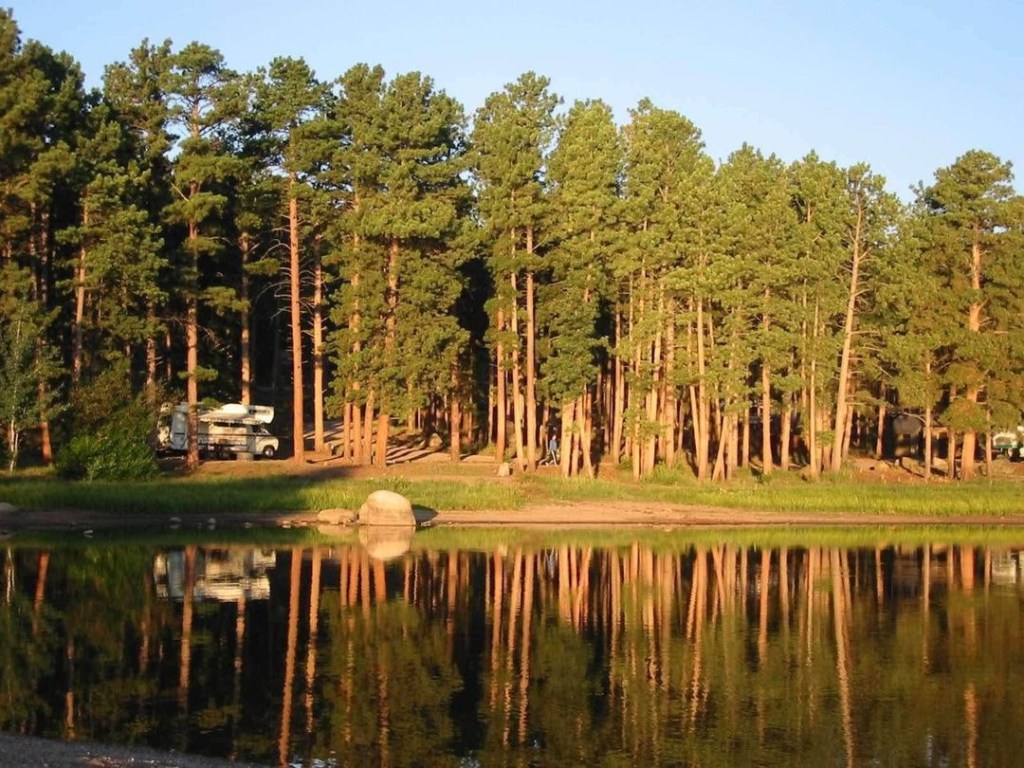
    For over 30 years, my RV has been a sanctuary for spiritual practice and deep contemplation. It has supported my journey through chronic fatigue syndrome (ME/CFS) and provided a peaceful retreat for mindfulness, prayer, and self-compassion. The RV has been more than just a vehicle—it has been a place that has nurtured my spirit in ways words cannot fully express.

    Now, I feel called to share this space with a broader community, where it can continue to offer refuge and sanctuary to others. Rather than selling the RV and watching it lose its essence, I have a vision of donating it to a spiritual community that shares these values. My hope is that it can be repurposed as a retreat cabin—a quiet place for seekers to find peace, rest, and solace amidst their spiritual journeys.

    I am seeking to partner with a spiritual community that would honor and care for the RV as a sacred space. Ideally, I would donate it while retaining a small percentage of ownership, allowing me to stay involved in its care and ensure that it continues to serve as a retreat for spiritual growth and healing. I deeply believe this RV can continue to be a sanctuary for those seeking peace, clarity, and connection in today’s busy world.

    If this vision resonates with you, or if you know of a spiritual community that might be interested, I would be honored to connect and explore how we can bring this idea to life.

    Additionally, I am considering creating a GoFundMe page to support this project if necessary, whether I pursue it independently or in collaboration with others. Your help, whether through connection, donation, or support, would be invaluable in bringing this vision to life.


    A Call to Action
    If you feel called, I invite you to share this vision with others in your community or spiritual circles. Together, we can find the right home where this RV can continue to serve its purpose—offering refuge, peace, and spiritual renewal to all who seek it.

    With gratitude,
    Richard Silverman
    Largo, Florida


    Exploratory Letter Number One: Reaching Out for Collaboration


    As part of my journey to find a new home for this sacred space, I’ve reached out to a few communities with the following letter. I’m sharing it here in hopes that it resonates with someone who may wish to collaborate or know of a community that aligns with this vision.


    Namaste everyone 🙏

    I’ve been practicing yoga and meditation consistently in my vintage Dodge American Clipper RV for the past 30 years. She has been my sanctuary and place of refuge, accompanying me to many monasteries and holy places along the way.

    I’m looking for someone who shares a passion for spiritual retreats, adventure, yoga, and meditation, and who might be interested in collaborating with me on a renovation project for this beloved RV. Whether you’re interested in becoming a co-owner or are looking to purchase, I’d love to hear from you!

    This vintage Dodge American Clipper RV has the potential to serve as an inspiring retreat vehicle for the yoga and meditation community. With the ability to sleep six people, she can also be a central location for group camping events, featuring a full kitchen, refrigerator, shower, water, heat, electricity, and air conditioning. I would love to see her restored and utilized as a community retreat vehicle, perfect for yoga and meditation retreats.

    If this resonates with you, please feel free to reach out. I look forward to connecting with fellow yogis and meditators!

    Love and Respect,
    Richard Silverman
    Largo, Florida
    Globalwellbeing.blog

    🙏🕊️🙏

    [Facebook Marketplace Link]


    Communities Currently Being Contacted
    To give you an idea of the types of communities I’m reaching out to, here’s a list of those I’ve already contacted. Each of these organizations aligns with my vision of creating a sacred space for yoga, meditation, and spiritual practice. I’m hopeful that one of them, or a future connection, will resonate with the vision for the RV.


    Communities Currently Being Contacted So Far:


    To give you an idea of the types of communities I’m reaching out to, here’s a list of those I’ve already contacted. Each of these organizations aligns with my vision of creating a sacred space for yoga, meditation, and spiritual practice. I’m hopeful that one of them, or a future connection, will resonate with the vision for the RV.

    Sacred Lands Preservation
    Located in St. Petersburg, Florida, Sacred Lands is a historic and spiritual site dedicated to the preservation of Native American culture and the protection of sacred spaces. The organization offers various cultural and educational events, promoting harmony with nature and respect for sacred traditions. It’s a peaceful refuge that aligns with the vision of creating sacred spaces for spiritual practice and reflection.

    Visit Sacred Lands Preservation

    Florida Community of Mindfulness
    The Florida Community of Mindfulness, based in Tampa, is a vibrant center for mindfulness and meditation practice. Rooted in the teachings of Thich Nhat Hanh, the community offers a range of programs designed to cultivate peace, compassion, and mindful living. Their offerings include meditation retreats, workshops, and mindfulness training, making it an ideal space for those seeking a deeper connection with themselves and the world.

    Visit Florida Community of Mindfulness

    Clearwater Zen Center
    The Clearwater Zen Center, located in Clearwater, Florida, offers a space for the study and practice of Zen Buddhism in the Soto tradition. The center provides regular meditation sessions, retreats, and Dharma teachings, all aimed at deepening mindfulness and awareness. It is a supportive community for those looking to cultivate inner peace and clarity through the practice of Zen.

    Visit Clearwater Zen Center

    Your Feedback, Comments, and Questions are Welcome 🙂

    Thank you for being part of this journey. Your support and shared vision mean the world to me.
    Please feel free to leave a comment below or reach out with any ideas, suggestions, questions, inspirations.

    🙏🕊️🙏


    🙏🕊️🙏

  • Ramayana No. 7: The Hero’s Journey in the Ramayana and Milarepa’s Life: A Universal Path to Dharma


    The hero’s journey is a timeless narrative structure that resonates across cultures and spiritual traditions. Described in depth by Joseph Campbell, this journey represents the universal path of transformation that each individual must undertake. As we explore the Ramayana and the life of Milarepa, we find that both stories are deeply rooted in this archetypal journey, offering profound insights into the challenges and triumphs of the human spirit.

    The Call to Adventure:

    In the Ramayana, Rama is called to leave the comfort of his home in Ayodhya and embark on a journey that will test his strength, resolve, and righteousness. His exile marks the beginning of an epic struggle against the forces of chaos and evil. Similarly, Milarepa’s life begins with a call to adventure, though it is initially fueled by revenge and darkness. Both heroes are drawn out of their ordinary worlds and into a realm where their true character will be forged.

    Trials and Challenges:

    As they embark on their respective journeys, both Rama and Milarepa face significant trials and challenges. Rama must confront powerful demons, navigate the complexities of dharma, and protect his loved ones. Milarepa, on the other hand, struggles with the weight of his past misdeeds and the rigorous training imposed by his teacher, Marpa. These trials are essential to their growth, pushing them to confront their deepest fears and weaknesses.

    Confrontation with Evil:

    The hero’s journey often culminates in a confrontation with a great evil. In the Ramayana, this is embodied by Ravana, the powerful demon king who represents the forces of adharma (unrighteousness). For Milarepa, the confrontation is more internal—facing the darkness within himself and the karmic consequences of his earlier actions. Both heroes must overcome these forces to fulfill their destinies and bring about a restoration of order and righteousness.

    Return and Transformation:

    After their trials, both Rama and Milarepa undergo profound transformations. Rama returns to Ayodhya not just as a warrior, but as a symbol of dharma, ready to restore justice and harmony to his kingdom. Milarepa, having purified his karma and attained enlightenment, becomes a revered spiritual teacher, guiding others on the path to liberation. Their journeys highlight the transformative power of righteousness, compassion, and spiritual discipline.

    The Hero’s Journey in Our Lives:

    The hero’s journey is not just a mythic structure—it’s a reflection of the challenges and opportunities we all face in life. We are each called to our own adventure, to confront our inner and outer demons, and to emerge transformed. The Ramayana and Milarepa’s story remind us that this journey is universal, a path we all walk as we seek to align our lives with dharma.

    The hero’s journey, as seen in the Ramayana and Milarepa’s life, is a powerful reminder of the transformative potential within each of us. By embracing the challenges we face and aligning our actions with dharma, we can emerge stronger, wiser, and more compassionate. May these stories inspire you on your own journey, guiding you toward the realization of your true self and the fulfillment of your highest potential.

    🙏🕊️🙏

    To delve deeper into Milarepa’s journey, you can watch Part One of the movie about his life here. This film offers an authentic portrayal of Milarepa’s early years, his misuse of mystical power, and his ultimate journey toward spiritual awakening and Dharma. It’s a powerful visual companion to the reflections shared in this post.

    For those interested in exploring the hero’s journey more deeply, you can find Joseph Campbell’s The Hero’s Journey on Kindle below. This seminal work offers profound insights into the archetypal patterns that shape our stories and our lives, providing a framework to understand the transformative journeys of both Rama and Milarepa.

    🙏🕊️🙏

  • Poem: Look to the Moon

    The finger points to where the moon does shine,
    But gaze not at the hand that beckons you.
    Let go the grasp of thoughts that claim as mine,
    And turn your sight to what is pure and true.

    Ramana speaks of Self, the quiet core,
    Where all the world and mind do gently fade.
    Orgyen’s Pristine Mind, and Buddha’s lore,
    Reveal the light that nothing can degrade.

    In God’s vast silence, there you’ll find the key,
    A truth that words and thoughts cannot contain.
    Release the need to seek, just let it be,
    For in the stillness, all is clear and plain.

    Stop searching for the truth outside, afar,
    The moon is shining, constant in the night.
    Turn inward now and see just where you are,
    The light you seek is your own inner light.

    Midnight.
    No waves,
    No wind,
    The empty boat
    Is flooded with moonlight.


    — Zen Master Dogen

    🙏🕊️🙏

  • Transforming the Suffering of ME/CFS into a Path of Healing

    For those of us living with post-viral myalgic encephalomyelitis (ME/CFS), the experience of life often feels like moving through a landscape filled with unseen obstacles. There is the fatigue—so heavy, so relentless—that it can feel like a weight we will never shake. There are the moments when even the simplest tasks become insurmountable, and the pain becomes a constant companion, whispering in the background of every day.

    When I first encountered the teaching “Transforming Suffering and Happiness into Enlightenment” by Dodrupchen Jigme Tenpe Nyima, it felt like someone had gently opened a door I hadn’t known existed. At the time, I was entrenched in my own struggle—fighting the fatigue, resisting the pain, angry at the injustice of it all. I didn’t see it then, but my resistance, my frustration, and my desperate need for things to be different were only making me sicker. Each day felt like another battle against my body, and it was exhausting in every sense of the word.

    The teaching introduced me to an entirely different way of relating to my experience. It was an invitation, not to fight against my suffering, but to sit with it, to gently turn toward it with a kind of curiosity. At first, the idea seemed absurd—how could I welcome something that was robbing me of so much? But as I read further, I began to understand that the more I resisted, the more I labeled my suffering as the enemy, the stronger it became. Everything around me had started to feel like an enemy—my body, the illness, even the world itself.

    The first time I truly absorbed the idea that suffering, like anything else, grows stronger with the attention we give it, it was a revelation. I started to realize that I had been feeding my suffering through my resistance. In a way, I was making myself worse by constantly pushing against the reality of what I was experiencing. This was the first eye-opener: that my own mind was contributing to the intensity of my suffering.

    I remember vividly when I decided to start putting this teaching into practice. I had signed up for a meditation class, feeling both hopeful and uncertain, and around that time, I also came across Tony Bernhardt’s book How to Be Sick. Little by little, I began to change how I approached the fatigue and pain. It didn’t happen overnight. In fact, it felt like planting seeds in the darkest soil—there were days when nothing seemed to grow, and I wondered if this new approach would ever bear fruit. But gradually, something did begin to shift.

    The more I learned to observe my suffering without immediately pushing it away, the more space I created around it. It wasn’t that the fatigue disappeared—far from it—but my relationship to it began to change. Instead of seeing every wave of exhaustion as something to fight, I started to meet it with a kind of quiet acceptance. This didn’t mean I liked it, but I stopped resisting it quite so fiercely. In time, the constant anger and frustration began to soften.

    As I practiced more, something else began to emerge—equanimity. I began to realize that the less I resisted both the suffering and the rare moments of joy, the steadier I felt inside. Over the years, my confidence in my ability to face difficulties has grown. There’s a quiet knowing now, a calmness that wasn’t there before, that when challenges arise, I can meet them without being completely swept away.

    Of course, this is still a work in progress, and I expect it will be for the rest of my life. Some days are harder than others, but the difference is that I no longer see the hard days as failures. They are simply part of the ebb and flow. And in learning to embrace both the suffering and the moments of peace, I’ve discovered a kind of strength that doesn’t come from fighting but from surrendering—surrendering to the reality of my experience without letting it define me.

    This teaching has shown me that suffering, far from being something to avoid, can become a profound teacher. When we allow ourselves to meet it with openness, we can begin to transform it. It doesn’t mean the pain or the fatigue will disappear, but our relationship to it changes. We become less fragile, more resilient. Over time, the suffering no longer feels like something that has complete power over us.

    For those of us living with ME/CFS, this teaching offers a way to shift the narrative. Instead of seeing our illness as something that has taken everything from us, we can begin to see it as part of our path. By practicing mindfulness, by gently turning toward our suffering instead of away from it, we begin to cultivate a heart that is steady, a heart that can hold both the fatigue and the fleeting moments of ease without being shaken by either.

    It’s a slow process, and it requires patience—patience with ourselves and with the process of healing. But there is a quiet beauty in this work. Each time we meet our suffering with compassion, we are planting a seed. And while the fruits may take time to blossom, they do eventually grow.

    For those of you who are interested in exploring this teaching more deeply, I encourage you to take your time with it. Let it sit with you, and consider how it might apply to your own experience. And if you’d like to read the full teaching by Dodrupchen Jigme Tenpe Nyima, you can find it freely available online here.

    This journey isn’t easy, but together we can learn to transform our suffering into something that doesn’t just weigh us down but also lifts us toward a deeper understanding of ourselves and the world around us.

    🙏🕊️🙏

    Biography of Dodrubchen Jigme Tenpai Nyima

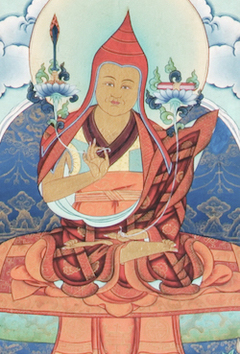
    Dodrubchen Jigme Tenpai Nyima, the Third Dodrubchen, was born in 1865 in the sacred Ma valley of Golok, Tibet, into a family deeply rooted in the spiritual lineage of his father, Dudjom Lingpa. From the very beginning, his life was marked by extraordinary recognition, with his teachers and mentors seeing in him the incarnation of profound wisdom. But his journey was not without struggle. As a young boy, he found study difficult, often frustrated to the point of tears. Yet, through perseverance and the support of his teachers, his understanding blossomed, revealing a deep capacity for spiritual insight.

    What makes Dodrubchen Jigme Tenpai Nyima so relatable is his humanity. Even as a master of Tibetan Buddhist teachings, he encountered challenges that shaped him into the teacher he became—a man of great compassion, who dedicated his life to training countless students in both Nyingma and Sarma traditions. His accomplishments were vast: he rebuilt his monastery, composed celebrated commentaries, and gave teachings tirelessly. And though he eventually retreated into seclusion due to his failing health, he continued to guide his closest disciples with unwavering dedication. His life, both ordinary and extraordinary, stands as a testament to the power of persistence, humility, and the profound depth of spiritual commitment.

    About Lotsawa House

    Lotsawa House is a rich and invaluable resource for those seeking authentic Tibetan Buddhist teachings. The website offers an extensive collection of translations from Tibetan texts, including teachings from many great masters such as Dodrubchen Jigme Tenpai Nyima. This is where the teaching “Transforming Suffering and Happiness into Enlightenment” can be found, along with countless other treasures, all freely available for anyone to access.

    Whether you are new to Tibetan Buddhism or have been practicing for years, Lotsawa House provides a space to explore the wisdom of these great teachings. The site is dedicated to making the profound texts of Tibetan Buddhism accessible to a global audience, offering translations in English and other languages, so that anyone, regardless of background, can benefit from these ancient spiritual insights. It’s a place where the wisdom of the Tibetan masters is preserved and shared, so that all who seek it may find the path to peace and understanding.

    You can explore the full collection of teachings and discover more about the great teachers who brought them to life by visiting Lotsawa House.

  • Patanjali No. 1: Introduction to the Yoga Sutras of Patanjali: A Journey Into the Heart of Yoga

    The Yoga Sutras of Patanjali are among the most revered and profound texts in the history of spiritual practice. Written over two thousand years ago, they offer a timeless guide to understanding the nature of the mind, the path of self-realization, and the true essence of yoga. Though often studied by practitioners of yoga, these sutras transcend any single tradition and speak to all who seek clarity, peace, and spiritual growth.

    Patanjali, the ancient sage credited with composing these teachings, distilled the essence of yoga into 196 short aphorisms, or sutras. These sutras are not just theoretical—each one provides practical wisdom, offering guidance on how to quiet the mind, transcend suffering, and realize our highest potential. Together, they form a comprehensive system for inner transformation, known as Raja Yoga or the “royal path” to self-mastery.

    Why, then, should we study the Yoga Sutras? In today’s world, we are often overwhelmed by the constant fluctuations of the mind—our thoughts, emotions, and external distractions. Patanjali’s teachings offer a way to navigate this inner turbulence, helping us cultivate stillness and awareness. The Yoga Sutras provide a roadmap to liberation, inviting us to look beyond the surface of our daily experience and discover the deeper truth of who we are.

    The sutras reveal that yoga is far more than physical postures or breathing techniques; it is a disciplined practice of calming the mind and awakening to our inherent state of peace. By studying and reflecting on these teachings, we can bring more clarity, wisdom, and purpose into our lives. As Patanjali himself declares at the very beginning of his work:

    “Now, the discipline of yoga begins.”

    In this series, we will explore the Yoga Sutras using the translation offered by Swami Vivekananda, a renowned spiritual teacher and philosopher who introduced the wisdom of yoga to the West in the late 19th century. Vivekananda’s translation is both accessible and profound, capturing the essence of Patanjali’s teachings while making them relevant to modern seekers. His interpretation illuminates the deeper meanings behind the sutras, providing a bridge between ancient wisdom and contemporary understanding.

    As we journey through these sutras together, we will take time to reflect on each one, understanding how it applies to our own lives and practices. The path of yoga is not just about reading words on a page—it is about living them, integrating the teachings into the way we think, act, and experience the world.

    Let this be the beginning of our journey into the heart of yoga. As we explore the Yoga Sutras of Patanjali, we will open ourselves to the possibility of inner transformation, guided by the light of these ancient teachings.

    Coming Up Next:
    In our next post, we will dive into the first two sutras: Atha Yoganushasanam and Yogash Chitta Vritti Nirodhah. Together, we will reflect on what it means to begin the practice of yoga and how the cessation of the fluctuations of the mind becomes the essence of our journey toward inner stillness. We’ll explore how these teachings apply to our daily lives and the strength it takes to cultivate presence and calmness in the face of life’s challenges. Join us as we take the first step in our exploration of Patanjali’s wisdom.

    🙏🕊️🙏

  • Introduction to Bhakti Yoga: The Path of Devotion and Divine Love

    Bhakti Yoga is the yoga of devotion, a deeply emotional and heart-centered path that leads practitioners to experience the divine through love, worship, and surrender. Rooted in the idea that the divine is both immanent and transcendent, Bhakti Yoga cultivates a personal relationship with the divine, often expressed through devotion to a chosen deity or spiritual figure.

    This path is characterized by the expression of pure love and devotion (bhakti) towards the divine, transcending intellectual knowledge and focusing on the heart’s connection with the divine presence. Bhakti Yoga teaches that by channeling all emotions and actions towards divine love, one can dissolve the ego and realize the unity of all existence.

    In this blog series, we’ll explore the principles and practices of Bhakti Yoga, and how this path of devotion can lead to profound spiritual transformation and connection with the divine.

    As we embark together on this journey of discovery and reflection, I warmly invite you to join me in exploring the depths of these ancient practices and teachings. Let this space be a sanctuary where we meet not just as seekers, but as companions on the path—a place where the wisdom of the ages can gently unfold within our lives.

    If these words and practices speak to something within you, if they stir a quiet longing or bring a sense of peace, I encourage you to subscribe to this blog. By doing so, you’ll be the first to know as new installments of our shared journey are published. It is my hope that each post will resonate with you, offering insights and comfort as we continue to explore these profound teachings together.

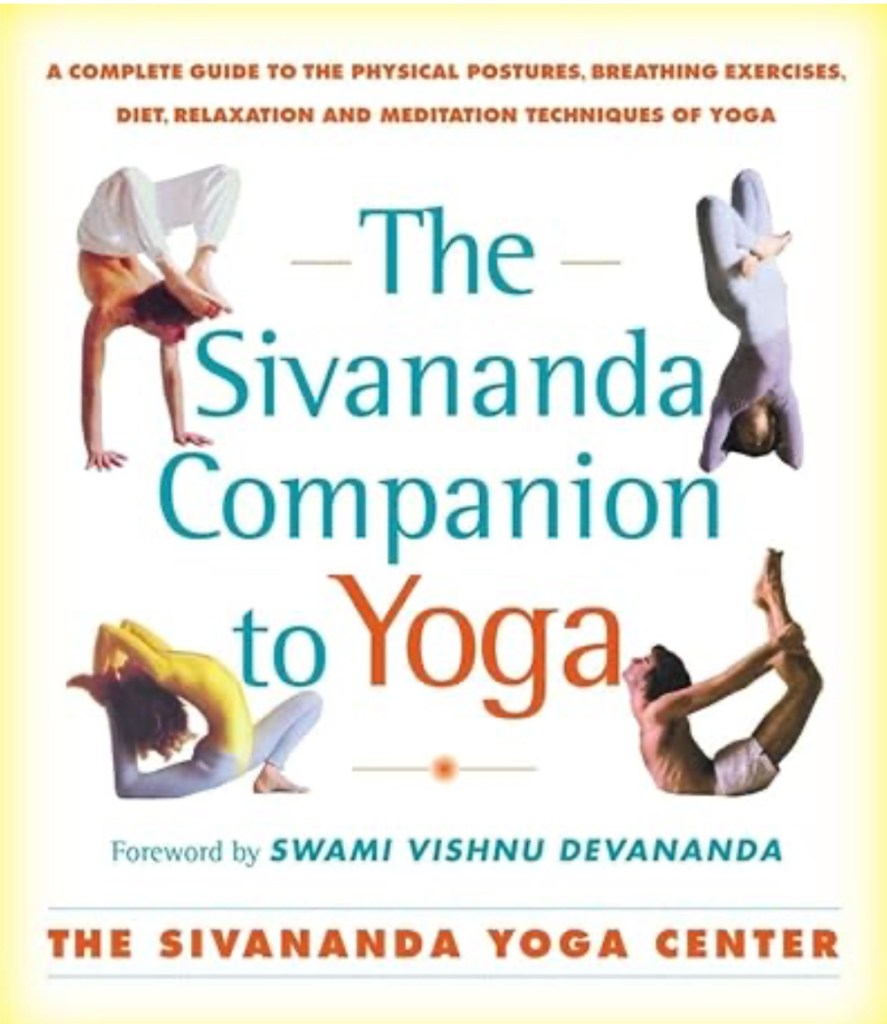
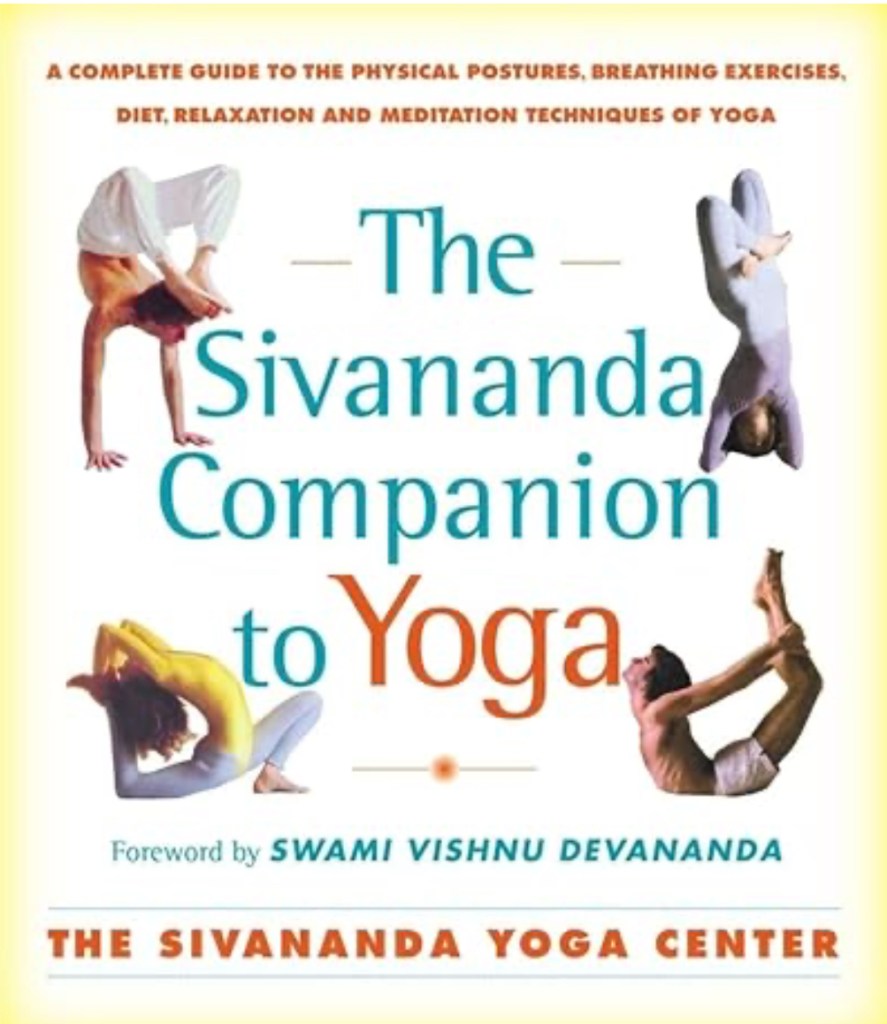
    For those interested in a comprehensive introduction to the practices of yoga, I recommend The Sivananda Companion to Yoga: A Complete Guide to the Physical Postures, Breathing Exercises, Diet, Relaxation, and Meditation Techniques of Yoga. This book offers clear guidance on the foundational aspects of yoga, making it an invaluable resource for anyone looking to deepen their understanding and practice.

    Take a look at this book on Amazon here.

    🙏🕊️🙏

  • Ramayana No. 6: The Misuse of Power and the Path to Dharma—Reflections on Milarepa


    As I delve into Chapter 3 of the Ramayana, I’m struck by the behavior of the sages who, despite their spiritual stature, succumb to anger and misuse their power. Their quickness to curse, driven by offense and ego, stands in stark contrast to the ideal of a sage who lives in harmony with Dharma. This misuse of spiritual power reminds me of the early life of Milarepa, the great Tibetan yogi, who, before finding his way to the Dharma, used his mystical abilities to wreak havoc and exact revenge.

    Milarepa’s story is one of transformation. Born into hardship and driven by a desire for vengeance, he trained in the dark arts, becoming a powerful sorcerer capable of summoning storms and causing death. But the weight of his actions bore heavily on him, leading him to seek redemption and ultimately to the path of Dharma. Under the guidance of his teacher, Marpa, Milarepa endured immense trials and austerities, purifying his past misdeeds and realigning his life with spiritual truth.

    In both the Ramayana and Milarepa’s story, we see a common theme: the danger of wielding spiritual power without the foundation of Dharma. The sages, like the young Milarepa, possess great abilities, yet their actions are tainted by ego and the desire for retribution. Their curses, though potent, are ultimately expressions of a misaligned heart, illustrating that power alone is not enough—what matters is how that power is used.

    Milarepa’s journey serves as a powerful counterpoint. His story teaches us that even the darkest use of power can be transformed through sincere repentance, discipline, and devotion. He shows us that true spiritual power lies not in the ability to curse or control, but in the capacity for compassion, forgiveness, and the relentless pursuit of Dharma.

    This parallel invites us to reflect on the nature of spiritual power in our own lives. Whether we possess mystical abilities or simply the power of influence, the question remains the same: Are we using our power in service of the greater good, or are we driven by ego, fear, or desire? The sages in the Ramayana remind us of the pitfalls of misaligned power, while Milarepa’s story offers hope and inspiration—that no matter how far we stray, we can always return to the path of righteousness.

    As we continue to explore the Ramayana, let us keep in mind the lessons from these stories. Power, in any form, is a double-edged sword. It can be a force for great good or great harm, depending on how it is wielded. The true path of the sage, and the true path of Dharma, is to align that power with love, compassion, and the selfless service of others.

    In a world where power is often sought for its own sake, these ancient stories remind us that the highest use of power is in the service of truth and the upliftment of all beings. May we, like Milarepa, find the strength to transform our mistakes and realign our lives with the sacred path of Dharma.

    Watch the Story of Milarepa

    For those who wish to delve deeper into Milarepa’s life and transformation, you can watch Part One of the movie about his life here. This film, housed in the Tibetan archives, offers an authentic portrayal of Milarepa’s early years, his misuse of mystical power, and his ultimate journey toward spiritual awakening and Dharma. It’s a powerful visual companion to the reflections shared in this post.

    🙏🕊️🙏

  • 1: Introduction to the Exercise Series: Gentle Movement for Body, Mind, and Spirit with Post-Viral ME/CFS

    Dear Friends,

    As we embark on this series exploring exercise and movement for those living with Post-Viral ME/CFS, it’s important to begin by acknowledging a simple truth: your path to wellness may look different from anyone else’s—and that is completely okay. The nature of living with Post-Viral ME/CFS requires us to redefine what exercise means, adapting to a new rhythm that is in harmony with our energy levels, symptoms, and the realities of daily life.

    Exercise in the traditional sense may bring up images of intense workouts, lifting heavy weights, or running miles. But for those of us living with Post-Viral ME/CFS, exercise might mean something entirely different. It might mean resting in bed, visualizing a workout, or simply getting to the gym parking lot for a few minutes on your way home from grocery shopping. It could mean gentle stretching in bed, doing a few light tasks around the house, or taking time to breathe mindfully.

    This series is meant to serve as a guide for embracing a new kind of exercise—one that is not about pushing limits or chasing goals but about nurturing your body, mind, and spirit through gentle movement, mindfulness, and above all, compassion.

    A Journey of Imagination, Gentle Action, and Acceptance

    In the first few posts of this series, we will explore the power of imagination and visualization. There may be days (or even weeks or months) when your body cannot physically engage in any form of movement, but that doesn’t mean you are disconnected from your body’s potential. Visualization is a powerful practice, one that allows your mind to engage with the idea of movement without needing to physically exert yourself. We’ll talk about how you can visualize workouts, stretching, or gentle movements while lying in bed, creating a mental connection that keeps your awareness sharp without triggering post-exertional malaise.

    We’ll also talk about small steps—like driving to the gym and sitting in the parking lot, even if you don’t have the energy to go inside. There’s value in simply getting closer to the idea of movement. Over time, you might find yourself taking steps further, maybe walking into the gym, sitting in the environment, and just absorbing the energy of people moving around you.

    Titrating Activity: Finding Balance and Progress

    As we move forward in this series, we’ll explore how to approach physical activity in a way that’s both mindful and sustainable. Small, controlled movements—whether they’re simple stretches at home or slow, mindful exercises at the gym—are a way to begin reconnecting with your body without overstepping your energy limits. Remember, movement for us is a delicate balancing act, and we’ll emphasize the importance of checking in with yourself frequently and avoiding the temptation to push too hard.

    This series isn’t about getting you to the point of running marathons or lifting heavy weights. It’s about honoring where you are on any given day. Some days, the most compassionate action you can take is visualizing movement while lying in bed. Other days, you might find that you’re able to move a little more—maybe stretch gently, walk for a few minutes, or do light movements with a resistance band. Every step, no matter how small, is progress.

    Exercise as Self-Care, Not Striving

    Throughout this series, we’ll emphasize that exercise is not about striving for perfection or chasing after big milestones. It’s about tuning into your body, listening to its needs, and responding with kindness. Exercise, in this new sense, is about moving in harmony with your energy and creating a relationship with your body that’s built on trust and compassion.

    This journey is personal, and each day will bring different challenges and opportunities. The important thing is that you approach this path with an open heart, celebrating the small victories and honoring the moments when rest is the best thing you can offer yourself.

    As we conclude this introduction, I want to emphasize that this series is not meant to be a strict, linear guide. What I’ve shared is simply how the process unfolded for me, step by step, over the course of years. You may find that your own journey takes a different path. Perhaps you’ll stay with the visualization step for days, weeks, or even months before feeling ready to move forward. You may visit the gym parking lot a few times, or perhaps many times, before stepping inside.

    For me, it took over two years—before I was able to enter the gym and engage in light, respectful exercise. At first, I could only manage it once in a while, then eventually once a month, and after a few more years, I was sometimes able to go twice a month. A few years later, I found myself exercising once a week, but not always. I still need to be careful to honor my body’s limits and energy reserves so as not to trigger PEM. Over the years I have been smoothing out the valleys and hills.

    Please know that this series is not a guideline to be followed strictly but a set of ideas to explore at your own pace. The path of recovery, movement, and exercise for someone living with Post-Viral ME/CFS is unique to each individual. My hope is that my experience offers some encouragement and helps you find your own rhythm and approach as you reconnect with your body. It is my sincere wish that this series will be of benefit to you.

    In the final post of this series, we’ll reflect on the entire journey—offering you a comprehensive conclusion, a reminder that this is an ongoing process of listening, adapting, and finding peace with where you are. Until then, I invite you to take each post as a gentle nudge toward reconnecting with your body, whether that’s through imagination, small actions, quiet reflection or visiting a gym.

    Looking Ahead

    Next up, we’ll talk about imagining movement as the first step in reclaiming your relationship with exercise. Visualization is a powerful tool, and I’ll show you how to use it as a way to reconnect with your body without draining your energy. Even when physical movement feels impossible, the mind can still engage in the process of healing and renewal.

    Thank you for joining me on this journey, and I look forward to walking this path together.

    With compassion and gentle encouragement,
    Richard Silverman

    🙏🕊️🙏

  • Embracing the ME/CFS Crash: A Journey of Pacing, Overdoing, and the Practice of Witnessing. Or, Non-duality Rocks!

    Reminder: If reading this post becomes tiring, remembert to pause and rest. Pacing applies to all activities, even the ones we love, like reading and learning. Come back to this post later if you need to. Practicing pacing, even in small moments, is an essential part of living well with chronic fatigue syndrome.

    Introduction

    There’s a rhythm to living with chronic fatigue syndrome (CFS), one that demands a delicate balance of energy. Most of us who live with this condition become intimately familiar with pacing—learning how to manage our energy, smoothing out the hills and valleys of our strength. Through pacing, I’ve learned to minimize the crashes that come when I push myself too far. But even with this practice, there are moments when I consciously decide to overdo it.

    Sometimes, there’s a powerful desire to break out of the limits that CFS imposes. It’s a rebellion, a brief escape. I know when I’m pushing too far, but I choose to embrace life fully for a day or two. I let myself feel that temporary energy, even though I know I’ll crash later. It’s a conscious decision to say, “I’m going to enjoy this moment, and I’m willing to pay the price.”

    For anyone with CFS, this might sound familiar. We know pacing is vital to managing our condition, but there are times when the joy of overdoing it feels worth the consequences. And yet, when the crash comes—and it always does—the body demands recovery. This is where the real work begins, not just physically, but mentally and emotionally.

    The Second Arrow: Witnessing the Mind’s Reactions

    When I crash, the body does what it needs to do to heal, and I’m forced to stop. But I’ve learned over time that what really intensifies suffering isn’t just the crash itself—it’s the mental and emotional turmoil that can follow. This is where the teachings of vrittis and pratyayas have been so transformative for me.

    In simple terms, vrittis are the fluctuations of the mind—the rising and falling thoughts and emotions. Pratyayas are the seeds that drive these mental fluctuations, often based on past experiences, memories, or attachments. Together, these create the mental chatter that, when left unchecked, can deepen the suffering of any crash.

    Buddhist teachings describe this extra layer of suffering as the “second arrow.” The first arrow is the unavoidable pain—whether physical, emotional, or otherwise. But the second arrow is the mental suffering we add on top of that pain: the self-criticism, the frustration, the inner dialogue that says, “Why did I overdo it? I knew better.” This second arrow is where much of the suffering lies.

    But by the yogic practice of witnessing the vrittis and pratyayas, I’ve learned to avoid that second arrow. I observe the mental fluctuations as they come and go, without attaching to them, without allowing them to define my experience. I become the seer—the witness—and in doing so, I find that even during a crash, there is peace to be found.

    Pacing and the Conscious Decision to Overdo It

    Pacing remains the cornerstone of managing chronic fatigue syndrome. It’s about knowing your limits and respecting them, smoothing out the ups and downs of energy. But what happens when pacing fails? What happens when you make the conscious decision to overdo it, knowing full well that you’ll pay for it later?

    For me, the key has been integrating this practice of witnessing into every stage of the process. I allow myself to live fully in those moments of overindulgence, embracing the joy of activity and connection, knowing that a crash will follow. But when the crash comes, I don’t add layers of mental suffering by blaming myself. Instead, I use the crash as an opportunity to practice witnessing—the vrittis and pratyayas are just thoughts and mental patterns, not realities. By observing them, I stay free of the second arrow.

    This approach allows me to live with chronic fatigue syndrome in a way that feels less restrictive. Yes, I pace myself. Yes, I’m mindful of my energy. But even when I choose to push past those limits, I know that I can find peace in the aftermath through this practice.

    The Impulse to Finish, the Practice of Letting Go

    As I write this post, I feel the strong desire to finish it, to post it immediately so that it can be available to those who may benefit from it. It’s an impulse I recognize well—a pratyaya, a desire that drives me to push beyond my limits, even when I know it’s not in my best interest.

    But just as I practice witnessing during a crash, I also practice witnessing this impulse. I see it for what it is—just a thought, just Mara, just another fluctuation of the mind. I don’t have to follow it. I don’t have to act on it. Instead, I can pause, rest, and come back to this post when my body is ready.

    In the same way, I encourage you, as a reader, to pace yourself. This post is long, and if you find yourself feeling tired, take a break. Reading is an activity that requires energy, and pacing applies here, too. Come back to it later if you need to. Take care of your energy, just as I am doing with mine.

    A Soft Rebellion, a Path to Growth

    There is something liberating about the moments when we choose to overdo it, to embrace life fully despite knowing we’ll crash later. It’s a soft rebellion, a decision to live in the moment, even when we know the consequences. But with the right mindset, even those crashes can become opportunities for growth and practice.

    The teachings of witnessing the vrittis and pratyayas have shown me that even the difficult moments—the crashes, relapses, pain, dysfunction, and discomfort of those moments, days, or weeks of low energy—are fertile ground for inner growth. By avoiding the second arrow, and simply observing my mind without attaching to the fluctuations, I can find peace even in the midst of discomfort.

    For anyone living with chronic fatigue syndrome, I hope this reflection offers some comfort and guidance. There is no perfect way to navigate this condition, but there are practices that can help us find peace, even in the most challenging times. Whether it’s through pacing, or through the practice of witnessing, or simply by being gentle with ourselves, especially in moments of overdoing it, we can find a way to live with greater ease and acceptance.

    Take your time, pace yourself, and remember that every crash, every moment of overdoing it, is a new opportunity to practice and grow. We are all on this path together, and in that, there is a kind of peace.

    Facing the Storm: An Urgent Reminder to Pace and Witness

    As I write this, there is a real storm brewing, both within and without. The image below is a weather map of the hurricane that may soon hit my area, forcing me to evacuate. As someone living in an RV, evacuation is usually mandatory in situations like this, and so I find myself facing the possibility of having to leave my bed in the middle of a crash caused by overdoing it.

    The threat is very real, and so the importance of pacing is now at a level that I can’t ignore. I must prioritize rest and recovery immediately, because no matter what state I’m in, I’ll have to get out of bed and go to the hurricane shelter at the church next door if an evacuation order comes.

    This situation has made it even clearer to me how crucial the practice of witnessing vrittis and pratyayas is. Without that practice, I would be overwhelmed by anxiety and fear right now. The mind wants to run wild with worst-case scenarios and worries, but I have been training myself to simply witness these thoughts as they arise. They are just thoughts—just mental fluctuations. They do not have to define my experience. I can stay present, calm, and clear, ready to deal with whatever comes.

    So, after I finish writing this post, I’m going into massive rest and be prepared mode. The practice of pacing has never been more critical. This is an extreme red-flag situation, and I hope it serves as a reminder to all of us with chronic fatigue syndrome: sometimes, the urgency of rest is not just about avoiding a crash; it’s about survival.

    Take a look at the image below—it’s a reminder to me, and hopefully to you as well, that life can throw storms at us both literally and metaphorically. But with the right practices, we can remain centered and grounded, ready to face what comes with a steady mind and a rested body.

    As we face the storms within and around us, may we find peace in the stillness of our hearts. May all beings be free from suffering and the causes of suffering. May all beings experience happiness and the causes of happiness. May we all find safety, strength, and well-being on our journeys, no matter how turbulent the path. May we be guided by wisdom, anchored in compassion, and find harmony in the unfolding of each moment. And in these times of uncertainty, may we remember our interconnectedness, and may we all be held in grace and peace.

    🙏🕊️🙏

  • Introduction to Karma Yoga: The Path of Selfless Action

    Karma Yoga is the yoga of selfless action, a path that transforms work into a spiritual practice by emphasizing the importance of performing one’s duties without attachment to the outcomes. Rooted in the teachings of the Bhagavad Gita, Karma Yoga encourages practitioners to engage fully in their responsibilities while dedicating their actions to the greater good, without seeking personal gain or recognition.

    The essence of Karma Yoga lies in the principle of Nishkama Karma—acting without desire for the fruits of one’s actions. This approach purifies the heart and mind, reducing the influence of the ego and fostering a sense of humility, compassion, and service. By embracing this path, practitioners learn to see their work as an offering, aligning their will with the divine and contributing to the welfare of all beings.

    In this blog series, we’ll delve into the core teachings of Karma Yoga and how it can be applied to our daily lives, transforming every action into a step on the spiritual path.

    As we embark together on this journey of discovery and reflection, I warmly invite you to join me in exploring the depths of these ancient practices and teachings. Let this space be a sanctuary where we meet not just as seekers, but as companions on the path—a place where the wisdom of the ages can gently unfold within our lives.

    If these words and practices speak to something within you, if they stir a quiet longing or bring a sense of peace, I encourage you to subscribe to this blog. By doing so, you’ll be the first to know as new installments of our shared journey are published. It is my hope that each post will resonate with you, offering insights and comfort as we continue to explore these profound teachings together.

    For those interested in a comprehensive introduction to the practices of yoga, I recommend The Sivananda Companion to Yoga: A Complete Guide to the Physical Postures, Breathing Exercises, Diet, Relaxation, and Meditation Techniques of Yoga. This book offers clear guidance on the foundational aspects of yoga, making it an invaluable resource for anyone looking to deepen their understanding and practice. Take a look at this book on Amazon here.

    🙏🕊️🙏