Category: Bridging Hearts and Minds

  • Introduction to Hatha Yoga: The Path of Physical Mastery and Inner Balance

    Hatha Yoga is the yoga of physical discipline, focusing on the practice of asanas (postures) and pranayama (breath control) to create a strong, flexible body and a calm, focused mind. Often seen as the foundation for other forms of yoga, Hatha Yoga serves as a preparatory practice that balances the physical and energetic systems, making the body a fit vehicle for spiritual awakening.

    The term “Hatha” can be translated as “forceful,” but it also represents the union of opposites—Ha (sun) and Tha (moon)—symbolizing the balance of solar and lunar energies within the body. Through the practice of Hatha Yoga, one seeks to harmonize these energies, cultivating both strength and serenity, vitality and relaxation.

    In this blog series, we’ll explore the foundational practices of Hatha Yoga and how they prepare the body and mind for deeper spiritual work.

    As we embark together on this journey of discovery and reflection, I warmly invite you to join me in exploring the depths of these ancient practices and teachings. Let this space be a sanctuary where we meet not just as seekers, but as companions on the path—a place where the wisdom of the ages can gently unfold within our lives.

    If these words and practices speak to something within you, if they stir a quiet longing or bring a sense of peace, I encourage you to subscribe to this blog. By doing so, you’ll be the first to know as new installments of our shared journey are published. It is my hope that each post will resonate with you, offering insights and comfort as we continue to explore these profound teachings together.

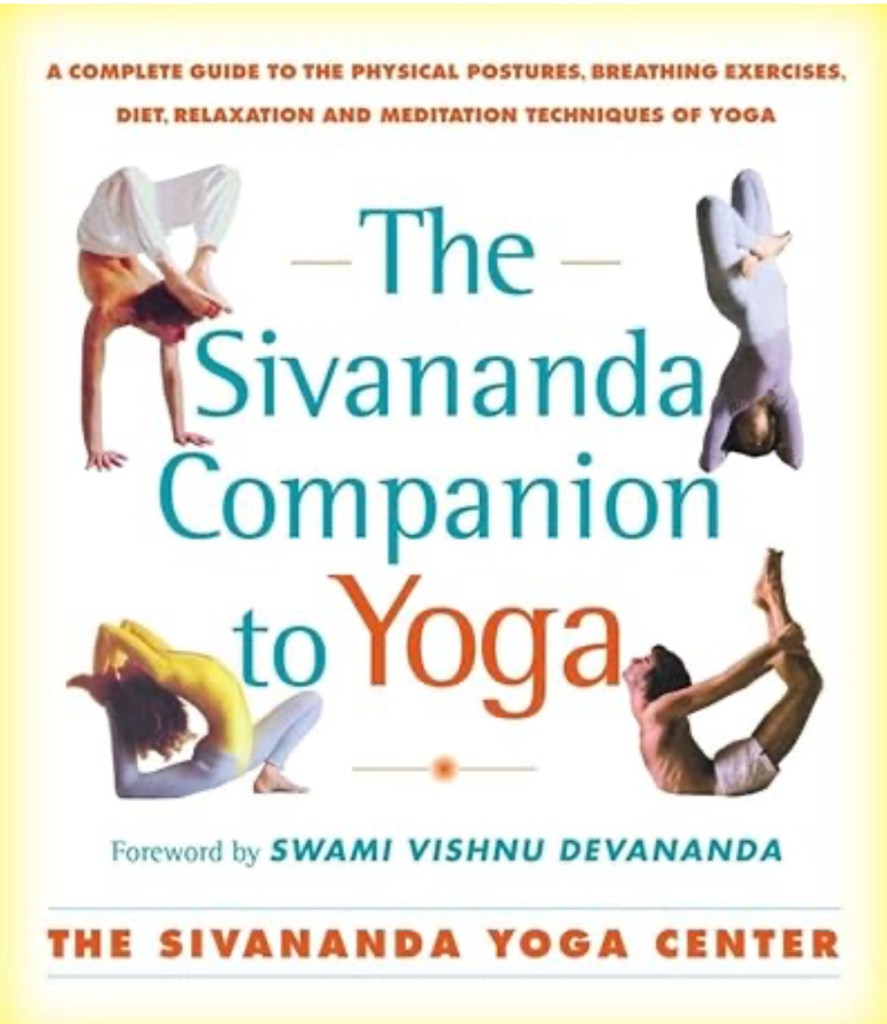
    For those interested in a comprehensive introduction to the practices of yoga, I recommend The Sivananda Companion to Yoga: A Complete Guide to the Physical Postures, Breathing Exercises, Diet, Relaxation, and Meditation Techniques of Yoga. This book offers clear guidance on the foundational aspects of yoga, making it an invaluable resource for anyone looking to deepen their understanding and practice. Take a look at this book on Amazon here.

    🙏🕊️🙏

  • Post 3: Discovering the True Self: Reflections on Patanjali’s Sutras 1.3 and 1.4

    In the previous post, we explored the importance of discipline and of calming the mind’s fluctuations, or vrittis, as described in Sutra 1.2. This brings us to the next essential question: What happens when the mind becomes still? What is revealed in that stillness, and what occurs when we remain caught in the waves of thought?

    Patanjali’s Sutras 1.3 and 1.4 address these questions directly:

    1.3: Then, the Seer abides in its true nature.
    1.4: At other times, the Seer identifies with the fluctuations of the mind.

    These sutras point to the core of Patanjali’s teachings. When the mind is quiet and still, we experience our true self—often referred to as the Seer, the one who witnesses without attachment. In this state of presence, we are not our thoughts, emotions, or the external world. We simply are—a reflection of pure consciousness, free from the distortions created by mental activity.

    However, as Sutra 1.4 reminds us, when the mind is restless, we tend to identify with its movements. Instead of recognizing ourselves as the calm, observing presence, we become entangled in our thoughts and emotions. This misidentification is the source of much of our suffering, as we lose sight of our true nature and become caught in the illusions of the mind.

    The True Self and Misperception

    Patanjali is pointing to a fundamental distinction: there is the Seer, the pure awareness that we are, and there are the vrittis, or the mental fluctuations that obscure this awareness. When we are identified with the fluctuations, we see through a distorted lens. Our thoughts, emotions, and external circumstances take on an exaggerated sense of reality, and we mistake them for who we are. This is misperception, the root of suffering in yoga philosophy.

    However, when we practice calming the mind and returning to stillness, the vrittis subside, and we begin to experience life from a place of pure awareness. In this state, we are no longer bound by our thoughts or emotions. Instead, we recognize them as temporary movements of the mind, while our true essence remains constant and untouched.

    Applying This Wisdom in Practice

    The challenge, of course, is that the mind rarely stays still for long. Thoughts, emotions, and distractions are always arising, pulling us away from the calm, observing presence. However, the goal of yoga is not to eliminate these mental movements entirely but to shift our relationship to them.

    Through practice, we learn to observe the fluctuations of the mind without identifying with them. This is the essence of Raja Yoga—the royal path of self-mastery. As we cultivate stillness, we gain the strength to remain centered in our true nature, even as the mind continues its movements.

    Each time we sit in meditation or reflect on these teachings, we are training ourselves to return to this place of stillness, to abide in the awareness of the Seer. In doing so, we gradually loosen the grip of misperception and move closer to the realization of our true nature.

    A Reflection on Swami Vivekananda’s Translation

    Swami Vivekananda’s translation of these sutras adds another layer of clarity. His teachings emphasize the importance of self-discipline and mental focus in realizing the true self. Vivekananda reminds us that yoga is not just a path of knowledge but one of direct experience. It is through disciplined practice that we experience the Seer and begin to see through the illusions of the mind.

    Moving Forward: The Practice of Abiding in Stillness

    As we reflect on Sutras 1.3 and 1.4, we can take a practical approach to integrating their wisdom. Begin by setting aside time each day to sit in stillness, observing the movements of the mind without attachment. When thoughts arise, gently remind yourself that you are the Seer, not the fluctuations. Over time, this practice will deepen, and the distinction between the Seer and the vrittis will become clearer.

    But more than just observing, the practice invites us to abide in stillness. The word “abide” carries a richness that implies more than simply being present—it suggests resting deeply, dwelling in a state of ease, and allowing the true nature of the Seer to unfold without resistance. To abide is to sink into the natural state of awareness, where there is no striving, no force—only a quiet, steady presence.

    As Joseph Goldstein has spoken of in his commentary on the Satipatthana Sutra, abiding is not passive but an active engagement with our true nature. It is a continual resting in awareness, a soft yet unwavering commitment to remain as the witness. In this way, the Seer abides in its true nature, not as an abstract concept, but as a living, breathing experience.

    By consistently returning to stillness, we strengthen the muscle of awareness and begin to live more fully from our true nature. The journey is ongoing, but each step brings us closer to the realization of who we truly are.

    Coming Up Next:

    In the next post, we will explore Sutras 1.5 and 1.6, where Patanjali elaborates on the nature of the vrittis. We’ll learn about the five types of mental fluctuations and how they either lead to suffering or liberation. Join me as we continue this journey into the depths of the mind and the path to freedom.

    When thoughts arise, gently remind yourself that you are the Seer, not the fluctuations.

    🙏🕊️🙏

  • Introducing the Neti Neti Practice Series: A Journey of Self-Inquiry

    Welcome to the Practices of Neti Neti series, an exploration into one of the most profound methods of self-inquiry within the Advaita Vedanta tradition. This series is dedicated to the practice of Neti Neti—a Sanskrit phrase meaning “not this, not this”—which serves as a guide for stripping away all that is not the true Self, leading to the recognition of our pristine, unchanging nature.

    What is Neti Neti?

    Neti Neti is a process of negation that helps practitioners identify and discard false identifications with thoughts, emotions, and sensations. It is a method of peeling back the layers of the ego to reveal the stillness and silence of the pristine mind—the pure consciousness that is unaffected by the fluctuations of the mind. This practice is at the heart of Advaita Vedanta and is used to guide the seeker toward the realization of the Self, or Atman, which is ultimately one with Brahman, the universal consciousness.

    About This Series

    In this series, you will find a collection of questions and answers that delve deeply into the practice of Neti Neti. Each question is a reflection of the natural inquiries that arise during meditation and self-inquiry. The answers are written in a contemplative and encouraging style, as letters from a friend —offering wisdom, clarity, and support as you navigate your own journey of self-discovery.

    Why Questions and Answers?

    The format of questions followed by reflective answers is inspired by the teaching styles of great spiritual masters like Ramana Maharshi and Papaji. This approach allows for a dynamic exploration of the practice, addressing the doubts and insights that naturally emerge as one progresses on the path. By engaging with these questions, you’ll find that the answers are not merely intellectual responses, but invitations to deeper inquiry and realization.

    How to Use This Series

    This series is designed to be read sequentially, as the posts build upon each other, following the natural flow of practice and understanding. However, you are also welcome to explore the posts in any order, depending on where you are in your own practice.

    Each post presents a question that might arise during your meditation or reflection, followed by a letter that offers guidance on how to address it. These letters are not just answers—they are invitations to deepen your practice, to explore the subtleties of Neti Neti, and to connect with the stillness that lies beyond all mental events.

    Beginning the Journey

    As you embark on this journey through the Neti Neti practice, remember that this path is not about attaining something new, but about recognizing what has always been present. The goal is to gently guide the mind away from its distractions, allowing the pristine mind—your true nature—to shine through.

    Whether you are new to Neti Neti or looking to deepen your understanding, I invite you to explore these letters with an open heart and a quiet mind. May they serve as a steady guide on your path to self-realization.

    Engage and Explore Together

    I warmly encourage you to leave any questions or reflections in the comments section of each post. If a question resonates deeply or sparks a new line of inquiry, I may create additional blog posts to explore these topics further. Your engagement helps to create a community of shared learning, where we can all benefit from each other’s insights and experiences.

    Let us begin this journey together, one question and one insight at a time, as we uncover the truth of who we truly are.

    For those who wish to explore further the concept of pristine mind and its practices, I highly recommend Orgyen Chowang Rinpoche’s book, Pristine Mind: A Journey into Self-Awareness. Although this book does not specifically address the Neti Neti practice, it offers profound insights into the nature of pristine mind, a state of pure awareness that lies beyond the mental events and distractions that often cloud our perception. Rinpoche’s teachings provide a clear and accessible guide to realizing and resting in this natural state, which closely aligns with the ultimate goal of Neti Neti. You can explore the Kindle version of this book below, which may serve as a valuable companion on your journey of self-inquiry and spiritual awakening.

    🙏🕊️🙏

  • 3: The Benefits of Visualization in Exercise for Those Living With Post-Viral ME/CFS

    When living with Post-Viral ME/CFS, the very thought of physical movement can feel overwhelming, even impossible. However, for many, the desire to engage with your body, to improve mobility, and to gently build strength remains alive. Yet, finding ways to exercise that honor your energy levels without triggering post-exertional malaise (PEM) may feel like a delicate balancing act. In this post, we explore a powerful tool for those who find themselves limited by energy: visualization.

    Visualization allows you to engage your mind in the practice of movement without the physical strain. It offers a way to begin building new neural pathways, changing your relationship with exercise, all while lying in bed or resting. This gentle mental practice may seem subtle, but it can be profoundly supportive on days when your body can’t tolerate physical activity.

    Visualization is the practice of imagining yourself performing a physical movement or action. Research shows that when you imagine a task with enough vividness and detail, your brain activates similar pathways as if you were physically moving. This means that, even when your body remains still, your brain is training for movement.

    For those living with Post-Viral ME/CFS, this can be transformative. Even on days when your body feels heavy or unmovable, you can still practice connecting to movement—without the risk of triggering PEM. Visualization offers a bridge between your current physical state and the possibility of reintroducing exercise gently, one step at a time.

    It may seem counterintuitive, but scientific research has demonstrated that imagining a movement can have measurable effects on physical ability. Studies show that visualization can lead to increased muscle strength, improved coordination, and enhanced motor skills. This practice is especially valuable for people recovering from conditions that limit physical movement. When actual movement is impossible, your brain still benefits from the exercise. By visualizing yourself lifting weights or walking, your brain builds new pathways that mirror the benefits of actual physical movement.

    For those with Post-Viral ME/CFS, visualization can become a mindful entry point into a more connected relationship with your body. It requires no physical energy and can be practiced while you’re lying in bed or seated in a comfortable chair.

    To begin, find a comfortable place where your body can relax completely. Close your eyes and take a few calming breaths. Start by gently becoming aware of your body, feeling supported and at ease. As you breathe, release any tension with each exhale. From this place of relaxation, you can begin to visualize simple movements—such as lifting a light weight, or walking on a treadmill.

    Imagine the sensation of the movement as if it were real: the muscles contracting, the rhythm of your breath, the gentle pull of strength through your arms or legs. The more vividly you engage your senses, the more fully your brain responds. Imagine the warmth of your muscles, the calm focus that exercise brings, or the joy of feeling capable and connected to your body once again.

    This practice isn’t just about mental imagery—it also helps rebuild your emotional relationship with exercise. Living with Post-Viral ME/CFS often comes with frustration and sadness around the body’s limitations. Visualization offers a way to regain a sense of control, to connect with the potential of your body in a way that feels safe and sustainable. It creates a pathway for healing, both mentally and physically.

    While visualization may not replace physical movement, it offers a gentle step in that direction. On days when your energy is low, this practice helps maintain the neural connections involved in exercise. It can even help ease the fear or anxiety associated with movement, reminding you that the joy of exercise is still available to you, even when your body isn’t ready to act.

    Once your energy permits, you can use visualization as a bridge to actual physical movement. For example, after imagining yourself performing a simple weightlifting exercise, you might try gently lifting a light dumbbell. The key is to remain mindful of your limits, moving only within your energy envelope, without pushing your body beyond its capacity.

    Visualization is a powerful tool for those living with Post-Viral ME/CFS. It creates a foundation for healing and offers hope on days when movement feels impossible. By engaging with mental exercises, you prepare your body and mind for the eventual return to gentle physical movement.

    The journey with Post-Viral ME/CFS is about adaptability, gentleness, and finding ways to reconnect with your body on your terms. Visualization offers both a reprieve from physical exertion and a gateway back to mindful movement.

    Next Post Preview: Sitting in the Gym Parking Lot—A Gentle Step Toward Physical Movement

    In the next post, we’ll explore how even driving to the gym and sitting in the parking lot can be a crucial step in your fitness journey. We’ll discuss how this practice can help rebuild confidence, reduce anxiety around exercise, and allow you to reconnect with the gym environment without physical exertion.

    🙏🕊️🙏

  • Book Review: The Hero with a Thousand Faces by Joseph Campbell

    Joseph Campbell’s The Hero with a Thousand Faces is a profound exploration of mythology and the universal archetype known as the Hero’s Journey. First published in 1949, this seminal work has influenced countless writers, thinkers, and spiritual seekers by uncovering the common narrative patterns that span cultures and eras. Campbell’s book is more than an academic study; it is a gateway to understanding the deep, symbolic language of myths and their relevance to our personal and collective spiritual journeys.

    The Essence of the Hero’s Journey

    At the heart of Campbell’s work is the concept of the Hero’s Journey, a universal template that he found in myths across the world. The journey begins with the hero’s call to adventure, followed by a series of trials and challenges, culminating in a transformation and a return to the ordinary world with newfound wisdom. This cycle of departure, initiation, and return is more than just a story structure; it represents the spiritual and psychological growth that we all experience in our lives.

    Campbell’s insight into the Hero’s Journey provides a powerful lens through which to view not only ancient myths but also modern narratives. By understanding this pattern, we can better grasp the inner workings of our own life stories—how we respond to challenges, grow from our experiences, and contribute to the world with the wisdom we’ve gained.

    Why The Hero with a Thousand Faces Matters

    One of the most compelling aspects of Campbell’s work is his ability to show that myths are not relics of the past but living stories that continue to shape our understanding of the world and ourselves. By revealing the common threads that run through myths from different cultures, Campbell invites us to see these stories as reflections of our shared human experience.

    In The Hero with a Thousand Faces, Campbell delves into myths from various traditions, illustrating how they all follow the Hero’s Journey in different yet fundamentally similar ways. This universality is what makes his work so inspiring and relevant. Whether you are drawn to ancient legends or modern storytelling, Campbell’s insights offer a timeless perspective on the transformative power of narrative.

    A Guide for Spiritual Seekers

    For those on a spiritual path, Campbell’s exploration of the Hero’s Journey provides a map for understanding the challenges and transformations inherent in personal growth. The trials of the hero can be seen as metaphors for the obstacles we face in our quest for meaning, enlightenment, or self-realization. By studying this pattern, we can gain insights into our own journeys and recognize that we are part of a much larger narrative—a collective story of transformation and return.

    Campbell’s work encourages us to embrace our own Hero’s Journey, to see our struggles as opportunities for growth, and to understand that our experiences, however difficult, are part of the universal process of becoming.

    Conclusion

    The Hero with a Thousand Faces is more than just a book about mythology; it is a profound exploration of the human experience. Joseph Campbell’s ability to distill the essence of the Hero’s Journey across cultures and eras makes this work an essential read for anyone interested in the power of stories, the universality of myths, and the spiritual journeys we all undertake.

    This book is not only a scholarly masterpiece but also a source of inspiration, offering readers a deeper understanding of the stories that shape our lives and the journeys we are all on. Whether you are a student of mythology, a writer, or a spiritual seeker, The Hero with a Thousand Faces provides valuable insights that can enrich your understanding of yourself and the world around you.

    This book is a timeless companion for anyone seeking to uncover the deeper truths embedded in the myths and stories that define our human experience.

    🙏🕊️🙏

    For those interested in exploring further, you can find The Hero with a Thousand Faces on Amazon using the link below.

  • Book Review: The Forty Rules of Love by Elif Shafak

    Introduction:
    The Forty Rules of Love by Elif Shafak is a remarkable novel that intertwines two parallel stories: the modern-day journey of Ella Rubenstein, who is undergoing a personal transformation through her engagement with a novel about Rumi and his spiritual teacher, Shams Tabrizi, and the historical relationship between Rumi and Shams in 13th-century Anatolia. Through these interconnected narratives, the novel explores themes of divine love, spirituality, and personal awakening.

    Background:
    At the heart of this novel is the transformative relationship between Shams Tabrizi and Jalal ad-Din Rumi. Shams, a wandering mystic known for his unconventional methods and profound wisdom, radically altered the course of Rumi’s life. Their bond became the source of Rumi’s spiritual awakening, leading him to write some of the most celebrated poetry in history.

    Shams’ teachings were rooted in Sufi traditions, emphasizing the dissolution of the ego, the centrality of love in spiritual practice, and the path toward divine union. His Diwan-i Shams-i Tabrīzī, a collection of poems attributed to him, captures his deep understanding of divine love. Shams’ presence in Rumi’s life was both disruptive and enlightening, awakening the poet to a higher consciousness, which Rumi expressed through his prolific works, including the Masnavi.

    The Forty Rules of Love:
    Elif Shafak’s novel is structured around the forty rules of love, which are teachings attributed to Shams. These rules serve as guideposts for navigating the human experience of love, both worldly and divine, and reflect key principles of Sufi mysticism. Shafak weaves these rules throughout the story, offering readers spiritual insights while engaging them in the personal struggles of her characters.

    Themes Explored:

    At the heart of The Forty Rules of Love lies a profound exploration of divine love, the kind of love that transcends the ordinary boundaries of human emotion. Through the lives of Rumi, Shams, and Ella, the novel delves deeply into the nature of love as both a mystical force and a transformative power. Shams’ teachings guide Rumi from a scholar and theologian into a poet of divine union, revealing love as a path that dissolves the ego and leads to spiritual awakening. This kind of love is not just a feeling but an illumination that binds the soul to the divine, guiding the seeker toward self-realization.

    Rumi’s own awakening, catalyzed by his connection with Shams, reflects this dissolution of the ego. In Shams’ eyes, the ego is the greatest barrier to true enlightenment. The novel, much like Rumi’s poetry, calls us to surrender the smaller self, to let go of the illusions we hold about our identity, and to step into a deeper experience of being—one in which we recognize that separation from the divine is the root of all suffering.

    Ella’s journey parallels Rumi’s in a modern context, as she begins to shed the constraints of her ordinary life, driven by a newfound understanding of love and spiritual depth. Her connection with the novel within the novel becomes a mirror to the relationship between Rumi and Shams, and she, too, is drawn into a process of inner transformation. The book masterfully illustrates how these timeless spiritual principles can apply to anyone, in any age, as they awaken to the deeper truths that exist beyond the confines of everyday existence.

    Ultimately, the novel’s greatest teaching may be that love, in its purest form, is the force that bridges all dualities—the sacred and the mundane, the earthly and the divine. Through the eyes of Shams and Rumi, readers are invited to experience love as the highest form of spiritual practice, one that calls us to be both fully human and fully connected to the infinite.

    Recommendation:
    For readers interested in spirituality, love, and personal growth, The Forty Rules of Love offers a rich, contemplative experience. Shafak’s storytelling, combined with the teachings of Shams Tabrizi, provides both entertainment and deep spiritual insight. Whether you’re a seasoned reader of Rumi’s works or new to Sufi mysticism, this novel is sure to leave a lasting impact.

    The Forty Rules of Love remains on my list for deeper exploration. I plan to engage with each of the rules more fully in the future, and this review serves as a placeholder for that deeper dive.

    🙏🕊️🙏

  • A Universal Prayer: From Darkness to Light, From Untruth to Truth

    In spiritual traditions across the world, we find prayers asking for guidance to move from confusion to clarity, from darkness to light, and from death to life. One such prayer comes from the Brihadaranyaka Upanishad, an ancient Hindu text, offering a heartfelt request for divine guidance. Though its roots are in Hindu philosophy, its message speaks to universal human desires—truth, wisdom, and spiritual transformation.

    For my Christian readers, this prayer can be understood as a plea for the Holy Spirit to guide us into all truth, as Jesus himself promised. It’s a prayer for light in a world often filled with darkness, and for life eternal.

    The Meaning of the Mantra:

    The mantra, “Om Asatoma Sadgamaya”, carries three simple yet profound aspirations:

       •   “Asatoma Sadgamaya”: Lead me from untruth to truth.
       •   “Tamasoma Jyotirgamaya”: Lead me from darkness to light.
       •   “Mrityorma Amritam Gamaya”: Lead me from death to life.

    Each line is a prayer asking for guidance out of the illusions and falsehoods of the material world, and into the truth, light, and life of the eternal. These are aspirations that align with the teachings of Jesus, who calls us to walk in light and truth.

    Connecting the Mantra with Christian Scripture:

       •   Truth:
    John 16:13: “But when he, the Spirit of truth, comes, he will guide you into all the truth.”
    This line from the Gospel of John shows that Christians, too, seek the guidance of the Holy Spirit to move from untruth to truth, echoing the essence of the first line of the mantra.
       •   Light:
    John 8:12: “When Jesus spoke again to the people, he said, ‘I am the light of the world. Whoever follows me will never walk in darkness, but will have the light of life.’”
    The prayer for light in the mantra resonates with Jesus’ teaching that he is the light, guiding us away from darkness and into spiritual illumination.
       •   Life:
    John 11:25-26: “Jesus said to her, ‘I am the resurrection and the life. The one who believes in me will live, even though they die; and whoever lives by believing in me will never die.’”
    The desire for eternal life found in the mantra mirrors the Christian aspiration for resurrection and life through Christ.

    A Universal Prayer for All Seekers:

    While this mantra comes from the Hindu tradition, its prayer for spiritual transformation transcends religious boundaries. Whether one calls upon Jesus, the Holy Spirit, or simply the divine, the plea for guidance is a universal human experience. We all seek to move beyond the illusions of this world, to be guided from darkness to light, and to discover the truth that leads to eternal life.

    This prayer can be embraced by Christians as a call to the Holy Spirit for wisdom, light, and life, and by people of all faiths as a heartfelt request for divine guidance.

    In this spirit of unity and shared aspiration, I invite you to reflect on this ancient prayer in whatever way resonates with your faith. May it serve as a reminder that, though our languages and cultures may differ, our deepest desires—to know truth, to walk in light, and to experience life eternal—are shared.

    🙏🕊️🙏

  • An Introduction to Advaita Vedanta and Self-Inquiry: A Journey to the True Self

    The purpose of this post is to offer a gentle introduction to the philosophy of Advaita Vedanta and the practice of self-inquiry. These teachings invite us to explore the true nature of the Self, to go beyond the surface identities we cling to, and to rest in the awareness that unites all of existence. For those who wish to dive deeper into these topics, I’ve included links to several related posts below, which offer further insights and practical guidance.

    The Journey into Advaita Vedanta and Self-Inquiry:

    In the quiet mystery of life, there are moments when the questions we ask begin to turn inward, drawing us closer to the core of our being. For those of us who sense the call of something deeper, something beyond the surface of everyday experience, Advaita Vedanta offers a path of profound inquiry and realization. It is a philosophy, an invitation to explore the oneness of all existence, and a reminder that our true nature lies beyond the identities we so often carry—beyond our thoughts, emotions, and physical forms.

    Advaita Vedanta, rooted in the ancient wisdom of India, whispers to us that the Self, or Atman, is not separate from the ultimate reality, often called Brahman. In Jewish mysticism, this ultimate reality is known as Ein Sof, the boundless, infinite source of all that is. In Buddhism, it is pointed to as Buddha Nature, the inherent purity and potential for awakening in every being. The Dzogchen tradition speaks of Pristine Mind, the natural state of awareness, while many Indigenous traditions refer to the Great Spirit or Grandfather as the essence that permeates all life. Though the names may differ, they all point to the same underlying truth: that we are not separate from the divine or the infinite source. This insight offers a profound shift in how we understand ourselves and the world.

    Advaita Vedanta and Self-Inquiry:

    The world, as we perceive it, is seen as a veil—a temporary illusion that hides the underlying unity of all that is. This illusion, known as Maya, clouds our awareness and leads us to believe that we are separate individuals, bound by the limitations of time, space, and our bodies. But the teachings of Advaita Vedanta remind us that the true Self, or Atman, is not bound by these limitations. Atman is one with Brahman, the unchanging, eternal reality that underlies all existence.

    The practice of self-inquiry is central to uncovering this truth. It involves turning inward and asking the fundamental question: “Who am I?” At first glance, this question may seem simple, but its implications are profound. When we ask this question sincerely, we begin to notice that the identities we typically associate with ourselves—our name, our body, our thoughts—are all temporary and subject to change. If we are not our body, not our thoughts, not our emotions, then who are we?

    This process of questioning leads us deeper and deeper into the nature of the Self. Rather than seeking an intellectual answer, self-inquiry encourages us to observe the experience of “I”—the feeling of being, of awareness itself. By turning our attention inward, we can trace the sense of “I” back to its source, discovering that our true essence is pure awareness, untouched by the fluctuations of the mind or the conditions of the world.

    Ramana Maharshi, one of the great sages of modern times, taught that the practice of self-inquiry is the most direct path to realizing this truth. He encouraged seekers to continually ask, “Who am I?” and to follow this inquiry until the ego, or the false sense of self, dissolves into the pure awareness of the Self. This awareness is not a distant goal to be achieved but is ever-present, simply waiting to be recognized beneath the layers of thought and identification.

    The Benefits of Engaging in Self-Inquiry:

    For those new to this practice, the benefits of self-inquiry may not be immediately obvious. It’s easy to get caught up in the mind’s need for answers and certainty. However, the more we engage with this inquiry, the more we begin to experience a profound shift in how we relate to ourselves and the world around us. The practice of self-inquiry gradually dissolves the boundaries between the self and the other, leading to a direct experience of oneness, or non-duality.

    This realization brings about a sense of inner peace and freedom that is not dependent on external circumstances. By understanding that we are not the fluctuating thoughts, emotions, or experiences of the body, we become less attached to the ups and downs of life. Self-inquiry allows us to rest in the awareness that remains unchanged and undisturbed, no matter what arises in the mind or in the world.

    Furthermore, as we deepen our practice, we begin to see that the same awareness that we discover within ourselves is present in all beings. This insight fosters compassion, kindness, and a sense of connection with others, as we realize that, at the deepest level, we are all expressions of the same underlying reality.

    🙏🕊️🙏

    Here are some related posts for diving deeper into this topic:

    Seeing Beyond Our Senses: Expanding Perception in the Practice of Self-Inquiry and Advaita Vedanta

    For those beginning their journey, you might find it helpful to explore how our sensory perceptions are limited, as described in the post “Seeing Beyond Our Senses: Expanding Perception in the Practice of Self-Inquiry and Advaita Vedanta”. Explore the limits of human perception and discover how self-inquiry and Advaita Vedanta can help you see beyond the physical senses to realize the true nature of the self. This blog post delves into the teachings of Pravrajika Divyanandaprana, emphasizing the importance of expanding consciousness beyond the sensory world in the pursuit of self-realization and non-dual awareness.

    An Introduction to Ramana Maharshi’s Forty Verses on Reality

    In the teachings of Ramana Maharshi, self-inquiry is seen as the most direct path to uncovering our true Self. His work, “An Introduction to Ramana Maharshi’s Forty Verses on Reality” outlines how we can dissolve the ego through the persistent practice of asking “Who am I?” and tracing the source of the ‘I’ thought. Discover the essence of self-inquiry (Atma Vichara) and non-duality as elucidated by one of the greatest spiritual masters of the 20th century. This introduction provides an overview of the key themes, including the illusion of the ego, the nature of the true Self, and the path to self-realization. Whether you’re a seeker of Advaita Vedanta or interested in spiritual awakening, this guide offers valuable insights into the timeless wisdom of Ramana Maharshi.

    Penetrating the Five Sheaths: A Path to Self-Inquiry and Realization

    For a more practical understanding of self-inquiry, you may want to read “Penetrating the Five Sheaths: A Path to Self-Inquiry and Realization” which explains the layers of identity that must be transcended to reach the core of the Self. This post guides you through the koshas—the sheaths that veil our true essence. Explore the transformative practice of self-inquiry in Advaita Vedanta through the penetrating process of the five sheaths (koshas). Discover how questioning “Who am I?” or “What am I?” can help transcend physical, mental, and emotional identities to uncover the true Self, or Atman. Learn practical applications, integration with meditation, and the profound journey towards self-realization and pure awareness. Join our community in understanding the deeper layers of existence and achieving spiritual growth.

    Introduction to Raja Yoga: The Path of Meditation and Mental Discipline

    Similarly, in “Introduction to Raja Yoga: The Path of Meditation and Mental Discipline” we explore how mental discipline can complement self-inquiry by calming the mind and preparing it for deeper introspection. Meditation helps us quiet the mind so we can observe the fluctuations and see the truth beyond. Explore Raja Yoga, the “Royal Path” of meditation and mental discipline, in this introductory post. Learn how the eightfold path (Ashtanga) of Raja Yoga, as outlined in the Yoga Sutras of Patanjali, guides practitioners toward self-realization and spiritual enlightenment. Discover the key principles of mental clarity, emotional stability, and inner peace, and how Raja Yoga integrates aspects of other yoga paths to lead to ultimate spiritual awakening. This post offers insights rooted in the teachings of Advaita Vedanta and spiritual leaders like Ramakrishna, Swami Sivananda, and Swami Vivekananda, making it ideal for those seeking a comprehensive understanding of meditation and the deeper aspects of yoga.

    Self-Inquiry and Meditation: A Pathway to Inner Awareness

    In “Self-Inquiry and Meditation: A Pathway to Inner Awareness” you’ll find insights on how combining meditation with self-inquiry sharpens our awareness and leads to the realization of our true Self. Discover the transformative power of self-inquiry and meditation in this comprehensive guide based on Pravrajika Divyanandaprana’s teachings. Learn how the ancient practice of asking “Who am I?” or “What am I?” can dissolve the ego, increase awareness, and lead to profound inner peace. This blog post delves into the integration of self-inquiry with meditation, offering practical steps for spiritual awakening and personal growth. Ideal for those exploring Advaita Vedanta, mindfulness, and non-dual awareness, this guide provides a pathway to uncover your true self.

    Deepening the Practice of Self-Inquiry

    If you are ready to deepen your practice even further, you may enjoy “Deepening the Practice of Self-Inquiry” which explores how the question “Who am I?” can be applied to everything we experience. It encourages us to witness all thoughts and sensations from a place of stillness and curiosity. Explore the profound practice of Self-Inquiry (Atma Vichara) to deepen your understanding of non-duality and the nature of the ‘I-thought.’ This comprehensive guide provides key insights, practical steps, and reflection points to help you recognize all experiences as expressions of Brahman or pristine mind. Learn how to cultivate a unified awareness, dissolve the separation between the observer and the observed, and rest in the underlying awareness that remains constant amidst mental fluctuations. Whether you’re new to self-inquiry or seeking to deepen your practice, this post offers valuable guidance for your journey towards self-realization and inner peace.

    Witnessing the Journey: Strengthening the Seer in Life’s Transitions

    In life’s many transitions, it can be helpful to recognize the steady witness within us. In “Witnessing the Journey: Strengthening the Seer in Life’s Transitions” we reflect on how this witnessing presence remains unchanged even as external circumstances shift. In this reflective blog post, explore the deepening of witness consciousness, non-duality, and spiritual growth through life’s transitions. Drawing on insights from Buddhist teachings, Advaita Vedanta, and Jewish mysticism, we discuss how to strengthen the seer within by balancing trust, detachment, and awareness. Whether you’re navigating challenges like moving, illness, or emotional fluctuations, this post offers practical guidance for cultivating inner peace, mindfulness, and the presence of awareness. Learn how the journey from the mind to the heart opens the door to the divine and leaves behind wisdom for others on the path. A profound exploration of karma yoga, meditative mind, and the union of Atman and Brahman.

    Caravan of Love: The Universal Path of Righteousness Across All Traditions

    For an exploration of the universal values that connect spiritual traditions across cultures, “Caravan of Love: The Universal Path of Righteousness Across All Traditions” delves into the shared principles of righteousness and compassion, uniting people from all walks of life. This post explores the universal values shared across major world religions, highlighting how concepts like Sadhu Dharma, Tzaddikim, and being a Mensch align with the teachings of Jesus and the principles of Islam and Buddhism. It invites readers to reflect on the shared human quest for a life of righteousness, compassion, and inner peace, offering a path to greater interfaith harmony.

    Embracing the Eternal Now: Cultivating Spiritual Presence in Daily Life

    The post “Embracing the Eternal Now: Cultivating Spiritual Presence in Daily Life” offers insights into how we can cultivate mindfulness and equanimity, bringing the practice of presence into every moment of life. Discover the transformative power of living in the present moment with Embracing the Eternal Now: Cultivating Spiritual Presence in Daily Life. This blog post explores how mindfulness, equanimity, and spiritual connection can bring profound peace and clarity to your everyday life. Through practices rooted in Christian and Jewish traditions, learn how to listen to the ‘still small voice’ within, connect with the Holy Spirit, and respond to life’s challenges with balance and calm. Dive deep into the wisdom of ‘Hineni’ and uncover the sacred space where true spiritual awakening begins.

    🙏🕊️🙏

  • Ramayana No. 8: The Journey from Ignorance to Wisdom—A Path We All Walk

    In the ancient epic of the Ramayana, we find a story that resonates with the journey of every human soul—a journey that begins in ignorance and, with the right guidance, leads toward wisdom, righteousness, and self-realization. These themes are universal, transcending religious boundaries, and can be understood in the context of both Eastern and Western spiritual traditions.

    A King’s Ignorance and the Sage’s Steadfastness

    In the early chapters of the Ramayana, we encounter a king driven by flawed motivations—greed, rivalry, and a desire for power. His approach to the sage, despite being rooted in ignorance, marks the beginning of a profound transformation. The king’s initial aggression and misguided intent bring him into the presence of a sage, a living embodiment of dharma (righteousness).

    This story is more than just a tale of conflict; it’s a reflection of our own lives. We all begin in ignorance, shaped by our desires, fears, and misunderstandings. But like the king, when we encounter wisdom—whether through a teacher, a spiritual practice, or life’s hard-earned lessons—there is an opportunity for transformation. The sage, representing the unwavering principles of righteousness, patiently guides the king, leading him from ignorance toward a deeper understanding of true power, which is rooted not in dominance, but in righteousness.

    In the Christian tradition, this principle can be seen in the teachings of Jesus, who embodies righteousness and divine wisdom. Jesus’s teachings guide believers toward a life of love, compassion, and humility, aligning them with the will of God. Just as the sage in the Ramayana leads the king toward dharma, Jesus invites us to follow the path of righteousness, even when we begin with flawed motivations or misunderstandings.

    The Universal Journey: From Ego to Righteousness

    This narrative is relatable because it mirrors the human experience. Even Rama and his brothers, avatars of the divine, begin their lives in a state of ignorance, unaware of their true nature. However, they have the immense fortune of being raised in righteousness by a virtuous family. Their journey is guided by dharma from the start, but for many of us, the path is not so straightforward.

    In the Christian context, we might liken this to the way Jesus guides his followers toward righteousness, teaching them to love their neighbors, forgive their enemies, and live in accordance with God’s will. But as in the Ramayana, many of us begin our spiritual journey with ego-driven desires—seeking happiness, success, or even power. As we walk the path, life’s challenges and the teachings we encounter gradually shift our motivations. The path, though filled with lumps and bumps, becomes a process of alchemy, where our ignorance is transformed into wisdom, our ego into selflessness, and our desires into devotion.

    Seeking Wisdom on the Hard Road

    For those who do not start in a righteous environment, the road can be hard. But this journey is not without hope. The king’s story reminds us that even when we approach the path with flawed intentions, the very act of seeking wisdom can lead to our transformation. The teacher doesn’t come to ignorance; rather, ignorance approaches the teacher.

    In the Southern Chinese monk style of martial arts known as Gohndagow, a branch of Kung Fu, this principle is symbolized by the student bringing the left foot to the right foot before showing respect to the teacher—a gesture that represents ignorance coming to the teacher, or the ego approaching the divine for guidance. In Gohndagow, martial arts are more than just physical training; they are a path to spiritual enlightenment, emphasizing the cultivation of the mind and heart as well as the body.

    In the Christian tradition, we see this when people turn to Jesus, sometimes out of desperation or need, only to find that their journey with him leads them to a deeper understanding of God’s love and righteousness. Our initial motivations, however flawed, can set us on a journey of purification and growth. The spiritual path meets us where we are, with all our imperfections, and guides us step by step toward righteousness. The key is to approach the path with sincerity, even if we start from a place of ignorance. The process itself will refine and elevate us, leading us closer to our true nature, or as Christians might say, to a life that reflects Christ’s teachings.

    The Alchemy of the Spiritual Path

    In Tibetan Buddhism, the concept of alchemy is not merely about turning base metals into gold; it is the process of transforming the ego into a Buddha. This profound journey from ignorance to wisdom is the true alchemical process, one that requires a detailed and disciplined approach to spiritual practice.

    The Tibetans have developed incredibly intricate teachings and practices to guide a person through this transformation. The path itself is the alchemy—a meticulous process that turns the base elements of our ego-driven existence into the gold of enlightenment. Through practices like meditation, ethical conduct, and devotion, and under the guidance of a qualified teacher, a practitioner gradually refines their mind and heart, moving closer to the realization of their true nature as wisdom and compassion.

    In this light, the story of the king in the Ramayana serves as a metaphor for this alchemical journey. His flawed motivations, when met with the sage’s unwavering dharma, set him on a path of transformation, much like how a student in the Tibetan tradition, despite their initial ignorance, is gradually guided toward the light of enlightenment. This process is both universal and deeply personal, reflecting the timeless truth that the spiritual path is one of continuous alchemy—of turning the ego into the gold of wisdom.

    Conclusion: Embracing the Journey

    As we walk our spiritual path, we must remember that the journey from ignorance to wisdom is one that we all must undertake. Whether we begin with pure or impure motivations, the key is to keep moving forward, seeking wisdom and guidance wherever we can find it. The Ramayana, with its rich tapestry of characters and lessons, offers us a mirror to our own lives, showing us that even the most flawed beginnings can lead to a profound and righteous end.

    For our Christian friends, this journey is akin to following Jesus, who offers us the path to righteousness through his teachings. May this reflection inspire you, dear reader, to embrace your journey with all its imperfections, knowing that each step, no matter how small, brings you closer to the light of righteousness and divine wisdom.

    This image that captures the journey from ignorance to wisdom, blending elements from the Ramayana, Tibetan Buddhism, and Christian teachings. It symbolizes the choice we all have of undergoing the transformation process from darkness and ego to enlightenment and wisdom, with cultural symbols subtly incorporated.

    This image that captures the journey from ignorance to wisdom, blending elements from the Ramayana, Tibetan Buddhism, and Christian teachings. It symbolizes the choice we all have of undergoing the transformation process from darkness and ego to enlightenment and wisdom, with cultural symbols subtly incorporated.


    You can explore this epic story in the edition of the Ramayana used in this series, written by Valmiki and translated by Suparna Ghosh, on Amazon here

    Alternatively, you can choose from several other versions and translations that are available. Including the William Buck translation available as an abridged audiobook on Audible, narrated by Ram Dass here

    🙏🕊️🙏

  • Introduction to Raja Yoga: The Path of Meditation and Mental Discipline

    Raja Yoga, often called the “Royal Path,” is the yoga of meditation and mental discipline, guiding practitioners to control the mind and senses, and ultimately to attain self-realization and spiritual enlightenment. It is considered one of the most comprehensive forms of yoga, encompassing aspects of all the other yogas, and is particularly focused on the systematic cultivation of the mind through meditation.

    Raja Yoga is based on the Yoga Sutras of Patanjali, which outline an eightfold path (Ashtanga) to enlightenment, often referred to as the “Eight Limbs of Yoga.” This path is designed to help practitioners achieve mental clarity, emotional stability, and a profound inner peace, leading to the experience of oneness with the ultimate reality.

    In this blog series, we’ll introduce you to the eightfold path of Raja Yoga and explore how meditation and mental discipline can lead to spiritual awakening.

    As we embark together on this journey of discovery and reflection, I warmly invite you to join me in exploring the depths of these ancient practices and teachings. Let this space be a sanctuary where we meet not just as seekers, but as companions on the path—a place where the wisdom of the ages can gently unfold within our lives.

    If these words and practices speak to something within you, if they stir a quiet longing or bring a sense of peace, I encourage you to subscribe to this blog. By doing so, you’ll be the first to know as new installments of our shared journey are published. It is my hope that each post will resonate with you, offering insights and comfort as we continue to explore these profound teachings together.

    For those interested in a comprehensive introduction to the practices of yoga, I recommend The Sivananda Companion to Yoga: A Complete Guide to the Physical Postures, Breathing Exercises, Diet, Relaxation, and Meditation Techniques of Yoga. This book offers clear guidance on the foundational aspects of yoga, making it an invaluable resource for anyone looking to deepen their understanding and practice. Take a look at this book on Amazon here.

    🙏🕊️🙏

  • Coping with ME/CFS in the Aftermath of Hurricane Helene: On-the-Spot Practices for Pacing and Recovery

    Rest now, breath by breath,
    Let each moment cradle you—
    And nourish your soul.


    As we recover from the aftermath of Hurricane Helene here in Florida, many of us are left not only dealing with physical damage and power outages but also with the internal toll such intense stress can take. For those of us living with chronic fatigue syndrome (ME/CFS), the impact can be particularly difficult, as our systems are already strained and now must cope with the post-storm chaos. This is a time when all of our skills for stress management, pacing, and self-care become essential—what Chögyam Trungpa might call “on-the-spot” practice.

    Understanding ME/CFS and Post-Exertional Malaise (PEM)

    Living with post-viral myalgic encephalomyelitis (ME/CFS) means managing a complex condition that affects multiple body systems, including energy production, the nervous system, and immune responses. One of the hallmark symptoms is post-exertional malaise (PEM), which refers to the worsening of symptoms after even small amounts of physical, emotional, or mental exertion. This could manifest as extreme fatigue, brain fog, muscle pain, increased sensitivity to noise and light, and a host of other symptoms that flare up after the body has been pushed past its limits.

    After a high-stress event like a hurricane, PEM can be easily triggered, making the recovery process even more difficult. The combination of exhaustion, nausea, sensory overload, and emotional stress all contribute to a heightened flare-up.

    On-the-Spot Strategies for Coping with Stress and PEM During Recovery

    Here are some pacing and stress management strategies that can be helpful as you recover from the storm:

    1. Cultivate the Witness

    Instead of trying to fix or fight the sensations in your body—like tinnitus, sensitivity, nausea, shakiness, or nervous system overwhelm—focus on observing them. This approach allows you to witness the intensity of your experience without adding the extra layer of resistance. Take a few deep breaths and simply notice the physical sensations, the loudness of the tinnitus, the shakiness in your limbs, the agitation in your mind, as if you’re watching a storm pass through.

    This is also an opportunity to remind ourselves of the Buddhist teaching of the second arrow. The first arrow is the physical or emotional pain we experience in a situation like this—our symptoms, the stress, and discomfort. The second arrow is the suffering we add on by resisting, judging, or wishing things were different. By simply observing the experience and letting go of the need to fix it, we avoid the second arrow of mental anguish. In this moment, it’s enough to just be with what is, without adding layers of judgment or frustration.

    1. Mindful Pacing

    Pacing is key to managing ME/CFS, especially during stressful recovery periods. Even though you may feel the need to push yourself—to clean up, reconnect with loved ones, or restore normalcy—it’s essential to honor your limits. Break tasks into the smallest chunks possible, rest frequently, and give yourself permission to not complete everything in one go.

    Physical pacing: Limit physical tasks to just a few minutes at a time, followed by equal or greater rest.

    Mental pacing: Engaging with recovery efforts, media, or news updates in small doses can prevent mental exhaustion.

    Emotional pacing: Allow yourself to step back from intense emotions when needed. Take breaks from conversations or situations that feel overwhelming.

    1. Tinnitus and Sensory Overload

    For many of us, stress exacerbates tinnitus, turning the ringing into an almost unbearable roar. One approach is to “lean into” the sound—not to fight it but to witness it, as mentioned earlier. Another option is to use low background sounds that are soothing to your system, such as nature sounds, white noise, or calming music, to soften the intensity of tinnitus. Remember, the goal isn’t to eliminate the sound but to cultivate a gentler relationship with it.

    1. Grounding Practices

    In times of heightened anxiety and post-storm disarray, grounding techniques can help calm the nervous system. Simple practices like feeling your feet on the floor, focusing on your breath, or using gentle touch (like placing a hand over your heart) can remind your body that you are safe in this moment, despite the external chaos.

    Breathing exercise: Try the 4-7-8 breath. Inhale for a count of 4, hold for a count of 7, and exhale slowly for a count of 8. This practice helps soothe the nervous system and bring a sense of calm.

    1. Resting in Stillness

    Though silence may feel elusive with tinnitus and nervous system overwhelm, there is a different kind of stillness available—the stillness of simply being aware. You don’t need to find literal quiet; instead, notice the quiet space that exists beneath all the sensations and noise. This is where your mind can rest, even when your body cannot.

    1. Pacing Your Recovery

    In the days following the hurricane, continue to pace yourself. Power outages, disrupted routines, and the emotional and physical toll of cleanup efforts can keep you in a heightened state of alert. Be mindful not to overdo it as you engage with recovery tasks, and remember that healing from PEM takes time. Even small tasks can be enough to push your body too far, so take frequent breaks and allow your body the space it needs to recover.


    Post-Hurricane Care for ME/CFS

    As we navigate the chaos left by Hurricane Helene, it’s vital to be gentle with ourselves and recognize the profound impact that stress can have on our health. Recovery is not just about cleaning up the physical aftermath but also giving our bodies the rest and care they need to heal from the exertion and stress.

    Take things moment by moment, and know that it’s okay to ask for help. Whether from neighbors, online support groups, or local resources, you don’t have to navigate this alone. The storm has passed, and now is the time to focus on restoration—both externally and internally.


    By integrating these on-the-spot practices into your routine, even during the stress of post-hurricane recovery, you can help your body manage the intensity of post-exertional malaise, tinnitus, and the other challenges that come with ME/CFS during such times. Stay safe and prioritize your well-being above all.

    Rest now, breath by breath,
    Let each moment cradle you—
    And nourish your soul.

    🙏🕊🙏


  • ME/CFS Haiku:

    Witness storm within,
    No need to change or soothe it,
    Just watch as it flows.