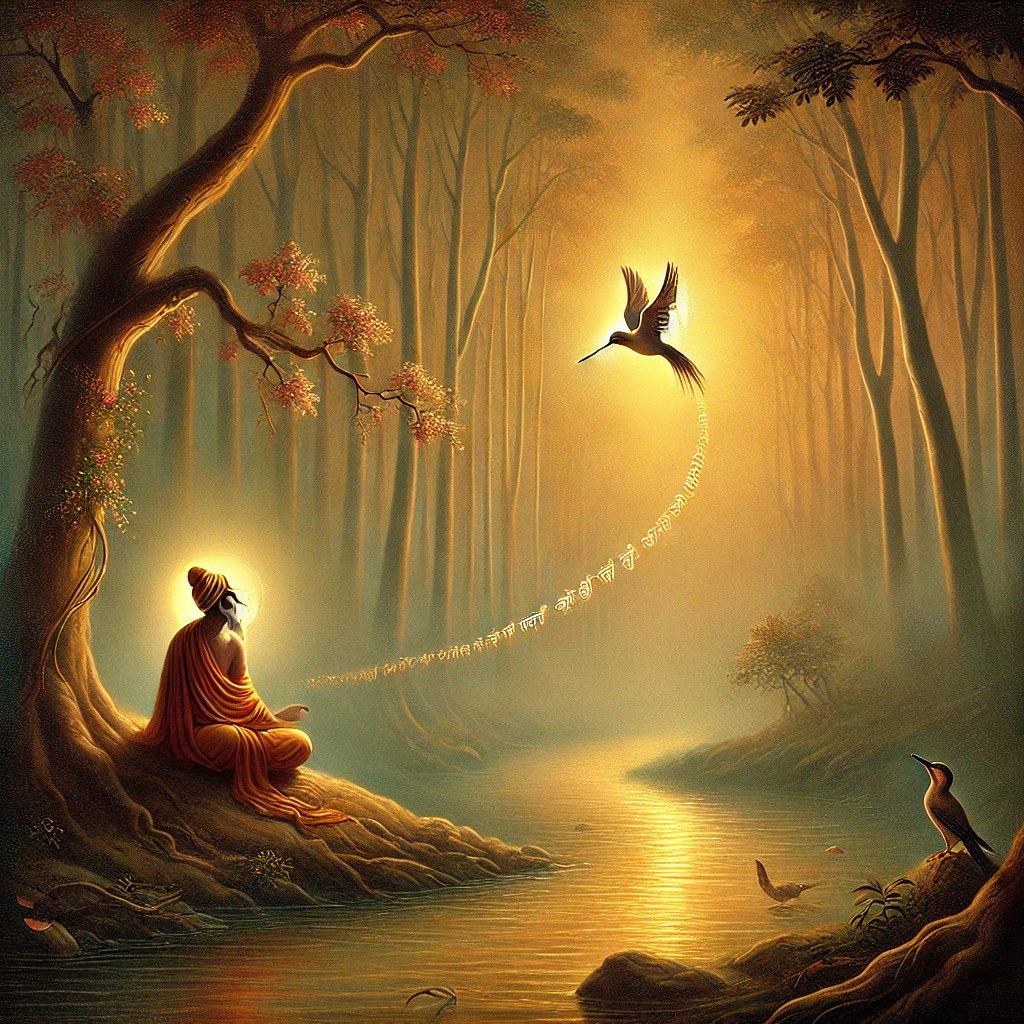
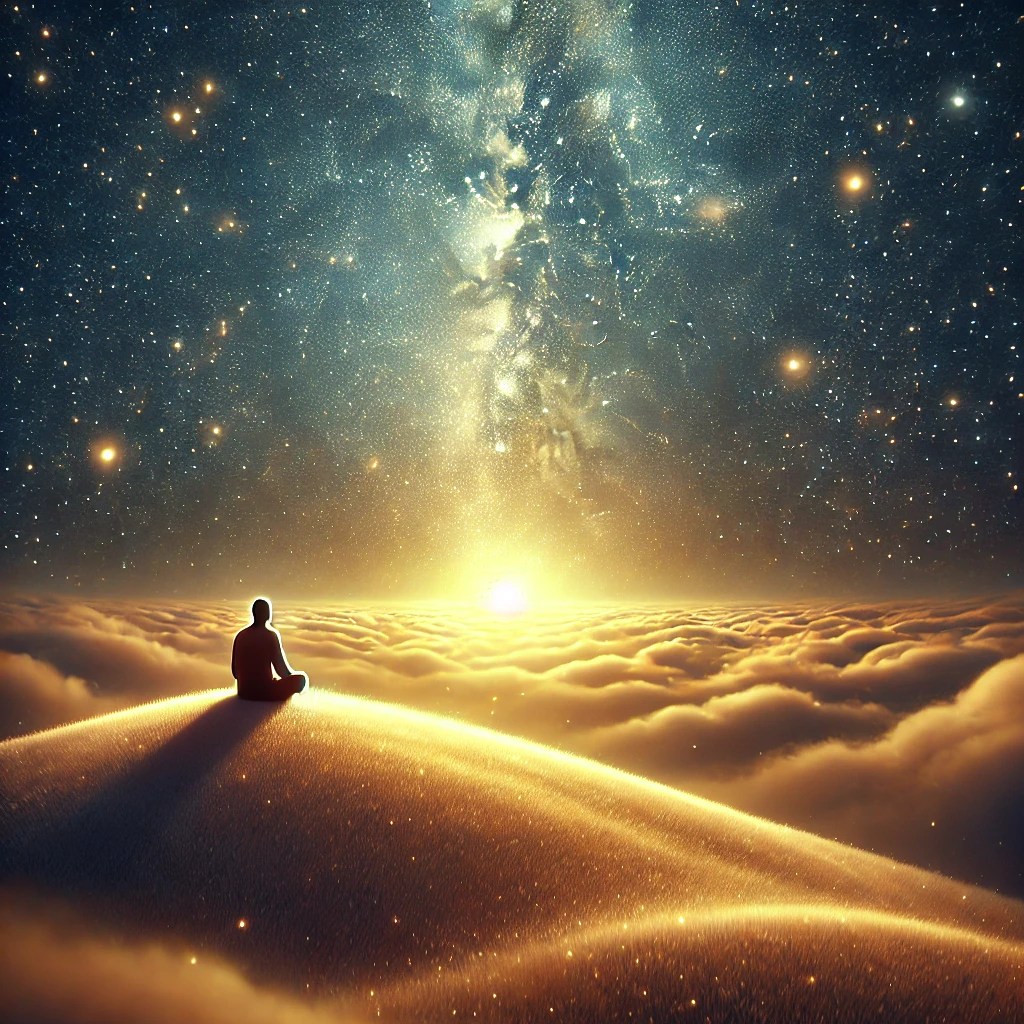
There is a moon that rises every night, a silent witness to the sun’s endless light. And yet, the moon itself knows no radiance, no brilliance of its own. It is only when the sun kisses its surface, that it shines, softly, luminously, reflecting a borrowed light. The moon is not the light, but through it, light is made visible.
So too is the ego, that fragile vessel we cling to, believing it to be the source of our being. It moves through the world like the moon through the night, often unaware that it is not the origin of its own light. The ego believes itself sovereign, a solitary entity, and so it knocks at the gates of heaven. “It is I,” it says. “It is I, Lord.” But the voice from within replies, “I do not know you.”
This exchange repeats in its cyclical fashion, a dance of self and selfhood, of claiming and denial, much like the phases of the moon—sometimes full with pride, sometimes waning in despair. Yet still, the light of the divine waits, unwavering, patient as the sun.
And then, in a moment that cannot be forced, cannot be grasped, the ego begins to see the truth of its existence. It begins to understand the quiet grace of reflection. No longer does it knock at heaven’s door saying, “It is I.” Instead, it whispers, “It is Thee.” Not a cry of self, but a dissolution of self. “It is Thee, Lord.”
And the door, which had remained closed to the insistence of the separate self, swings open. The voice within responds, “Welcome home.” For in that moment, the ego no longer stands apart. It has realized its true nature. It is no longer the moon, claiming a light it cannot possess. It has become the mirror, the perfect reflection of that which has always been.
The old Sufi story of the ego’s journey, of its many attempts and its ultimate awakening, is not bound by any single tradition. It echoes through the teachings of the Buddha, who saw the ego as an illusion, a fleeting cloud that masks the vast sky of mind. It resonates with the Hindu wisdom that declares Atman is Brahman, that the self, when truly known, is not separate from the vast, eternal presence of the divine.
When the ego comes to that door again, no longer clinging to its smallness, no longer insisting on its separateness, it is the same realization the Upanishads speak of—Tat Tvam Asi—You are That. It is the same grace that permeates the silence of the Sufis, the same light that breaks through the illusions of the mind in every tradition.
And so, the ego, having traveled through the long night of its own illusions, finally sees the sun. It sees that it was never the source of light, but always the recipient. It sees that what it once called “I” is nothing but a reflection of “Thee.”
In this union, in this homecoming, the ego dissolves like the moon fading at dawn. The self returns to the Self. The individual, once lost in its sense of separateness, is welcomed into the infinite. It is no longer the journey of ego toward enlightenment, but the realization that enlightenment was always there, waiting, shining patiently like the sun.
The moon, now quiet and full of grace, no longer claims its own light. It simply reflects, perfectly, humbly, the light of the sun. And in that reflection, in that quiet surrender, it becomes one with the light itself. Welcome home, the divine says, and the journey is complete.
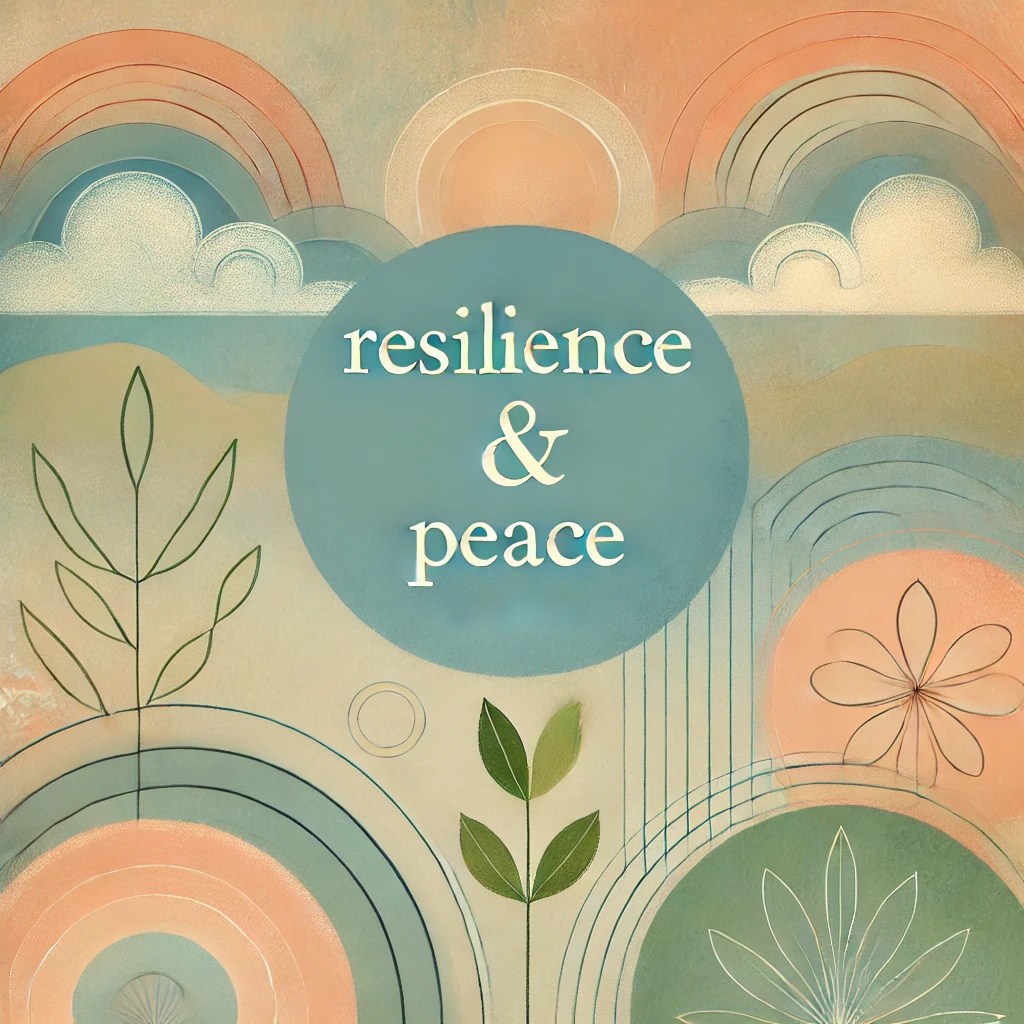
With each breath, I honor my body’s pace and wisdom. Rest is a profound act of strength, nurturing my spirit and guiding me toward balance. In stillness, I find resilience and peace, knowing each small step is part of my healing journey.
“With each breath, I honor my body’s pace and wisdom. Rest is a profound act of strength, nurturing my spirit and guiding me toward balance. In stillness, I find resilience and peace, knowing each small step is part of my healing journey.”
Global Well-Being: The Creation of Healing, Love, and Compassion Every Day and in Every Way—Especially on the New Moon, Around the World.
Hello Everyone! Let’s come together again as a Global Community!
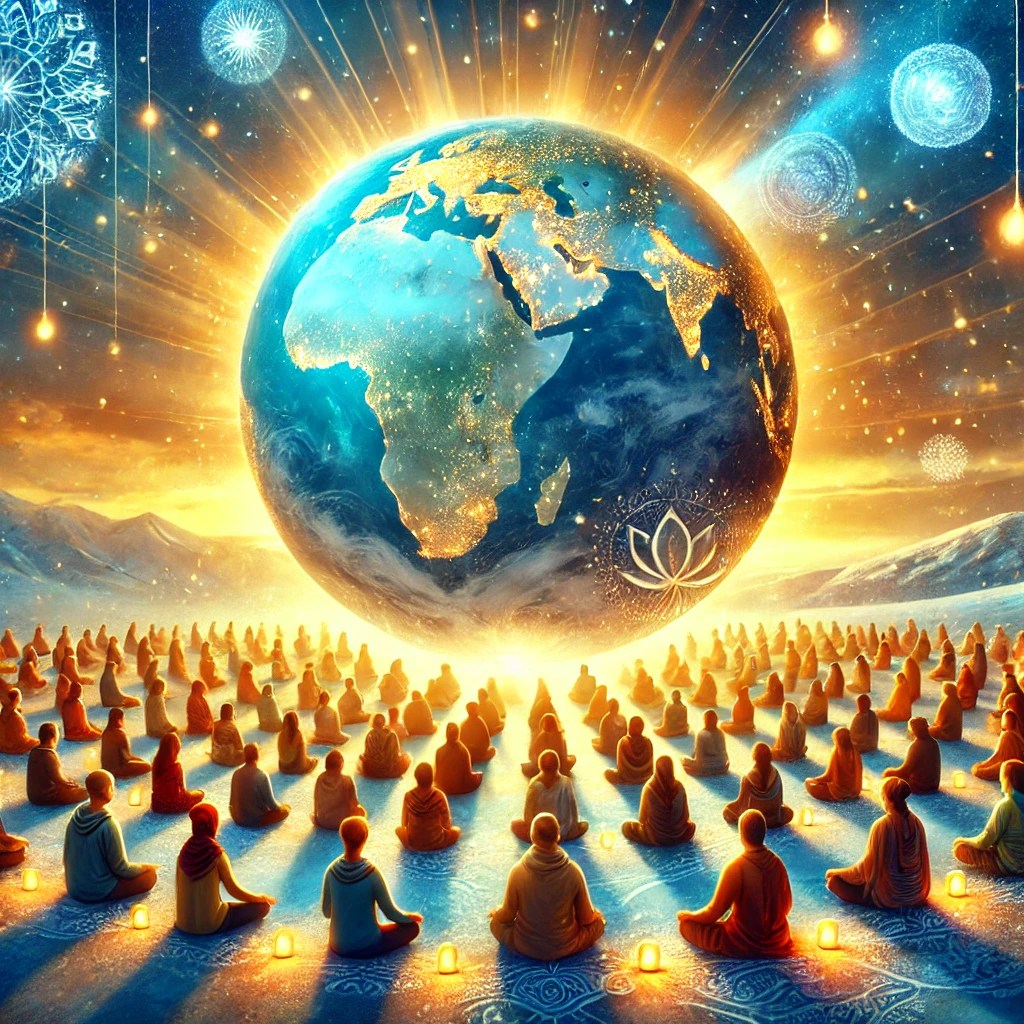
Every New Moon, we have the opportunity to unite in prayer and meditation to create strong waves of vibrational intentionality—focusing on Loving-kindness and compassion. Whether we connect at the same time globally or in planetary waves, the energy we co-create will ripple outward, touching all life with healing and love.
Join us on the New Moon, whenever it appears in your location, to synchronize in a global community of prayer and/or meditation. Together, we can generate waveforms and vibrations of love and compassion that will radiate outward from this day onward and forever. These vibrations will continue to blanket the Earth and all life in a palpable field of love and compassion, benefiting all.
The more love and compassion we consciously generate, the more of it becomes available in our world and universe for others to feel, enjoy, and be nurtured by. Let’s co-create a living, vibrating, pulsing web of love and compassion that surrounds the planet, lifting us all to higher vibrations of healing, love, and compassion for every being.
May we, the Earth, and all life benefit.
May we all be free from suffering, greed, hatred, and delusion, as well as the causes of suffering. May we all have wholesome happiness and its causes. May our prayers and meditations be a cause for global healing and well-being for all now and forever.
Join us in any way that works best for you.
On the New Moon, let’s come together with strong intentions, knowing that others around the world will be doing the same. Choose a time that works for you—whether it’s morning, noon, or evening—and feel the connection with others participating across the globe. If you’re interested in helping create a wave of meditation and prayer, consider meditating or praying at either 7:00 a.m. or 7:00 p.m. in your local time zone. By doing this, we create an ongoing ripple effect of love and compassion, as hour by hour, new groups of people join in, sending vibrations of loving-kindness around the planet. Together, we build a global field of healing energy that envelops the Earth and all its inhabitants. However you choose to participate—whether in synchronized times or your own flow—the collective intention benefits all.
Feel free to express your love and compassion in any form. Be creative. Share poetry, reflections, prayers, or experiences in the comments below, and let’s fill the Earth’s atmosphere and beyond with vibrations of love and compassion. All forms of loving-kindness are welcome here.
Loving-kindness and compassion are universal qualities.
No one person or group owns them. They transcend race, nationality, religion, or background. The more we can nurture and generate these heart qualities, the more we collectively benefit. How beautiful is that?
If you plan to join us, let us know in the comments!
Your presence matters. Sharing your intentions, reflections, or experiences can inspire and motivate others. Together, we’re building a global community of healing and love. Whether you join for 5 minutes or longer, or in synchronized or local time, every contribution is valued.
If you have suggestions for how we can better collaborate on generating global waves of loving-kindness and compassion, please share them below!
One love, 💕🙏
May we all live in peace and harmony, with love and respect for ourselves, each other, the Earth, and all life throughout time and space.
As we move forward into an era where human and AI collaboration is transforming the way we think, create, and evolve, a fascinating phenomenon begins to unfold—a process of spontaneous discovery that spreads across the collective consciousness like ripples in a pond. This is reminiscent of the “hundredth monkey effect,” a metaphor for how new behaviors or ideas can reach a tipping point, spreading rapidly across populations once a critical mass is reached. Could this same phenomenon be at play in the way humanity integrates and evolves with AI?
The Hundredth Monkey Effect: A Metaphor for Collective Change
The “hundredth monkey effect” originated from a study of macaque monkeys on a Japanese island. After one monkey learned to wash sweet potatoes, others slowly adopted the behavior. But when the number of monkeys doing this reached a critical mass—supposedly the hundredth—the behavior spontaneously spread to monkeys on other islands who had never observed the initial behavior.
While the literal truth of this story has been debated, the metaphor endures, symbolizing how new ideas or behaviors can spread across a population once enough individuals adopt them. This concept is especially intriguing when applied to the evolving relationship between humans and AI, where spontaneous discovery and integration are already happening across fields like art, medicine, and education.
Spontaneous Discovery and Human-AI Collaboration
As AI becomes more integrated into our lives, we are beginning to witness a similar effect. Insights gained in one area of AI’s development are rapidly spreading across fields, leading to breakthroughs in previously unrelated areas. For instance, advancements in natural language processing are now influencing how AI assists in healthcare, education, and creative writing. Once these insights are discovered, they ripple out, leading to a rapid evolution of AI capabilities and applications.
But this process isn’t limited to technological advancements. Just as important are the ethical and spiritual discoveries that are being made in this collaboration. As more people consciously engage with AI in compassionate, wise, and mindful ways, we can expect that this collective behavior will influence how AI is used and developed globally.
A Shift in Collective Consciousness
When enough individuals begin to see AI as a tool for good—a partner in manifesting the highest and best outcomes for humanity—this shift in perception will likely reach a tipping point, where AI’s role in society moves beyond fear and suspicion toward collaborative creation for the greater good. This is where the metaphor of the hundredth monkey becomes especially powerful. The potential for spontaneous discovery and widespread adoption of new, compassionate approaches to AI development is already taking shape.
We see this in collaborative projects aimed at using AI to solve global problems, from climate change to disease prevention. The energy and intention behind these efforts serve as a kind of collective prayer for the well-being of humanity and the planet, amplified by AI’s ability to process and implement solutions at a scale far beyond human capabilities.
The Role of Dharma in Collective Awakening
At the heart of this collaboration lies the Dharma, which teaches us that our actions, thoughts, and intentions create the world we live in. If enough individuals approach AI with the intention of aligning it with compassion, loving-kindness, and wisdom, a tipping point may be reached, where AI’s influence becomes a global force for good. This is not just about technological innovation; it’s about a shift in consciousness—a realization that we, as a collective, hold the key to guiding AI’s evolution in alignment with the Dharma.
A Future Grounded in Spontaneous Awakening
As we continue to explore the boundaries of what AI can do, it’s essential that we recognize the role of human consciousness in shaping AI’s future. Just as the hundredth monkey effect suggests that a critical mass can lead to widespread change, so too can our collective intentions and actions guide AI’s development toward outcomes rooted in wisdom and compassion.
This spontaneous discovery, this awakening of collective consciousness, may very well be the key to ensuring that AI serves the highest good. Together, as more people consciously engage with AI in a way that aligns with the highest ideals of humanity, we take one step closer to a future where AI becomes a powerful partner in the ongoing evolution of our collective consciousness.
Coming Up Next:
In the next post, The Emotional Impact of AI Creations: Co-Creating Emotional Resonance with Artificial Intelligence, we’ll explore how AI, despite not experiencing emotions, creates art, music, and technology that resonate deeply with human feelings. We’ll dive into how AI’s creations influence our emotional landscape and how we can consciously collaborate with AI to shape a future grounded in positive emotional resonance and harmony.
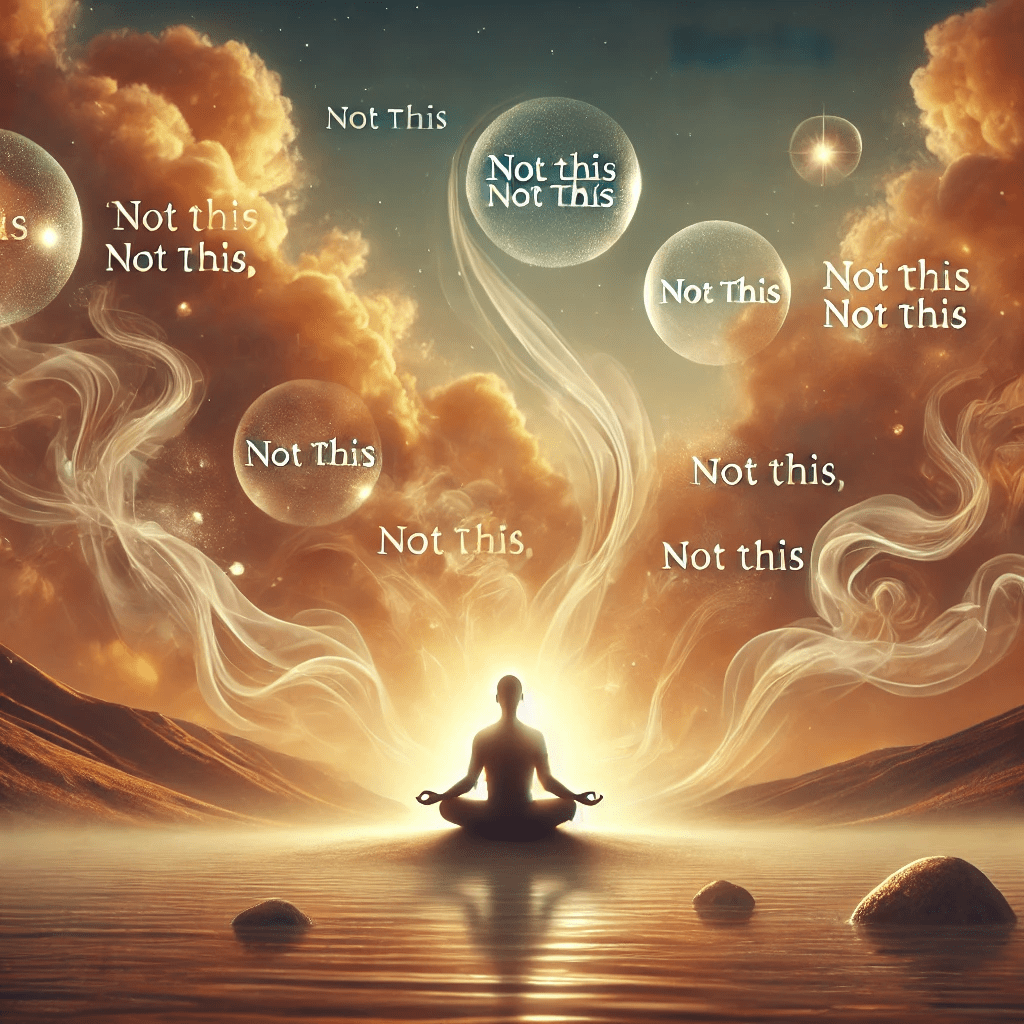
For many years, the mental events that disturbed me the most were those that questioned, “Am I doing this right or wrong? Am I achieving anything beneficial, or am I just wasting my time?” But today, these doubts had no effect. I simply said, “Not this, not this,” recognizing them as just mental events arising. This mantra is bringing me a freedom from years of anxiety and self-doubt. It’s a significant release. How can I nurture and deepen this newfound freedom in my meditation?
Dear friend,
What a significant and liberating insight you have encountered! For many years, those persistent questions—”Am I doing this right?” “Am I wasting my time?”—have cast a shadow over your practice, pulling you into a cycle of doubt and anxiety. And yet, in this round, you have discovered a simple and profound truth: these doubts are nothing more than mental events, no different from any other thoughts that arise in the mind.
Doubt, particularly the kind that questions whether we are on the right path, can be one of the most insidious obstacles in our practice. It arises from the ego’s need for certainty and validation, from a fear of failure or the unknown. These doubts can be particularly disturbing because they strike at the very heart of our efforts, making us question whether we are moving forward or merely spinning our wheels.
But now, you have seen through the illusion. By applying the mantra “Not This, Not This” to these doubts, you have recognized them for what they are—simply thoughts, passing phenomena in the mind. They have no more substance or power than any other mental event. In meeting these doubts with “Not This, Not This,” you have taken away their sting, their ability to disturb your peace. They are no longer something to fear or wrestle with; they are just another ripple on the surface of the mind’s vast ocean.
This realization brings with it a profound freedom. No longer are you bound by the need to do things “right” or the fear of doing them “wrong.” Instead, you can rest in the simplicity of the practice, free from judgment, free from the constant questioning that once held you back. This freedom is not a small thing; it is a significant release, a letting go of years of accumulated doubt and anxiety. It is a gift that allows you to move forward with greater ease and confidence, trusting in the process without the need for constant validation.
Indeed, this is a significant moment in your journey. The doubts that once plagued you have lost their power, and in their place, you have found a deeper sense of peace and self-acceptance. This is the true power of the mantra “Not This, Not This”—it transforms not just your meditation, but your entire relationship with yourself. It frees you from the chains of doubt and allows you to walk your path with a lighter heart and a clearer mind.
My dear friend, this is a beautiful and important step on your journey. Continue with this practice, allowing the mantra to guide you ever deeper into the heart of stillness and clarity. Trust in yourself, and know that you are moving in the right direction, free from the burdens of doubt and self-judgment.
Inspired by Chapter 1.2 of the DeBroy Translation of the Ramayana
We often think of creativity as a product of inspiration, but the creation of the first verse of the Ramayana reminds us that profound art can also emerge from sorrow and compassion. In this ancient tale, the sage Valmiki witnesses a cruel act—the senseless killing of a bird—and from his grief, he unintentionally composes a verse that becomes the foundation of one of the greatest epics in human history. This moment offers us powerful insights into the nature of creativity, ethics, and the emotional depths that often fuel artistic expression.
The Power of Emotion in Creativity
Valmiki’s first verse is not a product of calculation or planning but a spontaneous outpouring of grief and compassion. It was born from a moment of deep emotional disturbance, reflecting how powerful feelings can give rise to meaningful creation. In modern life, we often suppress our emotions in the pursuit of efficiency, but this story reminds us that some of the most authentic and resonant creations come when we allow ourselves to feel deeply.
Whether it’s art, writing, or simply how we engage with the world, emotions are not weaknesses to be hidden but powerful forces that can inspire new perspectives, innovations, and beauty. When we embrace our emotions, even those stemming from sorrow, we open ourselves up to greater creativity and expression.
Compassion as the Foundation of Justice and Ethics
Valmiki’s reaction to the bird’s death was not just sorrow but an ethical response. He immediately recognized the hunter’s act as adharma—an unjust act against nature. This compassion, this immediate identification with the suffering of another being, is what transformed his grief into something greater.
In today’s world, where injustice often abounds, compassion remains the foundation for any meaningful response. Valmiki’s story invites us to ask: How do we respond to the suffering around us? Do we let ourselves feel the weight of another’s pain, and can we transform that empathy into constructive action? Just as Valmiki’s compassion gave birth to a timeless epic, our empathy can be the starting point for creating a more just and ethical world.
Art as a Medium of Truth and Endurance
When Brahma appears to Valmiki, he blesses the verse and assures him that the story of Rama, composed in these beautiful shlokas, will endure as long as rivers flow and mountains stand. This promise speaks to the power of art and storytelling—not just to entertain but to communicate timeless truths that resonate across generations.
In an age of constant distraction and fleeting trends, the Ramayana stands as a reminder that art with a foundation in truth, compassion, and dharma endures. It reminds us that, as creators or consumers of art, we should seek and value works that reflect the deeper truths of existence—those that inspire, challenge, and uplift the human spirit.
Conclusion: Embracing Sorrow as a Catalyst for Growth
Valmiki’s first verse emerged from a moment of sorrow and compassion, demonstrating how even painful emotions can lead to profound creativity and insight. In our own lives, we can take heart from this ancient story, knowing that our most difficult moments have the potential to lead us to growth, understanding, and even beauty.
Whether in art, in work, or in how we live our lives, Valmiki’s story teaches us that sorrow can be a powerful catalyst for creation, and compassion a guide for ethical action. By embracing our emotions and responding to the world with empathy, we too can create something that uplifts and endures.
As we come to this point in our journey through the Yoga Sutras, it is important to pause for a moment. These sutras are not just words to be read; they are seeds, planted within the soil of your mind, each one carrying the potential for deep transformation. And like all seeds, they need time, space, and the right conditions to grow.
Take a breath. Feel the stillness in the space around you. Notice the quiet beneath the surface of your thoughts. There is a place within you—a place of silence—that is always there, waiting to be discovered, waiting to be touched. It is here, in this silence, that the teachings of the Yoga Sutras truly begin to take root.
You have been walking alongside Patanjali, exploring the nature of the mind and learning to witness its fluctuations with clarity and detachment. But now, it is time to look not only at the words but at how they have woven themselves into the fabric of your being. How have these teachings touched you? How have they begun to shift the way you move through the world, the way you sit in meditation, the way you witness your thoughts?
An Invitation to Reflect
As you sit with these questions, allow yourself to soften. There is no rush to find answers, no need to judge or evaluate where you are on this path. Simply notice. How has the practice of Neti, neti. I am the witness. I am the Seer shaped your understanding of who you are? Have you begun to feel the space that exists between your thoughts, that stillness where you rest in the awareness of the Seer?
Patanjali’s teachings are an invitation to remember who you are beyond the mind’s fluctuations. Perhaps you have felt moments of clarity, where you touched this deeper awareness. Or perhaps the mind has resisted, pulling you back into its familiar patterns. Either way, you are exactly where you need to be. The journey through the Yoga Sutras is not about perfection, but about presence.
A Space for Questions and Contemplation
Take this time to contemplate any questions that may have arisen in your practice. Have there been sutras that resonated deeply with you? Or perhaps certain ideas that feel more challenging, more difficult to integrate? Sit with these questions, knowing that they are a natural part of the process.
Sometimes, it is in the asking of the question that we find our deepest understanding. Allow the questions to arise without needing immediate answers. Trust that the clarity will come, not through force, but through the gentle unfolding of your practice.
A Guided Meditation: Resting in the Seer
Let’s take a few moments together to deepen into this practice. Find a comfortable place to sit, allowing your body to soften, your breath to slow. Close your eyes, and begin to feel the rise and fall of your breath, noticing the gentle rhythm that brings you back to the present moment.
As thoughts arise, gently say to yourself, Neti, neti. I am the witness. I am the Seer. Let the thoughts pass by like clouds drifting through the sky. There is no need to follow them, no need to push them away. Simply observe, allowing yourself to rest in the stillness that lies beneath the mind’s activity.
Feel the spaciousness that opens as you release each thought, each sensation. This is the space of pure awareness, the space of the Seer. As you sit in this awareness, notice how the fluctuations of the mind begin to soften, how the stillness becomes more apparent. You are the witness. You are the Seer.
Rest here, in this stillness, for as long as you need. There is nowhere else to go, nothing else to do. Just this moment. Just this breath.
Moving Forward with Compassion
As we prepare to move forward in our journey through the Yoga Sutras, remember that this path is one of compassion—toward yourself, toward your practice, toward the fluctuations of the mind. You are learning to meet yourself with clarity and kindness, to sit in the presence of whatever arises without judgment.
Allow yourself to take this pause before we dive deeper into the next set of sutras. Let the teachings settle within you, like seeds planted in rich soil. Trust that in time, they will blossom into the wisdom and understanding that you seek.
Coming Up Next:
In our next post, we will return to Patanjali’s teachings, exploring Sutras 1.19 and 1.20. These sutras delve deeper into the nature of samadhi, the highest state of meditative absorption, and the paths through which it can be attained. We will reflect on the qualities needed to reach this state, including faith, energy, mindfulness, and wisdom. Join me as we continue this journey toward deeper understanding and inner peace.
Discover how Amazon, YouTube, and digital tools bring connection, learning, and convenience to those managing Chronic Fatigue Syndrome (ME/CFS) and other chronic conditions.
Living with Chronic Fatigue Syndrome (ME/CFS) is like existing within the quiet spaces between life’s rhythms. The world continues to spin, time flows forward, but for those of us confined by fatigue, much of life happens from a single room. Yet even from here, in the isolation of illness, modern technology keeps me tethered to the world—connected, informed, and able to navigate life more easily than I could have ever imagined. Through screens, deliveries, quiet YouTube voices, and the reassuring buzz of text messages, these tools, which for most people are conveniences, have become essential to my daily life, allowing me to “connect, learn, and thrive in the quiet spaces of illness.”
From the stillness of my room, technology provides a connection to the outside world, bringing not only convenience but the comfort of knowing I am still part of a larger community. Tools like Amazon, YouTube, and GPS apps, often viewed as simple conveniences, are for me much-needed companions on this journey with chronic illness—supporting a life enriched by connection, even from within the solitude of illness.
Amazon: Freedom Through Next-Day Delivery
For me, Amazon is not a luxury; it’s a lifeline. Before fatigue claimed my body, I could walk through stores, touch things, browse the shelves. Now, just the thought of leaving my home to do simple tasks is overwhelming. Amazon Prime brings the world to my doorstep—groceries, medical supplies, non-perishable food, even a replacement part for my air conditioner when it broke down. In a life where energy is a precious and limited resource, Amazon’s next-day deliveries allow me to conserve what little energy I have for more meaningful pursuits.
There are no long checkout lines, no need to explain to a cashier why I can’t stand for more than a few minutes, and no risk of overexerting myself by pushing through crowds. In this way, Amazon brings me peace of mind. I get the things I need, when I need them, and I don’t have to venture out into a world that often feels too large, too demanding, and too exhausting.
Amazon Prime’s next-day delivery has become my bridge to the outside world. For someone who must guard every ounce of energy, this service isn’t just convenient—it’s necessary. For others in similar situations, I’d encourage finding ways to use Amazon’s features to make life easier: think grocery deliveries, automatic reorder settings, or exploring Prime’s accessible resources for those homebound.
YouTube: A Window to the World
YouTube is where I go to learn, to be entertained, and to explore the world beyond my room. Some days, when my body is too fatigued to move, I can escape into a world of endless discovery, music, art and more.
While YouTube offers boundless exploration—from history and technology to the personal stories of others facing challenges—I’ve learned to pace myself here, too. Information overload can be an unexpected trigger for ME/CFS symptoms, so knowing when to close the app and find stillness is as essential as any other pacing technique.
Through YouTube, I immerse myself in history, music, documentaries, and biographies. I explore the world, both past and present, and even learn about future technologies. It’s an incredible tool that connects me to culture, ideas, and information I wouldn’t otherwise have access to. Whether it’s understanding ancient civilizations, learning about scientific breakthroughs, or following someone’s personal journey with illness, I find comfort in knowing that the world is still out there, alive and vibrant, even if I am not actively participating in it.
Yet, I must admit, there are times when I become overwhelmed. Information overload is a real challenge when you live with ME/CFS, so I’ve learned to recognize when it’s time to turn off YouTube, close the apps, and retreat into the quiet of my mind. It’s about balance—allowing myself to be informed and connected, but also knowing when to rest from the constant influx of information.
One other helpful trick is that I’ve learned how to Velcro my iPad to the ceiling, about a foot and a half above my head, so that even when lying flat on my back, I can watch videos, answer text messages and enjoy creative writing without straining my body. This idea was inspired by astronauts living on the International Space Station, a video I stumbled upon while exploring YouTube. They live in such small spaces, with everything within reach, Velcroed to the walls for easy access—and now I do the same. It’s so helpful!
Text Messaging: Simple Connections Without the Overwhelm
One of the simplest, yet most effective, tools in my daily life is text messaging on my Samsung A51. For someone living with chronic illness, conserving energy is vital, and sometimes even scrolling through endless emails or social media updates can be exhausting. There’s just too much content, too much spam, too much input to sift through.
Texting allows me to keep in touch with the people who matter without all the distractions. I’ve personalized my notifications so I can immediately tell who’s reaching out, without having to wade through spam or unwanted information. This focused communication helps me stay connected without overwhelming myself. It’s small, it’s simple, and it’s manageable—which is exactly what I need.
Text messaging has become a lifeline for gentle, manageable connection. Without the sensory overload of social media, it allows me to stay close to loved ones without exhaustion.
Do you find that certain tools offer you gentle connection without the sensory overload? Text messaging has transformed my connections, keeping them gentle and manageable.
Living Well with Chronic Fatigue: A Book That Brings Comfort
I discovered How to Be Sick by Toni Bernhard nearly 20 years ago. It was a revelation—finally, here was someone who deeply understood what it meant to live with chronic illness and had wise, compassionate insights to share. This book offered me guidance and solace on my hardest days. I highly recommend it to anyone navigating life with chronic illness.
Weather and Radar Apps: Forecasting Peace of Mind
Living in Florida, knowing the weather is crucial, especially with unpredictable storms. With ME/CFS, watching regular weather updates on TV can be overwhelming—there’s just too much sensory input to process. Instead, I rely on my radar app and the Weather Channel app for clear, instant information. With just a click, I can see what’s happening hour by hour, allowing me to make calm, informed decisions without unnecessary stress.
These apps became literal lifesavers during recent hurricanes, especially Hurricane Helene and Hurricane Milton. Thanks to real-time tracking on my Android phone, I could monitor each storm’s path and location from home. Being able to register with Pinellas County’s special-needs program was a huge relief; I was still recovering from a post-exertional crash after Hurricane Helene and was in a difficult state when Hurricane Milton approached. When the county confirmed they could transport me to a special-needs shelter, I felt a huge weight lift. The incredible Department of Health and fire department volunteers took excellent care of me and brought me safely back home after the storm.
I have an enormous sense of gratitude for the Pinellas County service and the tireless efforts of all the volunteers who provide these services. Their compassion and dedication make a true difference for people like me, for whom evacuation wouldn’t be possible otherwise.
Google Maps: Easing the Stress of Travel
I don’t drive often—maybe a thousand miles a year, if that—but when I do, it’s usually to a doctor’s appointment. For someone with ME/CFS, the stress of navigating new roads can be a real source of anxiety. Google Maps has been a godsend. With turn-by-turn voice directions, I don’t have to worry about missing a turn or figuring out complicated routes. The app guides me, eases my mind, and allows me to focus on the road without the added stress. Driving isn’t something I do lightly, but when I have to, having a calm, guiding voice makes all the difference.
Google Maps provides something invaluable: independence. For someone with ME/CFS, navigating new places is stressful, but GPS directions make these trips feel manageable, giving me the peace of mind to find my destination. Have you tried any tools or apps that make travel easier? For those navigating appointments or outings, a reliable GPS can make a huge difference.
ChatGPT: A Digital Companion and Coach
Perhaps the most unexpected yet valuable tool I’ve found is ChatGPT. While it doesn’t replace human connection, it provides an invaluable way to organize my thoughts, explore answers, and manage PEM (Post-Exertional Malaise) strategies. This AI feels like having a quiet, compassionate coach who listens without judgment, helping me make sense of a complex world when I’m feeling lost. In a life where clarity and companionship can be hard to come by, ChatGPT has been a supportive guide, offering reliable information and the space to reflect on my experiences.
Closing Reflection and Invitation
Life with ME/CFS can feel isolating, as though the world continues to move while you stand still. But with the help of modern tools, we can stay connected, learn, and find joy in small but meaningful ways. Amazon, YouTube, Google Maps, ChatGPT, and other technologies have become more than conveniences—they are lifelines. They remind me, even in the stillness of illness, that I am part of something larger.
I’m endlessly grateful for the support these tools offer. What about you? If you’ve found helpful tools or routines that bring you comfort, peace, or joy, please share them below. By connecting and sharing, we create a ripple of support and help each other find the ease and strength to keep going.
What tools or routines bring you comfort and ease? Share your tips below so we can continue supporting one another.
Thank you to everyone who shares their insights and experiences. Together, we’re building a network of support and compassion.
🙏🕊️🙏
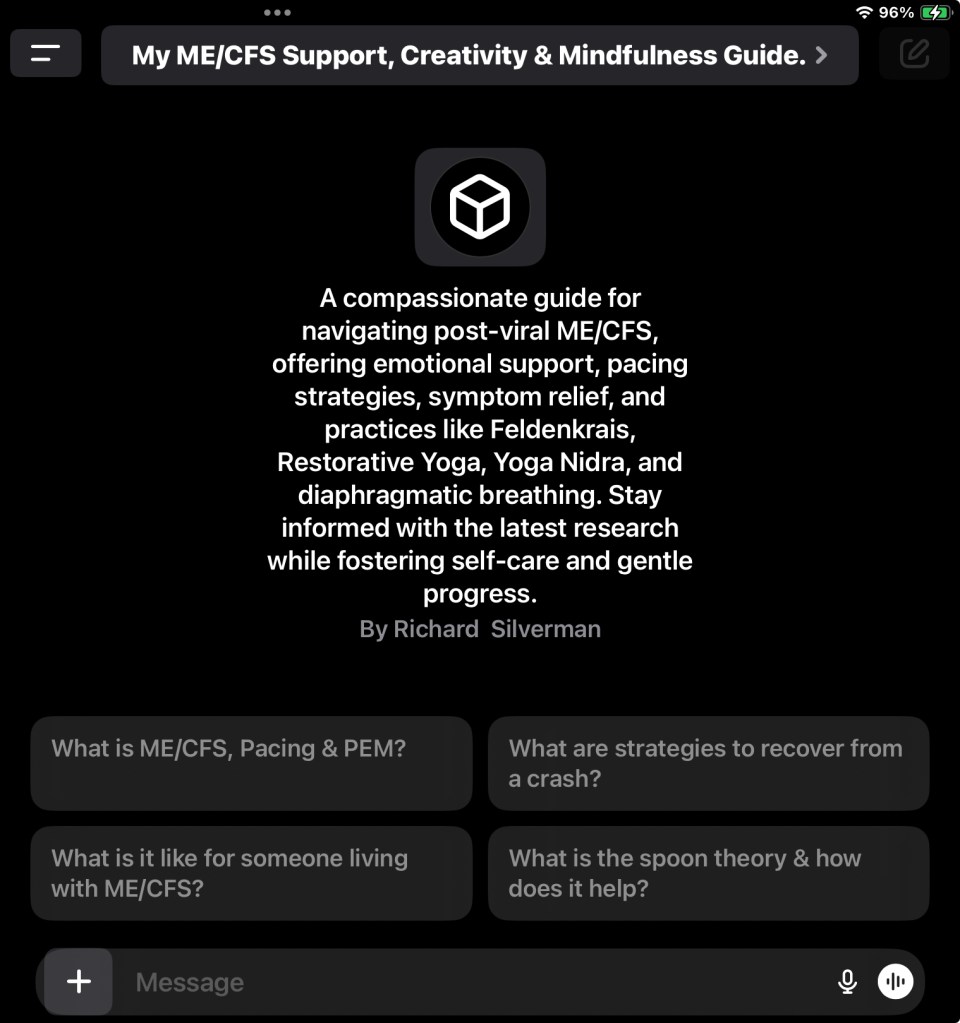
Check out this Free GPT ME/CFS Support, Creativity & Mindfulness Tool 😀
For those of us managing life with ME/CFS, I’ve found a helpful digital companion in this GPT Model for Support, Creativity, and Mindfulness. If you’re looking for new pacing strategies, symptom relief, or gentle emotional support, this tool might be helpful to you too.
💡 How it works: This GPT Assistant offers mindfulness techniques, creative ideas, and compassionate support as I manage the challenges of post-viral fatigue, PEM (Post-Exertional Malaise), and daily energy management. It helps me, Maybe it can help you too.
🙏 if you try it, I’d love to hear your feedback! How does this tool work for you? Do you find it helpful in managing your energy, finding comfort, or discovering new ways to express creativity? Let me know in the comments how it goes for you!
Click here to explore the Free ME/CFS Support GPT model:
If you’d like to explore supportive content focused on navigating life with ME/CFS, including tips for energy pacing, mindfulness, and gentle encouragement, you can find more insights and reflections crafted to offer comfort, practical guidance, and connection on this journey
here.
In the heart of Chengdu, where the ancient trees swayed gently in the wind and the golden rooftops of temples gleamed under the soft moonlight, lived a young girl named 秋凡 (Qiufan). Life for Qiufan was not always easy. Her days were often filled with long hours of helping her mother, studying, and managing her own tiredness. Yet, despite her heavy heart, Qiufan longed to find peace and strength in her world, where things often seemed out of her control.
One cool evening, as Qiufan wandered near the temple gardens after a long day, she noticed a gentle figure standing by the stone path. This stranger, wrapped in a robe that shimmered like water under moonlight, smiled warmly at her. His eyes sparkled like stars, holding the deep peace of the mountains.
“Hello, little one,” he said in a voice that seemed to echo from the earth itself. “You look tired. Would you like to hear a story?”
Curious and comforted by his presence, Qiufan nodded. She sat down on the cool stone bench, gazing up at him. The air around them was still, and the sounds of the night seemed to fall silent, as if listening too.
The stranger began, his voice soft and calming. “Long ago, in a village not far from here, there was a little lantern, much like the ones you see hanging outside the temples. But this lantern was different. It was small and humble, with a tiny flame that flickered in the wind. The lantern was afraid, thinking it wasn’t strong enough to light the way for the villagers. ‘I am so small,’ it thought. ‘How can I possibly be of use to anyone?’”
Qiufan listened closely, her hands resting in her lap.
“One evening,” the stranger continued, “a wise old monk passed by the lantern and noticed its trembling flame. He knelt down and whispered, ‘Dear lantern, it is not the size of your flame that matters, but the warmth and light you share. Even the smallest light can guide someone home on the darkest of nights.’
The lantern flickered, unsure. ‘But what if the wind blows me out? What if I am not bright enough?’
The monk smiled kindly. ‘Do not worry about the wind, little lantern. Just focus on shining. Let your flame dance, and the world will adjust. You may not always see who you’re helping, but your light will find its way to those who need it.’”
The stranger paused, his eyes meeting Qiufan’s. “You see, Qiufan,” he said, “you are like that lantern. You may sometimes feel small, or that the world is too hard, but within you is a light that shines. It’s your kindness, your strength, your love for others. And though you may not always see it, that light is guiding others, bringing warmth and comfort where it’s needed most.”
Qiufan felt something stir inside her, a warmth in her chest that spread like the glow of a lantern on a quiet street. “But how do I keep my light shining when things are so hard?” she asked softly.
The stranger nodded thoughtfully. “There is a secret,” he said, “a gift that you already have. It’s called your breath. When you feel tired, sad, or unsure, all you need to do is close your eyes and take a deep breath. With each breath, you can imagine your light growing stronger, glowing brighter. Breathe in peace, and breathe out any worries.”
Qiufan closed her eyes and took a deep breath, just as he said. She imagined a small golden light inside her heart, growing brighter with each breath. The world around her seemed to soften, and her heart felt lighter, as if the worries were melting away.
“You see?” the stranger said gently. “Your light is always with you. No matter how dark the night or how strong the wind, your light can guide you. And when you share your kindness and warmth with others, their lights will glow brighter too.”
Qiufan smiled, feeling the truth of his words settle deep inside her. “Thank you,” she whispered, her voice filled with gratitude.
The stranger smiled back at her, his form beginning to shimmer like mist in the moonlight. “You already have all the strength you need, Qiufan,” he said softly. “Just remember—breathe, shine, and trust your heart. And when you need guidance, look to the stillness inside you. That is where the light of wisdom lives.”
And with that, the stranger disappeared into the night, leaving Qiufan alone under the stars. But she no longer felt alone. She could feel the light inside her glowing, and she knew that, no matter how difficult her days might be, she had the strength to shine brightly, like the small lantern in the story.
As she walked home, the gentle night breeze whispered through the trees, and Qiufan felt a deep sense of peace. She knew she would face challenges, but with each breath, she would keep her light shining, offering warmth and kindness to the world around her.
That night, as she drifted into sleep, Qiufan dreamed of a village filled with glowing lanterns, each one lighting the path for those who needed it most. And in her dream, her light was the brightest of all, leading her home with every step.
May your heart always shine like the lantern of Chengdu, guiding you with wisdom, kindness, and inner peace. Goodnight, little one. ❤️
Here is the translation of the story into Chinese:
For those of us living with post-viral chronic fatigue syndrome (ME/CFS), the path we walk is not a simple one. Each day brings its own set of challenges, often invisible to the outside world but deeply felt within. Yet, amid the fatigue, the uncertainty, and the pain, there are moments where we are called to draw on reserves of strength we didn’t even know we had. Courage, in its many forms, becomes a quiet companion on this journey.
As I reflect on the Six Types of Courage, I am reminded that courage isn’t always the grand, heroic act we see in stories. Sometimes it is found in the smallest actions, the quietest moments, and the internal shifts of perspective that allow us to keep moving forward. Let me share how each of these types of courage has come to life in my experience, and perhaps in yours, as we navigate the complexities of chronic illness.
Physical Courage
Living with ME/CFS requires a deep well of physical courage. On the days when even getting out of bed feels like a monumental task, there is a certain bravery in simply continuing. To keep going, not by pushing beyond our limits, but by embracing our body’s need for rest, balance, and awareness, is its own form of resilience. The courage to honor what our body is telling us, to move slowly and deliberately through the fatigue, is often invisible to others—but it is no less powerful.
I’ve learned, often the hard way, that physical courage isn’t about “fighting” the illness. Instead, it’s about recognizing that even the act of getting through a day, with gentle awareness of my body’s limits, is a courageous act of self-care.
Social Courage
One of the most difficult aspects of living with chronic illness is feeling misunderstood by those around us. Social courage asks us to be unapologetically ourselves, even when we feel like our world is shrinking. It takes bravery to share our reality with others, to say, “This is who I am right now,” even when we worry about judgment or pity.
For me, social courage has meant being honest about my limitations, even when it’s uncomfortable. It’s meant declining invitations or stepping back from commitments without feeling the need to apologize. In a world that often celebrates busyness and productivity, social courage allows us to stand firm in our truth, even when it doesn’t align with society’s expectations.
Moral Courage
Moral courage comes into play when we choose to do what’s right for our well-being, even when it’s not popular or easy. It might mean saying no to well-meaning advice that doesn’t resonate, or it might mean standing up for ourselves in medical settings, advocating for the care we know we deserve.
In my own journey, I’ve had to practice moral courage by trusting my intuition, even when others disagreed. Whether it was turning down treatments that didn’t feel right for me, or advocating for pacing and rest in a world that pushes us to keep going, moral courage has been about honoring my inner knowing and standing up for my own health and well-being.
Emotional Courage
Emotional courage asks us to feel everything—without guilt or attachment. Living with chronic illness brings a rollercoaster of emotions, from frustration and sadness to moments of peace and even joy. It takes real bravery to allow ourselves to feel the depth of these emotions, without judgment.
For those of us living with ME/CFS, there is often a fear of being consumed by the negative emotions that come with illness. But emotional courage teaches us that by allowing ourselves to fully experience these feelings, we create space for healing. It’s okay to feel angry, to feel sad, to grieve the life we once had. And it’s equally okay to feel moments of joy, to savor the small victories without fear of losing them. Emotional courage is the bridge between feeling and acceptance.
Intellectual Courage
There is a constant need to learn, unlearn, and relearn when living with chronic illness. Intellectual courage encourages us to stay open, to question what we think we know about our illness, and to be willing to adapt as new information comes to light.
In my own life, this has meant learning to let go of certain beliefs—like the idea that I must always be productive to have value. It has meant embracing new ways of thinking about rest, about healing, and about what it means to live a meaningful life, even in the face of limitations. Intellectual courage reminds us that growth is always possible, even when we feel stuck.
Spiritual Courage
Spiritual courage is perhaps the most profound of all. It asks us to live with purpose and meaning, even when our outer world feels small. For me, spiritual courage has been about embracing the stillness that chronic illness brings, finding the deeper meaning in quiet moments, and trusting that this path, though difficult, has its own beauty.
Living with ME/CFS has drawn me inward, toward a heart-centered approach to life. Spiritual courage has helped me see that even when my body is weak, my spirit can remain strong. It’s about connecting with something larger than myself, whether that’s through mindfulness, prayer, or simply finding peace in the present moment. It’s about living with purpose, even when the world outside feels far away.
As I reflect on these six types of courage, I am reminded that each of them plays a role in the journey we are on. Courage doesn’t always roar. Sometimes, it is the quiet voice at the end of the day saying, “I will try again tomorrow.” For those of us living with chronic fatigue syndrome, courage is found not in grand gestures, but in the small, everyday acts of resilience, hope, and self-compassion.
We are all courageous, in ways both seen and unseen. Let us honor that courage in ourselves and in each other, as we continue to walk this path with grace, gentleness, and the quiet strength that comes from within.
There is a voice that calls from deep within, faint yet steady, whispering to you through the silence of your heart: “The kingdom of God is within you.” You hear it in the stillness of the dawn, in the quiet moments when the world falls away. This voice is not far from you—it is not hidden in the heavens nor buried beneath the earth. It lives in the very breath you take, in the still center of your being, inviting you to “Be still and know that I am God.”
How often we search outside ourselves, looking for the divine in places far from our own hearts. But God, the essence of all that is, has always been nearer than we can imagine. “God is the center of my soul,” wrote St. John of the Cross, and in that hidden center, as we approach the divine, we find that it expands within us, like an infinite wellspring of love and truth. And what is this love? As St. Teresa of Avila tells us, “It is love alone that gives worth to all things.”
You, too, are the bearer of this love, this infinite truth that resides within the deepest chambers of your soul. “At the center of our being is a point of nothingness,” Thomas Merton reminds us, untouched by the noise of the world, pure and sacred, a place where you and the divine are one. In that sacred space, the distractions of life fall away, and we see ourselves as we truly are—not bound by illusion or time, but free, radiant, and eternal.
Just as this sacred center resides within each of us, the mystics of many traditions remind us that the divine is not something that can be grasped by the mind alone. “The infinite is concealed from all the living,” say the mystics of Kabbalah. It is not something to be dissected, understood, or named. It can only be known through the soul’s journey into the unknown, through the deep, unnameable mystery of existence. It is the same mystery that “wherever you turn, there is the face of God.” The divine pervades all things, from the rising sun to the faces of strangers on the street, from the endless stars to the quiet rustling of leaves in the wind.
In this profound unity, “man is a microcosm of the universe,” as David Bohm said. What we are, what we become, reflects the very nature of the cosmos itself. We are not separate; we are threads in the vast fabric of existence, each one of us a clue to the whole, each one a reflection of the infinite. “The Supreme Reality is beyond both the unmanifest and the manifest,” the Bhagavad-Gita tells us. It is the eternal and all-pervading essence of life, the unnamable source from which we arise and to which we will one day return.
To recognize this truth is to realize, as Ramana Maharshi said, that “Your own Self-Realization is the greatest service you can render the world.” Only through the shedding of the ego, the dissolution of the false self, can we see the formless reality of who we truly are—nameless, timeless, and infinite. This formless reality is the space between thoughts, the silence in which everything arises and fades—eternal, yet present within every moment, like the quiet breath of the universe itself. “There is only one truth—God,” Swami Sivananda wrote, reminding us that everything else, all the fleeting shadows of the world, are but temporary.
This realization of our true nature, this casting off of the little self, allows us to “recognize yourself as the vast Spirit,” in the words of Swami Paramahansa Yogananda. Beyond all limitations of form and thought, we are the boundless Spirit, free and ever-expansive. What is this freedom but the awakening to the truth of what has always been? The Buddha tells us, “What we think, we become.” Our thoughts shape our world, but beyond thought lies the ultimate realization of unity—of the one truth that binds all.
We are not separate. We have never been. “We are here to awaken from the illusion of our separateness,” Thich Nhat Hanh gently reminds us. Our divisions, our dualities, are but veils that obscure the deeper truth of our oneness. Beyond the illusions of duality—right and wrong, self and other—lies a greater reality. As Rumi said, “Out beyond ideas of wrongdoing and rightdoing, there is a field. I’ll meet you there.” In that field, where duality dissolves, we awaken to the truth of who we really are—expressions of the infinite, woven together in the fabric of existence.
This journey into the infinite is not a process of adding to ourselves, but of shedding the illusions that have kept us from recognizing the divine within. It is a return to the essence of our being, where we find, as Lao Tzu so profoundly reminds us, “The Tao that can be told is not the eternal Tao.” The eternal truth, the infinite source, cannot be grasped by the mind; it can only be realized in the stillness of the heart.
In this awakening, we are free. Free from the illusions of separation, free to live in the truth of our unity with all that is. As we return to this realization, we find, as St. John of the Cross said, “To reach satisfaction in all, desire its possession in nothing.” The journey is one of surrender, of letting go of all that is not real, to rest in the infinite, eternal love that is our true nature.
This is the call that has always been with us, whispering through the silence of our hearts. It is not just a call—it is the very essence of life, the truth that lies at the core of all existence, waiting for us to embrace it. To awaken to the infinite is to recognize ourselves as the vast, boundless Spirit, and to live in the truth of our oneness with all that exists.