Category: Christianity: Faith, Teachings, and Community
Journey into the heart of Christian faith with insightful reflections on biblical teachings, spiritual growth, and the power of community. Explore the timeless wisdom of Jesus’ teachings, embrace the transformative power of forgiveness and compassion, and discover how faith can inspire and unite us in service to others. Join us in deepening our understanding of Christian principles and fostering a compassionate community dedicated to love, grace, and spiritual fulfillment.
Harnessing Inner Peace: A Pacing Toolkit Tool for Those Living with ME/CFS or Long Covid
As I reflect on the approaching Hurricane Milton, I’m reminded of the powerful moment when Jesus calmed the storm on the Sea of Galilee. His disciples, gripped by fear, watched as He simply said: “Peace! Be still!” and the storm settled. In this moment, I feel called to do the same—to access the peace of God within me and speak to the storm, “Peace! Be still.” I truly believe this is what Jesus asks of us, to practice this promise, and to remember that even faith the size of a mustard seed can move mountains.
But this call to peace and stillness isn’t just about the external storm. As someone who lives with chronic fatigue, I know how much of a difference it makes to calm the storms within as well. The mental and emotional stress can often intensify symptoms like post-exertional malaise (PEM). So, I remind myself to relax my mind and heart, to let go of worry and concern, and to give my body the space it needs to heal.
One of the tools I turn to in these moments is Pristine Mind Meditation, as taught by Orgyen Chowang in his book Pristine Mind: Journey to Unconditional Happiness. Pristine Mind is the pure, natural awareness that exists within all of us, untouched by thoughts or emotional turmoil. By resting in this space, I find that it helps me manage my symptoms, reduce stress, and pace myself more effectively. It’s an essential part of my pacing toolkit, allowing me to not only physically rest, but also calm my mind and emotions, preventing flare-ups of PEM and other symptoms.
In this moment, I invite us all to join together in saying to the storm—whether it’s the physical hurricane or the inner storms we face—“Peace! Be still.” Let’s tap into the divine promise that’s always been ours and use the tools we have to cultivate peace, clarity, and healing within ourselves.
Let us, from a place of faith and trust, send love to this storm and say to it: “Peace, be still.”
There is something about preparing for a storm that feels like a dance with the Divine—both a surrender and a determined act of mindfulness. As I sit here in the quiet hours before evacuation, I realize that this has been more than just a physical process of gathering what I need. It has been an intimate spiritual journey, one that stretches my capacity to trust, to let go, and to deepen into the lived experience of the present moment.
Living with chronic fatigue syndrome (CFS) means that every action I take must be intentional. Every task requires careful pacing, every moment of activity balanced with long periods of rest. There is a delicate art to navigating this kind of preparation, especially during a post-exertional malaise (PEM) crash. Yet, somehow, this storm has become a mirror—reflecting back the inner landscape of my spiritual practice, calling me into a deeper relationship with contemplation, with surrender, and with faith.
The Importance of Pacing I began the preparations by gathering what I would take with me: clothes, medications, bedding, and electronics—just enough to fill a small suitcase and backpack. For most, this might seem like a simple task. For me, it was an act of delicate pacing. I worked in small bursts, then returned to rest, mindful of the balance I needed to maintain in order to avoid worsening my symptoms. Each step of preparation became a meditation on pacing, on honoring the limitations of my body while trusting in my ability to persevere.
In these moments of rest, I found myself returning again and again to the practice of contemplation. I lit a candle, not only for myself but for all those who are suffering—for all sentient beings in the path of this storm and beyond. There is a peace that arises in this kind of surrender. A quiet knowing that, no matter how much preparation is done, the outcome rests in God’s hands. And that, somehow, is enough.
A Shift from Meditation to Contemplation This journey has been more than just practical preparation. It has been a spiritual unfolding. For years, I have studied the teachings of Advaita Vedanta and Dzogchen, exploring the ways in which these paths guide us beyond intellectual understanding and into a direct experience of the Divine. In the midst of preparing for this hurricane, I felt a deepening—a shift from meditation to contemplation.
Contemplation is not about thinking or striving. It is about resting in the space of the witness, in the awareness of what is, without grasping or resisting. As the storm approaches, I find myself leaning more into this practice. Each moment becomes an invitation to let go of control, to allow the Divine to move through me, and to trust that whatever happens, it is part of a greater unfolding.
Mindful Eating and Body Awareness Even the simple act of eating became a mindful practice. I prepared a spontaneous meal—scrambled eggs with garlic and cayenne, rich in healthy fats and protein to fuel me through the day. As I ate, I focused on each bite, slowing down, tasting, being fully present with the nourishment my body needed.
In the midst of so much uncertainty, these small acts of mindfulness brought me back to center. They reminded me that, even as the world outside seemed to spin with chaos, I could find peace within the present moment. I could honor my body’s needs, even as I prepared to enter an unfamiliar shelter and face whatever lay ahead.
Pacing the Preparation of the RV As I packed my belongings, I also prepared my RV, the place I call home. I moved slowly, bringing frozen food to the clubhouse, unplugging the RV, securing what needed to be secured. I paced myself, taking each step with intention, aware that my energy was limited and precious.
There is something sacred about these practical tasks, when approached with mindfulness. They become a part of the spiritual practice, a way of aligning the outer world with the inner. In unplugging the RV, I was also unplugging from the need to control. In securing my belongings, I was also securing my faith—trusting that whatever happens, I am held by something greater than myself.
Karma Yoga: Offering and Receiving Prayers During this time, I also turned to the practice of Karma Yoga—offering prayers for the world, while asking for prayers in return. I posted a prayer request on Facebook, asking my community to hold me, and all those in the storm’s path, in their hearts. The response was overwhelming. The outpouring of love, of people offering their prayers and well wishes, became a source of strength for me. It reminded me that, even in times of uncertainty, we are never alone. We are held by the compassion of others, by the grace of the Divine, by the interconnectedness of all life.
Surrender and Trust And so, I surrender. I surrender to whatever will be, knowing that I have done all I can to prepare—both physically and spiritually. I surrender to the wisdom of the Divine, trusting that, in the midst of this storm, there is a deeper unfolding happening. There is a lesson in the letting go, in the release of control, in the peace that comes from trusting that God’s will is always unfolding in ways that we may not understand, but can still embrace.
To those who read this, who are also navigating life with chronic fatigue syndrome or facing similar challenges, I hope this reflection offers you some sense of peace. We cannot always control the storms that come our way, but we can choose how we prepare, how we respond, and how we anchor ourselves in the presence of the Divine.
May you be safe. May you be held. May you find peace in the midst of the storm.
In a world where division, blame, and anger seem to dominate, the Jewish Holy Days offer a timeless and much-needed call for compassion, forgiveness, and unity. Rosh Hashanah, the Jewish New Year, and the Days of Awe invite us all—regardless of background or faith—to pause and reflect on the power of renewal. These days ask us to consider not only our relationship with the divine but also with one another, encouraging us to move beyond blame and finger-pointing toward a place of mutual understanding and healing.
While rooted in Jewish tradition, the themes of Rosh Hashanah resonate universally. This is a time to recognize that our actions impact those around us, and it offers us the opportunity to choose a different path: one of compassion and forgiveness. In today’s divided world, the call to forgive, to seek peace, and to foster harmony feels more urgent than ever.
A Universal Practice of Loving-Kindness
Though this practice has its roots in many spiritual traditions, the desire for peace, compassion, and loving-kindness is not confined to any one faith or belief system. Across the world, differences arise not only in religion but in political ideologies, governance, and cultural values. In our time, conflicts over how societies should be organized and governed—whether democratic, republican, socialist, communist, capitalist, or authoritarian—further divide us. Yet, the essence of loving-kindness transcends these differences, calling us to extend compassion to all beings, regardless of their background, beliefs, or systems of control.
Across religious, political, and ideological divides, there is a shared teaching: to extend love and compassion to all beings.
• Judaism: The Torah teaches, “Love your neighbor as yourself” (Leviticus 19:18), reminding us that love and compassion are central to how we live in community with others. • Christianity: Jesus invites us to love beyond boundaries, “Love your enemies and pray for those who persecute you” (Matthew 5:44), challenging us to extend love even where it seems most difficult. • Islam: The Qur’an speaks of God’s mercy, “And My Mercy encompasses all things” (Surah Al-A’raf 7:156), a reminder of the boundless compassion that we are called to reflect in our own lives. • Buddhism: The Buddha teaches, “Radiate boundless love towards the entire world, above, below, and across, unhindered, without ill will, without enmity” (Karaniya Metta Sutta), inviting us to extend loving-kindness to all beings without exception. • Hinduism: In the Bhagavad Gita, the concept of Ahimsa—non-violence—is central, “The one who has no ill will towards any being, who is friendly and compassionate, free from possessiveness and ego, even-minded in pain and pleasure, and forgiving, is dear to me” (Bhagavad Gita 12:13).
Even those who do not identify with any faith—agnostics and atheists—can find meaning in the universal human longing for peace, harmony, and goodwill. The practice of Metta, or loving-kindness, invites us to step into this shared human experience, transcending borders, belief systems, and divisions. It calls us to cultivate compassion for ourselves and others, regardless of differences.
Whether grounded in faith or humanism, the call to compassion and loving-kindness transcends all belief systems and ideologies. It is a reflection of our shared humanity, a truth that we all long for peace, healing, and connection.
Whether you are steeped in a religious tradition or simply seeking a way to contribute to peace in the world, the practice of Metta provides an accessible path to compassion. By focusing on our shared humanity, we can soften our hearts and extend kindness to all beings, embracing the potential for a world of harmony.
Take a few moments now to try this practice, and reflect on how cultivating compassion within yourself can ripple outwards into your family, community, and the world.
Personal Metta Practice: Cultivating Compassion from Within
The practice of loving-kindness starts with the self. Before we can extend compassion to others, we must first cultivate it within ourselves.
1. May I be happy. May I be healthy. May I be at peace. May I be free from suffering and the conditions of suffering.
2. A loved one: Now, think of someone dear to you.
May you be happy. May you be healthy. May you be at peace. May you be free from suffering and the conditions of suffering.
3. A neutral person: Think of someone toward whom you have no strong feelings.
May they be happy. May they be healthy. May they be at peace. May they be free from suffering and the conditions of suffering.
4. A difficult person: Finally, extend loving-kindness to someone you find challenging.
May they be happy. May they be healthy. May they be at peace. May they be free from suffering and the conditions of suffering.
Global Metta Practice: Expanding Compassion to the World
After cultivating compassion within yourself and your immediate circle, it’s time to extend your loving-kindness to the world. This is especially important now, as we face global challenges that require unity and compassion more than ever.
Countries: Starting with your own country and its people expand to all countries and all people
1. May the people of my country be happy. May they be healthy. May they be at peace. May they be free from suffering and the conditions of suffering.
2. A country you love: Now, think of a country that holds special meaning for you.
May the people of [country] be happy. May they be healthy. May they be at peace. May they be free from suffering and the conditions of suffering.
3. A neutral country: Extend your compassion to a country you feel neutral about.
May the people of [country] be happy. May they be healthy. May they be at peace. May they be free from suffering and the conditions of suffering.
4. A difficult country or political system: Now, think of a country or political system that you find challenging or disagree with.
Even when we find ourselves at odds with others politically or ideologically, loving-kindness invites us to look beyond our differences and see the shared humanity that binds us all.
May the people living under [system or country] be happy. May they be healthy. May they be at peace. May they be free from suffering and the conditions of suffering.
5. All nations, all political systems, and all beings: To complete the practice, extend your loving-kindness to all people, regardless of political, cultural, or religious differences.
May we all be happy. May we all be healthy. May we all be free from suffering and the conditions of suffering. May we all live in peace and harmony throughout time and space.
As we reflect on the practice of loving-kindness and compassion, it is essential to remember that we all share one planet—our home, Earth. Regardless of where we live or the beliefs we hold, we breathe the same air, drink from the same waters, and rely on the same earth beneath our feet. Our lives are intricately woven together with the lives of others, from the people in our communities to those in distant lands. Every action we take ripples outward, impacting not just human beings, but all forms of life on this planet.
The earth, too, is alive with its own forms of consciousness: the plants that give us oxygen, the animals that share our space, the minerals that form the foundation of our world. In the spirit of loving-kindness, we must extend our compassion beyond humanity to embrace the entirety of creation. Our well-being is inseparably linked to the well-being of the earth and all its inhabitants. This is a call not only for individual transformation but for the collective growth of humanity.
As we strive to heal the divisions in our world, we must also cultivate a deep respect for the natural environment and the living beings with whom we share this fragile planet. In doing so, we acknowledge that every life—human, animal, plant, and even the minerals that form the bones of the earth—deserves compassion and care. By fostering love and respect for all forms of life, we take one step closer to creating a world of peace, unity, and harmony.
In every heart, across every border, may compassion arise and guide us toward a world of peace and unity.
May the world be healed through acts of loving-kindness, and may peace, compassion, and unity reign in all hearts.
In spiritual traditions across the world, we find prayers asking for guidance to move from confusion to clarity, from darkness to light, and from death to life. One such prayer comes from the Brihadaranyaka Upanishad, an ancient Hindu text, offering a heartfelt request for divine guidance. Though its roots are in Hindu philosophy, its message speaks to universal human desires—truth, wisdom, and spiritual transformation.
For my Christian readers, this prayer can be understood as a plea for the Holy Spirit to guide us into all truth, as Jesus himself promised. It’s a prayer for light in a world often filled with darkness, and for life eternal.
The Meaning of the Mantra:
The mantra, “Om Asatoma Sadgamaya”, carries three simple yet profound aspirations:
• “Asatoma Sadgamaya”: Lead me from untruth to truth. • “Tamasoma Jyotirgamaya”: Lead me from darkness to light. • “Mrityorma Amritam Gamaya”: Lead me from death to life.
Each line is a prayer asking for guidance out of the illusions and falsehoods of the material world, and into the truth, light, and life of the eternal. These are aspirations that align with the teachings of Jesus, who calls us to walk in light and truth.
Connecting the Mantra with Christian Scripture:
• Truth: John 16:13: “But when he, the Spirit of truth, comes, he will guide you into all the truth.” This line from the Gospel of John shows that Christians, too, seek the guidance of the Holy Spirit to move from untruth to truth, echoing the essence of the first line of the mantra. • Light: John 8:12: “When Jesus spoke again to the people, he said, ‘I am the light of the world. Whoever follows me will never walk in darkness, but will have the light of life.’” The prayer for light in the mantra resonates with Jesus’ teaching that he is the light, guiding us away from darkness and into spiritual illumination. • Life: John 11:25-26: “Jesus said to her, ‘I am the resurrection and the life. The one who believes in me will live, even though they die; and whoever lives by believing in me will never die.’” The desire for eternal life found in the mantra mirrors the Christian aspiration for resurrection and life through Christ.
A Universal Prayer for All Seekers:
While this mantra comes from the Hindu tradition, its prayer for spiritual transformation transcends religious boundaries. Whether one calls upon Jesus, the Holy Spirit, or simply the divine, the plea for guidance is a universal human experience. We all seek to move beyond the illusions of this world, to be guided from darkness to light, and to discover the truth that leads to eternal life.
This prayer can be embraced by Christians as a call to the Holy Spirit for wisdom, light, and life, and by people of all faiths as a heartfelt request for divine guidance.
In this spirit of unity and shared aspiration, I invite you to reflect on this ancient prayer in whatever way resonates with your faith. May it serve as a reminder that, though our languages and cultures may differ, our deepest desires—to know truth, to walk in light, and to experience life eternal—are shared.
Rest now, breath by breath, Let each moment cradle you— And nourish your soul.
As we recover from the aftermath of Hurricane Helene here in Florida, many of us are left not only dealing with physical damage and power outages but also with the internal toll such intense stress can take. For those of us living with chronic fatigue syndrome (ME/CFS), the impact can be particularly difficult, as our systems are already strained and now must cope with the post-storm chaos. This is a time when all of our skills for stress management, pacing, and self-care become essential—what Chögyam Trungpa might call “on-the-spot” practice.
Understanding ME/CFS and Post-Exertional Malaise (PEM)
Living with post-viral myalgic encephalomyelitis (ME/CFS) means managing a complex condition that affects multiple body systems, including energy production, the nervous system, and immune responses. One of the hallmark symptoms is post-exertional malaise (PEM), which refers to the worsening of symptoms after even small amounts of physical, emotional, or mental exertion. This could manifest as extreme fatigue, brain fog, muscle pain, increased sensitivity to noise and light, and a host of other symptoms that flare up after the body has been pushed past its limits.
After a high-stress event like a hurricane, PEM can be easily triggered, making the recovery process even more difficult. The combination of exhaustion, nausea, sensory overload, and emotional stress all contribute to a heightened flare-up.
On-the-Spot Strategies for Coping with Stress and PEM During Recovery
Here are some pacing and stress management strategies that can be helpful as you recover from the storm:
Cultivate the Witness
Instead of trying to fix or fight the sensations in your body—like tinnitus, sensitivity, nausea, shakiness, or nervous system overwhelm—focus on observing them. This approach allows you to witness the intensity of your experience without adding the extra layer of resistance. Take a few deep breaths and simply notice the physical sensations, the loudness of the tinnitus, the shakiness in your limbs, the agitation in your mind, as if you’re watching a storm pass through.
This is also an opportunity to remind ourselves of the Buddhist teaching of the second arrow. The first arrow is the physical or emotional pain we experience in a situation like this—our symptoms, the stress, and discomfort. The second arrow is the suffering we add on by resisting, judging, or wishing things were different. By simply observing the experience and letting go of the need to fix it, we avoid the second arrow of mental anguish. In this moment, it’s enough to just be with what is, without adding layers of judgment or frustration.
Mindful Pacing
Pacing is key to managing ME/CFS, especially during stressful recovery periods. Even though you may feel the need to push yourself—to clean up, reconnect with loved ones, or restore normalcy—it’s essential to honor your limits. Break tasks into the smallest chunks possible, rest frequently, and give yourself permission to not complete everything in one go.
Physical pacing: Limit physical tasks to just a few minutes at a time, followed by equal or greater rest.
Mental pacing: Engaging with recovery efforts, media, or news updates in small doses can prevent mental exhaustion.
Emotional pacing: Allow yourself to step back from intense emotions when needed. Take breaks from conversations or situations that feel overwhelming.
Tinnitus and Sensory Overload
For many of us, stress exacerbates tinnitus, turning the ringing into an almost unbearable roar. One approach is to “lean into” the sound—not to fight it but to witness it, as mentioned earlier. Another option is to use low background sounds that are soothing to your system, such as nature sounds, white noise, or calming music, to soften the intensity of tinnitus. Remember, the goal isn’t to eliminate the sound but to cultivate a gentler relationship with it.
Grounding Practices
In times of heightened anxiety and post-storm disarray, grounding techniques can help calm the nervous system. Simple practices like feeling your feet on the floor, focusing on your breath, or using gentle touch (like placing a hand over your heart) can remind your body that you are safe in this moment, despite the external chaos.
Breathing exercise: Try the 4-7-8 breath. Inhale for a count of 4, hold for a count of 7, and exhale slowly for a count of 8. This practice helps soothe the nervous system and bring a sense of calm.
Resting in Stillness
Though silence may feel elusive with tinnitus and nervous system overwhelm, there is a different kind of stillness available—the stillness of simply being aware. You don’t need to find literal quiet; instead, notice the quiet space that exists beneath all the sensations and noise. This is where your mind can rest, even when your body cannot.
Pacing Your Recovery
In the days following the hurricane, continue to pace yourself. Power outages, disrupted routines, and the emotional and physical toll of cleanup efforts can keep you in a heightened state of alert. Be mindful not to overdo it as you engage with recovery tasks, and remember that healing from PEM takes time. Even small tasks can be enough to push your body too far, so take frequent breaks and allow your body the space it needs to recover.
Post-Hurricane Care for ME/CFS
As we navigate the chaos left by Hurricane Helene, it’s vital to be gentle with ourselves and recognize the profound impact that stress can have on our health. Recovery is not just about cleaning up the physical aftermath but also giving our bodies the rest and care they need to heal from the exertion and stress.
Take things moment by moment, and know that it’s okay to ask for help. Whether from neighbors, online support groups, or local resources, you don’t have to navigate this alone. The storm has passed, and now is the time to focus on restoration—both externally and internally.
By integrating these on-the-spot practices into your routine, even during the stress of post-hurricane recovery, you can help your body manage the intensity of post-exertional malaise, tinnitus, and the other challenges that come with ME/CFS during such times. Stay safe and prioritize your well-being above all.
Rest now, breath by breath, Let each moment cradle you— And nourish your soul.
Reminder: If reading this post becomes tiring, remembert to pause and rest. Pacing applies to all activities, even the ones we love, like reading and learning. Come back to this post later if you need to. Practicing pacing, even in small moments, is an essential part of living well with chronic fatigue syndrome.
Introduction
There’s a rhythm to living with chronic fatigue syndrome (CFS), one that demands a delicate balance of energy. Most of us who live with this condition become intimately familiar with pacing—learning how to manage our energy, smoothing out the hills and valleys of our strength. Through pacing, I’ve learned to minimize the crashes that come when I push myself too far. But even with this practice, there are moments when I consciously decide to overdo it.
Sometimes, there’s a powerful desire to break out of the limits that CFS imposes. It’s a rebellion, a brief escape. I know when I’m pushing too far, but I choose to embrace life fully for a day or two. I let myself feel that temporary energy, even though I know I’ll crash later. It’s a conscious decision to say, “I’m going to enjoy this moment, and I’m willing to pay the price.”
For anyone with CFS, this might sound familiar. We know pacing is vital to managing our condition, but there are times when the joy of overdoing it feels worth the consequences. And yet, when the crash comes—and it always does—the body demands recovery. This is where the real work begins, not just physically, but mentally and emotionally.
The Second Arrow: Witnessing the Mind’s Reactions
When I crash, the body does what it needs to do to heal, and I’m forced to stop. But I’ve learned over time that what really intensifies suffering isn’t just the crash itself—it’s the mental and emotional turmoil that can follow. This is where the teachings of vrittis and pratyayas have been so transformative for me.
In simple terms, vrittis are the fluctuations of the mind—the rising and falling thoughts and emotions. Pratyayas are the seeds that drive these mental fluctuations, often based on past experiences, memories, or attachments. Together, these create the mental chatter that, when left unchecked, can deepen the suffering of any crash.
Buddhist teachings describe this extra layer of suffering as the “second arrow.” The first arrow is the unavoidable pain—whether physical, emotional, or otherwise. But the second arrow is the mental suffering we add on top of that pain: the self-criticism, the frustration, the inner dialogue that says, “Why did I overdo it? I knew better.” This second arrow is where much of the suffering lies.
But by the yogic practice of witnessing the vrittis and pratyayas, I’ve learned to avoid that second arrow. I observe the mental fluctuations as they come and go, without attaching to them, without allowing them to define my experience. I become the seer—the witness—and in doing so, I find that even during a crash, there is peace to be found.
Pacing and the Conscious Decision to Overdo It
Pacing remains the cornerstone of managing chronic fatigue syndrome. It’s about knowing your limits and respecting them, smoothing out the ups and downs of energy. But what happens when pacing fails? What happens when you make the conscious decision to overdo it, knowing full well that you’ll pay for it later?
For me, the key has been integrating this practice of witnessing into every stage of the process. I allow myself to live fully in those moments of overindulgence, embracing the joy of activity and connection, knowing that a crash will follow. But when the crash comes, I don’t add layers of mental suffering by blaming myself. Instead, I use the crash as an opportunity to practice witnessing—the vrittis and pratyayas are just thoughts and mental patterns, not realities. By observing them, I stay free of the second arrow.
This approach allows me to live with chronic fatigue syndrome in a way that feels less restrictive. Yes, I pace myself. Yes, I’m mindful of my energy. But even when I choose to push past those limits, I know that I can find peace in the aftermath through this practice.
The Impulse to Finish, the Practice of Letting Go
As I write this post, I feel the strong desire to finish it, to post it immediately so that it can be available to those who may benefit from it. It’s an impulse I recognize well—a pratyaya, a desire that drives me to push beyond my limits, even when I know it’s not in my best interest.
But just as I practice witnessing during a crash, I also practice witnessing this impulse. I see it for what it is—just a thought, just Mara, just another fluctuation of the mind. I don’t have to follow it. I don’t have to act on it. Instead, I can pause, rest, and come back to this post when my body is ready.
In the same way, I encourage you, as a reader, to pace yourself. This post is long, and if you find yourself feeling tired, take a break. Reading is an activity that requires energy, and pacing applies here, too. Come back to it later if you need to. Take care of your energy, just as I am doing with mine.
A Soft Rebellion, a Path to Growth
There is something liberating about the moments when we choose to overdo it, to embrace life fully despite knowing we’ll crash later. It’s a soft rebellion, a decision to live in the moment, even when we know the consequences. But with the right mindset, even those crashes can become opportunities for growth and practice.
The teachings of witnessing the vrittis and pratyayas have shown me that even the difficult moments—the crashes, relapses, pain, dysfunction, and discomfort of those moments, days, or weeks of low energy—are fertile ground for inner growth. By avoiding the second arrow, and simply observing my mind without attaching to the fluctuations, I can find peace even in the midst of discomfort.
For anyone living with chronic fatigue syndrome, I hope this reflection offers some comfort and guidance. There is no perfect way to navigate this condition, but there are practices that can help us find peace, even in the most challenging times. Whether it’s through pacing, or through the practice of witnessing, or simply by being gentle with ourselves, especially in moments of overdoing it, we can find a way to live with greater ease and acceptance.
Take your time, pace yourself, and remember that every crash, every moment of overdoing it, is a new opportunity to practice and grow. We are all on this path together, and in that, there is a kind of peace.
Facing the Storm: An Urgent Reminder to Pace and Witness
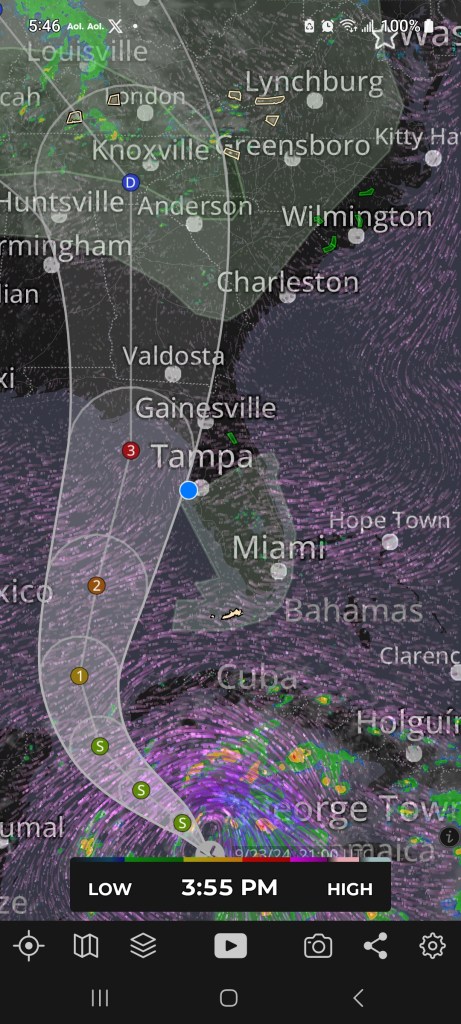
As I write this, there is a real storm brewing, both within and without. The image below is a weather map of the hurricane that may soon hit my area, forcing me to evacuate. As someone living in an RV, evacuation is usually mandatory in situations like this, and so I find myself facing the possibility of having to leave my bed in the middle of a crash caused by overdoing it.
The threat is very real, and so the importance of pacing is now at a level that I can’t ignore. I must prioritize rest and recovery immediately, because no matter what state I’m in, I’ll have to get out of bed and go to the hurricane shelter at the church next door if an evacuation order comes.
This situation has made it even clearer to me how crucial the practice of witnessing vrittis and pratyayas is. Without that practice, I would be overwhelmed by anxiety and fear right now. The mind wants to run wild with worst-case scenarios and worries, but I have been training myself to simply witness these thoughts as they arise. They are just thoughts—just mental fluctuations. They do not have to define my experience. I can stay present, calm, and clear, ready to deal with whatever comes.
So, after I finish writing this post, I’m going into massive rest and be prepared mode. The practice of pacing has never been more critical. This is an extreme red-flag situation, and I hope it serves as a reminder to all of us with chronic fatigue syndrome: sometimes, the urgency of rest is not just about avoiding a crash; it’s about survival.
Take a look at the image below—it’s a reminder to me, and hopefully to you as well, that life can throw storms at us both literally and metaphorically. But with the right practices, we can remain centered and grounded, ready to face what comes with a steady mind and a rested body.
As we face the storms within and around us, may we find peace in the stillness of our hearts. May all beings be free from suffering and the causes of suffering. May all beings experience happiness and the causes of happiness. May we all find safety, strength, and well-being on our journeys, no matter how turbulent the path. May we be guided by wisdom, anchored in compassion, and find harmony in the unfolding of each moment. And in these times of uncertainty, may we remember our interconnectedness, and may we all be held in grace and peace.
As we embark on our journey through the Caravan of Love: Interfaith Healing & Harmony, it’s essential to explore the historical and cultural contexts that have shaped the way different religions view the divine. One of the most significant sources of tension between religious traditions has been the concept of idol worship and the worship of multiple gods. However, when we delve deeper into the origins of these beliefs, we begin to understand that these tensions are rooted in the specific environments and challenges faced by different cultures throughout history.
The Middle Eastern Context: A Response to Immoral Gods and Practices
In the ancient Middle East, where Judaism emerged, the surrounding cultures were steeped in polytheistic traditions that often depicted gods as capricious, immoral, and even lecherous. Greek, Roman, and Egyptian gods were frequently portrayed with very human flaws—engaging in deceit, vengeance, and licentious behavior. These gods, rather than upholding moral standards, often embodied the very vices that righteous living seeks to overcome.
Moreover, the religious practices associated with these gods often included sexual immorality and human sacrifice. In many Greek and Roman rituals, orgies were part of the religious celebrations, which directly conflicted with the moral and ethical standards that Hashem, the God of Israel, sought to establish among His people. Jesus, too, later condemned these practices, warning his followers against participating in meals that involved food sacrificed to idols, which were often associated with these immoral rites.
Even more abhorrent were the human sacrifices demanded by certain gods, such as Baal, who was worshipped through the sacrifice of children, and the gods of the Vikings and various other cultures that practiced human sacrifice. These practices were utterly condemned by Hashem, who sought to establish a community founded on the principles of justice, compassion, and the sanctity of human life. The strict prohibition against idol worship in Judaism was not merely a rejection of other gods but a rejection of the immoral behaviors and dangerous practices associated with them.
The Hindu Context: Righteous Deities and the Dharma
In contrast, the religious environment of ancient India, where Hinduism flourished, presented a very different picture. The gods and goddesses of the Hindu tradition were seen as embodiments of various aspects of the divine, each playing a role in upholding cosmic order—known as dharma. These deities, such as Vishnu, Shiva, and Lakshmi, were revered not for their power alone but for their embodiment of virtues like love, wisdom, and righteousness.
While animal sacrifices were part of some ancient Hindu rituals, there is little evidence to suggest that human sacrifice was a practice in India, especially in the Vedic tradition that laid the foundation for Hinduism. The sacrifices performed in these rituals were meant to uphold cosmic order, not to appease bloodthirsty gods. As such, the multitude of Hindu deities was not a source of moral confusion but rather a rich tapestry through which the divine expressed itself in the world. Each god or goddess offered a different path or approach to understanding and connecting with the divine, but all were aligned with the principles of dharma. Therefore, the prohibition against worshipping other gods, so essential in the Middle Eastern context, was unnecessary in India, where the divine was seen as inherently righteous and benevolent in its many forms.
The Role of Reformers: Jesus and Buddha
In both of these cultural contexts, reformers emerged who sought to elevate the spiritual and moral consciousness of their societies. In the Middle East, Jesus entered a world where the strict monotheism of Judaism had established a strong moral foundation. However, Jesus’s teachings went further, emphasizing love, compassion, and forgiveness as central to righteous living. His life and message aimed to deepen and expand the moral and spiritual understanding of his followers, guiding them toward a more profound relationship with the divine.
Similarly, in India, the Buddha emerged in a society that already had a strong foundation of righteousness through the Vedas and the Upanishads. However, the Buddha’s teachings challenged the social inequalities of the time, particularly the rigid caste system and the exclusion of certain groups from spiritual life. Like Jesus, the Buddha sought to elevate society by emphasizing compassion, ethical living, and the pursuit of enlightenment for all, regardless of social status.
Understanding the Clash of Religions: A Matter of Context
The tension between monotheistic and polytheistic traditions often stems from these differing historical contexts. The Jewish rejection of other gods was a response to the immoral behaviors associated with the gods of neighboring cultures. In contrast, the Hindu acceptance of multiple deities was rooted in a context where the divine was already understood as righteous and aligned with cosmic order.
Today, these ancient tensions can still influence how religions interact with each other. However, by understanding the historical reasons behind these differences, we can move beyond conflict and toward a more harmonious coexistence. We can recognize that the rejection of other gods in one context was not necessarily a rejection of divinity in all forms but a response to the specific moral challenges of that time.
Conclusion: Moving Toward Interfaith Healing and Harmony
In our modern, interconnected world, it’s more important than ever to understand and respect the diverse ways in which different cultures and religions have approached the divine. By exploring these historical contexts, we can appreciate the unique contributions of each tradition while finding common ground in the shared values of love, righteousness, and compassion.
As we continue on this Caravan of Love, let us remember that the ultimate goal of all spiritual paths is to bring about healing and harmony—not just within ourselves, but in our relationships with others and the world around us. Through understanding and dialogue, we can bridge the gaps between different faiths and move closer to a world where all are respected and all are loved.
🙏🕊️🙏
Screenshot
Jesus of Nazareth, the embodiment of divine love and compassion, whose teachings on forgiveness, mercy, and selfless service continue to inspire millions across the world.
Screenshot
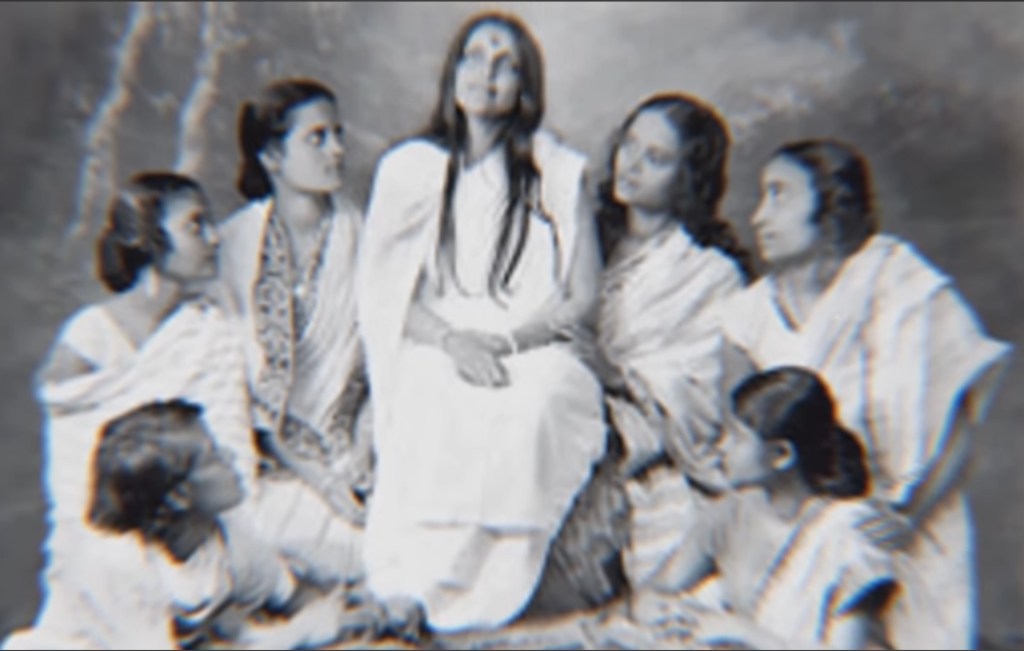
Anandamayi Ma, a revered Hindu mystic, exemplifies the divine love and spiritual wisdom that have been central to Hindu tradition for centuries.
Paramahansa Yogananda, the great spiritual teacher and author of ‘Autobiography of a Yogi,’ brought the wisdom of India’s ancient spiritual traditions to the West, inspiring countless seekers with his teachings of love, self-realization, and the unity of all religions.
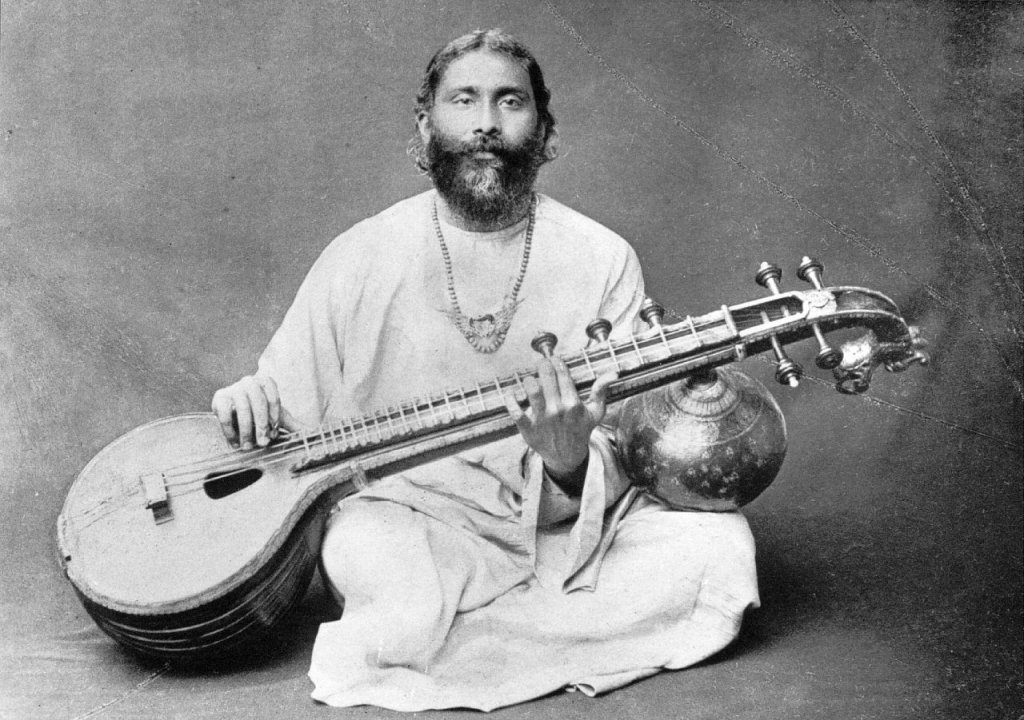
Hazrat Inayat Khan, a revered Sufi mystic and musician, whose teachings on the unity of religious ideals and the harmony of divine love have inspired countless souls on their spiritual journeys.
His Holiness the Dalai Lama, a global symbol of peace, compassion, and the enduring wisdom of the Buddhist tradition, whose teachings inspire the world toward kindness and universal responsibility.
Ani Choying Drolma, a Tibetan Buddhist nun and internationally acclaimed singer, whose music and teachings spread the message of compassion, peace, and the profound wisdom of the Buddha’s path.
“The lamps are different, but the Light is the same.”
Embracing the Eternal Now: Cultivating Spiritual Presence in Daily Life
A Journey Through Mindfulness, Equanimity, and Spiritual Connection
In the whirlwind of our daily lives, it’s easy to become consumed by the relentless pace of duties, responsibilities, and the constant barrage of information. The echoes of the past and the whispers of the future often tug at our attention, leaving us fragmented and seldom at peace. Yet, the present moment holds a profound promise—the promise of true clarity and peace.
Cultivating a relaxed mind not only enhances our ability to navigate everyday challenges with grace but also opens us to deeper insights and a greater connection with our true selves. By learning to inhabit the moment fully, we unlock the potential to transform our entire life’s experience, fostering a state of well-being that radiates outward in our thoughts, actions, and interactions.
How, then, can we cultivate a state of equanimity and truly leave our minds alone? Here are some guiding principles to help us navigate this path.
Don’t Follow the Past
It’s easy to be pulled back into the past. Imagine sitting quietly and suddenly a memory from a past mistake creeps in, clouding your mood and stealing the peace of the current moment. However, dwelling in the past often means missing out on the now—on the opportunity to engage fully with life as it happens. Letting go of the past involves an understanding that every moment is a chance to start anew, to choose differently, and to move forward with a lighter heart.
Practical Tip: Whenever you find yourself anchored to a past memory, gently remind yourself, “This memory is not my current reality.” Allow yourself to feel any emotions associated with it and then visualize setting it adrift down a river, watching it fade with compassion and detachment.
Don’t Anticipate the Future
Similarly, projecting our thoughts into the future can be just as distracting. Consider a scenario where you’re planning a meeting and start to worry excessively about its outcome, which then consumes your thoughts and disrupts your present work. Worrying about what’s yet to come not only breeds anxiety but also prevents us from taking actionable steps in the present that could actually mitigate those concerns.
Practical Tip: Practice grounding exercises when you find your mind darting forward. Focus on your senses—what can you see, hear, touch, taste, and smell right this moment? This practice helps bring you back to the present and reduces anxiety about the future.
Remain in Equanimity
Equanimity is the balanced state where we are not swayed by the highs of joy nor the lows of despair. Imagine receiving news that would typically upset you, but instead of reacting impulsively, you remain calm, reflecting on the situation with a balanced perspective. It is a place of mental stability and composure that allows us to face life’s challenges with a calm and steady mind.
Practical Tip: Develop a daily meditation practice. Even five minutes a day can help you cultivate a neutral mind that approaches all situations with balance and clarity.
Leave Your Mind Alone
At times, the best action is inaction. Consider watching your thoughts during a stressful moment, like observing clouds moving across the sky, without attempting to change their direction or speed. Leaving your mind alone means not meddling with your thoughts as they arise. It’s about observing them without judgment and letting them pass without attachment.
Practical Tip: Engage in mindfulness meditation where the goal is not to empty the mind of thoughts, but to observe them coming and going, like clouds across a vast sky.
Listening for the “Still Small Voice”
For our Christian friends, embracing the present moment can be seen as an opportunity to listen for the “still small voice” of God, as described in 1 Kings 19:12, where Elijah encounters God not in the earthquake or fire, but in a gentle whisper. Taking time each day to let go of our busy, distracted minds to rest in the Holy Spirit allows us to connect with divine guidance and comfort.
Similarly, the story of young Samuel from 1 Samuel 3:1-10 beautifully illustrates the process of becoming attuned to the divine voice. Mistaking the Lord’s call for Eli’s voice, Samuel’s repeated response, “Here I am,” eventually aligns with divine communication when he says, “Speak, Lord, for your servant is listening.” This moment of realization exemplifies the importance of being truly present, ready to receive spiritual guidance.
The Jewish Tradition of Hineni
In the Jewish tradition, the phrase “Hineni” – “I am here,” uttered by prophets like Abraham and Moses, represents a total, undistracted presence to the divine call. This sacred declaration is not just a statement of location but a profound acknowledgment of being fully present—spiritually, mentally, and physically—ready to engage with whatever God asks of them without hesitation.
Why It Matters
Understanding the distinction between simply being present and being spiritually present can transform the practice from a routine exercise to a life-changing discipline. The spiritual practice of presence is not about enduring the present but about uncovering an ever-present peace that enlightens and sustains us. It is here, in this sacred space, that we encounter the divine, the infinite, and the eternal right within our everyday moments.
🙏🕊️🙏
If you’re interested in exploring this transformative approach further, I highly recommend Orgyen Chowang’s book The Pristine Mind. His teachings provide a clear, compassionate path toward uncovering the inherent purity of our mind, offering a source of deep fulfillment and lasting peace.
In the vast tapestry of world religions, certain values transcend cultural and doctrinal differences, weaving together a shared vision of what it means to live a righteous and compassionate life. These values—purity, righteousness, kindness, forgiveness, and compassion—are cornerstones of what many traditions aspire to cultivate in their followers. Whether it’s the Sadhu Dharma in Hinduism, the concept of Tzaddikim in Judaism, or the pursuit of being a Mensch, these ideals serve as beacons of light in our shared human journey.
Sadhu Dharma, the path of the holy person, is a life dedicated to truth, simplicity, and non-attachment. The Sadhus, through their renunciation and ascetic practices, embody a life that seeks to transcend the material and focus entirely on the spiritual. Their lives are marked by a commitment to Dharma—righteousness and moral order—a principle that resonates deeply in Hindu philosophy. This dedication to purity of mind and heart is not just about personal enlightenment but about embodying virtues that uplift society as a whole.
In Judaism, the concept of Tzaddikim refers to the righteous ones, those whose lives are marked by a deep commitment to justice, kindness, and integrity. The Tzaddik, much like the Sadhu, is someone who has dedicated their life to the service of others and to the fulfillment of divine commandments. They are seen as pillars of the world, their righteousness serving as a foundation for the spiritual and moral health of the community.
Similarly, the idea of being a Mensch, which in Yiddish refers to a person of integrity and honor, is highly valued in Jewish culture. A Mensch is someone who embodies the values of kindness, responsibility, and decency in their daily life. This concept, though rooted in Jewish tradition, has universal appeal, as it speaks to the importance of living a life that others can look up to and respect.
In Christianity, the teachings of Jesus Christ offer a profound example of a life dedicated to love, compassion, and forgiveness. Jesus’s Sermon on the Mount is a timeless guide to living a life of righteousness. His call to love one’s neighbor as oneself, to forgive endlessly, and to seek peace in all things, aligns beautifully with the teachings of Sadhu Dharma and the principles of Tzaddikim. Jesus’s life is a testament to the power of living with an open heart, free from the shackles of anger, greed, and judgment.
Islam also emphasizes the importance of righteousness and moral conduct. The Quran and Hadith provide guidance on how to live a life that is pleasing to God, through acts of charity, honesty, and justice. The concept of Taqwa, often translated as God-consciousness or piety, encourages Muslims to live in constant awareness of God’s presence, guiding them to act with integrity and compassion. The Prophet Muhammad’s life is filled with examples of humility, kindness, and dedication to the welfare of others, setting a high standard for ethical conduct.
Buddhism, with its emphasis on the Noble Eightfold Path, also encourages a life of right conduct, right speech, and right livelihood. The Buddha’s teachings on compassion (Karuna) and loving-kindness (Metta) offer a path to purifying one’s mind and living in harmony with others. The simplicity of the Buddha’s advice to “Be good, do good, purify your mind” resonates across all these traditions, offering a succinct summary of the universal path to spiritual awakening.
Despite the diversity of religious expressions, these examples highlight a shared commitment to cultivating a life of virtue. Whether it’s through the renunciation of a Sadhu, the righteousness of a Tzaddik, the integrity of a Mensch, the compassion of Christ, the piety of a Muslim, or the mindfulness of a Buddhist, the underlying message is clear: to live a life that reflects the highest values of humanity.
In today’s world, where division and discord often seem to dominate the narrative, these teachings remind us of the importance of unity and the power of virtue. They encourage us to rise above our differences and to see in each other the same divine spark that guides our own path. By embracing these universal principles, we contribute to a more harmonious and compassionate world—a world where peace and righteousness are not just ideals but lived realities.
As we continue our journey through the sacred stories and teachings of various traditions, may we carry these lessons with us, allowing them to shape our actions and our hearts. In doing so, we honor the diversity of spiritual paths while recognizing the common ground that unites us all.
The concept of rapture holds a significant place in many religious traditions, often representing a powerful moment of divine encounter. However, the interpretation of this experience varies widely across spiritual paths. For some, rapture is a future event, a moment of transcendent liberation from the trials of the world. For others, rapture is an immediate, inner experience of union with the Divine, accessible in the present moment. This blog post explores these differing perspectives, inviting readers to consider the possibility that rapture might be both a future hope and a present reality.
Rapture as a Hoped-for Future Event
In many Christian communities, the term “rapture” is closely associated with the belief in a future event where believers are taken up to be with Christ. This event is often envisioned as a sudden and dramatic moment where those who have lived faithfully are removed from the tribulations of the world and brought into eternal communion with the divine. This interpretation provides a powerful source of hope, offering assurance of divine rescue and the promise of a heavenly future.
This understanding of rapture emphasizes an external transformation, a moment when the divine intervenes in human history to gather the faithful and bring them into a new realm of existence. For many, it is a symbol of ultimate redemption, where suffering and struggle are left behind, and believers are welcomed into the fullness of God’s presence.
Rapture as a Present-Moment Realization of the Divine
However, there is also another, less spoken about, possibility of rapture. Here, rapture is not something that will happen in the distant future but an experience that can be realized in the here and now. It is a state of being where the soul becomes fully absorbed in the divine presence, transcending the ordinary boundaries of self and the material world.
This inner rapture is often described as a moment of profound bliss and unity, where the individual self merges with the universal consciousness. Through practices like meditation, prayer, and devotion, one can enter into this state of rapture, experiencing the divine not as a distant reality but as an intimate, present-moment truth.
Bridging the Perspectives: Rapture as Both Now and Later
These two interpretations of rapture—the future event and the present realization—need not be mutually exclusive. In fact, they can complement each other, offering a fuller picture of what it means to encounter the divine.
For those who look forward to the future rapture, there is comfort in the promise of divine intervention and the ultimate transformation of the world. Yet, by also embracing the possibility of rapture as an inner experience, there is an invitation to taste the sweetness of divine union in the present moment, to experience a foretaste of the eternal communion that awaits.
Likewise, for those who seek rapture in the present, there is value in remembering that spiritual growth often unfolds over time, with moments of profound realization serving as milestones on a longer journey. The hope of a future rapture can inspire deeper commitment to the practices that open the heart to the divine here and now.
Practical Steps Toward Experiencing Inner Rapture
If the idea of experiencing rapture as an inner, present-moment encounter with the divine resonates with you, here are some practices suggested by mystics throughout history that can help cultivate this experience:
Saint Teresa of Avila provides a roadmap for deepening your prayer life through mental prayer and contemplation. She describes the soul’s journey as one of moving inward, from vocal prayers to the stillness of contemplation, where one becomes wholly absorbed in God’s presence. To begin this journey, Saint Teresa suggests setting aside quiet time each day for prayer. Start by meditating on the life of Christ, using passages from the Gospels as focal points for your thoughts. As your prayer deepens, you may find words are no longer necessary. Allow yourself to rest in God’s presence in silence, letting go of the need to articulate your thoughts. Over time, this practice can lead to what Saint Teresa describes as “interior recollection,” where the soul is so absorbed in the divine presence that it forgets itself entirely, consumed by the sweetness of this union. She encourages practicing this recollection not just during designated prayer times but throughout the day, continually bringing your mind back to God, even in the midst of daily activities.
Saint John of the Cross, another profound mystic, offers guidance on navigating the challenges that often accompany the pursuit of divine union. He speaks of the “dark night of the soul,” a period of spiritual dryness and seeming distance from God, which he interprets as a necessary purification of the soul. John teaches that to reach divine union, one must first pass through this purgation, releasing attachments to worldly desires and false comforts. He suggests regular self-examination to identify these attachments and encourages embracing humility and detachment. During times of spiritual dryness, rather than retreating, he advises pressing deeper into prayer and surrender, trusting that these are the very times when God is working most profoundly within the soul. By surrendering completely to God’s will and allowing Him to purify the soul, one can eventually emerge into the light of divine union, where the soul is intimately united with God.
Thomas Merton, a modern-day contemplative, offers a pathway into the experience of rapture through the practice of contemplative prayer. Merton emphasizes that true communication with God happens not through words, but in communion—a deep, silent presence with the divine that transcends ordinary communication. To practice this, Merton suggests setting aside regular times for meditation, where you focus on the presence of God within you. Begin by creating an environment of silence and solitude, which Merton believes is essential for hearing God’s voice. As you meditate, let go of the need to verbalize your thoughts or prayers. Instead, simply be present with God, opening your heart to His presence. Over time, this practice of contemplative prayer can lead you into a deeper communion with God, where words fall away and you experience a profound, wordless union.
Richard Rohr, another contemporary spiritual teacher, encourages living with a continuous awareness of God’s presence in the present moment. Rohr’s approach is rooted in the idea that God is always near, available to us in each breath and every moment of our lives. He suggests starting your day with a prayer of intention, asking to be aware of God’s presence throughout the day. As you go about your daily tasks, practice mindfulness by focusing on your breath, recognizing it as a sign of God’s life-giving presence within you. Rohr also recommends the practice of “practicing the presence of God,” where you continually bring your awareness back to God as you engage in your everyday activities. By cultivating this habit, you can begin to experience moments of rapture throughout your day—small, sacred encounters with the divine that remind you of God’s constant presence.
Conclusion: An Invitation to Explore
Whether one views rapture as a future event or a present experience, it remains a powerful symbol of divine encounter. It invites each of us to consider how we might open ourselves more fully to the divine, whether by preparing our hearts for a future moment of transformation or by seeking the presence of the divine in our everyday lives.
In the end, the experience of rapture may be less about “when” it happens and more about the depth of our openness to the divine. It is a call to live in the awareness that the divine is always near, whether we are waiting for a future moment of glory or opening ourselves to the possibility of experiencing that glory in the here and now.
Quotes for Reflection:
The following quotes capture the essence of rapture as an inner experience of divine union that is available to disciples in this very life.
Saint Teresa of Avila, The Interior Castle: “The soul is now fully awake to the call of the Beloved, and God grants it the gift of deep contemplation. The soul becomes so absorbed in the divine presence that it forgets itself entirely, consumed by the sweetness of this union.”
Saint John of the Cross, The Living Flame of Love: “Oh, how sweet is the light of God that shines within a pure soul! It is so dazzling that the soul is blinded by its brightness and overwhelmed by the fragrance of His presence.”
Thomas Merton, New Seeds of Contemplation: “The deepest level of communication is not communication, but communion. It is wordless. It is beyond words, beyond speech, beyond concept.”
Richard Rohr, The Naked Now: “God is not far from us; God is with us—precisely in our very breath, in our own existence, and in the here and now.”
May we each find our own way to rapture, whether by looking to the future with hope or by seeking the divine presence in this very moment.
O Divine Source of all creation, The One who is known by many names, And who dwells in every heart, We come before you with humble hearts, Seeking your blessing of peace and harmony.
May your love flow through us like a river, Washing away all hatred, division, and fear, And filling our hearts with compassion for all beings.
Teach us to see beyond our differences, To honor the divine in every person, And to live as instruments of your peace in this world.
May we walk the path of righteousness, Guided by your wisdom and grace, So that our actions may bring healing and unity To a world that so deeply longs for peace.
Let all nations and peoples come together, In a spirit of understanding and respect, Embracing the truth that we are all your children, And that in your eyes, we are one family.
Grant us the courage to forgive, The strength to love without condition, And the wisdom to seek justice and mercy For every living being.
May your light shine in our hearts, And may we carry that light into the world, Bringing hope to the weary, And peace to all who suffer.
In your holy name, we pray, For goodwill on earth, and peace among all beings.
Introduction Jesus’ invitation to “follow me” is at the heart of Christian life. But what does it really mean to follow Him? Often, we think of it in terms of outward actions—loving others, serving the needy, and living righteously. While all of this is vital, there is a deeper dimension to following Jesus: abiding in God’s presence, as Jesus himself did. Jesus regularly withdrew to pray in stillness, connecting with His Father in quiet communion. This inward focus is just as crucial to following Jesus as our outward actions.
Jesus’ Example of Stillness Throughout the Gospels, we see Jesus taking time to be alone in prayer (Luke 5:16). He wasn’t just teaching us to pray for what we need, but to rest in God’s presence, to listen, and to be still. When Jesus spoke of the kingdom of God being within us (Luke 17:21), He was revealing that God is not distant but present within each of us. To follow Him means not only to love as He loved, but to seek God as He did—by abiding in the presence of the Father.
Abiding in the Heart: A Call to All Believers In John 15:4, Jesus says, “Abide in me, and I in you.” This is not just a poetic metaphor, but a clear instruction. To abide means to remain, to stay rooted in Him. Jesus calls us to experience God’s presence within, in the quiet of our hearts, just as He did. When we take time to be still and know God (Psalm 46:10), we are following Jesus’ example. We are allowing God’s Spirit to work within us, transforming us into His likeness.
How We Abide in God’s Presence Abiding in God’s presence is not about striving or achieving—it’s about surrender and trust. It’s about creating space in our hearts to listen to God, to rest in His love. We don’t need to perform for God or say the right words; we simply need to turn our attention inward, to the presence of the Holy Spirit within us. In this stillness, we are following Jesus, who modeled this quiet communion with God throughout His ministry.
The Kingdom Within When Jesus said, “The kingdom of God is within you,” He wasn’t speaking in riddles. He was revealing a profound truth about where we encounter God. Following Jesus means recognizing that God’s Spirit is not distant, but as close as our own breath. As we follow Jesus, we learn to turn inward, to abide in this truth, and to let God’s peace fill our hearts. In doing so, we come to know Him more deeply, just as Jesus did.
A Daily Path of Following Jesus Following Jesus is not just about what we do for others—it’s about who we are becoming in Christ. As we spend time abiding in God’s presence, we are shaped and formed by His love. Our actions naturally flow from this inner communion with God. The more we follow Jesus in this way, the more we become like Him—living in love, humility, and peace. This inward journey is not reserved for mystics or saints; it is the path that Jesus invites every believer to walk.
Conclusion To follow Jesus means to emulate not only His actions but His way of being. He taught us to love, but He also showed us how to abide in God’s presence. This invitation is open to everyone. As we follow Jesus, we are called to take time to be still, to rest in the heart of God, and to allow His Spirit to work in us. In this way, we truly become followers of Christ—not just in what we do, but in who we are becoming.
A Simple Practice to Abide in God’s Presence For those who wish to deepen their connection with God and experience His peace, here is a simple five-minute practice that you can do first thing in the morning, before bed, or anytime during the day when you need to return to God’s presence.
Opening Prayer “Dear Lord, I come before You now, seeking Your peace and healing presence. As I quiet my mind and heart, I ask to feel Your Holy Spirit within me. Guide me into rest, ease my anxieties, and fill me with Your everlasting peace. Amen.”
Meditation
Find a comfortable position—either sitting or lying down. Close your eyes gently.
Take a deep breath in through your nose, and slowly exhale through your mouth. Feel the tension melt away as you breathe out.
Begin to notice your breath. No need to change it—just notice the gentle rise and fall of your chest or belly.
As you inhale, silently say to yourself, “Breathing in, I abide in the Holy Spirit.”
As you exhale, silently say to yourself, “Breathing out, I release into God’s peace.”
If your mind wanders, that’s okay. Gently bring your attention back to your breath and these words.
Continue this for five minutes, focusing on the breath and the sense of God’s presence and peace.
Closing Prayer “Gracious God, thank You for Your presence and peace. As I end this time of meditation, I trust in Your love and guidance. Help me carry this sense of stillness and Your Spirit with me throughout the day (or night). May Your peace fill my heart, and may I continue to abide in Your presence in all that I do. Amen.”