Tag: spirituality

  • Book Review: “The Wisdom of No Escape” by Pema Chödrön

    Discover Your Inner Chill

    I’ve read and reread “The Wisdom of No Escape” by Pema Chödrön, and I’d like to recommend it because it’s a total game-changer. Pema Chödrön, this Buddhist teacher, really knows her stuff when it comes to finding peace and freedom inside yourself.

    The book is super easy to get into, with short chapters that pack a punch. Whether you’re just starting out with mindfulness or you’ve been into it for a while, you’ll find something valuable here. Chödrön’s writing is clear and kind of funny too, which helps break down the tough stuff she talks about.

    Basically, the book is all about facing life head-on instead of running away. Chödrön says we should sit with our uncomfortable feelings and fears because that’s where we grow the most. She gives us practical tips and meditation exercises to help us stay cool when life gets crazy.

    What I really liked is how Chödrön gets real with us. She shares her own struggles and doubts, showing that everyone goes through tough times. It’s not about avoiding problems but learning from them.

    “The Wisdom of No Escape” teaches us that happiness and peace aren’t about what’s happening around us but how we deal with it all. Chödrön wants us to live in the moment, flaws and all, and be brave enough to keep our hearts open.

    Overall, this book is like finding a treasure map to inner peace. If you’re into discovering more about yourself and getting into mindfulness, this is a must-read. Pema Chödrön’s wisdom could seriously change your life, guiding you on a journey of self-discovery and mindfulness.

  • Living the Teachings: Choosing Values Over Belief.

    It’s interesting how much emphasis is placed on whether or not God is real. For me, the heart of the matter lies not in proving or disproving God’s existence but in choosing to live according to the teachings of Jesus, which center on forgiveness, loving-kindness, and compassion. Regardless of our beliefs, when we embrace these values, we contribute to a better world, which some might call the kingdom of God.

    The story of the Bible isn’t just about belief; it’s about choosing love over hate, generosity over greed, and compassion over disregard for others. These choices lead to a more harmonious and just society. Whether you call it divine or simply good human values, the impact remains the same. The focus, therefore, could be less about debating God’s reality or the literal reality of biblical stories and more about how we choose to live our lives.

    What do you think?

  • Exploring Spiritual Journeys: My Dive into St. John of the Cross and the Teachings of Jesus


    My Spiritual Journey with St. John of the Cross and Jesus Christ

    Hey everyone! I’ve been on a fascinating journey lately, exploring some deep spiritual stuff that’s really been blowing my mind. And, let me tell you—it’s been eye-opening!

    Recently, I stumbled upon this book called “The Dark Night of the Soul” by St. John of the Cross. Sounds intense, right? It totally is! St. John talks about this journey where the soul goes through tough times to find a deeper connection with God. It’s like he’s describing these dark times we all go through, but how they can actually lead to something amazing and spiritual.

    One thing that’s really stuck with me is how he talks about longing for God’s presence. It’s like that feeling when you really miss someone, but instead of a person, it’s this deep spiritual connection you’re longing for. I’ve started to see how even tough times can be part of this journey towards finding peace and purpose.

    And then there’s Jesus. Man, his teachings are mind-blowing. He talks about love, forgiveness, and seeing the Kingdom of God in everything around us. It’s not just about believing; it’s about really living those teachings every day. That’s been a challenge for me, but also super rewarding when I see how it changes how I treat people and handle tough situations.

    And let’s not forget the miracles! Whether it’s Jesus healing someone or just those little everyday miracles, they remind me that there’s something bigger than us out there. It’s like a reminder to keep faith and stay open to the wonder of life.

    So yeah, this journey into spirituality has been a rollercoaster, but in the best way possible. It’s helped me see life in a whole new light and given me tools to navigate the ups and downs. I’m still learning and growing, but isn’t that what life’s all about?

    What about you? Have you ever had moments where you felt a deep spiritual connection or experienced something that made you question everything? I’d love to hear your thoughts and stories too! Let’s keep this conversation going.

    Until next time, stay curious and keep exploring!


  • Lesson 17 of A Course in Miracles (ACIM): Guided Meditation – “I see no neutral things.”

    Lesson 17 of A Course in Miracles presents the lesson: “I see no neutral things.” This teaching challenges us to recognize that every perception we have is colored by our thoughts and judgments. By acknowledging that neutrality in our perceptions is not possible, we can begin to question the filters through which we see the world.

    This practice invites us to become aware of the interpretations we place on everything we perceive. By understanding that our perceptions are shaped by our inner state, we can start to cultivate a more mindful and compassionate approach to how we see the world.

    Jesus often taught about seeing with spiritual clarity and discernment. In Matthew 6:22-23, He says, “The eye is the lamp of the body. If your eyes are healthy, your whole body will be full of light. But if your eyes are unhealthy, your whole body will be full of darkness. If then the light within you is darkness, how great is that darkness!” This teaching aligns with ACIM’s guidance to see beyond the illusions and recognize the true nature of all things.

    By practicing Lesson 17, we align ourselves with Christ’s message of spiritual perception and truth. We learn to see through the dualistic judgments and open ourselves to a deeper understanding of the divine presence in every aspect of life.

    Explore Lesson 17 of A Course in Miracles with us, and discover how shifting your perception can lead to greater peace, clarity, and a more profound connection with the eternal truth within.

    Guided Meditation: Lesson 17 from A Course in Miracles

    This guided meditation is tailored to encompass the elements, themes, messages, and practices of Lesson 17 from A Course in Miracles.

    Find a comfortable position, either sitting or lying down, where you can relax and be free from distractions.

    Close your eyes gently and take a few deep breaths, allowing yourself to settle into the present moment.

    Bring your attention to your breath, feeling the sensation of each inhale and exhale.

    Reflect on the central theme of Lesson 17: “I see no neutral things.”

    Contemplate the idea that everything you perceive holds some degree of meaning to you, whether positive, negative, or neutral.

    Acknowledge that your perception of neutrality is simply a reflection of your own interpretations and judgments.

    With each breath, imagine releasing any attachment to the idea of neutral things, allowing yourself to fully accept and acknowledge the inherent meaning in everything you see.

    Visualize yourself stepping back from your perceptions, observing them with a sense of detachment and clarity.

    Feel a sense of empowerment as you recognize that you have the power to choose the meaning you assign to things, free from the constraints of past conditioning.

    Repeat the following affirmations silently or in your mind:

    “I see no neutral things.”

    “I release all attachments to the idea of neutrality.”

    “I choose to see the world with love and compassion.”

    Allow yourself to rest in this space of inner peace and clarity for a few moments, embracing the inherent meaning in everything you perceive.

    When you’re ready, gently bring your awareness back to your surroundings. Wiggle your fingers and toes, and slowly open your eyes.

    Take a moment to reflect on your experience, noticing any insights or shifts in perception that may have occurred.

    Remember that you can return to this meditation whenever you feel called to deepen your understanding of Lesson 17.

  • Joseph Goldstein’s talk on the Satipatthana Sutta, part 1 – The Direct Path to Liberation

    Our lives seem to be an endless cycle of ups and downs, hope, fear, pleasure, pain, achievement, and disappointment, where we are perpetually wanting something else, and our happiness and satisfaction don’t last for very long.

    But things don’t necessarily have to be this way. The Buddha taught that it is possible to completely transform our lives and experience a state of unconditional lasting happiness, freedom, and joy. This is nirvana—a state of everlasting peace and well-being. Buddhist teachings clearly outline the mechanisms of cause and effect.

    These teachings show us how we create our own difficulties and how we can break free from the cycles that keep us locked in unhappiness and suffering.

    Through Buddhism, we will investigate how to empower ourselves with Buddhist teachings, mindfulness meditation, and practical methods that will help us find lasting happiness, peace, confidence, commitment, and energy for spiritual transformation.

    No one can give you lasting happiness and peace; it must be found within yourself through Buddhist teachings and practical investigation to see things clearly for yourself—why you are here and how your mind and the universe work.


    The talk highlights how to apply mindfulness in daily activities, encouraging an awareness that extends beyond formal meditation.

    The ultimate goal is to overcome suffering and develop a profound peace and liberation, aligning with the teachings of the Buddha.

    The session sets the stage for deeper exploration of mindfulness and its role in achieving spiritual growth and understanding.


    Satipatthana Sutta – Part 1: The Direct Path to Liberation
    Joseph Goldstein
    Insight Meditation Society – Forest Refuge
    April 2, 2004
    Duration: 59:13

    Listen Here: Part 1: The Direct Path to Liberation

    https://www.dharmaseed.org/talks/player/280.html


    Summary:

    In this talk, Joseph Goldstein provides an in-depth exploration of the Satipatthana Sutta, focusing on its role as a direct path to liberation. Here are the key points:

    Overview of the Satipatthana Sutta:

    • Goldstein introduces the Satipatthana Sutta, a crucial Buddhist text on mindfulness practice. He explains that the sutta outlines four foundations of mindfulness, which are essential for achieving insight and liberation.

    Four Foundations of Mindfulness:

    • Mindfulness of the Body: Observing the body’s physical sensations, postures, and the breath. This includes being aware of bodily actions and the body’s inherent nature.
    • Mindfulness of Feelings: Noticing the nature of feelings (pleasant, unpleasant, or neutral) and understanding their impermanent nature.
    • Mindfulness of the Mind: Observing the state and conditions of the mind, such as desire, aversion, and delusion, and recognizing how these mental states affect our experience.
    • Mindfulness of Mental Objects: Reflecting on mental phenomena like the Five Aggregates and the Four Noble Truths, and understanding their role in our experience of suffering and liberation.

    Purpose of the Practice:

    • Goldstein emphasizes that the Satipatthana Sutta is not just about understanding theoretical concepts but about practical application. The goal is to develop insight into the nature of suffering, impermanence, and non-self through mindful observation.

    Cultivating Insight:

    • Through the consistent practice of these foundations, one develops a deep understanding of the nature of existence. This insight is key to overcoming suffering and achieving a state of liberation.

    Integration into Daily Life:

    • Goldstein suggests integrating mindfulness into daily activities, not just during formal meditation. This helps in cultivating a continuous awareness and understanding of one’s experience.

    Goldstein’s talk highlights the Satipatthana Sutta as a comprehensive guide for mindfulness practice, offering practical insights into achieving liberation through direct observation and understanding of the mind and body.

    🙏🕊️🙏

  • Breathing Through the Storm: Practices of Compassion and Connection

    In these uncertain times, many of us are grappling with complex emotions—fear, frustration, anger, and uncertainty about what lies ahead. It’s easy to feel overwhelmed by the turmoil around us. Yet, amidst this chaos, practices like Metta and Tonglen can offer profound solace and guidance, helping us connect deeply with ourselves and the world.

    Metta and Tonglen: Cultivating Compassion

    Metta, or loving-kindness meditation, invites us to extend warmth and goodwill to ourselves and others. It teaches us to embrace not only those we love but also those we’re neutral towards and even those with whom we have difficulties. By nurturing this boundless compassion, we forge a deeper connection to all beings, fostering understanding and healing.

    Tonglen, on the other hand, is a practice that transforms our relationship with suffering. By breathing in the world’s pain and breathing out hope, love, and well-being, we engage in a powerful cycle of empathy and transformation. This practice allows us to hold space for the suffering around us while simultaneously cultivating a sense of hope and resilience.

    A Poem of Breath and Connection

    Breathing in, I draw the world’s pain,
    Breathing out, I send love, hope again.
    Inhale the fears that linger near,
    Exhale warmth to all who hear.

    The storm within, it calls to me,
    To sit in stillness, let it be.
    With each breath, I weave the thread,
    Of light and peace, where hope is spread.

    We stand together, hand in hand,
    Through darkened skies, across the land.
    In shared compassion, we find our way,
    To brighter dawns, a new today.

    Connecting with the Collective

    This blog is more than a reflection—it’s an invitation to connect. I invite you to share your personal stories, hopes, fears, and dreams in the comments below. By creating this healing space together, we honor the collective mood and nurture our shared humanity. Let this be a place where we support and uplift each other, breathing in suffering and breathing out love, until the world breathes easier once more.

    Reflections for Deepening

    As you engage with these practices, consider the following questions:

    • What specific fears or concerns are you holding onto right now, and how might breathing them in and transforming them with compassion feel?
    • How can you extend loving-kindness to yourself and others in your daily life?
    • In what ways can you connect with diverse spiritual paths to foster a sense of unity and shared purpose?

    Feel free to share your reflections and experiences in the comments below. Your insights can contribute to our collective journey of healing and understanding.

    A Prayer for All Beings

    May all beings be happy.
    May all beings be free of suffering.
    May all beings never be apart from the joy of equanimity.
    And may all beings be enlightened.

    🙏🕊️🙏

  • Poem: Embrace of Stillness

    Finding Safety and Truth Beyond Illusion

    Safe in the heart, the dream will fade,
    Nothing was lost, no fears invade.
    Through love’s embrace, all truth revealed,
    In stillness, we are always healed.

    🙏🕊️🙏

  • Lesson 14 of A Course in Miracles (ACIM): Guided Meditation – “God did not create a meaningless world.”


    Lesson 14 of A Course in Miracles introduces the lesson: “God did not create a meaningless world.” This teaching challenges us to reconsider our perception of the world as lacking purpose or significance. By acknowledging that the world we see is not a reflection of God’s creation, we can begin to shift our understanding towards recognizing the divine order and purpose behind all existence.

    This practice invites us to question the validity of our judgments and interpretations. By understanding that God’s creation is inherently meaningful and purposeful, we can start to align our thoughts and perceptions with the divine truth.

    Jesus emphasized the loving nature of God’s creation and the inherent purpose behind all life. In Genesis 1:31, it is written, “God saw all that he had made, and it was very good.” This teaching aligns with ACIM’s guidance to see beyond the illusions of meaninglessness and recognize the inherent goodness and purposefulness of God’s creation.

    By practicing Lesson 14, we align ourselves with Christ’s message of divine love and creation. We learn to see through the illusions of a meaningless world and open ourselves to a deeper recognition of God’s presence and purpose in all aspects of life.

    Explore Lesson 14 of A Course in Miracles with us, and discover how embracing the meaningfulness of God’s creation can lead to greater peace, clarity, and spiritual awakening.

    Guided Meditation: Lesson 14 from A Course in Miracles

    This guided meditation is tailored to encompass the elements, themes, messages, and practices of Lesson 14 from A Course in Miracles.

    Find a comfortable position, either sitting or lying down, where you can relax and be free from distractions.

    Close your eyes gently and take a few deep breaths, allowing yourself to settle into the present moment.

    Bring your attention to your breath, feeling the sensation of each inhale and exhale.

    Reflect on the central theme of Lesson 14: “God did not create a meaningless world.”

    Contemplate the idea that the world, as it truly is, is not meaningless, but rather holds profound meaning and purpose.

    Acknowledge that the belief in a meaningless world is a distortion of reality, born out of separation from our true nature and from God.

    With each breath, imagine releasing any attachment to the belief in a meaningless world, allowing it to dissolve like mist in the sunlight.

    Visualize yourself stepping back from your perceptions, observing them with a sense of detachment and clarity.

    Feel a sense of peace and reassurance as you recognize that God did not create a meaningless world, but rather a world filled with love, beauty, and purpose.

    Repeat the following affirmations silently or in your mind:

    “God did not create a meaningless world.”

    “I release all attachments to the belief in a meaningless world.”

    “I open myself to experiencing the world as a reflection of God’s love and perfection.”

    Allow yourself to rest in this space of inner peace and clarity for a few moments, letting go of any attachment to the belief in a meaningless world.

    When you’re ready, gently bring your awareness back to your surroundings. Wiggle your fingers and toes, and slowly open your eyes.

    Take a moment to reflect on your experience, noticing any insights or shifts in perception that may have occurred.

    Remember that you can return to this meditation whenever you feel called to deepen your understanding of Lesson fourteen.

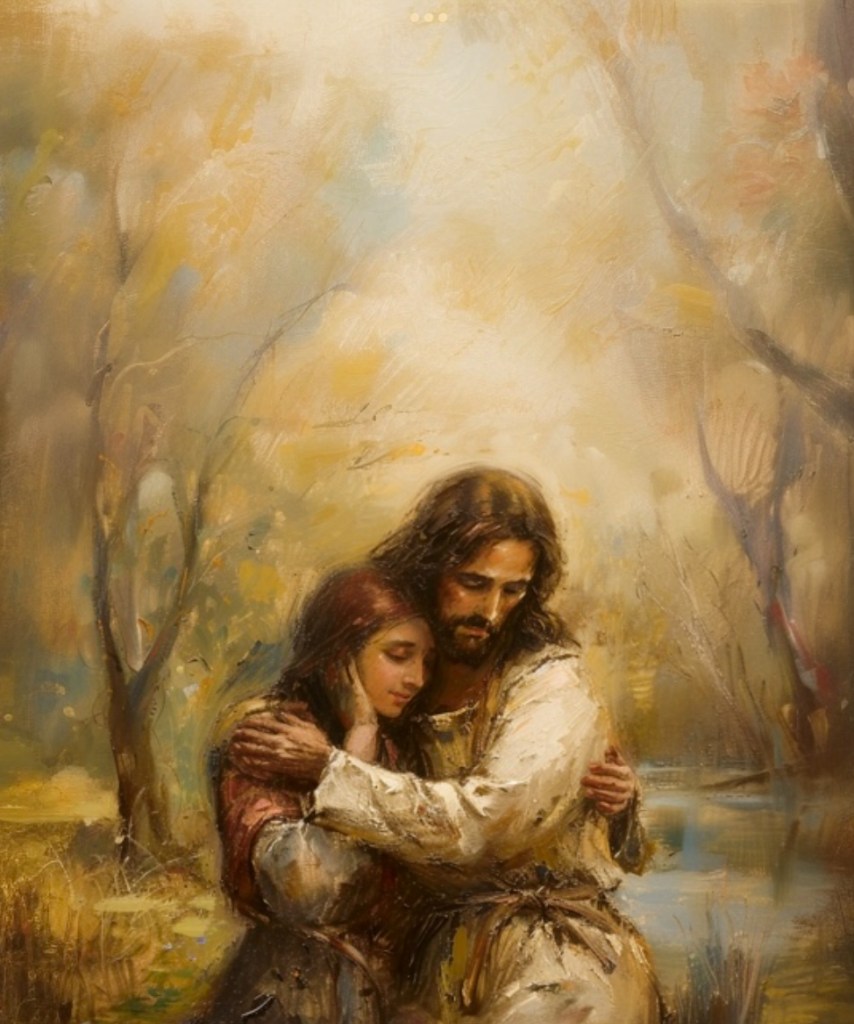
  • Journeying Through “The Dark Night of the Soul”: Embracing Spiritual Purification

    Review of Chapters 1-6 with Personal Reflections and Contemplative Insights

    In St. John of the Cross’s timeless masterpiece, “The Dark Night of the Soul,” he intricately details the soul’s profound journey towards spiritual union with the divine. Each chapter unveils layers of purification and surrender, guiding us through the depths of spiritual transformation.

    Chapter 1: The Soul’s Longing

    Chapter 1 begins with a poignant exploration of the soul’s yearning for divine connection. St. John describes how this longing initiates the soul’s journey through darkness and detachment from earthly desires. Personally, I resonate deeply with this chapter as it mirrors my own quest for deeper spiritual fulfillment amidst life’s challenges.

    Chapter 2: Detachment from Earthly Desires

    In Chapter 2, St. John delves into the dark night of the senses, where the soul undergoes purification from sensory attachments. This resonates with my journey of letting go of material expectations due to chronic fatigue syndrome, guiding me to embrace spiritual detachment as a path to inner peace.

    Chapter 3: Purification of the Spirit

    The dark night of the spirit unfolds in Chapter 3, where St. John explores the soul’s purification at its deepest level. This chapter teaches me the profound art of surrender, where I’m learning to release attachments and find solace in divine presence amidst life’s uncertainties.

    Chapter 4: Surrendering to Divine Transformation

    Chapter 4 amplifies the soul’s journey through surrender, where St. John emphasizes letting go of spiritual consolations for a deeper union with God. This chapter inspires me to embrace a profound level of surrender, trusting in divine guidance as I navigate life’s challenges and joys.

    Chapter 5: Awakening to Divine Love

    In Chapter 5, St. John illuminates the soul’s awakening to divine love through complete purification and detachment. This chapter encourages me to deepen my awareness of the divine presence in every moment, cultivating a profound sense of inner peace and spiritual fulfillment.

    Chapter 6: Recognizing the Divine in All

    Finally, Chapter 6 culminates in the soul’s recognition of the divine presence in all aspects of existence. Inspired by Jesus’ teachings on spiritual perception, this chapter guides me towards seeing God in everyone and everything, fostering a transformative journey of spiritual growth and awakening.

    Reflective Questions for Contemplation:

    1.  How does the concept of surrender resonate with your own spiritual journey?

    2.  In what ways can detachment from earthly desires deepen your sense of inner peace?

    3.  How do you currently perceive the divine presence in your daily life and interactions?

    4.  What practices or teachings inspire you to embrace spiritual growth and union with the divine?

    Feel free to share your reflections, insights, or experiences in the comments below. Let’s embark on this journey of spiritual exploration together!

    If you’re interested in learning more about this book, follow this link below to the Amazon website.

    This blog post integrates St. John of the Cross’s teachings with personal reflections and invites readers to engage in contemplation and discussion. As we navigate our spiritual paths, may we find inspiration and guidance in embracing deeper levels of surrender, purification, and divine union.

    🙏🕊️🙏

  • Lesson 13 of A Course in Miracles (ACIM): Guided Meditation – “A meaningless world engenders fear.”

    Lesson 13 of A Course in Miracles presents the lesson: “A meaningless world engenders fear.” This teaching invites us to explore how our perception of the world as lacking meaning can lead to feelings of fear and insecurity. By acknowledging the connection between our beliefs about the world and our emotional experiences, we can begin to unravel the root causes of fear.

    This practice encourages us to examine how our thoughts about the world shape our feelings and reactions. By understanding that a perception of meaninglessness fosters fear, we can start to question and release the beliefs that keep us trapped in cycles of anxiety and distress.

    Jesus taught about overcoming fear and finding security in divine truth. In John 14:1, He says, “Do not let your hearts be troubled. You believe in God; believe also in me.” This teaching aligns with ACIM’s guidance to transcend fear by recognizing the illusory nature of the ego’s perception of the world.

    By practicing Lesson 13, we align ourselves with Christ’s message of faith and trust in divine love. We learn to see through the fearful projections of a meaningless world and open ourselves to a deeper sense of security and peace rooted in spiritual truth.

    Explore Lesson 13 of A Course in Miracles with us, and discover how releasing the belief in a meaningless world can lead to greater freedom from fear and a more profound connection with the divine presence within.

    Guided Meditation: Lesson 13 from A Course in Miracles

    This guided meditation is tailored to encompass the elements, themes, messages, and practices of Lesson 13 from A Course in Miracles.

    Find a comfortable position, either sitting or lying down, where you can relax and be free from distractions.

    Close your eyes gently and take a few deep breaths, allowing yourself to settle into the present moment.

    Bring your attention to your breath, feeling the sensation of each inhale and exhale.

    Reflect on the central theme of Lesson 13: “A meaningless world engenders fear.”

    Contemplate the idea that the belief in a meaningless world leads to fear and anxiety.

    Acknowledge that your perceptions of the world as meaningless contribute to your experience of fear.

    With each breath, imagine releasing any attachment to the belief in a meaningless world, allowing it to dissolve like mist in the sunlight.

    Visualize yourself stepping back from your perceptions, observing them with a sense of detachment and clarity.

    Feel a sense of peace and calm wash over you as you release the belief in a meaningless world and the fear it engenders.

    Repeat the following affirmations silently or in your mind:

    “A meaningless world engenders fear.”

    “I release all attachments to the belief in a meaningless world.”

    “I choose to see the world as a reflection of love instead of fear.”

    Allow yourself to rest in this space of inner peace and clarity for a few moments, letting go of any attachment to fear.

    When you’re ready, gently bring your awareness back to your surroundings. Wiggle your fingers and toes, and slowly open your eyes.

    Take a moment to reflect on your experience, noticing any insights or shifts in perception that may have occurred.

    Remember that you can return to this meditation whenever you feel called to deepen your understanding of Lesson thirteen.

  • Synchronized Global Well-Being for All: A Call to Meditate Together – July 21st

    Join the Synchronized Global Meditations Community to Benefit the Earth, All Living Beings, and Every Sentient Being. Everyone and All Traditions Are Welcome.

    Introduction

    Welcome to the Synchronized Global Meditations Community, a space dedicated to the well-being of our planet and all its inhabitants. Here, we believe in the power of collective meditation to bring about positive change, fostering peace, harmony, and well-being for everyone. This community is open to people from all traditions, and we invite you to join us in this global movement.

    The Power of Synchronized Meditation

    Synchronized meditation has the potential to create a ripple effect of positive energy that can benefit not just the participants but the entire world. When we come together with a shared intention, our collective focus can amplify the impact of our meditative practices, promoting healing, compassion, and unity.

    Guided Meditation for Global Well-Being

    Preparation:

    1. Find a quiet and comfortable space.
    2. Sit or lie down in a relaxed position.
    3. Close your eyes and take a few deep breaths.

    Meditation:

    1. Intention Setting: Begin by setting an intention for global well-being. Visualize the Earth surrounded by a loving, healing light.
    2. Breath Awareness: Focus on your breath. With each inhale, imagine drawing in positive energy. With each exhale, send out compassion and love to all beings.
    3. Visualization: Visualize people from all around the world joining together in meditation, their hearts connected in a web of light and love.
    4. Metta Practice:
    • For Yourself: Silently repeat, “May I be happy. May I be healthy. May I be safe. May I live with ease.”
    • For a Loved One: Visualize someone you care about and silently repeat, “May you be happy. May you be healthy. May you be safe. May you live with ease.”
    • For All Beings: Expand your focus to all sentient beings and silently repeat, “May all beings be happy. May all beings be healthy. May all beings be safe. May all beings live with ease.”
    1. Silent Reflection: Spend a few moments in silent reflection, holding the intention of peace and well-being for all.
    2. Closing: Gently bring your awareness back to the present moment. Take a few deep breaths and open your eyes.

    Reflective Questions

    1. How do you feel after participating in a synchronized global meditation?
    2. What intentions did you set for the well-being of the Earth and all beings?
    3. How can you integrate the sense of unity and compassion from this meditation into your daily life?
    4. What impact do you believe synchronized meditation can have on the world?

    Join Us

    We invite you to be part of this community and participate in regular synchronized meditations/prayers Together, we can make a difference and contribute to the well-being of the Earth and all its inhabitants.

    For more information, please visit https://www.facebook.com/global.wellbeing.meditations/

    Thank you for being part of our Synchronized Global Well-Being community!

    🙏🕊️🙏

  • Embracing Love and Hope: Navigating Turbulent Times

    Choosing Faith Over Fear in a Divided World

    In a time when fear and uncertainty seem to dominate the narrative, it’s easy to feel overwhelmed by the challenges facing our world. Yet, amidst the chaos, there is a quiet voice that whispers hope. Imagine waking from a dream with the words, “It doesn’t have to end this way,” echoing in your mind. This profound message invites us to see beyond the current challenges and envision a future where love and hope prevail.

    In a world inundated with images of division and disaster, it’s crucial to pray not only for personal salvation but also for the healing and transformation of our communities and nations. Rooted in scripture, John 14:1-3 assures us of Jesus preparing a place for us in his Father’s house, where we will dwell with him. This promise of eternal life in a New Earth and Heaven inspires us to live with integrity and righteousness (Revelation 21:1-4), knowing that our actions rooted in love and hope can influence a more peaceful and righteous outcome in our world – here and now.

    Moreover, by shifting our focus from the Kingdom of war, greed, and hatred that surrounds us, we can begin to perceive the Kingdom of God, which is present all around us. Through eyes of faith, we see glimpses of God’s Kingdom in acts of kindness, moments of forgiveness, and expressions of compassion. This vision empowers us to live as ambassadors of God’s Kingdom here and now, spreading love and hope in a world hungry for peace and righteousness.

    As we navigate these turbulent times, let us hold fast to the teachings of love and hope. Let us embrace forgiveness, loving-kindness, and compassion as our guiding principles. By embodying these virtues, we not only prepare ourselves for the promise of eternal life with Christ but also actively participate in shaping a world where love triumphs over fear. May our actions today reflect our faith in a future where righteousness reigns.

    Crucially, let us remember the profound commandment to treat others as we wish to be treated, avoiding the pitfalls of polarization and blame. Instead, let us seek truth and embody it in our daily lives, fostering understanding and unity rather than division. Together, let us walk in the light of love and hope, inspiring others to join us on this journey of transformation.

    🙏🕊️🙏

    In love’s embrace,
    Hope blooms eternal,
    Peace whispers softly.

    🙏🕊️🙏