Category: Universal Responsibility: Spiritual Teachings for Global Harmony

Universal Responsibility emphasizes our shared duty to care for one another and the world we live in. This category explores themes of global citizenship, ethical living, and compassion across all cultures and religions.

Discover insights on promoting peace, environmental stewardship, and social justice. Engage with content that inspires a sense of interconnectedness and encourages actions that contribute to the well-being of all beings.

Whether through personal reflections, practical advice, or inspiring stories, this category fosters a collective awareness of our roles in creating a more just, sustainable, and compassionate world.

  • Perception as Creation: A Choice for Love in Challenging Times

    We live in what the ancient Chinese might have called “interesting times.” These moments test us—not only our patience and strength but also our ability to remain anchored in love. In times of upheaval, it can feel easy to get swept into fear, division, or despair. Yet, even in the storm, we carry within us a sacred choice.

    Perception, they say, is an act of creation. The lens through which we see the world shapes not only what we experience but also how the future unfolds. So, as the winds of uncertainty swirl around us, I choose to see and create love. I choose to reflect kindness, courage, and grace—just as the Divine breathes these qualities into our lives each day.

    There is a peculiar magic in this practice: when we choose to view the world through love, we begin to reshape it. The storm becomes an opportunity for deeper connection. Division becomes an invitation to understanding. Despair becomes the fertile ground for hope.

    And so, we are called—each of us—to take part in this sacred creation. It’s a quiet revolution, rooted not in politics but in our collective soul. Every act of compassion, no matter how small, weaves us back into unity. Every moment of forgiveness plants the seeds of peace. Every word of encouragement, spoken even in uncertainty, becomes a candle in the darkness.

    May we walk gently through these “interesting times,” creating love with every step. And may we remind each other, again and again, that this too is part of the divine plan unfolding—a story that invites us to be co-authors of a more just and loving world.

    🙏🕊️🙏

  • A Prayer for Our Nation

    Dear friends,

    I invite you to join me in reflecting on our collective journey, our nation’s unity, and the road ahead. Below is a message from the heart—a prayer and a call for us to rediscover our shared values and embrace the divine plan unfolding among us. May this message inspire us all to come together in love and purpose.

    Almighty Creator,

    We humbly ask for Your grace and mercy upon this nation. Guide our leaders with wisdom and integrity, helping them pursue justice, kindness, and unity. Grant us, the people, clarity of heart to rise above division and find common ground in love.

    Inspire us to care for the most vulnerable among us, embodying compassion in every word and deed. Lead us not into cynicism or despair but into hope and renewal, trusting in Your divine plan.

    Strengthen our collective will to pursue what is good and right, and may we come together as one, under Your guiding hand.

    Amen.

    A Nation’s Heartbeat: A Poem of Renewal

    We stand at a crossroad, heart heavy with care,
    The winds of division seem too much to bear.
    But deep in our hearts, a light still does shine,
    Guiding us back to a love most divine.

    The voices of history whisper once more,
    Reminding us what we are truly here for.
    To rise from the shadows and walk hand in hand,
    To build up the dream, restore this dear land.

    O brothers and sisters, now is the time,
    To cast off the hatred and leave it behind.
    May kindness prevail and mercy abound,
    And peace be the song in which we are found.

    A Nation’s Heartbeat: A Call for Unity and Renewal

    In times of division and uncertainty, it becomes essential to pause and remember the dream that has guided our nation—a dream woven from the fabric of freedom, justice, and unity. This dream, born from the courageous visions of the Founding Fathers, called us not only to independence but to mutual responsibility. Today, we are invited to listen again to that sacred calling. It is not just about politics but about something much deeper—our collective soul.

    As we navigate these uncertain times, it is more important than ever to remember that we each carry the power to contribute to the healing of our collective soul. Every act of kindness, no matter how small, helps rebuild the spirit of unity that is at the heart of our nation. Let us walk with courage and hope, knowing that every step toward understanding strengthens the foundation of the American dream. Together, we can foster a future rooted in love, justice, and shared responsibility.

    May all who read these words be blessed with the peace that surpasses understanding, and may our nation walk forward with grace, strength, and unity, hand in hand.

    🙏🕊️🙏

  • Calling All Beings to Send Love and Peace: A Message for Our Community

    Harnessing Inner Peace: A Pacing Toolkit Tool for Those Living with ME/CFS or Long Covid


    As I reflect on the approaching Hurricane Milton, I’m reminded of the powerful moment when Jesus calmed the storm on the Sea of Galilee. His disciples, gripped by fear, watched as He simply said: “Peace! Be still!” and the storm settled. In this moment, I feel called to do the same—to access the peace of God within me and speak to the storm, “Peace! Be still.” I truly believe this is what Jesus asks of us, to practice this promise, and to remember that even faith the size of a mustard seed can move mountains.

    But this call to peace and stillness isn’t just about the external storm. As someone who lives with chronic fatigue, I know how much of a difference it makes to calm the storms within as well. The mental and emotional stress can often intensify symptoms like post-exertional malaise (PEM). So, I remind myself to relax my mind and heart, to let go of worry and concern, and to give my body the space it needs to heal.

    One of the tools I turn to in these moments is Pristine Mind Meditation, as taught by Orgyen Chowang in his book Pristine Mind: Journey to Unconditional Happiness. Pristine Mind is the pure, natural awareness that exists within all of us, untouched by thoughts or emotional turmoil. By resting in this space, I find that it helps me manage my symptoms, reduce stress, and pace myself more effectively. It’s an essential part of my pacing toolkit, allowing me to not only physically rest, but also calm my mind and emotions, preventing flare-ups of PEM and other symptoms.

    In this moment, I invite us all to join together in saying to the storm—whether it’s the physical hurricane or the inner storms we face—“Peace! Be still.” Let’s tap into the divine promise that’s always been ours and use the tools we have to cultivate peace, clarity, and healing within ourselves.

    Let us, from a place of faith and trust, send love to this storm and say to it: “Peace, be still.”


    🙏🕊🙏

  • Preparing for the Storm: A Reflection on Navigating a Hurricane with Chronic Fatigue Syndrome

    There is something about preparing for a storm that feels like a dance with the Divine—both a surrender and a determined act of mindfulness. As I sit here in the quiet hours before evacuation, I realize that this has been more than just a physical process of gathering what I need. It has been an intimate spiritual journey, one that stretches my capacity to trust, to let go, and to deepen into the lived experience of the present moment.

    Living with chronic fatigue syndrome (CFS) means that every action I take must be intentional. Every task requires careful pacing, every moment of activity balanced with long periods of rest. There is a delicate art to navigating this kind of preparation, especially during a post-exertional malaise (PEM) crash. Yet, somehow, this storm has become a mirror—reflecting back the inner landscape of my spiritual practice, calling me into a deeper relationship with contemplation, with surrender, and with faith.

    The Importance of Pacing
    I began the preparations by gathering what I would take with me: clothes, medications, bedding, and electronics—just enough to fill a small suitcase and backpack. For most, this might seem like a simple task. For me, it was an act of delicate pacing. I worked in small bursts, then returned to rest, mindful of the balance I needed to maintain in order to avoid worsening my symptoms. Each step of preparation became a meditation on pacing, on honoring the limitations of my body while trusting in my ability to persevere.

    In these moments of rest, I found myself returning again and again to the practice of contemplation. I lit a candle, not only for myself but for all those who are suffering—for all sentient beings in the path of this storm and beyond. There is a peace that arises in this kind of surrender. A quiet knowing that, no matter how much preparation is done, the outcome rests in God’s hands. And that, somehow, is enough.

    A Shift from Meditation to Contemplation
    This journey has been more than just practical preparation. It has been a spiritual unfolding. For years, I have studied the teachings of Advaita Vedanta and Dzogchen, exploring the ways in which these paths guide us beyond intellectual understanding and into a direct experience of the Divine. In the midst of preparing for this hurricane, I felt a deepening—a shift from meditation to contemplation.

    Contemplation is not about thinking or striving. It is about resting in the space of the witness, in the awareness of what is, without grasping or resisting. As the storm approaches, I find myself leaning more into this practice. Each moment becomes an invitation to let go of control, to allow the Divine to move through me, and to trust that whatever happens, it is part of a greater unfolding.

    Mindful Eating and Body Awareness
    Even the simple act of eating became a mindful practice. I prepared a spontaneous meal—scrambled eggs with garlic and cayenne, rich in healthy fats and protein to fuel me through the day. As I ate, I focused on each bite, slowing down, tasting, being fully present with the nourishment my body needed.

    In the midst of so much uncertainty, these small acts of mindfulness brought me back to center. They reminded me that, even as the world outside seemed to spin with chaos, I could find peace within the present moment. I could honor my body’s needs, even as I prepared to enter an unfamiliar shelter and face whatever lay ahead.

    Pacing the Preparation of the RV
    As I packed my belongings, I also prepared my RV, the place I call home. I moved slowly, bringing frozen food to the clubhouse, unplugging the RV, securing what needed to be secured. I paced myself, taking each step with intention, aware that my energy was limited and precious.

    There is something sacred about these practical tasks, when approached with mindfulness. They become a part of the spiritual practice, a way of aligning the outer world with the inner. In unplugging the RV, I was also unplugging from the need to control. In securing my belongings, I was also securing my faith—trusting that whatever happens, I am held by something greater than myself.

    Karma Yoga: Offering and Receiving Prayers
    During this time, I also turned to the practice of Karma Yoga—offering prayers for the world, while asking for prayers in return. I posted a prayer request on Facebook, asking my community to hold me, and all those in the storm’s path, in their hearts. The response was overwhelming. The outpouring of love, of people offering their prayers and well wishes, became a source of strength for me. It reminded me that, even in times of uncertainty, we are never alone. We are held by the compassion of others, by the grace of the Divine, by the interconnectedness of all life.

    Surrender and Trust
    And so, I surrender. I surrender to whatever will be, knowing that I have done all I can to prepare—both physically and spiritually. I surrender to the wisdom of the Divine, trusting that, in the midst of this storm, there is a deeper unfolding happening. There is a lesson in the letting go, in the release of control, in the peace that comes from trusting that God’s will is always unfolding in ways that we may not understand, but can still embrace.

    To those who read this, who are also navigating life with chronic fatigue syndrome or facing similar challenges, I hope this reflection offers you some sense of peace. We cannot always control the storms that come our way, but we can choose how we prepare, how we respond, and how we anchor ourselves in the presence of the Divine.

    May you be safe. May you be held. May you find peace in the midst of the storm.

    🙏🕊️🙏

  • Finding Harmony in a Divided World: A Universal Practice of Loving-Kindness

    In a world where division, blame, and anger seem to dominate, the Jewish Holy Days offer a timeless and much-needed call for compassion, forgiveness, and unity. Rosh Hashanah, the Jewish New Year, and the Days of Awe invite us all—regardless of background or faith—to pause and reflect on the power of renewal. These days ask us to consider not only our relationship with the divine but also with one another, encouraging us to move beyond blame and finger-pointing toward a place of mutual understanding and healing.

    While rooted in Jewish tradition, the themes of Rosh Hashanah resonate universally. This is a time to recognize that our actions impact those around us, and it offers us the opportunity to choose a different path: one of compassion and forgiveness. In today’s divided world, the call to forgive, to seek peace, and to foster harmony feels more urgent than ever.

    A Universal Practice of Loving-Kindness

    Though this practice has its roots in many spiritual traditions, the desire for peace, compassion, and loving-kindness is not confined to any one faith or belief system. Across the world, differences arise not only in religion but in political ideologies, governance, and cultural values. In our time, conflicts over how societies should be organized and governed—whether democratic, republican, socialist, communist, capitalist, or authoritarian—further divide us. Yet, the essence of loving-kindness transcends these differences, calling us to extend compassion to all beings, regardless of their background, beliefs, or systems of control.

    Across religious, political, and ideological divides, there is a shared teaching: to extend love and compassion to all beings.

       •   Judaism: The Torah teaches, “Love your neighbor as yourself” (Leviticus 19:18), reminding us that love and compassion are central to how we live in community with others.
       •   Christianity: Jesus invites us to love beyond boundaries, “Love your enemies and pray for those who persecute you” (Matthew 5:44), challenging us to extend love even where it seems most difficult.
       •   Islam: The Qur’an speaks of God’s mercy, “And My Mercy encompasses all things” (Surah Al-A’raf 7:156), a reminder of the boundless compassion that we are called to reflect in our own lives.
       •   Buddhism: The Buddha teaches, “Radiate boundless love towards the entire world, above, below, and across, unhindered, without ill will, without enmity” (Karaniya Metta Sutta), inviting us to extend loving-kindness to all beings without exception.
       •   Hinduism: In the Bhagavad Gita, the concept of Ahimsa—non-violence—is central, “The one who has no ill will towards any being, who is friendly and compassionate, free from possessiveness and ego, even-minded in pain and pleasure, and forgiving, is dear to me” (Bhagavad Gita 12:13).

    Even those who do not identify with any faith—agnostics and atheists—can find meaning in the universal human longing for peace, harmony, and goodwill. The practice of Metta, or loving-kindness, invites us to step into this shared human experience, transcending borders, belief systems, and divisions. It calls us to cultivate compassion for ourselves and others, regardless of differences.

    Whether grounded in faith or humanism, the call to compassion and loving-kindness transcends all belief systems and ideologies. It is a reflection of our shared humanity, a truth that we all long for peace, healing, and connection.

    Whether you are steeped in a religious tradition or simply seeking a way to contribute to peace in the world, the practice of Metta provides an accessible path to compassion. By focusing on our shared humanity, we can soften our hearts and extend kindness to all beings, embracing the potential for a world of harmony.

    Take a few moments now to try this practice, and reflect on how cultivating compassion within yourself can ripple outwards into your family, community, and the world.

    Personal Metta Practice: Cultivating Compassion from Within

    The practice of loving-kindness starts with the self. Before we can extend compassion to others, we must first cultivate it within ourselves.

    1. May I be happy.
    May I be healthy.
    May I be at peace.
    May I be free from suffering and the conditions of suffering.


    2. A loved one: Now, think of someone dear to you.


    May you be happy.
    May you be healthy.
    May you be at peace.
    May you be free from suffering and the conditions of suffering.


    3. A neutral person: Think of someone toward whom you have no strong feelings.


    May they be happy.
    May they be healthy.
    May they be at peace.
    May they be free from suffering and the conditions of suffering.


    4. A difficult person: Finally, extend loving-kindness to someone you find challenging.


    May they be happy.
    May they be healthy.
    May they be at peace.
    May they be free from suffering and the conditions of suffering.

    Global Metta Practice: Expanding Compassion to the World

    After cultivating compassion within yourself and your immediate circle, it’s time to extend your loving-kindness to the world. This is especially important now, as we face global challenges that require unity and compassion more than ever.

    Countries: Starting with your own country and its people expand to all countries and all people

    1. May the people of my country be happy.
    May they be healthy.
    May they be at peace.
    May they be free from suffering and the conditions of suffering.


    2. A country you love: Now, think of a country that holds special meaning for you.


    May the people of [country] be happy.
    May they be healthy.
    May they be at peace.
    May they be free from suffering and the conditions of suffering.


    3. A neutral country: Extend your compassion to a country you feel neutral about.


    May the people of [country] be happy.
    May they be healthy.
    May they be at peace.
    May they be free from suffering and the conditions of suffering.


    4. A difficult country or political system: Now, think of a country or political system that you find challenging or disagree with.

    Even when we find ourselves at odds with others politically or ideologically, loving-kindness invites us to look beyond our differences and see the shared humanity that binds us all.


    May the people living under [system or country] be happy.
    May they be healthy.
    May they be at peace.
    May they be free from suffering and the conditions of suffering.


    5. All nations, all political systems, and all beings: To complete the practice, extend your loving-kindness to all people, regardless of political, cultural, or religious differences.


    May we all be happy.
    May we all be healthy.
    May we all be free from suffering and the conditions of suffering.
    May we all live in peace and harmony throughout time and space.

    Concluding Thoughts: Our Shared Planet, Our Shared Humanity

    As we reflect on the practice of loving-kindness and compassion, it is essential to remember that we all share one planet—our home, Earth. Regardless of where we live or the beliefs we hold, we breathe the same air, drink from the same waters, and rely on the same earth beneath our feet. Our lives are intricately woven together with the lives of others, from the people in our communities to those in distant lands. Every action we take ripples outward, impacting not just human beings, but all forms of life on this planet.

    The earth, too, is alive with its own forms of consciousness: the plants that give us oxygen, the animals that share our space, the minerals that form the foundation of our world. In the spirit of loving-kindness, we must extend our compassion beyond humanity to embrace the entirety of creation. Our well-being is inseparably linked to the well-being of the earth and all its inhabitants. This is a call not only for individual transformation but for the collective growth of humanity.

    As we strive to heal the divisions in our world, we must also cultivate a deep respect for the natural environment and the living beings with whom we share this fragile planet. In doing so, we acknowledge that every life—human, animal, plant, and even the minerals that form the bones of the earth—deserves compassion and care. By fostering love and respect for all forms of life, we take one step closer to creating a world of peace, unity, and harmony.

    In every heart, across every border, may compassion arise and guide us toward a world of peace and unity.


    May the world be healed through acts of loving-kindness,
    and may peace, compassion, and unity reign in all hearts.

    🙏🕊️🙏

  • The Spark Within: A Journey of Inner Awakening

    There’s a light within each of us—an undeniable, ever-present spark. This light, though sometimes hidden, is never truly absent. It may flicker when the winds of confusion blow or dim when the shadows of doubt creep in, but it is always there, quietly waiting to be noticed, nurtured, and allowed to grow.

    For many, the journey toward that inner light is complicated by the noise of the world—by dogma, expectations, and the need to “belong” to a certain path. But the truth is, this light doesn’t belong to any one religion or tradition. It is the essence of all paths, the core of what it means to be human. And it is awake within you, even now, quietly glowing, waiting for your attention.

    Beyond Dogma, Into the Heart of Spirituality

    Perhaps you’ve felt it—this pull toward something deeper, something spiritual, but without the constraints of organized religion. Many feel this way, walking a fine line between the spiritual yearning within them and the weight of doctrines and beliefs that feel restrictive. The good news is that the essence of spirituality is not found in rigid dogma but in the spaciousness of the heart.

    The great mystics of every tradition—whether Jewish, Christian, Buddhist, or others—have pointed to the same truth: the divine is already within us. Jewish mystical teachings speak of the divine spark within every soul, a reflection of God that can never be extinguished, no matter how much the world may try to cover it.

    As we walk our own unique paths, there is no need to choose between spirituality and religious identity. You don’t have to subscribe to a particular belief system to nurture the light within you. All you need is a willingness to be present with yourself, to sit quietly with that spark, and give it space to breathe.

    Fanning the Flame

    When you feel that spark flicker, pay attention. You may not need to do anything grand. Simply acknowledge it, as you would the first sign of dawn, and let it unfold naturally. Like sunshine and water for a plant, the light within needs only a little attention, a little care, and it will grow.

    This is not about seeking or striving. It’s about letting go of the distractions that pull you in different directions and coming back to that simple truth: you already have everything you need. The divine presence you seek is already alive within you, waiting for you to notice it.

    Whether through moments of quiet reflection, connection with others, or simply being with the world around you, this light will grow. It doesn’t require the labels of religion or the boundaries of belief. It only asks for your awareness, for the quiet recognition that it is there—and that it has been all along.

    A Shared Journey

    Remember, you are not alone in this journey. Throughout history, countless others have walked the path of spiritual discovery, often feeling the same pull toward something deeper. The great mystics, the sages, the poets, and even those who quietly reflect on their own lives, have all touched this truth: that our essence is divine, that we are all connected, and that the light within us is the very light of the universe.

    You have already felt this light. You have already seen it, even if just for a moment. Trust in that, and allow yourself to be curious, to explore it further without fear or hesitation. There is no rush. There is only the gentle unfolding of what has always been true: you are that light, and it is enough.

    In today’s world, we often exchange greetings without much thought. Words like “How are you?” or, in Hebrew, “Ma Shalom Cha?”—which many now interpret as “How are you?”—slip past us with little depth or reflection. But Ma Shalom Cha is much more than just a casual greeting. In its original meaning, it asks, “How is your peace?”—“How is your inner peace? How is your connection with the divine?”

    When I met Avi, a young man on his own spiritual journey, I looked into his eyes and asked him, “Ma Shalom Cha?” At first, it seemed to him like the casual phrase he’d heard a thousand times. But when I explained the true meaning, he paused. For perhaps the first time, he understood that I wasn’t just asking how he was doing, but how his peace was. How was his soul resting in the presence of the divine?

    It was a moment of awakening, a recognition of something deeper. In that moment, Avi saw the light within himself, the divine spark that flickers beneath the surface, often hidden by the noise and distractions of modern life.

    Beyond Dogma, Into the Heart of Spirituality

    In a world where even deep questions like “Ma Shalom Cha?” have been reduced to casual greetings, it’s easy to feel pulled in different directions, confused by dogma or by what others expect us to believe. But the truth is, the essence of spirituality is not found in rigid rules or religious identities. It is found in the quiet, gentle presence of peace within each of us.

    The great mystics of every tradition—from Jewish mysticism to the teachings of the East—all point to the same truth: the divine is already within us. The spark of God, the neshama, is already alive in each soul, and it doesn’t need labels or doctrines to be real. It only asks for our attention, for us to pause and reflect: How is my peace?

    Fanning the Flame

    The modern world often reduces “Ma Shalom Cha” to a simple “How are you?” and “Ma Nishma?” to “What’s up?”—losing the sacred depth these phrases once carried. But the light within you is not lost, and the questions themselves still hold power if we let them.

    When we take the time to sit with these questions—How is my peace? How is my soul?—we give the divine spark within us space to breathe. It’s not about striving for enlightenment or seeking external answers. It’s about recognizing that the peace you seek is already there, waiting to be acknowledged. Like sunshine and water for a plant, this inner peace grows with care and awareness.

    A Shared Journey

    So I ask you, as I asked Avi: Ma Shalom Cha? How is your peace? Not as a casual greeting, but as an invitation to look inward, to nurture the light within you. And as we close, I’ll ask you a deeper question: Ma Nishma? How is your soul?

    In a world that often reduces these profound questions to surface-level exchanges, let’s reclaim their depth. Let’s reconnect with the divine spark within us, the light that ties us all together. It’s there, waiting to be seen, to be nurtured, and to grow. The peace you seek, the light you long for—it’s already within you.

    Adonai Echad—the Lord is One. It beautifully echoes the truth of oneness that transcends all divisions. In the heart of all traditions, we find this profound recognition that there is only one source, one truth, one Divine presence, no matter how we name or perceive it.

    The unity of Adonai Echad reminds us that, despite the apparent differences in our paths, we are all connected, all part of that oneness. It’s a call to embrace the shared divinity in ourselves and others, to see beyond the surface and recognize the sacred unity that binds us all.

    All you need is a willingness to be present with yourself, to sit quietly with that spark, and give it space to breathe.

    🙏🕊️🙏

  • An Introduction to Advaita Vedanta and Self-Inquiry: A Journey to the True Self

    The purpose of this post is to offer a gentle introduction to the philosophy of Advaita Vedanta and the practice of self-inquiry. These teachings invite us to explore the true nature of the Self, to go beyond the surface identities we cling to, and to rest in the awareness that unites all of existence. For those who wish to dive deeper into these topics, I’ve included links to several related posts below, which offer further insights and practical guidance.

    The Journey into Advaita Vedanta and Self-Inquiry:

    In the quiet mystery of life, there are moments when the questions we ask begin to turn inward, drawing us closer to the core of our being. For those of us who sense the call of something deeper, something beyond the surface of everyday experience, Advaita Vedanta offers a path of profound inquiry and realization. It is a philosophy, an invitation to explore the oneness of all existence, and a reminder that our true nature lies beyond the identities we so often carry—beyond our thoughts, emotions, and physical forms.

    Advaita Vedanta, rooted in the ancient wisdom of India, whispers to us that the Self, or Atman, is not separate from the ultimate reality, often called Brahman. In Jewish mysticism, this ultimate reality is known as Ein Sof, the boundless, infinite source of all that is. In Buddhism, it is pointed to as Buddha Nature, the inherent purity and potential for awakening in every being. The Dzogchen tradition speaks of Pristine Mind, the natural state of awareness, while many Indigenous traditions refer to the Great Spirit or Grandfather as the essence that permeates all life. Though the names may differ, they all point to the same underlying truth: that we are not separate from the divine or the infinite source. This insight offers a profound shift in how we understand ourselves and the world.

    Advaita Vedanta and Self-Inquiry:

    The world, as we perceive it, is seen as a veil—a temporary illusion that hides the underlying unity of all that is. This illusion, known as Maya, clouds our awareness and leads us to believe that we are separate individuals, bound by the limitations of time, space, and our bodies. But the teachings of Advaita Vedanta remind us that the true Self, or Atman, is not bound by these limitations. Atman is one with Brahman, the unchanging, eternal reality that underlies all existence.

    The practice of self-inquiry is central to uncovering this truth. It involves turning inward and asking the fundamental question: “Who am I?” At first glance, this question may seem simple, but its implications are profound. When we ask this question sincerely, we begin to notice that the identities we typically associate with ourselves—our name, our body, our thoughts—are all temporary and subject to change. If we are not our body, not our thoughts, not our emotions, then who are we?

    This process of questioning leads us deeper and deeper into the nature of the Self. Rather than seeking an intellectual answer, self-inquiry encourages us to observe the experience of “I”—the feeling of being, of awareness itself. By turning our attention inward, we can trace the sense of “I” back to its source, discovering that our true essence is pure awareness, untouched by the fluctuations of the mind or the conditions of the world.

    Ramana Maharshi, one of the great sages of modern times, taught that the practice of self-inquiry is the most direct path to realizing this truth. He encouraged seekers to continually ask, “Who am I?” and to follow this inquiry until the ego, or the false sense of self, dissolves into the pure awareness of the Self. This awareness is not a distant goal to be achieved but is ever-present, simply waiting to be recognized beneath the layers of thought and identification.

    The Benefits of Engaging in Self-Inquiry:

    For those new to this practice, the benefits of self-inquiry may not be immediately obvious. It’s easy to get caught up in the mind’s need for answers and certainty. However, the more we engage with this inquiry, the more we begin to experience a profound shift in how we relate to ourselves and the world around us. The practice of self-inquiry gradually dissolves the boundaries between the self and the other, leading to a direct experience of oneness, or non-duality.

    This realization brings about a sense of inner peace and freedom that is not dependent on external circumstances. By understanding that we are not the fluctuating thoughts, emotions, or experiences of the body, we become less attached to the ups and downs of life. Self-inquiry allows us to rest in the awareness that remains unchanged and undisturbed, no matter what arises in the mind or in the world.

    Furthermore, as we deepen our practice, we begin to see that the same awareness that we discover within ourselves is present in all beings. This insight fosters compassion, kindness, and a sense of connection with others, as we realize that, at the deepest level, we are all expressions of the same underlying reality.

    🙏🕊️🙏

    Here are some related posts for diving deeper into this topic:

    Seeing Beyond Our Senses: Expanding Perception in the Practice of Self-Inquiry and Advaita Vedanta

    For those beginning their journey, you might find it helpful to explore how our sensory perceptions are limited, as described in the post “Seeing Beyond Our Senses: Expanding Perception in the Practice of Self-Inquiry and Advaita Vedanta”. Explore the limits of human perception and discover how self-inquiry and Advaita Vedanta can help you see beyond the physical senses to realize the true nature of the self. This blog post delves into the teachings of Pravrajika Divyanandaprana, emphasizing the importance of expanding consciousness beyond the sensory world in the pursuit of self-realization and non-dual awareness.

    An Introduction to Ramana Maharshi’s Forty Verses on Reality

    In the teachings of Ramana Maharshi, self-inquiry is seen as the most direct path to uncovering our true Self. His work, “An Introduction to Ramana Maharshi’s Forty Verses on Reality” outlines how we can dissolve the ego through the persistent practice of asking “Who am I?” and tracing the source of the ‘I’ thought. Discover the essence of self-inquiry (Atma Vichara) and non-duality as elucidated by one of the greatest spiritual masters of the 20th century. This introduction provides an overview of the key themes, including the illusion of the ego, the nature of the true Self, and the path to self-realization. Whether you’re a seeker of Advaita Vedanta or interested in spiritual awakening, this guide offers valuable insights into the timeless wisdom of Ramana Maharshi.

    Penetrating the Five Sheaths: A Path to Self-Inquiry and Realization

    For a more practical understanding of self-inquiry, you may want to read “Penetrating the Five Sheaths: A Path to Self-Inquiry and Realization” which explains the layers of identity that must be transcended to reach the core of the Self. This post guides you through the koshas—the sheaths that veil our true essence. Explore the transformative practice of self-inquiry in Advaita Vedanta through the penetrating process of the five sheaths (koshas). Discover how questioning “Who am I?” or “What am I?” can help transcend physical, mental, and emotional identities to uncover the true Self, or Atman. Learn practical applications, integration with meditation, and the profound journey towards self-realization and pure awareness. Join our community in understanding the deeper layers of existence and achieving spiritual growth.

    Introduction to Raja Yoga: The Path of Meditation and Mental Discipline

    Similarly, in “Introduction to Raja Yoga: The Path of Meditation and Mental Discipline” we explore how mental discipline can complement self-inquiry by calming the mind and preparing it for deeper introspection. Meditation helps us quiet the mind so we can observe the fluctuations and see the truth beyond. Explore Raja Yoga, the “Royal Path” of meditation and mental discipline, in this introductory post. Learn how the eightfold path (Ashtanga) of Raja Yoga, as outlined in the Yoga Sutras of Patanjali, guides practitioners toward self-realization and spiritual enlightenment. Discover the key principles of mental clarity, emotional stability, and inner peace, and how Raja Yoga integrates aspects of other yoga paths to lead to ultimate spiritual awakening. This post offers insights rooted in the teachings of Advaita Vedanta and spiritual leaders like Ramakrishna, Swami Sivananda, and Swami Vivekananda, making it ideal for those seeking a comprehensive understanding of meditation and the deeper aspects of yoga.

    Self-Inquiry and Meditation: A Pathway to Inner Awareness

    In “Self-Inquiry and Meditation: A Pathway to Inner Awareness” you’ll find insights on how combining meditation with self-inquiry sharpens our awareness and leads to the realization of our true Self. Discover the transformative power of self-inquiry and meditation in this comprehensive guide based on Pravrajika Divyanandaprana’s teachings. Learn how the ancient practice of asking “Who am I?” or “What am I?” can dissolve the ego, increase awareness, and lead to profound inner peace. This blog post delves into the integration of self-inquiry with meditation, offering practical steps for spiritual awakening and personal growth. Ideal for those exploring Advaita Vedanta, mindfulness, and non-dual awareness, this guide provides a pathway to uncover your true self.

    Deepening the Practice of Self-Inquiry

    If you are ready to deepen your practice even further, you may enjoy “Deepening the Practice of Self-Inquiry” which explores how the question “Who am I?” can be applied to everything we experience. It encourages us to witness all thoughts and sensations from a place of stillness and curiosity. Explore the profound practice of Self-Inquiry (Atma Vichara) to deepen your understanding of non-duality and the nature of the ‘I-thought.’ This comprehensive guide provides key insights, practical steps, and reflection points to help you recognize all experiences as expressions of Brahman or pristine mind. Learn how to cultivate a unified awareness, dissolve the separation between the observer and the observed, and rest in the underlying awareness that remains constant amidst mental fluctuations. Whether you’re new to self-inquiry or seeking to deepen your practice, this post offers valuable guidance for your journey towards self-realization and inner peace.

    Witnessing the Journey: Strengthening the Seer in Life’s Transitions

    In life’s many transitions, it can be helpful to recognize the steady witness within us. In “Witnessing the Journey: Strengthening the Seer in Life’s Transitions” we reflect on how this witnessing presence remains unchanged even as external circumstances shift. In this reflective blog post, explore the deepening of witness consciousness, non-duality, and spiritual growth through life’s transitions. Drawing on insights from Buddhist teachings, Advaita Vedanta, and Jewish mysticism, we discuss how to strengthen the seer within by balancing trust, detachment, and awareness. Whether you’re navigating challenges like moving, illness, or emotional fluctuations, this post offers practical guidance for cultivating inner peace, mindfulness, and the presence of awareness. Learn how the journey from the mind to the heart opens the door to the divine and leaves behind wisdom for others on the path. A profound exploration of karma yoga, meditative mind, and the union of Atman and Brahman.

    Caravan of Love: The Universal Path of Righteousness Across All Traditions

    For an exploration of the universal values that connect spiritual traditions across cultures, “Caravan of Love: The Universal Path of Righteousness Across All Traditions” delves into the shared principles of righteousness and compassion, uniting people from all walks of life. This post explores the universal values shared across major world religions, highlighting how concepts like Sadhu Dharma, Tzaddikim, and being a Mensch align with the teachings of Jesus and the principles of Islam and Buddhism. It invites readers to reflect on the shared human quest for a life of righteousness, compassion, and inner peace, offering a path to greater interfaith harmony.

    Embracing the Eternal Now: Cultivating Spiritual Presence in Daily Life

    The post “Embracing the Eternal Now: Cultivating Spiritual Presence in Daily Life” offers insights into how we can cultivate mindfulness and equanimity, bringing the practice of presence into every moment of life. Discover the transformative power of living in the present moment with Embracing the Eternal Now: Cultivating Spiritual Presence in Daily Life. This blog post explores how mindfulness, equanimity, and spiritual connection can bring profound peace and clarity to your everyday life. Through practices rooted in Christian and Jewish traditions, learn how to listen to the ‘still small voice’ within, connect with the Holy Spirit, and respond to life’s challenges with balance and calm. Dive deep into the wisdom of ‘Hineni’ and uncover the sacred space where true spiritual awakening begins.

    🙏🕊️🙏

  • Seeking a Sacred Home for My Spiritual Sanctuary

    For over 30 years, my RV has been a sanctuary for spiritual practice and deep contemplation. It has supported my journey through chronic fatigue syndrome (ME/CFS) and provided a peaceful retreat for mindfulness, prayer, and self-compassion. The RV has been more than just a vehicle—it has been a place that has nurtured my spirit in ways words cannot fully express.

    Now, I feel called to share this space with a broader community, where it can continue to offer refuge and sanctuary to others. Rather than selling the RV and watching it lose its essence, I have a vision of donating it to a spiritual community that shares these values. My hope is that it can be repurposed as a retreat cabin—a quiet place for seekers to find peace, rest, and solace amidst their spiritual journeys.

    I am seeking to partner with a spiritual community that would honor and care for the RV as a sacred space. Ideally, I would donate it while retaining a small percentage of ownership, allowing me to stay involved in its care and ensure that it continues to serve as a retreat for spiritual growth and healing. I deeply believe this RV can continue to be a sanctuary for those seeking peace, clarity, and connection in today’s busy world.

    If this vision resonates with you, or if you know of a spiritual community that might be interested, I would be honored to connect and explore how we can bring this idea to life.

    Additionally, I am considering creating a GoFundMe page to support this project if necessary, whether I pursue it independently or in collaboration with others. Your help, whether through connection, donation, or support, would be invaluable in bringing this vision to life.


    A Call to Action
    If you feel called, I invite you to share this vision with others in your community or spiritual circles. Together, we can find the right home where this RV can continue to serve its purpose—offering refuge, peace, and spiritual renewal to all who seek it.

    With gratitude,
    Richard Silverman
    Largo, Florida


    Exploratory Letter Number One: Reaching Out for Collaboration


    As part of my journey to find a new home for this sacred space, I’ve reached out to a few communities with the following letter. I’m sharing it here in hopes that it resonates with someone who may wish to collaborate or know of a community that aligns with this vision.


    Namaste everyone 🙏

    I’ve been practicing yoga and meditation consistently in my vintage Dodge American Clipper RV for the past 30 years. She has been my sanctuary and place of refuge, accompanying me to many monasteries and holy places along the way.

    I’m looking for someone who shares a passion for spiritual retreats, adventure, yoga, and meditation, and who might be interested in collaborating with me on a renovation project for this beloved RV. Whether you’re interested in becoming a co-owner or are looking to purchase, I’d love to hear from you!

    This vintage Dodge American Clipper RV has the potential to serve as an inspiring retreat vehicle for the yoga and meditation community. With the ability to sleep six people, she can also be a central location for group camping events, featuring a full kitchen, refrigerator, shower, water, heat, electricity, and air conditioning. I would love to see her restored and utilized as a community retreat vehicle, perfect for yoga and meditation retreats.

    If this resonates with you, please feel free to reach out. I look forward to connecting with fellow yogis and meditators!

    Love and Respect,
    Richard Silverman
    Largo, Florida
    Globalwellbeing.blog

    🙏🕊️🙏

    [Facebook Marketplace Link]


    Communities Currently Being Contacted
    To give you an idea of the types of communities I’m reaching out to, here’s a list of those I’ve already contacted. Each of these organizations aligns with my vision of creating a sacred space for yoga, meditation, and spiritual practice. I’m hopeful that one of them, or a future connection, will resonate with the vision for the RV.


    Communities Currently Being Contacted So Far:


    To give you an idea of the types of communities I’m reaching out to, here’s a list of those I’ve already contacted. Each of these organizations aligns with my vision of creating a sacred space for yoga, meditation, and spiritual practice. I’m hopeful that one of them, or a future connection, will resonate with the vision for the RV.

    Sacred Lands Preservation
    Located in St. Petersburg, Florida, Sacred Lands is a historic and spiritual site dedicated to the preservation of Native American culture and the protection of sacred spaces. The organization offers various cultural and educational events, promoting harmony with nature and respect for sacred traditions. It’s a peaceful refuge that aligns with the vision of creating sacred spaces for spiritual practice and reflection.

    Visit Sacred Lands Preservation

    Florida Community of Mindfulness
    The Florida Community of Mindfulness, based in Tampa, is a vibrant center for mindfulness and meditation practice. Rooted in the teachings of Thich Nhat Hanh, the community offers a range of programs designed to cultivate peace, compassion, and mindful living. Their offerings include meditation retreats, workshops, and mindfulness training, making it an ideal space for those seeking a deeper connection with themselves and the world.

    Visit Florida Community of Mindfulness

    Clearwater Zen Center
    The Clearwater Zen Center, located in Clearwater, Florida, offers a space for the study and practice of Zen Buddhism in the Soto tradition. The center provides regular meditation sessions, retreats, and Dharma teachings, all aimed at deepening mindfulness and awareness. It is a supportive community for those looking to cultivate inner peace and clarity through the practice of Zen.

    Visit Clearwater Zen Center

    Your Feedback, Comments, and Questions are Welcome 🙂

    Thank you for being part of this journey. Your support and shared vision mean the world to me.
    Please feel free to leave a comment below or reach out with any ideas, suggestions, questions, inspirations.

    🙏🕊️🙏


    🙏🕊️🙏

  • Poem: Look to the Moon

    The finger points to where the moon does shine,
    But gaze not at the hand that beckons you.
    Let go the grasp of thoughts that claim as mine,
    And turn your sight to what is pure and true.

    Ramana speaks of Self, the quiet core,
    Where all the world and mind do gently fade.
    Orgyen’s Pristine Mind, and Buddha’s lore,
    Reveal the light that nothing can degrade.

    In God’s vast silence, there you’ll find the key,
    A truth that words and thoughts cannot contain.
    Release the need to seek, just let it be,
    For in the stillness, all is clear and plain.

    Stop searching for the truth outside, afar,
    The moon is shining, constant in the night.
    Turn inward now and see just where you are,
    The light you seek is your own inner light.

    Midnight.
    No waves,
    No wind,
    The empty boat
    Is flooded with moonlight.


    — Zen Master Dogen

    🙏🕊️🙏

  • Understanding the Roots of Religious Tensions: A Historical Perspective on Divine Righteousness Across Cultures

    As we embark on our journey through the Caravan of Love: Interfaith Healing & Harmony, it’s essential to explore the historical and cultural contexts that have shaped the way different religions view the divine. One of the most significant sources of tension between religious traditions has been the concept of idol worship and the worship of multiple gods. However, when we delve deeper into the origins of these beliefs, we begin to understand that these tensions are rooted in the specific environments and challenges faced by different cultures throughout history.

    The Middle Eastern Context: A Response to Immoral Gods and Practices

    In the ancient Middle East, where Judaism emerged, the surrounding cultures were steeped in polytheistic traditions that often depicted gods as capricious, immoral, and even lecherous. Greek, Roman, and Egyptian gods were frequently portrayed with very human flaws—engaging in deceit, vengeance, and licentious behavior. These gods, rather than upholding moral standards, often embodied the very vices that righteous living seeks to overcome.

    Moreover, the religious practices associated with these gods often included sexual immorality and human sacrifice. In many Greek and Roman rituals, orgies were part of the religious celebrations, which directly conflicted with the moral and ethical standards that Hashem, the God of Israel, sought to establish among His people. Jesus, too, later condemned these practices, warning his followers against participating in meals that involved food sacrificed to idols, which were often associated with these immoral rites.

    Even more abhorrent were the human sacrifices demanded by certain gods, such as Baal, who was worshipped through the sacrifice of children, and the gods of the Vikings and various other cultures that practiced human sacrifice. These practices were utterly condemned by Hashem, who sought to establish a community founded on the principles of justice, compassion, and the sanctity of human life. The strict prohibition against idol worship in Judaism was not merely a rejection of other gods but a rejection of the immoral behaviors and dangerous practices associated with them.

    The Hindu Context: Righteous Deities and the Dharma

    In contrast, the religious environment of ancient India, where Hinduism flourished, presented a very different picture. The gods and goddesses of the Hindu tradition were seen as embodiments of various aspects of the divine, each playing a role in upholding cosmic order—known as dharma. These deities, such as Vishnu, Shiva, and Lakshmi, were revered not for their power alone but for their embodiment of virtues like love, wisdom, and righteousness.

    While animal sacrifices were part of some ancient Hindu rituals, there is little evidence to suggest that human sacrifice was a practice in India, especially in the Vedic tradition that laid the foundation for Hinduism. The sacrifices performed in these rituals were meant to uphold cosmic order, not to appease bloodthirsty gods. As such, the multitude of Hindu deities was not a source of moral confusion but rather a rich tapestry through which the divine expressed itself in the world. Each god or goddess offered a different path or approach to understanding and connecting with the divine, but all were aligned with the principles of dharma. Therefore, the prohibition against worshipping other gods, so essential in the Middle Eastern context, was unnecessary in India, where the divine was seen as inherently righteous and benevolent in its many forms.

    The Role of Reformers: Jesus and Buddha

    In both of these cultural contexts, reformers emerged who sought to elevate the spiritual and moral consciousness of their societies. In the Middle East, Jesus entered a world where the strict monotheism of Judaism had established a strong moral foundation. However, Jesus’s teachings went further, emphasizing love, compassion, and forgiveness as central to righteous living. His life and message aimed to deepen and expand the moral and spiritual understanding of his followers, guiding them toward a more profound relationship with the divine.

    Similarly, in India, the Buddha emerged in a society that already had a strong foundation of righteousness through the Vedas and the Upanishads. However, the Buddha’s teachings challenged the social inequalities of the time, particularly the rigid caste system and the exclusion of certain groups from spiritual life. Like Jesus, the Buddha sought to elevate society by emphasizing compassion, ethical living, and the pursuit of enlightenment for all, regardless of social status.

    Understanding the Clash of Religions: A Matter of Context

    The tension between monotheistic and polytheistic traditions often stems from these differing historical contexts. The Jewish rejection of other gods was a response to the immoral behaviors associated with the gods of neighboring cultures. In contrast, the Hindu acceptance of multiple deities was rooted in a context where the divine was already understood as righteous and aligned with cosmic order.

    Today, these ancient tensions can still influence how religions interact with each other. However, by understanding the historical reasons behind these differences, we can move beyond conflict and toward a more harmonious coexistence. We can recognize that the rejection of other gods in one context was not necessarily a rejection of divinity in all forms but a response to the specific moral challenges of that time.

    Conclusion: Moving Toward Interfaith Healing and Harmony

    In our modern, interconnected world, it’s more important than ever to understand and respect the diverse ways in which different cultures and religions have approached the divine. By exploring these historical contexts, we can appreciate the unique contributions of each tradition while finding common ground in the shared values of love, righteousness, and compassion.

    As we continue on this Caravan of Love, let us remember that the ultimate goal of all spiritual paths is to bring about healing and harmony—not just within ourselves, but in our relationships with others and the world around us. Through understanding and dialogue, we can bridge the gaps between different faiths and move closer to a world where all are respected and all are loved.

    🙏🕊️🙏

    Screenshot

    Jesus of Nazareth, the embodiment of divine love and compassion, whose teachings on forgiveness, mercy, and selfless service continue to inspire millions across the world.

    Screenshot

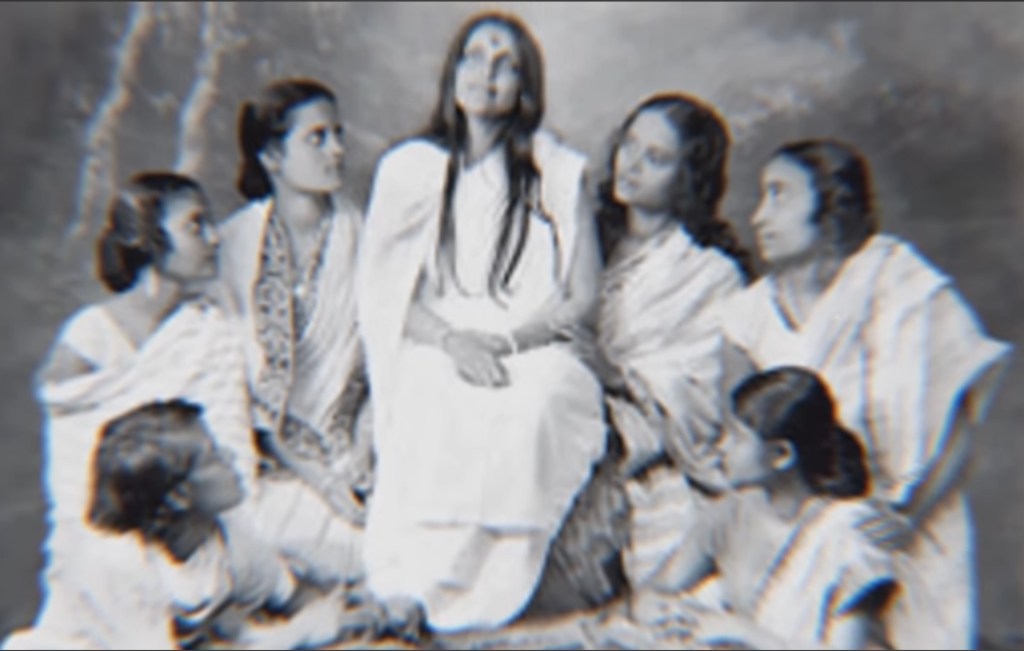
    Anandamayi Ma, a revered Hindu mystic, exemplifies the divine love and spiritual wisdom that have been central to Hindu tradition for centuries.

    Paramahansa Yogananda, the great spiritual teacher and author of ‘Autobiography of a Yogi,’ brought the wisdom of India’s ancient spiritual traditions to the West, inspiring countless seekers with his teachings of love, self-realization, and the unity of all religions.

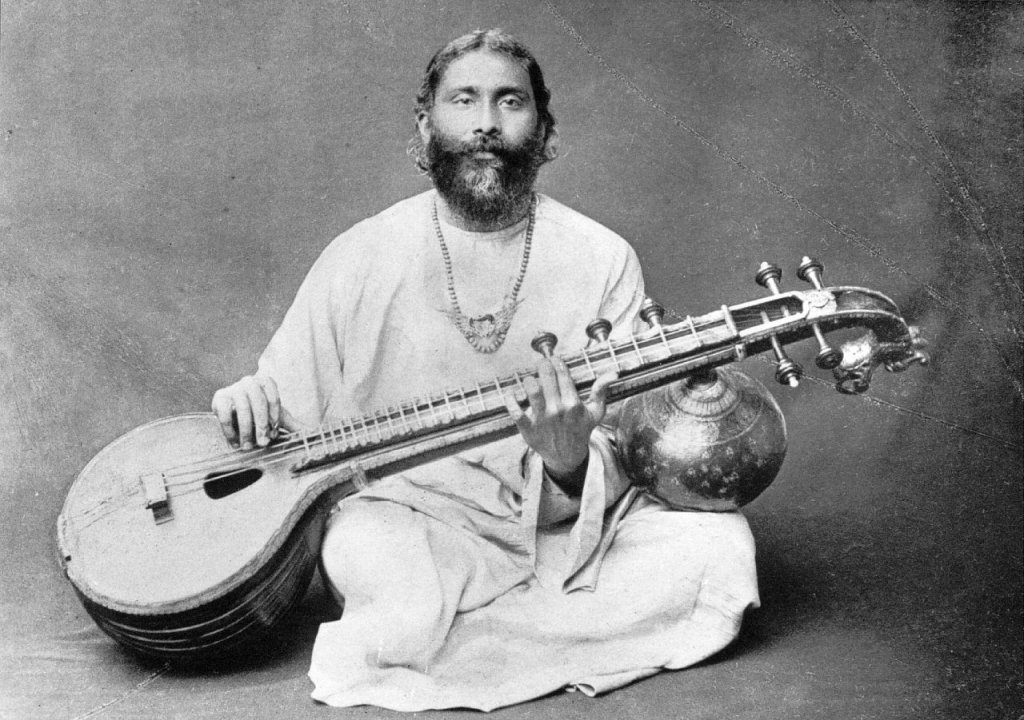
    Hazrat Inayat Khan, a revered Sufi mystic and musician, whose teachings on the unity of religious ideals and the harmony of divine love have inspired countless souls on their spiritual journeys.

    His Holiness the Dalai Lama, a global symbol of peace, compassion, and the enduring wisdom of the Buddhist tradition, whose teachings inspire the world toward kindness and universal responsibility.

    Ani Choying Drolma, a Tibetan Buddhist nun and internationally acclaimed singer, whose music and teachings spread the message of compassion, peace, and the profound wisdom of the Buddha’s path.

    “The lamps are different, but the Light is the same.”


    — Rumi

  • Witnessing the Journey: Strengthening the Seer in Life’s Transitions

    In the journey of spiritual growth, each moment, each challenge, and every encounter presents an opportunity to deepen our awareness. No matter the external circumstances—whether we’re moving from one phase of life to another, letting go of past attachments, or simply observing the fluctuations of the mind—there is a steady witness that remains untouched. This witness, or seer, is the essence of our true nature, and learning to strengthen our connection to it is one of the most important steps on the path to inner freedom.

    The Shift from Mind to Heart

    For many of us, the longest journey is the shift from the ordinary mind to the heart, or from the restless fluctuations of thoughts (vrittis) to the calm, witnessing presence. The heart, in spiritual traditions such as Advaita Vedanta and Jewish mysticism, is often equated with the Divine. It’s not merely an emotional center but the seat of the Divine Presence within us—Atman as Brahman, or the individual self as one with the Absolute.

    As we begin to experience this shift, we realize that our external experiences—both positive and negative—are just reflections of the inner workings of our mind. The challenges, such as illness or life transitions, become opportunities to witness these reflections without being swept away by them. This movement from the mind to the heart is the foundation for a life of spiritual presence.

    Living Between Excitement and Calm

    One of the paradoxes on the spiritual path is living with dual awareness: experiencing the emotional fluctuations of excitement, frustration, or joy while simultaneously witnessing them from a place of calm and neutrality. The spiritual journey does not require that we suppress these emotions, but rather that we hold them lightly, recognizing them as transient waves on the surface of our consciousness.

    As Namkhai Norbu teaches, the presence of awareness exists both in moments of calm and agitation. The mind may be excited, but the witness remains still. This dual awareness allows us to engage fully with life without losing our spiritual center. As we strengthen the seer within us, we find that both excitement and calm can coexist, and we learn to embrace the paradox of non-duality within dual awareness.

    Letting Go of Attachments: The RV and Beyond

    Transitions in life—whether they involve moving from one home to another or shifting from one state of consciousness to another—offer us the chance to practice letting go. For many years, a beloved space like an RV can be a sanctuary, a place of refuge for meditation and contemplation. But when the time comes to leave, it becomes a test of non-attachment, a reminder that the true sanctuary is within us.

    Letting go is not simply about releasing physical objects or spaces; it’s about releasing the emotional and mental attachments we have to them. It’s about trusting that even as we move into unfamiliar territory, the witness remains constant. As we let go of the old, we create space for something new to emerge—a fresh start, or beginner’s mind, as we navigate life with openness and curiosity.

    The Importance of Trust and Faith

    A major theme in this spiritual journey is trust—trust in the Divine, trust in ourselves, and trust in the process. After years of doubt and uncertainty, we may begin to experience a deep sense of confidence and trust in life’s unfolding. Even when life presents us with difficult or unexpected challenges, such as illness or the need to move from a long-held refuge, trust allows us to remain grounded in the witness.

    This trust doesn’t mean we stop facing difficulties, but rather that we learn to see them as part of the greater unfolding of our spiritual path. Each test, no matter how small or large, becomes another opportunity to strengthen the seer within. As the Buddha taught, the Dharma is like a raft that helps us cross the ocean of suffering. Once we reach the other shore, we leave the raft behind, trusting that we now carry the teachings within us.

    Witnessing the Witness: A Reflection of Inner Harmony

    Ultimately, the journey is about witnessing the witness—becoming aware of the awareness that is always present, regardless of the external conditions. This awareness, which we can also call the Divine, is not dependent on calmness or agitation, happiness or sadness. It simply is. And as we deepen our connection to this awareness, we come to embody the teachings in our lived experience.

    The process of writing and sharing these insights is part of this journey. Just as we are learning to let go of attachments, we also leave behind reflections in the form of writings, teachings, and blog posts. This is karma yoga—an offering of selfless service to whoever may benefit from these reflections. Like the authentic seeker who presents the teachings from the heart rather than from notes, we are called to embody the wisdom we’ve gathered and leave the rest for others to use as they see fit.

    Conclusion: The Journey of the Seer

    In the end, the journey is about becoming the witness to our own life, embracing both the external challenges and the internal awareness that guides us through them. As we continue to strengthen the seer within us, we move closer to a life of true presence, where each moment, no matter how challenging, becomes an opportunity for growth and transformation.

    May this reflection serve as a reminder to all who encounter it that the witness is always present, guiding us through the transitions of life and helping us to cultivate trust, non-attachment, and inner peace.

    🙏🕊️🙏

  • Book Review: “Our Pristine Mind” by Orgyen Chowang

    Embracing the Eternal Now: Cultivating Spiritual Presence in Daily Life

    A Journey Through Mindfulness, Equanimity, and Spiritual Connection

    In the whirlwind of our daily lives, it’s easy to become consumed by the relentless pace of duties, responsibilities, and the constant barrage of information. The echoes of the past and the whispers of the future often tug at our attention, leaving us fragmented and seldom at peace. Yet, the present moment holds a profound promise—the promise of true clarity and peace.

    Cultivating a relaxed mind not only enhances our ability to navigate everyday challenges with grace but also opens us to deeper insights and a greater connection with our true selves. By learning to inhabit the moment fully, we unlock the potential to transform our entire life’s experience, fostering a state of well-being that radiates outward in our thoughts, actions, and interactions.

    How, then, can we cultivate a state of equanimity and truly leave our minds alone? Here are some guiding principles to help us navigate this path.

    Don’t Follow the Past

    It’s easy to be pulled back into the past. Imagine sitting quietly and suddenly a memory from a past mistake creeps in, clouding your mood and stealing the peace of the current moment. However, dwelling in the past often means missing out on the now—on the opportunity to engage fully with life as it happens. Letting go of the past involves an understanding that every moment is a chance to start anew, to choose differently, and to move forward with a lighter heart.

    Practical Tip: Whenever you find yourself anchored to a past memory, gently remind yourself, “This memory is not my current reality.” Allow yourself to feel any emotions associated with it and then visualize setting it adrift down a river, watching it fade with compassion and detachment.

    Don’t Anticipate the Future

    Similarly, projecting our thoughts into the future can be just as distracting. Consider a scenario where you’re planning a meeting and start to worry excessively about its outcome, which then consumes your thoughts and disrupts your present work. Worrying about what’s yet to come not only breeds anxiety but also prevents us from taking actionable steps in the present that could actually mitigate those concerns.

    Practical Tip: Practice grounding exercises when you find your mind darting forward. Focus on your senses—what can you see, hear, touch, taste, and smell right this moment? This practice helps bring you back to the present and reduces anxiety about the future.

    Remain in Equanimity

    Equanimity is the balanced state where we are not swayed by the highs of joy nor the lows of despair. Imagine receiving news that would typically upset you, but instead of reacting impulsively, you remain calm, reflecting on the situation with a balanced perspective. It is a place of mental stability and composure that allows us to face life’s challenges with a calm and steady mind.

    Practical Tip: Develop a daily meditation practice. Even five minutes a day can help you cultivate a neutral mind that approaches all situations with balance and clarity.

    Leave Your Mind Alone

    At times, the best action is inaction. Consider watching your thoughts during a stressful moment, like observing clouds moving across the sky, without attempting to change their direction or speed. Leaving your mind alone means not meddling with your thoughts as they arise. It’s about observing them without judgment and letting them pass without attachment.

    Practical Tip: Engage in mindfulness meditation where the goal is not to empty the mind of thoughts, but to observe them coming and going, like clouds across a vast sky.

    Listening for the “Still Small Voice”

    For our Christian friends, embracing the present moment can be seen as an opportunity to listen for the “still small voice” of God, as described in 1 Kings 19:12, where Elijah encounters God not in the earthquake or fire, but in a gentle whisper. Taking time each day to let go of our busy, distracted minds to rest in the Holy Spirit allows us to connect with divine guidance and comfort.

    Similarly, the story of young Samuel from 1 Samuel 3:1-10 beautifully illustrates the process of becoming attuned to the divine voice. Mistaking the Lord’s call for Eli’s voice, Samuel’s repeated response, “Here I am,” eventually aligns with divine communication when he says, “Speak, Lord, for your servant is listening.” This moment of realization exemplifies the importance of being truly present, ready to receive spiritual guidance.

    The Jewish Tradition of Hineni

    In the Jewish tradition, the phrase “Hineni” – “I am here,” uttered by prophets like Abraham and Moses, represents a total, undistracted presence to the divine call. This sacred declaration is not just a statement of location but a profound acknowledgment of being fully present—spiritually, mentally, and physically—ready to engage with whatever God asks of them without hesitation.

    Why It Matters

    Understanding the distinction between simply being present and being spiritually present can transform the practice from a routine exercise to a life-changing discipline. The spiritual practice of presence is not about enduring the present but about uncovering an ever-present peace that enlightens and sustains us. It is here, in this sacred space, that we encounter the divine, the infinite, and the eternal right within our everyday moments.

    🙏🕊️🙏

    If you’re interested in exploring this transformative approach further, I highly recommend Orgyen Chowang’s book The Pristine Mind. His teachings provide a clear, compassionate path toward uncovering the inherent purity of our mind, offering a source of deep fulfillment and lasting peace.