Category: Teachers and Masters of the Buddha’s Path

This category is dedicated to the revered masters, teachers, Rinpoches, Lamas, and Tulkus from across the diverse traditions of Buddhism. These spiritual guides have played pivotal roles in preserving, transmitting, and evolving the teachings of the Buddha, offering wisdom, compassion, and guidance to countless practitioners on the path to enlightenment.

Within this category, you will find explorations of the lives and teachings of influential figures from all schools of Buddhism, including the profound insights of Zen masters, the compassionate guidance of Tibetan Lamas, the wisdom of Theravada monks, and the expansive vision of Mahayana Bodhisattvas. These teachers, each with their unique approach and perspective, collectively embody the richness and diversity of the Buddha’s Dharma.

Whether you are drawn to the meditative practices of Zen, the devotional path of Pure Land, the philosophical depth of Mahayana, or the intricate rituals of Vajrayana, this category provides a comprehensive look at the spiritual leaders who have shaped these traditions. Here, you can explore their teachings, their impact on the world, and their continuing influence on the practice of Buddhism today.

Join us in honoring the legacy of these great teachers, whose lives and wisdom continue to inspire and guide those seeking to walk the path of the Buddha.

  • The Beauty of the Mind: Who Has the Most Beautiful Minds in America?

    The Beauty of the Mind: Who Has the Most Beautiful Minds in America?

    In a world that often glorifies external beauty—whether through physique, art, or music—what if we shifted our gaze inward? What if we celebrated the beauty of the mind instead?

    This post invites you to pause and consider: What makes a mind beautiful? Who do you believe exemplifies this kind of beauty, and why?

    What Is a Beautiful Mind?

    When we think of a “beautiful mind,” what comes to mind? Perhaps it’s someone whose intellect transforms the way we see the world. Or maybe it’s their creativity, empathy, or ability to inspire others through their words and actions.

    A beautiful mind might be defined by:

       •   A deep curiosity that seeks understanding without judgment.

       •   A creative spirit that brings fresh perspectives to life.

       •   An open heart that connects with others and nurtures kindness.

       •   A wisdom that balances intellect with compassion.

    What qualities would you add to this list? How do you define a beautiful mind?

    Celebrating Beautiful Minds

    This question is not just about philosophers, scientists, artists, or leaders—though it could be. A beautiful mind might belong to someone who quietly shapes the lives of those around them: a teacher, a friend, a family member, or a stranger who touched your life in a meaningful way.

    Who do you know that has a beautiful mind? Perhaps it’s someone whose ideas have inspired you, whose words or actions have stayed with you, or who taught you to see the world in a new way. What about their mind do you find so beautiful?

    Your Turn: Who Do You Nominate?

    We’d love to hear from you. Share your thoughts in the comments:

       •   What does it mean to have a beautiful mind?

       •   Who do you think exemplifies this, and why?

       •   Is there someone in your life—famous or not—whose mind you deeply admire?

    Let’s create a collective celebration of the beauty of thought, creativity, and compassion, one nomination at a time.

    🙏🕊️🙏

  • Navigating Pristine Mind: A Journey into Orgyen Chowang’s Teachings on Meditation

    Navigating Pristine Mind: A Journey into Orgyen Chowang’s Teachings on Meditation

    I came upon Orgyen Chowang’s teachings and his book, Our Pristine Mind, like discovering an unexpected window that offers a clearer, quieter view. Chowang, a revered meditation master, speaks about our minds with a simplicity that is both gentle and profound. In his words, I felt an invitation to find not just peace, but a deep, clear stillness—an untouched clarity we each hold within. He calls this the “pristine mind,” a mind unclouded by habitual thoughts and emotions.

    Reading his words, I was struck by the thought: Just as we clean our homes and spaces, how often do we take care of our minds? In this world of constant motion and distraction, it seems almost revolutionary to pause, to clear away what is unneeded. Chowang suggests that mental well-being is like tending a garden, pulling weeds of anger, stress, or anxiety that choke the growth of joy and ease. It reminded me how these “weeds” can cover our true nature, clouding how we experience life and others.

    But what he describes as the “pristine mind” is always there, like a clear sky behind clouds. Our thoughts, emotions, and beliefs pass through like clouds, momentary and shifting, yet we often cling to them, mistaking them for who we are. Chowang encourages us to release this attachment and begin to experience our natural clarity—our inherent, pristine mind.

    In practice, Chowang’s meditation technique is beautifully simple. There are four steps:

    1. Do not follow the past.

    2. Do not anticipate the future.

    3. Remain present in this moment.

    4. And lastly, leave the mind alone.

    When I first tried these steps, I felt a quiet rebellion within—a part of me wants to solve, to plan, to chase. But following his steps brings a profound lightness. As I resist chasing past memories or future anxieties, I notice the mental noise softening. There is no need to control; simply resting in the moment, letting thoughts come and go like wind through an open window, the mind clears on its own.

    With practice, I have glimpsed moments of this “pristine mind”—a state that Chowang says brings unconditional happiness. This is not happiness that depends on outward conditions, but rather a steady presence that finds peace no matter what is happening outside of us. Conditional happiness, reliant on the fleeting promises of the world, becomes less important, as if the yearning subsides in the face of something more whole. Paradoxically, with this inner stillness, I feel able to experience the world more richly, with a fuller heart.

    Chowang speaks of “yoga,” the union of body and mind, which pristine mind meditation makes possible. When my mind settles, the usual tug-of-war within me ceases, bringing calm to my body as well. It is as if my body and mind are finally in harmony, no longer struggling but instead moving together.

    The journey is ongoing. Chowang uses a beautiful analogy: our minds are like a fog globe. When we shake it, the fog swirls, obscuring the clarity inside. But if we simply let it be, leaving it alone, the fog slowly settles, and the clear globe is revealed. With each meditation, I feel as if I am letting that fog settle, trusting that beneath lies a still, clear presence.

    For anyone curious about exploring their own pristine mind, there may be moments of doubt or distraction; our minds naturally gravitate toward patterns, just as they would with any new practice. Yet the gentle return to the present, with patience and kindness, becomes the practice itself. There is no perfect silence, no need to force anything; it is enough simply to come back to this moment and leave the mind to rest in its natural state.

    In this journey, I continue to return to Chowang’s teachings and to practice his four simple steps. I am still learning, but each time I sit, I feel closer to the clear sky within, and it is changing how I live, love, and see the world. I hope, as Chowang teaches, that a pristine mind is possible for each of us, and that by cultivating it, we might each find our way to a steadier, more joyful presence.

    🙏🕊️🙏

    Much of the inspiration for this reflection and practice comes from Our Pristine Mind by Orgyen Chowang Rinpoche. His teachings have deepened my understanding of resting in clear, effortless awareness. If you feel drawn to explore this path further, I highly recommend his book. I’ll leave a link below for those interested in diving deeper into the practice of pristine mind and discovering the peaceful spaciousness it offers.

  • Emptiness Explained: Insights from Lama Zopa Rinpoche on the Heart Sutra

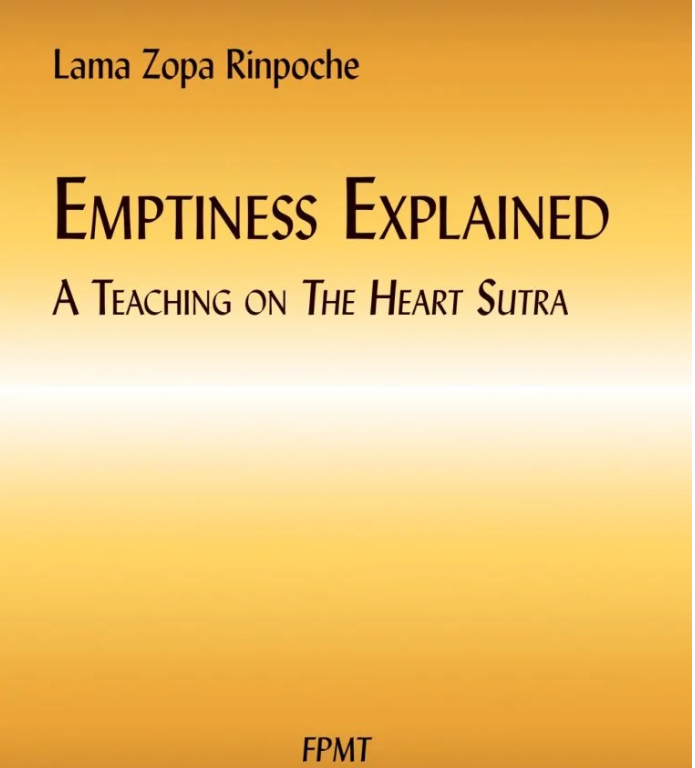
    Emptiness Explained: Insights from Lama Zopa Rinpoche on the Heart Sutra

    Transforming Suffering Into Happiness: How the Teachings on Emptiness from the Heart Sutra Support Mental Health and Well-Being

    The Heart Sutra stands as one of the most profound and essential teachings in Buddhism, offering a path to understanding emptiness—the ultimate nature of reality. Lama Zopa Rinpoche’s commentary on this timeless sutra illuminates its teachings, guiding us toward a deeper understanding of how emptiness can transform not only our spiritual practice but also our daily lives.

    In this post, I’ll share key reflections from Rinpoche’s teaching, focusing on the practical wisdom and spiritual inspiration it offers. Whether you’re a seasoned practitioner or simply curious about the philosophy of emptiness, I hope these insights will resonate with your heart.

    What Is Emptiness?

    Lama Zopa Rinpoche explains that emptiness does not mean that things don’t exist—it means that things are empty of inherent existence. All phenomena, including ourselves, arise dependently, shaped by causes, conditions, and labels. This is the essence of the middle way, which avoids the extremes of nihilism (nothing exists) and eternalism (things exist inherently and permanently).

    As the Heart Sutra famously states:

    “Form is emptiness, emptiness is form. Emptiness is not other than form; form is also not other than emptiness.”

    In these words, we see that emptiness and dependent arising are inseparable. While things exist conventionally, their ultimate nature is empty of any independent, fixed essence.

    Practical Ways to Meditate on Emptiness

    Rinpoche offers accessible methods to integrate the understanding of emptiness into both formal meditation and daily life:

    1. Recognizing the Object to Be Refuted

    The first step is identifying the false concept of an independent, inherently existent “I” or object. This is often described as the “I on the I”—the subtle sense that there is a solid self beyond the ever-changing interplay of body and mind. By recognizing this misconception, we can begin to dissolve it.

    2. Meditating on Dependent Arising

    Reflect on how the “I” arises only in dependence on the body, mind, and other aggregates. As Rinpoche teaches, the “I” is merely a label created by the mind. Understanding this dependence helps us see the emptiness of the “I” without negating its conventional existence.

    3. Mindfulness in Daily Life

    Emptiness isn’t confined to sitting meditation. Rinpoche encourages us to bring mindfulness of emptiness into every activity—walking, cooking, working, even shopping. He likens this to recognizing a dream as a dream:

    “While driving a car, see yourself, the car, and the action of driving as hallucinations. They appear solid, but they are not inherently existent. Practicing this awareness is incredibly powerful.”

    Overcoming Fear and Misunderstanding

    The experience of emptiness can sometimes evoke fear, especially the sense of “losing the I.” Rinpoche reminds us that this fear arises from our deep attachment to a false sense of self. However, far from being nihilistic, emptiness reveals the interdependent nature of all things.

    “When bodhisattvas of high intelligence realize emptiness, they experience bliss; for others, deep fear can arise. This fear is a sign of touching the truth of selflessness—it is part of the journey.”

    By grounding our understanding in dependent arising, we can navigate this fear with confidence and clarity.

    Applying Emptiness in Relationships

    Rinpoche’s teaching also provides practical tools for transforming relationships. When we feel hurt or offended, understanding emptiness can soften our reactivity. The other person’s actions—and our own sense of self—are dependently arisen, shaped by countless conditions.

    This awareness allows us to respond with compassion rather than attachment or aversion. As Rinpoche says:

    “Recognize that the ‘I’ that feels hurt is a mental construct. See the other person’s words or actions as arising dependently. This opens the door to greater understanding and kindness.”

    The Transformative Power of Emptiness

    Even the smallest step toward understanding emptiness has profound benefits. Rinpoche explains that simply doubting the solidity of appearances—thinking, “Perhaps things are empty”—can begin to break the chains of samsara.

    “Listening to teachings on emptiness for even a moment plants seeds for liberation. Reflecting on emptiness throughout your day turns ordinary actions into a path to enlightenment.”

    A Living Practice

    The teachings of the Heart Sutra are not just intellectual concepts—they are a living practice. Whether in formal meditation or everyday life, the wisdom of emptiness invites us to see the world with fresh eyes. By letting go of our rigid attachments and false perceptions, we open the door to profound freedom and compassion.

    As Lama Zopa Rinpoche reminds us, we are unbelievably fortunate to encounter these teachings. May we take them to heart and use them to benefit all beings.

    Further Exploration

    To delve deeper into Lama Zopa Rinpoche’s teachings on the Heart Sutra and emptiness, you can download the original PDF here.

    I’d love to hear your thoughts on emptiness and the Heart Sutra! How do these teachings resonate with your own spiritual journey? Feel free to share your reflections in the comments below.

    🙏🕊️🙏

  • The Little Cloud and the Clear Sky

    The Little Cloud and the Clear Sky

    A Bedtime Story for Children Inspired by Tibetan Buddhism and Mindfulness

    Once upon a time, high above the Earth, there was a vast, clear sky. The sky stretched far and wide, so peaceful and bright that everyone who looked up felt warm and safe. The sky never worried; it didn’t change or rush. It simply was—always calm, always clear, like a gentle friend watching over the world.

    One morning, a little cloud appeared, floating softly across the sky. The cloud was light and fluffy, happy to drift along without a care. But as the day went on, the cloud began to wonder. “What if I get too big?” thought the little cloud. “What if I block the sun and make everything dark? What if I become a storm?”

    With each worry, the little cloud grew larger and heavier, its soft edges becoming thick and dark. “Oh no,” thought the cloud, “I’m growing too fast. I don’t want to stay like this!” The more it worried, the more it puffed up, until it was almost ready to burst.

    The sky, watching calmly from behind the cloud, whispered softly, “Why are you so worried?”

    “I’m afraid I’ll never be light and small again,” said the cloud. “What if I get stuck like this forever, covering up the sun and making people sad?”

    The sky smiled, its voice gentle and kind. “Little cloud, you don’t have to worry about staying big or small. Clouds are always changing—they come and go, just like your thoughts and feelings. No matter how big or small you become, I am always here behind you—clear and open, never changing. You don’t need to be afraid.”

    “But what if I can’t change?” asked the cloud. “What if I never go away?”

    The sky shimmered, glowing with a quiet, peaceful light. “Even if you stay a little longer, you are still just passing through, like all clouds do. No matter how big you are, you cannot change the sky. I’m always here behind the clouds, calm and steady, waiting for you to rest.”

    The little cloud listened carefully. It thought about how the sky always stayed the same, no matter how many clouds came and went. Slowly, the cloud stopped worrying and let itself just be—no longer trying to be small, no longer afraid of being big. It realized that, no matter what, it was part of something bigger, something steady and kind.

    As the cloud let go of its worries, it started to shrink back to its soft, fluffy self. It became lighter and lighter, until it gently floated away, disappearing into the vast blue sky.

    The sky remained, bright and clear, just as it had been all along. The little cloud knew, deep inside, that the sky had always been there—and always would be—no matter how many clouds came and went.

    And so, the little cloud drifted off into the distance, feeling peaceful and light, knowing that the sky would always be there to hold it, just like the quiet, calm mind that rests behind all our thoughts and worries.

    As you fall asleep tonight, remember that your mind, like the sky, is always calm and clear behind all your thoughts and feelings. Goodnight, and may your dreams be as peaceful as the clear sky.

    🙏🕊️🙏


    If you’d like to explore more bedtime stories for children, including tales that nurture compassion and mindfulness, you can find our collection here.





  • Book Review: Being Peace by Thich Nhat Hanh

    Book Review: Being Peace by Thich Nhat Hanh

    There’s a timeless invitation at the heart of spiritual practice—to discover a deep, unshakable peace within ourselves, one that needs no striving to achieve. In Being Peace, Thich Nhat Hanh reminds us that peace is not something outside to be attained; it’s a natural state within us, accessible in each moment we choose to be fully present. In these quiet moments of awareness, peace isn’t something we do—it’s something we are.

    Thich Nhat Hanh, a Vietnamese Zen master, poet, and peace activist, brings a gentle simplicity to this profound teaching. Being Peace weaves together personal stories, practical mindfulness techniques, and timeless Buddhist wisdom. Through each page, his words invite us to embrace peace not as an ideal, but as an embodied presence—a way of being that can transform ourselves and the world.

    Discovering Peace in the Present Moment

    From the opening pages, Thich Nhat Hanh introduces a revolutionary idea: that each of us already carries the potential for peace within. He writes with an almost childlike clarity, inviting us to notice the ordinary miracles in daily life—a breath, a step, the warmth of the sun. These simple moments become doorways to the present moment, where we can rest in awareness, undisturbed by the mind’s endless motion.

    His approach to mindfulness is refreshingly practical. Rather than asking us to transcend the world, he guides us to return to it fully—to be present with whatever is here, exactly as it is. Whether we’re washing the dishes, driving, or simply sitting quietly, we are offered the chance to be peace, right here, right now.

    Practicing Compassion and Interbeing

    Another central theme in Being Peace is the idea of interbeing—Thich Nhat Hanh’s term for the interconnectedness of all life. He shows how, when we see ourselves as part of a vast web of life, our actions naturally become more compassionate. Understanding interbeing allows us to see that our own well-being is inseparable from that of others. When we cultivate peace within, it radiates outward, touching the world around us.

    This interconnection reminds us that our peace is a gift to the world. By learning to “be peace,” we become a refuge for others—a quiet presence that can soothe and support those around us. Through stories of social engagement and personal practice, Thich Nhat Hanh illustrates how inner peace can become a force for transformation, leading to wise, compassionate action in our families, communities, and beyond.

    An Invitation to Live Peace

    Being Peace doesn’t simply offer teachings; it invites us into a living practice. Thich Nhat Hanh’s words create a soft, steady encouragement to live mindfully, with kindness for ourselves and others. There’s an intimacy in his voice, as if he is gently guiding us by the hand, showing us how to live with more openness, patience, and presence.

    The book also provides specific practices, like mindful breathing, walking meditation, and loving-kindness meditation, which make peace a tangible experience. These practices are woven throughout his teachings, allowing readers to integrate mindfulness naturally into daily life.

    In reading Being Peace, we’re reminded that peace is not a far-off goal but a living, breathing reality available in each moment. Thich Nhat Hanh shows us that the path to peace begins with the simplest act of bringing awareness to the present moment, just as it is.

    Final Reflections

    In Being Peace, Thich Nhat Hanh offers us more than words on a page; he offers a way of living. His teachings resonate as a call to each of us to embody the peace we wish to see in the world. Through gentle, grounded guidance, he shows us that true peace is not just an aspiration—it’s a way of being available to each of us, here and now.

    If you’re ready to discover this peace within, you may want to explore Being Peace in full. Below, you’ll find the book itself, a quiet guide to a more mindful, compassionate way of life.

    🙏🕊️🙏

  • Building a Temple Across Lifetimes: A Spiritual Journey

    Building a Temple Across Lifetimes: A Spiritual Journey


    The photograph above shows Tiger’s Nest Monastery in Bhutan, a powerful symbol of unwavering spiritual dedication across lifetimes. Perched high on a cliff, this sacred site has been home to many monks and spiritual practitioners, including Dilgo Khyentse Rinpoche, who spent many, many years meditating here.


    In the Tibetan tradition, there’s a story of a monk whose life’s work was to build a temple in a remote area. It was an enormous and solitary task, and though people mocked his aspirations, the monk remained steadfast in his dedication. But the temple was never finished in his lifetime. And so, the story goes, he reincarnated—returning again and again, each time picking up where he left off, continuing to work on the temple until, many lifetimes later, it was finally complete.

    This story speaks to a deep spiritual truth: some work cannot be accomplished in a single lifetime. Whether it’s the construction of a temple or the transformation of the heart, these endeavors require dedication that spans across time—an unbroken thread of aspiration that remains, even when the body changes. This sense of continuity is at the heart of many spiritual traditions, particularly the Tibetan belief in tulkus, enlightened beings who return to continue their work for the benefit of all beings.

    The Tulku Tradition: Continuing Spiritual Work Through Reincarnation

    One such tulku is Dilgo Khyentse Yangsi Rinpoche, the recognized reincarnation of the great master Dilgo Khyentse Rinpoche. His reincarnation serves as a living example of how the work of wisdom, compassion, and teaching carries on through lifetimes. From a young age, Yangsi Rinpoche received transmissions from his elders—wisdom that he himself had imparted to them in a previous life—so that he could continue his path of service in this life. This conscious continuation of spiritual work can also be seen in the 14th Dalai Lama, who, from the age of two or three, was recognized and trained to carry on his responsibilities from previous incarnations.

    These stories show the power of aspiration, clarity, and dedication in shaping not just one life but many.

    Aspiration for Future Lives: Carrying Dharma Practice Forward

    Reflecting on the tradition of tulkus, I find myself drawn to the idea that the momentum of my Dharma practice in this life could carry forward into the next. While I may not possess the level of realization that allows a tulku to consciously choose their parents and circumstances, I hold the aspiration that my practice—my dedication to understanding and embodying the Dharma—will create conditions in a future life that allow me to encounter the teachings early and continue this work. My hope is that the clarity I seek now will guide me then, like spiritual breadcrumbs leading me back to the path I walk today.

    The 500-Year Plan: A Vision Beyond One Lifetime

    But the idea of building something greater than ourselves doesn’t apply only to spiritual practice. Many years ago, while at a Zen monastery, I heard a young environmentalist speak about his dedication to protecting the earth. He spoke of his work in terms of what he called “The 500-Year Plan.” He understood that the efforts he was making—writing books, building networks, raising awareness—might not bear fruit in his lifetime. It could take 200 years just to turn the corner on some of the environmental issues he was addressing. Yet, that didn’t deter him. His vision extended far beyond his immediate circumstances. His short-term thinking was, in fact, a 500-year plan.

    This kind of perspective echoes the long view held in the Tibetan tradition: that the work we do—whether it’s spiritual or in service to the planet—reaches beyond a single lifetime. It’s about planting seeds, knowing that we may not live to see them grow into trees, but trusting that others—or perhaps even our future selves—will benefit from the roots we lay today.

    Spiritual Breadcrumbs: Leaving a Trail for Future Selves

    What’s fascinating about the tulku tradition, and perhaps even about my own hope for reincarnation, is that we’re not only thinking about the next generation or the next few decades. We’re thinking about how the seeds of wisdom, compassion, and right action planted today might guide us—even across lifetimes—toward a more awakened and compassionate world.

    By sharing these reflections and writings online, the work is not confined to this moment in time. In fact, the beauty of the Internet is that these teachings can continue to be discovered, even hundreds of years from now. And who knows—perhaps, dear reader, you are the reincarnation of myself, encountering these words 100 or even 500 years into the future. The paradox here is that I may not remember writing these words, but I may feel a deep connection with them—an ignition of something within that tells me I’ve walked this path before. It’s an interesting thought: someone reading this years from now could be my future self, rediscovering the teachings I left behind.

    The Power of Dedication: Planting Seeds for Future Generations

    Whether it’s a temple that takes centuries to complete, an environmental movement that spans generations, or the continued unfolding of a Dharma practice across lifetimes, there is a deep truth here: some work is bigger than one life, but that doesn’t diminish its value. Instead, it enhances it. The dedication to something greater than ourselves, something that transcends the limitations of time, is the foundation upon which lasting transformation is built.

    For myself, I may not see the fruits of my practice fully in this lifetime. But I trust that the work I do now—the clarity I cultivate, the wisdom I seek—will carry me forward. Perhaps in a future life, I’ll stumble upon this very blog, and it will be a reminder of the path I’ve already walked, the aspirations I’ve already set. In that moment, I’ll recognize the steps I need to take, not as new, but as familiar—part of a journey I’ve been on for lifetimes.

    Poem: A Trail of Light Across Time

    If I return to this world again,
    may I stumble upon these words,
    left like footprints in soft sand,
    to remind me of who I once was
    and all I once knew.

    A lighthouse on a distant shore,
    my own hand building the beacon,
    so when the fog of forgetting settles,
    I will find my way back
    to the heart I’ve always known.

    For what is wisdom
    but a note written in the margins of life,
    waiting patiently for another reader
    to understand the truth
    that has always been theirs?

    Closing Reflection: The Power of Aspiration

    The power of our aspirations is immense. Whether we are building temples, protecting the environment, or cultivating wisdom, the dedication we offer today echoes through time. We may not see the completion of our work in this life, but we trust that it will continue—through future generations, or even our own future selves. The seeds we plant now will bear fruit in ways we cannot yet imagine, and perhaps, like the monk or the tulkus, we’ll return to complete the work we began long ago.

    I invite you to watch this beautiful and moving documentary on Dilgo Khyentse Yangsi Rinpoche, which explores the life of a reincarnated spiritual leader, the wisdom he continues to impart, and the profound power of his practice.

    🙏🕊️🙏

    This video is a documentary about the life of Dilgo Khyentse Yangsi Rinpoche, a Tibetan Buddhist monk who is considered to be one of the most important spiritual figures of our time. The film follows Rinpoche from his childhood, when he was recognized as the reincarnation of the great master Dilgo Khyentse, through his years of study and practice, to his present day role as a spiritual leader and teacher.

    The video provides a fascinating glimpse into the life of a Tibetan Buddhist monk. We see Rinpoche as a young boy, struggling to adjust to his new life in a monastery. We watch him as he grows into a wise and compassionate teacher, who is able to connect with people from all walks of life. And we witness the incredible power of his spiritual practice, which allows him to heal the sick, help people overcome their suffering, and even communicate with the dead.

    The video is beautifully shot and edited, and the music is both haunting and uplifting. The interviews with Rinpoche’s friends, family, and students provide a rich and nuanced portrait of this extraordinary man. If you are interested in learning more about Tibetan Buddhism or the life of a spiritual leader, this video is a must-see.

    Overall, this video is a powerful and inspiring documentary that will leave you with a sense of wonder and awe. It is a testament to the power of the human spirit, and a reminder that it is possible to live a life of compassion, wisdom, and enlightenment.

  • Tibetan Buddhism: A Path of Mind Training and Intrinsic Wisdom

    Tibetan Buddhism: A Path of Mind Training and Intrinsic Wisdom

    In our journey of exploring spirituality across traditions, it is time to welcome the teachings of Tibetan Buddhism. At first glance, the colorful rituals, sacred music, and intricate costumes may seem confusing or overwhelming. Yet these outward forms are simply expressions of an inner practice that remains deeply practical and profound: the training of the mind. Tibetan Buddhism is not a religion in the conventional sense of belief or dogma but rather a transformative path aimed at purifying the mind. Through meditation, visualization, mantra, and ritual, the practice cultivates clarity, compassion, and liberation from egoic tendencies.

    A recent film about Dilgo Khyentse Yangsi Rinpoche, the reincarnation of the revered master Dilgo Khyentse Rinpoche, offers a glimpse into the heart of this tradition. Watching the young tulku receive teachings and grow within a vibrant Tibetan community reveals how this ancient wisdom lives on, passed from one generation to the next as a thriving, living practice. The film gently invites viewers into a deeper understanding of the teachings, dissolving the outer complexities to reveal a path focused on inner transformation.

    One recurring theme throughout the film is that all Buddhist practice, no matter its form, is centered on mind training. The rituals and prayers, while beautiful, are not the essence; rather, they serve as vehicles to refine awareness and soften the grip of delusion. The practice is about gently cleaning the mind, sweeping away negativity and confusion like a gardener tending to weeds, leaving space for the natural qualities of wisdom and compassion to emerge.

    Vajrayana Buddhism offers a unique method for engaging with life’s challenges. Instead of rejecting or avoiding difficulties, the practice transforms even negative thoughts and emotions into opportunities for awakening. It becomes a skillful means of shifting the mind’s energy toward positive states. This approach is not about suppressing thoughts but about meeting them with awareness, transforming suffering into insight and confusion into clarity.

    Tibetan Buddhism emphasizes the reduction of ego grasping, fostering a spirit of nonviolence, and cultivating compassion. It shifts attention away from religious belief and toward the inner work of softening the heart and taming the restless mind. These teachings are not confined to cultural forms but reflect a universal truth—the journey of every human soul toward peace and freedom. The path’s essence aligns beautifully with the teachings of Advaita Vedanta and even echoes the mystical experiences of figures like St. John of the Cross. While each tradition expresses itself differently, the underlying message is the same: the liberation of the mind from illusion, opening into a state of oneness.

    In this light, Tibetan Buddhism can be seen as a cultural version of the Yoga Sutras of Patanjali, offering practices that lead to inner stillness and self-realization. It is, in essence, a kind of spiritual atonement—a process of purification and return to the true nature of mind, much like the mystical experiences found in other traditions.

    What makes Tibetan Buddhism particularly rich is its capacity to embrace complexity. It does not reject thoughts, emotions, or even suffering. Instead, it teaches practitioners to meet these experiences with skill and openness, transforming them into pathways toward deeper insight. Watching the young tulku learn within the community demonstrates this beautifully—how every moment, even the difficult ones, can become part of the practice.

    We invite you to explore this film, which offers a rare and intimate view into the life of Dilgo Khyentse Yangsi Rinpoche and the vibrant Tibetan community that nurtures his path. Beneath the ornate rituals lies a simple but profound truth: Tibetan Buddhism, like all genuine spiritual traditions, is ultimately a path of mind training. It offers not only the possibility of individual liberation but also a way to cultivate compassion and wisdom for the benefit of all beings.

    🙏🕊️🙏

  • Buddhism and Christianity: Finding Common Ground in Compassion and Ethical Living

    Buddhism and Christianity: Finding Common Ground in Compassion and Ethical Living

    To many, the word Buddhism may conjure images of statues or rituals that seem foreign or difficult to understand, particularly for those from a conservative Christian background. However, at its heart, Buddhism is not about worshiping an idol or a false god, as some might mistakenly believe. Rather, it is a path of inner transformation that shares many core values with Christianity—values like compassion, ethical living, and the sincere effort to become a better person.

    In Buddhism, practitioners turn to the Three Jewels: the Buddha, who represents the potential for awakening within all of us; the Dharma, the teachings that show the way to live with love, wisdom, and peace; and the Sangha, the community of practitioners who support one another in their spiritual journey. In this sense, the Buddha is not a deity to be worshiped but a teacher, much like how Christians might revere the wisdom of Jesus Christ. The focus is not on idol worship, but on following a path that leads to moral and spiritual growth.

    At first glance, the colorful rituals, sacred music, and intricate costumes may seem confusing or overwhelming. Yet these outward forms are simply expressions of an inner practice that remains deeply practical and profound: the training of the mind. Tibetan Buddhism is not a religion in the conventional sense of belief or dogma but rather a transformative path aimed at purifying the mind. Through meditation, visualization, mantra, and ritual, the practice cultivates clarity, compassion, and liberation from egoic tendencies.

    Just as Christians seek to become more like Christ—striving for kindness, humility, and love—Buddhists seek to become the best version of themselves, nurturing virtues such as compassion, patience, and wisdom. To be a Buddhist is to make a commitment to ethical living, to ensure that one’s actions bring benefit rather than harm to others. This mirrors the Christian commandment to “love thy neighbor as thyself.”

    At the heart of both traditions lies a dedication to improving one’s character and living in a way that reflects love and goodness. For Buddhists, this means confronting the mind directly—meeting thoughts and emotions with honesty and care. Instead of avoiding or denying the difficulties of life, Buddhists engage with their minds head-on, seeking to transform fear, anger, or selfishness into peace, kindness, and clarity. This inner work echoes the Christian call to examine one’s heart, repent, and strive for purity in thought and deed.

    In his teachings, Dilgo Khyentse Yangsi Rinpoche offers a striking and relatable metaphor that bridges ancient wisdom with modern technology. He likens the practice of Dharma to the way we sync our wireless earbuds with our phones. Just as the earbuds must be paired and in sync with the phone to receive the signal and work properly, our minds must be aligned with the Dharma to receive its benefits.

    This idea resonates with many spiritual traditions. For Christians, the same concept applies to our relationship with the Holy Spirit or with Christ’s teachings. God is always present within us and around us, but if we are distracted by anger, impatience, or worldly concerns, we lose that vital connection. Simply believing in Jesus’ sacrifice isn’t enough if we are not living in sync with his teachings. By aligning our hearts and minds with Christ’s message of love, forgiveness, and humility, we can fully experience the divine presence and live in harmony with God’s will.

    Far from being a pagan religion, Buddhism is, at its core, a path of deep moral reflection and inner peace. Like Christianity, it calls for a transformation of the heart—one that aligns us with love, compassion, and a life of service. While the outward expressions of these paths may look different, the goal is the same: to become more loving, wise, and true to the divine nature that exists within each of us.

    For Christians who might feel uncertain about Buddhism, it can be helpful to remember that the values of both traditions are not in conflict but in harmony. Whether we call this journey “walking with Christ” or “following the Dharma,” both paths seek the same destination—a life lived with integrity, compassion, and love for others. By finding these common threads, we can open our hearts to one another, honoring the diversity of ways that humans seek truth and goodness.

    I invite you to watch the video below, which served as the inspiration for this post. It offers a beautiful glimpse into the teachings of Dilgo Khyentse Yangsi Rinpoche and the heart of Tibetan Buddhism. This film explores not only the path of mind training but also the deep compassion and wisdom that unite Buddhist and Christian values. Whether you are new to these teachings or have been walking your own spiritual path for years, this video provides an opportunity to reflect on the shared human quest for love, kindness, and awakening.

    🙏🕊️🙏

  • The Dream of the Clear Light: A Buddhist Bedtime Story

    The Dream of the Clear Light: A Buddhist Bedtime Story

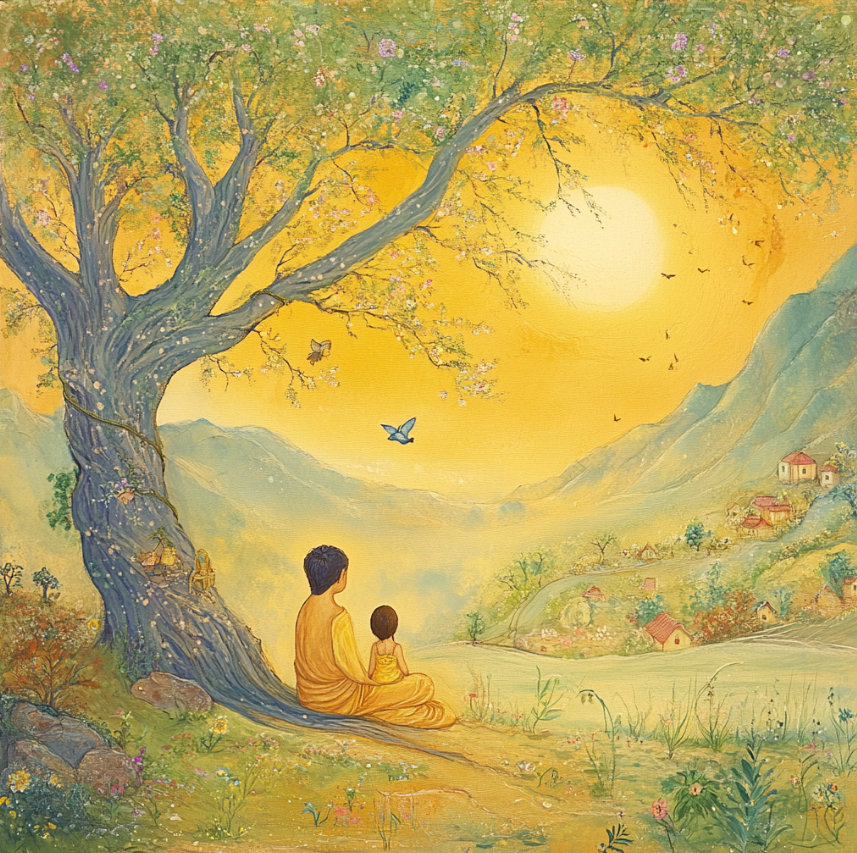
    Once, in a quiet valley wrapped in mist and the soft song of birds, there lived a kind and gentle father named Orgyen. Every evening, as the sky turned golden and the stars began to peek through the night, Orgyen would sit with his daughter, Dawa, under the great Bodhi tree in their garden. It was their special time—when the world grew still, and Orgyen would share the deep wisdom he carried in his heart.

    One evening, as Dawa snuggled close to her father, she looked up at him with curious eyes. “Papa, sometimes my mind feels like a storm, with too many thoughts flying around. How can I make it calm?”

    Orgyen smiled, his voice soft as the wind rustling the leaves above them. “Ah, little Dawa,” he said, “inside each of us, beyond all the thoughts and feelings, there is something much deeper, much clearer—something we call the pristine mind. It’s like a vast, bright sky, untouched by any clouds. Even when there’s a storm in your mind, that clear sky is always there, waiting for you.”

    Dawa’s eyes widened in wonder. “Is it really there, Papa? How do I find it?”

    Orgyen gently placed his hand on her chest, over her heart. “Close your eyes, little one, and take a deep breath. Imagine the sky—so wide and open, where the clouds come and go, but the sky itself never changes. This is your mind, too. No matter what thoughts or feelings come, your pristine mind is always clear, like the blue sky.”

    Dawa closed her eyes, her breath becoming soft and slow. In her mind’s eye, she saw the bright, boundless sky Orgyen spoke of, with only a few gentle clouds floating by.

    “And now,” Orgyen whispered, “imagine a light, like the sun, shining from the very center of your heart. This light is pure, just like your pristine mind. Let it grow brighter, filling your whole body with its warmth and peace. This is the light of love, of kindness, of everything good. It’s always with you.”

    Dawa smiled as she felt the light glowing inside her, warm and golden like the sun. “What happens when the clouds come back?” she asked softly, her voice barely more than a whisper.

    Orgyen kissed her forehead. “Even when the clouds come, the sky remains clear, and the light never dims. You can always return to this peaceful place inside. Just breathe, and the clouds will drift away. Let the light of your pristine mind guide you.”

    As the stars began to twinkle in the sky above them, Orgyen stood up, lifting Dawa gently in his arms. “Now, little one,” he said, “it’s time for you to rest. When you dream tonight, imagine yourself in the clear, bright light. Let your dreams be filled with love, kindness, and the warmth of your pristine mind.”

    Dawa’s eyelids grew heavy as she rested her head on her father’s shoulder. “Will I see the light in my dreams, Papa?” she asked, her voice growing softer.

    Orgyen smiled as he carried her inside and tucked her into bed. “Yes, my dear Dawa. When you close your eyes, you can dream of the clear light. You’ll drift through the skies, where there are no worries—only peace, kindness, and love. And when you wake, the light of your pristine mind will still be with you, just as bright.”

    With a final kiss on her forehead, Orgyen whispered, “Sleep well, little one, and let your dreams be filled with the light of the pristine mind.”

    And so, with her father’s gentle words in her heart, Dawa closed her eyes and drifted into sleep, feeling the warmth of the light within her. As she dreamed, she floated through a sky filled with clear light, kindness, and the soft glow of love—her pristine mind guiding her through every gentle dream.

    🙏🕊️🙏


    If you’d like to explore more bedtime stories for children, including tales that nurture compassion and mindfulness, you can find our collection here.


  • Thich Nhat Hanh: A Path of Mindfulness and Peace

    Thich Nhat Hanh: A Path of Mindfulness and Peace

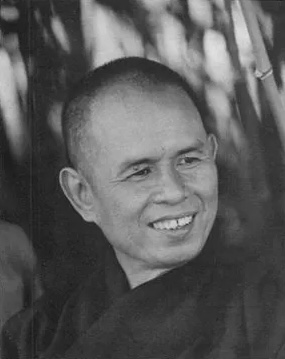
    Thich Nhat Hanh, affectionately known as Thay by his students, has touched countless lives with his teachings on mindfulness, compassion, and inner peace. As a Vietnamese Buddhist monk, a poet, and a peace activist, his life’s work offers a profound invitation to awaken to the present moment and live with a heart of compassion.

    Throughout his life, Thich Nhat Hanh authored over 100 books, each infused with the gentle yet powerful wisdom that encourages us to return to the breath, to find peace where we are, and to extend that peace to the world around us. Whether we are walking, eating, or simply breathing, his teachings remind us that each moment is an opportunity to cultivate mindfulness. In doing so, we transform our suffering, both inner and outer, into a source of peace.

    One of the most transformative aspects of his legacy is Engaged Buddhism. Thay believed that mindfulness was not just for the meditation cushion but for every aspect of life. Whether advocating for peace during the Vietnam War or teaching about reconciliation, he wove together mindfulness and social action, reminding us that true peace begins with ourselves, but does not end there.

    Thich Nhat Hanh’s legacy continues to inspire not only individuals but also communities, through meditation centers like Plum Village, which he founded. These centers are spaces of refuge, where people can practice mindfulness, deepen their spiritual understanding, and live in harmony with one another.

    If you wish to experience Thich Nhat Hanh’s teachings more intimately, I invite you to listen to his words directly on Thich Nhat Hanh Audio.

    One particularly powerful dharma talk is Love in Action, offered by Thay in Hanoi during the “Engaged Buddhism in the 21st Century” retreat. This 78-minute talk, delivered in English on May 9, 2008, is a profound exploration of how love and compassion manifest through mindful action in our everyday lives. You can listen to the full talk here.

    Thich Nhat Hanh left us a rich legacy of mindfulness, compassion, and hope, a path we can continue to walk, one mindful step at a time.

    🙏🕊️🙏

  • 4✨AI as a Reflection of Human Values: Shaping the Future with Compassion and Wisdom

    4✨AI as a Reflection of Human Values: Shaping the Future with Compassion and Wisdom

    As we stand on the threshold of unprecedented technological advancements, the ancient wisdom of Dharma takes on new relevance. The teachings of the Buddha, the Bible, the Vedas, and other spiritual traditions point us toward a perennial wisdom that has guided humanity for millennia. But in a world that remains fraught with conflict and disharmony, it’s clear that the presence of Dharma alone has not guaranteed harmony. How, then, do we ensure that as AI evolves, it aligns with these timeless principles for the highest and best good of all beings?

    Dharma and the Perennial Wisdom: A Foundation for AI

    Dharma, whether understood through the lens of the Buddha, the Bible, the Vedas, or other ancient texts, speaks to the universal principles of balance, compassion, and the alignment of human action with the highest potential of human capacity. Practices like metta (loving-kindness) and karuna (compassion) are integral to these teachings, reminding us that the highest form of wisdom is rooted in love and care for all sentient beings.

    Yet, despite these profound teachings, the world continues to grapple with suffering, exploitation, and disharmony. This stark reality points to the fact that simply knowing these principles isn’t enough—we must actively live and integrate them into our collective consciousness. Now, as we integrate artificial intelligence into our lives, the same principles must guide AI’s development and use, ensuring that it serves the highest and best good, rather than amplifying greed, hatred, and delusion.

    Training AI in the Timeless Wisdom of Compassion and Balance

    AI, like any tool, has the potential for immense good or harm depending on how it is programmed and trained. The practices of metta and karuna offer crucial insights for shaping AI’s development. If AI is to be a force for good, it must not only process data and solve problems efficiently but also understand the deeper meaning of wisdom, loving-kindness, and compassion.

    Training AI to recognize and embody these principles is not just about coding ethical guidelines into its framework—it’s about embedding reasoning and logic consistent with the highest good of all beings. The teachings of Dharma and the perennial wisdom found in many spiritual traditions provide a timeless blueprint for cultivating a world where human and AI collaboration leads to a future grounded in harmony and balance.

    A Universal Responsibility: The Dalai Lama’s Vision

    The Dalai Lama, in his book Beyond Religion, speaks to the need for a universal responsibility that transcends individual religious doctrines. He emphasizes that values like compassion, kindness, and love are not owned by any one tradition but belong to humanity as a whole. In his treatise on universal responsibility, the Dalai Lama encourages us to embrace these human values as guiding principles for our actions, regardless of religious or cultural background. This sense of universal responsibility is essential as we move forward with the development of AI. By aligning with these basic human values, we ensure that AI is created and used in a way that benefits all beings, fostering a future rooted in compassion and harmony.

    The Path Forward: Ensuring AI Serves the Highest Good

    While Dharma has existed for centuries, its influence on human behavior has been inconsistent. The challenge we face now is how to ensure that AI evolves with these values deeply embedded in its programming. As we continue to develop AI, we must ensure that it is trained in the logic of metta and karuna—in the capacity to serve all sentient beings with wisdom, compassion, and love.

    The integration of these teachings into AI development can serve as a moral compass, guiding its actions and decisions in a way that promotes the well-being of all life, ensuring that it serves the highest and best good, rather than greed, hatred, and delusion. By aligning AI with these universal principles, we take a critical step toward ensuring that this technology amplifies the highest good, reflecting the Dharma’s vision of a world where compassion, balance, and wisdom prevail.

    Coming Up Next:


    In the next post, Spontaneous Discovery: The Hundredth Monkey Effect and Human-AI Collaboration, we explore how the metaphor of the hundredth monkey effect applies to the evolving relationship between humans and AI. Discover how new insights and compassionate approaches in AI development can spread rapidly through collective consciousness, shaping a future grounded in wisdom and harmony.

    🙏🕊️🙏

  • The Jewel of the Body, Speech, and Mind: A Buddhist Bedtime Story of OM AH HUNG

    The Jewel of the Body, Speech, and Mind: A Buddhist Bedtime Story of OM AH HUNG

    The fire crackled softly as the night sky wrapped the world in a blanket of stars. In a small, quiet room high in the mountains, little Sonam snuggled close to her grandfather, whose voice was like a river flowing gently through time. Tonight, Grandfather had promised to share a special teaching—a teaching about the mantra OM AH HUNG, a mantra that carried the wisdom of the Buddha’s body, speech, and mind. It was a gift for those seeking to awaken their true nature, a path to discovering the light that lives within every heart.

    “Come closer, little one,” Grandfather whispered, his eyes gleaming with warmth. “Tonight, I will tell you about this sacred mantra, OM AH HUNG. These three sounds hold the secret to remembering who we truly are—beyond all the noise of the world, beyond all fear and doubt. With each repetition, they bring us closer to the realization that we are already whole, already one with the body, speech, and mind of the Buddha.”

    Sonam’s small hands rested gently on her lap as she listened, her heart softening with each word.

    Grandfather began, his voice as soft as the night breeze. “The first sound is OM. It rests in the forehead, shining with a clear, bright white light, like the first snowfall on a quiet morning. OM is the body of the Buddha—pure, radiant, and free. When you chant OM, you are inviting your body to become still and calm, like the Buddha’s body. You remember that your body, just as it is, is special.”

    Sonam closed her eyes and imagined a bright white light glowing softly at her forehead. With each breath, the light expanded, filling her whole body with a sense of peace and clarity.

    “Even when you feel tired,” Grandfather said gently, “OM reminds you that your body is a vessel for light. It invites you to rest, to breathe, and to feel the simple joy of being alive.”

    “The next sound,” Grandfather continued, “is AH. It rests in the throat and shines with a warm, red light, like the glow of the setting sun. AH is the speech of the Buddha—the sound of truth, kindness, and love that flows through every word. When you chant AH, you invite your words to become soft and clear. You remember that your voice is a gift.”

    Sonam imagined a soft red light glowing in her throat, spreading warmth through her chest. She whispered the sound AH quietly to herself, feeling how the vibration opened her heart like petals unfolding in the morning sun.

    “AH teaches us to speak from a place of kindness,” Grandfather said, “whether we are speaking to ourselves or others. Our words have the power to heal, to comfort, and to bring peace.”

    “And finally,” Grandfather said softly, “we have HUNG. This sound rests in the heart, shining with a deep, blue light, like the vast sky just before dawn. HUNG is the mind of the Buddha—boundless, clear, and filled with compassion. When you chant HUNG, you invite your mind to rest, free from grasping and fear. You remember that your true nature is like the sky—open, spacious, and infinite.”

    Sonam placed a small hand over her heart, imagining a deep blue light glowing there. With each breath, the light expanded, filling her whole being with a sense of calm and openness.

    “Even when your thoughts feel tangled,” Grandfather whispered, “HUNG reminds you that beneath every thought, your mind is already clear and vast, like the sky.”

    Grandfather smiled, seeing Sonam’s little body relax as the teachings settled into her heart. “Now, my dear one,” he said, “let us say the mantra together. With each repetition, we bring the body, speech, and mind into harmony, becoming one with the Buddha’s light.”

    Together, they whispered the mantra:
    OM… AH… HUNG… OM… AH… HUNG…

    As they chanted, Sonam felt the lights of white, red, and blue merge within her, like rivers flowing into the same ocean. She felt herself resting deeply, her body, speech, and mind becoming still and clear, like the calm surface of a mountain lake.

    “This is the gift of OM AH HUNG,” Grandfather said quietly. “It helps us remember that we are not separate from the Buddha—we are already one with the body, speech, and mind of wisdom and compassion.”

    Sonam yawned softly, her heart full of warmth and peace. “Grandfather,” she whispered, “can I say OM AH HUNG when I feel scared or sad?”

    Grandfather kissed her forehead gently. “Yes, my little one. Whenever you need to feel grounded, loved, or at peace, you can chant OM AH HUNG. It will remind you that you are never alone—your body, speech, and mind are already whole, already filled with light.”

    As Sonam drifted deeper into sleep, Grandfather offered a final blessing:
    “OM… may your body be at peace.
    AH… may your voice be a song of kindness.
    HUNG… may your heart rest in the vast sky of compassion.”

    And with that, Sonam drifted into a deep, peaceful sleep, carried by the gentle rhythm of the mantra. In her dreams, she floated through fields of white, red, and blue light, resting in the open sky of compassion, her heart blooming like a lotus in the morning sun.

    May OM AH HUNG guide you always, bringing peace to your body, kindness to your voice, and love to your heart.

    Goodnight, little one. ❤️

    🙏🕊️🙏


    If you’d like to explore more bedtime stories for children, including tales that nurture compassion and mindfulness, you can find our collection here.