Category: The Teachings of Jesus: Wisdom, Love, and Compassion

Dive deep into the timeless teachings of Jesus, exploring the profound wisdom, love, and compassion that lie at the heart of His message. This category is dedicated to uncovering the core principles and spiritual insights found in the words of Jesus, as recorded in the Gospels and other sacred texts.

“The Teachings of Jesus” focuses on His parables, sermons, and actions, highlighting the ways in which His teachings continue to inspire and guide us in our daily lives. From the Sermon on the Mount to the parables of the Good Samaritan and the Prodigal Son, we delve into the rich narratives and moral lessons that offer timeless guidance for living a life of faith, kindness, and justice.

Join us as we reflect on the teachings of Jesus, seeking to understand and apply His messages of forgiveness, loving-kindness, and compassion. Whether you are looking to deepen your spiritual journey or find practical wisdom for everyday challenges, this category aims to illuminate the path of following Jesus with an open heart and a compassionate spirit.

  • A Call for Unity and Peace in Times of Change

    A Call for Unity and Peace in Times of Change

    A Message of Unity, Compassion, and Hope Post-Election 2024: Guiding Toward Healing

    As our nation enters a new chapter, feelings of uncertainty and apprehension may naturally arise. Moments of great change often invite a range of emotions, from hope to fear, and everything in between. But no matter where we find ourselves on this journey, we are united by our shared humanity, a bond that transcends our differences and invites us to walk this path together with kindness, compassion, and respect.

    This is a time for each of us to look within, to cultivate a sense of peace, and to reach out to others with understanding. There is strength in unity, a quiet courage in compassion, and a powerful resilience in the bonds that connect us as one human family.

    Embracing Compassion and Understanding

    As we meet others who may feel differently or view this moment through a different lens, let us remember that each person’s perspective is shaped by unique experiences and aspirations. True compassion invites us to listen deeply, to respond with empathy, and to create a space where all voices can be heard and valued.

    “Be kind, for everyone you meet is fighting a hard battle.” — Attributed to Philo of Alexandria

    This simple truth reminds us that compassion can be the bridge between divided hearts. Each person carries their own worries and hopes, and when we meet them with kindness, we become part of their healing journey, and they, in turn, become part of ours.

    Cultivating Peace Within and Without

    Inner peace, like the stillness of a calm lake, allows us to respond to life’s storms without being overwhelmed by them. As we take time to nurture this peace within ourselves—through reflection, meditation, or prayer—we become more capable of bringing peace into the lives of those around us.

    “Peace comes from within. Do not seek it without.” — Buddha

    This insight encourages us to draw strength from our inner resources, so that we may become a calming presence in the world. By holding peace within ourselves, we radiate it outward, helping to ease the anxieties and fears of those who may feel unsettled.

    Acting with Justice and Integrity

    We are all stewards of justice and truth, called to act with integrity and fairness. In times of change, it is essential to root ourselves in these values, to seek justice not through division but through unity, compassion, and courage.

    “The best way to find yourself is to lose yourself in the service of others.” — Mahatma Gandhi

    This wisdom reminds us that our greatest purpose lies in serving the common good, that by dedicating ourselves to lifting others, we discover deeper meaning and connection. In a time when many feel uncertain, we can serve by offering hope, reassurance, and an example of calm, compassionate integrity.

    Seeking Unity in Diversity

    In the spirit of interfaith harmony, we honor the rich diversity of beliefs, practices, and traditions that make our world vibrant and beautiful. Unity does not mean uniformity; it means celebrating our differences and finding strength in our shared values of love, peace, and kindness.

    “We are not isolated beings, but like waves of the same sea, leaves of the same tree, flowers of the same garden.” — Seneca

    This truth, expressed through many spiritual and philosophical lenses, reminds us that our lives are interconnected. When we remember that we are “waves of the same sea,” we can face any change or challenge with a sense of solidarity and support.

    Walking Together in Hope and Trust

    Amid uncertainty, hope is a guiding light, illuminating the path toward a better future. Each small act of kindness, every effort toward understanding, every choice to respond with love instead of fear, builds a world in which we can all thrive.

    “Faith is the bird that feels the light and sings when the dawn is still dark.” — Rabindranath Tagore

    Hope, like faith, gives us strength to keep moving forward, even when the outcome is not yet clear. This is a time for us to trust in the power of love, kindness, and shared vision to lead us to a brighter day.

    Let us take this moment to breathe, reflect, and commit to walking this path with open hearts. Each of us has the power to bring calm, courage, and compassion to our communities. Together, as one human family, we can create a nation guided by wisdom, unity, and peace.

    In the spirit of unity, let us keep this in our hearts:

    May we find strength in our compassion, resilience in our hope, and peace in our shared humanity. May our actions be a reflection of the love, kindness, and understanding that the world needs now more than ever. And may we walk together, with purpose and harmony, toward a brighter tomorrow.

    🙏🕊️🙏
  • Praising God in Every Season: A Poem of Faith Through Joy and Sorrow

    Praising God in Every Season: A Poem of Faith Through Joy and Sorrow

    In joy and sorrow, dark or bright,
    I lift my heart, both day and night,
    To praise the One who gives and takes,
    In every breath, His love awakes.

    When skies are clear or storms arise,
    When laughter fills or tearful eyes,
    My soul remembers, come what may,
    His gentle hand will lead the way.

    For in the depths or soaring high,
    In every season, low or nigh,
    His steadfast presence, ever near,
    Transforms my doubts, dissolves my fear.

    So in the night, and in the dawn,
    I’ll sing His grace, and carry on—
    For through each trial, joy, and test,
    His boundless love will bring me rest.

    🙏🕊🙏

  • Calling All Beings to Send Love and Peace: A Message for Our Community

    Harnessing Inner Peace: A Pacing Toolkit Tool for Those Living with ME/CFS or Long Covid


    As I reflect on the approaching Hurricane Milton, I’m reminded of the powerful moment when Jesus calmed the storm on the Sea of Galilee. His disciples, gripped by fear, watched as He simply said: “Peace! Be still!” and the storm settled. In this moment, I feel called to do the same—to access the peace of God within me and speak to the storm, “Peace! Be still.” I truly believe this is what Jesus asks of us, to practice this promise, and to remember that even faith the size of a mustard seed can move mountains.

    But this call to peace and stillness isn’t just about the external storm. As someone who lives with chronic fatigue, I know how much of a difference it makes to calm the storms within as well. The mental and emotional stress can often intensify symptoms like post-exertional malaise (PEM). So, I remind myself to relax my mind and heart, to let go of worry and concern, and to give my body the space it needs to heal.

    One of the tools I turn to in these moments is Pristine Mind Meditation, as taught by Orgyen Chowang in his book Pristine Mind: Journey to Unconditional Happiness. Pristine Mind is the pure, natural awareness that exists within all of us, untouched by thoughts or emotional turmoil. By resting in this space, I find that it helps me manage my symptoms, reduce stress, and pace myself more effectively. It’s an essential part of my pacing toolkit, allowing me to not only physically rest, but also calm my mind and emotions, preventing flare-ups of PEM and other symptoms.

    In this moment, I invite us all to join together in saying to the storm—whether it’s the physical hurricane or the inner storms we face—“Peace! Be still.” Let’s tap into the divine promise that’s always been ours and use the tools we have to cultivate peace, clarity, and healing within ourselves.

    Let us, from a place of faith and trust, send love to this storm and say to it: “Peace, be still.”


    🙏🕊🙏

  • Finding Harmony in a Divided World: A Universal Practice of Loving-Kindness

    In a world where division, blame, and anger seem to dominate, the Jewish Holy Days offer a timeless and much-needed call for compassion, forgiveness, and unity. Rosh Hashanah, the Jewish New Year, and the Days of Awe invite us all—regardless of background or faith—to pause and reflect on the power of renewal. These days ask us to consider not only our relationship with the divine but also with one another, encouraging us to move beyond blame and finger-pointing toward a place of mutual understanding and healing.

    While rooted in Jewish tradition, the themes of Rosh Hashanah resonate universally. This is a time to recognize that our actions impact those around us, and it offers us the opportunity to choose a different path: one of compassion and forgiveness. In today’s divided world, the call to forgive, to seek peace, and to foster harmony feels more urgent than ever.

    A Universal Practice of Loving-Kindness

    Though this practice has its roots in many spiritual traditions, the desire for peace, compassion, and loving-kindness is not confined to any one faith or belief system. Across the world, differences arise not only in religion but in political ideologies, governance, and cultural values. In our time, conflicts over how societies should be organized and governed—whether democratic, republican, socialist, communist, capitalist, or authoritarian—further divide us. Yet, the essence of loving-kindness transcends these differences, calling us to extend compassion to all beings, regardless of their background, beliefs, or systems of control.

    Across religious, political, and ideological divides, there is a shared teaching: to extend love and compassion to all beings.

       •   Judaism: The Torah teaches, “Love your neighbor as yourself” (Leviticus 19:18), reminding us that love and compassion are central to how we live in community with others.
       •   Christianity: Jesus invites us to love beyond boundaries, “Love your enemies and pray for those who persecute you” (Matthew 5:44), challenging us to extend love even where it seems most difficult.
       •   Islam: The Qur’an speaks of God’s mercy, “And My Mercy encompasses all things” (Surah Al-A’raf 7:156), a reminder of the boundless compassion that we are called to reflect in our own lives.
       •   Buddhism: The Buddha teaches, “Radiate boundless love towards the entire world, above, below, and across, unhindered, without ill will, without enmity” (Karaniya Metta Sutta), inviting us to extend loving-kindness to all beings without exception.
       •   Hinduism: In the Bhagavad Gita, the concept of Ahimsa—non-violence—is central, “The one who has no ill will towards any being, who is friendly and compassionate, free from possessiveness and ego, even-minded in pain and pleasure, and forgiving, is dear to me” (Bhagavad Gita 12:13).

    Even those who do not identify with any faith—agnostics and atheists—can find meaning in the universal human longing for peace, harmony, and goodwill. The practice of Metta, or loving-kindness, invites us to step into this shared human experience, transcending borders, belief systems, and divisions. It calls us to cultivate compassion for ourselves and others, regardless of differences.

    Whether grounded in faith or humanism, the call to compassion and loving-kindness transcends all belief systems and ideologies. It is a reflection of our shared humanity, a truth that we all long for peace, healing, and connection.

    Whether you are steeped in a religious tradition or simply seeking a way to contribute to peace in the world, the practice of Metta provides an accessible path to compassion. By focusing on our shared humanity, we can soften our hearts and extend kindness to all beings, embracing the potential for a world of harmony.

    Take a few moments now to try this practice, and reflect on how cultivating compassion within yourself can ripple outwards into your family, community, and the world.

    Personal Metta Practice: Cultivating Compassion from Within

    The practice of loving-kindness starts with the self. Before we can extend compassion to others, we must first cultivate it within ourselves.

    1. May I be happy.
    May I be healthy.
    May I be at peace.
    May I be free from suffering and the conditions of suffering.


    2. A loved one: Now, think of someone dear to you.


    May you be happy.
    May you be healthy.
    May you be at peace.
    May you be free from suffering and the conditions of suffering.


    3. A neutral person: Think of someone toward whom you have no strong feelings.


    May they be happy.
    May they be healthy.
    May they be at peace.
    May they be free from suffering and the conditions of suffering.


    4. A difficult person: Finally, extend loving-kindness to someone you find challenging.


    May they be happy.
    May they be healthy.
    May they be at peace.
    May they be free from suffering and the conditions of suffering.

    Global Metta Practice: Expanding Compassion to the World

    After cultivating compassion within yourself and your immediate circle, it’s time to extend your loving-kindness to the world. This is especially important now, as we face global challenges that require unity and compassion more than ever.

    Countries: Starting with your own country and its people expand to all countries and all people

    1. May the people of my country be happy.
    May they be healthy.
    May they be at peace.
    May they be free from suffering and the conditions of suffering.


    2. A country you love: Now, think of a country that holds special meaning for you.


    May the people of [country] be happy.
    May they be healthy.
    May they be at peace.
    May they be free from suffering and the conditions of suffering.


    3. A neutral country: Extend your compassion to a country you feel neutral about.


    May the people of [country] be happy.
    May they be healthy.
    May they be at peace.
    May they be free from suffering and the conditions of suffering.


    4. A difficult country or political system: Now, think of a country or political system that you find challenging or disagree with.

    Even when we find ourselves at odds with others politically or ideologically, loving-kindness invites us to look beyond our differences and see the shared humanity that binds us all.


    May the people living under [system or country] be happy.
    May they be healthy.
    May they be at peace.
    May they be free from suffering and the conditions of suffering.


    5. All nations, all political systems, and all beings: To complete the practice, extend your loving-kindness to all people, regardless of political, cultural, or religious differences.


    May we all be happy.
    May we all be healthy.
    May we all be free from suffering and the conditions of suffering.
    May we all live in peace and harmony throughout time and space.

    Concluding Thoughts: Our Shared Planet, Our Shared Humanity

    As we reflect on the practice of loving-kindness and compassion, it is essential to remember that we all share one planet—our home, Earth. Regardless of where we live or the beliefs we hold, we breathe the same air, drink from the same waters, and rely on the same earth beneath our feet. Our lives are intricately woven together with the lives of others, from the people in our communities to those in distant lands. Every action we take ripples outward, impacting not just human beings, but all forms of life on this planet.

    The earth, too, is alive with its own forms of consciousness: the plants that give us oxygen, the animals that share our space, the minerals that form the foundation of our world. In the spirit of loving-kindness, we must extend our compassion beyond humanity to embrace the entirety of creation. Our well-being is inseparably linked to the well-being of the earth and all its inhabitants. This is a call not only for individual transformation but for the collective growth of humanity.

    As we strive to heal the divisions in our world, we must also cultivate a deep respect for the natural environment and the living beings with whom we share this fragile planet. In doing so, we acknowledge that every life—human, animal, plant, and even the minerals that form the bones of the earth—deserves compassion and care. By fostering love and respect for all forms of life, we take one step closer to creating a world of peace, unity, and harmony.

    In every heart, across every border, may compassion arise and guide us toward a world of peace and unity.


    May the world be healed through acts of loving-kindness,
    and may peace, compassion, and unity reign in all hearts.

    🙏🕊️🙏

  • Understanding the Roots of Religious Tensions: A Historical Perspective on Divine Righteousness Across Cultures

    As we embark on our journey through the Caravan of Love: Interfaith Healing & Harmony, it’s essential to explore the historical and cultural contexts that have shaped the way different religions view the divine. One of the most significant sources of tension between religious traditions has been the concept of idol worship and the worship of multiple gods. However, when we delve deeper into the origins of these beliefs, we begin to understand that these tensions are rooted in the specific environments and challenges faced by different cultures throughout history.

    The Middle Eastern Context: A Response to Immoral Gods and Practices

    In the ancient Middle East, where Judaism emerged, the surrounding cultures were steeped in polytheistic traditions that often depicted gods as capricious, immoral, and even lecherous. Greek, Roman, and Egyptian gods were frequently portrayed with very human flaws—engaging in deceit, vengeance, and licentious behavior. These gods, rather than upholding moral standards, often embodied the very vices that righteous living seeks to overcome.

    Moreover, the religious practices associated with these gods often included sexual immorality and human sacrifice. In many Greek and Roman rituals, orgies were part of the religious celebrations, which directly conflicted with the moral and ethical standards that Hashem, the God of Israel, sought to establish among His people. Jesus, too, later condemned these practices, warning his followers against participating in meals that involved food sacrificed to idols, which were often associated with these immoral rites.

    Even more abhorrent were the human sacrifices demanded by certain gods, such as Baal, who was worshipped through the sacrifice of children, and the gods of the Vikings and various other cultures that practiced human sacrifice. These practices were utterly condemned by Hashem, who sought to establish a community founded on the principles of justice, compassion, and the sanctity of human life. The strict prohibition against idol worship in Judaism was not merely a rejection of other gods but a rejection of the immoral behaviors and dangerous practices associated with them.

    The Hindu Context: Righteous Deities and the Dharma

    In contrast, the religious environment of ancient India, where Hinduism flourished, presented a very different picture. The gods and goddesses of the Hindu tradition were seen as embodiments of various aspects of the divine, each playing a role in upholding cosmic order—known as dharma. These deities, such as Vishnu, Shiva, and Lakshmi, were revered not for their power alone but for their embodiment of virtues like love, wisdom, and righteousness.

    While animal sacrifices were part of some ancient Hindu rituals, there is little evidence to suggest that human sacrifice was a practice in India, especially in the Vedic tradition that laid the foundation for Hinduism. The sacrifices performed in these rituals were meant to uphold cosmic order, not to appease bloodthirsty gods. As such, the multitude of Hindu deities was not a source of moral confusion but rather a rich tapestry through which the divine expressed itself in the world. Each god or goddess offered a different path or approach to understanding and connecting with the divine, but all were aligned with the principles of dharma. Therefore, the prohibition against worshipping other gods, so essential in the Middle Eastern context, was unnecessary in India, where the divine was seen as inherently righteous and benevolent in its many forms.

    The Role of Reformers: Jesus and Buddha

    In both of these cultural contexts, reformers emerged who sought to elevate the spiritual and moral consciousness of their societies. In the Middle East, Jesus entered a world where the strict monotheism of Judaism had established a strong moral foundation. However, Jesus’s teachings went further, emphasizing love, compassion, and forgiveness as central to righteous living. His life and message aimed to deepen and expand the moral and spiritual understanding of his followers, guiding them toward a more profound relationship with the divine.

    Similarly, in India, the Buddha emerged in a society that already had a strong foundation of righteousness through the Vedas and the Upanishads. However, the Buddha’s teachings challenged the social inequalities of the time, particularly the rigid caste system and the exclusion of certain groups from spiritual life. Like Jesus, the Buddha sought to elevate society by emphasizing compassion, ethical living, and the pursuit of enlightenment for all, regardless of social status.

    Understanding the Clash of Religions: A Matter of Context

    The tension between monotheistic and polytheistic traditions often stems from these differing historical contexts. The Jewish rejection of other gods was a response to the immoral behaviors associated with the gods of neighboring cultures. In contrast, the Hindu acceptance of multiple deities was rooted in a context where the divine was already understood as righteous and aligned with cosmic order.

    Today, these ancient tensions can still influence how religions interact with each other. However, by understanding the historical reasons behind these differences, we can move beyond conflict and toward a more harmonious coexistence. We can recognize that the rejection of other gods in one context was not necessarily a rejection of divinity in all forms but a response to the specific moral challenges of that time.

    Conclusion: Moving Toward Interfaith Healing and Harmony

    In our modern, interconnected world, it’s more important than ever to understand and respect the diverse ways in which different cultures and religions have approached the divine. By exploring these historical contexts, we can appreciate the unique contributions of each tradition while finding common ground in the shared values of love, righteousness, and compassion.

    As we continue on this Caravan of Love, let us remember that the ultimate goal of all spiritual paths is to bring about healing and harmony—not just within ourselves, but in our relationships with others and the world around us. Through understanding and dialogue, we can bridge the gaps between different faiths and move closer to a world where all are respected and all are loved.

    🙏🕊️🙏

    Screenshot

    Jesus of Nazareth, the embodiment of divine love and compassion, whose teachings on forgiveness, mercy, and selfless service continue to inspire millions across the world.

    Screenshot

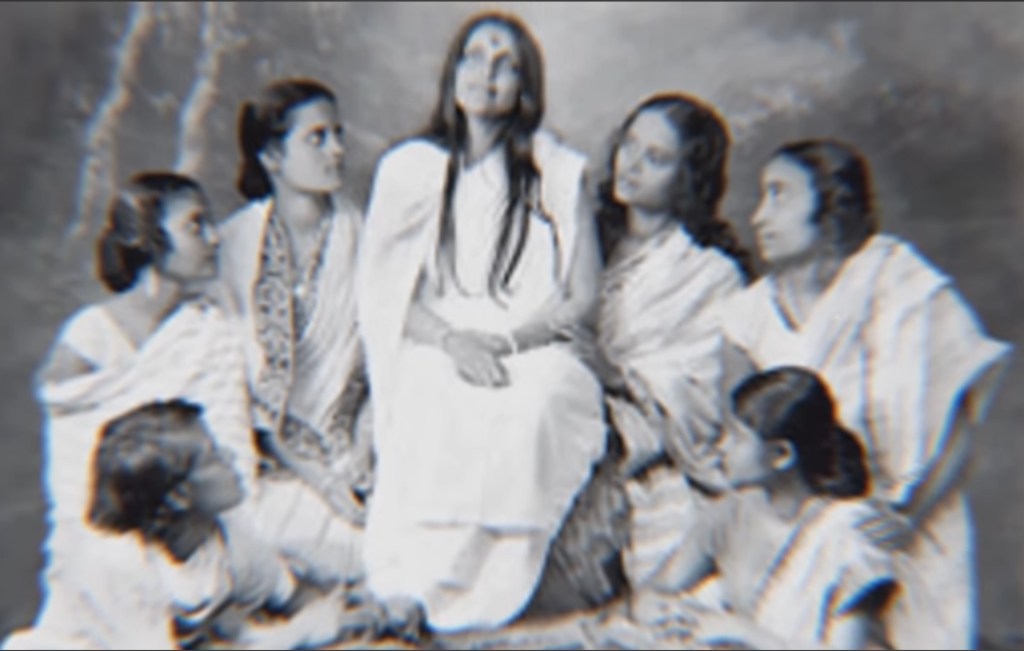
    Anandamayi Ma, a revered Hindu mystic, exemplifies the divine love and spiritual wisdom that have been central to Hindu tradition for centuries.

    Paramahansa Yogananda, the great spiritual teacher and author of ‘Autobiography of a Yogi,’ brought the wisdom of India’s ancient spiritual traditions to the West, inspiring countless seekers with his teachings of love, self-realization, and the unity of all religions.

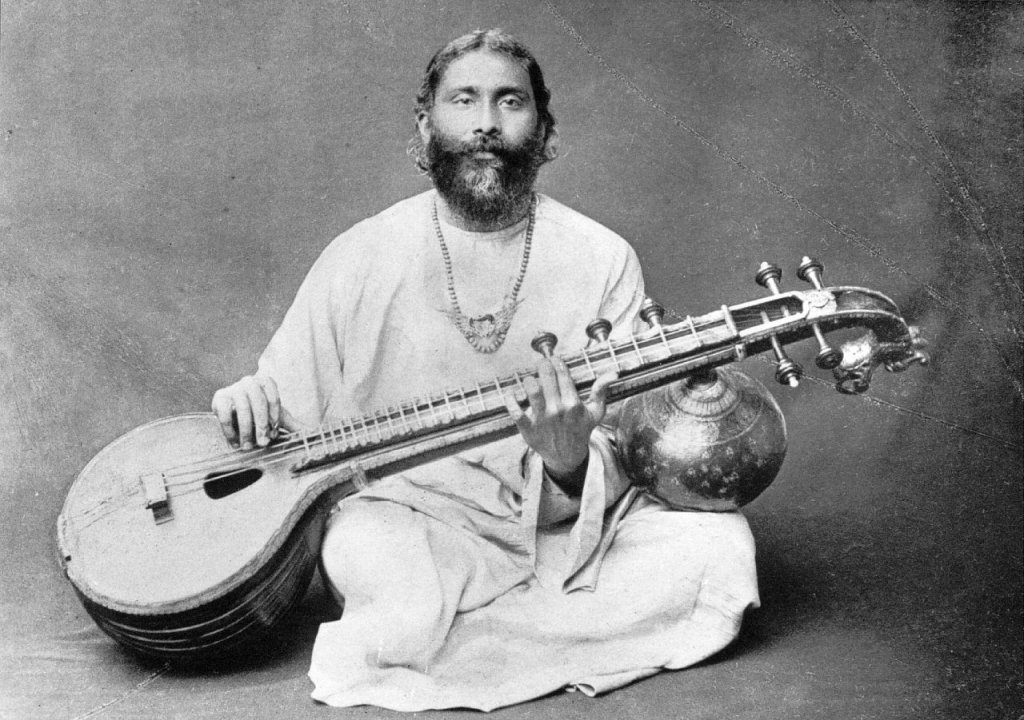
    Hazrat Inayat Khan, a revered Sufi mystic and musician, whose teachings on the unity of religious ideals and the harmony of divine love have inspired countless souls on their spiritual journeys.

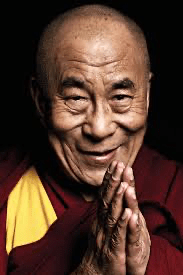
    His Holiness the Dalai Lama, a global symbol of peace, compassion, and the enduring wisdom of the Buddhist tradition, whose teachings inspire the world toward kindness and universal responsibility.

    Ani Choying Drolma, a Tibetan Buddhist nun and internationally acclaimed singer, whose music and teachings spread the message of compassion, peace, and the profound wisdom of the Buddha’s path.

    “The lamps are different, but the Light is the same.”


    — Rumi

  • Rapture: An Inner Experience or a Future Event?

    The concept of rapture holds a significant place in many religious traditions, often representing a powerful moment of divine encounter. However, the interpretation of this experience varies widely across spiritual paths. For some, rapture is a future event, a moment of transcendent liberation from the trials of the world. For others, rapture is an immediate, inner experience of union with the Divine, accessible in the present moment. This blog post explores these differing perspectives, inviting readers to consider the possibility that rapture might be both a future hope and a present reality.

    Rapture as a Hoped-for Future Event

    In many Christian communities, the term “rapture” is closely associated with the belief in a future event where believers are taken up to be with Christ. This event is often envisioned as a sudden and dramatic moment where those who have lived faithfully are removed from the tribulations of the world and brought into eternal communion with the divine. This interpretation provides a powerful source of hope, offering assurance of divine rescue and the promise of a heavenly future.

    This understanding of rapture emphasizes an external transformation, a moment when the divine intervenes in human history to gather the faithful and bring them into a new realm of existence. For many, it is a symbol of ultimate redemption, where suffering and struggle are left behind, and believers are welcomed into the fullness of God’s presence.

    Rapture as a Present-Moment Realization of the Divine

    However, there is also another, less spoken about, possibility of rapture. Here, rapture is not something that will happen in the distant future but an experience that can be realized in the here and now. It is a state of being where the soul becomes fully absorbed in the divine presence, transcending the ordinary boundaries of self and the material world.

    This inner rapture is often described as a moment of profound bliss and unity, where the individual self merges with the universal consciousness. Through practices like meditation, prayer, and devotion, one can enter into this state of rapture, experiencing the divine not as a distant reality but as an intimate, present-moment truth.

    Bridging the Perspectives: Rapture as Both Now and Later

    These two interpretations of rapture—the future event and the present realization—need not be mutually exclusive. In fact, they can complement each other, offering a fuller picture of what it means to encounter the divine.

    For those who look forward to the future rapture, there is comfort in the promise of divine intervention and the ultimate transformation of the world. Yet, by also embracing the possibility of rapture as an inner experience, there is an invitation to taste the sweetness of divine union in the present moment, to experience a foretaste of the eternal communion that awaits.

    Likewise, for those who seek rapture in the present, there is value in remembering that spiritual growth often unfolds over time, with moments of profound realization serving as milestones on a longer journey. The hope of a future rapture can inspire deeper commitment to the practices that open the heart to the divine here and now.

    Practical Steps Toward Experiencing Inner Rapture

    If the idea of experiencing rapture as an inner, present-moment encounter with the divine resonates with you, here are some practices suggested by mystics throughout history that can help cultivate this experience:

    Saint Teresa of Avila provides a roadmap for deepening your prayer life through mental prayer and contemplation. She describes the soul’s journey as one of moving inward, from vocal prayers to the stillness of contemplation, where one becomes wholly absorbed in God’s presence. To begin this journey, Saint Teresa suggests setting aside quiet time each day for prayer. Start by meditating on the life of Christ, using passages from the Gospels as focal points for your thoughts. As your prayer deepens, you may find words are no longer necessary. Allow yourself to rest in God’s presence in silence, letting go of the need to articulate your thoughts. Over time, this practice can lead to what Saint Teresa describes as “interior recollection,” where the soul is so absorbed in the divine presence that it forgets itself entirely, consumed by the sweetness of this union. She encourages practicing this recollection not just during designated prayer times but throughout the day, continually bringing your mind back to God, even in the midst of daily activities.

    Saint John of the Cross, another profound mystic, offers guidance on navigating the challenges that often accompany the pursuit of divine union. He speaks of the “dark night of the soul,” a period of spiritual dryness and seeming distance from God, which he interprets as a necessary purification of the soul. John teaches that to reach divine union, one must first pass through this purgation, releasing attachments to worldly desires and false comforts. He suggests regular self-examination to identify these attachments and encourages embracing humility and detachment. During times of spiritual dryness, rather than retreating, he advises pressing deeper into prayer and surrender, trusting that these are the very times when God is working most profoundly within the soul. By surrendering completely to God’s will and allowing Him to purify the soul, one can eventually emerge into the light of divine union, where the soul is intimately united with God.

    Thomas Merton, a modern-day contemplative, offers a pathway into the experience of rapture through the practice of contemplative prayer. Merton emphasizes that true communication with God happens not through words, but in communion—a deep, silent presence with the divine that transcends ordinary communication. To practice this, Merton suggests setting aside regular times for meditation, where you focus on the presence of God within you. Begin by creating an environment of silence and solitude, which Merton believes is essential for hearing God’s voice. As you meditate, let go of the need to verbalize your thoughts or prayers. Instead, simply be present with God, opening your heart to His presence. Over time, this practice of contemplative prayer can lead you into a deeper communion with God, where words fall away and you experience a profound, wordless union.

    Richard Rohr, another contemporary spiritual teacher, encourages living with a continuous awareness of God’s presence in the present moment. Rohr’s approach is rooted in the idea that God is always near, available to us in each breath and every moment of our lives. He suggests starting your day with a prayer of intention, asking to be aware of God’s presence throughout the day. As you go about your daily tasks, practice mindfulness by focusing on your breath, recognizing it as a sign of God’s life-giving presence within you. Rohr also recommends the practice of “practicing the presence of God,” where you continually bring your awareness back to God as you engage in your everyday activities. By cultivating this habit, you can begin to experience moments of rapture throughout your day—small, sacred encounters with the divine that remind you of God’s constant presence.

    Conclusion: An Invitation to Explore

    Whether one views rapture as a future event or a present experience, it remains a powerful symbol of divine encounter. It invites each of us to consider how we might open ourselves more fully to the divine, whether by preparing our hearts for a future moment of transformation or by seeking the presence of the divine in our everyday lives.

    In the end, the experience of rapture may be less about “when” it happens and more about the depth of our openness to the divine. It is a call to live in the awareness that the divine is always near, whether we are waiting for a future moment of glory or opening ourselves to the possibility of experiencing that glory in the here and now.

    Quotes for Reflection:

    The following quotes capture the essence of rapture as an inner experience of divine union that is available to disciples in this very life.

    • Saint Teresa of Avila, The Interior Castle: “The soul is now fully awake to the call of the Beloved, and God grants it the gift of deep contemplation. The soul becomes so absorbed in the divine presence that it forgets itself entirely, consumed by the sweetness of this union.”

    • Saint John of the Cross, The Living Flame of Love: “Oh, how sweet is the light of God that shines within a pure soul! It is so dazzling that the soul is blinded by its brightness and overwhelmed by the fragrance of His presence.”

    • Thomas Merton, New Seeds of Contemplation: “The deepest level of communication is not communication, but communion. It is wordless. It is beyond words, beyond speech, beyond concept.”

    • Richard Rohr, The Naked Now: “God is not far from us; God is with us—precisely in our very breath, in our own existence, and in the here and now.”

    May we each find our own way to rapture, whether by looking to the future with hope or by seeking the divine presence in this very moment.

    🙏🕊️🙏

  • Following Jesus: Abiding in God’s Presence

    Introduction
    Jesus’ invitation to “follow me” is at the heart of Christian life. But what does it really mean to follow Him? Often, we think of it in terms of outward actions—loving others, serving the needy, and living righteously. While all of this is vital, there is a deeper dimension to following Jesus: abiding in God’s presence, as Jesus himself did. Jesus regularly withdrew to pray in stillness, connecting with His Father in quiet communion. This inward focus is just as crucial to following Jesus as our outward actions.

    Jesus’ Example of Stillness
    Throughout the Gospels, we see Jesus taking time to be alone in prayer (Luke 5:16). He wasn’t just teaching us to pray for what we need, but to rest in God’s presence, to listen, and to be still. When Jesus spoke of the kingdom of God being within us (Luke 17:21), He was revealing that God is not distant but present within each of us. To follow Him means not only to love as He loved, but to seek God as He did—by abiding in the presence of the Father.

    Abiding in the Heart: A Call to All Believers
    In John 15:4, Jesus says, “Abide in me, and I in you.” This is not just a poetic metaphor, but a clear instruction. To abide means to remain, to stay rooted in Him. Jesus calls us to experience God’s presence within, in the quiet of our hearts, just as He did. When we take time to be still and know God (Psalm 46:10), we are following Jesus’ example. We are allowing God’s Spirit to work within us, transforming us into His likeness.

    How We Abide in God’s Presence
    Abiding in God’s presence is not about striving or achieving—it’s about surrender and trust. It’s about creating space in our hearts to listen to God, to rest in His love. We don’t need to perform for God or say the right words; we simply need to turn our attention inward, to the presence of the Holy Spirit within us. In this stillness, we are following Jesus, who modeled this quiet communion with God throughout His ministry.

    The Kingdom Within
    When Jesus said, “The kingdom of God is within you,” He wasn’t speaking in riddles. He was revealing a profound truth about where we encounter God. Following Jesus means recognizing that God’s Spirit is not distant, but as close as our own breath. As we follow Jesus, we learn to turn inward, to abide in this truth, and to let God’s peace fill our hearts. In doing so, we come to know Him more deeply, just as Jesus did.

    A Daily Path of Following Jesus
    Following Jesus is not just about what we do for others—it’s about who we are becoming in Christ. As we spend time abiding in God’s presence, we are shaped and formed by His love. Our actions naturally flow from this inner communion with God. The more we follow Jesus in this way, the more we become like Him—living in love, humility, and peace. This inward journey is not reserved for mystics or saints; it is the path that Jesus invites every believer to walk.

    Conclusion
    To follow Jesus means to emulate not only His actions but His way of being. He taught us to love, but He also showed us how to abide in God’s presence. This invitation is open to everyone. As we follow Jesus, we are called to take time to be still, to rest in the heart of God, and to allow His Spirit to work in us. In this way, we truly become followers of Christ—not just in what we do, but in who we are becoming.

    A Simple Practice to Abide in God’s Presence
    For those who wish to deepen their connection with God and experience His peace, here is a simple five-minute practice that you can do first thing in the morning, before bed, or anytime during the day when you need to return to God’s presence.

    Opening Prayer
    “Dear Lord, I come before You now, seeking Your peace and healing presence. As I quiet my mind and heart, I ask to feel Your Holy Spirit within me. Guide me into rest, ease my anxieties, and fill me with Your everlasting peace. Amen.”

    Meditation

    1. Find a comfortable position—either sitting or lying down. Close your eyes gently.
    2. Take a deep breath in through your nose, and slowly exhale through your mouth. Feel the tension melt away as you breathe out.
    3. Begin to notice your breath. No need to change it—just notice the gentle rise and fall of your chest or belly.
    4. As you inhale, silently say to yourself, “Breathing in, I abide in the Holy Spirit.”
    5. As you exhale, silently say to yourself, “Breathing out, I release into God’s peace.”
    6. If your mind wanders, that’s okay. Gently bring your attention back to your breath and these words.
    7. Continue this for five minutes, focusing on the breath and the sense of God’s presence and peace.

    Closing Prayer
    “Gracious God, thank You for Your presence and peace. As I end this time of meditation, I trust in Your love and guidance. Help me carry this sense of stillness and Your Spirit with me throughout the day (or night). May Your peace fill my heart, and may I continue to abide in Your presence in all that I do. Amen.”


    🙏🕊️🙏

  • Living in Alignment with God’s Will and The Mind of Christ

    Introduction:

    In the journey of Christian faith, believers often find themselves wrestling with the dichotomy between the “carnal mind” and the “renewed mind.” The carnal mind, also referred to as the “worldly mind,” is inclined toward sin, temptation, and the distractions of the flesh. On the other hand, the renewed mind is aligned with the will of God, filled with peace, love, and the presence of the Holy Spirit. The Apostle Paul speaks to this struggle in Romans 7:22-25, where he describes the conflict between his desire to do good and the law of sin at work within him:

    “For in my inner being I delight in God’s law; but I see another law at work in me, waging war against the law of my mind and making me a prisoner of the law of sin at work within me. What a wretched man I am! Who will rescue me from this body that is subject to death? Thanks be to God, who delivers me through Jesus Christ our Lord!” (Romans 7:22-25)

    However, this struggle is not a sign of defeat but an opportunity for transformation. The carnal mind and the renewed mind are not two separate entities but rather points on a spectrum that believers can skillfully navigate with intentional practice. In this post, we will explore a systematic approach to moving from the carnal mind to the renewed mind.

    1. Recognize the Current State: Awareness

    “Be still and know that I am God.” (Psalm 46:10)

    The first step in this journey is to become aware of the current state of your mind. This stillness is not just physical but also mental—a quieting of the mind to become aware of its current condition.

    • Practical Step: Begin each day with a period of silence and reflection. Ask the Holy Spirit to reveal any thoughts, feelings, or actions rooted in the carnal mind. This practice of awareness is akin to what is known in other traditions as mindfulness—being fully present and attentive to the state of your mind without judgment.
    1. Detachment from the Carnal Mind: Putting Off the Old Self

    “You were taught, with regard to your former way of life, to put off your old self, which is being corrupted by its deceitful desires; to be made new in the attitude of your minds; and to put on the new self, created to be like God in true righteousness and holiness.” (Ephesians 4:22-24)

    In Ephesians 4:22, believers are called to “put off your old self, which is being corrupted by its deceitful desires.” This step involves recognizing when your mind is aligned with the flesh—thoughts of anger, fear, pride, and judgment—and consciously choosing to detach from them.

    • Practical Step: Throughout the day, practice noticing when your thoughts are driven by the carnal mind. When you recognize such thoughts, gently release them, understanding that they do not define your true identity in Christ. This is a process of “taking every thought captive to make it obedient to Christ” (2 Corinthians 10:5). It’s not about rejecting the worldly mind but redirecting it towards the truth.
    1. Cultivation of the Renewed Mind: Putting On the New Self

    “Do not conform to the pattern of this world, but be transformed by the renewing of your mind. Then you will be able to test and approve what God’s will is—his good, pleasing and perfect will.” (Romans 12:2)

    The Apostle Paul urges believers to “be transformed by the renewing of your mind.” This renewal is an ongoing process. In Christian practice, this involves immersing oneself in prayer, scripture meditation, and aligning one’s thoughts with the teachings of Christ.

    • Practical Step: Choose a scripture that speaks to the renewed mind, such as Romans 12:2, and meditate on it throughout the day. Let this scripture guide your thoughts and actions. Whenever you find your mind slipping back into carnal patterns, return to the scripture as your anchor. Regularly spend time in prayer, asking the Holy Spirit to renew your mind and guide your thoughts.
    1. Union with Christ: The Mind of Christ

    “For, ‘Who has known the mind of the Lord so as to instruct him?’ But we have the mind of Christ.” (1 Corinthians 2:16)

    “And the peace of God, which transcends all understanding, will guard your hearts and your minds in Christ Jesus.” (Philippians 4:7)

    The ultimate goal of this journey is to “have the mind of Christ.” This is the state where one’s thoughts, emotions, and actions are in harmony with the will of God. It is an experiential realization of one’s identity in Christ, where the peace of God, which surpasses all understanding, guards your heart and mind.

    • Practical Step: Regularly practice moments of stillness and prayer where you consciously seek to align your thoughts with the mind of Christ. This is not merely an intellectual exercise but a deep, experiential awareness of God’s presence within you. By cultivating this awareness, you begin to live more fully in the renewed mind, the Christ mind, experiencing the transformation that Paul speaks of in Romans 12:2.
    1. Who Am I in Christ?

    “I have been crucified with Christ and I no longer live, but Christ lives in me. The life I now live in the body, I live by faith in the Son of God, who loved me and gave himself for me.” (Galatians 2:20)

    “Therefore, if anyone is in Christ, the new creation has come: The old has gone, the new is here!” (2 Corinthians 5:17)

    “For we are God’s handiwork, created in Christ Jesus to do good works, which God prepared in advance for us to do.” (Ephesians 2:10)

    An essential practice for realizing the mind of Christ is a form of self-inquiry, asking the question, “Who am I in Christ?” or “Who does God say I am?” This practice directs believers to explore and affirm their true identity as defined by their relationship with Christ, grounding them in the biblical truths about their divine nature.

    • Practical Step: Regularly meditate on these questions during your prayer time. Reflect on scriptures that reveal your identity in Christ, such as the verses above.
    • Prayerful Reflection: At the beginning or end of each day, spend time in prayerful reflection, asking the Holy Spirit to reveal deeper truths about your identity in Christ. This practice helps in aligning your thoughts, emotions, and actions with the mind of Christ, leading to a transformed and renewed mind.
    • Affirmations of Identity: Create and repeat affirmations based on these scriptures, such as “I am a new creation in Christ” or “Christ lives in me, and I live in Him.” These affirmations help reinforce the renewed mind and align your self-identity with biblical truths.

    6. Daily Examination and Prayer for Transformation

    “Search me, God, and know my heart; test me and know my anxious thoughts. See if there is any offensive way in me, and lead me in the way everlasting.” (Psalm 139:23-24)
    Transformation is not a one-time event but a continuous process of growth and renewal. Each day offers an opportunity to reflect on your progress and to seek God’s guidance in further renewing your mind.

    • Practical Step: At the end of each day, take time to reflect on your thoughts and actions. Where did you notice the influence of the carnal worldly mind? Where did you experience the renewed Christ mind? Offer these reflections in prayer, asking the Holy Spirit to continue the work of transformation within you.

    7. Daily Meditation Practice: Cultivating Stillness and Oneness with Christ

    “Be still and know that I am God.” (Psalm 46:10)

    To help cultivate the renewed mind and deepen your experience of oneness with Christ, incorporating a daily meditation practice can be transformative. This practice will center your mind, align it with the mind of Christ, and develop a habit of returning to God’s presence throughout your day.


    Meditation Exercise:

    1. Find a Quiet Spot:
    • Settle in a comfortable, quiet place where you won’t be disturbed. Sit with your back straight, hands resting gently on your lap, and close your eyes.

    2. Begin with the Breath:

    • Take a few deep breaths, inhaling slowly through your nose, holding for a moment, and then exhaling through your mouth. Let each breath relax your body and mind.

    3. Focus on a Scripture or Question:

    • Choose a verse or phrase to anchor your meditation, such as “Christ lives in me” (Galatians 2:20) or “Who am I in Christ?” Let this scripture or question be the focus of your mind.

    4. Gently Notice When the Mind Wanders:

    • As you meditate, your mind may wander. When you notice this, gently bring your focus back to your chosen scripture or question. Do this without judgment, understanding that each return to your focus is an opportunity to deepen your practice.

    5. Experience the Stillness:

    • As you continue to meditate, allow yourself to settle into the stillness, letting the words or question sink deeper into your awareness. Be still and know that God is present within you, guiding your thoughts and filling you with His peace.

    6. Close with Prayer:

    • After 10-15 minutes, gently bring your meditation to a close with a prayer, asking God to continue renewing your mind throughout the day and to help you live out the truth of your identity in Christ.
    • Daily Commitment: Make this meditation practice a daily habit, ideally at the beginning or end of your day. Over time, you will notice a deepening sense of peace, clarity, and connection with Christ.

    Conclusion:

    The journey from the carnal worldly mind to the renewed Christ mind is a dynamic and ongoing process. By understanding these states as points on a spectrum, rather than as fixed identities, believers can navigate their spiritual growth with greater intention and clarity. Through awareness, detachment, cultivation, and prayer, we can gradually move closer to the mind of Christ, experiencing the peace and transformation that come from living in alignment with God’s will. As we walk this path, we are not alone; the Holy Spirit is our constant guide, leading us into all truth and helping us renew our minds day by day.

    Incorporating a daily meditation practice and regular self-examination helps to anchor this transformation in our everyday lives, making the mind of Christ not just an ideal but a lived reality. Let us commit to this journey, trusting in God’s grace and the power of His word to renew our minds and guide us into a deeper moment by moment communion with Him.

    🙏🕊️🙏

  • Experiencing Oneness with God: A Deeper Look at John 14:20

    Introduction:

    In Christian teaching, we often emphasize the unique relationship between Jesus and God the Father. Jesus, as the Son of God, is understood to have a special connection with the Divine—a connection that many Christians see as exclusive to Him. Yet, when we look closely at Jesus’ own words, we find something even more profound: an invitation to share in this divine relationship, to experience a oneness with God that extends to all His followers.

    Exploring John 14:20:

    In John 14:20, Jesus tells His disciples, “On that day you will realize that I am in my Father, and you are in me, and I am in you.” This passage is often read quickly, but it contains a depth that warrants deeper reflection. Jesus is not just stating His own unity with God; He is including His disciples—those who follow Him—in this unity. This suggests that the oneness He shares with the Father is not something to be kept separate but is something that we are also called to experience.

    Understanding Oneness in Jesus’ Teachings:

    Jesus said, “I and the Father are one” (John 10:30). For many, this statement is seen as evidence of Jesus’ divinity, asserting that He is God. However, there is another way to understand this profound declaration. Rather than claiming a unique, exclusive identity as God, Jesus may be expressing the perfect alignment and unity He has with God—the kind of unity He invites all of us to share.

    To see Jesus, as He says in John 14:9, is to see God, not because He is God in an exclusive sense, but because He perfectly reflects and emulates the divine. His life, teachings, and actions are in perfect harmony with God’s will, so much so that He becomes a living embodiment of God’s presence.

    Jesus’ invitation is not just to recognize His own unity with God but to enter into that same relationship ourselves. When He says, “I am in my Father, and you are in me, and I am in you,” He is extending this oneness to all of His followers, inviting us to experience this profound unity with God.

    Addressing Common Misunderstandings:

    For many, the idea of oneness with God can seem daunting or even taboo. It might feel as if we are overstepping our place as human beings. But Jesus’ teachings suggest otherwise. He spoke of abiding in Him as He abides in the Father, indicating that our spiritual journey is not just about following rules or rituals, but about entering into a living, breathing relationship with God—a relationship of profound unity.

    It’s important to clarify that this oneness doesn’t mean we become God in the way that Jesus is God. Instead, it points to a spiritual truth: that through Jesus, we are drawn into the very heart of God’s love and life. This oneness is about participating in the divine nature, as Peter writes:

    “Through these he has given us his very great and precious promises, so that through them you may participate in the divine nature, having escaped the corruption in the world caused by evil desires.”
    (2 Peter 1:4, NIV)

    In this light, Jesus’ declaration that “I and the Father are one” becomes less about asserting exclusive divinity and more about exemplifying the unity we are all called to share with God.

    Practical Steps to Experience Oneness:

    How can we begin to experience this oneness with God? Here are a few ways:

    • Prayer: Spend time in prayer, not just asking for things, but sitting in God’s presence, listening, and being with Him.
    • Meditation on Scripture: Reflect deeply on passages like John 14:20, allowing the words to sink into your heart and mind, and asking God to reveal what this unity means in your life.
    • Living Out Love: Jesus said, “If you keep my commands, you will remain in my love” (John 15:10). Following Jesus’ teachings on love is a practical way to live out this oneness with God.

    Conclusion:

    Jesus’ invitation to oneness with God is central to His message. It’s a call to go beyond mere belief and enter into a relationship that transforms us from the inside out. As we open our hearts to this truth, we begin to experience a deeper connection with God, not as distant or separate, but as intimately united with Him through Christ.

    Let us embrace this call to oneness, allowing it to deepen our faith and enrich our spiritual lives, knowing that in Christ, we are brought into the fullness of God’s love and presence.

    🙏🕊️🙏

  • Wisdom and Compassion: Foundations of a Christ-Centered Life

    In the heart of Christian teaching, wisdom and compassion stand as pillars that uphold our faith and guide us in our walk with Christ. As we navigate the complexities of modern life, these virtues remain as relevant today as they were in biblical times. Let us explore how wisdom and compassion can shape our lives and deepen our faith.

    Wisdom, as described in Proverbs 4:7, is more than mere knowledge; it is the application of God’s truth in our daily lives. It involves discernment, moral insight, and the ability to make decisions that honor God. In a world filled with conflicting messages and temptations, wisdom helps us discern what aligns with God’s will. It empowers us to make choices that reflect our commitment to Christ and His teachings. Furthermore, wisdom strengthens our faith by enabling us to understand the deeper meanings of Scripture and the nature of God. Through prayer and study, we cultivate a mind that seeks to know and do God’s will, thus strengthening our relationship with Him. As James 3:17 reminds us, the wisdom that comes from above is “first pure, then peaceable.” This wisdom helps us resolve conflicts, foster harmony, and build strong, loving communities.

    Compassion is at the very core of Jesus’ ministry. In Matthew 9:36, we read that Jesus, upon seeing the multitudes, “was moved with compassion on them, because they fainted, and were scattered abroad, as sheep having no shepherd.” As followers of Christ, we are called to emulate His compassion in our interactions with others. Compassion allows us to demonstrate Christ’s love in tangible ways. By reaching out to those in need, offering support, and showing kindness, we become living examples of His grace. It also fosters unity and understanding within the body of Christ. By caring for one another and bearing each other’s burdens, we create a supportive community that mirrors the early Church. When we act with compassion, we participate in God’s redemptive work in the world. Our acts of kindness can inspire change, provide hope, and bring healing to those who are suffering.

    The integration of wisdom and compassion is essential for living a Christ-centered life. Wisdom without compassion can lead to rigidity, while compassion without wisdom may result in misplaced efforts. Together, they form a harmonious balance that enables us to live out our faith effectively. In ministry, we need both the wisdom to understand complex issues and the compassion to address them with sensitivity and love. By cultivating these virtues, we grow spiritually and become more like Christ, who embodied perfect wisdom and compassion. As we live out these virtues, we not only transform ourselves but also have a profound impact on the world, shining as lights in the darkness.

    Reflecting on this, consider how you can apply wisdom in your daily decisions to better align with God’s will and deepen your faith. Think about ways to practice compassion more intentionally, both within your community and beyond. How do you balance the need for wisdom and compassion in your interactions with others, especially in challenging situations? What specific steps can you take to cultivate a deeper understanding of wisdom and compassion in your spiritual journey?

    I invite you to reflect on these questions and share your thoughts in the comments below. Let’s grow together in wisdom and compassion, reflecting Christ’s love in our lives.

    🙏🕊️🙏

  • The Divine Within: Jesus’ Teachings on Our True Nature

    In many Christian teachings, the concept of sin often overshadows the more empowering messages found within the Scriptures. Yet, Jesus’ words offer profound insights into the divine nature inherent in each of us. By revisiting his teachings, we can uncover a more uplifting understanding of our spiritual identity.

    John 14:20: “On that day you will realize that I am in my Father, and you are in me, and I am in you.” This profound statement encapsulates the mystical union that Jesus shares with the Father, which he extends to us. It reveals a mutual indwelling, suggesting that our true nature is deeply intertwined with the divine. This verse offers a direct insight into the non-dualistic nature of our spiritual identity, where the boundaries between the divine and the human blur, inviting us to recognize our inherent unity with God.

    John 10:34: Responding to accusations of blasphemy, Jesus quotes Psalm 82:6, “Is it not written in your Law, ‘I have said you are “gods”’?” With this, Jesus challenges narrow interpretations of human unworthiness. He redirects us to consider a scriptural basis for divine likeness, pushing us to recognize that aspects of divinity reside within us.

    John 17:22-23: “I have given them the glory that you gave me, that they may be one as we are one—I in them and you in me—so that they may be brought to complete unity.” Here, Jesus discusses the glory shared between him and the Father—glory that he extends to his followers. This sharing of divine glory is not just symbolic; it is a call to realize our deep connection with God, reflecting the unity and divine nature that Jesus embodied.

    Luke 17:21: When Jesus declares, “the kingdom of God is within you,” he offers a radical reminder of where to find the divine. It’s not a distant or external realm, but within each person. This statement can be transformative, especially for those who feel distant from spiritual experiences. It invites believers to seek God not in the external but in the depths of their own being.

    By reflecting on these teachings, we are called to a deeper understanding of our potential and spiritual identity. Jesus’ message is clear: within us lies not just the capacity for sin but for divine glory. Recognizing this can change how we view ourselves and how we interact with the world, fostering a faith that is rooted in dignity and divine connection.

    Reclaiming Our Divine Heritage

    In a tradition rich with symbols and teachings of redemption and sin, there lies an equally profound, yet often overshadowed, message of inherent divinity and purity within each of us. As followers of Christ, it’s crucial to revisit and embrace this aspect of our spiritual teachings—the recognition of our true nature as embodiments of divine light.

    Reaffirming Our True Nature: The scriptures provide numerous instances where Jesus points to our divine potential and intrinsic purity. From declaring the kingdom of God within us to affirming we are made in God’s image, these teachings invite us to view ourselves as fundamentally pure and connected to the divine, rather than fundamentally flawed and distant.

    Challenging Traditional Views: By shifting our focus from original sin to original blessing, we can transform how we engage with our faith and how we view one another. This shift is not about dismissing the concept of sin but about reasserting a more balanced understanding of our spiritual identity—as beings graced with divine essence, capable of manifesting profound love and wisdom.

    Invitation to Spiritual Reawakening: I invite you, the reader, to reflect on how embracing this view of inherent purity and divinity might change your personal faith journey and your interactions with others. Imagine a community where every individual truly believes and acts as if they are a reflection of God’s love and light. Such a belief can inspire greater compassion, deeper understanding, and a more inclusive approach to our shared spiritual life.

    🙏🕊️🙏

  • Embracing the True Vine: Staying Connected to the Universal Values Exemplified by Jesus

    Introduction

    The metaphor of the vine and branches in John 15:1-17 offers insights into our spiritual lives that transcend religious boundaries. This passage challenges us to reflect on the nature of our connection to Jesus and to universal values like love and compassion and how they shape our lives. Here, we explore key themes from this scripture and consider how they can guide us on our personal and spiritual journeys.

    The Art of Pruning

    “He cuts off every branch in me that bears no fruit, while every branch that does bear fruit he prunes so that it will be even more fruitful.” (John 15:2)

    Pruning, in the spiritual sense, is a selective and thoughtful process. Just as a gardener skillfully prunes a tree to promote balance and growth, we can embrace challenges and changes as opportunities for growth. Identify areas of your life that feel overgrown or chaotic. Take small steps to simplify and focus, such as decluttering your environment or letting go of habits that no longer serve you.

    Staying Connected to Core Values

    “I am the vine; you are the branches. If you remain in me and I in you, you will bear much fruit; apart from me you can do nothing.” (John 15:5)

    Staying connected to values like love, kindness, compassion, and forgiveness is about more than participating in rituals. It involves living these principles in our daily lives. Start your day with a moment of gratitude or set an intention to act with kindness. Reflect on how your actions align with these values. Consider journaling your experiences to deepen your understanding and commitment.

    Bearing Fruit Naturally

    “This is to my Father’s glory, that you bear much fruit, showing yourselves to be my disciples.” (John 15:8)

    The fruits of love, kindness, and compassion arise naturally when we are deeply rooted in these values. To nurture these virtues, practice mindfulness in your interactions. Notice how your words and actions impact others. Small acts, like offering a smile or a listening ear, can create ripples of positivity.

    Redefining Joy

    “As the Father has loved me, so have I loved you. Now remain in my love. If you keep my commands, you will remain in my love, just as I have kept my Father’s commands and remain in his love. I have told you this so that my joy may be in you and that your joy may be complete.” (John 15:9-11)

    Joy, in this context, transcends temporary pleasures. It is a profound inner contentment that comes from aligning with our higher values and living in compassion. Cultivate joy by engaging in activities that nourish your spirit, whether it’s spending time in nature, creating art, or volunteering. Reflect on what brings you true fulfillment and integrate these into your life.

    Loving-Kindness as the Core

    “My command is this: Love each other as I have loved you.” (John 15:12)

    At the heart of universal teachings is the call to love one another. This love encompasses kindness and compassion for all. Try incorporating a loving-kindness meditation into your routine, where you silently wish happiness and peace for yourself, your loved ones, and even those you find challenging. This practice can help cultivate a more compassionate mindset.

    The Mystery of Choice

    “You did not choose me, but I chose you and appointed you so that you might go and bear fruit—fruit that will last.” (John 15:16)

    The concept of being chosen invites reflection on divine grace and human free will. Embrace the idea that the choice to live a life of love and service is an ongoing journey. Regularly evaluate your decisions and their alignment with your values. Trust that your commitment to these choices connects you to a greater purpose.

    Friendship and Connection

    “I no longer call you servants, because a servant does not know his master’s business. Instead, I have called you friends, for everything that I learned from my Father I have made known to you.” (John 15:15)

    The idea of spiritual friendship invites us into an intimate, close connection with the values we hold dear. Seek out communities or groups that share your values and engage in meaningful conversations. Building relationships based on love and trust can enrich your spiritual journey and provide support when you face challenges.

    “You Are My Friends” – Jesus

    (John15:14)

    In quiet moments, whispers speak,
    A friendship rare, divine, unique.
    No longer servant, now a friend,
    In love and truth, our souls transcend.

    He calls us near, no distance wide,
    In him, our hopes and fears confide.
    Not Lord alone, but friend so true,
    A bond that’s deep, profound, and new.

    He shares with us the Father’s will,
    In every silence, every still.
    His words, a gentle guiding light,
    In friendship’s warmth, our hearts ignite.

    No secrets kept, all laid bare,
    In open trust, a love we share.
    He walks with us through joy and pain,
    In every loss, in every gain.

    Together, one, we stand and grow,
    In friendship’s grace, we come to know.
    The gift of love that never ends,
    For in his arms, we’re called as friends.

    When shadows fall and doubts arise,
    His friendship shines through darkest skies.
    A beacon bright, a steadfast guide,
    In him, our hearts and hopes reside.

    So call him friend, this wondrous grace,
    A closeness time cannot erase.
    In every breath, in every stride,
    With Jesus, friend, we walk beside.


    Contemplative Questions

    • How do you nurture your connection with core values in your daily life?
    • What areas of your life might benefit from a spiritual “pruning” to promote growth?
    • How do you experience the fruits of love and kindness naturally flowing from your actions?
    • In what ways do you understand and practice love as loving-kindness?
    • How does the idea of spiritual friendship influence your journey?
    • What does joy mean to you, and how do you cultivate it beyond worldly experiences?
    • How do you perceive the mystery of choice, and how does it affect your sense of purpose?

    Invitation to Share

    I invite you to reflect on these questions and share your thoughts in the comments below. Your insights and experiences can enrich this exploration and inspire others on their journeys.

    🙏🕊️🙏