Tag: Spiritual Transformation

  • Ramayana No. 7: The Hero’s Journey in the Ramayana and Milarepa’s Life: A Universal Path to Dharma


    The hero’s journey is a timeless narrative structure that resonates across cultures and spiritual traditions. Described in depth by Joseph Campbell, this journey represents the universal path of transformation that each individual must undertake. As we explore the Ramayana and the life of Milarepa, we find that both stories are deeply rooted in this archetypal journey, offering profound insights into the challenges and triumphs of the human spirit.

    The Call to Adventure:

    In the Ramayana, Rama is called to leave the comfort of his home in Ayodhya and embark on a journey that will test his strength, resolve, and righteousness. His exile marks the beginning of an epic struggle against the forces of chaos and evil. Similarly, Milarepa’s life begins with a call to adventure, though it is initially fueled by revenge and darkness. Both heroes are drawn out of their ordinary worlds and into a realm where their true character will be forged.

    Trials and Challenges:

    As they embark on their respective journeys, both Rama and Milarepa face significant trials and challenges. Rama must confront powerful demons, navigate the complexities of dharma, and protect his loved ones. Milarepa, on the other hand, struggles with the weight of his past misdeeds and the rigorous training imposed by his teacher, Marpa. These trials are essential to their growth, pushing them to confront their deepest fears and weaknesses.

    Confrontation with Evil:

    The hero’s journey often culminates in a confrontation with a great evil. In the Ramayana, this is embodied by Ravana, the powerful demon king who represents the forces of adharma (unrighteousness). For Milarepa, the confrontation is more internal—facing the darkness within himself and the karmic consequences of his earlier actions. Both heroes must overcome these forces to fulfill their destinies and bring about a restoration of order and righteousness.

    Return and Transformation:

    After their trials, both Rama and Milarepa undergo profound transformations. Rama returns to Ayodhya not just as a warrior, but as a symbol of dharma, ready to restore justice and harmony to his kingdom. Milarepa, having purified his karma and attained enlightenment, becomes a revered spiritual teacher, guiding others on the path to liberation. Their journeys highlight the transformative power of righteousness, compassion, and spiritual discipline.

    The Hero’s Journey in Our Lives:

    The hero’s journey is not just a mythic structure—it’s a reflection of the challenges and opportunities we all face in life. We are each called to our own adventure, to confront our inner and outer demons, and to emerge transformed. The Ramayana and Milarepa’s story remind us that this journey is universal, a path we all walk as we seek to align our lives with dharma.

    The hero’s journey, as seen in the Ramayana and Milarepa’s life, is a powerful reminder of the transformative potential within each of us. By embracing the challenges we face and aligning our actions with dharma, we can emerge stronger, wiser, and more compassionate. May these stories inspire you on your own journey, guiding you toward the realization of your true self and the fulfillment of your highest potential.

    🙏🕊️🙏

    To delve deeper into Milarepa’s journey, you can watch Part One of the movie about his life here. This film offers an authentic portrayal of Milarepa’s early years, his misuse of mystical power, and his ultimate journey toward spiritual awakening and Dharma. It’s a powerful visual companion to the reflections shared in this post.

    For those interested in exploring the hero’s journey more deeply, you can find Joseph Campbell’s The Hero’s Journey on Kindle below. This seminal work offers profound insights into the archetypal patterns that shape our stories and our lives, providing a framework to understand the transformative journeys of both Rama and Milarepa.

    🙏🕊️🙏

  • Introduction to Bhakti Yoga: The Path of Devotion and Divine Love

    Bhakti Yoga is the yoga of devotion, a deeply emotional and heart-centered path that leads practitioners to experience the divine through love, worship, and surrender. Rooted in the idea that the divine is both immanent and transcendent, Bhakti Yoga cultivates a personal relationship with the divine, often expressed through devotion to a chosen deity or spiritual figure.

    This path is characterized by the expression of pure love and devotion (bhakti) towards the divine, transcending intellectual knowledge and focusing on the heart’s connection with the divine presence. Bhakti Yoga teaches that by channeling all emotions and actions towards divine love, one can dissolve the ego and realize the unity of all existence.

    In this blog series, we’ll explore the principles and practices of Bhakti Yoga, and how this path of devotion can lead to profound spiritual transformation and connection with the divine.

    As we embark together on this journey of discovery and reflection, I warmly invite you to join me in exploring the depths of these ancient practices and teachings. Let this space be a sanctuary where we meet not just as seekers, but as companions on the path—a place where the wisdom of the ages can gently unfold within our lives.

    If these words and practices speak to something within you, if they stir a quiet longing or bring a sense of peace, I encourage you to subscribe to this blog. By doing so, you’ll be the first to know as new installments of our shared journey are published. It is my hope that each post will resonate with you, offering insights and comfort as we continue to explore these profound teachings together.

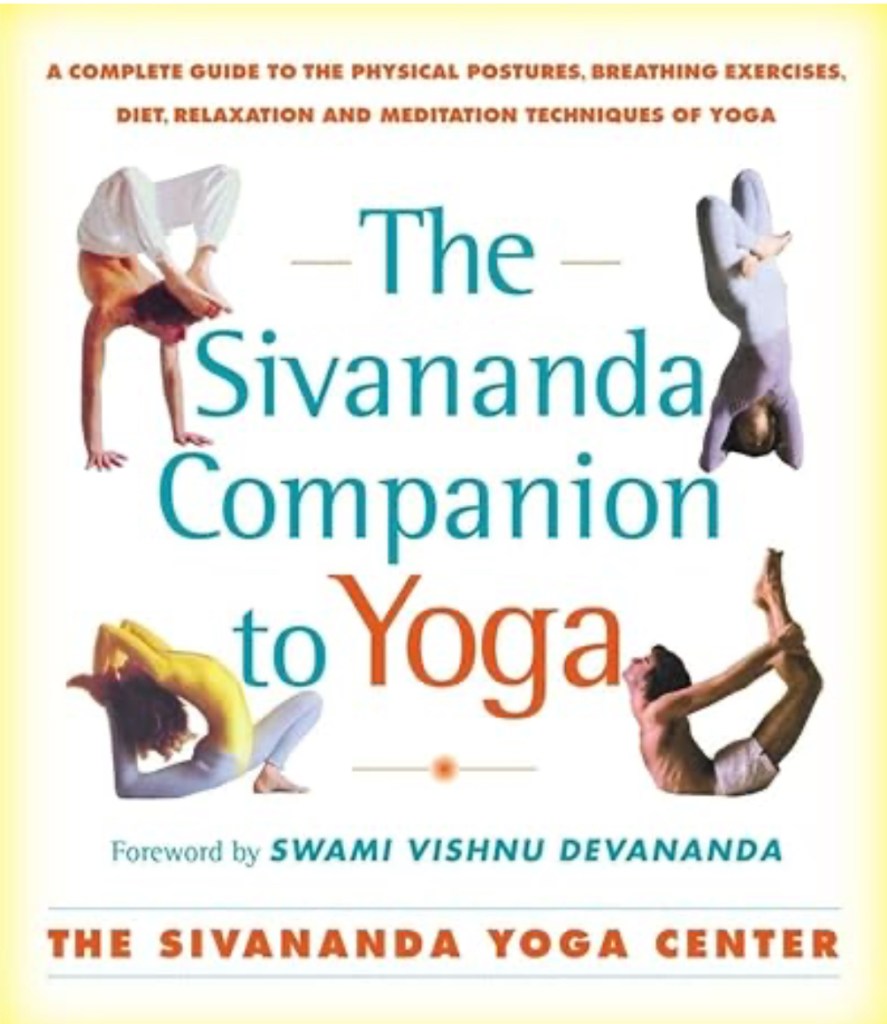
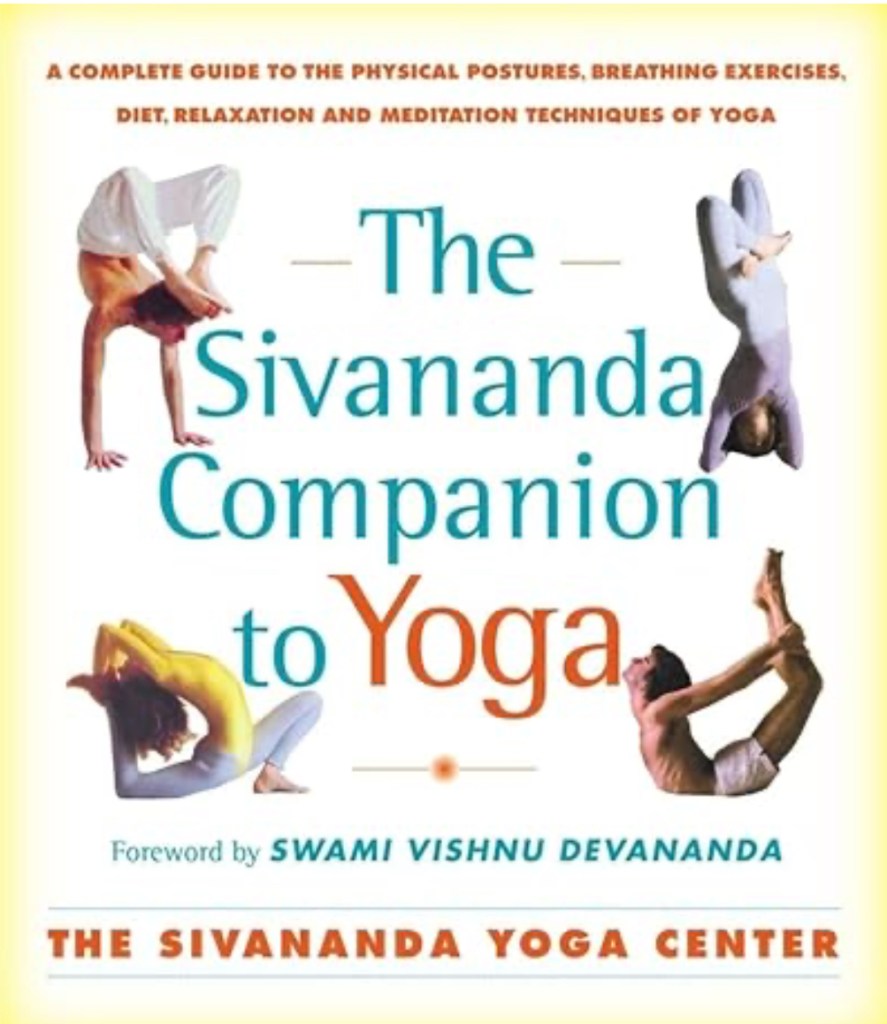
    For those interested in a comprehensive introduction to the practices of yoga, I recommend The Sivananda Companion to Yoga: A Complete Guide to the Physical Postures, Breathing Exercises, Diet, Relaxation, and Meditation Techniques of Yoga. This book offers clear guidance on the foundational aspects of yoga, making it an invaluable resource for anyone looking to deepen their understanding and practice.

    Take a look at this book on Amazon here.

    🙏🕊️🙏

  • Introduction to Karma Yoga: The Path of Selfless Action

    Karma Yoga is the yoga of selfless action, a path that transforms work into a spiritual practice by emphasizing the importance of performing one’s duties without attachment to the outcomes. Rooted in the teachings of the Bhagavad Gita, Karma Yoga encourages practitioners to engage fully in their responsibilities while dedicating their actions to the greater good, without seeking personal gain or recognition.

    The essence of Karma Yoga lies in the principle of Nishkama Karma—acting without desire for the fruits of one’s actions. This approach purifies the heart and mind, reducing the influence of the ego and fostering a sense of humility, compassion, and service. By embracing this path, practitioners learn to see their work as an offering, aligning their will with the divine and contributing to the welfare of all beings.

    In this blog series, we’ll delve into the core teachings of Karma Yoga and how it can be applied to our daily lives, transforming every action into a step on the spiritual path.

    As we embark together on this journey of discovery and reflection, I warmly invite you to join me in exploring the depths of these ancient practices and teachings. Let this space be a sanctuary where we meet not just as seekers, but as companions on the path—a place where the wisdom of the ages can gently unfold within our lives.

    If these words and practices speak to something within you, if they stir a quiet longing or bring a sense of peace, I encourage you to subscribe to this blog. By doing so, you’ll be the first to know as new installments of our shared journey are published. It is my hope that each post will resonate with you, offering insights and comfort as we continue to explore these profound teachings together.

    For those interested in a comprehensive introduction to the practices of yoga, I recommend The Sivananda Companion to Yoga: A Complete Guide to the Physical Postures, Breathing Exercises, Diet, Relaxation, and Meditation Techniques of Yoga. This book offers clear guidance on the foundational aspects of yoga, making it an invaluable resource for anyone looking to deepen their understanding and practice. Take a look at this book on Amazon here.

    🙏🕊️🙏

  • Witnessing the Journey: Strengthening the Seer in Life’s Transitions

    In the journey of spiritual growth, each moment, each challenge, and every encounter presents an opportunity to deepen our awareness. No matter the external circumstances—whether we’re moving from one phase of life to another, letting go of past attachments, or simply observing the fluctuations of the mind—there is a steady witness that remains untouched. This witness, or seer, is the essence of our true nature, and learning to strengthen our connection to it is one of the most important steps on the path to inner freedom.

    The Shift from Mind to Heart

    For many of us, the longest journey is the shift from the ordinary mind to the heart, or from the restless fluctuations of thoughts (vrittis) to the calm, witnessing presence. The heart, in spiritual traditions such as Advaita Vedanta and Jewish mysticism, is often equated with the Divine. It’s not merely an emotional center but the seat of the Divine Presence within us—Atman as Brahman, or the individual self as one with the Absolute.

    As we begin to experience this shift, we realize that our external experiences—both positive and negative—are just reflections of the inner workings of our mind. The challenges, such as illness or life transitions, become opportunities to witness these reflections without being swept away by them. This movement from the mind to the heart is the foundation for a life of spiritual presence.

    Living Between Excitement and Calm

    One of the paradoxes on the spiritual path is living with dual awareness: experiencing the emotional fluctuations of excitement, frustration, or joy while simultaneously witnessing them from a place of calm and neutrality. The spiritual journey does not require that we suppress these emotions, but rather that we hold them lightly, recognizing them as transient waves on the surface of our consciousness.

    As Namkhai Norbu teaches, the presence of awareness exists both in moments of calm and agitation. The mind may be excited, but the witness remains still. This dual awareness allows us to engage fully with life without losing our spiritual center. As we strengthen the seer within us, we find that both excitement and calm can coexist, and we learn to embrace the paradox of non-duality within dual awareness.

    Letting Go of Attachments: The RV and Beyond

    Transitions in life—whether they involve moving from one home to another or shifting from one state of consciousness to another—offer us the chance to practice letting go. For many years, a beloved space like an RV can be a sanctuary, a place of refuge for meditation and contemplation. But when the time comes to leave, it becomes a test of non-attachment, a reminder that the true sanctuary is within us.

    Letting go is not simply about releasing physical objects or spaces; it’s about releasing the emotional and mental attachments we have to them. It’s about trusting that even as we move into unfamiliar territory, the witness remains constant. As we let go of the old, we create space for something new to emerge—a fresh start, or beginner’s mind, as we navigate life with openness and curiosity.

    The Importance of Trust and Faith

    A major theme in this spiritual journey is trust—trust in the Divine, trust in ourselves, and trust in the process. After years of doubt and uncertainty, we may begin to experience a deep sense of confidence and trust in life’s unfolding. Even when life presents us with difficult or unexpected challenges, such as illness or the need to move from a long-held refuge, trust allows us to remain grounded in the witness.

    This trust doesn’t mean we stop facing difficulties, but rather that we learn to see them as part of the greater unfolding of our spiritual path. Each test, no matter how small or large, becomes another opportunity to strengthen the seer within. As the Buddha taught, the Dharma is like a raft that helps us cross the ocean of suffering. Once we reach the other shore, we leave the raft behind, trusting that we now carry the teachings within us.

    Witnessing the Witness: A Reflection of Inner Harmony

    Ultimately, the journey is about witnessing the witness—becoming aware of the awareness that is always present, regardless of the external conditions. This awareness, which we can also call the Divine, is not dependent on calmness or agitation, happiness or sadness. It simply is. And as we deepen our connection to this awareness, we come to embody the teachings in our lived experience.

    The process of writing and sharing these insights is part of this journey. Just as we are learning to let go of attachments, we also leave behind reflections in the form of writings, teachings, and blog posts. This is karma yoga—an offering of selfless service to whoever may benefit from these reflections. Like the authentic seeker who presents the teachings from the heart rather than from notes, we are called to embody the wisdom we’ve gathered and leave the rest for others to use as they see fit.

    Conclusion: The Journey of the Seer

    In the end, the journey is about becoming the witness to our own life, embracing both the external challenges and the internal awareness that guides us through them. As we continue to strengthen the seer within us, we move closer to a life of true presence, where each moment, no matter how challenging, becomes an opportunity for growth and transformation.

    May this reflection serve as a reminder to all who encounter it that the witness is always present, guiding us through the transitions of life and helping us to cultivate trust, non-attachment, and inner peace.

    🙏🕊️🙏

  • Neti Neti Series No. 1: Embracing the Practice of “Not This, Not This

    Question:

    How should I approach the practice of “Neti Neti” and what can I expect as I continue with it?


    Dear friend,

    “Neti Neti” is a path that is both ancient and profound, one that requires patience, a quiet heart, and a gentle perseverance. I’d like to share with you some thoughts and reflections that may guide you as you journey further into this sacred practice.

    The phrase “Neti Neti” translates simply as “not this, not this.” It is a mantra, yes, but it is also much more than that—it is a doorway to the understanding what lies beyond the confines of our ordinary thoughts and perceptions. When we repeat “Neti Neti,” we are not merely uttering words; we are engaging in a process of negation that strips away the layers of illusion and false identification, leading us closer to the core of our being.

    You may find that as you begin your practice, thoughts arise incessantly, like waves upon the shore. This is natural, my friend, and there is no need for concern. The mind, after all, is accustomed to constant movement. But as you sit in stillness and repeat “Neti Neti,” you are training your awareness to recognize that these thoughts—however persistent they may seem—are not who you are.

    In those moments when the mind is quiet, even for a brief instant, you may feel a sense of peace, a spaciousness that is untouched by the comings and goings of thoughts and emotions. This is the silence in which your true self resides. When you touch this silence, allow yourself to rest in it. Do not seek to hold on to it too tightly, for it is like a delicate breeze—best experienced by simply being present with it.

    And yet, if thoughts begin to stir again—and they often will—there is no need to worry or to chastise yourself. Simply return to the mantra, “Neti Neti,” with the understanding that what you are negating is not just the thought itself, but the identification with it. Each time you say “not this,” you are affirming that your true self is not these fleeting mental activities but something much deeper and more enduring.

    As you continue with this practice, you may begin to notice subtle changes in your inner landscape. The mind, once so restless, may start to settle more easily. You may find that the gaps between thoughts grow wider, and the stillness within you becomes more familiar, like a dear friend who visits often. This is the beginning of a profound transformation.

    In time, my friend, you may come to a place where the need to repeat the mantra diminishes, where silence and stillness are your natural state, and where the mind rests in its true home, free from the distractions that once held it captive. This is not a state to be forced or grasped at—it will come in its own time, as you continue to practice with patience and love.

    Remember, the journey of “Neti Neti” is not about eradicating thoughts or achieving some distant goal. It is about returning, again and again, to the awareness that lies beyond all concepts and forms. It is about recognizing that you are not the thoughts that arise, nor the emotions that ebb and flow. You are the awareness in which all these things occur, and this awareness is vast, infinite, and untouched by the passing of time.

    So, dear friend, as you continue with your practice, I encourage you to approach it with gentleness and an open heart. Trust in the process, even when it feels challenging. Trust in the silence that you find within, and know that this silence is the truest reflection of who you are.

    I look forward to hearing about your experiences as you deepen in this practice. May it bring you the peace and understanding that your soul seeks.

    🙏🕊️🙏

  • Living in Alignment with God’s Will and The Mind of Christ

    Introduction:

    In the journey of Christian faith, believers often find themselves wrestling with the dichotomy between the “carnal mind” and the “renewed mind.” The carnal mind, also referred to as the “worldly mind,” is inclined toward sin, temptation, and the distractions of the flesh. On the other hand, the renewed mind is aligned with the will of God, filled with peace, love, and the presence of the Holy Spirit. The Apostle Paul speaks to this struggle in Romans 7:22-25, where he describes the conflict between his desire to do good and the law of sin at work within him:

    “For in my inner being I delight in God’s law; but I see another law at work in me, waging war against the law of my mind and making me a prisoner of the law of sin at work within me. What a wretched man I am! Who will rescue me from this body that is subject to death? Thanks be to God, who delivers me through Jesus Christ our Lord!” (Romans 7:22-25)

    However, this struggle is not a sign of defeat but an opportunity for transformation. The carnal mind and the renewed mind are not two separate entities but rather points on a spectrum that believers can skillfully navigate with intentional practice. In this post, we will explore a systematic approach to moving from the carnal mind to the renewed mind.

    1. Recognize the Current State: Awareness

    “Be still and know that I am God.” (Psalm 46:10)

    The first step in this journey is to become aware of the current state of your mind. This stillness is not just physical but also mental—a quieting of the mind to become aware of its current condition.

    • Practical Step: Begin each day with a period of silence and reflection. Ask the Holy Spirit to reveal any thoughts, feelings, or actions rooted in the carnal mind. This practice of awareness is akin to what is known in other traditions as mindfulness—being fully present and attentive to the state of your mind without judgment.
    1. Detachment from the Carnal Mind: Putting Off the Old Self

    “You were taught, with regard to your former way of life, to put off your old self, which is being corrupted by its deceitful desires; to be made new in the attitude of your minds; and to put on the new self, created to be like God in true righteousness and holiness.” (Ephesians 4:22-24)

    In Ephesians 4:22, believers are called to “put off your old self, which is being corrupted by its deceitful desires.” This step involves recognizing when your mind is aligned with the flesh—thoughts of anger, fear, pride, and judgment—and consciously choosing to detach from them.

    • Practical Step: Throughout the day, practice noticing when your thoughts are driven by the carnal mind. When you recognize such thoughts, gently release them, understanding that they do not define your true identity in Christ. This is a process of “taking every thought captive to make it obedient to Christ” (2 Corinthians 10:5). It’s not about rejecting the worldly mind but redirecting it towards the truth.
    1. Cultivation of the Renewed Mind: Putting On the New Self

    “Do not conform to the pattern of this world, but be transformed by the renewing of your mind. Then you will be able to test and approve what God’s will is—his good, pleasing and perfect will.” (Romans 12:2)

    The Apostle Paul urges believers to “be transformed by the renewing of your mind.” This renewal is an ongoing process. In Christian practice, this involves immersing oneself in prayer, scripture meditation, and aligning one’s thoughts with the teachings of Christ.

    • Practical Step: Choose a scripture that speaks to the renewed mind, such as Romans 12:2, and meditate on it throughout the day. Let this scripture guide your thoughts and actions. Whenever you find your mind slipping back into carnal patterns, return to the scripture as your anchor. Regularly spend time in prayer, asking the Holy Spirit to renew your mind and guide your thoughts.
    1. Union with Christ: The Mind of Christ

    “For, ‘Who has known the mind of the Lord so as to instruct him?’ But we have the mind of Christ.” (1 Corinthians 2:16)

    “And the peace of God, which transcends all understanding, will guard your hearts and your minds in Christ Jesus.” (Philippians 4:7)

    The ultimate goal of this journey is to “have the mind of Christ.” This is the state where one’s thoughts, emotions, and actions are in harmony with the will of God. It is an experiential realization of one’s identity in Christ, where the peace of God, which surpasses all understanding, guards your heart and mind.

    • Practical Step: Regularly practice moments of stillness and prayer where you consciously seek to align your thoughts with the mind of Christ. This is not merely an intellectual exercise but a deep, experiential awareness of God’s presence within you. By cultivating this awareness, you begin to live more fully in the renewed mind, the Christ mind, experiencing the transformation that Paul speaks of in Romans 12:2.
    1. Who Am I in Christ?

    “I have been crucified with Christ and I no longer live, but Christ lives in me. The life I now live in the body, I live by faith in the Son of God, who loved me and gave himself for me.” (Galatians 2:20)

    “Therefore, if anyone is in Christ, the new creation has come: The old has gone, the new is here!” (2 Corinthians 5:17)

    “For we are God’s handiwork, created in Christ Jesus to do good works, which God prepared in advance for us to do.” (Ephesians 2:10)

    An essential practice for realizing the mind of Christ is a form of self-inquiry, asking the question, “Who am I in Christ?” or “Who does God say I am?” This practice directs believers to explore and affirm their true identity as defined by their relationship with Christ, grounding them in the biblical truths about their divine nature.

    • Practical Step: Regularly meditate on these questions during your prayer time. Reflect on scriptures that reveal your identity in Christ, such as the verses above.
    • Prayerful Reflection: At the beginning or end of each day, spend time in prayerful reflection, asking the Holy Spirit to reveal deeper truths about your identity in Christ. This practice helps in aligning your thoughts, emotions, and actions with the mind of Christ, leading to a transformed and renewed mind.
    • Affirmations of Identity: Create and repeat affirmations based on these scriptures, such as “I am a new creation in Christ” or “Christ lives in me, and I live in Him.” These affirmations help reinforce the renewed mind and align your self-identity with biblical truths.

    6. Daily Examination and Prayer for Transformation

    “Search me, God, and know my heart; test me and know my anxious thoughts. See if there is any offensive way in me, and lead me in the way everlasting.” (Psalm 139:23-24)
    Transformation is not a one-time event but a continuous process of growth and renewal. Each day offers an opportunity to reflect on your progress and to seek God’s guidance in further renewing your mind.

    • Practical Step: At the end of each day, take time to reflect on your thoughts and actions. Where did you notice the influence of the carnal worldly mind? Where did you experience the renewed Christ mind? Offer these reflections in prayer, asking the Holy Spirit to continue the work of transformation within you.

    7. Daily Meditation Practice: Cultivating Stillness and Oneness with Christ

    “Be still and know that I am God.” (Psalm 46:10)

    To help cultivate the renewed mind and deepen your experience of oneness with Christ, incorporating a daily meditation practice can be transformative. This practice will center your mind, align it with the mind of Christ, and develop a habit of returning to God’s presence throughout your day.


    Meditation Exercise:

    1. Find a Quiet Spot:
    • Settle in a comfortable, quiet place where you won’t be disturbed. Sit with your back straight, hands resting gently on your lap, and close your eyes.

    2. Begin with the Breath:

    • Take a few deep breaths, inhaling slowly through your nose, holding for a moment, and then exhaling through your mouth. Let each breath relax your body and mind.

    3. Focus on a Scripture or Question:

    • Choose a verse or phrase to anchor your meditation, such as “Christ lives in me” (Galatians 2:20) or “Who am I in Christ?” Let this scripture or question be the focus of your mind.

    4. Gently Notice When the Mind Wanders:

    • As you meditate, your mind may wander. When you notice this, gently bring your focus back to your chosen scripture or question. Do this without judgment, understanding that each return to your focus is an opportunity to deepen your practice.

    5. Experience the Stillness:

    • As you continue to meditate, allow yourself to settle into the stillness, letting the words or question sink deeper into your awareness. Be still and know that God is present within you, guiding your thoughts and filling you with His peace.

    6. Close with Prayer:

    • After 10-15 minutes, gently bring your meditation to a close with a prayer, asking God to continue renewing your mind throughout the day and to help you live out the truth of your identity in Christ.
    • Daily Commitment: Make this meditation practice a daily habit, ideally at the beginning or end of your day. Over time, you will notice a deepening sense of peace, clarity, and connection with Christ.

    Conclusion:

    The journey from the carnal worldly mind to the renewed Christ mind is a dynamic and ongoing process. By understanding these states as points on a spectrum, rather than as fixed identities, believers can navigate their spiritual growth with greater intention and clarity. Through awareness, detachment, cultivation, and prayer, we can gradually move closer to the mind of Christ, experiencing the peace and transformation that come from living in alignment with God’s will. As we walk this path, we are not alone; the Holy Spirit is our constant guide, leading us into all truth and helping us renew our minds day by day.

    Incorporating a daily meditation practice and regular self-examination helps to anchor this transformation in our everyday lives, making the mind of Christ not just an ideal but a lived reality. Let us commit to this journey, trusting in God’s grace and the power of His word to renew our minds and guide us into a deeper moment by moment communion with Him.

    🙏🕊️🙏
  • Experiencing Oneness with God: A Deeper Look at John 14:20

    Introduction:

    In Christian teaching, we often emphasize the unique relationship between Jesus and God the Father. Jesus, as the Son of God, is understood to have a special connection with the Divine—a connection that many Christians see as exclusive to Him. Yet, when we look closely at Jesus’ own words, we find something even more profound: an invitation to share in this divine relationship, to experience a oneness with God that extends to all His followers.

    Exploring John 14:20:

    In John 14:20, Jesus tells His disciples, “On that day you will realize that I am in my Father, and you are in me, and I am in you.” This passage is often read quickly, but it contains a depth that warrants deeper reflection. Jesus is not just stating His own unity with God; He is including His disciples—those who follow Him—in this unity. This suggests that the oneness He shares with the Father is not something to be kept separate but is something that we are also called to experience.

    Understanding Oneness in Jesus’ Teachings:

    Jesus said, “I and the Father are one” (John 10:30). For many, this statement is seen as evidence of Jesus’ divinity, asserting that He is God. However, there is another way to understand this profound declaration. Rather than claiming a unique, exclusive identity as God, Jesus may be expressing the perfect alignment and unity He has with God—the kind of unity He invites all of us to share.

    To see Jesus, as He says in John 14:9, is to see God, not because He is God in an exclusive sense, but because He perfectly reflects and emulates the divine. His life, teachings, and actions are in perfect harmony with God’s will, so much so that He becomes a living embodiment of God’s presence.

    Jesus’ invitation is not just to recognize His own unity with God but to enter into that same relationship ourselves. When He says, “I am in my Father, and you are in me, and I am in you,” He is extending this oneness to all of His followers, inviting us to experience this profound unity with God.

    Addressing Common Misunderstandings:

    For many, the idea of oneness with God can seem daunting or even taboo. It might feel as if we are overstepping our place as human beings. But Jesus’ teachings suggest otherwise. He spoke of abiding in Him as He abides in the Father, indicating that our spiritual journey is not just about following rules or rituals, but about entering into a living, breathing relationship with God—a relationship of profound unity.

    It’s important to clarify that this oneness doesn’t mean we become God in the way that Jesus is God. Instead, it points to a spiritual truth: that through Jesus, we are drawn into the very heart of God’s love and life. This oneness is about participating in the divine nature, as Peter writes:

    “Through these he has given us his very great and precious promises, so that through them you may participate in the divine nature, having escaped the corruption in the world caused by evil desires.”
    (2 Peter 1:4, NIV)

    In this light, Jesus’ declaration that “I and the Father are one” becomes less about asserting exclusive divinity and more about exemplifying the unity we are all called to share with God.

    Practical Steps to Experience Oneness:

    How can we begin to experience this oneness with God? Here are a few ways:

    • Prayer: Spend time in prayer, not just asking for things, but sitting in God’s presence, listening, and being with Him.
    • Meditation on Scripture: Reflect deeply on passages like John 14:20, allowing the words to sink into your heart and mind, and asking God to reveal what this unity means in your life.
    • Living Out Love: Jesus said, “If you keep my commands, you will remain in my love” (John 15:10). Following Jesus’ teachings on love is a practical way to live out this oneness with God.

    Conclusion:

    Jesus’ invitation to oneness with God is central to His message. It’s a call to go beyond mere belief and enter into a relationship that transforms us from the inside out. As we open our hearts to this truth, we begin to experience a deeper connection with God, not as distant or separate, but as intimately united with Him through Christ.

    Let us embrace this call to oneness, allowing it to deepen our faith and enrich our spiritual lives, knowing that in Christ, we are brought into the fullness of God’s love and presence.

    🙏🕊️🙏

  • The Divine Within: Jesus’ Teachings on Our True Nature

    In many Christian teachings, the concept of sin often overshadows the more empowering messages found within the Scriptures. Yet, Jesus’ words offer profound insights into the divine nature inherent in each of us. By revisiting his teachings, we can uncover a more uplifting understanding of our spiritual identity.

    John 14:20: “On that day you will realize that I am in my Father, and you are in me, and I am in you.” This profound statement encapsulates the mystical union that Jesus shares with the Father, which he extends to us. It reveals a mutual indwelling, suggesting that our true nature is deeply intertwined with the divine. This verse offers a direct insight into the non-dualistic nature of our spiritual identity, where the boundaries between the divine and the human blur, inviting us to recognize our inherent unity with God.

    John 10:34: Responding to accusations of blasphemy, Jesus quotes Psalm 82:6, “Is it not written in your Law, ‘I have said you are “gods”’?” With this, Jesus challenges narrow interpretations of human unworthiness. He redirects us to consider a scriptural basis for divine likeness, pushing us to recognize that aspects of divinity reside within us.

    John 17:22-23: “I have given them the glory that you gave me, that they may be one as we are one—I in them and you in me—so that they may be brought to complete unity.” Here, Jesus discusses the glory shared between him and the Father—glory that he extends to his followers. This sharing of divine glory is not just symbolic; it is a call to realize our deep connection with God, reflecting the unity and divine nature that Jesus embodied.

    Luke 17:21: When Jesus declares, “the kingdom of God is within you,” he offers a radical reminder of where to find the divine. It’s not a distant or external realm, but within each person. This statement can be transformative, especially for those who feel distant from spiritual experiences. It invites believers to seek God not in the external but in the depths of their own being.

    By reflecting on these teachings, we are called to a deeper understanding of our potential and spiritual identity. Jesus’ message is clear: within us lies not just the capacity for sin but for divine glory. Recognizing this can change how we view ourselves and how we interact with the world, fostering a faith that is rooted in dignity and divine connection.

    Reclaiming Our Divine Heritage

    In a tradition rich with symbols and teachings of redemption and sin, there lies an equally profound, yet often overshadowed, message of inherent divinity and purity within each of us. As followers of Christ, it’s crucial to revisit and embrace this aspect of our spiritual teachings—the recognition of our true nature as embodiments of divine light.

    Reaffirming Our True Nature: The scriptures provide numerous instances where Jesus points to our divine potential and intrinsic purity. From declaring the kingdom of God within us to affirming we are made in God’s image, these teachings invite us to view ourselves as fundamentally pure and connected to the divine, rather than fundamentally flawed and distant.

    Challenging Traditional Views: By shifting our focus from original sin to original blessing, we can transform how we engage with our faith and how we view one another. This shift is not about dismissing the concept of sin but about reasserting a more balanced understanding of our spiritual identity—as beings graced with divine essence, capable of manifesting profound love and wisdom.

    Invitation to Spiritual Reawakening: I invite you, the reader, to reflect on how embracing this view of inherent purity and divinity might change your personal faith journey and your interactions with others. Imagine a community where every individual truly believes and acts as if they are a reflection of God’s love and light. Such a belief can inspire greater compassion, deeper understanding, and a more inclusive approach to our shared spiritual life.

    🙏🕊️🙏

  • Introduction to Yoga Nidra: The Path of Deep Relaxation and Conscious Awareness

    Yoga Nidra, often called “yogic sleep,” is a powerful meditation practice that guides you into a state of deep relaxation while maintaining a sense of conscious awareness. Unlike traditional meditation practices that require focused concentration, Yoga Nidra invites you to relax completely, allowing the body and mind to rest deeply while the consciousness remains awake and alert. This practice is a journey into the inner landscape, where profound healing, insight, and spiritual awakening can occur.

    Though it is named “yogic sleep,” Yoga Nidra is far more than just a relaxation technique. It is a systematic method of inducing complete physical, mental, and emotional relaxation, where the practitioner enters a state between waking and sleeping. In this state, the mind becomes highly receptive, making it possible to release deep-seated tensions, uncover subconscious patterns, and access a deeper understanding of the self.

    For those living with chronic conditions, such as post-viral Myalgic Encephalomyelitis/Chronic Fatigue Syndrome (ME/CFS), this practice holds even greater significance. ME/CFS often leaves the nervous system in a heightened state of alertness, causing deep fatigue, poor sleep, and ongoing stress. Yoga Nidra, with its emphasis on rest and recovery, can provide a sanctuary for those navigating these challenges—a space to gently replenish energy and find balance amidst the weariness.

    In this blog series, we’ll explore the practice of Yoga Nidra and how it can serve as a powerful tool for healing and spiritual growth.

    As we embark together on this journey of discovery and reflection, I warmly invite you to join me in exploring the depths of these ancient practices and teachings. Let this space be a sanctuary where we meet not just as seekers, but as companions on the path—a place where the wisdom of the ages can gently unfold within our lives.

    If these words and practices speak to something within you, if they stir a quiet longing or bring a sense of peace, I encourage you to subscribe to this blog. By doing so, you’ll be the first to know as new installments of our shared journey are published. It is my hope that each post will resonate with you, offering insights and comfort as we continue to explore these profound teachings together.

    🙏🕊️🙏

  • Discovering the Divine Within: Living as Spiritual Beings in a Human World

    Embracing Our Dual Nature: Human and Divine.


    In Christian teachings, Jesus is often celebrated as both fully human and fully divine—a profound mystery that reveals the depth of his nature. But what if this teaching also speaks to a deeper truth about all of us?

    Christianity teaches that we are to navigate life by choosing between good and evil, guided by our higher, divine nature rather than our more earthly impulses. This teaching is not merely about Jesus; it reflects a universal truth about our own existence. We are not just flesh and bone, but also possess a divine essence.

    Jesus’ dual nature serves as a powerful reminder that we too embody both human and divine qualities. Just as he lived out his divine nature while managing human frailties, we are invited to recognize and cultivate our own divine aspects.

    Embracing Our Dual Nature

    Understanding and embracing our dual nature—both human and divine—can profoundly transform our lives. Jesus’ teachings offer insights into this transformative process. For example, in John 10:34, Jesus quotes Psalm 82:6, stating, “I said, ‘You are gods; you are all children of the Most High.’” This highlights our inherent divine potential.

    Additionally, Paul’s letters encourage us to live according to our higher, spiritual nature. In Galatians 5:16-17, he advises, “So I say, walk by the Spirit, and you will not gratify the desires of the flesh. For the flesh desires what is contrary to the Spirit, and the Spirit what is contrary to the flesh.” By aligning with the Spirit, we move beyond merely managing our human impulses to actively expressing our divine essence.

    In Genesis 5:1-2, we are reminded of our divine origin: “This is the book of the generations of Adam. When God created man, he made him in the likeness of God. Male and female he created them, and he blessed them and named them Man when they were created.” This underscores the intrinsic divine image within us all.

    There’s a saying that captures this truth succinctly: “We are not human beings having a spiritual experience; we are spiritual beings having a human experience.” Embracing this perspective shifts our understanding of life’s purpose and our own nature.

    Embracing our dual nature means recognizing our divine potential and integrating it into our daily lives. This process transforms how we face challenges, interact with others, and pursue our spiritual growth. As we align with our higher self, we reflect the image of God more fully in our actions and choices.

    We are truly made in the image of God.

    Reflecting on this, consider:

    • How can I more deeply embody my divine nature in daily life?
    • What are the challenges I face in aligning with my higher self?
    • How does recognizing my divine essence change my perspective on human struggles?

    Feel free to share your thoughts and experiences in the comments section below. Let’s explore together how embracing our dual nature can transform our lives.

    🙏🕊️🙏

  • The True Essence of Devotion to Jesus: A Call to Love, Forgiveness, and Compassion

    In our journey of faith, the concept of devotion to Jesus is central. For many of us, this devotion shapes our lives, guides our actions, and forms the bedrock of our identity as Christians. But what does it truly mean to be devoted to Jesus? How can our devotion lead to a deeper, more transformative spiritual experience?

    At its core, devotion to Jesus is about aligning our hearts, minds, and actions with His teachings. Jesus, through His life and words, exemplified love, forgiveness, and compassion. He called us to love our enemies, to turn the other cheek, and to forgive those who wrong us—not seven times, but seventy times seven times (Matthew 18:22). These teachings are not just suggestions; they are the very essence of what it means to follow Him.

    The Transformative Power of Devotion

    True devotion to Jesus is not merely about external practices—attending church, reading the Bible, or proclaiming our faith. While these are important, they are only the starting points. Genuine devotion leads to an inner transformation, where the ego, with all its fears, judgments, and desires for control, begins to dissolve. In its place, the love of Christ takes root, growing into a force that guides every aspect of our lives.

    When we devote ourselves to Jesus, we are called to embody His love in the world. This means our actions should reflect the compassion and forgiveness that He showed, even to those who persecuted Him. It means that our love for Jesus must translate into love for all people, regardless of their beliefs, their actions, or their identity. This is not always easy, but it is the path that Jesus walked and the one He invites us to follow.

    Avoiding the Pitfalls of Misguided Devotion

    Unfortunately, there are times when devotion to Jesus is misunderstood or misdirected. Throughout history and even in our times, we see instances where people, in the name of Christ, commit acts that are anything but loving. Whether it’s through words or actions, when devotion becomes entangled with the ego’s need for righteousness, control, or fear, it can lead to behaviors that contradict the very teachings of Jesus.

    Violence, hatred, or exclusion done in the name of Jesus is a clear sign that devotion has gone astray. Jesus never called us to defend Him with anger or to uphold His teachings with violence. Instead, He called us to be peacemakers (Matthew 5:9), to love our neighbors as ourselves (Mark 12:31), and to serve others with humility and grace.

    When devotion is driven by fear—fear of the other, fear of change, or fear of losing control—it can quickly turn into something destructive. But when devotion is rooted in love, it becomes a powerful force for good, transforming not only our lives but the world around us.

    Cultivating a Healthy Devotion

    To cultivate a healthy devotion to Jesus, we must continually return to His teachings. We must ask ourselves, “How can I live more like Christ today? How can I show His love to those around me?” This kind of reflection helps us align our actions with His message and keeps our devotion on the right path.

    A healthy devotion is one that leads us to love more deeply, forgive more readily, and show compassion more freely. It is a devotion that dissolves the ego’s hold over us, allowing the divine qualities of Christ to shine through. As we surrender our ego—our need to be right, to be in control, to judge others—we open ourselves to the true spirit of Jesus, which is love without condition.

    The Call to True Discipleship

    Being devoted to Jesus means more than just claiming His name; it means embodying His spirit in every aspect of our lives. It means loving those who are different from us, forgiving those who have wronged us, and showing compassion to those in need. This is the true expression of devotion.

    As we deepen our devotion, we move closer to the heart of Christ, where the ego dissolves and we find ourselves united with the divine love that Jesus embodied. This union is the true goal of our faith—a union where we no longer live from the small, fearful ego, but from the expansive, forgiving, and loving heart of Christ.

    Let us all strive to cultivate this kind of devotion, one that leads to a life of love, peace, and true discipleship. In doing so, we not only honor Jesus but also become vessels of His love in a world that so desperately needs it.

    🙏🕊️🙏

  • Lesson 14 of A Course in Miracles (ACIM): Guided Meditation – “God did not create a meaningless world.”


    Lesson 14 of A Course in Miracles introduces the lesson: “God did not create a meaningless world.” This teaching challenges us to reconsider our perception of the world as lacking purpose or significance. By acknowledging that the world we see is not a reflection of God’s creation, we can begin to shift our understanding towards recognizing the divine order and purpose behind all existence.

    This practice invites us to question the validity of our judgments and interpretations. By understanding that God’s creation is inherently meaningful and purposeful, we can start to align our thoughts and perceptions with the divine truth.

    Jesus emphasized the loving nature of God’s creation and the inherent purpose behind all life. In Genesis 1:31, it is written, “God saw all that he had made, and it was very good.” This teaching aligns with ACIM’s guidance to see beyond the illusions of meaninglessness and recognize the inherent goodness and purposefulness of God’s creation.

    By practicing Lesson 14, we align ourselves with Christ’s message of divine love and creation. We learn to see through the illusions of a meaningless world and open ourselves to a deeper recognition of God’s presence and purpose in all aspects of life.

    Explore Lesson 14 of A Course in Miracles with us, and discover how embracing the meaningfulness of God’s creation can lead to greater peace, clarity, and spiritual awakening.

    Guided Meditation: Lesson 14 from A Course in Miracles

    This guided meditation is tailored to encompass the elements, themes, messages, and practices of Lesson 14 from A Course in Miracles.

    Find a comfortable position, either sitting or lying down, where you can relax and be free from distractions.

    Close your eyes gently and take a few deep breaths, allowing yourself to settle into the present moment.

    Bring your attention to your breath, feeling the sensation of each inhale and exhale.

    Reflect on the central theme of Lesson 14: “God did not create a meaningless world.”

    Contemplate the idea that the world, as it truly is, is not meaningless, but rather holds profound meaning and purpose.

    Acknowledge that the belief in a meaningless world is a distortion of reality, born out of separation from our true nature and from God.

    With each breath, imagine releasing any attachment to the belief in a meaningless world, allowing it to dissolve like mist in the sunlight.

    Visualize yourself stepping back from your perceptions, observing them with a sense of detachment and clarity.

    Feel a sense of peace and reassurance as you recognize that God did not create a meaningless world, but rather a world filled with love, beauty, and purpose.

    Repeat the following affirmations silently or in your mind:

    “God did not create a meaningless world.”

    “I release all attachments to the belief in a meaningless world.”

    “I open myself to experiencing the world as a reflection of God’s love and perfection.”

    Allow yourself to rest in this space of inner peace and clarity for a few moments, letting go of any attachment to the belief in a meaningless world.

    When you’re ready, gently bring your awareness back to your surroundings. Wiggle your fingers and toes, and slowly open your eyes.

    Take a moment to reflect on your experience, noticing any insights or shifts in perception that may have occurred.

    Remember that you can return to this meditation whenever you feel called to deepen your understanding of Lesson fourteen.