Tag: spiritual development

  • Neti Neti Series No. 14: Trusting in the Timing of Spiritual Understanding

    Question:

    I heard about this mantra many years ago, but it just didn’t click. And now it’s clicking. Why is it that something I once heard about long ago suddenly “clicks” now, as if it was waiting for the right moment in my life?

    Dear friend,

    There is a quiet wisdom in the way certain teachings or practices find their place in our lives. You mention that you first heard of this mantra many years ago, but that it didn’t resonate with you at the time. And now, suddenly, it clicks. This is a moment of grace, one that reflects the mysterious timing of our spiritual journey—where everything unfolds when it is meant to, when we are ready to receive it.

    Often, we encounter teachings long before we are ready to truly understand or integrate them. They may seem distant, abstract, or simply irrelevant to our current state of being. But these teachings, like seeds, are planted in the fertile ground of our consciousness. They remain there, quietly waiting, until the conditions are right for them to sprout and grow.

    Now, it seems, the conditions are right for this mantra to take root in your life. Something within you has ripened, has opened up in a new way, allowing you to receive the deeper meaning and power of these words. This is a beautiful and natural process, one that reflects the unfolding of your inner journey. The mantra has found its time, and now it can reveal its gifts to you in ways that were not possible before.

    There is a perfection in the timing of these moments, even though it might not always feel that way. We may wonder why certain practices or teachings don’t resonate with us at first, or why we seem to struggle with concepts that others find illuminating. But this is simply part of the journey—each of us has our own path, our own pace, and our own moments of awakening.

    When a teaching finally clicks, it’s as if a veil has been lifted, and what was once obscure becomes clear. This clarity is not forced; it arises naturally, out of the ripening of our own understanding and experience. It is a reminder that the spiritual path is not linear but cyclical, with periods of growth, rest, and renewal. Each cycle brings us closer to the heart of the truth we seek, even if the journey sometimes feels long and winding.

    Now that this mantra has clicked for you, it can become a powerful companion on your journey. Its simplicity, its resonance with where you are now, makes it an ideal focus for your practice. Embrace it with an open heart, knowing that it has come to you at the perfect time, just when you are ready to receive it.

    Let the mantra guide you, not just in meditation, but in your daily life. Allow it to become a thread that weaves through your thoughts, your actions, your moments of stillness. In this way, the mantra becomes more than just words—it becomes a living presence, a source of strength, clarity, and peace.

    This experience also invites you to trust in the journey itself, in the timing of the path that you are on. There is no need to rush, no need to grasp at teachings before their time. Everything unfolds as it is meant to, when you are ready to receive it. The seeds of wisdom that have been planted along the way will sprout when the conditions are right, and not a moment before.

    So continue with your practice, dear friend, with the confidence that this mantra has found its rightful place in your life. Trust in the wisdom of your path, and know that you are exactly where you need to be, at exactly the right time.

    🙏🕊️🙏

  • Introduction to Karma Yoga: The Path of Selfless Action

    Karma Yoga is the yoga of selfless action, a path that transforms work into a spiritual practice by emphasizing the importance of performing one’s duties without attachment to the outcomes. Rooted in the teachings of the Bhagavad Gita, Karma Yoga encourages practitioners to engage fully in their responsibilities while dedicating their actions to the greater good, without seeking personal gain or recognition.

    The essence of Karma Yoga lies in the principle of Nishkama Karma—acting without desire for the fruits of one’s actions. This approach purifies the heart and mind, reducing the influence of the ego and fostering a sense of humility, compassion, and service. By embracing this path, practitioners learn to see their work as an offering, aligning their will with the divine and contributing to the welfare of all beings.

    In this blog series, we’ll delve into the core teachings of Karma Yoga and how it can be applied to our daily lives, transforming every action into a step on the spiritual path.

    As we embark together on this journey of discovery and reflection, I warmly invite you to join me in exploring the depths of these ancient practices and teachings. Let this space be a sanctuary where we meet not just as seekers, but as companions on the path—a place where the wisdom of the ages can gently unfold within our lives.

    If these words and practices speak to something within you, if they stir a quiet longing or bring a sense of peace, I encourage you to subscribe to this blog. By doing so, you’ll be the first to know as new installments of our shared journey are published. It is my hope that each post will resonate with you, offering insights and comfort as we continue to explore these profound teachings together.

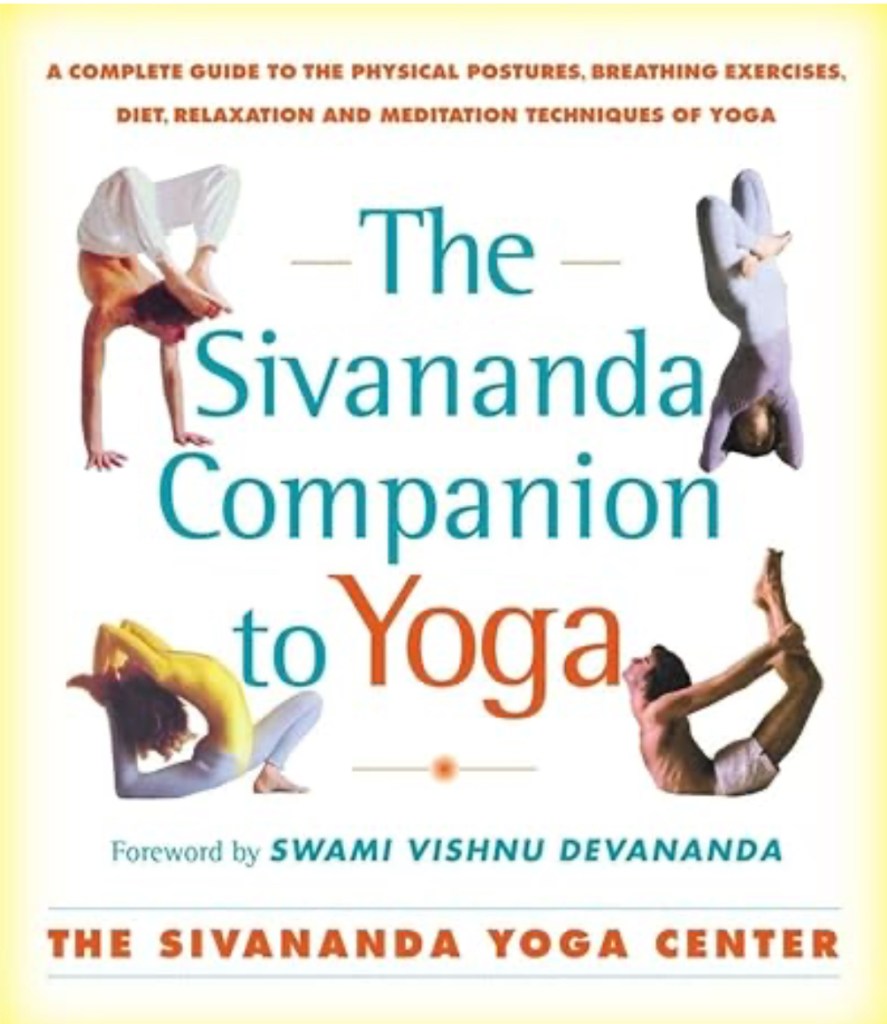
    For those interested in a comprehensive introduction to the practices of yoga, I recommend The Sivananda Companion to Yoga: A Complete Guide to the Physical Postures, Breathing Exercises, Diet, Relaxation, and Meditation Techniques of Yoga. This book offers clear guidance on the foundational aspects of yoga, making it an invaluable resource for anyone looking to deepen their understanding and practice. Take a look at this book on Amazon here.

    🙏🕊️🙏

  • The Power of Mantra, Breath, and Visualization in Meditation

    Introduction:

    Meditation practices are diverse, each offering unique pathways to inner peace, stability, and spiritual growth. One such practice combines the elements of mantra, breath coordination, and visualization. This meditation, while deeply personal, can be adapted to suit individual needs, making it a versatile tool for anyone seeking to deepen their mindfulness practice.

    The Mantra:

    In this meditation, the mantra “God is good, God is great, thank you God,” is used as the central anchor. This mantra serves multiple purposes:

    • Gratitude: It fosters a deep sense of gratitude, which is essential for a joyful and peaceful mind.
    • Faith: The mantra is a declaration of faith, aligning the mind with a higher power and inviting a sense of trust and surrender.
    • Affirmation: Repeating the mantra reinforces positive beliefs and feelings, helping to shift the mind from negativity to positivity.

    Breath Coordination:

    The mantra is coordinated with the breath in the following way:

    • Inhale and Pause: As you inhale, silently repeat the mantra “God is good, God is great, thank you God,” and hold the breath for a moment, allowing the energy of the mantra to permeate your being.
    • Exhale and Pause: As you exhale, repeat the mantra again, holding the breath briefly at the end of the exhale.

    This coordination of breath and mantra serves to:

    • Stabilize the Mind: By focusing on both the breath and the mantra, the mind is less likely to wander, creating a stable mental environment.
    • Deepen Relaxation: The natural rhythm of the breath, combined with the positive energy of the mantra, promotes a state of relaxation and calm.
    • Enhance Focus: The synchronization of breath and mantra helps the practitioner maintain a focused and concentrated mind, essential for progressing into deeper states of meditation.

    Visualization:

    Once the breath and mantra are synchronized and the mind begins to settle, the next step is to introduce a visualization. In this practice, the visualization is of oneself in a perfect apartment, a space that embodies peace, security, and happiness. However, this visualization can be tailored to each individual’s desires and needs.

    Benefits of Visualization:

    • Emotional Connection: Visualization allows the meditator to emotionally connect with their desired outcome, creating a sense of joy and contentment as if it has already been achieved.
    • Manifestation: By vividly imagining a positive outcome, you align your energy with that reality, potentially increasing the likelihood of it manifesting in your life.
    • Integration with Mantra: As the visualization unfolds, the mantra continues to anchor the mind, ensuring that the visualization remains focused and positive.

    Moving Through the Levels of Mind:

    This practice not only stabilizes the vrittis (mental fluctuations) but also guides the mind from ordinary mind (where thoughts and distractions are prevalent) through focused mind (where attention is primarily on the breath and mantra), concentrated mind (where the mantra, breath, and visualization merge into a single point of focus), and finally into meditative mind, where there is a deep sense of peace, joy, and oneness with the visualization.

    Flexibility and Adaptation:
    This meditation is adaptable:

    • Mantra: The mantra can be changed to suit personal beliefs or needs. For example, someone might prefer a Buddhist mantra like “Om Mani Padme Hum” or a simple affirmation like “I am at peace.”
    • Visualization: The visualization can be anything that brings joy and contentment—such as a peaceful beach, a loving relationship, or a successful career.

    Conclusion:

    This meditation practice offers a structured yet flexible approach to deepening one’s meditation experience. By integrating the mantra, breath coordination, and visualization, it allows the practitioner to move from a scattered and ordinary mind to a peaceful and meditative mind. The practice not only enhances focus and relaxation but also opens the door to manifesting one’s desires through the power of positive thinking and gratitude. Whether used as a daily practice or in specific circumstances, this meditation can be a powerful tool for personal growth and spiritual development.

    Next Steps:

    As you begin to incorporate this practice into your routine, notice how it affects your mind’s stability and overall sense of well-being. Feel free to modify the mantra and visualization to better suit your needs, and remember that the ultimate goal is to cultivate a stable, joyful, and peaceful mind.


    Guided Meditation: Mantra, Breath, and Visualization

    1. Get Comfortable: Close your eyes and take a few deep breaths. Let your body relax, releasing any tension you might feel.
    2. Set a Timer: Choose a duration of 10 minutes (or longer, depending on your preference) for this session.
    3. Begin with the Mantra and Breath: As you inhale, silently say, “God is good, God is great, thank you God.” Hold the pause at the top of the inhale, letting the words echo softly within you. As you exhale, repeat the mantra again, “God is good, God is great, thank you God,” holding the pause at the bottom of the exhale. Continue this pattern, letting the mantra and breath flow together.
    4. Stabilize the Mantra and Breath: Allow your mind to synchronize fully with this pattern. Let the mantra guide your breath, and feel your thoughts beginning to settle.
    5. Visualize Your Desired Outcome: Once your breath and mantra are synchronized, begin to visualize yourself in your perfect new apartment. Picture the space, the light, the atmosphere—whatever brings you joy and peace.
    6. Maintain the Visualization with the Mantra: Continue coordinating the mantra with your breath while holding the visualization in your mind. Let the feelings of gratitude, joy, and peace fill you as you imagine living in this new space.
    7. Gently Return: If your mind wanders or you get distracted, simply notice this without judgment and bring your focus back to the mantra and breath. Reaffirm the visualization.
    8. Deepen into the Experience: As you become more stable in this practice, notice the quality of your mind. Are the vrittis (fluctuations) becoming more stable? Is your focus deepening? Allow yourself to rest in this deepening awareness.
    9. End with Gratitude: As the timer nears its end, slowly bring your focus back to the breath alone, letting go of the visualization. Finish the session with a feeling of gratitude, both for the meditation and for the vision of your new apartment.
    10. Rest in Stillness: After the timer ends, spend a few moments just resting in stillness, allowing the peace and calm you’ve cultivated to permeate your being.

    Take your time, and let me know how you feel when you’ve completed the meditation.

    Expanding the Scope of the Meditation Practice

    This meditation practice, while deeply personal, also carries a broader significance. It not only aligns with individual spiritual growth but also encompasses the principles found within the three major streams of Buddhism: Hinayana (Theravada), Mahayana, and Vajrayana.

    1. Hinayana (Theravada):

    At its core, this meditation reflects the principles of personal liberation and inner peace, which are central to the Theravada path. By focusing on cultivating stable vrittis and maintaining awareness through the mantra and breath, practitioners engage in a practice that supports their own journey towards mindfulness and enlightenment.

    2. Mahayana:

    The Mahayana tradition emphasizes the Bodhisattva path, where one’s practice is dedicated not only to personal awakening but also to the liberation of all beings. This meditation extends beyond the self, as the visualization of a peaceful future in your new apartment also symbolizes a positive outcome for humanity as a whole. The intention behind this practice—to benefit others through your writings and presence—embodies the Mahayana spirit of compassion and the aspiration to help all beings find peace and happiness.

    3. Vajrayana:

    Vajrayana practices often involve the use of visualization, mantra recitation, and the transformation of ordinary experiences into opportunities for spiritual growth. This meditation seamlessly integrates these elements, with the mantra, breath coordination, and vivid visualization of your future home creating a powerful and transformative practice. Through this, you transform the present moment and your future reality, embodying the Vajrayana path of utilizing every aspect of life as a means to enlightenment.

    By weaving together these aspects, this meditation becomes a holistic practice that not only supports your personal journey but also contributes to the greater good of all beings. It’s a synthesis of teachings and practices from different traditions, harmonized into a single, powerful meditation that nurtures both individual and collective well-being.

    🙏🕊️🙏

  • The Role of Shadow Work in Spiritual Growth

    In the journey of spiritual growth, one often encounters the need to explore the depths of the self, including the parts that may be hidden or uncomfortable to face. This exploration, known as shadow work, is essential for both psychological healing and spiritual growth. By understanding and integrating these shadow aspects, we move toward a more complete and authentic sense of self.

    Understanding the Shadow

    The concept of the shadow originates from the work of Carl Jung, who described it as the unconscious part of the personality that the conscious mind tends to reject or ignore. These are aspects of ourselves—our fears, desires, and impulses—that we may find uncomfortable or unacceptable. However, the shadow is not limited to what we consider “negative” or “bad.” It also includes latent strengths and positive qualities that have been disowned due to societal or personal conditioning.

    Importantly, the shadow is a specific part of the broader unconscious mind. While the shadow consists of the aspects of ourselves that we have repressed or rejected, the unconscious encompasses much more. The unconscious is the vast, all-encompassing reservoir that includes everything outside of our conscious awareness—both positive and negative, known and unknown. This includes not only disowned aspects of ourselves (the shadow) but also latent talents, creativity, and profound wisdom that we may not yet be aware of.

    The unconscious mind is like a vast repository of knowledge and potential, waiting to be accessed. In contrast, the shadow represents the darker, hidden aspects of the unconscious—those parts of ourselves that we don’t like to acknowledge or have actively pushed away, though it can also include disowned positive qualities.

    Recognizing these shadow aspects allows us to reclaim parts of ourselves that have been disowned or have simply been undiscovered, leading to a more balanced and authentic existence. Embracing the shadow is not just about facing our fears but also about uncovering and integrating the hidden gems within us, fostering a richer, more complete understanding of who we truly are.

    A Cautionary Note on Shadow Work

    While shadow work can be a powerful tool for personal growth and self-awareness, it’s important to approach it with care, especially if you have a history of trauma or intense emotional difficulties. The process of bringing repressed or unconscious aspects of the self into awareness can sometimes evoke strong reactions. For some, this may be manageable and lead to healing. For others, it could feel overwhelming or re-traumatizing.

    If you find that engaging in shadow work brings up intense emotions, distressing memories, or feelings of being overwhelmed, it may be wise to seek support. This could mean talking to a trusted friend or family member, or working with a therapist who can guide you through the process in a safe and supportive environment. Remember, shadow work is not about pushing yourself beyond your limits, but about gently exploring the parts of yourself that are ready to come into the light of awareness.

    Taking these precautions ensures that your journey into shadow work is as safe and constructive as possible, allowing you to integrate these aspects of yourself in a way that promotes healing and growth.

    Processing the Shadow with Forgiveness, Loving-Kindness, and Compassion

    As you begin to uncover and integrate the shadow, it’s natural to encounter discomfort or resistance. These reactions are a part of the process, signaling that you are touching on something important. To support yourself during this journey, it’s essential to cultivate forgiveness, loving-kindness, and compassion—both for yourself and others.

    1. Forgiveness: Understand that the parts of yourself that reside in the shadow were often placed there as a protective mechanism. They were rejected or repressed because, at some point, it felt safer to do so. Forgive yourself for these past decisions, recognizing that you were doing the best you could at the time. Practicing self-forgiveness creates space for healing and reintegration.
    2. Loving-Kindness Meditation: Engage in loving-kindness (Metta) meditation to foster a sense of warmth and compassion toward yourself. Begin by sending loving-kindness to yourself, saying phrases like, “May I be safe, may I be happy, may I be healthy, may I live with ease.” As you progress, extend these feelings toward others, including those who may trigger shadow aspects. This practice helps to soften the heart and create an environment of acceptance.
    3. Compassion: Approach your shadow with gentle curiosity rather than harsh judgment. Recognize that these aspects are part of the human experience and that everyone has a shadow. By meeting these parts of yourself with compassion, you begin to dissolve the barriers of shame and fear that keep the shadow hidden. Compassion allows for a deeper understanding and integration of these elements into your conscious life.

    As you work through your shadow, these tools will help you stay grounded and kind to yourself. Remember that shadow work is not about perfection but about embracing your whole self. By processing these elements with forgiveness, loving-kindness, and compassion, you pave the way for deeper healing and a more authentic, peaceful life.

    Practical Shadow Work

    Engaging in shadow work requires a willingness to face the less comfortable aspects of ourselves with honesty and courage. This process is not about eradicating the shadow but about bringing it into the light of awareness so that it can be integrated into our conscious experience. Here are some practical steps to begin the process:

    1. Journaling: Write freely about your thoughts, feelings, and reactions to daily events. Pay attention to recurring themes, emotional triggers, and patterns that may point to shadow aspects. Reflect on situations where you felt a strong emotional response—what might they reveal about hidden parts of yourself?
    2. Meditation: Use meditation to observe your thoughts and emotions without judgment. As you sit in stillness, allow whatever arises to come into your awareness. Notice any resistance or discomfort, and explore what these feelings might be connected to in your subconscious.
    3. Reflection: Spend time contemplating your reactions and behaviors in relationships and interactions. Are there qualities in others that you strongly dislike or admire? These can be clues to your own shadow, reflecting traits you may be denying in yourself.
    4. Dream Analysis: Dreams are a direct window into the unconscious. Keep a dream journal and look for recurring symbols, themes, or figures. Analyzing these elements can help you uncover hidden aspects of your psyche.

    By incorporating these practices into your routine, you can gradually bring the shadow into consciousness, where it can be understood, accepted, and integrated. Shadow work is an ongoing process that deepens over time, leading to a more balanced and authentic sense of self.

    Integrating the Shadow

    The goal of shadow work is not to eliminate the shadow but to integrate it into your conscious awareness. Integration involves accepting your shadow without judgment, recognizing that these aspects are part of the human experience. By doing so, you transform what was once a source of inner conflict into a source of strength and insight.

    When the shadow is integrated, it becomes a wellspring of creativity, energy, and authenticity. You may find that you have greater compassion for yourself and others, less reactivity in challenging situations, and an increased sense of inner peace. The process of integration allows you to embrace all parts of who you are, leading to a more complete and harmonious sense of self.

    By integrating the shadow, you move closer to wholeness. This wholeness is not about perfection but about being fully present with all aspects of yourself, both light and dark. It’s about recognizing that every part of you has value and contributes to the richness of your life experience.

    🙏🕊️🙏