Tag: Relaxation techniques

  • The Power of Mantra, Breath, and Visualization in Meditation

    Introduction:

    Meditation practices are diverse, each offering unique pathways to inner peace, stability, and spiritual growth. One such practice combines the elements of mantra, breath coordination, and visualization. This meditation, while deeply personal, can be adapted to suit individual needs, making it a versatile tool for anyone seeking to deepen their mindfulness practice.

    The Mantra:

    In this meditation, the mantra “God is good, God is great, thank you God,” is used as the central anchor. This mantra serves multiple purposes:

    • Gratitude: It fosters a deep sense of gratitude, which is essential for a joyful and peaceful mind.
    • Faith: The mantra is a declaration of faith, aligning the mind with a higher power and inviting a sense of trust and surrender.
    • Affirmation: Repeating the mantra reinforces positive beliefs and feelings, helping to shift the mind from negativity to positivity.

    Breath Coordination:

    The mantra is coordinated with the breath in the following way:

    • Inhale and Pause: As you inhale, silently repeat the mantra “God is good, God is great, thank you God,” and hold the breath for a moment, allowing the energy of the mantra to permeate your being.
    • Exhale and Pause: As you exhale, repeat the mantra again, holding the breath briefly at the end of the exhale.

    This coordination of breath and mantra serves to:

    • Stabilize the Mind: By focusing on both the breath and the mantra, the mind is less likely to wander, creating a stable mental environment.
    • Deepen Relaxation: The natural rhythm of the breath, combined with the positive energy of the mantra, promotes a state of relaxation and calm.
    • Enhance Focus: The synchronization of breath and mantra helps the practitioner maintain a focused and concentrated mind, essential for progressing into deeper states of meditation.

    Visualization:

    Once the breath and mantra are synchronized and the mind begins to settle, the next step is to introduce a visualization. In this practice, the visualization is of oneself in a perfect apartment, a space that embodies peace, security, and happiness. However, this visualization can be tailored to each individual’s desires and needs.

    Benefits of Visualization:

    • Emotional Connection: Visualization allows the meditator to emotionally connect with their desired outcome, creating a sense of joy and contentment as if it has already been achieved.
    • Manifestation: By vividly imagining a positive outcome, you align your energy with that reality, potentially increasing the likelihood of it manifesting in your life.
    • Integration with Mantra: As the visualization unfolds, the mantra continues to anchor the mind, ensuring that the visualization remains focused and positive.

    Moving Through the Levels of Mind:

    This practice not only stabilizes the vrittis (mental fluctuations) but also guides the mind from ordinary mind (where thoughts and distractions are prevalent) through focused mind (where attention is primarily on the breath and mantra), concentrated mind (where the mantra, breath, and visualization merge into a single point of focus), and finally into meditative mind, where there is a deep sense of peace, joy, and oneness with the visualization.

    Flexibility and Adaptation:
    This meditation is adaptable:

    • Mantra: The mantra can be changed to suit personal beliefs or needs. For example, someone might prefer a Buddhist mantra like “Om Mani Padme Hum” or a simple affirmation like “I am at peace.”
    • Visualization: The visualization can be anything that brings joy and contentment—such as a peaceful beach, a loving relationship, or a successful career.

    Conclusion:

    This meditation practice offers a structured yet flexible approach to deepening one’s meditation experience. By integrating the mantra, breath coordination, and visualization, it allows the practitioner to move from a scattered and ordinary mind to a peaceful and meditative mind. The practice not only enhances focus and relaxation but also opens the door to manifesting one’s desires through the power of positive thinking and gratitude. Whether used as a daily practice or in specific circumstances, this meditation can be a powerful tool for personal growth and spiritual development.

    Next Steps:

    As you begin to incorporate this practice into your routine, notice how it affects your mind’s stability and overall sense of well-being. Feel free to modify the mantra and visualization to better suit your needs, and remember that the ultimate goal is to cultivate a stable, joyful, and peaceful mind.


    Guided Meditation: Mantra, Breath, and Visualization

    1. Get Comfortable: Close your eyes and take a few deep breaths. Let your body relax, releasing any tension you might feel.
    2. Set a Timer: Choose a duration of 10 minutes (or longer, depending on your preference) for this session.
    3. Begin with the Mantra and Breath: As you inhale, silently say, “God is good, God is great, thank you God.” Hold the pause at the top of the inhale, letting the words echo softly within you. As you exhale, repeat the mantra again, “God is good, God is great, thank you God,” holding the pause at the bottom of the exhale. Continue this pattern, letting the mantra and breath flow together.
    4. Stabilize the Mantra and Breath: Allow your mind to synchronize fully with this pattern. Let the mantra guide your breath, and feel your thoughts beginning to settle.
    5. Visualize Your Desired Outcome: Once your breath and mantra are synchronized, begin to visualize yourself in your perfect new apartment. Picture the space, the light, the atmosphere—whatever brings you joy and peace.
    6. Maintain the Visualization with the Mantra: Continue coordinating the mantra with your breath while holding the visualization in your mind. Let the feelings of gratitude, joy, and peace fill you as you imagine living in this new space.
    7. Gently Return: If your mind wanders or you get distracted, simply notice this without judgment and bring your focus back to the mantra and breath. Reaffirm the visualization.
    8. Deepen into the Experience: As you become more stable in this practice, notice the quality of your mind. Are the vrittis (fluctuations) becoming more stable? Is your focus deepening? Allow yourself to rest in this deepening awareness.
    9. End with Gratitude: As the timer nears its end, slowly bring your focus back to the breath alone, letting go of the visualization. Finish the session with a feeling of gratitude, both for the meditation and for the vision of your new apartment.
    10. Rest in Stillness: After the timer ends, spend a few moments just resting in stillness, allowing the peace and calm you’ve cultivated to permeate your being.

    Take your time, and let me know how you feel when you’ve completed the meditation.

    Expanding the Scope of the Meditation Practice

    This meditation practice, while deeply personal, also carries a broader significance. It not only aligns with individual spiritual growth but also encompasses the principles found within the three major streams of Buddhism: Hinayana (Theravada), Mahayana, and Vajrayana.

    1. Hinayana (Theravada):

    At its core, this meditation reflects the principles of personal liberation and inner peace, which are central to the Theravada path. By focusing on cultivating stable vrittis and maintaining awareness through the mantra and breath, practitioners engage in a practice that supports their own journey towards mindfulness and enlightenment.

    2. Mahayana:

    The Mahayana tradition emphasizes the Bodhisattva path, where one’s practice is dedicated not only to personal awakening but also to the liberation of all beings. This meditation extends beyond the self, as the visualization of a peaceful future in your new apartment also symbolizes a positive outcome for humanity as a whole. The intention behind this practice—to benefit others through your writings and presence—embodies the Mahayana spirit of compassion and the aspiration to help all beings find peace and happiness.

    3. Vajrayana:

    Vajrayana practices often involve the use of visualization, mantra recitation, and the transformation of ordinary experiences into opportunities for spiritual growth. This meditation seamlessly integrates these elements, with the mantra, breath coordination, and vivid visualization of your future home creating a powerful and transformative practice. Through this, you transform the present moment and your future reality, embodying the Vajrayana path of utilizing every aspect of life as a means to enlightenment.

    By weaving together these aspects, this meditation becomes a holistic practice that not only supports your personal journey but also contributes to the greater good of all beings. It’s a synthesis of teachings and practices from different traditions, harmonized into a single, powerful meditation that nurtures both individual and collective well-being.

    🙏🕊️🙏
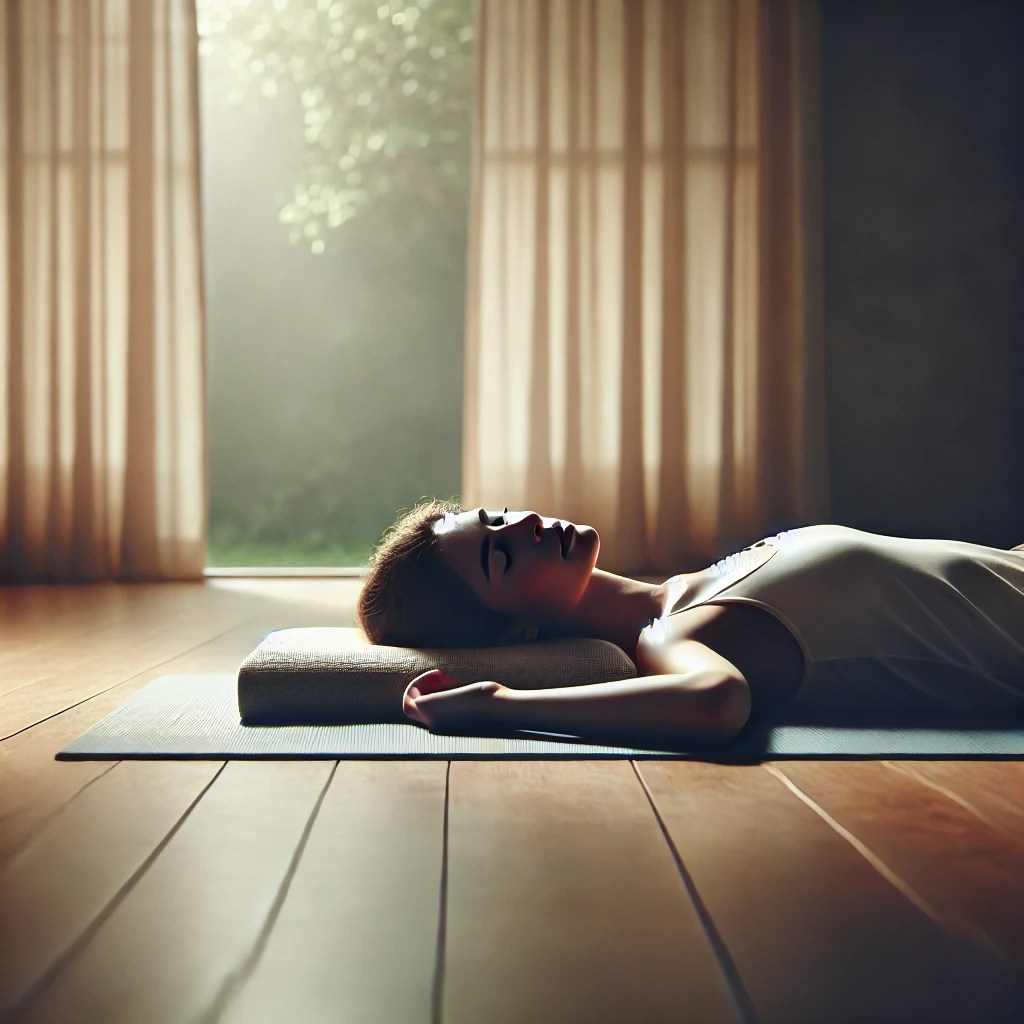
  • Yoga Nidra for Chronic Fatigue Syndrome (ME/CFS): A Gentle Practice for Deep Rest and Healing

    Yoga Nidra for Chronic Fatigue Syndrome (ME/CFS): A Gentle Practice for Deep Rest and Healing

    Before You Begin

    Welcome, dear reader. If you’ve found yourself here, it may be because you’re looking for something gentle, something that can hold you with care amidst the challenges you face. Living with Myalgic Encephalomyelitis/Chronic Fatigue Syndrome (ME/CFS) often means navigating a delicate path where the balance between activity and rest isn’t just important—it’s essential.

    Yoga Nidra offers a unique kind of rest, one that reaches deep into the layers of your being, allowing both body and mind to relax in a way that ordinary sleep might not always provide. But before we dive into this practice, I invite you to pause. How are you feeling right now? If you notice any weariness, perhaps take a moment. Close your eyes, take a few deep breaths, and come back when you’re ready. Remember, there’s no rush here.

    As you consider exploring Yoga Nidra, please remember that this is your journey, unfolding at your own pace. Yoga Nidra invites you into a state of profound relaxation without physical effort, offering a deeply restful experience. For those of us living with ME/CFS, however, even rest can sometimes require a delicate balance.

    If you’re new to this practice, consider beginning with just a few minutes, allowing yourself to ease into the feeling of deep rest. Pause whenever you need, honoring your body’s unique rhythms and knowing that each moment of relaxation, however brief, can be truly nourishing.

    This is a sanctuary of ease—no need to strive. May Yoga Nidra offer you a gentle space of rest, a place to be held in care as you navigate your path toward healing and peace.

    What is Yoga Nidra?

    Yoga Nidra, often lovingly referred to as “yogic sleep,” is a form of guided meditation that gently leads you into a state of deep relaxation while your consciousness remains softly awake. Imagine being held in a place where you can let go of everything, where you can rest deeply without the need to do anything at all. This practice doesn’t ask for effort; it only invites you to allow yourself to be.

    For those living with ME/CFS, Yoga Nidra can offer a sanctuary—a place to replenish your energy, soothe your nervous system, and find a sense of peace that might feel elusive in daily life. But dear friend, I encourage you to take this in slowly. Perhaps read a little, then pause to check in with how you’re feeling. Let these words settle in their own time, just as you would allow a gentle rain to soak into the earth.

    Why Yoga Nidra is Beneficial for ME/CFS

    Yoga Nidra allows you to experience the kind of deep rest that typically takes much longer to achieve. Even just a few minutes can leave you feeling more refreshed, which is especially valuable when energy is limited. Living with ME/CFS often leaves the nervous system in a heightened state of alertness, contributing to stress and fatigue. Yoga Nidra gently guides the body into a state of calm, helping to reduce that background tension and allowing true relaxation to unfold.

    In the stillness of Yoga Nidra, the body’s natural healing processes are supported, fostering recovery and building resilience over time. This deep relaxation can be a powerful tool for anyone managing the ongoing challenges of ME/CFS. Whether you’re lying down in bed, on a yoga mat, or resting in a comfortable chair, Yoga Nidra is a practice that adapts to you. It requires no physical exertion—only the willingness to rest.

    Again, check in with yourself. How is your energy now? This is your journey, and it’s important to honor the pace that feels right for you.

    A Simple Yoga Nidra Practice for ME/CFS

    When you feel ready, I invite you to explore this gentle introduction to Yoga Nidra. This practice is designed to be brief and nurturing, offering you a moment of respite in your day.

    Preparation:

       •   Find a quiet, comfortable place where you can lie down. Perhaps you’re already there, in which case, simply settle in a bit more. Use a yoga mat, a blanket, or your bed—whatever feels best for you.
       •   Make sure you’re warm and comfortable. The body cools down when deeply relaxed, so a light blanket might be nice.
       •   Close your eyes, and take a few deep breaths. Let the day’s weight melt away.

    Guided Practice:

    1. Settle In: As you lie here, notice the contact points between your body and the surface beneath you. Feel supported, as though the earth is holding you gently. Allow your body to become heavy, fully surrendering to gravity.
    2. Breath Awareness (2-3 minutes): Bring your attention to your breath, without changing its rhythm. Simply observe the air as it flows in and out. With each exhale, imagine your body softening further, releasing any tension it may hold.
    3. Body Scan (3-5 minutes): Slowly, bring your awareness to different parts of your body, starting at your feet and working your way up to your head. As you focus on each part, imagine it being completely relaxed. If your time is limited, you might focus on just the major areas like your legs, torso, arms, and head.
    4. Sankalpa (Intention) (1-2 minutes): Silently repeat a positive intention or affirmation. It could be as simple as “I am relaxing,” or “I am releasing,” or “I am letting go.” Let this intention resonate with you as you repeat it a few times.
    5. Visualization (2-3 minutes): Picture a peaceful place—a sanctuary where you feel safe and relaxed. This could be a real location or an imagined one. Spend a few moments here, soaking in the tranquility. Let it fill you up.
    6. Return (1-2 minutes): Gradually bring your awareness back by deepening your breath. Gently move your fingers and toes. When you’re ready, slowly open your eyes, taking your time before getting up.

    How to Incorporate Yoga Nidra into Your Day

    As you move through your day, there are moments when you might feel the need to pause and restore. Yoga Nidra can become a trusted companion during these times.

    For instance, you might find that taking a few minutes for Yoga Nidra during short breaks throughout your day helps you to refresh your energy and reduce fatigue. Imagine pausing for just 5-10 minutes, allowing the deep rest of Yoga Nidra to rejuvenate your mind and body, making it easier to manage the day’s demands.

    In the evening, as you prepare for sleep, Yoga Nidra can also serve as a gentle transition into the night. Practicing before bed can help improve the quality of your sleep, which is often disrupted by ME/CFS. Picture yourself easing into a restful night, with Yoga Nidra setting the stage for better recovery and deeper rest.

    And then there are those moments when life feels overwhelming—when exhaustion seems to take over. In these times, taking a few minutes for Yoga Nidra can help reset your mind and body, offering a way to find calm amidst the storm. This practice can be like a comforting hand on your shoulder, guiding you back to a place of peace.

    As you explore how Yoga Nidra fits into your day, remember to be kind to yourself. You don’t need to do everything at once. Perhaps try one of these suggestions and see how it feels. The journey of healing is often made up of small, gentle steps.

    Dear reader, Yoga Nidra is more than just a practice—it’s a sanctuary where you can find rest, healing, and peace. For those living with Myalgic Encephalomyelitis/Chronic Fatigue Syndrome (ME/CFS), it offers a way to embrace rest as a form of self-care, helping you manage your energy and enhance your well-being. Remember, there’s no need to rush. This is your journey, and you’re exactly where you need to be.

    Explore Yoga Nidra Through a Guided Meditation Video

    If you’re interested in experiencing a guided Yoga Nidra practice, I’ve found a wonderful 30 minute video that can help you relax and restore your energy. This video offers a calming, step-by-step journey through a Yoga Nidra meditation, perfect for those moments when you need a deeper rest.

    The video begins with instructions to find a quiet place where you won’t be disturbed. You’re guided to get into a comfortable position on your back, with knees slightly apart and arms resting away from your body, palms up. As you close your eyes, you’ll be invited to take a deep relaxing breath, setting the stage for relaxation.

    The instructor suggests using the mantra OM during this lesson. OM is simply a sacred sound that is often used in meditation to help focus the mind and create a sense of peace and connection with the divine.

    The heart of the meditation is a detailed body scan, where the instructor gently guides your awareness to different parts of your body, allowing each to relax fully.

    The meditation concludes with gentle instructions to begin moving your fingers and toes, rolling your head from side to side, and stretching your body.

    Watch a Video

    The vides below is just some the many Yoga Nidra videos online of and are a good place to start. There are countless Yoga Nidra videos on YouTube, each offered by different instructors. Take your time exploring until you discover the ones that resonate best with you.

    The occasional Yoga Nidra session can be a relaxing and rejuvenating experience, helping you reduce stress, improve sleep, and promote overall well-being whenever you feel the need for a deep, restorative rest. May this practice bring you peace and renewal, gently supporting your journey toward greater well-being.

    This yoga Nidra for insomnia will take you easily into a light hypnagogic state and then down into a deep state of sleep.

    Learn more about ME, get involved in support, advocacy, and activism at www.meaction.net

    🙏🕊️🙏

  • Introduction to Yoga Nidra: The Path of Deep Relaxation and Conscious Awareness

    Yoga Nidra, often called “yogic sleep,” is a powerful meditation practice that guides you into a state of deep relaxation while maintaining a sense of conscious awareness. Unlike traditional meditation practices that require focused concentration, Yoga Nidra invites you to relax completely, allowing the body and mind to rest deeply while the consciousness remains awake and alert. This practice is a journey into the inner landscape, where profound healing, insight, and spiritual awakening can occur.

    Though it is named “yogic sleep,” Yoga Nidra is far more than just a relaxation technique. It is a systematic method of inducing complete physical, mental, and emotional relaxation, where the practitioner enters a state between waking and sleeping. In this state, the mind becomes highly receptive, making it possible to release deep-seated tensions, uncover subconscious patterns, and access a deeper understanding of the self.

    For those living with chronic conditions, such as post-viral Myalgic Encephalomyelitis/Chronic Fatigue Syndrome (ME/CFS), this practice holds even greater significance. ME/CFS often leaves the nervous system in a heightened state of alertness, causing deep fatigue, poor sleep, and ongoing stress. Yoga Nidra, with its emphasis on rest and recovery, can provide a sanctuary for those navigating these challenges—a space to gently replenish energy and find balance amidst the weariness.

    In this blog series, we’ll explore the practice of Yoga Nidra and how it can serve as a powerful tool for healing and spiritual growth.

    As we embark together on this journey of discovery and reflection, I warmly invite you to join me in exploring the depths of these ancient practices and teachings. Let this space be a sanctuary where we meet not just as seekers, but as companions on the path—a place where the wisdom of the ages can gently unfold within our lives.

    If these words and practices speak to something within you, if they stir a quiet longing or bring a sense of peace, I encourage you to subscribe to this blog. By doing so, you’ll be the first to know as new installments of our shared journey are published. It is my hope that each post will resonate with you, offering insights and comfort as we continue to explore these profound teachings together.

    🙏🕊️🙏

  • Optimizing Sleep for ME/CFS: Strategies for Restorative Rest and Well-being

    Improving Sleep Quality for Individuals with ME/CFS

    Living with ME/CFS presents unique challenges, especially when it comes to achieving restorative sleep. Good sleep hygiene is essential for managing symptoms and enhancing overall well-being. Here, we explore various strategies to improve sleep quality for those with ME/CFS, including maintaining proper sleep hygiene, maximizing deep sleep, enhancing sleep continuity, harnessing the power of relaxation techniques, and accessing the parasympathetic mode during sleep.

    Sleep Hygiene for ME/CFS

    Sleep hygiene refers to practices and habits that promote good sleep quality. For those of us living with ME/CFS, adopting proper sleep hygiene can be especially beneficial. These practices include:

    1. Maintaining a Consistent Sleep Schedule: Go to bed and wake up at the same time every day, even on weekends.
    2. Creating a Comfortable Sleep Environment: Ensure your bedroom is cool, quiet, and dark. Consider using earplugs, an eye mask, or a white noise machine if needed.
    3. Avoiding Stimulating Activities Before Bed: Refrain from engaging in activities that can keep you alert, such as vigorous exercise, consuming caffeine, or watching exciting TV shows.
    4. Limiting Exposure to Electronic Devices: Reduce screen time from phones, computers, and TVs at least an hour before bed, as the blue light emitted can interfere with sleep.
    5. Practicing Relaxation Techniques: Techniques such as deep breathing, meditation, or gentle yoga can help calm your mind and prepare your body for sleep.

    By following these guidelines, individuals with ME/CFS can improve sleep quality, reduce disturbances, and enhance overall restorative rest. Practicing effective sleep hygiene, along with heart rate monitoring, can effectively improve overall well-being and minimize flare-ups.

    The Significance of Deep Sleep for Individuals with ME/CFS

    Deep sleep, also referred to as slow-wave sleep, is essential for the restoration and repair of the body. For people with ME/CFS, deep sleep is particularly crucial as it aids in physical recovery, immune system regulation, and energy replenishment. By maximizing deep sleep, individuals with ME/CFS can experience reduced fatigue, improved physical well-being, and enhanced overall health. Strategies that promote deep sleep, such as maintaining a comfortable sleep environment and practicing relaxation techniques, can have a profound impact on managing ME/CFS symptoms.

    Enhancing Sleep Continuity for Better Well-being in ME/CFS

    Sleep continuity, which refers to uninterrupted and consolidated sleep, is of utmost importance for individuals with ME/CFS. Poor sleep continuity can worsen symptoms, such as fatigue and brain fog, and disrupt the body’s restorative processes. Establishing healthy sleep habits, maintaining a consistent sleep schedule, and creating a relaxing pre-sleep routine can help improve sleep continuity in individuals with ME/CFS. By prioritizing sleep continuity, individuals can experience more restful and rejuvenating sleep, leading to increased energy levels and improved daily functioning.

    Harnessing the Power of Relaxation Techniques Before Sleep

    For those of us with ME/CFS, incorporating relaxation techniques before sleep can be highly beneficial. Practices such as deep breathing, progressive muscle relaxation, and guided imagery can help calm the mind, reduce physical tension, and promote a sense of relaxation and tranquility. By engaging in these techniques before sleep, individuals with ME/CFS can facilitate a smoother transition into sleep, reduce anxiety or racing thoughts, and enhance overall sleep quality. Integrating relaxation techniques into a bedtime routine can contribute to improved sleep and a more restorative night’s rest.

    The Importance of the “REST & DIGEST & HEALING” Mode During Sleep for Those of Us with ME/CFS

    Accessing the parasympathetic mode during sleep holds significant importance for individuals with ME/CFS. The parasympathetic nervous system is responsible for the body’s rest and digest response, promoting relaxation, recovery, and healing. By fostering a parasympathetic state during sleep, individuals with ME/CFS can enhance the body’s regenerative processes, support immune system function, and promote overall well-being. Practicing relaxation techniques, optimizing the sleep environment, and prioritizing self-care can facilitate the activation of the parasympathetic mode during sleep, leading to improved sleep quality and better management of ME/CFS symptoms.

    By integrating these practices into daily routines, individuals with ME/CFS can significantly improve their sleep quality and overall well-being. Remember, small consistent changes can make a big difference in managing symptoms and enhancing the quality of life.

    May we all find peace, joy, and well-being as we navigate life with ME/CFS. 🙏

  • Serenity Flow: Whole Body Breathing

    Advanced Level Exercise


    Legal Stuff: Before beginning this exercise, please be aware that by proceeding, you are acknowledging that you have consulted with your physician and are cleared to engage in new physical activities. This exercise program is intended for informational purposes only and does not constitute medical advice. You should not start any new exercise regimen without professional medical evaluation and approval. By continuing, you agree to assume all risks associated with participating in this exercise and release the creator from any liability related to injury or health issues that may arise.

    Serenity Flow: Whole Body Breathing


    Begin by lying comfortably on your back in bed, allowing your body to relax into the mattress. Take a moment to settle in, feeling the support beneath you. Close your eyes and take a deep breath in, letting it out slowly, releasing any tension.

    First Variation: Turning Head Right and Left

    Inhale: As you breathe in, turn your head gently to the right. Open your face wide into a lion’s face, opening your eyes wide and stretching your mouth open. At the same time, extend your hands fully, spreading your fingers wide. Feel the stretch across your face and hands. Hold this position for a moment, feeling the expansion.

    Hold: Pause here, holding your breath gently for a few seconds. Feel the energy and openness in your body.

    Exhale: Now, slowly turn your head to the left, puckering your lips as if blowing out a candle. Close your eyes tightly and make a tight fist with both hands. Hold this position for a moment, feeling the intensity.

    Hold: Pause here, holding your breath gently for a few seconds. Feel the tension and focus in your body.

    Repeat: Continue this cycle, moving mindfully and slowly.

    Inhale: As you breathe in, turn your head gently to the right. Open your face wide into a lion’s face, opening your eyes wide and stretching your mouth open. At the same time, extend your hands fully, spreading your fingers wide. Feel the stretch across your face and hands. Hold this position for a moment, feeling the expansion.

    Hold: Pause here, holding your breath gently for a few seconds. Feel the energy and openness in your body.

    Exhale: Now, slowly turn your head to the left, puckering your lips as if blowing out a candle. Close your eyes tightly and make a tight fist with both hands. Hold this position for a moment, feeling the intensity.

    Hold: Pause here, holding your breath gently for a few seconds. Feel the tension and focus in your body.

    Repeat: Continue this cycle, moving mindfully and slowly.

    Inhale: As you breathe in, turn your head gently to the right. Open your face wide into a lion’s face, opening your eyes wide and stretching your mouth open. At the same time, extend your hands fully, spreading your fingers wide. Feel the stretch across your face and hands. Hold this position for a moment, feeling the expansion.

    Hold: Pause here, holding your breath gently for a few seconds. Feel the energy and openness in your body.

    Exhale: Now, slowly turn your head to the left, puckering your lips as if blowing out a candle. Close your eyes tightly and make a tight fist with both hands. Hold this position for a moment, feeling the intensity.

    Hold: Pause here, holding your breath gently for a few seconds. Feel the tension and focus in your body.

    Repeat: Continue this cycle, moving mindfully and slowly.

    • Inhale: Turn your head to the right, lion face, open eyes, extend fingers.
    • Hold: Pause and feel the expansion.
    • Exhale: Turn your head to the left, pucker lips, close eyes, make tight fists.
    • Hold: Pause and feel the tension.
    • Inhale: Turn your head to the right, lion face, open eyes, extend fingers.
    • Hold: Pause and feel the expansion.
    • Exhale: Turn your head to the left, pucker lips, close eyes, make tight fists.
    • Hold: Pause and feel the tension.
    • Inhale: Turn your head to the right, lion face, open eyes, extend fingers.
    • Hold: Pause and feel the expansion.
    • Exhale: Turn your head to the left, pucker lips, close eyes, make tight fists.
    • Hold: Pause and feel the tension.

    Second Variation: Flexion and Extension of Neck and Pelvis

    Inhale: While breathing in, gently extend your neck backward, lifting your chin slightly. At the same time, arch your pelvis upward, creating a gentle extension in your spine. Open your face into a lion’s face, opening your eyes wide and stretching your mouth open, and extend your hands fully, spreading your fingers wide. Feel the stretch across your face, neck, spine, and hands. Hold this position for a moment, feeling the expansion.

    Hold: Pause here, holding your breath gently for a few seconds. Feel the energy and openness in your body.

    Exhale: As you breathe out, gently flex your neck forward, tucking your chin slightly. Allow your pelvis to sink down, creating a gentle flexion in your spine. Pucker your lips as if blowing out a candle, close your eyes tightly, and make a tight fist with both hands. Hold this position for a moment, feeling the intensity.

    Hold: Pause here, holding your breath gently for a few seconds. Feel the tension and focus in your body.

    Repeat: Continue this cycle, moving mindfully and slowly.

    Inhale: While breathing in, gently extend your neck backward, lifting your chin slightly. At the same time, arch your pelvis upward, creating a gentle extension in your spine. Open your face into a lion’s face, opening your eyes wide and stretching your mouth open, and extend your hands fully, spreading your fingers wide. Feel the stretch across your face, neck, spine, and hands. Hold this position for a moment, feeling the expansion.

    Hold: Pause here, holding your breath gently for a few seconds. Feel the energy and openness in your body.

    Exhale: As you breathe out, gently flex your neck forward, tucking your chin slightly. Allow your pelvis to sink down, creating a gentle flexion in your spine. Pucker your lips as if blowing out a candle, close your eyes tightly, and make a tight fist with both hands. Hold this position for a moment, feeling the intensity.

    Hold: Pause here, holding your breath gently for a few seconds. Feel the tension and focus in your body.

    Repeat: Continue this cycle, moving mindfully and slowly.

    Inhale: While breathing in, gently extend your neck backward, lifting your chin slightly. At the same time, arch your pelvis upward, creating a gentle extension in your spine. Open your face into a lion’s face, opening your eyes wide and stretching your mouth open, and extend your hands fully, spreading your fingers wide. Feel the stretch across your face, neck, spine, and hands. Hold this position for a moment, feeling the expansion.

    Hold: Pause here, holding your breath gently for a few seconds. Feel the energy and openness in your body.

    Exhale: As you breathe out, gently flex your neck forward, tucking your chin slightly. Allow your pelvis to sink down, creating a gentle flexion in your spine. Pucker your lips as if blowing out a candle, close your eyes tightly, and make a tight fist with both hands. Hold this position for a moment, feeling the intensity.

    Hold: Pause here, holding your breath gently for a few seconds. Feel the tension and focus in your body.

    Repeat: Continue this cycle, moving mindfully and slowly.

    • Inhale: Extend your neck and pelvis, lion face, open eyes, extend fingers.
    • Hold: Pause and feel the expansion.
    • Exhale: Flex your neck and pelvis, pucker lips, close eyes, make tight fists.
    • Hold: Pause and feel the tension.
    • Inhale: Extend your neck and pelvis, lion face, open eyes, extend fingers.
    • Hold: Pause and feel the expansion.
    • Exhale: Flex your neck and pelvis, pucker lips, close eyes, make tight fists.
    • Hold: Pause and feel the tension.
    • Inhale: Extend your neck and pelvis, lion face, open eyes, extend fingers.
    • Hold: Pause and feel the expansion.
    • Exhale: Flex your neck and pelvis, pucker lips, close eyes, make tight fists.
    • Hold: Pause and feel the tension.

    Continue for several minutes, alternating between the two variations as you feel comfortable. Move slowly and mindfully with each breath. When you are ready to finish, bring your body back to a neutral position, resting comfortably. Take a few final deep breaths, allowing your body to relax completely. Open your eyes when you are ready, feeling refreshed and centered.

    Reflection & Contemplation

    Here are a few meaningful questions for you to reflect on your experience of doing this exercise:

    1. How did your body respond to the gentle movements and coordinated breathing in this exercise?
    2. Did you notice any areas of tension or discomfort in your body? How did these sensations change throughout the exercise?
    3. What emotions or thoughts surfaced during the practice? How did you address them?
    4. How did the combination of stretching and breath control affect your sense of relaxation and presence?
    5. After completing the exercise, do you feel a difference in your overall energy and mood?
    6. Were there any particular movements or positions that felt especially beneficial or challenging for you? Why do you think that is?
    7. How does this practice compare to other mindfulness or movement exercises you have tried?
    8. What insights or new awareness did you gain about your body and breath through this exercise?

    Reflecting on these questions can deepen your understanding and enhance the benefits of your practice. Please feel free to share your experience, Reflections insights and/or questions in the comments section below.

    thank you for sharing

    🙏🕊️🙏