Tag: Mindfulness

  • Imagining Movement: An Introduction to Gentle Exercise for Those Living With Post-Viral ME/CFS

    When living with post-viral ME/CFS, exercise can seem like an impossible dream. For many, the simple act of getting out of bed can take monumental effort, let alone the thought of stepping into a gym. However, there are ways to gently integrate physical activity into your life without exacerbating symptoms—and these steps don’t necessarily start with physical movement. Sometimes, they begin in the mind. This blog series will explore how to approach fitness slowly and mindfully, honoring the energy envelope you have, while cultivating a connection with your body through imagination and gentle progression.

    Step 1: Imagining Your Workout While Resting

    There was a time when I could only imagine going to the gym. Lying in bed, too fatigued to move, I would close my eyes and visualize walking through the doors, feeling the cool air, hearing the gentle hum of machines, and seeing people engaged in their routines. While my body was still, my mind could practice moving. This visualization became the first step in reclaiming my relationship with exercise.

    When you’re living with moderate to severe post-viral ME/CFS, physical movement may not always be possible, but visualization is a powerful tool. Research has shown that imagining movement can activate similar pathways in the brain as actual movement. This means that even on days when physical movement is impossible, you can begin your fitness journey by lying down and visualizing yourself working out. Imagine yourself lifting weights, stretching, or walking on a treadmill at a slow, gentle pace.

    This is a form of mental exercise that can help reduce the fear or mental barriers around exercise while helping you develop a sense of routine. It’s about creating a safe space where movement feels possible—even if it’s just in your mind.

    Step 2: Visiting the Gym Without Working Out

    As my energy increased slightly, my next step was simply driving to the gym. But I wasn’t going in just yet. I would park in the lot and sit in my car, looking at the building and feeling the atmosphere from the outside. This might sound small, but this was a victory in itself.

    For those with post-viral ME/CFS, even getting dressed and leaving the house can be an accomplishment. Driving to the gym without the pressure to perform is a gentle way to integrate fitness back into your life. By sitting in the parking lot, you are allowing your mind and body to adjust to the idea of visiting the gym as a place of healing, rather than a place of exhaustion.

    On the next level, once I became more comfortable, I would enter the gym—but not to work out. Instead, I would bring a book, find a comfortable spot, and simply spend time in the environment. I was surrounded by the energy of others exercising, but without the pressure to join in. Being in that space helped me to feel like part of a community, even if my workout looked different from everyone else’s.

    This slow exposure allowed me to rebuild my confidence and develop a positive association with the gym, where it became a place of nourishment rather than stress. If you’re living with post-viral ME/CFS, these small steps are monumental and can be celebrated as progress.

    Step 3: Moving with Mindfulness

    Eventually, there came a day when I could engage in some light movement—whether it was stretching, walking slowly on a treadmill, or using a set of light dumbbells. By this point, my relationship with exercise had changed. I no longer approached it as something that required hard effort, but instead as a way to gently connect with my body and breath.

    If you are ready to move beyond visualization and sitting at the gym, the key is to start slow and be mindful of your energy limits. Use light weights or resistance bands if you have them at home, or practice simple, controlled movements that a physical therapist may have recommended. The goal here is not to push your limits, but to move with awareness and take breaks as needed.

    Step 4: Having Equipment at Home

    If getting to the gym is not feasible due to symptoms or energy limits, you can still work on gentle movement at home. Investing in a few basic tools like resistance bands or light dumbbells allows you to incorporate mindful exercise into your day. Start with very low repetitions and listen to your body—your energy level may change from day to day.

    Using these tools at home creates a bridge to more regular movement, without the added strain of commuting or dealing with external stimuli. It also gives you more control over your environment, which is especially important for those dealing with fluctuating energy levels.

    Progress, Not Perfection

    For those with post-viral ME/CFS, it’s essential to remember that progress is deeply personal and non-linear. Some days, even the thought of exercise may be overwhelming, and that’s okay. Other days, simply walking into the gym or using a resistance band at home might feel like a huge accomplishment. Both are equally valid.

    Final Thoughts: A Compassionate Approach to Exercise

    Living with post-viral ME/CFS means that you must approach fitness with compassion and patience. Your fitness journey doesn’t have to look like anyone else’s. It doesn’t have to involve heavy weights or hours on a treadmill. It can start with visualization, gentle exposure, and mindful movement, taking small steps that respect your body’s limits while creating space for healing and growth.

    In this blog series, we’ll explore various exercises and practices that can help you engage with fitness at your own pace—whether it’s simply imagining a workout, sitting in a gym parking lot, or engaging in light movements with tools you have at home. Each step is progress, and each step brings you closer to a place of balance between body, mind, and spirit.

    Next Post Preview: The Benefits of Visualization in Exercise for Post-Viral ME/CFS

    In the next post, we’ll delve deeper into the power of visualization as an exercise tool—how it can create new pathways in the brain, reduce anxiety around physical activity, and serve as a foundational practice on your fitness journey.

    🙏🕊️🙏

  • Poem: Look to the Moon

    The finger points to where the moon does shine,
    But gaze not at the hand that beckons you.
    Let go the grasp of thoughts that claim as mine,
    And turn your sight to what is pure and true.

    Ramana speaks of Self, the quiet core,
    Where all the world and mind do gently fade.
    Orgyen’s Pristine Mind, and Buddha’s lore,
    Reveal the light that nothing can degrade.

    In God’s vast silence, there you’ll find the key,
    A truth that words and thoughts cannot contain.
    Release the need to seek, just let it be,
    For in the stillness, all is clear and plain.

    Stop searching for the truth outside, afar,
    The moon is shining, constant in the night.
    Turn inward now and see just where you are,
    The light you seek is your own inner light.

    Midnight.
    No waves,
    No wind,
    The empty boat
    Is flooded with moonlight.


    — Zen Master Dogen

    🙏🕊️🙏

  • Transforming the Suffering of ME/CFS into a Path of Healing

    For those of us living with post-viral myalgic encephalomyelitis (ME/CFS), the experience of life often feels like moving through a landscape filled with unseen obstacles. There is the fatigue—so heavy, so relentless—that it can feel like a weight we will never shake. There are the moments when even the simplest tasks become insurmountable, and the pain becomes a constant companion, whispering in the background of every day.

    When I first encountered the teaching “Transforming Suffering and Happiness into Enlightenment” by Dodrupchen Jigme Tenpe Nyima, it felt like someone had gently opened a door I hadn’t known existed. At the time, I was entrenched in my own struggle—fighting the fatigue, resisting the pain, angry at the injustice of it all. I didn’t see it then, but my resistance, my frustration, and my desperate need for things to be different were only making me sicker. Each day felt like another battle against my body, and it was exhausting in every sense of the word.

    The teaching introduced me to an entirely different way of relating to my experience. It was an invitation, not to fight against my suffering, but to sit with it, to gently turn toward it with a kind of curiosity. At first, the idea seemed absurd—how could I welcome something that was robbing me of so much? But as I read further, I began to understand that the more I resisted, the more I labeled my suffering as the enemy, the stronger it became. Everything around me had started to feel like an enemy—my body, the illness, even the world itself.

    The first time I truly absorbed the idea that suffering, like anything else, grows stronger with the attention we give it, it was a revelation. I started to realize that I had been feeding my suffering through my resistance. In a way, I was making myself worse by constantly pushing against the reality of what I was experiencing. This was the first eye-opener: that my own mind was contributing to the intensity of my suffering.

    I remember vividly when I decided to start putting this teaching into practice. I had signed up for a meditation class, feeling both hopeful and uncertain, and around that time, I also came across Tony Bernhardt’s book How to Be Sick. Little by little, I began to change how I approached the fatigue and pain. It didn’t happen overnight. In fact, it felt like planting seeds in the darkest soil—there were days when nothing seemed to grow, and I wondered if this new approach would ever bear fruit. But gradually, something did begin to shift.

    The more I learned to observe my suffering without immediately pushing it away, the more space I created around it. It wasn’t that the fatigue disappeared—far from it—but my relationship to it began to change. Instead of seeing every wave of exhaustion as something to fight, I started to meet it with a kind of quiet acceptance. This didn’t mean I liked it, but I stopped resisting it quite so fiercely. In time, the constant anger and frustration began to soften.

    As I practiced more, something else began to emerge—equanimity. I began to realize that the less I resisted both the suffering and the rare moments of joy, the steadier I felt inside. Over the years, my confidence in my ability to face difficulties has grown. There’s a quiet knowing now, a calmness that wasn’t there before, that when challenges arise, I can meet them without being completely swept away.

    Of course, this is still a work in progress, and I expect it will be for the rest of my life. Some days are harder than others, but the difference is that I no longer see the hard days as failures. They are simply part of the ebb and flow. And in learning to embrace both the suffering and the moments of peace, I’ve discovered a kind of strength that doesn’t come from fighting but from surrendering—surrendering to the reality of my experience without letting it define me.

    This teaching has shown me that suffering, far from being something to avoid, can become a profound teacher. When we allow ourselves to meet it with openness, we can begin to transform it. It doesn’t mean the pain or the fatigue will disappear, but our relationship to it changes. We become less fragile, more resilient. Over time, the suffering no longer feels like something that has complete power over us.

    For those of us living with ME/CFS, this teaching offers a way to shift the narrative. Instead of seeing our illness as something that has taken everything from us, we can begin to see it as part of our path. By practicing mindfulness, by gently turning toward our suffering instead of away from it, we begin to cultivate a heart that is steady, a heart that can hold both the fatigue and the fleeting moments of ease without being shaken by either.

    It’s a slow process, and it requires patience—patience with ourselves and with the process of healing. But there is a quiet beauty in this work. Each time we meet our suffering with compassion, we are planting a seed. And while the fruits may take time to blossom, they do eventually grow.

    For those of you who are interested in exploring this teaching more deeply, I encourage you to take your time with it. Let it sit with you, and consider how it might apply to your own experience. And if you’d like to read the full teaching by Dodrupchen Jigme Tenpe Nyima, you can find it freely available online here.

    This journey isn’t easy, but together we can learn to transform our suffering into something that doesn’t just weigh us down but also lifts us toward a deeper understanding of ourselves and the world around us.

    🙏🕊️🙏

    Biography of Dodrubchen Jigme Tenpai Nyima

    Dodrubchen Jigme Tenpai Nyima, the Third Dodrubchen, was born in 1865 in the sacred Ma valley of Golok, Tibet, into a family deeply rooted in the spiritual lineage of his father, Dudjom Lingpa. From the very beginning, his life was marked by extraordinary recognition, with his teachers and mentors seeing in him the incarnation of profound wisdom. But his journey was not without struggle. As a young boy, he found study difficult, often frustrated to the point of tears. Yet, through perseverance and the support of his teachers, his understanding blossomed, revealing a deep capacity for spiritual insight.

    What makes Dodrubchen Jigme Tenpai Nyima so relatable is his humanity. Even as a master of Tibetan Buddhist teachings, he encountered challenges that shaped him into the teacher he became—a man of great compassion, who dedicated his life to training countless students in both Nyingma and Sarma traditions. His accomplishments were vast: he rebuilt his monastery, composed celebrated commentaries, and gave teachings tirelessly. And though he eventually retreated into seclusion due to his failing health, he continued to guide his closest disciples with unwavering dedication. His life, both ordinary and extraordinary, stands as a testament to the power of persistence, humility, and the profound depth of spiritual commitment.

    About Lotsawa House

    Lotsawa House is a rich and invaluable resource for those seeking authentic Tibetan Buddhist teachings. The website offers an extensive collection of translations from Tibetan texts, including teachings from many great masters such as Dodrubchen Jigme Tenpai Nyima. This is where the teaching “Transforming Suffering and Happiness into Enlightenment” can be found, along with countless other treasures, all freely available for anyone to access.

    Whether you are new to Tibetan Buddhism or have been practicing for years, Lotsawa House provides a space to explore the wisdom of these great teachings. The site is dedicated to making the profound texts of Tibetan Buddhism accessible to a global audience, offering translations in English and other languages, so that anyone, regardless of background, can benefit from these ancient spiritual insights. It’s a place where the wisdom of the Tibetan masters is preserved and shared, so that all who seek it may find the path to peace and understanding.

    You can explore the full collection of teachings and discover more about the great teachers who brought them to life by visiting Lotsawa House.

  • Introduction to Karma Yoga: The Path of Selfless Action

    Karma Yoga is the yoga of selfless action, a path that transforms work into a spiritual practice by emphasizing the importance of performing one’s duties without attachment to the outcomes. Rooted in the teachings of the Bhagavad Gita, Karma Yoga encourages practitioners to engage fully in their responsibilities while dedicating their actions to the greater good, without seeking personal gain or recognition.

    The essence of Karma Yoga lies in the principle of Nishkama Karma—acting without desire for the fruits of one’s actions. This approach purifies the heart and mind, reducing the influence of the ego and fostering a sense of humility, compassion, and service. By embracing this path, practitioners learn to see their work as an offering, aligning their will with the divine and contributing to the welfare of all beings.

    In this blog series, we’ll delve into the core teachings of Karma Yoga and how it can be applied to our daily lives, transforming every action into a step on the spiritual path.

    As we embark together on this journey of discovery and reflection, I warmly invite you to join me in exploring the depths of these ancient practices and teachings. Let this space be a sanctuary where we meet not just as seekers, but as companions on the path—a place where the wisdom of the ages can gently unfold within our lives.

    If these words and practices speak to something within you, if they stir a quiet longing or bring a sense of peace, I encourage you to subscribe to this blog. By doing so, you’ll be the first to know as new installments of our shared journey are published. It is my hope that each post will resonate with you, offering insights and comfort as we continue to explore these profound teachings together.

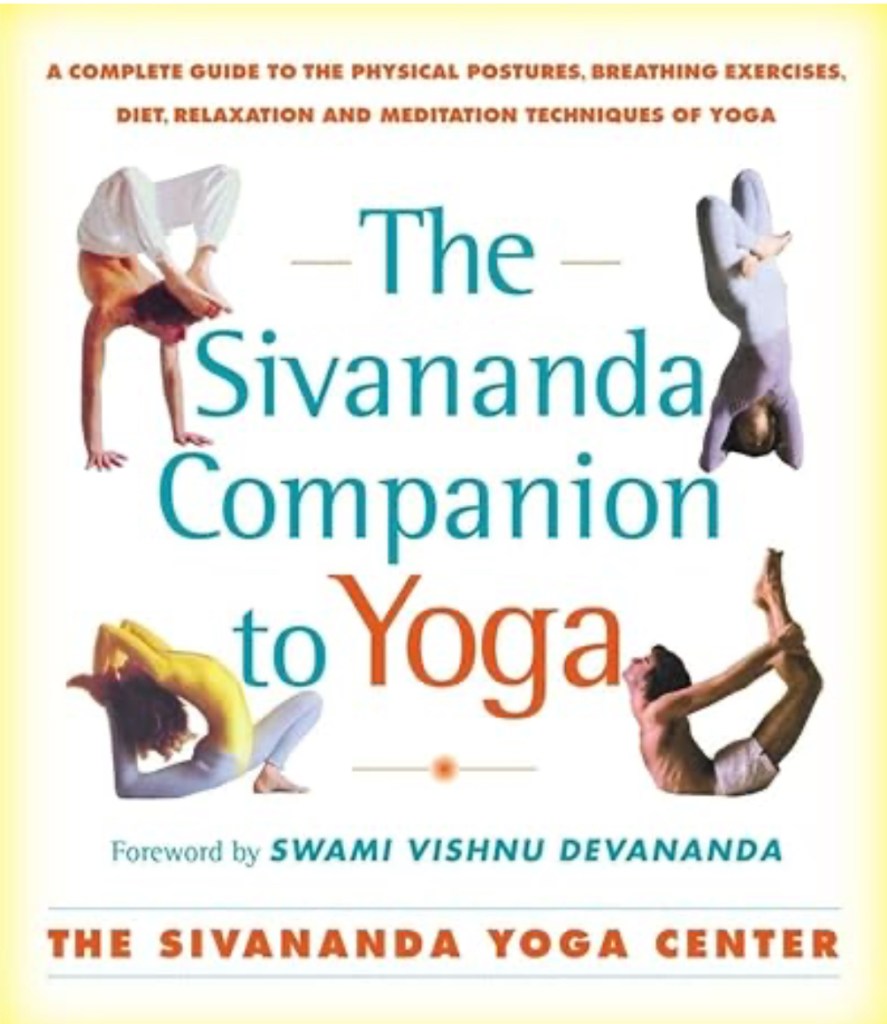
    For those interested in a comprehensive introduction to the practices of yoga, I recommend The Sivananda Companion to Yoga: A Complete Guide to the Physical Postures, Breathing Exercises, Diet, Relaxation, and Meditation Techniques of Yoga. This book offers clear guidance on the foundational aspects of yoga, making it an invaluable resource for anyone looking to deepen their understanding and practice. Take a look at this book on Amazon here.

    🙏🕊️🙏

  • Witnessing the Journey: Strengthening the Seer in Life’s Transitions

    In the journey of spiritual growth, each moment, each challenge, and every encounter presents an opportunity to deepen our awareness. No matter the external circumstances—whether we’re moving from one phase of life to another, letting go of past attachments, or simply observing the fluctuations of the mind—there is a steady witness that remains untouched. This witness, or seer, is the essence of our true nature, and learning to strengthen our connection to it is one of the most important steps on the path to inner freedom.

    The Shift from Mind to Heart

    For many of us, the longest journey is the shift from the ordinary mind to the heart, or from the restless fluctuations of thoughts (vrittis) to the calm, witnessing presence. The heart, in spiritual traditions such as Advaita Vedanta and Jewish mysticism, is often equated with the Divine. It’s not merely an emotional center but the seat of the Divine Presence within us—Atman as Brahman, or the individual self as one with the Absolute.

    As we begin to experience this shift, we realize that our external experiences—both positive and negative—are just reflections of the inner workings of our mind. The challenges, such as illness or life transitions, become opportunities to witness these reflections without being swept away by them. This movement from the mind to the heart is the foundation for a life of spiritual presence.

    Living Between Excitement and Calm

    One of the paradoxes on the spiritual path is living with dual awareness: experiencing the emotional fluctuations of excitement, frustration, or joy while simultaneously witnessing them from a place of calm and neutrality. The spiritual journey does not require that we suppress these emotions, but rather that we hold them lightly, recognizing them as transient waves on the surface of our consciousness.

    As Namkhai Norbu teaches, the presence of awareness exists both in moments of calm and agitation. The mind may be excited, but the witness remains still. This dual awareness allows us to engage fully with life without losing our spiritual center. As we strengthen the seer within us, we find that both excitement and calm can coexist, and we learn to embrace the paradox of non-duality within dual awareness.

    Letting Go of Attachments: The RV and Beyond

    Transitions in life—whether they involve moving from one home to another or shifting from one state of consciousness to another—offer us the chance to practice letting go. For many years, a beloved space like an RV can be a sanctuary, a place of refuge for meditation and contemplation. But when the time comes to leave, it becomes a test of non-attachment, a reminder that the true sanctuary is within us.

    Letting go is not simply about releasing physical objects or spaces; it’s about releasing the emotional and mental attachments we have to them. It’s about trusting that even as we move into unfamiliar territory, the witness remains constant. As we let go of the old, we create space for something new to emerge—a fresh start, or beginner’s mind, as we navigate life with openness and curiosity.

    The Importance of Trust and Faith

    A major theme in this spiritual journey is trust—trust in the Divine, trust in ourselves, and trust in the process. After years of doubt and uncertainty, we may begin to experience a deep sense of confidence and trust in life’s unfolding. Even when life presents us with difficult or unexpected challenges, such as illness or the need to move from a long-held refuge, trust allows us to remain grounded in the witness.

    This trust doesn’t mean we stop facing difficulties, but rather that we learn to see them as part of the greater unfolding of our spiritual path. Each test, no matter how small or large, becomes another opportunity to strengthen the seer within. As the Buddha taught, the Dharma is like a raft that helps us cross the ocean of suffering. Once we reach the other shore, we leave the raft behind, trusting that we now carry the teachings within us.

    Witnessing the Witness: A Reflection of Inner Harmony

    Ultimately, the journey is about witnessing the witness—becoming aware of the awareness that is always present, regardless of the external conditions. This awareness, which we can also call the Divine, is not dependent on calmness or agitation, happiness or sadness. It simply is. And as we deepen our connection to this awareness, we come to embody the teachings in our lived experience.

    The process of writing and sharing these insights is part of this journey. Just as we are learning to let go of attachments, we also leave behind reflections in the form of writings, teachings, and blog posts. This is karma yoga—an offering of selfless service to whoever may benefit from these reflections. Like the authentic seeker who presents the teachings from the heart rather than from notes, we are called to embody the wisdom we’ve gathered and leave the rest for others to use as they see fit.

    Conclusion: The Journey of the Seer

    In the end, the journey is about becoming the witness to our own life, embracing both the external challenges and the internal awareness that guides us through them. As we continue to strengthen the seer within us, we move closer to a life of true presence, where each moment, no matter how challenging, becomes an opportunity for growth and transformation.

    May this reflection serve as a reminder to all who encounter it that the witness is always present, guiding us through the transitions of life and helping us to cultivate trust, non-attachment, and inner peace.

    🙏🕊️🙏

  • Neti Neti Series No. 1: Embracing the Practice of “Not This, Not This

    Question:

    How should I approach the practice of “Neti Neti” and what can I expect as I continue with it?


    Dear friend,

    “Neti Neti” is a path that is both ancient and profound, one that requires patience, a quiet heart, and a gentle perseverance. I’d like to share with you some thoughts and reflections that may guide you as you journey further into this sacred practice.

    The phrase “Neti Neti” translates simply as “not this, not this.” It is a mantra, yes, but it is also much more than that—it is a doorway to the understanding what lies beyond the confines of our ordinary thoughts and perceptions. When we repeat “Neti Neti,” we are not merely uttering words; we are engaging in a process of negation that strips away the layers of illusion and false identification, leading us closer to the core of our being.

    You may find that as you begin your practice, thoughts arise incessantly, like waves upon the shore. This is natural, my friend, and there is no need for concern. The mind, after all, is accustomed to constant movement. But as you sit in stillness and repeat “Neti Neti,” you are training your awareness to recognize that these thoughts—however persistent they may seem—are not who you are.

    In those moments when the mind is quiet, even for a brief instant, you may feel a sense of peace, a spaciousness that is untouched by the comings and goings of thoughts and emotions. This is the silence in which your true self resides. When you touch this silence, allow yourself to rest in it. Do not seek to hold on to it too tightly, for it is like a delicate breeze—best experienced by simply being present with it.

    And yet, if thoughts begin to stir again—and they often will—there is no need to worry or to chastise yourself. Simply return to the mantra, “Neti Neti,” with the understanding that what you are negating is not just the thought itself, but the identification with it. Each time you say “not this,” you are affirming that your true self is not these fleeting mental activities but something much deeper and more enduring.

    As you continue with this practice, you may begin to notice subtle changes in your inner landscape. The mind, once so restless, may start to settle more easily. You may find that the gaps between thoughts grow wider, and the stillness within you becomes more familiar, like a dear friend who visits often. This is the beginning of a profound transformation.

    In time, my friend, you may come to a place where the need to repeat the mantra diminishes, where silence and stillness are your natural state, and where the mind rests in its true home, free from the distractions that once held it captive. This is not a state to be forced or grasped at—it will come in its own time, as you continue to practice with patience and love.

    Remember, the journey of “Neti Neti” is not about eradicating thoughts or achieving some distant goal. It is about returning, again and again, to the awareness that lies beyond all concepts and forms. It is about recognizing that you are not the thoughts that arise, nor the emotions that ebb and flow. You are the awareness in which all these things occur, and this awareness is vast, infinite, and untouched by the passing of time.

    So, dear friend, as you continue with your practice, I encourage you to approach it with gentleness and an open heart. Trust in the process, even when it feels challenging. Trust in the silence that you find within, and know that this silence is the truest reflection of who you are.

    I look forward to hearing about your experiences as you deepen in this practice. May it bring you the peace and understanding that your soul seeks.

    🙏🕊️🙏

  • Book Review: Cultivating Inner Clarity: The Path to a Pristine Mind by Orgyen Chowang

    In the busyness of modern life, we often find ourselves entangled in thoughts, emotions, and external distractions. Our minds can become clouded, overwhelmed, and disconnected from the peace that lies within. But what if the key to inner peace was as simple as observing the clarity of your mind? This idea, rooted in ancient wisdom, invites us to explore the profound practice of mindfulness, leading to a state of pristine awareness.

    The Power of Observation:

    At the heart of many spiritual traditions is the practice of observing the mind. When we take a step back and witness our thoughts without judgment or attachment, we begin to see that our true nature is not the chaos of our mental activity but the clear, expansive awareness behind it. This simple act of observation is transformative. It allows us to move from identification with our thoughts and emotions to a state of clarity and peace.

    Why Clarity Matters:

    Clarity of mind is not just about having a calm, focused mind. It’s about connecting with our deepest essence—our true self. When we observe our mind with clarity, we peel away the layers of confusion, doubt, and fear that obscure our natural state of being. In this space of clarity, we find wisdom, compassion, and an unshakable sense of well-being. This clarity is the foundation for living a life of purpose, joy, and harmony with ourselves and others.

    Practical Steps to Cultivate Clarity:

    One of the most powerful ways to cultivate clarity is through a daily mindfulness practice. By beginning each day with a few minutes of mindfulness meditation, you can set the tone for a day rooted in awareness. Simply sitting quietly, closing your eyes, and observing your breath without trying to change anything can be incredibly grounding. As thoughts arise, notice them without getting involved. Allow them to pass by like clouds in the sky, gently returning your attention to the breath. This simple practice can create a sense of spaciousness in the mind, allowing clarity to naturally emerge.

    As your day unfolds, it’s essential to continue observing your mind with gentle awareness. Throughout the day, find moments to pause and reconnect with the present moment. Whether it’s during a routine task, a brief break, or even while walking from one place to another, use these opportunities to check in with your mind. Notice any fluctuations in your mental state—moments of clarity, distraction, or tension. By regularly bringing your attention back to your mental state, you can cultivate a continuous awareness that keeps you grounded in clarity amidst the day’s activities.

    In the evening, take a few moments to reflect on your day. Observe any moments where you felt particularly clear or confused. What was happening in your mind during those times? What can these moments teach you about your mental habits? This reflection can reveal patterns in your thinking and help you become more aware of when your mind is clear and when it’s clouded.

    Finally, it’s important to engage in compassionate self-observation when negative thoughts or emotions arise. Rather than judging yourself or getting caught up in the negativity, observe these thoughts and feelings with kindness. Recognize them as temporary and remind yourself that they do not define you. Your true nature is clear, pristine, and unaffected by the passing storms of the mind. By practicing this gentle awareness, you can dissolve self-criticism and rest in the clarity that is always present within you.

    The Journey to a Pristine Mind:

    Observing the clarity of your mind is a practice, a journey that unfolds over time. It’s about returning, again and again, to that place of stillness and awareness within you. As you deepen this practice, you’ll find that clarity becomes more accessible, and your experience of life becomes richer, more peaceful, and more aligned with your true nature.

    The journey toward a pristine mind is not about changing who you are or achieving some ideal state. It’s about rediscovering the clarity that is already within you. Orgyen Chowang emphasizes the importance of relaxing, step by step, into this experience—gently and consistently observing only the clarity of your mind. By allowing yourself to ease into this simple yet profound practice, you can dissolve the clouds of confusion and rest in the pure, boundless clarity of your true self.

    🙏🕊️🙏

    If you’re interested in exploring this transformative approach further, I highly recommend Orgyen Chowang’s book The Pristine Mind. His teachings provide a clear, compassionate path toward uncovering the inherent purity of our mind, offering a source of deep fulfillment and lasting peace.

  • Who is Ramana Maharshi?

    Discovering the Self: Ramana Maharshi’s Guide to Self-Inquiry and True Realization

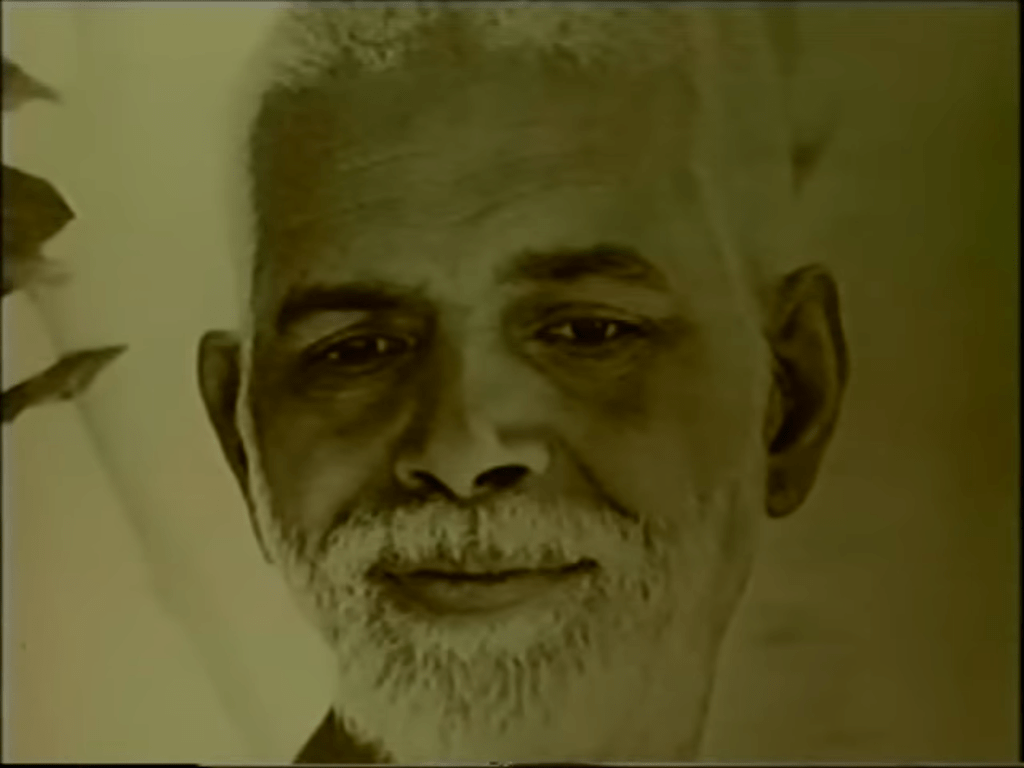
    Ramana Maharshi is one of the most revered spiritual teachers of the 20th century, known for his profound teachings on self-realization and non-duality. Born in 1879 in Tamil Nadu, India, he experienced a spontaneous awakening at the age of 16, during which he became acutely aware of the impermanence of the body and the eternal nature of the Self. Following this experience, he left his home and spent the rest of his life on the sacred mountain of Arunachala, where he became a guiding light for spiritual seekers from around the world.

    Ramana’s teachings are centered around the practice of Atma Vichara, or self-inquiry, which he considered the most direct path to realizing one’s true nature. Unlike other spiritual practices that involve rituals or external observances, Ramana emphasized turning inward to investigate the true nature of the ‘I’—the sense of individual self that we all experience.

    The Essence of Self-Inquiry

    Ramana Maharshi’s core teaching can be encapsulated in the question, “Who am I?” He taught that the sense of ‘I’ or ego, which we often associate with our thoughts, emotions, and bodily identity, is merely a superficial layer that veils our true Self, which is pure consciousness or awareness.

    The process of self-inquiry involves directing your attention inward, asking yourself where this sense of ‘I’ originates. Ramana explained that by persistently asking this question and observing the ‘I’ thought, one can trace it back to its source. This source is the true Self, the unchanging awareness that underlies all experience.

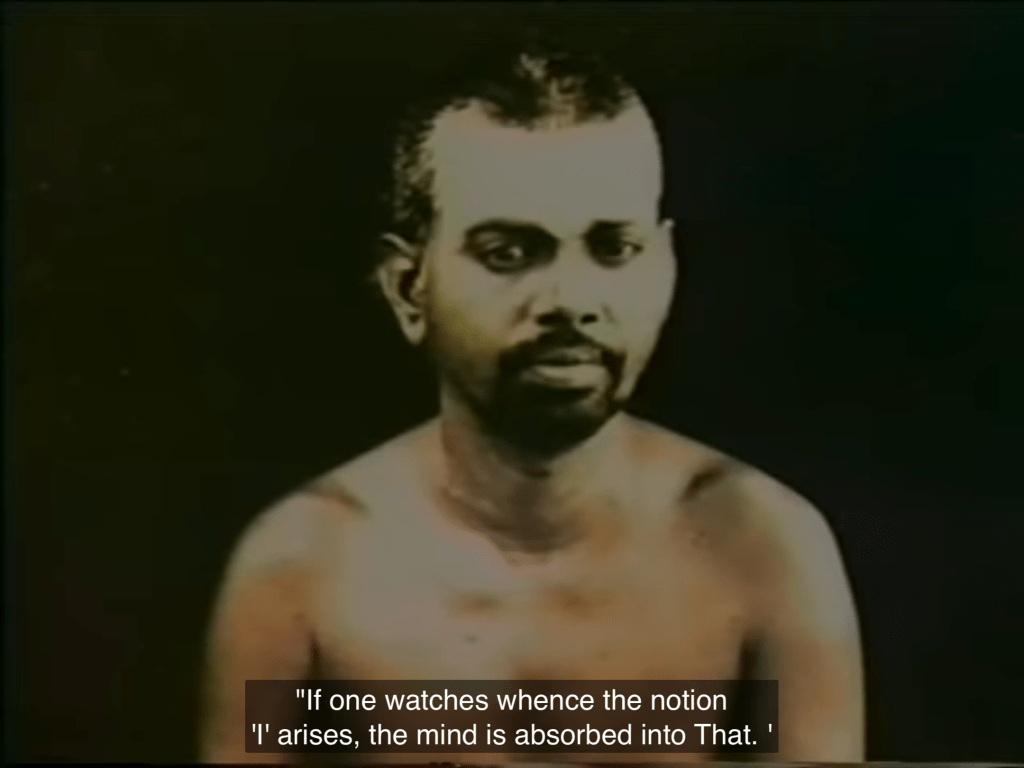
    If One Watches Whence the ‘I’ Arises

    In one of his teachings, Ramana Maharshi stated, “If one watches whence the notion ‘I’ arises, the mind is absorbed into That.” This teaching points to a subtle yet profound practice. The ‘I’ thought is the root of all mental activity and the sense of individuality. By turning attention to this root, rather than being entangled in the branches of thoughts and feelings, the mind can naturally dissolve into its source—pure awareness, which Ramana refers to as “That.”

    How to Practice Self-Inquiry

    If you find yourself puzzled by this teaching or struggle to sense “That” from which the ‘I’ arises, know that this is a common experience on the path of self-inquiry. The mind, accustomed to focusing outward, finds it challenging to turn inward and settle into stillness.

    Here’s how you can approach this practice:

    1. Sit Quietly: Begin by sitting quietly, with your eyes closed if that feels comfortable. Take a few deep breaths and allow your body and mind to relax.
    2. Turn Inward: Gently bring your attention to the sense of ‘I’. This ‘I’ could be a thought, a feeling, or simply the awareness that you exist.
    3. Ask the Question: Silently ask yourself, “Who am I?” or “Where does this ‘I’ arise from?” Don’t seek an intellectual answer. Instead, let the question be a pointer that guides your awareness inward.
    4. Observe: As you focus on the ‘I’, observe its nature. Does it have a shape, a location? Can you find its origin? Be curious, but not analytical.
    5. Rest in the Awareness: As you continue this enquiry, allow the mind to settle. If thoughts arise, simply notice them and gently bring your attention back to the feeling of ‘I’. Over time, the mind may begin to merge with the deeper awareness that is always present.

    Realizing the Self

    Through persistent practice, you may come to realize that the ‘I’ you have always identified with is not your true Self. The ‘I’ arises and dissolves in the vast expanse of pure awareness—‘That’ which Ramana Maharshi points to. This realization is not something to grasp intellectually, but a direct experience that brings about a profound inner peace and freedom.

    Ramana Maharshi’s teachings are a beacon for those seeking to transcend the ego and discover their true nature. The path of self-inquiry, though simple in its approach, can lead to the ultimate realization of the Self—the awareness that is ever-present, unchanging, and beyond all notions of individuality.

    🙏🕊️🙏

  • How Yoga Nidra Can Benefit People Living with Chronic Fatigue Syndrome (ME/CFS)

    Living with Myalgic Encephalomyelitis/Chronic Fatigue Syndrome (ME/CFS) is a daily challenge that requires careful management of energy, rest, and stress. For many, finding effective ways to support the body and mind in this delicate balance can feel overwhelming. Yoga Nidra, often called “yogic sleep,” is a practice that has been gaining attention for its potential benefits in managing ME/CFS. In this post, I’d like to delve deeper into how Yoga Nidra can be a valuable tool for those of us living with this condition.

    1. Supporting Pacing Strategies

    Pacing is a cornerstone of managing ME/CFS. It involves carefully balancing activity and rest to avoid pushing the body beyond its limits, which can lead to crashes or flare-ups of symptoms. Yoga Nidra can be an invaluable tool in this regard. Unlike other forms of exercise or even traditional yoga, Yoga Nidra requires no physical exertion. It allows you to take restorative breaks throughout the day, helping to prevent crashes by providing your body with deep rest during these intervals.

    For those of us with ME/CFS, the ability to find rest without further depleting our energy is crucial. A short Yoga Nidra session can be integrated into your daily routine as a way to recharge and reset, making pacing more manageable and effective.

    1. Activating the Parasympathetic Nervous System

    Another significant benefit of Yoga Nidra is its ability to activate the parasympathetic nervous system (PNS). The PNS is responsible for the “rest and digest” functions of the body, helping to counteract the stress response driven by the sympathetic nervous system. For many people with ME/CFS, the nervous system is often in a heightened state of alertness, which can contribute to symptoms of fatigue, pain, and cognitive dysfunction.

    Yoga Nidra guides you into a state of deep relaxation, which helps shift the body from a state of stress to one of rest and repair. This activation of the PNS can reduce the chronic stress response that often accompanies ME/CFS, promoting a sense of calm and helping to alleviate symptoms over time.

    1. Providing Deep Rest and Restoration

    One of the most challenging aspects of ME/CFS is the experience of unrefreshing sleep. Despite spending many hours in bed, individuals with ME/CFS often wake up feeling just as tired as before they slept. Yoga Nidra offers a unique solution by guiding practitioners into a state of consciousness that is deeply restful, yet different from regular sleep.

    During Yoga Nidra, the body can enter a state that mimics sleep in terms of physical rest, but the mind remains in a state of relaxed awareness. This state of conscious relaxation allows for a deeper level of restoration, potentially offering benefits that complement or even enhance the effects of regular sleep. For people with ME/CFS, incorporating Yoga Nidra into the daily routine could help alleviate the feeling of exhaustion that persists despite adequate sleep.

    1. Releasing Tension and Promoting Emotional Healing

    Living with a chronic illness like ME/CFS can lead to the accumulation of physical and emotional tension. Over time, this tension can exacerbate symptoms and contribute to feelings of stress and overwhelm. Yoga Nidra includes practices like body scanning and guided visualization, which can help release deep-seated physical tension and promote emotional healing.

    As you are guided to focus on different parts of the body and engage in positive affirmations or visualizations, Yoga Nidra provides a safe space for processing and releasing stress. This can lead to a sense of lightness and relief, which is particularly beneficial for those dealing with the chronic stressors associated with ME/CFS.

    1. Enhancing Mental Clarity and Focus

    Cognitive symptoms, often referred to as “brain fog,” are a common and frustrating aspect of ME/CFS. The deep relaxation and stress reduction provided by Yoga Nidra can contribute to improved mental clarity and focus. By calming the nervous system and promoting a state of balance, Yoga Nidra may help reduce the cognitive fatigue that many with ME/CFS experience.

    Regular practice of Yoga Nidra can support mental clarity by reducing the underlying stressors that contribute to brain fog, allowing for moments of greater focus and cognitive function.

    Conclusion: A Gentle Tool for Holistic Support

    Yoga Nidra is not a cure for ME/CFS, but it can be a gentle and effective tool for supporting overall well-being. By offering deep rest, aiding in pacing, calming the nervous system, and promoting emotional and physical healing, Yoga Nidra can be an integral part of a holistic approach to managing ME/CFS.

    If you’re living with ME/CFS and looking for new ways to support your health, I encourage you to explore Yoga Nidra. Whether you start with short, guided sessions or incorporate it into your daily routine, this practice may offer the kind of deep rest and healing that’s so essential for managing the complexities of ME/CFS.

    Watch a Video:

    The vides below is just some the many Yoga Nidra videos online of and are a good place to start. There are countless Yoga Nidra videos on YouTube, each offered by different instructors. Take your time exploring until you discover the ones that resonate best with you.

    The occasional Yoga Nidra session can be a relaxing and rejuvenating experience, helping you reduce stress, improve sleep, and promote overall well-being whenever you feel the need for a deep, restorative rest. May this practice bring you peace and renewal, gently supporting your journey toward greater well-being.

    This yoga Nidra for insomnia will take you easily into a light hypnagogic state and then down into a deep state of sleep.

    Learn more about ME, get involved in support, advocacy, and activism at www.meaction.net

    🙏🕊️🙏

  • Book Review: The Unchanging Nature of Our Pristine Mind

    “The luminous nature of mind, like the changeless sky, is unaffected by temporary events.”

    — Bodhisattva Maitreya

    Imagine for a moment a vast, clear sky—limitless, unbounded, and pure. No matter how many clouds pass through, how fierce the storms, or how thick the fog, the sky itself remains unchanged. It is always there, spacious and untouched by the ever-changing weather. This metaphor, beautifully articulated by Orgyan Chowang in his book The Pristine Mind, offers us a powerful insight into the nature of our own mind. While the events of our ordinary mind—our thoughts, emotions, and experiences—may shift and change, the pristine mind, like the sky, remains clear and constant. This realization is fundamental to our spiritual growth and inner peace.

    The Metaphor of the Sky and Clouds:

    Chowang’s analogy is simple yet profound. The sky represents our pristine mind—our true nature, which is inherently pure and spacious. The clouds, on the other hand, symbolize the thoughts and emotions that arise within us. These clouds can be dark and stormy or light and fleeting, but no matter their nature, they never alter the sky itself. The sky doesn’t cling to the clouds or resist them; it simply allows them to pass through. In the same way, our pristine mind is untouched by the transient mental events that arise and dissolve within it.

    The Ordinary Mind vs. the Pristine Mind:

    In our day-to-day lives, we often operate from what Chowang calls the “ordinary mind.” This is the aspect of our consciousness where thoughts, emotions, and perceptions arise. It’s where we experience the ups and downs of life, the stress, the joy, the anxiety, and the pleasure. This ordinary mind is reactive, constantly shifting in response to external stimuli. But beneath this ever-changing surface lies the pristine mind—clear, stable, and unchanging. It’s the essence of who we are, untainted by the mental chatter and emotional turbulence that often dominate our awareness.

    Realizing the Pristine Mind:

    The journey toward realizing and connecting with our pristine mind begins with awareness. By observing our thoughts and emotions without attachment, we can start to see them as clouds passing through the sky of our mind. Meditation is a powerful tool in this process. By sitting in stillness and watching our thoughts come and go, we begin to disidentify with them. We realize that while our thoughts and emotions are transient, there is a deeper part of us that remains unchanged—this is our pristine mind. With practice, we learn to rest in this unchanging awareness, experiencing a profound sense of peace and clarity.

    The Importance of This Realization:

    Understanding that our true nature is the pristine mind brings immense benefits. It allows us to navigate life’s challenges with greater ease and resilience. When we recognize that the storms of thoughts and emotions are temporary, we are less likely to get caught up in them. We can face difficulties with equanimity, knowing that, like clouds, they will pass. This realization also fosters compassion—for ourselves and others. When we understand that everyone’s ordinary mind is subject to the same fluctuations, we can approach each other with greater kindness and understanding.

    Practical Application:

    To begin connecting with your pristine mind, try this simple meditation: Close your eyes and take a few deep breaths. Imagine your mind as a vast, clear sky. As thoughts and emotions arise, visualize them as clouds passing through this sky. Don’t try to push them away or hold onto them; simply observe them as they come and go. Notice that no matter what clouds appear, the sky—your pristine mind—remains unchanged. Practice this regularly, and gradually, you’ll find yourself less caught up in the drama of your ordinary mind, and more grounded in the peace of your true nature.

    Closing Reflection:

    In the hustle and bustle of daily life, it’s easy to get swept away by the ever-changing events of our ordinary mind. But by remembering and connecting with our pristine mind—the clear, spacious awareness that remains untouched by life’s storms—we can find a deep and abiding sense of peace. This realization, as Orgyan Chowang so beautifully explains, is one of the most fundamental insights on the path of spiritual growth. As we move through life, let us strive to remember the sky within us, always present, always pure, no matter the clouds that may pass through.

    “The luminous nature of mind, like the changeless sky, is unaffected by temporary events.” As we deepen our understanding and connection to this luminous, unchanging aspect of our being, may we find peace and clarity even in the midst of life’s storms. Like the sky that holds all weather, may we learn to hold all our experiences with the spaciousness of our pristine mind. May this awareness illuminate our path and our interactions, bringing light and compassion to ourselves and others.

    🙏🕊️🙏

    If you’re interested in exploring this transformative approach further, I highly recommend Orgyen Chowang’s book The Pristine Mind. His teachings provide a clear, compassionate path toward uncovering the inherent purity of our mind, offering a source of deep fulfillment and lasting peace.

  • 🌸 Smiling Meditation: A Gentle Tool for Your Post-Viral ME/CFS Pacing Toolkit 🌸

    Hello Everyone….

    Living with ME/CFS can be challenging, both physically and mentally. However, there are simple practices that can offer relief and support our overall well-being. One such practice is smiling meditation, a technique that involves intentionally smiling and experiencing its positive effects.

    Personal Experience:

    As someone who has lived with ME/CFS for over 30 years, I understand how difficult it can be to find practices that offer relief without draining our limited energy. Smiling meditation has become a small but powerful part of my daily routine. Even on days when I feel most fatigued, this practice often shifts my mood and energy in surprising ways.

    The Benefits of Smiling Meditation:

    For individuals living with ME/CFS, smiling meditation has the potential to uplift mood, reduce stress, and enhance the overall quality of life. Even when we don’t feel like we have something to smile about, simply engaging in the act of smiling can trigger a shift within us.

    The Science Behind It:

    Studies have shown that smiling—even when intentional—activates the parasympathetic nervous system, which helps our body enter a relaxed state. This shift reduces stress hormones like cortisol and promotes the release of endorphins, the body’s natural mood lifters. For those of us with ME/CFS, who often experience heightened stress and emotional challenges, this natural mood enhancement can be particularly valuable.

    How to Practice Smiling Meditation:

    1. Find a Quiet Space: Sit or stand in a comfortable, relaxed position. Close your eyes and take a few deep breaths.
    2. Begin Smiling: Bring a gentle smile to your face, allowing it to spread throughout your entire being.
    3. Feel the Warmth: Maintain the smile and notice how it feels. With each breath, imagine your smile expanding and radiating outward.
    4. Invite Joy and Compassion: Focus on the sensations of joy, peace, and compassion that arise within you. Allow yourself to embrace these emotions for a few minutes, or as long as feels comfortable.

    What I love about smiling meditation is that you don’t need something to smile about for it to work. Simply invoking the energy of a smile triggers those feel-good chemicals. It’s a gentle way to reconnect with moments of lightness when energy is low and life feels heavy.

    Managing Stress with Smiling Meditation:

    ME/CFS is often accompanied by heightened stress levels and a compromised stress response system. Smiling meditation acts as a natural stress reliever by activating the body’s relaxation response. Even if the smile is initially forced, it sends signals to the brain that everything is okay, leading to a decrease in stress hormones and a more relaxed state. This practice can help individuals with ME/CFS manage stress and cultivate a calmer mindset.

    Enhancing Mindfulness:

    When we engage in smiling meditation, we naturally bring our attention to the present moment. By closing our eyes and focusing on a pleasant memory or imagining a joyful scene, we deepen our mindfulness practice. Mindfulness can be a powerful tool for individuals with ME/CFS, helping us stay grounded, manage symptoms, and cultivate self-compassion.

    After completing your smiling meditation, you might consider gently transitioning into mindful breathing or a body scan, allowing your newfound sense of calm and joy to deepen. These mindful practices, when done together, can amplify their benefits.

    Fostering Connection:

    Smiling is contagious and has the potential to foster positive social interactions. When we smile, we not only uplift our own mood but also create a ripple effect, influencing those around us. For individuals with ME/CFS, who may face social isolation, smiling meditation can serve as a reminder of the power of connection. It can act as a catalyst for improved relationships, fostering empathy and support.

    Reflection:

    As you finish your smiling meditation, take a moment to reflect: How does it feel to smile, even when things are difficult? How might this practice shift your perspective throughout the day?

    Final Thoughts:

    The practice of smiling meditation, when incorporated into daily life, can contribute to a more positive outlook, reduced emotional distress, and increased resilience. By cultivating moments of joy and relaxation, we can experience a greater sense of well-being amidst the challenges of ME/CFS. Smiling meditation can complement other self-care practices, such as mindfulness, relaxation techniques, and pacing strategies, in creating a holistic approach to managing symptoms.

    Remember, even on the hardest days, this simple practice can offer a moment of joy and lightness. Despite the challenges, we can create positive change within ourselves. Smiling meditation empowers us to focus on the present and to fully embrace the beauty and blessings that surround us, even in the midst of struggles.

    By cultivating a practice of smiling meditation, we unlock the limitless potential that lies within us, weaving a tapestry of resilience and well-being that shines brightly in the face of ME/CFS.

    Let us cherish the moments of joy, the moments of peace, and the moments of connection that arise from our practice of smiling meditation. As we do so, even if only for a moment, we can cultivate a profound sense of well-being that transcends the challenges of ME/CFS, illuminating our path forward, toward a brighter future.

    As we integrate smiling meditation into our daily routine, we begin to realize that even a small act, like smiling, holds the power to uplift our spirits, foster connection, and bring us moments of lightness and joy. It’s these small moments that can make a big difference in our journey with ME/CFS.

    May we all find inner peace, happiness and wellbeing on our journey with Chronic Fatigue Syndrome. 🙏

    Screenshot
  • Harnessing the Power of Attention: Control and Influence

    Recognizing that attention shapes consciousness empowers us to take control of our mental and emotional states. By consciously directing our focus, we can manage stress, enhance our focus, and foster positive changes in our lives. This intentional use of attention can lead to profound personal growth and transformation.

    The Role of Attention in Shaping Experience

    1. Deliberate Focus:
    • Attention is a powerful tool that we can direct consciously. By choosing what to focus on, we influence our perceptions, thoughts, and feelings, shaping our overall experience.

    2. Empowerment Through Awareness:

    • Being aware of where our attention goes allows us to take charge of our mental landscape. This awareness empowers us to make deliberate choices about what we let into our consciousness.

    Managing Stress with Attention

    1. Reducing Cognitive Overload:
    • Stress often arises from cognitive overload, where too many thoughts and stimuli compete for our attention. By focusing on one thing at a time, we can reduce this overload and manage stress more effectively.

    2. Mindful Attention:

    • Mindfulness practices help us direct our attention to the present moment, reducing stress by preventing rumination on past events or worries about the future. This focused attention brings a sense of calm and balance.

    Enhancing Focus and Productivity

    1. Concentration Techniques:
    • Techniques such as time blocking, where we allocate specific periods for focused work, can enhance our productivity. By dedicating undivided attention to tasks, we can accomplish more in less time.

    2. Eliminating Distractions:

    • Reducing distractions in our environment, such as turning off notifications or creating a dedicated workspace, helps maintain focus. This practice allows us to direct our attention more effectively and achieve better results.

    Fostering Positive Change

    1. Positive Affirmations:
    • Using positive affirmations can help redirect our focus from negative self-talk to empowering thoughts. Repeating affirmations regularly can create new mental pathways that support a positive mindset.

    2. Engaging in Positive Activities:

    • Participating in activities that bring joy and fulfillment, such as hobbies, exercise, and spending time with loved ones, naturally draws our focus to positive experiences. These activities help balance our attention and enhance our well-being.

    Conclusion

    Harnessing the power of attention is key to managing stress, enhancing focus, and fostering positive changes. By consciously directing our focus, we can take control of our mental and emotional states, leading to personal growth and transformation. Recognizing the influence of attention empowers us to shape our consciousness deliberately, creating a more fulfilling and balanced life. Embrace the power of attention, and observe how it transforms your experience and enriches your journey.

    Below is the original source video of the lecture with Swami Parvajika Devyanandaprana, from which these blog posts were inspired. Here you can explore the insightful teachings that have profoundly shaped the content and perspectives shared in this blog.

    🙏🕊️🙏