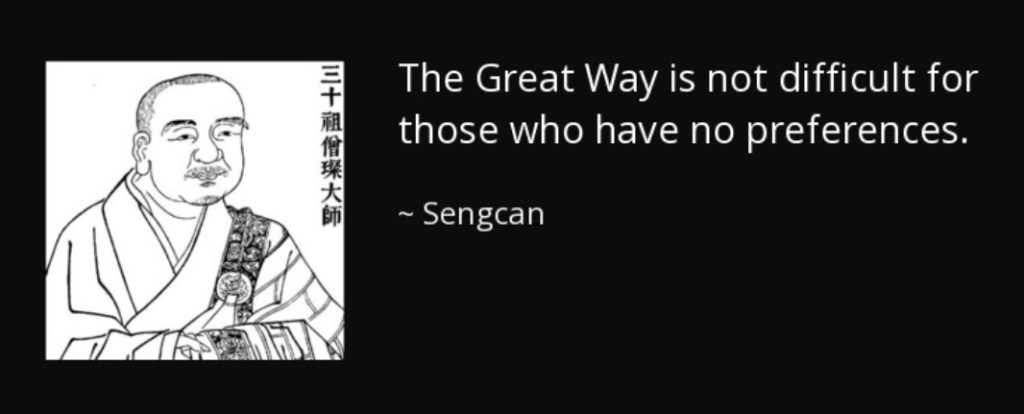
There’s a moment in the Ramayana that really strikes a chord, especially when you think about how we handle the unexpected twists and turns in our own lives. Rama, who’s about to be crowned king, gets hit with the news that he’s being sent into exile for fourteen years instead. Imagine that—a complete 180 from everything he’s been preparing for. And yet, what does Rama do? He smiles and accepts his fate without a hint of resistance.
This isn’t just some heroic act from an epic tale; it’s a powerful reminder of how we can find peace in letting go.
Rama’s reaction is a beautiful example of non-attachment. He doesn’t cling to the throne, the power, or the comforts of palace life. Instead, he just lets it all go. It’s like he’s saying, “Okay, this is what life has handed me, and I’m going to embrace it.” There’s something incredibly liberating about that kind of mindset. When we’re not attached to a specific outcome, we open ourselves up to whatever life brings, with a lot less stress and anxiety.
This kind of non-attachment is at the heart of equanimity—a calm and balanced mind that stays steady no matter what happens. And let’s be honest, who wouldn’t want more of that in their life?
What really stands out in this scene is Rama’s mindfulness. He’s fully present, fully aware of what’s happening, and yet he doesn’t get lost in it. He’s not caught up in the drama or the unfairness of it all. Instead, he meets the moment with a clear mind and an open heart. This is mindfulness in action—not just being aware, but being aware with a sense of peace and acceptance.
Think about how we usually react when life throws us a curveball. We resist, we fight, we stress out. But what if, like Rama, we could meet these moments with mindfulness and a sense of calm? How much easier would life be?
Rama’s response isn’t just about keeping cool under pressure—it’s about living in alignment with what’s right, with Dharma. By accepting his exile, Rama is doing more than just obeying his father’s wishes; he’s showing us what it means to live a life rooted in principles. It’s a reminder that sometimes, doing the right thing means letting go of what we want and embracing what’s being asked of us, even if it’s difficult.
This is a lesson we can all take to heart. In our own lives, we’re constantly faced with choices—do we hold on tightly to what we think we want, or do we let go and trust that things will unfold as they should?
Rama’s story might be thousands of years old, but the lesson is timeless. When we cultivate non-attachment, mindfulness, and a commitment to doing what’s right, we can face life’s challenges with a lot more grace. We can let go of the need to control everything and find peace in the flow of life.
So next time life doesn’t go according to plan, think of Rama. Smile, take a deep breath, and let go. You might just find that the peace you’re looking for was there all along, waiting for you to embrace it.
In the previous post, we explored the nature of imagination and sleep as mental events, recognizing their potential to distract us or be witnessed with clarity. Now, Patanjali takes us further into the exploration of mental events, focusing on memory and the practice of non-attachment.
1.11: Memory is the retention of mental impressions from past experiences. 1.12: Non-attachment is the practice of detaching from mental events, leading to mastery over them.
These sutras offer a profound reflection on how the mind holds onto the past and how cultivating non-attachment can free us from the grip of these mental events. Memory, while useful, can often bind us to patterns of thought that shape our perception of the present. Non-attachment becomes the key to releasing these patterns and living more fully in the pristine mind.
Memory: A Mental Event That Holds Us in the Past
Memory (smriti) is a powerful mental event that allows us to recall past experiences, feelings, and thoughts. On a practical level, memory is essential for learning and functioning in daily life. However, when we become overly attached to our memories, they can cloud our present awareness, trapping us in patterns of the past.
For example, we often replay old memories in our minds, reliving past successes, failures, or emotional moments. These memories can influence our current perception, making it difficult to see the present clearly. They create mental events that may feel real but are rooted in the past, shaping how we engage with the world around us.
Just as with imagination and sleep, memory is simply another mental event. The more we engage with it, the more it pulls us away from the present moment. However, by recognizing memory as a mental event, we can observe it without becoming attached, allowing it to arise and pass without coloring our awareness of the now.
Non-Attachment: The Key to Mastering Mental Events
Patanjali introduces the practice of non-attachment (vairagya) in Sutra 1.12 as the means by which we gain mastery over the fluctuations of the mind. Non-attachment doesn’t mean suppressing or avoiding mental events; rather, it is the practice of witnessing them without becoming identified with them.
In the case of memory, non-attachment allows us to remember the past without letting it control the present. By practicing Neti, Neti. I am the witness. I am the Seer., we remind ourselves that we are not the memory, but the one who observes it. This simple practice of non-attachment creates space between us and the mental event, freeing us from the patterns of the past.
Non-attachment is not something that happens overnight. It is cultivated through disciplined practice, returning to the awareness of the pristine mind again and again. As we grow in our ability to observe mental events without attachment, we strengthen our capacity to remain present, no matter what arises in the mind.
Bringing It Into Practice: Letting Go of Memory’s Grip
When memories arise during meditation or daily life, it’s important to acknowledge them without getting caught in their narrative. You can simply remind yourself, “Neti, Neti. I am the witness. I am the Seer.” This helps create the mental space to witness the memory and let it go without attachment.
In doing so, we train ourselves to let go of the past and stay rooted in the present. We begin to see memory as just another mental event, not as something that defines who we are or how we must respond to life. With each practice of non-attachment, we loosen the grip that memories have over us, freeing ourselves from the patterns that bind us to the past.
This practice doesn’t diminish the importance of memory but helps us place it in its proper context—as a useful tool rather than an overwhelming influence. As we continue to practice non-attachment, we experience more freedom, clarity, and presence in our everyday life.
Maintaining Discipline in Non-Attachment
The discipline of non-attachment requires patience and consistency. The mind will naturally want to hold onto memories, but each time we observe them without attachment, we take a step closer to mastery. Non-attachment isn’t about becoming indifferent; it’s about becoming fully present, without being swayed by the mental events that arise.
Through this discipline, we can cultivate a deeper awareness of the pristine mind—a state of clarity, peace, and presence that is untouched by the mind’s fluctuations. The more we practice non-attachment, the easier it becomes to witness mental events and remain centered in the Seer.
Coming Up Next:
In our next post, we will explore Sutra 1.13 and 1.14, where Patanjali explains the importance of disciplined practice in achieving mastery over the mind. We’ll reflect on how consistent effort and non-attachment work together to bring us closer to the realization of our true nature. Join me as we continue this journey toward deeper self-awareness and inner peace.
Embracing the Eternal Now: Cultivating Spiritual Presence in Daily Life
A Journey Through Mindfulness, Equanimity, and Spiritual Connection
In the whirlwind of our daily lives, it’s easy to become consumed by the relentless pace of duties, responsibilities, and the constant barrage of information. The echoes of the past and the whispers of the future often tug at our attention, leaving us fragmented and seldom at peace. Yet, the present moment holds a profound promise—the promise of true clarity and peace.
Cultivating a relaxed mind not only enhances our ability to navigate everyday challenges with grace but also opens us to deeper insights and a greater connection with our true selves. By learning to inhabit the moment fully, we unlock the potential to transform our entire life’s experience, fostering a state of well-being that radiates outward in our thoughts, actions, and interactions.
How, then, can we cultivate a state of equanimity and truly leave our minds alone? Here are some guiding principles to help us navigate this path.
Don’t Follow the Past
It’s easy to be pulled back into the past. Imagine sitting quietly and suddenly a memory from a past mistake creeps in, clouding your mood and stealing the peace of the current moment. However, dwelling in the past often means missing out on the now—on the opportunity to engage fully with life as it happens. Letting go of the past involves an understanding that every moment is a chance to start anew, to choose differently, and to move forward with a lighter heart.
Practical Tip: Whenever you find yourself anchored to a past memory, gently remind yourself, “This memory is not my current reality.” Allow yourself to feel any emotions associated with it and then visualize setting it adrift down a river, watching it fade with compassion and detachment.
Don’t Anticipate the Future
Similarly, projecting our thoughts into the future can be just as distracting. Consider a scenario where you’re planning a meeting and start to worry excessively about its outcome, which then consumes your thoughts and disrupts your present work. Worrying about what’s yet to come not only breeds anxiety but also prevents us from taking actionable steps in the present that could actually mitigate those concerns.
Practical Tip: Practice grounding exercises when you find your mind darting forward. Focus on your senses—what can you see, hear, touch, taste, and smell right this moment? This practice helps bring you back to the present and reduces anxiety about the future.
Remain in Equanimity
Equanimity is the balanced state where we are not swayed by the highs of joy nor the lows of despair. Imagine receiving news that would typically upset you, but instead of reacting impulsively, you remain calm, reflecting on the situation with a balanced perspective. It is a place of mental stability and composure that allows us to face life’s challenges with a calm and steady mind.
Practical Tip: Develop a daily meditation practice. Even five minutes a day can help you cultivate a neutral mind that approaches all situations with balance and clarity.
Leave Your Mind Alone
At times, the best action is inaction. Consider watching your thoughts during a stressful moment, like observing clouds moving across the sky, without attempting to change their direction or speed. Leaving your mind alone means not meddling with your thoughts as they arise. It’s about observing them without judgment and letting them pass without attachment.
Practical Tip: Engage in mindfulness meditation where the goal is not to empty the mind of thoughts, but to observe them coming and going, like clouds across a vast sky.
Listening for the “Still Small Voice”
For our Christian friends, embracing the present moment can be seen as an opportunity to listen for the “still small voice” of God, as described in 1 Kings 19:12, where Elijah encounters God not in the earthquake or fire, but in a gentle whisper. Taking time each day to let go of our busy, distracted minds to rest in the Holy Spirit allows us to connect with divine guidance and comfort.
Similarly, the story of young Samuel from 1 Samuel 3:1-10 beautifully illustrates the process of becoming attuned to the divine voice. Mistaking the Lord’s call for Eli’s voice, Samuel’s repeated response, “Here I am,” eventually aligns with divine communication when he says, “Speak, Lord, for your servant is listening.” This moment of realization exemplifies the importance of being truly present, ready to receive spiritual guidance.
The Jewish Tradition of Hineni
In the Jewish tradition, the phrase “Hineni” – “I am here,” uttered by prophets like Abraham and Moses, represents a total, undistracted presence to the divine call. This sacred declaration is not just a statement of location but a profound acknowledgment of being fully present—spiritually, mentally, and physically—ready to engage with whatever God asks of them without hesitation.
Why It Matters
Understanding the distinction between simply being present and being spiritually present can transform the practice from a routine exercise to a life-changing discipline. The spiritual practice of presence is not about enduring the present but about uncovering an ever-present peace that enlightens and sustains us. It is here, in this sacred space, that we encounter the divine, the infinite, and the eternal right within our everyday moments.
🙏🕊️🙏
If you’re interested in exploring this transformative approach further, I highly recommend Orgyen Chowang’s book The Pristine Mind. His teachings provide a clear, compassionate path toward uncovering the inherent purity of our mind, offering a source of deep fulfillment and lasting peace.
In the vast sky of our consciousness, thoughts are like clouds—ephemeral, shifting, and ever-changing. Guru Rinpoche, Padmasambhava, once said, “Your thoughts naturally occur and naturally dissipate like clouds in the sky. To see for yourself if this is true, look into your own mind.” This profound teaching invites us to directly experience the nature of our thoughts, not as obstacles or distractions but as natural occurrences that reveal the underlying clarity of the mind.
The Nature of Thoughts: Clouds in the Sky
Our minds are often busy, filled with an endless stream of thoughts, emotions, and sensations. These mental activities can feel overwhelming, leading us to believe that they define who we are. However, just as clouds in the sky come and go without altering the vastness of the sky itself, our thoughts are transient, arising from nothing and dissolving back into nothing.
When we closely observe our thoughts without attachment or aversion, we begin to see their impermanent nature. Each thought, no matter how intense or insignificant, arises, lingers for a moment, and then fades away, making room for the next. This process happens naturally, without any effort on our part.
Looking into the Mind: A Path to Clarity
Guru Rinpoche’s instruction to “look into your own mind” is an invitation to practice mindfulness and meditation. By turning our attention inward and observing our thoughts, we can witness their natural ebb and flow. This practice does not require us to stop thinking or to eliminate thoughts; rather, it encourages us to watch them with a gentle curiosity.
As we continue this practice, we might notice that between the thoughts, there are moments of stillness—gaps where the mind is clear and undisturbed. These gaps reveal the pristine nature of the mind, untouched by the comings and goings of thoughts. This pristine mind is our true essence, a state of pure awareness that is always present, even when we are caught up in the whirlwind of our thoughts.
The Pristine Mind: Our True Nature
Recognizing the impermanent nature of thoughts and the underlying clarity of the mind leads to a profound shift in our understanding of ourselves. We begin to see that we are not our thoughts; rather, we are the space in which thoughts arise and dissipate. This space, the pristine mind, is vast, boundless, and inherently peaceful.
By resting in this awareness, we can experience a sense of freedom and spaciousness, even in the midst of life’s challenges. The more we practice, the more we realize that this pristine mind is always accessible, like the clear sky that remains unchanged regardless of the clouds that pass through it.
Embracing the Reality of Thoughts
Guru Rinpoche’s teaching encourages us to directly experience the nature of our thoughts, revealing the pristine mind that lies beneath. Through mindfulness and meditation, we can cultivate the ability to observe our thoughts without getting entangled in them, allowing us to rest in the clarity and peace of our true nature.
As we deepen our understanding of this reality, we can approach life with greater equanimity and compassion, knowing that, like clouds in the sky, our thoughts naturally occur and naturally dissipate, leaving the pristine mind untouched and ever-present. Pristine mind meditation involves resting in this type of awareness, allowing us to return to our innate state of clarity, spaciousness, and inner peace.
The Benefits of Reconnecting with the Pristine Mind
Reconnecting with the ever-present stillness and wisdom within us through pristine mind meditation brings profound benefits to our daily lives. As we practice resting in this awareness, we begin to experience a greater sense of calm and stability. The storms of life, once overwhelming, become less daunting as we learn to view our thoughts and emotions as passing phenomena, rather than something to be feared or controlled. This inner calm allows us to navigate stress and anxiety with more ease, providing a stable foundation from which we can respond to life’s challenges.
In addition to this newfound tranquility, our mental clarity and focus also improve. With a mind less cluttered by constant, often distracting thoughts, we can approach our daily tasks with a sharper focus and a clearer perspective. This heightened clarity not only makes us more effective in our personal and professional lives, but it also allows us to make decisions with greater confidence and insight.
As we continue to engage with the practice of pristine mind meditation, we naturally cultivate a deeper sense of compassion and understanding toward others. Recognizing the transient nature of our own thoughts leads to a profound empathy for the shared human experience. We begin to see that others, too, are navigating their own internal landscapes, which fosters more meaningful and compassionate relationships.
Moreover, the stillness of the pristine mind is a source of boundless wisdom and creativity. When we rest in this awareness, we open ourselves to insights and solutions that might not be accessible through ordinary thinking. This connection to our inner wisdom enriches our creative processes and allows us to approach problems with fresh perspectives, often leading to innovative solutions and deeper understanding.
Finally, the practice of pristine mind meditation strengthens our emotional resilience. By regularly connecting with the deep-rooted stillness within us, we develop an inner strength that enables us to face difficulties with grace and composure. This resilience is born from the understanding that our true nature remains untouched by the temporary storms of life, allowing us to move through challenges with greater ease and confidence.
Incorporating this practice into our daily lives helps us live with a sense of balance, insight, and joy, enriching our experience of life in every moment. As we reconnect with the ever-present stillness and wisdom within, we find ourselves more deeply attuned to the world around us, able to face life’s challenges with equanimity, and to embrace its beauty with an open heart.
🙏🕊️🙏
If you’re interested in exploring this transformative approach further, I highly recommend Orgyen Chowang’s book The Pristine Mind. His teachings provide a clear, compassionate path toward uncovering the inherent purity of our mind, offering a source of deep fulfillment and lasting peace.
In the journey of personal growth and spiritual awakening, one of the most profound challenges we face is understanding the relationship between our ego and Atman. The ego, often seen as the source of our individual identity, is the part of us that interacts with the world, makes decisions, and defines who we think we are. Yet, beneath the surface, there exists a deeper, more authentic aspect of our being—what nondual traditions refer to as Atman.
Balancing the demands of the ego with the wisdom of Atman is essential for living a life of greater peace, compassion, and fulfillment. In this post, we will explore how to recognize these different aspects of ourselves, the importance of integrating them, and practical steps to harmonize our inner experience.
Understanding the Ego: A Necessary Part of the Self
In nondual teachings, the ego is not seen as a false self but as a necessary aspect of our human experience. The ego helps us navigate the world, providing a sense of individuality, self-preservation, and the ability to make decisions. It shapes our identities and our interactions with others.
However, challenges arise when the ego becomes the sole focus of our identity. When we overly identify with our ego, we may become trapped in patterns of fear, insecurity, and attachment. The ego’s natural desire for control and validation can lead to suffering, as we cling to external circumstances and outcomes for our sense of self-worth.
By recognizing the ego as an important part of the self, rather than the whole, we can begin to balance it with the deeper wisdom of Atman, the true essence of who we are.
Rediscovering Atman: The Source of Inner Wisdom
When we are overly identified with the ego, it’s as though we are living in a trance, confined to a limited sense of self. This identification restricts our awareness, causing us to lose access to the greater resources that are always available to us. Atman, the true essence of our being, represents these untapped resources—the wisdom, peace, and compassion that reside within us.
By loosening the grip of the ego, we begin to rediscover Atman. This process doesn’t involve rejecting the ego, but rather expanding our awareness to include the deeper layers of our consciousness. As we reconnect with Atman, we find that we are not isolated, limited beings, but part of a vast, interconnected reality. This realization allows us to navigate life with greater wisdom and resilience, drawing upon the innate qualities of Atman.
Practices like mindfulness, meditation, and self-reflection can help us cultivate this awareness, gently shifting our focus from the narrow confines of the ego to the expansive wisdom of Atman, and ultimately, even beyond Atman. As the Heart Sutra reminds us, we move beyond, beyond, beyond—into the infinite.
Conclusion: Beyond the Ego and Atman, Into the Infinite
As we explore the balance between the ego and Atman, we begin to see that our true nature is expansive, infinite, and beyond all definitions. This journey of self-discovery is one of continual unfolding, where we move beyond the limitations of the ego, reconnect with the wisdom of Atman, and ultimately, transcend even that, embracing the boundless nature of existence.
For a musical reflection on this theme, listen to Van Morrison’s “Into the Mystic,” a song that beautifully captures the spirit of this journey.
It’s common to wrestle with feelings of inadequacy, especially in the face of challenges like chronic illness. Remember, your worth isn’t defined by productivity or meeting expectations. Embrace self-compassion and acknowledge your resilience in navigating life’s difficulties.
In the journey of spiritual practice, understanding the nature of the mind is crucial. Among the various states of mind, four are often highlighted as key stages: the ordinary mind, the focused mind, the concentrated mind, and the meditative mind. While much emphasis is often placed on achieving the concentrated or meditative states, it’s important to recognize and value the role of the focused mind in this process.
The Ordinary Mind: A Baseline of Awareness
The ordinary mind is the state in which we typically operate in daily life. It is characterized by a scattered awareness, often driven by external stimuli, habitual thoughts, and reactive emotions. In this state, the mind is not fully present, easily swayed by distractions, and typically engaged in a continuous stream of thoughts that prevent deeper introspection.
The Focused Mind: A Step Towards Deeper Awareness
The focused mind, however, represents a significant shift from the ordinary state. It is a mind that, while not fully concentrated or meditative, is directed towards a specific object or inquiry. In this state, the mind is less scattered, more stable, and capable of sustained attention. This focus is not merely a precursor to concentration and meditation—it is a valuable practice in itself.
When you cultivate a focused mind, you begin to train your awareness, creating a foundation for deeper states of concentration and meditation. This practice involves gently guiding your attention back to a chosen point of focus, whether it be the breath, a mantra, or a self-inquiry question like “What am I?” Over time, this builds the mental clarity and discipline necessary for more profound spiritual experiences.
The Concentrated Mind: The Power of Single-Pointed Focus
A concentrated mind is a state of heightened focus where awareness becomes intensely centered on a single point. Distractions fade into the background, and the mind becomes deeply absorbed in the object of concentration. This state is often pursued in meditation practices where the goal is to achieve sustained, uninterrupted attention. While the concentrated mind is powerful, it is the focused mind that lays the groundwork for this state by training the mind to reduce distractions and maintain attention.
The Meditative Mind: Beyond Concentration
The meditative mind represents an even deeper state where the mind transcends the duality of subject and object, resting in pure awareness. In this state, the practitioner experiences a profound sense of stillness and presence, often described as a union with the deeper self or universal consciousness. While this state is the goal of many spiritual practices, it is important to remember that reaching it begins with the focused mind.
Cultivating Contentment in the Focused Mind
It’s easy to feel disappointed when our mind doesn’t reach the concentrated or meditative states during practice. However, it’s essential to cultivate contentment and satisfaction with the focused mind, recognizing that it is not a step backward but a crucial step forward in our spiritual journey. The focused mind represents progress from the ordinary state and is a powerful tool for deepening our practice.
By appreciating the focused mind for what it is—a stable, directed awareness that is moving towards deeper realization—you build a practice grounded in patience and self-compassion. This mindset allows you to continue your spiritual journey with a sense of fulfillment, knowing that each moment of focus is bringing you closer to the deeper states of concentration and meditation.
Conclusion: Embracing the Path of Progress
Every step on the spiritual path is valuable, and the focused mind is a significant milestone in the journey towards self-realization. By embracing and cultivating this state with contentment, you create the conditions for deeper awareness and ultimately, for achieving the concentrated and meditative states that reveal the true nature of the Self.
As you continue your practice, remember that the journey itself is as important as the destination. The focused mind is not just a stepping stone—it is a meaningful practice that deserves recognition and appreciation. Each moment of focus brings you closer to the deeper realization that lies ahead.
The video below is the source of the inspiration for the content of this blog. If you’d like to get direct teaching from Swamiji on this topic, I encourage you to watch the video and deepen your understanding.
In our fast-paced world, we often find ourselves caught up in thoughts, judgments, and conceptualizations, missing the richness of direct experience. Embracing the present moment can offer profound benefits, providing a clearer connection to reality and deeper personal insight. This post explores the value of immersing ourselves in the direct experience of now and how it transcends the limitations of conceptual thinking.
Understanding Conceptualization
Conceptualization involves interpreting and framing our experiences through mental constructs and labels. While these concepts help us navigate the world, they can also obscure our immediate experience. For instance, thinking about what it means to feel the cool air against your skin is different from simply feeling it. Concepts can create distance between us and the raw reality of our experiences.
The Power of Direct Experience
Direct experience refers to engaging fully with the present moment without the interference of conceptual thinking. When we focus on the direct sensations, emotions, and awareness of now, we tap into a more authentic and immediate understanding of ourselves and our surroundings. This presence allows for a deeper connection to reality, unfiltered by preconceptions or judgments.
Benefits of Present-Moment Awareness
Direct experience helps us see things as they are, providing clarity and insight that can be lost in conceptual thinking. It allows us to understand our true feelings and reactions without the distortions of our mental filters.
Engaging fully in the present can reduce stress by breaking the cycle of rumination and worry about the past or future. It brings our focus to what is happening now, where we have the power to act.
Being present enhances our connection with others and the world around us. It fosters empathy and understanding by allowing us to experience interactions more directly and authentically.
Practicing present-moment awareness cultivates mindfulness, which can improve our overall quality of life by helping us appreciate simple joys and experiences that we might otherwise overlook.
Cultivating Present-Moment Awareness
Techniques such as meditation, mindful breathing, and body scans can help anchor us in the present moment. These practices encourage us to observe our thoughts and sensations without judgment.
Focus on your senses—what you see, hear, feel, taste, and smell. Engaging with sensory experiences can ground you in the present and deepen your connection to reality.
Take time throughout your day to pause and check in with your immediate experience. Notice the sensations, emotions, and thoughts that arise without getting caught up in them.
Conclusion
Embracing the direct experience of the present moment offers a powerful way to connect more deeply with ourselves and our world. By moving beyond conceptualizations and engaging fully with the now, we can gain clarity, reduce stress, and foster a more profound sense of presence and connection. Let’s explore this direct experience and discover the richness it brings to our lives.
Reflective Questions:
How often do you find yourself lost in thoughts rather than experiencing the present moment directly?
What sensations or experiences do you notice when you focus on being fully present?
How can you integrate more direct experiences into your daily life to enhance your awareness and connection?
Share your thoughts and experiences about engaging with the present moment. How has focusing on direct experience impacted your life? I’d love to hear from you in the comments below.
In our fast-paced world, it’s easy to overlook the journey our food takes before it reaches our plates. We often eat on the go, distracted by screens, or in a rush, without truly appreciating the nourishment we receive. Mindful eating invites us to slow down and savor each bite, bringing a deeper awareness and gratitude for the food we consume.
What is Mindful Eating?
Mindful eating is the practice of being fully present and engaged while eating. It’s about appreciating the colors, textures, and flavors of our food, and understanding the journey it took to arrive at our table. This practice isn’t tied to any particular spiritual or religious tradition; it’s simply about cultivating a deeper connection with the food we eat and the process that brings it to us.
The Journey of Food: From Seed to Plate
The Seed: Every piece of food starts from a seed. Imagine the tiny seed planted in the earth, nurtured by the soil, water, and sunlight. Farmers care for these seeds, ensuring they have the best chance to grow.
Growth: Picture the seed sprouting, growing into a plant or tree. The plant endures various weather conditions, receiving care from farmers who protect it from pests and provide the nutrients it needs to thrive.
Harvest: When the time is right, the food is harvested. This might involve picking fruit from trees, gathering grains, or pulling vegetables from the ground. Consider the effort and dedication required to harvest the food at its peak.
Transportation: After harvest, the food is transported. It may travel long distances, passing through the hands of many workers, from packers and drivers to warehouse staff and store employees, all playing a role in delivering the food to us.
Processing and Distribution: Some foods undergo processing—washing, sorting, and packaging—before reaching the market. Think about the systems and people involved in these steps, ensuring the food is safe and ready for consumption.
Purchase: Whether from a grocery store, market, or directly from a farm, purchasing food is an act that connects us to the larger food system. It involves choices that reflect our tastes, needs, and values.
Preparation: Preparing food can be a mindful activity in itself. Washing, cutting, cooking, and arranging food requires attention and care. It’s an opportunity to appreciate the transformation of ingredients into a meal.
Practicing Mindful Eating
To begin practicing mindful eating, try this simple exercise:
Choose Your Food: Select a piece of food, like an apple or a piece of bread.
Observe: Take a moment to look at the food. Notice its color, shape, and texture. Feel its weight in your hand.
Imagine the Journey: Visualize the journey this food took to reach you, from seed to harvest, transportation, and preparation.
Savor the Flavor: Take a small bite and chew slowly. Pay attention to the flavors and textures. Notice how the food changes as you chew.
Express Gratitude: Reflect on the effort involved in bringing this food to your table. Feel gratitude for the earth, the farmers, the workers, and everyone who played a part.
Benefits of Mindful Eating
Enhanced Gratitude: Appreciating the journey of food fosters a sense of gratitude for the nourishment we receive.
Better Digestion: Eating slowly and mindfully can improve digestion and help us recognize when we’re full.
Greater Enjoyment: Mindful eating allows us to savor the flavors and textures of our food, enhancing our eating experience.
Healthier Choices: When we eat mindfully, we’re more likely to make healthier food choices and enjoy balanced meals.
Conclusion
Mindful eating is a simple yet powerful practice that can transform our relationship with food. By slowing down and appreciating the journey of our food, we cultivate gratitude and mindfulness in our daily lives. Whether you’re familiar with meditation or not, mindful eating is an accessible way to bring more awareness and enjoyment to your meals.
Give it a try with your next meal and discover the difference it makes!
In the journey of mindfulness and meditation, understanding the nature of the mind is crucial. Two fundamental concepts in this exploration are vrittis and pratyayas. These Sanskrit terms, drawn from ancient yogic and Buddhist teachings, provide insights into the workings of the mind. This guide aims to clarify these concepts, helping you integrate this understanding into your daily life for deeper mindfulness and self-awareness.
What Are Vrittis?
Vrittis are the fluctuations, movements, or activities of the mind. They represent the dynamic nature of mental events that arise and subside. Think of vrittis as the waves on the surface of the ocean; they are ever-changing and reflect the mind’s constant activity.
What Are Pratyayas?
Pratyayas are the specific contents or objects of the vrittis. They are what the mind focuses on or the mental events that arise within these fluctuations. Pratyayas can be thoughts, sensations, emotions, memories, or impulses. Essentially, pratyayas are the specific items carried by the waves of vrittis.
The Relationship Between Vrittis and Pratyayas
To put it simply, vrittis are the general activities or fluctuations of the mind, while pratyayas are the specific objects or content of these activities. When you observe your mind, you notice the vrittis as the background activity and identify the pratyayas as the distinct events within this activity.
Examples of Pratyayas
Understanding pratyayas through examples can help clarify their role in mindfulness:
Sensory Perception:
The sensation of warmth from the sun on your skin.
The sound of birds chirping outside.
The taste of your morning coffee.
2. Emotional Response:
A feeling of joy when thinking about a loved one.
A surge of anxiety before a meeting.
A wave of sadness remembering a past event.
3. Thoughts:
Planning what to cook for dinner.
Remembering a conversation you had yesterday.
Imagining a future vacation.
4. Physical Sensation:
The sensation of your breath moving in and out.
An itch on your arm.
The feeling of your heartbeat.
5. Memories:
Recalling a childhood experience.
Remembering a piece of advice someone gave you.
Visualizing a scene from a past trip.
6. Impulses:
The urge to check your phone.
The impulse to stretch or change your sitting position.
The desire to eat something.
Labeling the Qualities of Vrittis
When observing and labeling vrittis, consider the following qualities:
Stable vs. Unstable:
Stable Vrittis: These are steady and consistent. Your mind remains focused on a single pratyaya for an extended period. For example, a stable vritti might be a prolonged focus on your breath or a continuous feeling of calm.
Unstable Vrittis: These are erratic and scattered. Your mind frequently shifts from one pratyaya to another. An example of unstable vrittis might be a constant jumping from one thought to another, unable to maintain focus.
2. Intense vs. Mild:
Intense Vrittis: These are strong and impactful. They demand significant attention and can dominate your awareness. An intense vritti might be a powerful emotion, like sudden anger or joy, that captures your full attention.
Mild Vrittis: These are gentle and subtle. They are present but do not overwhelm your awareness. A mild vritti might be a faint background sensation or a fleeting thought that doesn’t linger.
3. Frequent vs. Infrequent:
Frequent Vrittis: These arise often, creating a sense of rapid mental activity. For example, recurring worries or repetitive thoughts that come up frequently throughout your day.
Infrequent Vrittis: These appear rarely, leading to more gaps and quiet moments in your mental landscape. An infrequent vritti might be an occasional memory or a rare impulse.
Practical Application
Practical Application
By recognizing vrittis and pratyayas, you can deepen your mindfulness practice. Here’s a simple exercise to get started:
Find a Comfortable Position: Sit or lie down comfortably.
Set a Timer: Choose a manageable duration, such as 10 or 15 minutes.
Breath Awareness: Begin with a few deep breaths to center yourself.
Observe the Mind: Briefly shift your focus to the fluctuations of your mind. Notice thoughts, sensations, and feelings as they arise.
Simply Notice: Briefly notice the overall quality of your mind’s activity. Are the vrittis generally stable or unstable? Observe these qualities without judgment, allowing your awareness to encompass the fluctuations without getting caught up in them.
Identify the Pratyayas: Note the specific content of the vrittis, such as sensations, thoughts, or emotions.
Breath Awareness: Return to the witnessing of your breath, perhaps noticing your belly or chest gently rising and falling.
Repeat as Needed: When you’re ready, go back to briefly observing the vrittis and pratyayas.
Return to Breath: Shift your focus back to a focused awareness of the breath and the open spaciousness of your mind.
Rest: When you’re done, simply rest.
By recognizing vrittis and pratyayas, you can deepen your mindfulness practice. Here’s a simple exercise to get started:
Conclusion
Understanding the interplay between vrittis and pratyayas enhances your mindfulness practice, providing a clearer lens through which to observe the mind. By developing a felt sense of these fluctuations and their contents, you cultivate deeper awareness and equanimity. This practice not only enriches meditation but also brings greater clarity and peace into daily life.
Below is the original source video of the lecture with Swami Parvajika Devyanandaprana, from which these blog posts were inspired. Here you can explore the insightful teachings that have profoundly shaped the content and perspectives shared in this blog.
A crucial aspect of meditation and mental discipline: the role of attention in stabilizing mental fluctuations (vrittis). Here’s how attention affects the stability of vrittis:
Role of Attention in Stabilizing Vrittis
Directing Focus:
Attention directs the mind towards a specific object or thought. By consistently focusing on a chosen point, you can reduce the influence of distracting vrittis and bring stability to the mind.
Reducing Distractions:
When attention is well-directed, it minimizes the impact of wandering thoughts and external stimuli. This helps in preventing the mind from becoming scattered or chaotic.
Enhancing Concentration:
Sustained attention helps in achieving a state of ekagrata (one-pointedness), where vrittis become more stable and coherent. This concentration reduces the fluctuations and irregularities in mental activity.
Strengthening Mental Focus:
Regular practice of maintaining attention strengthens the mental faculties involved in focus and concentration. Over time, this leads to more consistent stability in vrittis.
Creating a Stable Mental Environment:
When attention is maintained, it creates a stable mental environment where vrittis rise and fall in a controlled manner, similar to the smooth surface of a calm pool.
Facilitating Deeper Meditation:
Stable attention allows for deeper meditation, where the mind is less prone to fluctuations and can experience more profound states of awareness and insight.
In essence, attention acts as a stabilizing force for vrittis, enabling the mind to move from a state of chaos to one of calm and focus. This understanding can guide your practice by emphasizing the importance of cultivating and maintaining effective attention in meditation.
Below is the original source video of the lecture with Swami Parvajika Devyanandaprana, from which these blog posts were inspired. Here you can explore the insightful teachings that have profoundly shaped the content and perspectives shared in this blog.
Lesson 25 of A Course in Miracles presents the lesson: “I do not know what anything is for.” This teaching challenges us to question our preconceived notions and interpretations of the world. By acknowledging our limited understanding and releasing the need to assign purposes to everything, we open ourselves to divine guidance and clarity.
This practice invites us to become aware of our tendency to judge and categorize based on our conditioned beliefs. By understanding that our interpretations often stem from fear and separation, we can start to cultivate a mindset of openness and willingness to see beyond appearances.
Jesus often taught about the importance of surrendering to divine guidance and trusting in God’s plan. In Proverbs 3:5-6, it says, “Trust in the Lord with all your heart and lean not on your own understanding; in all your ways submit to him, and he will make your paths straight.” This teaching aligns with ACIM’s guidance to surrender our perceptions and trust in the Holy Spirit’s guidance for true understanding and purpose.
By practicing Lesson 25, we align ourselves with Christ’s message of humility and trust. We learn to release our ego’s need to control and understand, and instead, open ourselves to receive divine wisdom and purpose.
Explore Lesson 25 of A Course in Miracles with us, and discover how letting go of our interpretations can lead to greater clarity, peace, and spiritual awakening.
Guided Meditation: Lesson 25 from A Course in Miracles
Find a comfortable position, either sitting or lying down, where you can relax and be free from distractions.
Close your eyes gently and take a few deep breaths, allowing yourself to settle into the present moment.
Bring your attention to your breath, feeling the sensation of each inhale and exhale.
Reflect on the central theme of Lesson 25: “I do not know what anything is for.”
Contemplate the idea that your understanding of the world is limited by your past experiences and conditioning, and that you may not always know the true purpose or meaning behind things.
Acknowledge that when you rely solely on your own understanding, you may misinterpret the events and circumstances of your life.
With each breath, imagine releasing any attachment to needing to know the purpose or meaning behind everything, allowing yourself to fully embrace the idea of surrendering to a higher wisdom.
Visualize yourself letting go of the need to have all the answers, trusting instead in the unfolding of life’s mysteries.
Feel a sense of peace and openness as you surrender to the knowledge that there is a greater purpose and meaning behind everything, even if it is not immediately apparent.
Repeat the following affirmations silently or in your mind:
“I do not know what anything is for.”
“I release all attachment to needing to know the purpose or meaning behind everything.”
“I trust in the unfolding of life’s mysteries.”
Allow yourself to rest in this space of surrender and trust for a few moments, feeling supported and guided by a higher wisdom.
When you’re ready, gently bring your awareness back to your surroundings. Wiggle your fingers and toes, and slowly open your eyes.
Take a moment to reflect on your experience, noticing any insights or shifts in perception that may have occurred.
Remember that you can return to this meditation whenever you feel called to deepen your understanding of Lesson 25.