
Tag: mindfulness for chronic fatigue

  • A Refuge That’s Never Truly Out of Reach

    A Refuge That’s Never Truly Out of Reach

    For those of us living with chronic fatigue syndrome (ME/CFS), finding peace can often feel like an elusive dream. The body aches, the mind fogs, and even the simple act of resting can feel like a challenge.

    But beneath the surface of our struggles—beneath the exhaustion, frustration, and the endless cycle of unfinished stories—there is a refuge that has never left us. A place within that remains untouched, waiting patiently to be noticed.

    Across traditions, this inner sanctuary is described in many ways. In Christianity, it is the peace that passeth understanding, the quiet presence of the Holy Spirit that calms the heart. In Buddhism, it is our Buddha nature, the still, pristine mind that shines beneath our thoughts. In Jewish practice, Shabbat offers a sacred pause from the world’s demands, a time to rest in the presence of the I AM. Whether through Vipassana’s gentle observation, Samatha’s calming focus, or the surrender of “Let go and let God,” the invitation is the same: to rest in the peace that is always there, even if just for a moment.

    But here’s the truth that many of us don’t expect—when we set the intention to relax, to find that peace, it’s common for our minds to do the exact opposite. The very moment we try to slow down, all the unsettled thoughts, worries, and frustrations rise to the surface. It’s like sitting down to meditate and suddenly realizing just how noisy the mind really is. For those of us with ME/CFS, this can feel especially overwhelming. Our bodies are already weighed down by fatigue, and now our minds seem unwilling to give us the rest we crave.

    But this isn’t a sign of failure—it’s part of the process. Just as clouds drift across the sky without altering the vastness behind them, our thoughts come and go without touching the deeper peace within us. The key is not to fight these thoughts, not to grow frustrated or discouraged, but to witness them with gentle curiosity. To let them rise and fall, trusting that underneath the noise, the stillness remains.

    This practice takes more than just patience—it requires self-compassion. We have to be kind to ourselves, especially when the mind feels restless or when peace feels far away. Forgiveness becomes a part of the journey: forgiving ourselves for not feeling better, for being frustrated, for wishing things were different. And most of all, it requires surrender. To let go of the need to control how or when peace arrives, and to trust that it will reveal itself in its own time.

    Over the past month, I’ve faced one challenge after another—the sale of my RV, packing up a home that had been my refuge for over 30 years, and the physical demands of moving into a new apartment. Each step of the process required me to push beyond my body’s natural limits, triggering post-exertional malaise. There were moments I had to override the signals of fatigue just to get through the next task, knowing full well the cost it would bring later. And yet, I approached it as mindfully as I could, listening when possible, resting when needed, and trusting that I would eventually return to the gentle rhythm of proper pacing.

    Now, as I settle into this new space, I look forward to reclaiming that mindful practice of pacing—of finding the balance between effort and rest, between doing and simply being. Even though my body is still recovering, I know that the peace I’m seeking is not dependent on my circumstances. It’s always there, beneath the surface, waiting for me to slow down, to breathe, and to notice.

    And so, I offer this to you—whether you live with ME/CFS, face chronic challenges, or are simply navigating the complexities of life. The path to peace isn’t always smooth, and the mind may resist at first. But beneath the noise, the frustration, and the exhaustion, there is a refuge that has never left you. It’s not something you have to create or chase—it’s already there, waiting to be noticed.

    Let go. Be kind to yourself. Trust the process.

    And when you least expect it, that peace—the one that passeth understanding, that shines with the light of your Buddha nature, that whispers with the breath of the Holy Spirit—will rise to meet you.

    Because the truth is, that refuge is never truly out of reach.

    🙏🕊🙏
  • Exploring Pristine Mind Meditation for Chronic Fatigue Syndrome: A Path to Effortless Rest

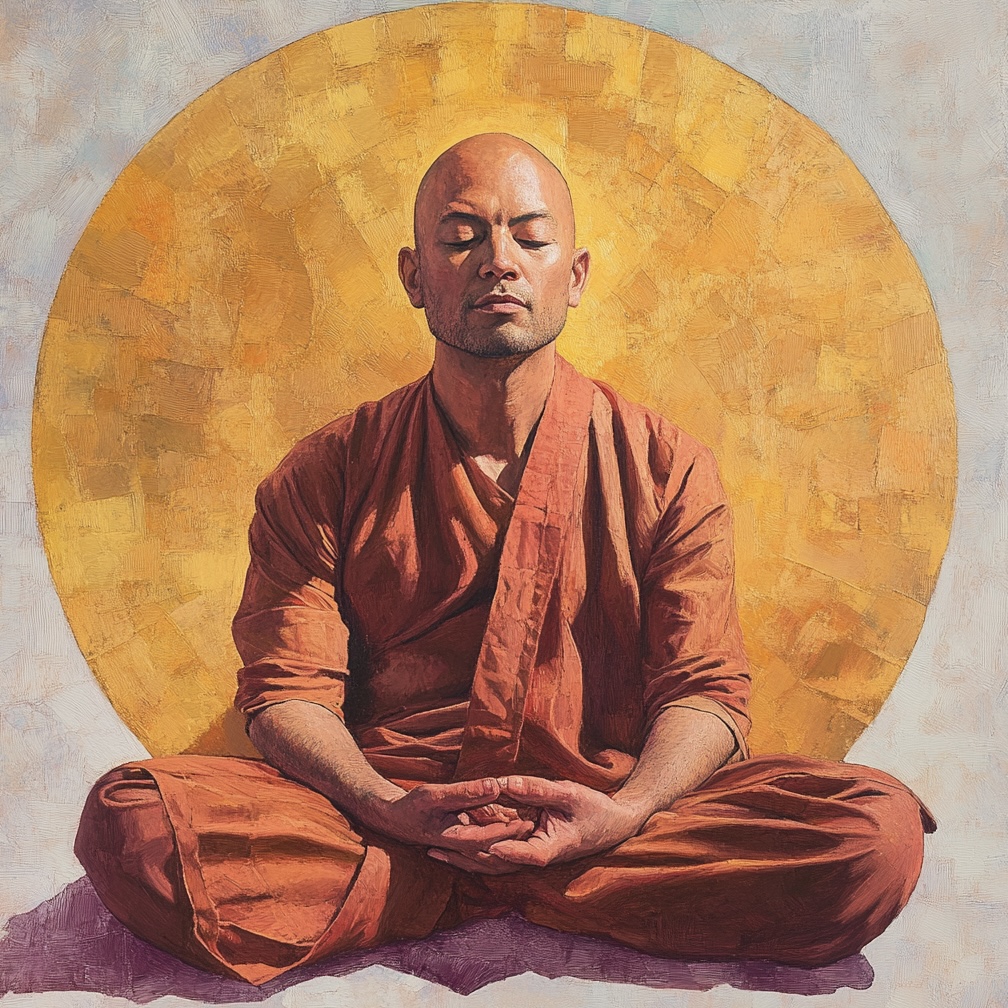
    Exploring Pristine Mind Meditation for Chronic Fatigue Syndrome: A Path to Effortless Rest

    “Discover how pristine mind meditation may offer a gentle, restorative state of awareness without the energy costs that often come with post-exertional malaise.”

    Living with Chronic Fatigue Syndrome means every action, every exertion, has a cost. For many, even a few minutes of focus or effort can lead to post-exertional malaise—a profound worsening of symptoms that can last for days. But what if there was a way to rest deeply, to allow the mind to settle in a way that doesn’t deplete but actually nourishes? This is where the practice of pristine mind meditation comes in, offering an effortless awareness that exists beyond thought, beyond strain, and without the toll of traditional exertion.

    Pristine mind meditation is rooted in the idea of simply being. Rather than trying to clear the mind or enter a specific state, it invites you to rest in pure, unaltered awareness. This isn’t an act of concentration or focus, but a gentle allowing—a way to let thoughts and sensations come and go without attaching or resisting. The experience of resting in the pristine mind is often described as spacious, calm, and effortlessly open. For someone with ME/CFS, this could mean a path to real rest without the demand on physical energy that so often comes with other practices.

    Theoretically, because pristine mind meditation is free from physical or mental strain, it offers a way to access peace and stillness without triggering the kind of post-exertional fatigue that can worsen symptoms. It’s an invitation to explore a new way of being with chronic fatigue, where healing is not about doing but about resting in the quiet awareness that’s already within you.

    This journey is a gentle experiment, a compassionate practice of meeting yourself exactly as you are. Whether you experience even a few moments of pristine awareness or simply rest in the intention, the practice becomes a way of honoring the body’s limits and nourishing the mind. Take this path slowly, with openness, knowing that each step is its own quiet gift.

    If you’re curious, I invite you to join in this exploration, allowing yourself to simply rest in the pristine mind, noticing what it brings without expectation or need for change. This is a practice of ease, not of effort—a resting place for the soul amidst the demands of daily life with Chronic Fatigue Syndrome.

    For those interested in going deeper, much of this understanding is inspired by the teachings in Our Pristine Mind by Orgyen Chowang Rinpoche. His book provides a profound exploration of this approach to awareness, offering guidance on accessing the clear, effortless state of the pristine mind. If this resonates with you, I’ll leave a link below to help you find the book and discover more about this gentle, transformative practice.

    In the name of honoring my chronic fatigue syndrome, I’m experimenting with a different approach to healing. I’m trying out the idea that it doesn’t have to be complicated or effortful—that maybe simplicity and gentle choices can be enough. By tending to myself in this way, I’m exploring what it means to honor both my needs and my limitations, and I’m finding that this, too, might be a path to healing.

    I don’t know all the answers, but I’m noticing that healing isn’t always about pushing or doing more. Sometimes, it’s about making a quiet, deliberate choice to conserve energy, to rest, and to be. This journey toward simplicity and ease feels like a step toward well-being, and I’m curious to see where it leads.

    🙏🕊️🙏

    <!– /wp:spacer →

    🙏🕊️🙏

  • Coping with ME/CFS in the Aftermath of Hurricane Helene: On-the-Spot Practices for Pacing and Recovery

    Rest now, breath by breath,
    Let each moment cradle you—
    And nourish your soul.


    As we recover from the aftermath of Hurricane Helene here in Florida, many of us are left not only dealing with physical damage and power outages but also with the internal toll such intense stress can take. For those of us living with chronic fatigue syndrome (ME/CFS), the impact can be particularly difficult, as our systems are already strained and now must cope with the post-storm chaos. This is a time when all of our skills for stress management, pacing, and self-care become essential—what Chögyam Trungpa might call “on-the-spot” practice.

    Understanding ME/CFS and Post-Exertional Malaise (PEM)

    Living with post-viral myalgic encephalomyelitis (ME/CFS) means managing a complex condition that affects multiple body systems, including energy production, the nervous system, and immune responses. One of the hallmark symptoms is post-exertional malaise (PEM), which refers to the worsening of symptoms after even small amounts of physical, emotional, or mental exertion. This could manifest as extreme fatigue, brain fog, muscle pain, increased sensitivity to noise and light, and a host of other symptoms that flare up after the body has been pushed past its limits.

    After a high-stress event like a hurricane, PEM can be easily triggered, making the recovery process even more difficult. The combination of exhaustion, nausea, sensory overload, and emotional stress all contribute to a heightened flare-up.

    On-the-Spot Strategies for Coping with Stress and PEM During Recovery

    Here are some pacing and stress management strategies that can be helpful as you recover from the storm:

    1. Cultivate the Witness

    Instead of trying to fix or fight the sensations in your body—like tinnitus, sensitivity, nausea, shakiness, or nervous system overwhelm—focus on observing them. This approach allows you to witness the intensity of your experience without adding the extra layer of resistance. Take a few deep breaths and simply notice the physical sensations, the loudness of the tinnitus, the shakiness in your limbs, the agitation in your mind, as if you’re watching a storm pass through.

    This is also an opportunity to remind ourselves of the Buddhist teaching of the second arrow. The first arrow is the physical or emotional pain we experience in a situation like this—our symptoms, the stress, and discomfort. The second arrow is the suffering we add on by resisting, judging, or wishing things were different. By simply observing the experience and letting go of the need to fix it, we avoid the second arrow of mental anguish. In this moment, it’s enough to just be with what is, without adding layers of judgment or frustration.

    1. Mindful Pacing

    Pacing is key to managing ME/CFS, especially during stressful recovery periods. Even though you may feel the need to push yourself—to clean up, reconnect with loved ones, or restore normalcy—it’s essential to honor your limits. Break tasks into the smallest chunks possible, rest frequently, and give yourself permission to not complete everything in one go.

    Physical pacing: Limit physical tasks to just a few minutes at a time, followed by equal or greater rest.

    Mental pacing: Engaging with recovery efforts, media, or news updates in small doses can prevent mental exhaustion.

    Emotional pacing: Allow yourself to step back from intense emotions when needed. Take breaks from conversations or situations that feel overwhelming.

    1. Tinnitus and Sensory Overload

    For many of us, stress exacerbates tinnitus, turning the ringing into an almost unbearable roar. One approach is to “lean into” the sound—not to fight it but to witness it, as mentioned earlier. Another option is to use low background sounds that are soothing to your system, such as nature sounds, white noise, or calming music, to soften the intensity of tinnitus. Remember, the goal isn’t to eliminate the sound but to cultivate a gentler relationship with it.

    1. Grounding Practices

    In times of heightened anxiety and post-storm disarray, grounding techniques can help calm the nervous system. Simple practices like feeling your feet on the floor, focusing on your breath, or using gentle touch (like placing a hand over your heart) can remind your body that you are safe in this moment, despite the external chaos.

    Breathing exercise: Try the 4-7-8 breath. Inhale for a count of 4, hold for a count of 7, and exhale slowly for a count of 8. This practice helps soothe the nervous system and bring a sense of calm.

    1. Resting in Stillness

    Though silence may feel elusive with tinnitus and nervous system overwhelm, there is a different kind of stillness available—the stillness of simply being aware. You don’t need to find literal quiet; instead, notice the quiet space that exists beneath all the sensations and noise. This is where your mind can rest, even when your body cannot.

    1. Pacing Your Recovery

    In the days following the hurricane, continue to pace yourself. Power outages, disrupted routines, and the emotional and physical toll of cleanup efforts can keep you in a heightened state of alert. Be mindful not to overdo it as you engage with recovery tasks, and remember that healing from PEM takes time. Even small tasks can be enough to push your body too far, so take frequent breaks and allow your body the space it needs to recover.


    Post-Hurricane Care for ME/CFS

    As we navigate the chaos left by Hurricane Helene, it’s vital to be gentle with ourselves and recognize the profound impact that stress can have on our health. Recovery is not just about cleaning up the physical aftermath but also giving our bodies the rest and care they need to heal from the exertion and stress.

    Take things moment by moment, and know that it’s okay to ask for help. Whether from neighbors, online support groups, or local resources, you don’t have to navigate this alone. The storm has passed, and now is the time to focus on restoration—both externally and internally.


    By integrating these on-the-spot practices into your routine, even during the stress of post-hurricane recovery, you can help your body manage the intensity of post-exertional malaise, tinnitus, and the other challenges that come with ME/CFS during such times. Stay safe and prioritize your well-being above all.

    Rest now, breath by breath,
    Let each moment cradle you—
    And nourish your soul.

    🙏🕊🙏