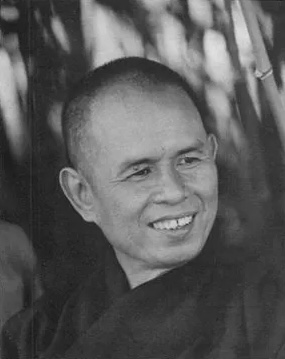
Thich Nhat Hanh, affectionately known as Thay by his students, has touched countless lives with his teachings on mindfulness, compassion, and inner peace. As a Vietnamese Buddhist monk, a poet, and a peace activist, his life’s work offers a profound invitation to awaken to the present moment and live with a heart of compassion.
Throughout his life, Thich Nhat Hanh authored over 100 books, each infused with the gentle yet powerful wisdom that encourages us to return to the breath, to find peace where we are, and to extend that peace to the world around us. Whether we are walking, eating, or simply breathing, his teachings remind us that each moment is an opportunity to cultivate mindfulness. In doing so, we transform our suffering, both inner and outer, into a source of peace.
One of the most transformative aspects of his legacy is Engaged Buddhism. Thay believed that mindfulness was not just for the meditation cushion but for every aspect of life. Whether advocating for peace during the Vietnam War or teaching about reconciliation, he wove together mindfulness and social action, reminding us that true peace begins with ourselves, but does not end there.
Thich Nhat Hanh’s legacy continues to inspire not only individuals but also communities, through meditation centers like Plum Village, which he founded. These centers are spaces of refuge, where people can practice mindfulness, deepen their spiritual understanding, and live in harmony with one another.
If you wish to experience Thich Nhat Hanh’s teachings more intimately, I invite you to listen to his words directly on Thich Nhat Hanh Audio.
One particularly powerful dharma talk is Love in Action, offered by Thay in Hanoi during the “Engaged Buddhism in the 21st Century” retreat. This 78-minute talk, delivered in English on May 9, 2008, is a profound exploration of how love and compassion manifest through mindful action in our everyday lives. You can listen to the full talk here.
Thich Nhat Hanh left us a rich legacy of mindfulness, compassion, and hope, a path we can continue to walk, one mindful step at a time.
How Mindful Observation of Emotions Brings Inner Peace and Clarity
Dear Diary,
I write to you today, not with answers, but with the tenderness that comes from watching the sky change, hour by hour, and wondering what it all means. Have you noticed, as I have, how emotions can rise like a storm? Sometimes, they begin softly—like a gray mist that hangs just above the earth—and at other times, they roll in like thunderclouds, filling the horizon. It is so tempting, in these moments, to reach out, to try and push them away, or to brace ourselves for the deluge we think must come. But what if, instead, we learned to be still?
I have come to realize that our emotions are not permanent; they are travelers, passing through. And though they demand our attention, we are not them. We are not the sadness or the frustration, nor are we the joy that sometimes feels so fleeting. We are the sky, vast and unshakable, watching with quiet patience as each cloud forms, darkens, and eventually dissipates.
To witness without judgment is a practice, one that asks of us not resistance, but gentleness. It is in this gentleness that we find our true strength—not in control, but in allowing. We can observe the emotions without being drawn into their storm. When anger swells, or grief lingers, we remind ourselves that they are like clouds: they have shape and form, but they will pass. And we remain, unbound, beneath it all.
I share this with you because I, too, am learning. Each day, I remind myself that I am not the shifting weather, but the sky itself. And I hope, in your own moments of storm and stillness, you might find comfort in this, knowing that the vastness within you remains untouched, no matter how strong the winds may blow.
We live in what the ancient Chinese might have called “interesting times.” These moments test us—not only our patience and strength but also our ability to remain anchored in love. In times of upheaval, it can feel easy to get swept into fear, division, or despair. Yet, even in the storm, we carry within us a sacred choice.
Perception, they say, is an act of creation. The lens through which we see the world shapes not only what we experience but also how the future unfolds. So, as the winds of uncertainty swirl around us, I choose to see and create love. I choose to reflect kindness, courage, and grace—just as the Divine breathes these qualities into our lives each day.
There is a peculiar magic in this practice: when we choose to view the world through love, we begin to reshape it. The storm becomes an opportunity for deeper connection. Division becomes an invitation to understanding. Despair becomes the fertile ground for hope.
And so, we are called—each of us—to take part in this sacred creation. It’s a quiet revolution, rooted not in politics but in our collective soul. Every act of compassion, no matter how small, weaves us back into unity. Every moment of forgiveness plants the seeds of peace. Every word of encouragement, spoken even in uncertainty, becomes a candle in the darkness.
May we walk gently through these “interesting times,” creating love with every step. And may we remind each other, again and again, that this too is part of the divine plan unfolding—a story that invites us to be co-authors of a more just and loving world.
There is something about preparing for a storm that feels like a dance with the Divine—both a surrender and a determined act of mindfulness. As I sit here in the quiet hours before evacuation, I realize that this has been more than just a physical process of gathering what I need. It has been an intimate spiritual journey, one that stretches my capacity to trust, to let go, and to deepen into the lived experience of the present moment.
Living with chronic fatigue syndrome (CFS) means that every action I take must be intentional. Every task requires careful pacing, every moment of activity balanced with long periods of rest. There is a delicate art to navigating this kind of preparation, especially during a post-exertional malaise (PEM) crash. Yet, somehow, this storm has become a mirror—reflecting back the inner landscape of my spiritual practice, calling me into a deeper relationship with contemplation, with surrender, and with faith.
The Importance of Pacing I began the preparations by gathering what I would take with me: clothes, medications, bedding, and electronics—just enough to fill a small suitcase and backpack. For most, this might seem like a simple task. For me, it was an act of delicate pacing. I worked in small bursts, then returned to rest, mindful of the balance I needed to maintain in order to avoid worsening my symptoms. Each step of preparation became a meditation on pacing, on honoring the limitations of my body while trusting in my ability to persevere.
In these moments of rest, I found myself returning again and again to the practice of contemplation. I lit a candle, not only for myself but for all those who are suffering—for all sentient beings in the path of this storm and beyond. There is a peace that arises in this kind of surrender. A quiet knowing that, no matter how much preparation is done, the outcome rests in God’s hands. And that, somehow, is enough.
A Shift from Meditation to Contemplation This journey has been more than just practical preparation. It has been a spiritual unfolding. For years, I have studied the teachings of Advaita Vedanta and Dzogchen, exploring the ways in which these paths guide us beyond intellectual understanding and into a direct experience of the Divine. In the midst of preparing for this hurricane, I felt a deepening—a shift from meditation to contemplation.
Contemplation is not about thinking or striving. It is about resting in the space of the witness, in the awareness of what is, without grasping or resisting. As the storm approaches, I find myself leaning more into this practice. Each moment becomes an invitation to let go of control, to allow the Divine to move through me, and to trust that whatever happens, it is part of a greater unfolding.
Mindful Eating and Body Awareness Even the simple act of eating became a mindful practice. I prepared a spontaneous meal—scrambled eggs with garlic and cayenne, rich in healthy fats and protein to fuel me through the day. As I ate, I focused on each bite, slowing down, tasting, being fully present with the nourishment my body needed.
In the midst of so much uncertainty, these small acts of mindfulness brought me back to center. They reminded me that, even as the world outside seemed to spin with chaos, I could find peace within the present moment. I could honor my body’s needs, even as I prepared to enter an unfamiliar shelter and face whatever lay ahead.
Pacing the Preparation of the RV As I packed my belongings, I also prepared my RV, the place I call home. I moved slowly, bringing frozen food to the clubhouse, unplugging the RV, securing what needed to be secured. I paced myself, taking each step with intention, aware that my energy was limited and precious.
There is something sacred about these practical tasks, when approached with mindfulness. They become a part of the spiritual practice, a way of aligning the outer world with the inner. In unplugging the RV, I was also unplugging from the need to control. In securing my belongings, I was also securing my faith—trusting that whatever happens, I am held by something greater than myself.
Karma Yoga: Offering and Receiving Prayers During this time, I also turned to the practice of Karma Yoga—offering prayers for the world, while asking for prayers in return. I posted a prayer request on Facebook, asking my community to hold me, and all those in the storm’s path, in their hearts. The response was overwhelming. The outpouring of love, of people offering their prayers and well wishes, became a source of strength for me. It reminded me that, even in times of uncertainty, we are never alone. We are held by the compassion of others, by the grace of the Divine, by the interconnectedness of all life.
Surrender and Trust And so, I surrender. I surrender to whatever will be, knowing that I have done all I can to prepare—both physically and spiritually. I surrender to the wisdom of the Divine, trusting that, in the midst of this storm, there is a deeper unfolding happening. There is a lesson in the letting go, in the release of control, in the peace that comes from trusting that God’s will is always unfolding in ways that we may not understand, but can still embrace.
To those who read this, who are also navigating life with chronic fatigue syndrome or facing similar challenges, I hope this reflection offers you some sense of peace. We cannot always control the storms that come our way, but we can choose how we prepare, how we respond, and how we anchor ourselves in the presence of the Divine.
May you be safe. May you be held. May you find peace in the midst of the storm.
For those of us living with post-viral myalgic encephalomyelitis (ME/CFS), the experience of life often feels like moving through a landscape filled with unseen obstacles. There is the fatigue—so heavy, so relentless—that it can feel like a weight we will never shake. There are the moments when even the simplest tasks become insurmountable, and the pain becomes a constant companion, whispering in the background of every day.
When I first encountered the teaching “Transforming Suffering and Happiness into Enlightenment” by Dodrupchen Jigme Tenpe Nyima, it felt like someone had gently opened a door I hadn’t known existed. At the time, I was entrenched in my own struggle—fighting the fatigue, resisting the pain, angry at the injustice of it all. I didn’t see it then, but my resistance, my frustration, and my desperate need for things to be different were only making me sicker. Each day felt like another battle against my body, and it was exhausting in every sense of the word.
The teaching introduced me to an entirely different way of relating to my experience. It was an invitation, not to fight against my suffering, but to sit with it, to gently turn toward it with a kind of curiosity. At first, the idea seemed absurd—how could I welcome something that was robbing me of so much? But as I read further, I began to understand that the more I resisted, the more I labeled my suffering as the enemy, the stronger it became. Everything around me had started to feel like an enemy—my body, the illness, even the world itself.
The first time I truly absorbed the idea that suffering, like anything else, grows stronger with the attention we give it, it was a revelation. I started to realize that I had been feeding my suffering through my resistance. In a way, I was making myself worse by constantly pushing against the reality of what I was experiencing. This was the first eye-opener: that my own mind was contributing to the intensity of my suffering.
I remember vividly when I decided to start putting this teaching into practice. I had signed up for a meditation class, feeling both hopeful and uncertain, and around that time, I also came across Tony Bernhardt’s book How to Be Sick. Little by little, I began to change how I approached the fatigue and pain. It didn’t happen overnight. In fact, it felt like planting seeds in the darkest soil—there were days when nothing seemed to grow, and I wondered if this new approach would ever bear fruit. But gradually, something did begin to shift.
The more I learned to observe my suffering without immediately pushing it away, the more space I created around it. It wasn’t that the fatigue disappeared—far from it—but my relationship to it began to change. Instead of seeing every wave of exhaustion as something to fight, I started to meet it with a kind of quiet acceptance. This didn’t mean I liked it, but I stopped resisting it quite so fiercely. In time, the constant anger and frustration began to soften.
As I practiced more, something else began to emerge—equanimity. I began to realize that the less I resisted both the suffering and the rare moments of joy, the steadier I felt inside. Over the years, my confidence in my ability to face difficulties has grown. There’s a quiet knowing now, a calmness that wasn’t there before, that when challenges arise, I can meet them without being completely swept away.
Of course, this is still a work in progress, and I expect it will be for the rest of my life. Some days are harder than others, but the difference is that I no longer see the hard days as failures. They are simply part of the ebb and flow. And in learning to embrace both the suffering and the moments of peace, I’ve discovered a kind of strength that doesn’t come from fighting but from surrendering—surrendering to the reality of my experience without letting it define me.
This teaching has shown me that suffering, far from being something to avoid, can become a profound teacher. When we allow ourselves to meet it with openness, we can begin to transform it. It doesn’t mean the pain or the fatigue will disappear, but our relationship to it changes. We become less fragile, more resilient. Over time, the suffering no longer feels like something that has complete power over us.
For those of us living with ME/CFS, this teaching offers a way to shift the narrative. Instead of seeing our illness as something that has taken everything from us, we can begin to see it as part of our path. By practicing mindfulness, by gently turning toward our suffering instead of away from it, we begin to cultivate a heart that is steady, a heart that can hold both the fatigue and the fleeting moments of ease without being shaken by either.
It’s a slow process, and it requires patience—patience with ourselves and with the process of healing. But there is a quiet beauty in this work. Each time we meet our suffering with compassion, we are planting a seed. And while the fruits may take time to blossom, they do eventually grow.
For those of you who are interested in exploring this teaching more deeply, I encourage you to take your time with it. Let it sit with you, and consider how it might apply to your own experience. And if you’d like to read the full teaching by Dodrupchen Jigme Tenpe Nyima, you can find it freely available online here.
This journey isn’t easy, but together we can learn to transform our suffering into something that doesn’t just weigh us down but also lifts us toward a deeper understanding of ourselves and the world around us.
🙏🕊️🙏
Biography of Dodrubchen Jigme Tenpai Nyima
Dodrubchen Jigme Tenpai Nyima, the Third Dodrubchen, was born in 1865 in the sacred Ma valley of Golok, Tibet, into a family deeply rooted in the spiritual lineage of his father, Dudjom Lingpa. From the very beginning, his life was marked by extraordinary recognition, with his teachers and mentors seeing in him the incarnation of profound wisdom. But his journey was not without struggle. As a young boy, he found study difficult, often frustrated to the point of tears. Yet, through perseverance and the support of his teachers, his understanding blossomed, revealing a deep capacity for spiritual insight.
What makes Dodrubchen Jigme Tenpai Nyima so relatable is his humanity. Even as a master of Tibetan Buddhist teachings, he encountered challenges that shaped him into the teacher he became—a man of great compassion, who dedicated his life to training countless students in both Nyingma and Sarma traditions. His accomplishments were vast: he rebuilt his monastery, composed celebrated commentaries, and gave teachings tirelessly. And though he eventually retreated into seclusion due to his failing health, he continued to guide his closest disciples with unwavering dedication. His life, both ordinary and extraordinary, stands as a testament to the power of persistence, humility, and the profound depth of spiritual commitment.
About Lotsawa House
Lotsawa House is a rich and invaluable resource for those seeking authentic Tibetan Buddhist teachings. The website offers an extensive collection of translations from Tibetan texts, including teachings from many great masters such as Dodrubchen Jigme Tenpai Nyima. This is where the teaching “Transforming Suffering and Happiness into Enlightenment” can be found, along with countless other treasures, all freely available for anyone to access.
Whether you are new to Tibetan Buddhism or have been practicing for years, Lotsawa House provides a space to explore the wisdom of these great teachings. The site is dedicated to making the profound texts of Tibetan Buddhism accessible to a global audience, offering translations in English and other languages, so that anyone, regardless of background, can benefit from these ancient spiritual insights. It’s a place where the wisdom of the Tibetan masters is preserved and shared, so that all who seek it may find the path to peace and understanding.
You can explore the full collection of teachings and discover more about the great teachers who brought them to life by visiting Lotsawa House.
In our fast-paced world, we often find ourselves caught up in thoughts, judgments, and conceptualizations, missing the richness of direct experience. Embracing the present moment can offer profound benefits, providing a clearer connection to reality and deeper personal insight. This post explores the value of immersing ourselves in the direct experience of now and how it transcends the limitations of conceptual thinking.
Understanding Conceptualization
Conceptualization involves interpreting and framing our experiences through mental constructs and labels. While these concepts help us navigate the world, they can also obscure our immediate experience. For instance, thinking about what it means to feel the cool air against your skin is different from simply feeling it. Concepts can create distance between us and the raw reality of our experiences.
The Power of Direct Experience
Direct experience refers to engaging fully with the present moment without the interference of conceptual thinking. When we focus on the direct sensations, emotions, and awareness of now, we tap into a more authentic and immediate understanding of ourselves and our surroundings. This presence allows for a deeper connection to reality, unfiltered by preconceptions or judgments.
Benefits of Present-Moment Awareness
Direct experience helps us see things as they are, providing clarity and insight that can be lost in conceptual thinking. It allows us to understand our true feelings and reactions without the distortions of our mental filters.
Engaging fully in the present can reduce stress by breaking the cycle of rumination and worry about the past or future. It brings our focus to what is happening now, where we have the power to act.
Being present enhances our connection with others and the world around us. It fosters empathy and understanding by allowing us to experience interactions more directly and authentically.
Practicing present-moment awareness cultivates mindfulness, which can improve our overall quality of life by helping us appreciate simple joys and experiences that we might otherwise overlook.
Cultivating Present-Moment Awareness
Techniques such as meditation, mindful breathing, and body scans can help anchor us in the present moment. These practices encourage us to observe our thoughts and sensations without judgment.
Focus on your senses—what you see, hear, feel, taste, and smell. Engaging with sensory experiences can ground you in the present and deepen your connection to reality.
Take time throughout your day to pause and check in with your immediate experience. Notice the sensations, emotions, and thoughts that arise without getting caught up in them.
Conclusion
Embracing the direct experience of the present moment offers a powerful way to connect more deeply with ourselves and our world. By moving beyond conceptualizations and engaging fully with the now, we can gain clarity, reduce stress, and foster a more profound sense of presence and connection. Let’s explore this direct experience and discover the richness it brings to our lives.
Reflective Questions:
How often do you find yourself lost in thoughts rather than experiencing the present moment directly?
What sensations or experiences do you notice when you focus on being fully present?
How can you integrate more direct experiences into your daily life to enhance your awareness and connection?
Share your thoughts and experiences about engaging with the present moment. How has focusing on direct experience impacted your life? I’d love to hear from you in the comments below.
Essential Pacing Strategies for Managing ME/CFS Symptoms and Enhancing Quality of Life
Introduction
Living with ME/CFS presents unique challenges that demand careful attention to our body’s signals. In this blog post, I delve into my personal journey with ME/CFS, highlighting the crucial warning signs—increased tinnitus, more frequent and intense headaches, and bouts of insomnia—that alert me when I’m pushing beyond my limits. By sharing these experiences, I aim to illuminate how such signals can guide us in effectively managing our daily activities.
Additionally, I will explore practical pacing strategies that have been instrumental in helping me maintain balance and prevent burnout. Pacing is not merely a management tactic; it’s a vital skill for anyone with ME/CFS looking to enhance their quality of life while navigating the complexities of this condition. Whether you are newly diagnosed or seeking to refine your approach to symptom management, this post aims to provide valuable insights into living more harmoniously with ME/CFS.
Please note that this is a comprehensive post, and while it’s filled with valuable information, it’s also an excellent opportunity to practice pacing. To avoid overwhelming your cognitive abilities or triggering PEM, consider reading one section at a time and then taking a break after each section. This approach not only prevents cognitive overload but also exemplifies the very concept of pacing we discuss here.
What is Pacing and Why is it Important?
Pacing is a self-management strategy that involves balancing activity and rest to avoid triggering or worsening symptoms of ME/CFS. It’s about learning to recognize your body’s warning signs, such as increased fatigue, pain, or cognitive difficulties, and responding appropriately by slowing down or taking breaks. For those of us with ME/CFS, pacing is an essential skill because it helps us manage our limited energy reserves, prevent crashes, and maintain as much functionality as possible. Unlike pushing through exhaustion, pacing respects the body’s limits and allows for gradual recovery, making it a cornerstone of living well with chronic fatigue syndrome.
Recognizing and Responding to Your Body’s Signals
Learning to listen to your body’s signals is a critical skill for managing ME/CFS, as these cues are often the first indication that we need to adjust our activities to prevent worsening symptoms. Understanding these signals and how to respond to them can help you maintain a better balance and prevent relapses.
Identify Your Unique Signals
Everyone’s experience with ME/CFS is different, which means that the warning signs of overexertion can vary widely from person to person. Common signals might include increased fatigue, pain escalation, mental fog, or specific symptoms like tinnitus and headaches, as I experience.
Use Mindfulness Techniques
Mindfulness can be a powerful tool in recognizing when you’re beginning to overdo it. Regular mindfulness practice, such as meditation or mindful breathing, enhances your awareness of the body’s subtle signs before they become pronounced. It allows you to take timely action, such as stepping back or resting, which can be crucial in managing your energy reserves.
Set Clear Boundaries
Once you recognize your warning signs, it’s crucial to set boundaries to prevent pushing beyond your limits. This might mean limiting the time you spend on certain activities, taking frequent breaks, or having strict rest periods throughout the day. Setting boundaries is not about restricting your life but about enabling more consistent activity levels without crashes.
Educate Your Support Network
Share your experiences and what you’ve learned about your warning signs with family, friends, and caregivers. Educating them about your specific needs and signals can help them support you better. They can also assist you in monitoring your activities and provide reminders to take breaks or slow down when needed.
Embrace Flexibility in Daily Plans
Living with ME/CFS requires adaptability. Some days you might feel capable of more, and other days less so. Listening to your body means being flexible with your plans, adjusting them according to your current state. It’s important to give yourself permission to rest without guilt when your body demands it.
By integrating these practices into your daily life, you can better manage ME/CFS and avoid the severe crashes that come from overexertion. Listening to and respecting your body’s signals isn’t just about avoiding pain or discomfort; it’s about cultivating a sustainable lifestyle that accommodates your health and enhances your well-being.
1. Detailed Guide to Pacing Techniques
Activity Management:
Pacing involves careful management of daily activities to prevent overexertion and to manage energy levels effectively. To implement pacing, start by identifying the times of day when your energy is at its peak. Divide tasks into smaller, manageable segments and alternate them with rest periods. For example, if you find mornings are when you have the most energy, schedule important tasks during this time and allow for breaks or less demanding activities as your energy wanes.
Energy Conservation Methods:
Conserving energy is key to effective pacing. Here are some techniques to help manage your energy more efficiently:
Task Simplification: Break down activities into simpler steps and focus on one small task at a time.
Use Tools and Aids: Utilize tools and aids to reduce physical effort, such as using a stool while cooking or an electric scooter for shopping.
Prioritize and Delegate: Prioritize activities based on their importance and delegate when possible. Focus on what must be done and what can be postponed or handled by others.
2. Understanding Post-Exertional Malaise (PEM)
Definition and Triggers:
Post-Exertional Malaise (PEM) is a hallmark symptom of ME/CFS, characterized by a worsening of symptoms following even minor physical or mental exertion. Triggers for PEM can vary widely among individuals but often include surpassing physical or cognitive energy limits.
Strategies to Avoid PEM:
To avoid PEM, it’s crucial to learn to recognize its early signs and adjust your activities to prevent overexertion. Here are some strategies:
Monitor and Measure Activity Levels: Use tools like activity trackers or keep a symptom diary to identify patterns that lead to PEM.
Establish Baselines: Determine the amount of an activity you can do without causing a flare-up, and do not exceed this limit. Gradually increase activity levels as tolerated.
Rest Before You Feel Tired: Resting before signs of fatigue can prevent an onset of PEM. Integrate regular rest periods into your schedule regardless of your current energy level.
Incorporating these pacing techniques and strategies to manage and avoid PEM can help individuals with ME/CFS maintain a more stable condition and improve overall quality of life.
Personal Experience:
Pacing Awareness: What are your body’s warning signals that your starting to overdo and need to slow down, rest and respect your boundaries?
I’m a bit out of practice but the three most reliable signals I get that I’m overdoing it and need to slow down are the tinnitus gets much louder, my headaches get more frequent and more intense and then if I’m still overdoing it, the insomnia kicks in.
All of these signals happened before my recent crash, but I hadn’t stressed myself to that point in a long time and so I forgot their importance.
I’m recovering now. The insomnia is gone, the headaches and tinnitus are still present but less intense. And now that I’m recovering from this Flare-up, I’m currently not overdoing activities anymore, lesson learned, and at least for now, its time to be very aware and careful and to rebuild my reserve of spoons.
I don’t completely regret overdoing it though. As uncomfortable and painful as it is, I was creatively involved producing material for blog posts and thus hopefully benefiting others.
But, I would like to get better at pacing when I’m not just laying in bed. When my capacity for activity has increased thats when I most need to remember and practice pacing.
Like with traffic lights, I have green, orange and red signals too. I’m currently in red heading to orange rather than further into red.
When fully in red, I have to stop everything and all sensory input.
When orange I need to listen to and respect the signals my body is giving me so that I can get back to green instead of back to red.
Green is as good as I get and I can do my laundry, clean my home, go for short walks, etc. I aspire to be green as much as I can. And it all mostly depends on pacing and recognizing and respecting my body’s signals.
What are your bodies warning signals that your starting to overdo and need to slow down, rest and respect your boundaries?
What are your body’s signals that you are green, yellow or red?
Conclusion
Mastering the art of pacing is an essential strategy for anyone living with ME/CFS. By understanding your body’s signals and learning how to respond to them appropriately, you can significantly improve your quality of life and manage the symptoms of this challenging condition more effectively. As we’ve explored in this post, pacing isn’t just about managing energy; it’s about nurturing a deep connection with your body, recognizing its signals, and respecting its limits.
Whether you’re identifying your red, orange, and green signals, implementing practical pacing techniques, or learning to prevent Post-Exertional Malaise, each step you take is a move toward better health and greater stability. Remember, pacing is a skill that improves with practice and patience. It requires continuous adjustment and attunement to your body’s needs.
I encourage you to share your experiences and tips on pacing in the comments below. What strategies have worked for you? How do you recognize and respond to your body’s warning signals? Let’s support each other in our journeys and build a community where everyone feels empowered to manage their ME/CFS with confidence and hope.
Let’s continue to support each other and grow stronger together.
Together, we can navigate the complexities of chronic illness with resilience and grace.
For more insights and updates, consider subscribing to this blog.
Thank you for reading, and may your path toward wellness be filled with many moments of peace and achievement.
In our fast-paced world, it’s easy to overlook the journey our food takes before it reaches our plates. We often eat on the go, distracted by screens, or in a rush, without truly appreciating the nourishment we receive. Mindful eating invites us to slow down and savor each bite, bringing a deeper awareness and gratitude for the food we consume.
What is Mindful Eating?
Mindful eating is the practice of being fully present and engaged while eating. It’s about appreciating the colors, textures, and flavors of our food, and understanding the journey it took to arrive at our table. This practice isn’t tied to any particular spiritual or religious tradition; it’s simply about cultivating a deeper connection with the food we eat and the process that brings it to us.
The Journey of Food: From Seed to Plate
The Seed: Every piece of food starts from a seed. Imagine the tiny seed planted in the earth, nurtured by the soil, water, and sunlight. Farmers care for these seeds, ensuring they have the best chance to grow.
Growth: Picture the seed sprouting, growing into a plant or tree. The plant endures various weather conditions, receiving care from farmers who protect it from pests and provide the nutrients it needs to thrive.
Harvest: When the time is right, the food is harvested. This might involve picking fruit from trees, gathering grains, or pulling vegetables from the ground. Consider the effort and dedication required to harvest the food at its peak.
Transportation: After harvest, the food is transported. It may travel long distances, passing through the hands of many workers, from packers and drivers to warehouse staff and store employees, all playing a role in delivering the food to us.
Processing and Distribution: Some foods undergo processing—washing, sorting, and packaging—before reaching the market. Think about the systems and people involved in these steps, ensuring the food is safe and ready for consumption.
Purchase: Whether from a grocery store, market, or directly from a farm, purchasing food is an act that connects us to the larger food system. It involves choices that reflect our tastes, needs, and values.
Preparation: Preparing food can be a mindful activity in itself. Washing, cutting, cooking, and arranging food requires attention and care. It’s an opportunity to appreciate the transformation of ingredients into a meal.
Practicing Mindful Eating
To begin practicing mindful eating, try this simple exercise:
Choose Your Food: Select a piece of food, like an apple or a piece of bread.
Observe: Take a moment to look at the food. Notice its color, shape, and texture. Feel its weight in your hand.
Imagine the Journey: Visualize the journey this food took to reach you, from seed to harvest, transportation, and preparation.
Savor the Flavor: Take a small bite and chew slowly. Pay attention to the flavors and textures. Notice how the food changes as you chew.
Express Gratitude: Reflect on the effort involved in bringing this food to your table. Feel gratitude for the earth, the farmers, the workers, and everyone who played a part.
Benefits of Mindful Eating
Enhanced Gratitude: Appreciating the journey of food fosters a sense of gratitude for the nourishment we receive.
Better Digestion: Eating slowly and mindfully can improve digestion and help us recognize when we’re full.
Greater Enjoyment: Mindful eating allows us to savor the flavors and textures of our food, enhancing our eating experience.
Healthier Choices: When we eat mindfully, we’re more likely to make healthier food choices and enjoy balanced meals.
Conclusion
Mindful eating is a simple yet powerful practice that can transform our relationship with food. By slowing down and appreciating the journey of our food, we cultivate gratitude and mindfulness in our daily lives. Whether you’re familiar with meditation or not, mindful eating is an accessible way to bring more awareness and enjoyment to your meals.
Give it a try with your next meal and discover the difference it makes!
Cultivating Resilience, Self-Compassion, and Mindful Living Through Pacing
Living well with Chronic Fatigue Syndrome (ME/CFS) involves embracing mindful pacing and staying within your energy envelope. Prioritize achievable tasks and incorporate regular self-care. Aligning with ME/CFS good practices, avoiding overexertion to prevent crashes, and maintaining a consistent sleep schedule are essential components of effective management.
Mindful Pacing and Energy Management
Effective management of ME/CFS requires understanding and respecting your body’s limitations. Pacing yourself is crucial: set realistic goals, prioritize essential tasks, and create space for regular self-care. Recognizing your energy envelope and staying within it helps prevent overexertion and subsequent crashes. Establishing a consistent sleep schedule is equally important for maintaining energy levels and overall health.
Integrating Mindfulness Practices
Integrating mindfulness practices can further enhance your well-being, fostering a balanced and harmonious approach to life. Mindfulness involves cultivating a heightened awareness of the present moment, including thoughts, feelings, bodily sensations, and surroundings, without judgment. Techniques such as meditation, deep breathing, and intentional focus can foster clarity, calmness, and a deeper connection to the present experience.
To incorporate mindfulness into your routine, consider starting your day with a brief meditation or mindful breathing exercise. Throughout the day, take moments to pause and bring attention to your breath, sensations, or environment. Integrate mindfulness into daily activities, such as eating or walking, and practice gratitude and compassion in your interactions.
Cultivating Equanimity and Self-Compassion
In the face of severe negative judgments about your present experience, cultivating equanimity and non-judgment can be transformative. Begin by acknowledging the difficulty without self-blame and recognizing that suffering is a universal aspect of the human condition – ME/CFS is just how it is happening for us.
Embrace self-compassion, treating yourself with the same kindness you would offer a friend in pain. Practice observing thoughts and sensations as passing events, allowing them to come and go without attaching undue significance. The path to equanimity involves acknowledging your struggles with an open heart, fostering a compassionate understanding of your experience.
A Message of Hope
May these suggestions provide solace and encouragement to all those navigating the path of chronic fatigue syndrome. Your journey with ME/CFS is a testament to resilience and can inspire others facing similar challenges on the path to wellness. Remember, you are not alone, and may the collective strength of our shared experiences illuminate your path toward healing and well-being. Embrace each moment with resilience, self-compassion, and mindfulness, and may your journey be filled with moments of profound insight and inspiration.
For those living with Myalgic Encephalomyelitis/Chronic Fatigue Syndrome (ME/CFS), each day can present unique challenges, from navigating profound fatigue to managing a complex range of symptoms. In this context, finding ways to foster mental clarity and emotional resilience can be crucial for maintaining a sense of well-being. One transformative approach involves perceiving and integrating the concept of the “pristine mind”—a state of pure, unconditioned awareness.
This blog post explores how understanding and embracing the pristine mind can offer valuable insights and support for individuals with ME/CFS. By cultivating a deeper awareness of our true nature, we can enhance our capacity to cope with illness, find moments of peace amidst struggle, and navigate our daily lives with greater clarity and intention.
Understanding Pristine Mind
The pristine mind refers to a state of pure, unconditioned awareness—free from the distortions of ego, emotions, and external influences. It is a mind that sees things as they are, without the overlay of personal biases or judgments. This concept is prevalent in various spiritual traditions, including Buddhism, Advaita Vedanta, and contemplative practices.
The Journey to Perceive Pristine Mind
Cultivate Mindfulness: Begin by developing a regular mindfulness practice. Mindfulness helps you become aware of your thoughts, emotions, and sensory experiences in the present moment. For those with ME/CFS, mindfulness can assist in recognizing and managing fatigue and pain without becoming overwhelmed. Focus on gentle practices that accommodate your energy levels, such as short meditations or mindful breathing exercises.
Practice Self-Inquiry: Engage in self-inquiry to explore the nature of your mind. Questions like “Who am I?” or “What is the essence of my awareness?” can guide you to look beyond surface-level thoughts and emotions. This practice can help you address feelings of frustration or helplessness related to your condition, fostering a deeper understanding of your inner resilience and acceptance.
Let Go of Attachments: Work on releasing attachments to personal identities, beliefs, and desires that cloud your perception. For individuals with ME/CFS, this might involve letting go of rigid expectations about what you should be able to do or how you should feel. Embrace a more flexible mindset, allowing yourself to adapt and find peace in your current state.
Embrace Stillness: Create spaces of stillness in your life where you can connect with a sense of inner peace. For those managing ME/CFS, find ways to incorporate moments of quiet and relaxation that suit your needs. These moments can help you gain clarity and insight into your true nature, even amidst the limitations of your condition.
Receiving the Perception of Pristine Mind
Recognize the Experience: When you begin to perceive the pristine mind, you might notice a sense of deep clarity, stillness, or a profound sense of “knowing.” For someone with ME/CFS, recognize these moments of insight and peace as valuable experiences that can offer comfort and perspective, even during challenging times.
Integrate the Awareness: Integrate this perception into your daily life by maintaining the awareness of the pristine mind in your interactions and decisions. Apply this awareness to manage symptoms and make choices that align with your well-being, focusing on actions that reflect your deeper understanding and acceptance.
Nurture Your Practice: Continue nurturing your spiritual practices to deepen your connection with the pristine mind. For individuals with ME/CFS, this might involve adapting your practices to suit your energy levels and incorporating regular, gentle reflections or meditations that support your ongoing journey.
Share and Reflect: Share your insights with others and reflect on how perceiving the pristine mind influences your interactions and understanding of the world. Engaging in supportive communities or sharing your experiences can enhance your personal growth and offer encouragement to others facing similar challenges.
Conclusion
Receiving the perception of the pristine mind is a transformative experience that unveils a deeper understanding of your true nature. By cultivating mindfulness, engaging in self-inquiry, letting go of attachments, and embracing stillness, you can perceive and integrate this pure awareness into your life. As you continue on this path, the pristine mind will guide you toward a more authentic and enlightened existence. Embrace this journey with openness and curiosity, and let the clarity of the pristine mind illuminate your path.
Lesson 12 of A Course in Miracles introduces the lesson: “I am upset because I see a meaningless world.” This teaching invites us to explore the relationship between our inner state of mind and our perceptions of the world around us. By acknowledging that our upsets often stem from seeing a world devoid of inherent meaning, we can begin to unravel the beliefs and judgments that contribute to our distress.
This practice encourages us to question the validity of our interpretations and the emotional reactions they provoke. By understanding that our perception of a meaningless world reflects our own internal turmoil and confusion, we can start to release the grip of negativity and open ourselves to a more peaceful and compassionate view of reality.
Jesus taught about the importance of inner peace and seeing through the illusions of the world. In John 14:27, He says, “Peace I leave with you; my peace I give you. I do not give to you as the world gives. Do not let your hearts be troubled and do not be afraid.” This teaching aligns with ACIM’s guidance to find peace by letting go of our judgments and accepting the true meaninglessness of the ego’s perceptions.
By practicing Lesson 12, we align ourselves with Christ’s message of inner peace and spiritual clarity. We learn to recognize that our upsets are rooted in our perception of a meaningless world and open ourselves to a deeper connection with the divine peace that transcends all understanding.
Explore Lesson 12 of A Course in Miracles with us, and discover how releasing the belief in a meaningless world can lead to greater inner peace, clarity, and spiritual awakening.
A guided meditation to encompass the elements, themes, messages, and practices of Lesson 12 from A Course in Miracles:
Find a comfortable position, either sitting or lying down, where you can relax and be free from distractions.
Close your eyes gently and take a few deep breaths, allowing yourself to settle into the present moment.
Bring your attention to your breath, feeling the sensation of each inhale and exhale.
Reflect on the central theme of Lesson 12: “I am upset because I see a meaningless world.”
Contemplate the idea that the world you perceive is ultimately meaningless, as it is based on false perceptions and interpretations.
Acknowledge that your upset is not caused by external events, but rather by your own interpretations of those events.
With each breath, imagine releasing any attachment to the meaninglessness of the world you see, allowing it to dissolve like mist in the sunlight.
Visualize yourself stepping back from your perceptions, observing them with a sense of detachment and clarity.
Feel a sense of freedom as you realize that you have the power to choose how you see the world, free from the constraints of past conditioning.
Repeat the following affirmations silently or in your mind:
“I am upset because I see a meaningless world.”
“I release all attachments to the meaninglessness of the world.”
“I choose to see the world with clarity and truth.”
Allow yourself to rest in this space of inner peace and clarity for a few moments, letting go of any attachment to the meaninglessness of the world you perceive.
When you’re ready, gently bring your awareness back to your surroundings. Wiggle your fingers and toes, and slowly open your eyes.
Take a moment to reflect on your experience, noticing any insights or shifts in perception that may have occurred. Remember that you can return to this meditation whenever you feel called to deepen your understanding of Lesson twelve.
Lesson 11 of A Course in Miracles presents the lesson: “My meaningless thoughts are showing me a meaningless world.” This teaching encourages us to recognize the connection between our inner thoughts and our perceptions of the external world. By acknowledging the fleeting and arbitrary nature of our thoughts, we can begin to see beyond the illusions that our minds project onto reality.
This practice invites us to question the validity of our judgments and interpretations. By understanding that our thoughts contribute to the perception of a world that lacks true meaning, we can start to release the mental constructs that keep us bound to suffering and limitation.
Jesus emphasized the importance of seeing beyond appearances and perceiving the deeper truth. In John 7:24, He says, “Stop judging by mere appearances, but instead judge correctly.” This teaching aligns with ACIM’s guidance to look beyond our superficial judgments and recognize the inherent meaninglessness of the world as perceived through ego-driven thoughts.
By practicing Lesson 11, we align ourselves with Christ’s message of spiritual discernment and awakening. We learn to see through the illusions created by our meaningless thoughts and open ourselves to a deeper perception of reality guided by divine wisdom.
Explore Lesson 11 of A Course in Miracles with us, and discover how releasing the belief in a meaningless world can lead to greater peace, clarity, and a profound connection with the eternal truth within.
A guided meditation to encompass the elements, themes, messages, and practices of Lesson 11 from A Course in Miracles:
Find a comfortable position, either sitting or lying down, where you can relax and be free from distractions.
Close your eyes gently and take a few deep breaths, allowing yourself to settle into the present moment.
Bring your attention to your breath, feeling the sensation of each inhale and exhale.
Reflect on the central theme of Lesson 11: “My meaningless thoughts are showing me a meaningless world.”
Contemplate the idea that the thoughts that pass through your mind are ultimately meaningless, as they do not have the power to affect your true essence.
Acknowledge that while your thoughts may seem to create the world you perceive, they are ultimately devoid of any real significance.
With each breath, imagine releasing any attachment to the meaning of your thoughts, allowing them to dissolve like clouds in the sky.
Visualize yourself stepping back from your thoughts, observing them with a sense of detachment and neutrality.
Feel a sense of liberation as you realize that you are not defined by your thoughts, but rather by the awareness that witnesses them.
Repeat the following affirmations silently or in your mind:
“My meaningless thoughts are showing me a meaningless world.”
“I release all attachments to the meaning of my thoughts.”
“I am the silent witness of my mind.”
Allow yourself to rest in this space of inner stillness and clarity for a few moments, letting go of any identification with the thoughts that arise.
When you’re ready, gently bring your awareness back to your surroundings. Wiggle your fingers and toes, and slowly open your eyes.
Take a moment to reflect on your experience, noticing any insights or shifts in perception that may have occurred. Remember that you can return to this meditation whenever you feel called to deepen your understanding of Lesson eleven.