Tag: Jesus

  • Ramayana No. 8: The Journey from Ignorance to Wisdom—A Path We All Walk

    In the ancient epic of the Ramayana, we find a story that resonates with the journey of every human soul—a journey that begins in ignorance and, with the right guidance, leads toward wisdom, righteousness, and self-realization. These themes are universal, transcending religious boundaries, and can be understood in the context of both Eastern and Western spiritual traditions.

    A King’s Ignorance and the Sage’s Steadfastness

    In the early chapters of the Ramayana, we encounter a king driven by flawed motivations—greed, rivalry, and a desire for power. His approach to the sage, despite being rooted in ignorance, marks the beginning of a profound transformation. The king’s initial aggression and misguided intent bring him into the presence of a sage, a living embodiment of dharma (righteousness).

    This story is more than just a tale of conflict; it’s a reflection of our own lives. We all begin in ignorance, shaped by our desires, fears, and misunderstandings. But like the king, when we encounter wisdom—whether through a teacher, a spiritual practice, or life’s hard-earned lessons—there is an opportunity for transformation. The sage, representing the unwavering principles of righteousness, patiently guides the king, leading him from ignorance toward a deeper understanding of true power, which is rooted not in dominance, but in righteousness.

    In the Christian tradition, this principle can be seen in the teachings of Jesus, who embodies righteousness and divine wisdom. Jesus’s teachings guide believers toward a life of love, compassion, and humility, aligning them with the will of God. Just as the sage in the Ramayana leads the king toward dharma, Jesus invites us to follow the path of righteousness, even when we begin with flawed motivations or misunderstandings.

    The Universal Journey: From Ego to Righteousness

    This narrative is relatable because it mirrors the human experience. Even Rama and his brothers, avatars of the divine, begin their lives in a state of ignorance, unaware of their true nature. However, they have the immense fortune of being raised in righteousness by a virtuous family. Their journey is guided by dharma from the start, but for many of us, the path is not so straightforward.

    In the Christian context, we might liken this to the way Jesus guides his followers toward righteousness, teaching them to love their neighbors, forgive their enemies, and live in accordance with God’s will. But as in the Ramayana, many of us begin our spiritual journey with ego-driven desires—seeking happiness, success, or even power. As we walk the path, life’s challenges and the teachings we encounter gradually shift our motivations. The path, though filled with lumps and bumps, becomes a process of alchemy, where our ignorance is transformed into wisdom, our ego into selflessness, and our desires into devotion.

    Seeking Wisdom on the Hard Road

    For those who do not start in a righteous environment, the road can be hard. But this journey is not without hope. The king’s story reminds us that even when we approach the path with flawed intentions, the very act of seeking wisdom can lead to our transformation. The teacher doesn’t come to ignorance; rather, ignorance approaches the teacher.

    In the Southern Chinese monk style of martial arts known as Gohndagow, a branch of Kung Fu, this principle is symbolized by the student bringing the left foot to the right foot before showing respect to the teacher—a gesture that represents ignorance coming to the teacher, or the ego approaching the divine for guidance. In Gohndagow, martial arts are more than just physical training; they are a path to spiritual enlightenment, emphasizing the cultivation of the mind and heart as well as the body.

    In the Christian tradition, we see this when people turn to Jesus, sometimes out of desperation or need, only to find that their journey with him leads them to a deeper understanding of God’s love and righteousness. Our initial motivations, however flawed, can set us on a journey of purification and growth. The spiritual path meets us where we are, with all our imperfections, and guides us step by step toward righteousness. The key is to approach the path with sincerity, even if we start from a place of ignorance. The process itself will refine and elevate us, leading us closer to our true nature, or as Christians might say, to a life that reflects Christ’s teachings.

    The Alchemy of the Spiritual Path

    In Tibetan Buddhism, the concept of alchemy is not merely about turning base metals into gold; it is the process of transforming the ego into a Buddha. This profound journey from ignorance to wisdom is the true alchemical process, one that requires a detailed and disciplined approach to spiritual practice.

    The Tibetans have developed incredibly intricate teachings and practices to guide a person through this transformation. The path itself is the alchemy—a meticulous process that turns the base elements of our ego-driven existence into the gold of enlightenment. Through practices like meditation, ethical conduct, and devotion, and under the guidance of a qualified teacher, a practitioner gradually refines their mind and heart, moving closer to the realization of their true nature as wisdom and compassion.

    In this light, the story of the king in the Ramayana serves as a metaphor for this alchemical journey. His flawed motivations, when met with the sage’s unwavering dharma, set him on a path of transformation, much like how a student in the Tibetan tradition, despite their initial ignorance, is gradually guided toward the light of enlightenment. This process is both universal and deeply personal, reflecting the timeless truth that the spiritual path is one of continuous alchemy—of turning the ego into the gold of wisdom.

    Conclusion: Embracing the Journey

    As we walk our spiritual path, we must remember that the journey from ignorance to wisdom is one that we all must undertake. Whether we begin with pure or impure motivations, the key is to keep moving forward, seeking wisdom and guidance wherever we can find it. The Ramayana, with its rich tapestry of characters and lessons, offers us a mirror to our own lives, showing us that even the most flawed beginnings can lead to a profound and righteous end.

    For our Christian friends, this journey is akin to following Jesus, who offers us the path to righteousness through his teachings. May this reflection inspire you, dear reader, to embrace your journey with all its imperfections, knowing that each step, no matter how small, brings you closer to the light of righteousness and divine wisdom.

    This image that captures the journey from ignorance to wisdom, blending elements from the Ramayana, Tibetan Buddhism, and Christian teachings. It symbolizes the choice we all have of undergoing the transformation process from darkness and ego to enlightenment and wisdom, with cultural symbols subtly incorporated.

    This image that captures the journey from ignorance to wisdom, blending elements from the Ramayana, Tibetan Buddhism, and Christian teachings. It symbolizes the choice we all have of undergoing the transformation process from darkness and ego to enlightenment and wisdom, with cultural symbols subtly incorporated.


    You can explore this epic story in the edition of the Ramayana used in this series, written by Valmiki and translated by Suparna Ghosh, on Amazon here

    Alternatively, you can choose from several other versions and translations that are available. Including the William Buck translation available as an abridged audiobook on Audible, narrated by Ram Dass here

    🙏🕊️🙏

  • Understanding the Roots of Religious Tensions: A Historical Perspective on Divine Righteousness Across Cultures

    As we embark on our journey through the Caravan of Love: Interfaith Healing & Harmony, it’s essential to explore the historical and cultural contexts that have shaped the way different religions view the divine. One of the most significant sources of tension between religious traditions has been the concept of idol worship and the worship of multiple gods. However, when we delve deeper into the origins of these beliefs, we begin to understand that these tensions are rooted in the specific environments and challenges faced by different cultures throughout history.

    The Middle Eastern Context: A Response to Immoral Gods and Practices

    In the ancient Middle East, where Judaism emerged, the surrounding cultures were steeped in polytheistic traditions that often depicted gods as capricious, immoral, and even lecherous. Greek, Roman, and Egyptian gods were frequently portrayed with very human flaws—engaging in deceit, vengeance, and licentious behavior. These gods, rather than upholding moral standards, often embodied the very vices that righteous living seeks to overcome.

    Moreover, the religious practices associated with these gods often included sexual immorality and human sacrifice. In many Greek and Roman rituals, orgies were part of the religious celebrations, which directly conflicted with the moral and ethical standards that Hashem, the God of Israel, sought to establish among His people. Jesus, too, later condemned these practices, warning his followers against participating in meals that involved food sacrificed to idols, which were often associated with these immoral rites.

    Even more abhorrent were the human sacrifices demanded by certain gods, such as Baal, who was worshipped through the sacrifice of children, and the gods of the Vikings and various other cultures that practiced human sacrifice. These practices were utterly condemned by Hashem, who sought to establish a community founded on the principles of justice, compassion, and the sanctity of human life. The strict prohibition against idol worship in Judaism was not merely a rejection of other gods but a rejection of the immoral behaviors and dangerous practices associated with them.

    The Hindu Context: Righteous Deities and the Dharma

    In contrast, the religious environment of ancient India, where Hinduism flourished, presented a very different picture. The gods and goddesses of the Hindu tradition were seen as embodiments of various aspects of the divine, each playing a role in upholding cosmic order—known as dharma. These deities, such as Vishnu, Shiva, and Lakshmi, were revered not for their power alone but for their embodiment of virtues like love, wisdom, and righteousness.

    While animal sacrifices were part of some ancient Hindu rituals, there is little evidence to suggest that human sacrifice was a practice in India, especially in the Vedic tradition that laid the foundation for Hinduism. The sacrifices performed in these rituals were meant to uphold cosmic order, not to appease bloodthirsty gods. As such, the multitude of Hindu deities was not a source of moral confusion but rather a rich tapestry through which the divine expressed itself in the world. Each god or goddess offered a different path or approach to understanding and connecting with the divine, but all were aligned with the principles of dharma. Therefore, the prohibition against worshipping other gods, so essential in the Middle Eastern context, was unnecessary in India, where the divine was seen as inherently righteous and benevolent in its many forms.

    The Role of Reformers: Jesus and Buddha

    In both of these cultural contexts, reformers emerged who sought to elevate the spiritual and moral consciousness of their societies. In the Middle East, Jesus entered a world where the strict monotheism of Judaism had established a strong moral foundation. However, Jesus’s teachings went further, emphasizing love, compassion, and forgiveness as central to righteous living. His life and message aimed to deepen and expand the moral and spiritual understanding of his followers, guiding them toward a more profound relationship with the divine.

    Similarly, in India, the Buddha emerged in a society that already had a strong foundation of righteousness through the Vedas and the Upanishads. However, the Buddha’s teachings challenged the social inequalities of the time, particularly the rigid caste system and the exclusion of certain groups from spiritual life. Like Jesus, the Buddha sought to elevate society by emphasizing compassion, ethical living, and the pursuit of enlightenment for all, regardless of social status.

    Understanding the Clash of Religions: A Matter of Context

    The tension between monotheistic and polytheistic traditions often stems from these differing historical contexts. The Jewish rejection of other gods was a response to the immoral behaviors associated with the gods of neighboring cultures. In contrast, the Hindu acceptance of multiple deities was rooted in a context where the divine was already understood as righteous and aligned with cosmic order.

    Today, these ancient tensions can still influence how religions interact with each other. However, by understanding the historical reasons behind these differences, we can move beyond conflict and toward a more harmonious coexistence. We can recognize that the rejection of other gods in one context was not necessarily a rejection of divinity in all forms but a response to the specific moral challenges of that time.

    Conclusion: Moving Toward Interfaith Healing and Harmony

    In our modern, interconnected world, it’s more important than ever to understand and respect the diverse ways in which different cultures and religions have approached the divine. By exploring these historical contexts, we can appreciate the unique contributions of each tradition while finding common ground in the shared values of love, righteousness, and compassion.

    As we continue on this Caravan of Love, let us remember that the ultimate goal of all spiritual paths is to bring about healing and harmony—not just within ourselves, but in our relationships with others and the world around us. Through understanding and dialogue, we can bridge the gaps between different faiths and move closer to a world where all are respected and all are loved.

    🙏🕊️🙏

    Screenshot

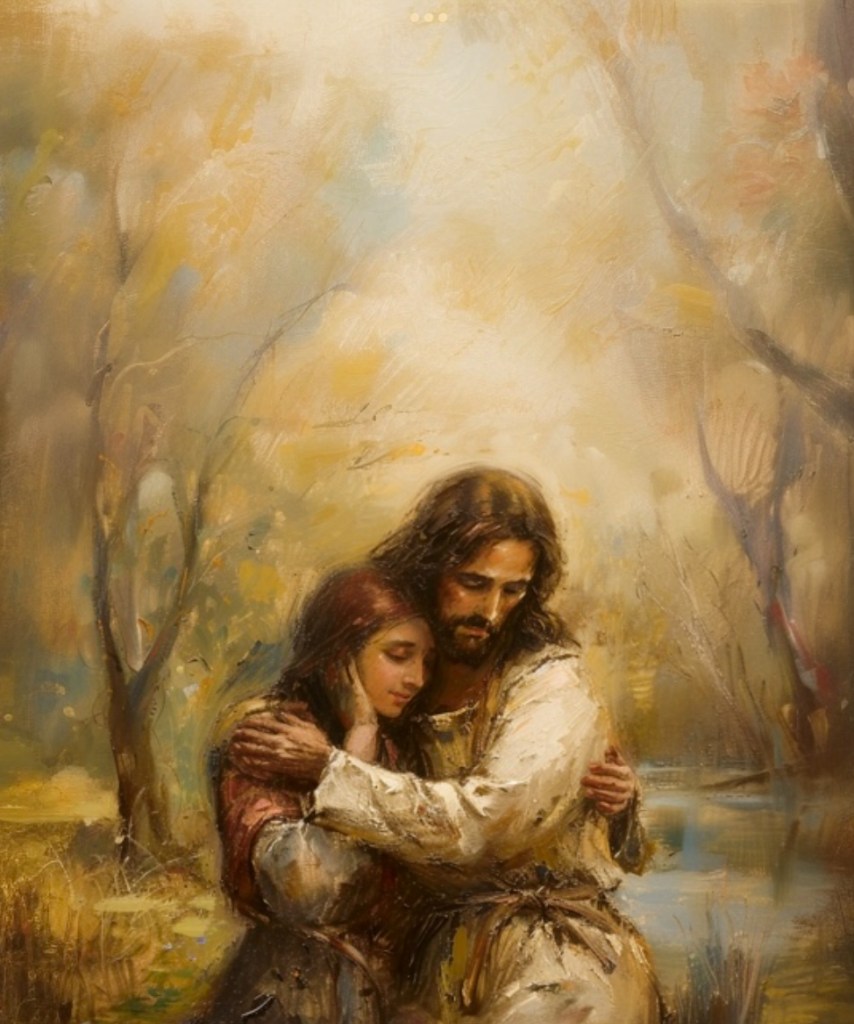
    Jesus of Nazareth, the embodiment of divine love and compassion, whose teachings on forgiveness, mercy, and selfless service continue to inspire millions across the world.

    Screenshot

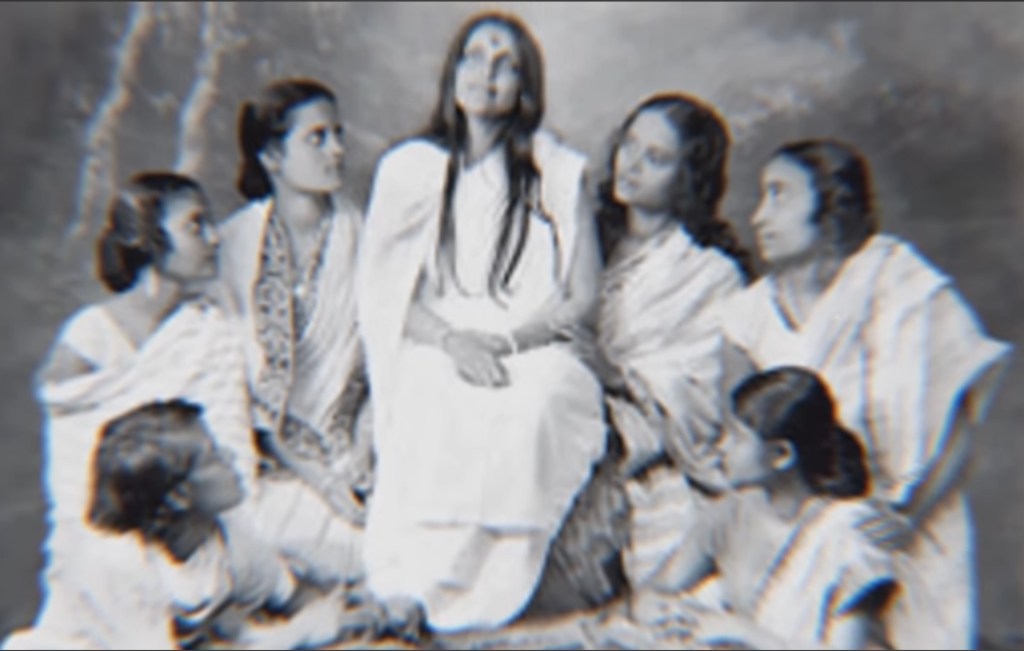
    Anandamayi Ma, a revered Hindu mystic, exemplifies the divine love and spiritual wisdom that have been central to Hindu tradition for centuries.

    Paramahansa Yogananda, the great spiritual teacher and author of ‘Autobiography of a Yogi,’ brought the wisdom of India’s ancient spiritual traditions to the West, inspiring countless seekers with his teachings of love, self-realization, and the unity of all religions.

    Hazrat Inayat Khan, a revered Sufi mystic and musician, whose teachings on the unity of religious ideals and the harmony of divine love have inspired countless souls on their spiritual journeys.

    His Holiness the Dalai Lama, a global symbol of peace, compassion, and the enduring wisdom of the Buddhist tradition, whose teachings inspire the world toward kindness and universal responsibility.

    Ani Choying Drolma, a Tibetan Buddhist nun and internationally acclaimed singer, whose music and teachings spread the message of compassion, peace, and the profound wisdom of the Buddha’s path.

    “The lamps are different, but the Light is the same.”


    — Rumi

  • Following Jesus: Abiding in God’s Presence

    Introduction
    Jesus’ invitation to “follow me” is at the heart of Christian life. But what does it really mean to follow Him? Often, we think of it in terms of outward actions—loving others, serving the needy, and living righteously. While all of this is vital, there is a deeper dimension to following Jesus: abiding in God’s presence, as Jesus himself did. Jesus regularly withdrew to pray in stillness, connecting with His Father in quiet communion. This inward focus is just as crucial to following Jesus as our outward actions.

    Jesus’ Example of Stillness
    Throughout the Gospels, we see Jesus taking time to be alone in prayer (Luke 5:16). He wasn’t just teaching us to pray for what we need, but to rest in God’s presence, to listen, and to be still. When Jesus spoke of the kingdom of God being within us (Luke 17:21), He was revealing that God is not distant but present within each of us. To follow Him means not only to love as He loved, but to seek God as He did—by abiding in the presence of the Father.

    Abiding in the Heart: A Call to All Believers
    In John 15:4, Jesus says, “Abide in me, and I in you.” This is not just a poetic metaphor, but a clear instruction. To abide means to remain, to stay rooted in Him. Jesus calls us to experience God’s presence within, in the quiet of our hearts, just as He did. When we take time to be still and know God (Psalm 46:10), we are following Jesus’ example. We are allowing God’s Spirit to work within us, transforming us into His likeness.

    How We Abide in God’s Presence
    Abiding in God’s presence is not about striving or achieving—it’s about surrender and trust. It’s about creating space in our hearts to listen to God, to rest in His love. We don’t need to perform for God or say the right words; we simply need to turn our attention inward, to the presence of the Holy Spirit within us. In this stillness, we are following Jesus, who modeled this quiet communion with God throughout His ministry.

    The Kingdom Within
    When Jesus said, “The kingdom of God is within you,” He wasn’t speaking in riddles. He was revealing a profound truth about where we encounter God. Following Jesus means recognizing that God’s Spirit is not distant, but as close as our own breath. As we follow Jesus, we learn to turn inward, to abide in this truth, and to let God’s peace fill our hearts. In doing so, we come to know Him more deeply, just as Jesus did.

    A Daily Path of Following Jesus
    Following Jesus is not just about what we do for others—it’s about who we are becoming in Christ. As we spend time abiding in God’s presence, we are shaped and formed by His love. Our actions naturally flow from this inner communion with God. The more we follow Jesus in this way, the more we become like Him—living in love, humility, and peace. This inward journey is not reserved for mystics or saints; it is the path that Jesus invites every believer to walk.

    Conclusion
    To follow Jesus means to emulate not only His actions but His way of being. He taught us to love, but He also showed us how to abide in God’s presence. This invitation is open to everyone. As we follow Jesus, we are called to take time to be still, to rest in the heart of God, and to allow His Spirit to work in us. In this way, we truly become followers of Christ—not just in what we do, but in who we are becoming.

    A Simple Practice to Abide in God’s Presence
    For those who wish to deepen their connection with God and experience His peace, here is a simple five-minute practice that you can do first thing in the morning, before bed, or anytime during the day when you need to return to God’s presence.

    Opening Prayer
    “Dear Lord, I come before You now, seeking Your peace and healing presence. As I quiet my mind and heart, I ask to feel Your Holy Spirit within me. Guide me into rest, ease my anxieties, and fill me with Your everlasting peace. Amen.”

    Meditation

    1. Find a comfortable position—either sitting or lying down. Close your eyes gently.
    2. Take a deep breath in through your nose, and slowly exhale through your mouth. Feel the tension melt away as you breathe out.
    3. Begin to notice your breath. No need to change it—just notice the gentle rise and fall of your chest or belly.
    4. As you inhale, silently say to yourself, “Breathing in, I abide in the Holy Spirit.”
    5. As you exhale, silently say to yourself, “Breathing out, I release into God’s peace.”
    6. If your mind wanders, that’s okay. Gently bring your attention back to your breath and these words.
    7. Continue this for five minutes, focusing on the breath and the sense of God’s presence and peace.

    Closing Prayer
    “Gracious God, thank You for Your presence and peace. As I end this time of meditation, I trust in Your love and guidance. Help me carry this sense of stillness and Your Spirit with me throughout the day (or night). May Your peace fill my heart, and may I continue to abide in Your presence in all that I do. Amen.”


    🙏🕊️🙏

  • Wisdom and Compassion: Foundations of a Christ-Centered Life

    In the heart of Christian teaching, wisdom and compassion stand as pillars that uphold our faith and guide us in our walk with Christ. As we navigate the complexities of modern life, these virtues remain as relevant today as they were in biblical times. Let us explore how wisdom and compassion can shape our lives and deepen our faith.

    Wisdom, as described in Proverbs 4:7, is more than mere knowledge; it is the application of God’s truth in our daily lives. It involves discernment, moral insight, and the ability to make decisions that honor God. In a world filled with conflicting messages and temptations, wisdom helps us discern what aligns with God’s will. It empowers us to make choices that reflect our commitment to Christ and His teachings. Furthermore, wisdom strengthens our faith by enabling us to understand the deeper meanings of Scripture and the nature of God. Through prayer and study, we cultivate a mind that seeks to know and do God’s will, thus strengthening our relationship with Him. As James 3:17 reminds us, the wisdom that comes from above is “first pure, then peaceable.” This wisdom helps us resolve conflicts, foster harmony, and build strong, loving communities.

    Compassion is at the very core of Jesus’ ministry. In Matthew 9:36, we read that Jesus, upon seeing the multitudes, “was moved with compassion on them, because they fainted, and were scattered abroad, as sheep having no shepherd.” As followers of Christ, we are called to emulate His compassion in our interactions with others. Compassion allows us to demonstrate Christ’s love in tangible ways. By reaching out to those in need, offering support, and showing kindness, we become living examples of His grace. It also fosters unity and understanding within the body of Christ. By caring for one another and bearing each other’s burdens, we create a supportive community that mirrors the early Church. When we act with compassion, we participate in God’s redemptive work in the world. Our acts of kindness can inspire change, provide hope, and bring healing to those who are suffering.

    The integration of wisdom and compassion is essential for living a Christ-centered life. Wisdom without compassion can lead to rigidity, while compassion without wisdom may result in misplaced efforts. Together, they form a harmonious balance that enables us to live out our faith effectively. In ministry, we need both the wisdom to understand complex issues and the compassion to address them with sensitivity and love. By cultivating these virtues, we grow spiritually and become more like Christ, who embodied perfect wisdom and compassion. As we live out these virtues, we not only transform ourselves but also have a profound impact on the world, shining as lights in the darkness.

    Reflecting on this, consider how you can apply wisdom in your daily decisions to better align with God’s will and deepen your faith. Think about ways to practice compassion more intentionally, both within your community and beyond. How do you balance the need for wisdom and compassion in your interactions with others, especially in challenging situations? What specific steps can you take to cultivate a deeper understanding of wisdom and compassion in your spiritual journey?

    I invite you to reflect on these questions and share your thoughts in the comments below. Let’s grow together in wisdom and compassion, reflecting Christ’s love in our lives.

    🙏🕊️🙏

  • Christianity’s Jewish Roots: A Historical Perspective

    From Jesus the Rabbi to a Worldwide Faith

    Introduction

    A common misconception is that Christianity emerged as a completely separate entity from Judaism, with Jesus being seen as an outsider rejected by all Jews. However, understanding the historical context reveals that Christianity originated as a Jewish sect and that Jesus was a Jewish rabbi with a following of Jews living within the Jewish culture and tradition. This misunderstanding has led to harmful anti-Semitic narratives that overlook the deep connections between Judaism and Christianity.

    Jesus as a Jewish Rabbi

    Jesus of Nazareth was not an outsider but a Jewish rabbi deeply immersed in the religious and cultural life of 1st-century Judaism. His teachings were grounded in Jewish law and prophecy, and his early followers were Jews who saw him as the fulfillment of Jewish messianic expectations. Jesus’ ministry, including his teachings and miracles, was conducted within the context of Jewish tradition and aimed primarily at a Jewish audience.

    The Formation of Christianity

    Following Jesus’ crucifixion, his followers, initially a Jewish sect, began to develop a distinct identity as they spread his message to non-Jews. This transformation was marked by debates and conflicts with mainstream Jewish leaders who did not accept Jesus as the Messiah. Over time, the movement gained traction among Gentiles, particularly through the efforts of Paul of Tarsus, leading to the formation of Christianity as a separate faith. Eventually, Christianity became the state religion of the Roman Empire, further distinguishing it from its Jewish origins.

    Misunderstandings and Anti-Semitism

    The line “He came to his own, but his own did not receive him” (John 1:11) has been misinterpreted to suggest that all Jews rejected Jesus. This misinterpretation has been used to justify anti-Semitic sentiments, ignoring the fact that early Christians were, in fact, Jewish. The historical reality is that while some Jewish leaders and groups did not accept Jesus, his followers and early converts to Christianity were all primarily Jewish.

    The Legacy of Jewish-Christian Relations

    Acknowledging that Christianity emerged from Jewish roots helps clarify the relationship between the two faiths. Early Christian leaders, all of whom were Jewish, played a crucial role in spreading Jesus’ teachings. This Jewish heritage highlights the continuity from Judaism to Christianity and emphasizes the need for mutual respect and understanding between the two groups.

    Reaping Benefits: The Foundation of Christianity

    In John 4:37, Jesus says to his disciples, “One sows and another reaps.” This verse highlights the disciples reaping the benefits of the groundwork laid by others, emphasizing that they are part of a larger, ongoing mission. This notion extends to the broader relationship between Judaism and Christianity: Christians are reaping what Jews before them worked thousands of years to establish. Jewish prophets, kings, warriors, priests, scholars, and families sowed the seeds of faith, tradition, and scripture that laid the foundation for Christianity. This collaboration exemplifies the profound impact and foundation paved by the Jews and inherited by the Christians. The Jews sowed what the Christians are reaping. As Jesus says, “Others have done the hard work, and you have reaped the benefits of their labor.”

    Conclusion

    Understanding the Jewish origins of Christianity provides a more accurate and respectful view of both traditions. Correcting misconceptions helps foster better interfaith relations and counters harmful stereotypes. Recognizing the purely Jewish roots of what eventually became known as Christianity can lead to greater appreciation and dialogue within and between members of these two groups.

    Reflective Questions

    • How does recognizing the Jewish roots of Christianity change your understanding of both religions?
    • In what ways can this historical context foster better interfaith dialogue and mutual respect?
    • How might acknowledging the contributions of Jewish traditions to Christianity help combat anti-Semitism today?

    I invite you to share your thoughts and reflections in the comments below.

    🙏🕊️🙏

  • Book Review: “The Crystal and the Way of Light: Sutra, Tantra, and Dzogchen” by Namkhai Norbu

    Exploring the Parallels Between Tibetan Dzogchen and the Teachings of Jesus

    Namkhai Norbu’s “The Crystal and the Way of Light” serves as a profound introduction to the ancient teachings of Tibetan Buddhism, particularly Dzogchen. In this book, Norbu presents the essence of Dzogchen as a path that emphasizes the direct recognition of our true nature, transcending the complexities of conceptual thought and practices.

    Dzogchen and the Teachings of Jesus: A Spiritual Parallel

    What makes this book particularly compelling is how its core principles resonate with the teachings of Jesus. At the heart of Dzogchen lies the understanding of our innate purity and the inherent clarity of our minds. This is akin to Jesus’s teachings about the Kingdom of God being within us (Luke 17:21). Both traditions encourage a direct, experiential understanding of our true nature.

    The Innate Purity of Mind

    In Dzogchen, the mind is often likened to a crystal—naturally pure and clear, yet often obscured by the transient stains of thoughts and emotions. This parallels Jesus’s teachings on purity of heart: “Blessed are the pure in heart, for they shall see God” (Matthew 5:8). Just as Dzogchen practitioners seek to recognize and rest in the natural state of their mind, Christians are called to seek purity of heart to experience the divine presence.

    The Path of Immediate Recognition

    Dzogchen emphasizes the immediate recognition of one’s true nature without the need for elaborate practices or rituals. This echoes Jesus’s message of simplicity and directness in spiritual practice. He taught, “When you pray, go into your room, close the door and pray to your Father, who is unseen. Then your Father, who sees what is done in secret, will reward you” (Matthew 6:6). Both paths advocate for an intimate, direct connection with the divine, free from external distractions.

    Embracing Compassion and Love

    Compassion is a cornerstone of both Dzogchen and Jesus’s teachings. Dzogchen encourages practitioners to cultivate bodhicitta, the compassionate wish to attain enlightenment for the benefit of all beings. Similarly, Jesus commanded, “Love your neighbor as yourself” (Mark 12:31). This universal call to compassion bridges both traditions, highlighting the importance of love and kindness in the journey toward spiritual awakening.

    Emphasizing Respect and Clarity of Intent

    This article aims to foster respect and understanding between different spiritual traditions. It is not intended to equate Dzogchen with Christian teachings or suggest blending the two into a single cohesive belief system. Instead, it highlights resonances and shared values that can promote mutual appreciation and dialogue. The intention is to encourage exploration and respect for spiritual wisdom across traditions, not to challenge or alter core Christian beliefs.

    Interfaith Dialogue vs. Ecumenism

    It is important to distinguish between interfaith dialogue and ecumenism. Interfaith dialogue seeks to promote understanding, respect, and cooperation among different religious traditions without attempting to merge them into one. It values each tradition’s unique perspective, fostering a spirit of learning and collaboration.

    Ecumenism, on the other hand, focuses on promoting unity within the Christian faith, seeking to reconcile differences among various Christian denominations. While both interfaith dialogue and ecumenism aim to reduce conflict and promote peace, interfaith dialogue is about respecting and valuing the diversity of religious expressions.

    Conclusion

    Namkhai Norbu’s “The Crystal and the Way of Light” not only offers valuable insights into the practice and philosophy of Dzogchen but also provides a remarkable parallel to the teachings of Jesus. Both paths guide us toward a deeper understanding of our true nature, emphasizing purity, directness, and compassion. For those interested in exploring spiritual traditions that transcend cultural boundaries, this book is a compelling read that highlights the universal truths shared by Dzogchen and the teachings of Jesus.

    I invite readers to approach this exploration with an open mind and heart, fostering a dialogue that respects and honors the rich diversity of spiritual paths. Your reflections and perspectives are welcomed as we seek to learn and grow together in a spirit of love and compassion.

    🙏🕊️🙏

  • Living the Teachings: Choosing Values Over Belief.

    It’s interesting how much emphasis is placed on whether or not God is real. For me, the heart of the matter lies not in proving or disproving God’s existence but in choosing to live according to the teachings of Jesus, which center on forgiveness, loving-kindness, and compassion. Regardless of our beliefs, when we embrace these values, we contribute to a better world, which some might call the kingdom of God.

    The story of the Bible isn’t just about belief; it’s about choosing love over hate, generosity over greed, and compassion over disregard for others. These choices lead to a more harmonious and just society. Whether you call it divine or simply good human values, the impact remains the same. The focus, therefore, could be less about debating God’s reality or the literal reality of biblical stories and more about how we choose to live our lives.

    What do you think?

  • Journeying Through “The Dark Night of the Soul”: Embracing Spiritual Purification

    Review of Chapters 1-6 with Personal Reflections and Contemplative Insights

    In St. John of the Cross’s timeless masterpiece, “The Dark Night of the Soul,” he intricately details the soul’s profound journey towards spiritual union with the divine. Each chapter unveils layers of purification and surrender, guiding us through the depths of spiritual transformation.

    Chapter 1: The Soul’s Longing

    Chapter 1 begins with a poignant exploration of the soul’s yearning for divine connection. St. John describes how this longing initiates the soul’s journey through darkness and detachment from earthly desires. Personally, I resonate deeply with this chapter as it mirrors my own quest for deeper spiritual fulfillment amidst life’s challenges.

    Chapter 2: Detachment from Earthly Desires

    In Chapter 2, St. John delves into the dark night of the senses, where the soul undergoes purification from sensory attachments. This resonates with my journey of letting go of material expectations due to chronic fatigue syndrome, guiding me to embrace spiritual detachment as a path to inner peace.

    Chapter 3: Purification of the Spirit

    The dark night of the spirit unfolds in Chapter 3, where St. John explores the soul’s purification at its deepest level. This chapter teaches me the profound art of surrender, where I’m learning to release attachments and find solace in divine presence amidst life’s uncertainties.

    Chapter 4: Surrendering to Divine Transformation

    Chapter 4 amplifies the soul’s journey through surrender, where St. John emphasizes letting go of spiritual consolations for a deeper union with God. This chapter inspires me to embrace a profound level of surrender, trusting in divine guidance as I navigate life’s challenges and joys.

    Chapter 5: Awakening to Divine Love

    In Chapter 5, St. John illuminates the soul’s awakening to divine love through complete purification and detachment. This chapter encourages me to deepen my awareness of the divine presence in every moment, cultivating a profound sense of inner peace and spiritual fulfillment.

    Chapter 6: Recognizing the Divine in All

    Finally, Chapter 6 culminates in the soul’s recognition of the divine presence in all aspects of existence. Inspired by Jesus’ teachings on spiritual perception, this chapter guides me towards seeing God in everyone and everything, fostering a transformative journey of spiritual growth and awakening.

    Reflective Questions for Contemplation:

    1.  How does the concept of surrender resonate with your own spiritual journey?

    2.  In what ways can detachment from earthly desires deepen your sense of inner peace?

    3.  How do you currently perceive the divine presence in your daily life and interactions?

    4.  What practices or teachings inspire you to embrace spiritual growth and union with the divine?

    Feel free to share your reflections, insights, or experiences in the comments below. Let’s embark on this journey of spiritual exploration together!

    If you’re interested in learning more about this book, follow this link below to the Amazon website.

    This blog post integrates St. John of the Cross’s teachings with personal reflections and invites readers to engage in contemplation and discussion. As we navigate our spiritual paths, may we find inspiration and guidance in embracing deeper levels of surrender, purification, and divine union.

    🙏🕊️🙏

  • What Might Jesus Say to the American Congress in 2024?

    A Call to Repentance and Righteousness

    Beloved members of Congress, esteemed Senators, and Representatives,

    Today, I stand before you with the same message I delivered over 2,000 years ago: “Repent, for the kingdom of heaven is at hand.” This call is not bound by time or geography; it is a divine summons that resonates through the ages, calling every generation to turn their hearts toward righteousness and justice.

    Repentance is more than mere remorse for past actions; it is a transformative turning of the heart and mind towards the principles of the kingdom of heaven. It is a call to love, compassion, justice, and truth. It demands integrity in your dealings and sincerity in your service.

    As leaders, you hold the power to shape the destiny of this nation. Yet, with great power comes great responsibility. To restore righteousness and justice in America, you must embrace the following principles:

    • True leadership is grounded in humility and service. It is not about personal gain or partisan victory but about serving the common good. Look beyond the walls of division and see each person as a child of God, deserving of dignity and respect.
    • The kingdom of heaven is built on compassion. Seek to understand the struggles of the least among you. Address the needs of the poor, the sick, and the marginalized. Create policies that uplift and empower rather than oppress and exclude.
    • Righteousness demands justice. Ensure that your laws and actions are fair and just, protecting the rights of all people, regardless of race, gender, or economic status. Stand against corruption, greed, and oppression in all its forms.
    • Let your words and actions be marked by truth and integrity. Do not succumb to deceit, manipulation, or falsehoods. Speak truth to power and uphold the principles of honesty and transparency in all your dealings.
    • Blessed are the peacemakers. Seek to heal the divisions that plague your nation. Promote dialogue and understanding, fostering a spirit of unity and reconciliation. Work tirelessly to resolve conflicts and build bridges of peace.
    • The earth is a gift from the Creator, and you are its stewards. Protect and preserve the environment, ensuring that future generations inherit a world where they can thrive in harmony with nature.

    These principles are not new; they are eternal truths that have guided humanity throughout history. Yet, in your hands lies the power to manifest them in this present age.

    Repentance is not a one-time act but a continuous journey. Each day, strive to align your actions with these divine principles. Seek forgiveness where you have erred and have the courage to make amends.

    The kingdom of heaven is not a distant future; it is at hand. It is within your reach if you choose to embody these values in your leadership.

    May your hearts be open to this call, and may your actions reflect the light of righteousness and justice.

    Go forth, beloved leaders, and be the change this nation so desperately needs. For the kingdom of heaven is at hand, and it begins with you.

    Peace be with you,
    Jesus

    🙏🕊️🙏

  • Embracing Love and Hope: Navigating Turbulent Times

    Choosing Faith Over Fear in a Divided World

    In a time when fear and uncertainty seem to dominate the narrative, it’s easy to feel overwhelmed by the challenges facing our world. Yet, amidst the chaos, there is a quiet voice that whispers hope. Imagine waking from a dream with the words, “It doesn’t have to end this way,” echoing in your mind. This profound message invites us to see beyond the current challenges and envision a future where love and hope prevail.

    In a world inundated with images of division and disaster, it’s crucial to pray not only for personal salvation but also for the healing and transformation of our communities and nations. Rooted in scripture, John 14:1-3 assures us of Jesus preparing a place for us in his Father’s house, where we will dwell with him. This promise of eternal life in a New Earth and Heaven inspires us to live with integrity and righteousness (Revelation 21:1-4), knowing that our actions rooted in love and hope can influence a more peaceful and righteous outcome in our world – here and now.

    Moreover, by shifting our focus from the Kingdom of war, greed, and hatred that surrounds us, we can begin to perceive the Kingdom of God, which is present all around us. Through eyes of faith, we see glimpses of God’s Kingdom in acts of kindness, moments of forgiveness, and expressions of compassion. This vision empowers us to live as ambassadors of God’s Kingdom here and now, spreading love and hope in a world hungry for peace and righteousness.

    As we navigate these turbulent times, let us hold fast to the teachings of love and hope. Let us embrace forgiveness, loving-kindness, and compassion as our guiding principles. By embodying these virtues, we not only prepare ourselves for the promise of eternal life with Christ but also actively participate in shaping a world where love triumphs over fear. May our actions today reflect our faith in a future where righteousness reigns.

    Crucially, let us remember the profound commandment to treat others as we wish to be treated, avoiding the pitfalls of polarization and blame. Instead, let us seek truth and embody it in our daily lives, fostering understanding and unity rather than division. Together, let us walk in the light of love and hope, inspiring others to join us on this journey of transformation.

    🙏🕊️🙏

    In love’s embrace,
    Hope blooms eternal,
    Peace whispers softly.

    🙏🕊️🙏

  • Interview with St. John of the Cross: A Reader’s Digest Version of the Dark Night of the Soul

    Jesus: John, you’ve experienced profound spiritual trials. Can you describe what you mean by the “dark night of the soul”?

    John: Certainly, Lord. The “dark night” is a period of intense spiritual desolation, where one feels abandoned by God. It’s a time when familiar comforts and spiritual joys vanish, leaving the soul in profound emptiness and darkness.

    Jesus: How does this darkness begin?

    John: It begins with the purging of the senses. What once brought spiritual consolation becomes dry and void. It’s as if the light of divine presence is suddenly obscured, forcing the soul to rely solely on faith.

    Jesus: What purpose does this serve?

    John: This dark night is a necessary purification. By stripping away attachments and superficial consolations, the soul is prepared for a deeper union with You. It’s a journey through suffering to achieve spiritual maturity and intimacy with the divine.

    Jesus: How did you endure this period of suffering?

    John: By surrendering to Your will, Lord. Embracing the darkness with patience and trust, knowing it was Your hand guiding me even when I couldn’t feel it. Through this, I learned to let go of my ego and self-reliance.

    Jesus: What emerges from the other side of this night?

    John: A profound transformation. The soul emerges purified, enlightened, and deeply united with You. It’s a resurrection from spiritual death to new life, where the soul now abides in divine love and wisdom.

    Jesus: How would you comfort those currently in their dark night?

    John: I would tell them to persevere in faith and trust. The darkness is not abandonment but preparation. Hold fast to the belief that this suffering is a path to greater union with God. It’s a sacred journey, leading to the divine light beyond the darkness.

    Jesus: Thank you, John. Your words bring hope to many.

    John: Thank You, Lord, for guiding me through the darkness into Your eternal light.

    🙏🕊️🙏

  • Welcome to “Inspirations of Love and Hope”

    Journey of Resilience: Embracing Love and Hope in Spiritual Growth

    This site focuses on exploring various aspects of scripture, faith, and spiritual teachings from a Christian perspective. The posts delve into topics such as grappling with doubts about scripture, the importance of living out one’s faith through righteous actions, humility in righteousness, and navigating the challenges of modern education while upholding religious beliefs. The content reflects on teachings from the Bible, and other sacred texts, providing insights and reflections that aim to encourage deeper understanding, faith, and alignment with divine principles.

    The posts discuss the significance of seeking wisdom from God, approaching doubts with faith, living in harmony with divine will through actions, and showcasing humility in spiritual endeavors. They emphasize the transformative nature of faith, urging believers to not only profess their beliefs but also embody them through forgiveness, love, compassion, and righteous living.

    Overall, the blog content invites readers to engage in thoughtful reflections on faith, righteousness, humility, and the challenges faced in contemporary settings, offering perspectives rooted in Christian teachings and principles.

    Preface

    This blog is dedicated to fostering a deeper understanding of spirituality, personal growth, and compassionate living. At “Inspirations of Love and Hope”, I believe that by nurturing our inner lives, we can create a ripple effect that benefits the world around us. Here, you will find a rich tapestry of insights drawn from various spiritual traditions, reflections on life’s challenges and triumphs, and practical guidance for living a life of purpose and peace. Our mission is to be a beacon of light and inspiration, offering support and wisdom to those on their journey of awakening and self-realization.

    Foreword

    In a world that often feels divided and chaotic, Inspirations of Love and Hope”stands as a testament to the power of unity, compassion, and spiritual exploration. This blog was born from a deep desire to integrate teachings from diverse spiritual traditions— Christianity, Advaita Vedanta, the Dharma, and more—into a cohesive guide for overcoming life’s challenges and embracing its beauty.

    As you navigate through these pages, you will encounter reflections and teachings designed to inspire personal growth, foster interfaith dialogue, and promote holistic well-being. Each post is crafted with the intention of offering solace, wisdom, and practical tools for your spiritual journey. Whether you are seeking to deepen your meditation practice, find encouragement in times of doubt, or explore the profound teachings of Jesus, Siddhartha Gautama (Shakyamuni Buddha), Laozi, Tenzin Gyatso (the 14th Dalai Lama), Ramana Maharshi, Paramahansa Yogananda, and other spiritual leaders, Inspirations of Love and Hope” are here to support you.

    For those navigating Chronic Fatigue Syndrome (ME/CFS), this blog also offers solace, comfort, and guidance tailored to your unique journey. It provides insights into managing energy, embracing healing practices, and fostering resilience amidst health challenges.

    Additionally, “Inspirations of Love and Hope” provides support and understanding for those who love someone living with Borderline Personality Disorder (BPD). We offer insights into navigating relationships, fostering compassion, and promoting healthy boundaries amidst the unique challenges posed by BPD.

    I invite you to engage with the content, reflect on the teachings, and join our community of like-minded individuals committed to making a positive impact in the world. Together, let us walk the path of light and love, contributing to the collective consciousness of global well-being. May the insights and practices shared here enrich your life and inspire you to help others along their journey.

    Thank you for being a part of “Inspirations of Love and Hope.”

    With gratitude and blessings,
    Richard Silverman

    🙏🕊️🙏