As we embark on our journey through the Caravan of Love: Interfaith Healing & Harmony, it’s essential to explore the historical and cultural contexts that have shaped the way different religions view the divine. One of the most significant sources of tension between religious traditions has been the concept of idol worship and the worship of multiple gods. However, when we delve deeper into the origins of these beliefs, we begin to understand that these tensions are rooted in the specific environments and challenges faced by different cultures throughout history.
The Middle Eastern Context: A Response to Immoral Gods and Practices
In the ancient Middle East, where Judaism emerged, the surrounding cultures were steeped in polytheistic traditions that often depicted gods as capricious, immoral, and even lecherous. Greek, Roman, and Egyptian gods were frequently portrayed with very human flaws—engaging in deceit, vengeance, and licentious behavior. These gods, rather than upholding moral standards, often embodied the very vices that righteous living seeks to overcome.
Moreover, the religious practices associated with these gods often included sexual immorality and human sacrifice. In many Greek and Roman rituals, orgies were part of the religious celebrations, which directly conflicted with the moral and ethical standards that Hashem, the God of Israel, sought to establish among His people. Jesus, too, later condemned these practices, warning his followers against participating in meals that involved food sacrificed to idols, which were often associated with these immoral rites.
Even more abhorrent were the human sacrifices demanded by certain gods, such as Baal, who was worshipped through the sacrifice of children, and the gods of the Vikings and various other cultures that practiced human sacrifice. These practices were utterly condemned by Hashem, who sought to establish a community founded on the principles of justice, compassion, and the sanctity of human life. The strict prohibition against idol worship in Judaism was not merely a rejection of other gods but a rejection of the immoral behaviors and dangerous practices associated with them.
The Hindu Context: Righteous Deities and the Dharma
In contrast, the religious environment of ancient India, where Hinduism flourished, presented a very different picture. The gods and goddesses of the Hindu tradition were seen as embodiments of various aspects of the divine, each playing a role in upholding cosmic order—known as dharma. These deities, such as Vishnu, Shiva, and Lakshmi, were revered not for their power alone but for their embodiment of virtues like love, wisdom, and righteousness.
While animal sacrifices were part of some ancient Hindu rituals, there is little evidence to suggest that human sacrifice was a practice in India, especially in the Vedic tradition that laid the foundation for Hinduism. The sacrifices performed in these rituals were meant to uphold cosmic order, not to appease bloodthirsty gods. As such, the multitude of Hindu deities was not a source of moral confusion but rather a rich tapestry through which the divine expressed itself in the world. Each god or goddess offered a different path or approach to understanding and connecting with the divine, but all were aligned with the principles of dharma. Therefore, the prohibition against worshipping other gods, so essential in the Middle Eastern context, was unnecessary in India, where the divine was seen as inherently righteous and benevolent in its many forms.
The Role of Reformers: Jesus and Buddha
In both of these cultural contexts, reformers emerged who sought to elevate the spiritual and moral consciousness of their societies. In the Middle East, Jesus entered a world where the strict monotheism of Judaism had established a strong moral foundation. However, Jesus’s teachings went further, emphasizing love, compassion, and forgiveness as central to righteous living. His life and message aimed to deepen and expand the moral and spiritual understanding of his followers, guiding them toward a more profound relationship with the divine.
Similarly, in India, the Buddha emerged in a society that already had a strong foundation of righteousness through the Vedas and the Upanishads. However, the Buddha’s teachings challenged the social inequalities of the time, particularly the rigid caste system and the exclusion of certain groups from spiritual life. Like Jesus, the Buddha sought to elevate society by emphasizing compassion, ethical living, and the pursuit of enlightenment for all, regardless of social status.
Understanding the Clash of Religions: A Matter of Context
The tension between monotheistic and polytheistic traditions often stems from these differing historical contexts. The Jewish rejection of other gods was a response to the immoral behaviors associated with the gods of neighboring cultures. In contrast, the Hindu acceptance of multiple deities was rooted in a context where the divine was already understood as righteous and aligned with cosmic order.
Today, these ancient tensions can still influence how religions interact with each other. However, by understanding the historical reasons behind these differences, we can move beyond conflict and toward a more harmonious coexistence. We can recognize that the rejection of other gods in one context was not necessarily a rejection of divinity in all forms but a response to the specific moral challenges of that time.
Conclusion: Moving Toward Interfaith Healing and Harmony
In our modern, interconnected world, it’s more important than ever to understand and respect the diverse ways in which different cultures and religions have approached the divine. By exploring these historical contexts, we can appreciate the unique contributions of each tradition while finding common ground in the shared values of love, righteousness, and compassion.
As we continue on this Caravan of Love, let us remember that the ultimate goal of all spiritual paths is to bring about healing and harmony—not just within ourselves, but in our relationships with others and the world around us. Through understanding and dialogue, we can bridge the gaps between different faiths and move closer to a world where all are respected and all are loved.
🙏🕊️🙏

Jesus of Nazareth, the embodiment of divine love and compassion, whose teachings on forgiveness, mercy, and selfless service continue to inspire millions across the world.

Anandamayi Ma, a revered Hindu mystic, exemplifies the divine love and spiritual wisdom that have been central to Hindu tradition for centuries.

Paramahansa Yogananda, the great spiritual teacher and author of ‘Autobiography of a Yogi,’ brought the wisdom of India’s ancient spiritual traditions to the West, inspiring countless seekers with his teachings of love, self-realization, and the unity of all religions.
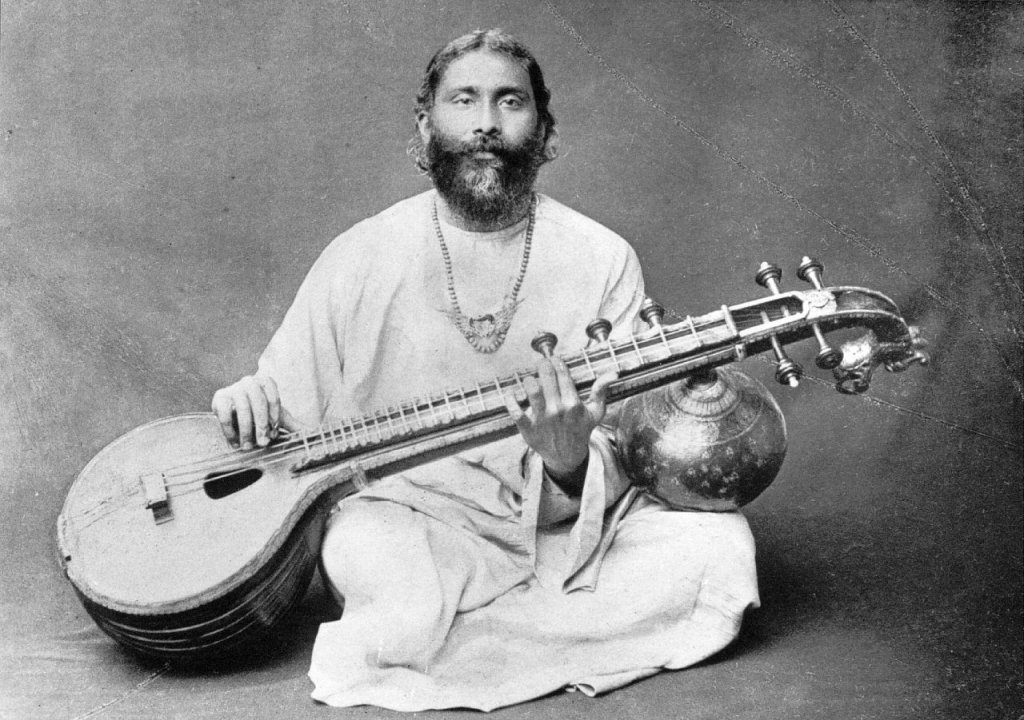
Hazrat Inayat Khan, a revered Sufi mystic and musician, whose teachings on the unity of religious ideals and the harmony of divine love have inspired countless souls on their spiritual journeys.
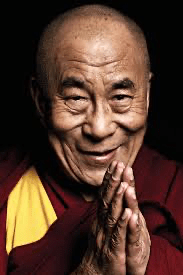
His Holiness the Dalai Lama, a global symbol of peace, compassion, and the enduring wisdom of the Buddhist tradition, whose teachings inspire the world toward kindness and universal responsibility.

Ani Choying Drolma, a Tibetan Buddhist nun and internationally acclaimed singer, whose music and teachings spread the message of compassion, peace, and the profound wisdom of the Buddha’s path.

“The lamps are different, but the Light is the same.”
— Rumi
 Home Page: Inspirations of Love and Hope