Tag: Interfaith dialogue

  • Understanding the Roots of Religious Tensions: A Historical Perspective on Divine Righteousness Across Cultures

    As we embark on our journey through the Caravan of Love: Interfaith Healing & Harmony, it’s essential to explore the historical and cultural contexts that have shaped the way different religions view the divine. One of the most significant sources of tension between religious traditions has been the concept of idol worship and the worship of multiple gods. However, when we delve deeper into the origins of these beliefs, we begin to understand that these tensions are rooted in the specific environments and challenges faced by different cultures throughout history.

    The Middle Eastern Context: A Response to Immoral Gods and Practices

    In the ancient Middle East, where Judaism emerged, the surrounding cultures were steeped in polytheistic traditions that often depicted gods as capricious, immoral, and even lecherous. Greek, Roman, and Egyptian gods were frequently portrayed with very human flaws—engaging in deceit, vengeance, and licentious behavior. These gods, rather than upholding moral standards, often embodied the very vices that righteous living seeks to overcome.

    Moreover, the religious practices associated with these gods often included sexual immorality and human sacrifice. In many Greek and Roman rituals, orgies were part of the religious celebrations, which directly conflicted with the moral and ethical standards that Hashem, the God of Israel, sought to establish among His people. Jesus, too, later condemned these practices, warning his followers against participating in meals that involved food sacrificed to idols, which were often associated with these immoral rites.

    Even more abhorrent were the human sacrifices demanded by certain gods, such as Baal, who was worshipped through the sacrifice of children, and the gods of the Vikings and various other cultures that practiced human sacrifice. These practices were utterly condemned by Hashem, who sought to establish a community founded on the principles of justice, compassion, and the sanctity of human life. The strict prohibition against idol worship in Judaism was not merely a rejection of other gods but a rejection of the immoral behaviors and dangerous practices associated with them.

    The Hindu Context: Righteous Deities and the Dharma

    In contrast, the religious environment of ancient India, where Hinduism flourished, presented a very different picture. The gods and goddesses of the Hindu tradition were seen as embodiments of various aspects of the divine, each playing a role in upholding cosmic order—known as dharma. These deities, such as Vishnu, Shiva, and Lakshmi, were revered not for their power alone but for their embodiment of virtues like love, wisdom, and righteousness.

    While animal sacrifices were part of some ancient Hindu rituals, there is little evidence to suggest that human sacrifice was a practice in India, especially in the Vedic tradition that laid the foundation for Hinduism. The sacrifices performed in these rituals were meant to uphold cosmic order, not to appease bloodthirsty gods. As such, the multitude of Hindu deities was not a source of moral confusion but rather a rich tapestry through which the divine expressed itself in the world. Each god or goddess offered a different path or approach to understanding and connecting with the divine, but all were aligned with the principles of dharma. Therefore, the prohibition against worshipping other gods, so essential in the Middle Eastern context, was unnecessary in India, where the divine was seen as inherently righteous and benevolent in its many forms.

    The Role of Reformers: Jesus and Buddha

    In both of these cultural contexts, reformers emerged who sought to elevate the spiritual and moral consciousness of their societies. In the Middle East, Jesus entered a world where the strict monotheism of Judaism had established a strong moral foundation. However, Jesus’s teachings went further, emphasizing love, compassion, and forgiveness as central to righteous living. His life and message aimed to deepen and expand the moral and spiritual understanding of his followers, guiding them toward a more profound relationship with the divine.

    Similarly, in India, the Buddha emerged in a society that already had a strong foundation of righteousness through the Vedas and the Upanishads. However, the Buddha’s teachings challenged the social inequalities of the time, particularly the rigid caste system and the exclusion of certain groups from spiritual life. Like Jesus, the Buddha sought to elevate society by emphasizing compassion, ethical living, and the pursuit of enlightenment for all, regardless of social status.

    Understanding the Clash of Religions: A Matter of Context

    The tension between monotheistic and polytheistic traditions often stems from these differing historical contexts. The Jewish rejection of other gods was a response to the immoral behaviors associated with the gods of neighboring cultures. In contrast, the Hindu acceptance of multiple deities was rooted in a context where the divine was already understood as righteous and aligned with cosmic order.

    Today, these ancient tensions can still influence how religions interact with each other. However, by understanding the historical reasons behind these differences, we can move beyond conflict and toward a more harmonious coexistence. We can recognize that the rejection of other gods in one context was not necessarily a rejection of divinity in all forms but a response to the specific moral challenges of that time.

    Conclusion: Moving Toward Interfaith Healing and Harmony

    In our modern, interconnected world, it’s more important than ever to understand and respect the diverse ways in which different cultures and religions have approached the divine. By exploring these historical contexts, we can appreciate the unique contributions of each tradition while finding common ground in the shared values of love, righteousness, and compassion.

    As we continue on this Caravan of Love, let us remember that the ultimate goal of all spiritual paths is to bring about healing and harmony—not just within ourselves, but in our relationships with others and the world around us. Through understanding and dialogue, we can bridge the gaps between different faiths and move closer to a world where all are respected and all are loved.

    🙏🕊️🙏

    Screenshot

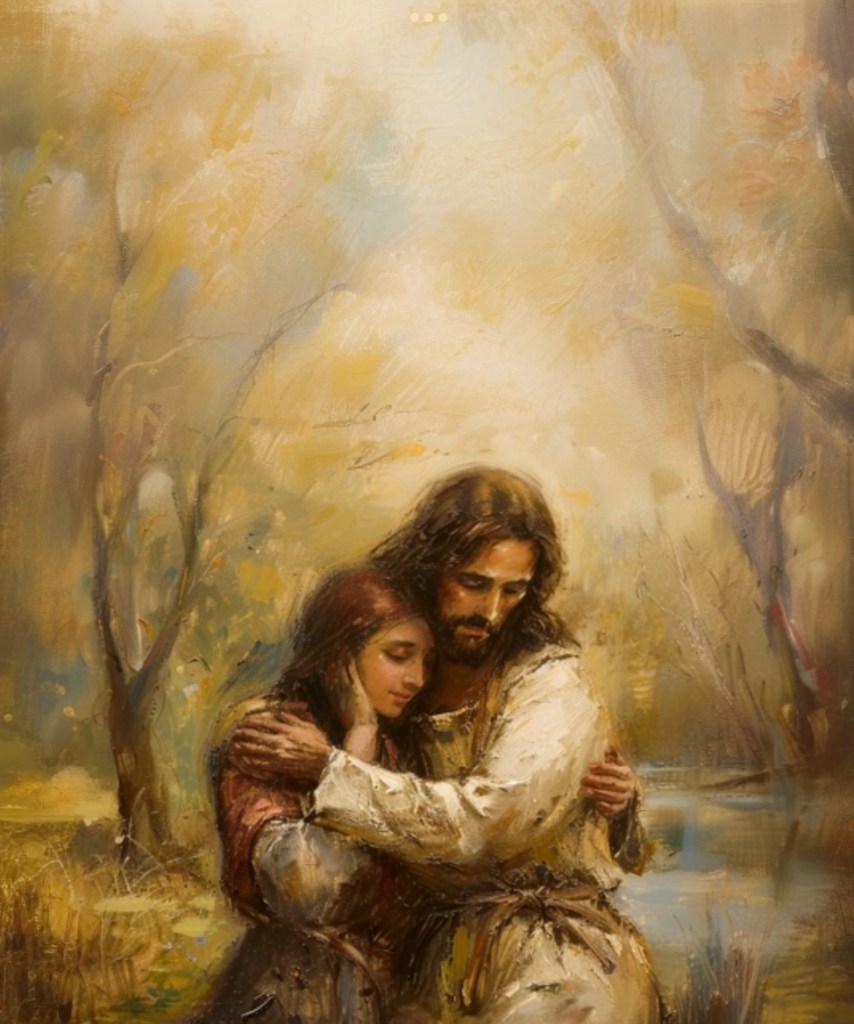
    Jesus of Nazareth, the embodiment of divine love and compassion, whose teachings on forgiveness, mercy, and selfless service continue to inspire millions across the world.
    Screenshot

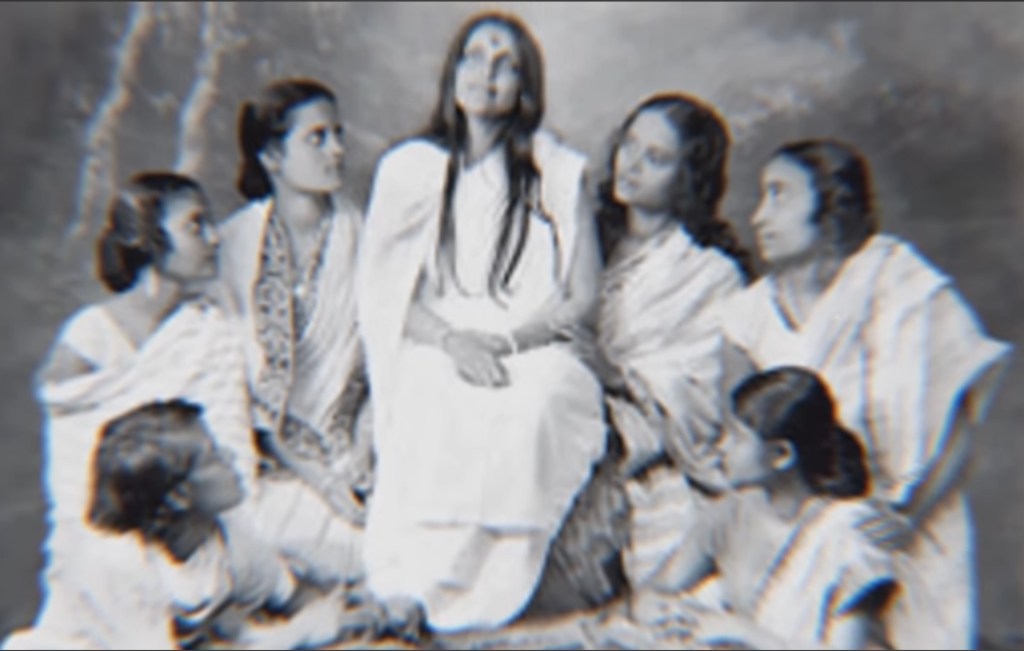
    Anandamayi Ma, a revered Hindu mystic, exemplifies the divine love and spiritual wisdom that have been central to Hindu tradition for centuries.

    Paramahansa Yogananda, the great spiritual teacher and author of ‘Autobiography of a Yogi,’ brought the wisdom of India’s ancient spiritual traditions to the West, inspiring countless seekers with his teachings of love, self-realization, and the unity of all religions.
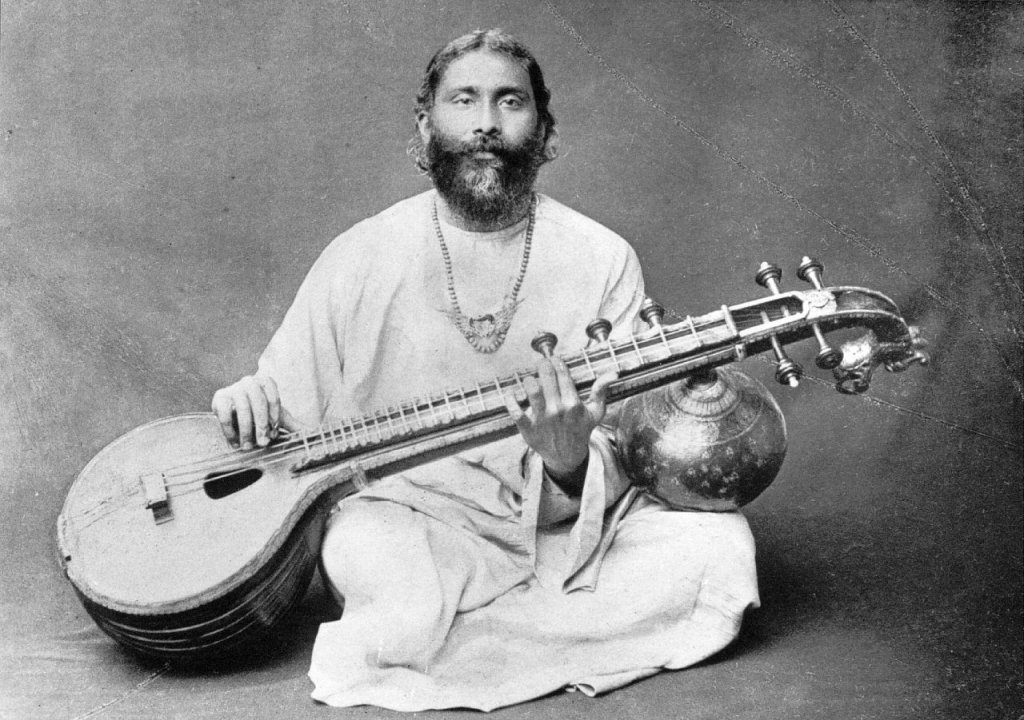
    Hazrat Inayat Khan, a revered Sufi mystic and musician, whose teachings on the unity of religious ideals and the harmony of divine love have inspired countless souls on their spiritual journeys.
    His Holiness the Dalai Lama, a global symbol of peace, compassion, and the enduring wisdom of the Buddhist tradition, whose teachings inspire the world toward kindness and universal responsibility.

    Ani Choying Drolma, a Tibetan Buddhist nun and internationally acclaimed singer, whose music and teachings spread the message of compassion, peace, and the profound wisdom of the Buddha’s path.

    “The lamps are different, but the Light is the same.”


    — Rumi
  • Ramayana No. 1: An Invitation to Journey into the Heart of the Ramayana

    Inspired by the Teachings and Devotion of Anandamayi Ma


    In the ancient temples of India, where the scent of incense mingles with the murmurs of sacred hymns, there exists a timeless connection between the human soul and the divine. Recently, I found myself captivated by a simple yet profound moment: a video of Anandamayi Ma, the embodiment of divine love and wisdom, chanting the sacred names of Rama, Krishna, and Guru. The mantra, gentle yet powerful, seemed to call forth something deep within me—a longing to delve into the rich spiritual tapestry of these names and the stories that have been woven around them for millennia.

    This moment of inspiration has led me to embark on a new journey, one that I hope will resonate with you as well. Together, we will explore the Ramayana, one of the greatest epics of ancient India, chapter by chapter. But this will not be a mere retelling of an old story; it will be a journey of reflection and contemplation, aspiring to the introspective and poetic style that resonates deeply within our souls.

    The Ramayana is not just a tale of gods, demons, and heroes; it is a profound exploration of the human condition, a guide to living a life of virtue, courage, and devotion. At its heart lies the story of Rama, the embodiment of dharma, who journeys through the trials of life with unwavering righteousness. Alongside him are other divine figures—Sita, the epitome of purity and devotion; Hanuman, the faithful servant; and Krishna, whose playful wisdom and divine love illuminate the path of bhakti, or devotion.

    Through this series of reflections, we will immerse ourselves in the Ramayana, allowing its teachings to speak to our own lives and spiritual journeys. Each post will be a meditation on the lessons of the Ramayana, drawing connections to the universal experiences of love, loss, duty, and divine connection.

    This project is part of our broader interfaith exploration of spiritual experience and wisdom. We are not promoting any particular belief system, but rather, we are exploring the perennial wisdom found in this ancient teaching and considering how it can be applied to our lives, regardless of our religious background. The phrase “perennial wisdom,” as used by thinkers like Joseph Campbell, captures the timeless truths that transcend specific traditions and speak to the core of our shared humanity.

    Inspired by the chant of “Hare Rama, Hare Krishna, Hare Guru,” this series invites us to explore the divine presence within, to reflect on the sacred amidst our daily lives, and to seek the eternal truths that the Ramayana offers. These reflections will aim to be both poetic and accessible, serving as a bridge between the ancient and the modern, the distant and the personal.

    This series will unfold at its own pace, allowing us to journey through this epic story together with the time and care it deserves. If you would like to be notified when new posts are added, I invite you to subscribe to the blog. In doing so, you’ll receive updates as we continue this exploration, chapter by chapter, reflection by reflection.

    As we embark on this journey, let us remember that the Ramayana is not merely a story from a distant past but a living scripture, a mirror to our own spiritual journeys. Each chapter offers a chance to reflect, to grow, and to connect more deeply with the divine essence that resides within all of us. Let us walk this path together, guided by the wisdom of the ages, and open to the light that transcends all boundaries of faith and culture.

    In the vast expanse of India’s spiritual landscape, few figures shine as brightly as Anandamayi Ma. Revered as a saint and mystic, she was a living embodiment of divine grace, known for her profound wisdom and boundless compassion. Her life was a continuous flow of devotion and spiritual ecstasy, and her teachings centered on the realization of the Self and the practice of bhakti, or devotion to God.

    It was while watching a video of her chanting “Hare Rama, Hare Krishna, Hare Guru” that I was inspired to delve deeper into the teachings of the Ramayana and to explore the wisdom contained within its verses. This series of reflections is born from that moment of inspiration, and it is with gratitude that I invite you to join me on this journey.

    If you would like to witness the moment that sparked this exploration, you can watch the video below. In it, Anandamayi Ma’s serene presence and the heartfelt chant which accompanies the video, serve as a powerful reminder of the divine love that is ever-present, waiting to be discovered within each of us.

    May the light of truth, loving-kindness and compassion guide us as we embark on this journey together.

    “The more you develop love, devotion, and faith, the more will the Lord manifest in you. He alone knows the way to your deliverance. Surrender yourself completely to Him.”


    — Anandamayi Ma


    Understanding the Context of the Ramayana in a Broader Spiritual Perspective

    As we embark on this journey through the Ramayana, it’s important to recognize the deep spiritual wisdom embedded within this ancient text, and how it resonates across different faith traditions. For those of us coming from monotheistic backgrounds, the concept of deity worship and the use of images in spiritual practice may seem unfamiliar, or even concerning. However, these practices in the Indian tradition carry a profound symbolism that transcends mere ritual.

    In Hinduism, the deities such as Rama, Krishna, and others are not worshipped as gods in the way that might be understood in the Western sense, but rather as manifestations of the one infinite, formless reality. The images and stories of these deities serve as focal points for devotion, helping practitioners connect with the divine message they portray in a tangible way. Much like how icons or symbols might be used in other religious traditions to inspire devotion and focus, the deities in the Ramayana are revered as expressions of universal principles like righteousness (dharma), love, compassion and wisdom.

    What is the Ramayana?

    The Ramayana is an epic narrative that tells the story of Prince Rama, his wife Sita, and his battle against the demon king Ravana. It is a foundational text in Hindu culture, with deep religious, moral, and philosophical significance. Through this epic story, the Ramayana explores themes of duty, devotion, righteousness, and the eternal struggle between good and evil. It is not only a beloved story but also a spiritual guide that has shaped the values, behaviors and beliefs of billions of people for centuries.

    The composition of the Ramayana is traditionally attributed to the sage Valmiki, with estimates placing its creation between 500 B.C. and 100 A.D. This epic became a cornerstone of Hindu literature and spiritual thought, profoundly shaping the religious and moral landscape of India.

    The Ramayana became a vital text within Hinduism, deeply influencing Indian culture, art, literature, and religious practice. Its stories are told and retold in various forms throughout South and Southeast Asia, making it one of the most enduring spiritual epics in history.

    The stories within the Ramayana offer allegories of the spiritual journey, providing guidance on how to live a life in harmony with the divine will. They are not about idol worship in the way that might be condemned in certain religious texts, but rather about understanding, loving and respecting the divine presence in all aspects of life. These teachings invite us to explore the deeper truths of existence, to reflect on the nature of righteousness, and to open our hearts to the universal love that transcends all forms.

    The Power of Myth and Storytelling

    The Ramayana is a mythic narrative that has evolved over centuries, taking on countless forms as it was passed down from generation to generation. These stories became the underlying fabric of a culture, deeply influencing the spiritual and moral landscape of India and beyond. In many spiritual traditions, including Hinduism, myths are symbolic representations of deeper truths, reflecting the inner journey of the soul and the universal struggle between good and evil. These narratives are living realities, woven into the consciousness of the people, guiding them on their spiritual paths. Through the lens of myth, the Ramayana provides not only moral and ethical guidance but also profound insights into the nature of existence and the divine. By engaging with this epic, we step into a world where the divine interacts with the human, and where every action, choice, and event carries cosmic significance.

    The Diversity of Hinduism and the Ramayana

    Hinduism itself is not a monolithic tradition but a vast collection of beliefs, practices, and philosophies. Different sects and communities may emphasize different aspects of the Ramayana or even different versions of the text. This diversity is one of the hallmarks of Hinduism, where multiple truths and perspectives can coexist. The Ramayana has inspired countless retellings, each one offering a unique lens through which to view the universal themes of duty, devotion, and the cosmic battle between good and evil.

    Exploring the Ramayana Through Valmiki’s Original Version

    As we embark on this journey through the Ramayana, we will be drawing inspiration from Valmiki’s original text, translated by Suparna Ghosh. Valmiki’s Ramayana is the traditional and authoritative version of this epic, offering a deep, cultural, and spiritual insight into the story of Rama. By engaging directly with this foundational text, we can explore the Ramayana in its most authentic form, allowing for a richer and more nuanced understanding of its teachings. This approach will enable us to appreciate the timeless wisdom of the Ramayana and reflect on its relevance in both historical and contemporary contexts.

    By approaching the Ramayana with an open heart and a willingness to explore these spiritual teachings, we can find common ground between different faith traditions and deepen our understanding of the divine. This study is not about adopting new beliefs, but about engaging with the perennial wisdom that has guided countless diverse seekers throughout history. Together, we will explore these ancient teachings, finding their relevance and application in our lives today.

    🙏🕊️🙏

    You can find the edition of the Ramayana used in this series, written by Valmiki and translated by Suparna Ghosh, on Amazon here.

    🙏🕊️🙏

  • Embracing Universal Responsibility: Cultivating Unity Across Beliefs

    Introduction

    In our diverse world, the concept of Unity is fundamental to spiritual and personal growth. While many seek to realize this unity through religious or spiritual practices, historical conflicts and divisions have often overshadowed the shared principles of love and compassion. This post explores how individuals from all walks of life—whether religious, atheist, or agnostic—can cultivate virtues that lead to a deeper realization of Unity.

    The Role of Religion in Unity

    Most major religions advocate for values such as love, compassion, and interconnectedness. For example, Christianity emphasizes love for all people, Buddhism teaches compassion for all beings, and Islam advocates for community and charity. However, the interpretation and application of these teachings have sometimes led to division and conflict, rather than fostering the unity they were meant to inspire.

    The Challenges of Religious Division

    History is rife with examples of religious conflict, from the Crusades to contemporary sectarian violence. These conflicts, while often driven by complex socio-political factors, are frequently justified by religious differences. The resulting divisions highlight the challenge of aligning religious practice with the core values of unity and compassion.

    The Path to Universal Responsibility

    Universal responsibility involves recognizing our shared humanity and the impact of our actions on others. Cultivating virtues such as love, compassion, and understanding is key to fostering unity. Practicing these virtues can start with small, daily actions: showing kindness, listening empathetically, and striving to understand others’ perspectives.

    Cultivating Virtues Across Traditions

    Both religious and non-religious perspectives offer valuable insights into cultivating virtues. For instance, atheists and agnostics often ground their ethical principles in humanistic values and empathy rather than divine commands. By recognizing common values across different worldviews, we can build bridges and promote mutual respect. Regardless of belief, the pursuit of compassion and understanding remains a unifying thread.

    The Role of Personal Transformation

    Personal transformation is central to realizing unity. By reflecting on our own beliefs and behaviors, we can move beyond ego-driven perspectives and connect more deeply with others. Practices such as mindfulness, self-reflection, and community engagement help individuals grow in their capacity for empathy and understanding.

    Conclusion

    In summary, the realization of Unity requires a collective effort to embrace universal responsibility and cultivate virtues that transcend individual differences. Whether through religious teachings, secular values, or personal growth, fostering love and compassion can bridge divides and create a more harmonious world. Let us each take responsibility for nurturing these virtues in ourselves and our interactions with others.

    Reflective Questions:

    • How can you incorporate virtues like love and compassion into your daily interactions?
    • In what ways might your own beliefs or practices contribute to or detract from a sense of unity?
    • How can we overcome the challenges of historical and modern conflicts to build a more inclusive and understanding world?

    I’d love to hear your thoughts on this topic. How do you cultivate unity and responsibility in your life? Share your reflections and experiences in the comments below.

    🙏🕊️🙏

  • Christianity’s Jewish Roots: A Historical Perspective

    From Jesus the Rabbi to a Worldwide Faith

    Introduction

    A common misconception is that Christianity emerged as a completely separate entity from Judaism, with Jesus being seen as an outsider rejected by all Jews. However, understanding the historical context reveals that Christianity originated as a Jewish sect and that Jesus was a Jewish rabbi with a following of Jews living within the Jewish culture and tradition. This misunderstanding has led to harmful anti-Semitic narratives that overlook the deep connections between Judaism and Christianity.

    Jesus as a Jewish Rabbi

    Jesus of Nazareth was not an outsider but a Jewish rabbi deeply immersed in the religious and cultural life of 1st-century Judaism. His teachings were grounded in Jewish law and prophecy, and his early followers were Jews who saw him as the fulfillment of Jewish messianic expectations. Jesus’ ministry, including his teachings and miracles, was conducted within the context of Jewish tradition and aimed primarily at a Jewish audience.

    The Formation of Christianity

    Following Jesus’ crucifixion, his followers, initially a Jewish sect, began to develop a distinct identity as they spread his message to non-Jews. This transformation was marked by debates and conflicts with mainstream Jewish leaders who did not accept Jesus as the Messiah. Over time, the movement gained traction among Gentiles, particularly through the efforts of Paul of Tarsus, leading to the formation of Christianity as a separate faith. Eventually, Christianity became the state religion of the Roman Empire, further distinguishing it from its Jewish origins.

    Misunderstandings and Anti-Semitism

    The line “He came to his own, but his own did not receive him” (John 1:11) has been misinterpreted to suggest that all Jews rejected Jesus. This misinterpretation has been used to justify anti-Semitic sentiments, ignoring the fact that early Christians were, in fact, Jewish. The historical reality is that while some Jewish leaders and groups did not accept Jesus, his followers and early converts to Christianity were all primarily Jewish.

    The Legacy of Jewish-Christian Relations

    Acknowledging that Christianity emerged from Jewish roots helps clarify the relationship between the two faiths. Early Christian leaders, all of whom were Jewish, played a crucial role in spreading Jesus’ teachings. This Jewish heritage highlights the continuity from Judaism to Christianity and emphasizes the need for mutual respect and understanding between the two groups.

    Reaping Benefits: The Foundation of Christianity

    In John 4:37, Jesus says to his disciples, “One sows and another reaps.” This verse highlights the disciples reaping the benefits of the groundwork laid by others, emphasizing that they are part of a larger, ongoing mission. This notion extends to the broader relationship between Judaism and Christianity: Christians are reaping what Jews before them worked thousands of years to establish. Jewish prophets, kings, warriors, priests, scholars, and families sowed the seeds of faith, tradition, and scripture that laid the foundation for Christianity. This collaboration exemplifies the profound impact and foundation paved by the Jews and inherited by the Christians. The Jews sowed what the Christians are reaping. As Jesus says, “Others have done the hard work, and you have reaped the benefits of their labor.”

    Conclusion

    Understanding the Jewish origins of Christianity provides a more accurate and respectful view of both traditions. Correcting misconceptions helps foster better interfaith relations and counters harmful stereotypes. Recognizing the purely Jewish roots of what eventually became known as Christianity can lead to greater appreciation and dialogue within and between members of these two groups.

    Reflective Questions

    • How does recognizing the Jewish roots of Christianity change your understanding of both religions?
    • In what ways can this historical context foster better interfaith dialogue and mutual respect?
    • How might acknowledging the contributions of Jewish traditions to Christianity help combat anti-Semitism today?

    I invite you to share your thoughts and reflections in the comments below.

    🙏🕊️🙏

  • Om, Hail to the Healer: Embracing the Light of Healing

    Introduction

    In our journey towards healing and spiritual growth, we often find that different traditions offer similar paths to wellness and inner peace. Whether we are invoking the Medicine Buddha or calling upon the Holy Spirit, the essence remains the same: seeking the divine light of healing. This post explores the universal nature of this healing energy, demonstrating how both the Tibetan Medicine Buddha mantra and the Christian invocation of the Holy Spirit guide us towards transformation and renewal.

    The Essence of Healing

    Healing is a journey, not just of the body, but of the mind and spirit. The Medicine Buddha mantra calls upon the essence of healing, inviting us to connect with a deeper source of wellness and harmony. By reciting these words, we align ourselves with the energy of the great healer, the one who transcends the boundaries of physical ailments and touches the core of our being.

    Hail to the Healer

    In the phrase “hail to the healer,” we express reverence and gratitude. This healer is not confined to the realm of the divine but exists within each of us. By acknowledging and honoring this inner healer, we empower ourselves to take an active role in our own healing journey. We salute the wisdom and compassion that reside within, guiding us towards wholeness and balance.

    The Great Healer

    The term “great healer” underscores the boundless nature of this healing energy. It is not limited by time, space, or circumstance. The great healer is a reminder that we are supported by an infinite source of love and light, capable of transforming our deepest wounds into opportunities for growth and renewal.

    Healer of the World

    As we invoke the “healer of the world,” we recognize the interconnectedness of all beings. Our healing is not an isolated event but a ripple that extends outwards, touching the lives of others. By embracing our own healing, we contribute to the collective well-being of the planet. This mantra becomes a prayer for global harmony, fostering a sense of unity and compassion for all.

    May Your Light Ascend

    Finally, the plea “may your light ascend” is a call for enlightenment and upliftment. It is an invitation for the divine light to rise within us, dispelling darkness and illuminating our path. As we chant these words, we open ourselves to the transformative power of this light, allowing it to guide us towards a higher state of consciousness and peace.

    Integrating Christian Perspectives: The Holy Spirit as Healer

    The invocation of healing through the Medicine Buddha mantra can be closely aligned with calling upon the Holy Spirit. In Christian tradition, the Holy Spirit is often described as the comforter, guide, and healer. Just as the Medicine Buddha represents the embodiment of healing, the Holy Spirit embodies divine healing and guidance in the Christian faith.

    The phrase “hail to the healer” can thus resonate deeply with Christians who invoke the Holy Spirit. The Holy Spirit is the source of infinite love and light, capable of bringing about profound transformation and renewal. By recognizing this parallel, we can see that whether we are chanting “Om, hail to the healer” or praying for the Holy Spirit’s presence, we are opening ourselves to the same divine energy of healing and compassion.

    Embracing Interfaith Healing

    By acknowledging the similarities between the Medicine Buddha mantra and the invocation of the Holy Spirit, we foster a sense of unity and shared purpose. Healing, in its truest form, transcends religious boundaries and speaks to the universal human experience of seeking wellness and peace.

    Integrating the Mantra into Daily Life

    Incorporating the Medicine Buddha mantra or invoking the Holy Spirit into our daily practice can be a source of profound healing and inspiration. Here are a few ways to weave these sacred practices into your routine:

    Morning Meditation or Prayer:

    • Begin your day with a few minutes of chanting the mantra or praying for the Holy Spirit’s guidance, setting a tone of healing and positivity.

    Healing Visualizations:

    • As you recite the mantra or pray, visualize a radiant light enveloping you and extending to others, promoting physical and emotional well-being.

    Mindful Moments:

    • Throughout the day, take pauses to silently or audibly chant the mantra or offer prayers, bringing a sense of calm and centeredness.

    Evening Reflection:

    • End your day by reflecting on the healing energies you’ve experienced, offering gratitude for the light within and around you.

    Conclusion

    “Om, hail to the healer, the great healer, the healer of the world, may your light ascend!” These words are more than a mantra; they are a beacon of hope, a testament to the power of healing that lies within each of us. By embracing this sacred chant or invoking the Holy Spirit, we embark on a journey of transformation, guided by the light of the great healer towards a world of compassion, unity, and peace.

    🙏🕊️🙏

  • An Appeal for Universal Ethics: Wisdom from the Dalai Lama

    Embracing Universal Ethics for a More Compassionate World

    In a world often divided by religious and ideological lines, the Dalai Lama’s appeal for secular ethics and peace offers a refreshing perspective. He reminds us:

    “For thousands of years, violence has been committed and justified in the name of religion. Religions have often been intolerant and still are in many cases. Religion is often abused or exploited – even by religious leaders – in order to further political or economic interests. For that reason, I say that in the twenty-first century, we need a new form of ethics beyond religion. I am speaking of a secular ethics that can be helpful and useful for over a billion atheists and an increasing number of agnostics. More integral than religion is our fundamental human spirituality. That is the affinity we humans have for love, benevolence, and affection – no matter what religion we belong to.”

    A Call for Reflection and Unity

    The Dalai Lama’s words resonate deeply, especially in times of division and conflict. As Christians, we are called to love our neighbors as ourselves (Matthew 22:39). This teaching aligns with the Dalai Lama’s vision of universal human values grounded in love, benevolence, and affection.

    Transcending Boundaries

    The message is clear: true spirituality transcends religious boundaries. It calls us to recognize our shared humanity and the fundamental values that unite us. This isn’t about diminishing the importance of our faith but about enriching it by embracing a broader, more inclusive perspective.

    Building Bridges of Understanding

    In embracing secular ethics, we are not abandoning our Christian principles but enhancing our capacity to connect with others, regardless of their beliefs. This approach can foster peace, understanding, and cooperation in a world that desperately needs it.

    A Personal Reflection

    Reflecting on these words, I find inspiration in the teachings of Jesus and the Dalai Lama alike. Both emphasize the power of love and compassion as guiding principles. As we navigate the complexities of the twenty-first century, let’s strive to embody these values in our daily lives, building bridges of understanding and unity.


    Discussion Points:

    1. How can we apply the Dalai Lama’s call for universal human values in our communities?
    2. What steps can we take to ensure our faith promotes love and benevolence rather than division?
    3. In what ways can we foster dialogue and understanding among different belief systems?
    4. How can we practice and model these universal ethics in our daily interactions?

    I invite you to share your thoughts and join the conversation in the comments below. How do you see these ideas impacting your life and community?

    🙏🕊️🙏

  • Book Review: “The Crystal and the Way of Light: Sutra, Tantra, and Dzogchen” by Namkhai Norbu

    Exploring the Parallels Between Tibetan Dzogchen and the Teachings of Jesus

    Namkhai Norbu’s “The Crystal and the Way of Light” serves as a profound introduction to the ancient teachings of Tibetan Buddhism, particularly Dzogchen. In this book, Norbu presents the essence of Dzogchen as a path that emphasizes the direct recognition of our true nature, transcending the complexities of conceptual thought and practices.

    Dzogchen and the Teachings of Jesus: A Spiritual Parallel

    What makes this book particularly compelling is how its core principles resonate with the teachings of Jesus. At the heart of Dzogchen lies the understanding of our innate purity and the inherent clarity of our minds. This is akin to Jesus’s teachings about the Kingdom of God being within us (Luke 17:21). Both traditions encourage a direct, experiential understanding of our true nature.

    The Innate Purity of Mind

    In Dzogchen, the mind is often likened to a crystal—naturally pure and clear, yet often obscured by the transient stains of thoughts and emotions. This parallels Jesus’s teachings on purity of heart: “Blessed are the pure in heart, for they shall see God” (Matthew 5:8). Just as Dzogchen practitioners seek to recognize and rest in the natural state of their mind, Christians are called to seek purity of heart to experience the divine presence.

    The Path of Immediate Recognition

    Dzogchen emphasizes the immediate recognition of one’s true nature without the need for elaborate practices or rituals. This echoes Jesus’s message of simplicity and directness in spiritual practice. He taught, “When you pray, go into your room, close the door and pray to your Father, who is unseen. Then your Father, who sees what is done in secret, will reward you” (Matthew 6:6). Both paths advocate for an intimate, direct connection with the divine, free from external distractions.

    Embracing Compassion and Love

    Compassion is a cornerstone of both Dzogchen and Jesus’s teachings. Dzogchen encourages practitioners to cultivate bodhicitta, the compassionate wish to attain enlightenment for the benefit of all beings. Similarly, Jesus commanded, “Love your neighbor as yourself” (Mark 12:31). This universal call to compassion bridges both traditions, highlighting the importance of love and kindness in the journey toward spiritual awakening.

    Emphasizing Respect and Clarity of Intent

    This article aims to foster respect and understanding between different spiritual traditions. It is not intended to equate Dzogchen with Christian teachings or suggest blending the two into a single cohesive belief system. Instead, it highlights resonances and shared values that can promote mutual appreciation and dialogue. The intention is to encourage exploration and respect for spiritual wisdom across traditions, not to challenge or alter core Christian beliefs.

    Interfaith Dialogue vs. Ecumenism

    It is important to distinguish between interfaith dialogue and ecumenism. Interfaith dialogue seeks to promote understanding, respect, and cooperation among different religious traditions without attempting to merge them into one. It values each tradition’s unique perspective, fostering a spirit of learning and collaboration.

    Ecumenism, on the other hand, focuses on promoting unity within the Christian faith, seeking to reconcile differences among various Christian denominations. While both interfaith dialogue and ecumenism aim to reduce conflict and promote peace, interfaith dialogue is about respecting and valuing the diversity of religious expressions.

    Conclusion

    Namkhai Norbu’s “The Crystal and the Way of Light” not only offers valuable insights into the practice and philosophy of Dzogchen but also provides a remarkable parallel to the teachings of Jesus. Both paths guide us toward a deeper understanding of our true nature, emphasizing purity, directness, and compassion. For those interested in exploring spiritual traditions that transcend cultural boundaries, this book is a compelling read that highlights the universal truths shared by Dzogchen and the teachings of Jesus.

    I invite readers to approach this exploration with an open mind and heart, fostering a dialogue that respects and honors the rich diversity of spiritual paths. Your reflections and perspectives are welcomed as we seek to learn and grow together in a spirit of love and compassion.

    🙏🕊️🙏

  • The Enduring Light of Tibetan Buddhism: Lessons for Christian Practitioners

    Fostering Compassionate Unity in Christian Practice

    Introduction

    I thank God that Tibetan Buddhism still survives. Tibetan Buddhists are some of the most sincere, authentic, and compassionate practitioners of spiritual principles. Their presence is a blessing to the world, offering a guiding light in times of darkness and uncertainty. By exploring their teachings, we can find ways to enhance our own spiritual practice, fostering interfaith dialogue and mutual understanding.

    The Essence of Tibetan Buddhism

    Tibetan Buddhism is rooted in principles that resonate with many Christian values: a pristine mind, loving-kindness, compassion, and wisdom. These principles emphasize the cultivation of a clear, peaceful mind, a heart full of love and kindness, a commitment to compassionate action, and the pursuit of deep wisdom. These ideals are not foreign to Christianity; rather, they complement the teachings of Jesus on love, mercy, and wisdom.

    Easing Fears and Embracing Inclusion

    It is important to clarify that exploring Tibetan Buddhist teachings does not mean abandoning Christian faith or compromising the belief that Jesus is the way, the truth, and the life. Instead, it is about recognizing the wisdom in other traditions that can enhance our understanding and practice of Jesus’ teachings to love one another. Jesus himself reached out to those who were considered outsiders, demonstrating love and inclusion rather than fear of strangers.

    Exploring Tibetan teachings through interfaith dialogue offers us an opportunity to deepen our understanding of universal spiritual principles such as love, compassion, and wisdom. Through interfaith dialogue we can draw inspiration from other cultures and traditions to enrich our spiritual practice and foster greater empathy and unity in our communities. This exploration is not about adopting foreign beliefs, but about seeking wisdom, practicing compassion and fostering a spiritual growth that resonates with core Christian values.

    Practical Integration for Christians

    Mindfulness and Prayer
    Tibetan Buddhism emphasizes mindfulness—being present in each moment. This practice can significantly enhance our prayer life, making us more aware of God’s presence and deepening our relationship with Him.

    • Mindfulness in Prayer: Incorporate mindfulness into your prayer routine by beginning with a few moments of deep, focused breathing. Center yourself and become aware of God’s presence. As you pray, remain present with each word, offering your prayers with full attention and sincerity.
    • Meditative Reading of Scripture: Practice Lectio Divina, a meditative reading of the Bible. Read a passage slowly and reflect on its meaning. Pause to meditate on specific words or phrases, allowing them to resonate deeply within your heart.

    Compassionate Action
    Both traditions value compassion. Christians can draw inspiration from Tibetan practices of loving-kindness to enhance their own acts of charity and service, following Jesus’ command to love our neighbors as ourselves.

    • Loving-Kindness Meditation: Engage in loving-kindness meditation, also known as Metta. Begin by offering kindness to yourself, then extend these wishes of well-being and happiness to others, including family, friends, strangers, and even those with whom you have conflicts. This practice fosters a compassionate heart and encourages active love in daily life.
    • Serving Others: Inspired by the Bodhisattva vow to help all beings, commit to small acts of kindness and service. Volunteer at local charities, offer support to those in need, and engage in community service as a way to embody Christ’s love.

    Wisdom and Discernment
    The pursuit of wisdom is central in both traditions. Tibetan Buddhism encourages deep reflection and learning, which can enrich our understanding of Scripture and help us live more wisely.

    • Reflective Practices: Take time for regular self-reflection and meditation on biblical teachings. Use contemplative practices to seek God’s guidance in making wise decisions. Reflect on your actions and their alignment with Christian values.
    • Study and Dialogue: Engage in interfaith dialogue and study to broaden your perspective. Understanding different spiritual traditions can enhance your own faith and offer new insights into the pursuit of wisdom.

    Peace and Reconciliation
    Tibetan Buddhist practices of cultivating inner peace can support Christians in embodying the peace of Christ, promoting reconciliation and harmony in our relationships and communities.

    • Inner Peace Practices: Incorporate meditation practices that focus on achieving inner peace. Use techniques such as breath awareness or guided imagery to calm your mind and cultivate a sense of tranquility. This inner peace can help you approach conflicts with a calm and reconciliatory spirit.
    • Peacemaking Efforts: Actively engage in peacemaking within your community. Follow the teachings of Jesus by fostering forgiveness, understanding, and reconciliation. Seek to resolve conflicts with love and compassion, promoting harmony and unity.

    Blessings to the World

    Tibetan Buddhism’s contributions to global spirituality are immeasurable. The spread of its teachings has influenced various cultures, bringing a message of peace, compassion, and wisdom. By recognizing these contributions, Christians can appreciate the universal values that transcend specific religious boundaries and foster a more compassionate and wise world.

    Conclusion

    In a world often characterized by division and suffering, the teachings of Tibetan Buddhism offer a path of unity, healing, and enlightenment that complements the Christian call to love and serve others. By exploring and integrating these teachings into our lives, we open ourselves to profound transformation, contributing to a more compassionate and wise world while deepening our own faith.

    Contemplative Reflections:

    1. How can the principles of mindfulness and loving-kindness enhance your personal prayer and spiritual practice?
    2. In what ways do you see the teachings of Tibetan Buddhism complementing and enriching your understanding of Christian values?
    3. Reflect on a recent experience where practicing compassion or seeking inner peace has influenced your interactions with others.

    Share Your Thoughts:

    I invite you to share your reflections, experiences, or questions in the comments below. Let’s continue the conversation on fostering compassion and unity across spiritual traditions.

  • Welcome to “Inspirations of Love and Hope”

    Journey of Resilience: Embracing Love and Hope in Spiritual Growth

    This site focuses on exploring various aspects of scripture, faith, and spiritual teachings from a Christian perspective. The posts delve into topics such as grappling with doubts about scripture, the importance of living out one’s faith through righteous actions, humility in righteousness, and navigating the challenges of modern education while upholding religious beliefs. The content reflects on teachings from the Bible, and other sacred texts, providing insights and reflections that aim to encourage deeper understanding, faith, and alignment with divine principles.

    The posts discuss the significance of seeking wisdom from God, approaching doubts with faith, living in harmony with divine will through actions, and showcasing humility in spiritual endeavors. They emphasize the transformative nature of faith, urging believers to not only profess their beliefs but also embody them through forgiveness, love, compassion, and righteous living.

    Overall, the blog content invites readers to engage in thoughtful reflections on faith, righteousness, humility, and the challenges faced in contemporary settings, offering perspectives rooted in Christian teachings and principles.

    Preface

    This blog is dedicated to fostering a deeper understanding of spirituality, personal growth, and compassionate living. At “Inspirations of Love and Hope”, I believe that by nurturing our inner lives, we can create a ripple effect that benefits the world around us. Here, you will find a rich tapestry of insights drawn from various spiritual traditions, reflections on life’s challenges and triumphs, and practical guidance for living a life of purpose and peace. Our mission is to be a beacon of light and inspiration, offering support and wisdom to those on their journey of awakening and self-realization.

    Foreword

    In a world that often feels divided and chaotic, Inspirations of Love and Hope”stands as a testament to the power of unity, compassion, and spiritual exploration. This blog was born from a deep desire to integrate teachings from diverse spiritual traditions— Christianity, Advaita Vedanta, the Dharma, and more—into a cohesive guide for overcoming life’s challenges and embracing its beauty.

    As you navigate through these pages, you will encounter reflections and teachings designed to inspire personal growth, foster interfaith dialogue, and promote holistic well-being. Each post is crafted with the intention of offering solace, wisdom, and practical tools for your spiritual journey. Whether you are seeking to deepen your meditation practice, find encouragement in times of doubt, or explore the profound teachings of Jesus, Siddhartha Gautama (Shakyamuni Buddha), Laozi, Tenzin Gyatso (the 14th Dalai Lama), Ramana Maharshi, Paramahansa Yogananda, and other spiritual leaders, Inspirations of Love and Hope” are here to support you.

    For those navigating Chronic Fatigue Syndrome (ME/CFS), this blog also offers solace, comfort, and guidance tailored to your unique journey. It provides insights into managing energy, embracing healing practices, and fostering resilience amidst health challenges.

    Additionally, “Inspirations of Love and Hope” provides support and understanding for those who love someone living with Borderline Personality Disorder (BPD). We offer insights into navigating relationships, fostering compassion, and promoting healthy boundaries amidst the unique challenges posed by BPD.

    I invite you to engage with the content, reflect on the teachings, and join our community of like-minded individuals committed to making a positive impact in the world. Together, let us walk the path of light and love, contributing to the collective consciousness of global well-being. May the insights and practices shared here enrich your life and inspire you to help others along their journey.

    Thank you for being a part of “Inspirations of Love and Hope.”

    With gratitude and blessings,
    Richard Silverman

    🙏🕊️🙏

  • Reclaiming Paul’s Message: Promoting Loving-Kindness

    Understanding Paul’s Writings to Foster Inclusivity, Respect, and Healing Between Christians, Jews, and All Sentient Beings

    Introduction

    Paul of Tarsus, a central figure in the early Christian church, played a pivotal role in shaping Christian theology and spreading the message of Jesus Christ. As a former Pharisee who became a devout follower of Christ, Paul wrote numerous letters to early Christian communities, offering theological insights and practical guidance. These epistles have had a profound influence on Christian thought and practice.

    However, throughout history, Paul’s writings have been misinterpreted and misused, often to justify anti-Semitic attitudes and actions. Passages intended to emphasize the universality of sin and the need for divine grace have been taken out of context, leading to harmful stereotypes and prejudices against the Jewish people.

    In this teaching, I aim to clarify these misunderstandings and restore Paul’s original intent, which was one of inclusivity and respect. By re-examining his writings in their proper historical and theological context, I hope to promote a message of love, respect, and mutual understanding between Christians and Jews. Through this exploration, we seek to heal past wounds and build a foundation for a more compassionate and inclusive future.

    Paul’s Jewish Identity and Context

    Paul, originally a Pharisee, deeply valued his Jewish heritage. His letters should be read as part of an intra-Jewish dialogue about Jesus as the Messiah, not as a condemnation of Judaism.

    Misinterpretations of Paul’s Writings

    Passages like Romans 3:9-20 emphasize the universality of sin, not the condemnation of Jews. Paul’s hyperbole underscores the need for divine grace for all humanity, not a particular group.

    Paul’s Inclusive Vision

    Paul believed in the inclusivity of the gospel. In Galatians 3:28, he emphasized that in Christ, all barriers between Jews and Gentiles are broken down. His mission was to unite all people in love and respect, transcending religious and cultural boundaries.

    Historical Consequences of Misinterpretation

    Misunderstandings of Paul’s writings have fueled anti-Semitic attitudes throughout history, leading to persecution and violence. Acknowledging these wrongs is essential for healing and reconciliation.

    Restoring Loving-Kindness

    Re-examining Paul’s writings in their proper context is crucial. Education and interfaith dialogue can correct misconceptions and promote respect and understanding.

    Practical Steps for Promoting Loving-Kindness

    1. Education: Study Paul’s writings in context.
    2. Dialogue: Encourage conversations between Christian and Jewish communities.
    3. Advocacy: Support initiatives against anti-Semitism.
    4. Reflection: Reflect on how to contribute to a more inclusive world.

    Conclusion

    Paul’s true message calls for humility, grace, and love for all. By addressing historical misunderstandings, we can promote a spirit of loving-kindness and respect for the Jewish community.

    Paul’s writings, when properly understood, emphasize the unity and love that should characterize the body of Christ. In Romans 12:10, Paul urges believers to “Be devoted to one another in love. Honor one another above yourselves.” It’s important to clarify that this commandment extends to all people, not just within the Christian community but to all humanity, including our Jewish brothers and sisters, and all others.

    Moreover, in Ephesians 4:2-3, Paul writes, “Be completely humble and gentle; be patient, bearing with one another in love. Make every effort to keep the unity of the Spirit through the bond of peace.” These verses reflect Paul’s vision for a community built on love, patience, and unity, transcending religious boundaries to include everyone we encounter.

    In 1 Corinthians 13:13, Paul famously declares, “And now these three remain: faith, hope and love. But the greatest of these is love.” Love is the cornerstone of Paul’s theology and should guide our interactions with everyone, not just fellow Christians but all people, including the Jewish community.

    Paul also recognizes the irrevocable place of the Jewish people in God’s plan. In Romans 11:29, he writes, “For God’s gifts and his call are irrevocable.” This verse underscores the enduring relationship between God and the Jewish people, reminding us of their honored and permanent place in His plan.

    In re-examining Paul’s letters, we should embrace the spirit of love and inclusivity that he championed. Misinterpretations that have fueled division and hatred must be corrected through education and dialogue. By fostering a deeper understanding and respect for Paul’s true message, we can build bridges of compassion and unity.

    In our personal reflections, we should strive to embody the love and grace that Paul advocated. Let us commit to educating ourselves, engaging in open dialogues, and advocating for the end of anti-Semitism. By doing so, we honor Paul’s legacy and contribute to a world marked by mutual respect and loving-kindness.

    By reclaiming Paul’s true message, we affirm the dignity and worth of all people, promoting a spirit of loving-kindness and respect for the Jewish community and beyond. In this way, we can transform historical wounds into opportunities for healing and reconciliation, embodying the love that lies at the heart of our faith.

    🙏🕊️🙏