Tag: Holistic health

  • Experimenting with Sound Therapy: A Journey Toward Relaxation and Healing while Living with Post Viral ME/CFS

    As we navigate the challenges of Chronic Fatigue Syndrome (CFS), we often seek methods to enhance our well-being and support our bodies in finding balance. Recently, I’ve begun experimenting with sound therapy, specifically focusing on the frequency of 261.63 Hz, associated with the note C4 (middle C). My intention is not to find a cure—rather, I’m exploring ways to promote relaxation and stimulate the parasympathetic nervous system, which can often feel elusive for those of us living with CFS.

    I’m eager to hear from others in our community who have tried sound therapy or similar practices. What has your experience been like? Have you found any particular sounds or techniques helpful?

    The Benefits of Sound Therapy

    Sound therapy has been studied for its potential benefits in promoting relaxation, reducing stress, and enhancing overall well-being. Research indicates that sound can influence the autonomic nervous system, helping to activate the parasympathetic response, which is crucial for healing and recovery.

       •   Relaxation Response: Exposure to soothing sounds, like those produced in sound therapy, can lower heart rate, reduce blood pressure, and promote a state of calm.
       •   Stress Reduction: Studies have shown that listening to calming frequencies can significantly reduce levels of cortisol, the stress hormone, thus alleviating anxiety and promoting a sense of peace.
       •   Improved Sleep: Sound therapy can enhance sleep quality by creating a tranquil environment, allowing the body to enter restorative sleep states more easily.

    Incorporating Sound Therapy into Daily Life

    Here are some ways to integrate sound therapy into your daily routine:

    1. Listening Sessions: Consider setting aside time each day to listen to your chosen frequency. You can use headphones or speakers to create an immersive experience.
    2. Meditation and Mindfulness: Incorporate sound into your meditation practice by focusing on the sound while breathing deeply. Allow the vibrations to fill your awareness.
    3. Personal Soundtrack: Use apps that allow you to customize your experience. I personally enjoy using an app that provides a variety of frequencies and waveforms, including the sine wave, which I find particularly soothing.
    4. Background Ambience: Let the sound play gently in the background while you work, relax, or engage in other activities to create a calming atmosphere throughout the day.

    Choosing 261.63 Hz and the Sine Wave

    I specifically chose the frequency of 261.63 Hz for its calming and harmonizing properties, often associated with the note C4 (middle C). This frequency resonates well with the heart chakra, promoting feelings of love, compassion, and emotional balance, which can be particularly beneficial for those of us dealing with the emotional toll of CFS. Additionally, I favor the sine wave waveform for its pure, smooth tone that creates a gentle and soothing auditory experience. The sine wave’s simplicity and lack of harsh overtones allow for deep relaxation, making it an excellent choice for meditation and sound therapy. By immersing myself in this frequency and waveform, I hope to support my journey toward greater relaxation, emotional healing, and overall well-being.

    Conclusion

    As we share our experiences and insights, I hope to foster a conversation around sound therapy as a supportive tool for managing CFS. Your feedback and stories are invaluable as we explore these practices together.

    If you’re interested in trying sound therapy, I encourage you to check out the app I’m using but I found on the Google play store called, “Frequency Sound Generator” which offers a customizable frequencies and waveforms tailored to your needs and desires..

    Let’s continue this journey together, supporting one another as we seek out new ways to enhance our well-being.

    🙏🕊️🙏

  • Introduction to Hatha Yoga: The Path of Physical Mastery and Inner Balance

    Hatha Yoga is the yoga of physical discipline, focusing on the practice of asanas (postures) and pranayama (breath control) to create a strong, flexible body and a calm, focused mind. Often seen as the foundation for other forms of yoga, Hatha Yoga serves as a preparatory practice that balances the physical and energetic systems, making the body a fit vehicle for spiritual awakening.

    The term “Hatha” can be translated as “forceful,” but it also represents the union of opposites—Ha (sun) and Tha (moon)—symbolizing the balance of solar and lunar energies within the body. Through the practice of Hatha Yoga, one seeks to harmonize these energies, cultivating both strength and serenity, vitality and relaxation.

    In this blog series, we’ll explore the foundational practices of Hatha Yoga and how they prepare the body and mind for deeper spiritual work.

    As we embark together on this journey of discovery and reflection, I warmly invite you to join me in exploring the depths of these ancient practices and teachings. Let this space be a sanctuary where we meet not just as seekers, but as companions on the path—a place where the wisdom of the ages can gently unfold within our lives.

    If these words and practices speak to something within you, if they stir a quiet longing or bring a sense of peace, I encourage you to subscribe to this blog. By doing so, you’ll be the first to know as new installments of our shared journey are published. It is my hope that each post will resonate with you, offering insights and comfort as we continue to explore these profound teachings together.

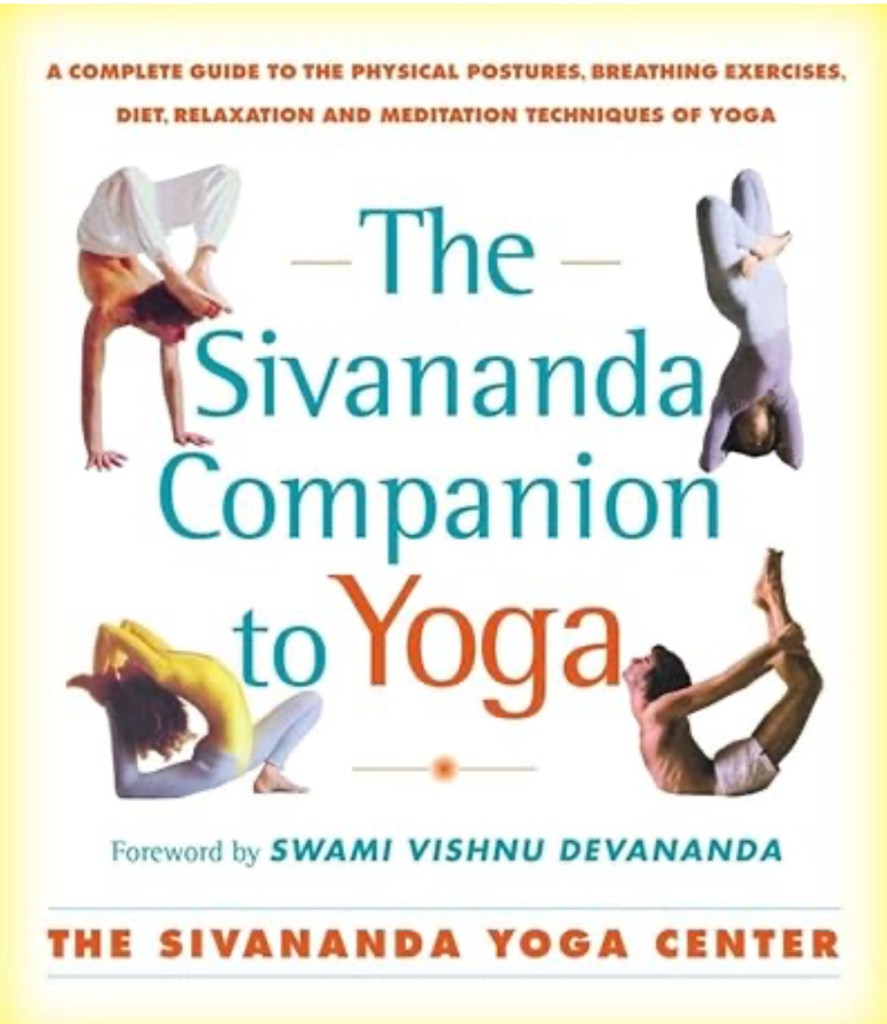
    For those interested in a comprehensive introduction to the practices of yoga, I recommend The Sivananda Companion to Yoga: A Complete Guide to the Physical Postures, Breathing Exercises, Diet, Relaxation, and Meditation Techniques of Yoga. This book offers clear guidance on the foundational aspects of yoga, making it an invaluable resource for anyone looking to deepen their understanding and practice. Take a look at this book on Amazon here.

    🙏🕊️🙏

  • How Yoga Nidra Can Benefit People Living with Chronic Fatigue Syndrome (ME/CFS)

    Living with Myalgic Encephalomyelitis/Chronic Fatigue Syndrome (ME/CFS) is a daily challenge that requires careful management of energy, rest, and stress. For many, finding effective ways to support the body and mind in this delicate balance can feel overwhelming. Yoga Nidra, often called “yogic sleep,” is a practice that has been gaining attention for its potential benefits in managing ME/CFS. In this post, I’d like to delve deeper into how Yoga Nidra can be a valuable tool for those of us living with this condition.

    1. Supporting Pacing Strategies

    Pacing is a cornerstone of managing ME/CFS. It involves carefully balancing activity and rest to avoid pushing the body beyond its limits, which can lead to crashes or flare-ups of symptoms. Yoga Nidra can be an invaluable tool in this regard. Unlike other forms of exercise or even traditional yoga, Yoga Nidra requires no physical exertion. It allows you to take restorative breaks throughout the day, helping to prevent crashes by providing your body with deep rest during these intervals.

    For those of us with ME/CFS, the ability to find rest without further depleting our energy is crucial. A short Yoga Nidra session can be integrated into your daily routine as a way to recharge and reset, making pacing more manageable and effective.

    1. Activating the Parasympathetic Nervous System

    Another significant benefit of Yoga Nidra is its ability to activate the parasympathetic nervous system (PNS). The PNS is responsible for the “rest and digest” functions of the body, helping to counteract the stress response driven by the sympathetic nervous system. For many people with ME/CFS, the nervous system is often in a heightened state of alertness, which can contribute to symptoms of fatigue, pain, and cognitive dysfunction.

    Yoga Nidra guides you into a state of deep relaxation, which helps shift the body from a state of stress to one of rest and repair. This activation of the PNS can reduce the chronic stress response that often accompanies ME/CFS, promoting a sense of calm and helping to alleviate symptoms over time.

    1. Providing Deep Rest and Restoration

    One of the most challenging aspects of ME/CFS is the experience of unrefreshing sleep. Despite spending many hours in bed, individuals with ME/CFS often wake up feeling just as tired as before they slept. Yoga Nidra offers a unique solution by guiding practitioners into a state of consciousness that is deeply restful, yet different from regular sleep.

    During Yoga Nidra, the body can enter a state that mimics sleep in terms of physical rest, but the mind remains in a state of relaxed awareness. This state of conscious relaxation allows for a deeper level of restoration, potentially offering benefits that complement or even enhance the effects of regular sleep. For people with ME/CFS, incorporating Yoga Nidra into the daily routine could help alleviate the feeling of exhaustion that persists despite adequate sleep.

    1. Releasing Tension and Promoting Emotional Healing

    Living with a chronic illness like ME/CFS can lead to the accumulation of physical and emotional tension. Over time, this tension can exacerbate symptoms and contribute to feelings of stress and overwhelm. Yoga Nidra includes practices like body scanning and guided visualization, which can help release deep-seated physical tension and promote emotional healing.

    As you are guided to focus on different parts of the body and engage in positive affirmations or visualizations, Yoga Nidra provides a safe space for processing and releasing stress. This can lead to a sense of lightness and relief, which is particularly beneficial for those dealing with the chronic stressors associated with ME/CFS.

    1. Enhancing Mental Clarity and Focus

    Cognitive symptoms, often referred to as “brain fog,” are a common and frustrating aspect of ME/CFS. The deep relaxation and stress reduction provided by Yoga Nidra can contribute to improved mental clarity and focus. By calming the nervous system and promoting a state of balance, Yoga Nidra may help reduce the cognitive fatigue that many with ME/CFS experience.

    Regular practice of Yoga Nidra can support mental clarity by reducing the underlying stressors that contribute to brain fog, allowing for moments of greater focus and cognitive function.

    Conclusion: A Gentle Tool for Holistic Support

    Yoga Nidra is not a cure for ME/CFS, but it can be a gentle and effective tool for supporting overall well-being. By offering deep rest, aiding in pacing, calming the nervous system, and promoting emotional and physical healing, Yoga Nidra can be an integral part of a holistic approach to managing ME/CFS.

    If you’re living with ME/CFS and looking for new ways to support your health, I encourage you to explore Yoga Nidra. Whether you start with short, guided sessions or incorporate it into your daily routine, this practice may offer the kind of deep rest and healing that’s so essential for managing the complexities of ME/CFS.

    Watch a Video:

    The vides below is just some the many Yoga Nidra videos online of and are a good place to start. There are countless Yoga Nidra videos on YouTube, each offered by different instructors. Take your time exploring until you discover the ones that resonate best with you.

    The occasional Yoga Nidra session can be a relaxing and rejuvenating experience, helping you reduce stress, improve sleep, and promote overall well-being whenever you feel the need for a deep, restorative rest. May this practice bring you peace and renewal, gently supporting your journey toward greater well-being.

    This yoga Nidra for insomnia will take you easily into a light hypnagogic state and then down into a deep state of sleep.

    Learn more about ME, get involved in support, advocacy, and activism at www.meaction.net

    🙏🕊️🙏

  • Yoga Nidra for Chronic Fatigue Syndrome (ME/CFS): A Gentle Practice for Deep Rest and Healing

    Yoga Nidra for Chronic Fatigue Syndrome (ME/CFS): A Gentle Practice for Deep Rest and Healing

    Before You Begin

    Welcome, dear reader. If you’ve found yourself here, it may be because you’re looking for something gentle, something that can hold you with care amidst the challenges you face. Living with Myalgic Encephalomyelitis/Chronic Fatigue Syndrome (ME/CFS) often means navigating a delicate path where the balance between activity and rest isn’t just important—it’s essential.

    Yoga Nidra offers a unique kind of rest, one that reaches deep into the layers of your being, allowing both body and mind to relax in a way that ordinary sleep might not always provide. But before we dive into this practice, I invite you to pause. How are you feeling right now? If you notice any weariness, perhaps take a moment. Close your eyes, take a few deep breaths, and come back when you’re ready. Remember, there’s no rush here.

    As you consider exploring Yoga Nidra, please remember that this is your journey, unfolding at your own pace. Yoga Nidra invites you into a state of profound relaxation without physical effort, offering a deeply restful experience. For those of us living with ME/CFS, however, even rest can sometimes require a delicate balance.

    If you’re new to this practice, consider beginning with just a few minutes, allowing yourself to ease into the feeling of deep rest. Pause whenever you need, honoring your body’s unique rhythms and knowing that each moment of relaxation, however brief, can be truly nourishing.

    This is a sanctuary of ease—no need to strive. May Yoga Nidra offer you a gentle space of rest, a place to be held in care as you navigate your path toward healing and peace.

    What is Yoga Nidra?

    Yoga Nidra, often lovingly referred to as “yogic sleep,” is a form of guided meditation that gently leads you into a state of deep relaxation while your consciousness remains softly awake. Imagine being held in a place where you can let go of everything, where you can rest deeply without the need to do anything at all. This practice doesn’t ask for effort; it only invites you to allow yourself to be.

    For those living with ME/CFS, Yoga Nidra can offer a sanctuary—a place to replenish your energy, soothe your nervous system, and find a sense of peace that might feel elusive in daily life. But dear friend, I encourage you to take this in slowly. Perhaps read a little, then pause to check in with how you’re feeling. Let these words settle in their own time, just as you would allow a gentle rain to soak into the earth.

    Why Yoga Nidra is Beneficial for ME/CFS

    Yoga Nidra allows you to experience the kind of deep rest that typically takes much longer to achieve. Even just a few minutes can leave you feeling more refreshed, which is especially valuable when energy is limited. Living with ME/CFS often leaves the nervous system in a heightened state of alertness, contributing to stress and fatigue. Yoga Nidra gently guides the body into a state of calm, helping to reduce that background tension and allowing true relaxation to unfold.

    In the stillness of Yoga Nidra, the body’s natural healing processes are supported, fostering recovery and building resilience over time. This deep relaxation can be a powerful tool for anyone managing the ongoing challenges of ME/CFS. Whether you’re lying down in bed, on a yoga mat, or resting in a comfortable chair, Yoga Nidra is a practice that adapts to you. It requires no physical exertion—only the willingness to rest.

    Again, check in with yourself. How is your energy now? This is your journey, and it’s important to honor the pace that feels right for you.

    A Simple Yoga Nidra Practice for ME/CFS

    When you feel ready, I invite you to explore this gentle introduction to Yoga Nidra. This practice is designed to be brief and nurturing, offering you a moment of respite in your day.

    Preparation:

       •   Find a quiet, comfortable place where you can lie down. Perhaps you’re already there, in which case, simply settle in a bit more. Use a yoga mat, a blanket, or your bed—whatever feels best for you.
       •   Make sure you’re warm and comfortable. The body cools down when deeply relaxed, so a light blanket might be nice.
       •   Close your eyes, and take a few deep breaths. Let the day’s weight melt away.

    Guided Practice:

    1. Settle In: As you lie here, notice the contact points between your body and the surface beneath you. Feel supported, as though the earth is holding you gently. Allow your body to become heavy, fully surrendering to gravity.
    2. Breath Awareness (2-3 minutes): Bring your attention to your breath, without changing its rhythm. Simply observe the air as it flows in and out. With each exhale, imagine your body softening further, releasing any tension it may hold.
    3. Body Scan (3-5 minutes): Slowly, bring your awareness to different parts of your body, starting at your feet and working your way up to your head. As you focus on each part, imagine it being completely relaxed. If your time is limited, you might focus on just the major areas like your legs, torso, arms, and head.
    4. Sankalpa (Intention) (1-2 minutes): Silently repeat a positive intention or affirmation. It could be as simple as “I am relaxing,” or “I am releasing,” or “I am letting go.” Let this intention resonate with you as you repeat it a few times.
    5. Visualization (2-3 minutes): Picture a peaceful place—a sanctuary where you feel safe and relaxed. This could be a real location or an imagined one. Spend a few moments here, soaking in the tranquility. Let it fill you up.
    6. Return (1-2 minutes): Gradually bring your awareness back by deepening your breath. Gently move your fingers and toes. When you’re ready, slowly open your eyes, taking your time before getting up.

    How to Incorporate Yoga Nidra into Your Day

    As you move through your day, there are moments when you might feel the need to pause and restore. Yoga Nidra can become a trusted companion during these times.

    For instance, you might find that taking a few minutes for Yoga Nidra during short breaks throughout your day helps you to refresh your energy and reduce fatigue. Imagine pausing for just 5-10 minutes, allowing the deep rest of Yoga Nidra to rejuvenate your mind and body, making it easier to manage the day’s demands.

    In the evening, as you prepare for sleep, Yoga Nidra can also serve as a gentle transition into the night. Practicing before bed can help improve the quality of your sleep, which is often disrupted by ME/CFS. Picture yourself easing into a restful night, with Yoga Nidra setting the stage for better recovery and deeper rest.

    And then there are those moments when life feels overwhelming—when exhaustion seems to take over. In these times, taking a few minutes for Yoga Nidra can help reset your mind and body, offering a way to find calm amidst the storm. This practice can be like a comforting hand on your shoulder, guiding you back to a place of peace.

    As you explore how Yoga Nidra fits into your day, remember to be kind to yourself. You don’t need to do everything at once. Perhaps try one of these suggestions and see how it feels. The journey of healing is often made up of small, gentle steps.

    Dear reader, Yoga Nidra is more than just a practice—it’s a sanctuary where you can find rest, healing, and peace. For those living with Myalgic Encephalomyelitis/Chronic Fatigue Syndrome (ME/CFS), it offers a way to embrace rest as a form of self-care, helping you manage your energy and enhance your well-being. Remember, there’s no need to rush. This is your journey, and you’re exactly where you need to be.

    Explore Yoga Nidra Through a Guided Meditation Video

    If you’re interested in experiencing a guided Yoga Nidra practice, I’ve found a wonderful 30 minute video that can help you relax and restore your energy. This video offers a calming, step-by-step journey through a Yoga Nidra meditation, perfect for those moments when you need a deeper rest.

    The video begins with instructions to find a quiet place where you won’t be disturbed. You’re guided to get into a comfortable position on your back, with knees slightly apart and arms resting away from your body, palms up. As you close your eyes, you’ll be invited to take a deep relaxing breath, setting the stage for relaxation.

    The instructor suggests using the mantra OM during this lesson. OM is simply a sacred sound that is often used in meditation to help focus the mind and create a sense of peace and connection with the divine.

    The heart of the meditation is a detailed body scan, where the instructor gently guides your awareness to different parts of your body, allowing each to relax fully.

    The meditation concludes with gentle instructions to begin moving your fingers and toes, rolling your head from side to side, and stretching your body.

    Watch a Video

    The vides below is just some the many Yoga Nidra videos online of and are a good place to start. There are countless Yoga Nidra videos on YouTube, each offered by different instructors. Take your time exploring until you discover the ones that resonate best with you.

    The occasional Yoga Nidra session can be a relaxing and rejuvenating experience, helping you reduce stress, improve sleep, and promote overall well-being whenever you feel the need for a deep, restorative rest. May this practice bring you peace and renewal, gently supporting your journey toward greater well-being.

    This yoga Nidra for insomnia will take you easily into a light hypnagogic state and then down into a deep state of sleep.

    Learn more about ME, get involved in support, advocacy, and activism at www.meaction.net

    🙏🕊️🙏

  • Finding Peace Amidst Chronic Suffering

    Living with chronic fatigue syndrome (CFS) and chronic pain for over 30 years has been an immense challenge. There were times when the physical suffering seemed so overwhelming that it consumed my every thought. But as I journeyed deeper into spiritual practices and reflected on the nature of suffering itself, I came to a life-changing realization: much of my suffering wasn’t from the actual pain, but from my mind’s reaction to it. This distinction has become a cornerstone of my approach to living with chronic illness, and I’d like to share it with you, in hopes it may offer some clarity and comfort on your own journey.

    Understanding Suffering:

    Suffering is a universal part of the human experience, but what I’ve learned over time is that suffering doesn’t always arise directly from the pain itself. More often, it arises from the mind’s interpretation of the pain—the stories, fears, and resistance we build around it. This insight is well illustrated in the Buddhist teaching of The Second Arrow. The story goes that while we may be struck by the first arrow—representing the unavoidable pain that comes with being human—it is the second arrow, our mental and emotional response to that pain, that causes much of our suffering. We have no control over the first arrow, but we do have some control over the second one. When I began to understand this, I could see how my mind was amplifying my suffering by dwelling on it, resisting it, or fearing its persistence.

    Recognizing this dynamic has helped me approach pain not as an enemy to be fought, but as an experience to be acknowledged without judgment. This doesn’t mean the pain vanishes, but it transforms how I relate to it, making room for moments of peace amidst the discomfort.

    Finding Realization:

    A deep shift in my experience of suffering came when I began exploring spiritual teachings that pointed to the true nature of the self. Teachers like Papaji and Mooji guided me toward moments of realization where I glimpsed the unchanging awareness that lies beneath all mental and physical experiences. In those moments, I recognized that the pain in my body and the thoughts in my mind were passing phenomena, while something vast and peaceful within me remained untouched. This was the beginning of a profound realization: I am not the pain, I am the awareness in which the pain arises.

    However, sustaining this realization in daily life requires practice. It’s not about escaping pain or denying its presence, but about recognizing the part of us that remains constant and unscathed by the fluctuations of the mind and body. In this way, realization becomes a refuge, a space of stillness even as the storms of physical suffering continue.

    A New Relationship with Pain:

    Through mindfulness and meditation, I’ve learned to sit with the physical sensations in my body without immediately labeling them as good or bad. When I practice mindfulness, I bring a compassionate awareness to whatever arises, whether it’s pain, frustration, or fear. Instead of trying to push these feelings away, I let them be. This simple act of allowing has been one of the most powerful tools in transforming my relationship with suffering. By observing the sensations without judgment, I create space between myself and the pain, a space where peace can emerge.

    Meditation has also been a sanctuary for me. By focusing on the breath or repeating a mantra, like the Medicine Buddha mantra, I find that I can calm the turbulent waves of the mind, even if the body is still in pain. This doesn’t take the pain away, but it brings a sense of inner calm that helps me cope more gracefully.

    Another practice that has been transformative is self-inquiry, specifically investigating the “I” that claims ownership of the suffering. When I look closely at thoughts like “I am in pain,” I ask myself, “Who is this ‘I’ that is experiencing this?” This simple question often reveals that the sense of “I” is just another thought, another mental event.

    I realize that I am not the thought or the pain. I am the awareness observing it all. This recognition doesn’t remove the physical sensations, but it softens their hold on me. It’s like taking a step back from the drama unfolding in the mind and body, and instead of being caught up in it, I become the quiet witness of it all. This shift in perspective helps dissolve the perceived separation between the observer and the observed, and in that union, peace is found.

    Living with Compassion and Reflection:

    As I continue to navigate life with chronic illness, I’ve come to see suffering as both a challenge and a teacher. Each moment of pain has the potential to teach us about resilience, about compassion, and about the nature of existence itself. Reflecting on my own journey, I often ask myself: what is this pain trying to show me? How can I meet it with acceptance instead of resistance? How can I extend the compassion I so often offer others to myself?

    One of the most important lessons I’ve learned is the value of self-compassion. Chronic suffering can easily lead to frustration, self-criticism, or even feelings of failure. But I’ve come to realize that the first step toward healing is always kindness—to acknowledge my struggles without judgment and to treat myself with the same care and compassion I would offer to a loved one in pain. This practice of self-compassion doesn’t just ease the burden of suffering; it opens the heart to a deeper understanding of the shared nature of human experience.

    Conclusion:

    Living with chronic fatigue syndrome and chronic pain is undeniably difficult, but by transforming the way we relate to suffering, we can find moments of peace even in the midst of it. It’s not about eradicating pain or escaping it, but about changing the lens through which we view it. When we understand that much of our suffering is created in the mind—the second arrow—we can begin to soften our response to it. Through consistent mindfulness, meditation, self-inquiry, and self-compassion, it is possible to cultivate a deeper sense of peace and acceptance.

    This journey is ongoing, and there is no finish line. But each moment of awareness, each breath of compassion, brings us closer to a more peaceful relationship with our pain. I invite you to reflect on your own experiences of suffering and how these practices might support you. Please feel free to share your thoughts and reflections in the comments below. Together, we can create a community of support, compassion, and healing.

    🙏🕊️🙏

  • Serenity Flow for Beginners: Simple Single Parts

    Beginning Level Exercise 


    Legal Stuff: Before beginning this exercise, please be aware that by proceeding, you are acknowledging that you have consulted with your physician and are cleared to engage in new physical activities. This exercise program is intended for informational purposes only and does not constitute medical advice. You should not start any new exercise regimen without professional medical evaluation and approval. By continuing, you agree to assume all risks associated with participating in this exercise and release the creator from any liability related to injury or health issues that may arise.

    Introduction

    By breaking down the movements into simple parts, you can gently ease into the practice, allowing your body to gradually adapt and experience the benefits of this mindful exercise. By performing these individual exercises, you will become familiar with each movement and how your body responds. It is important that each movement feels good; if something does not feel good, do not do it. Keep the movements within your comfort zone. As your muscles relax, you may find it comfortable to increase the range of motion, but it is important not to force this. Listen to your body and allow it to guide you through the exercises, ensuring a safe and beneficial practice.

    Begin by finding a quiet, comfortable place to lie down on your back, preferably on your bed. Allow your body to relax into the mattress. Close your eyes and take a few deep breaths, letting your body settle into a state of calm and relaxation.


    Exercise 1: Relaxing on Your Back

    Objective: To begin with a relaxed, calm state.

    Instructions:
    Lie comfortably on your back. Take a moment to settle in, feeling the support beneath you. Close your eyes and take a deep breath in, letting it out slowly, releasing any tension.


    Exercise 2: Turning Head Left and Right

    Objective: To gently mobilize the neck.

    Instructions:

    • Slowly turn your head to the right as you inhale.
    • Exhale as you bring your head back to the center.
    • Inhale as you slowly turn your head to the left.
    • Exhale as you return to the center.
    • Repeat this movement several times, moving slowly and mindfully.

    Exercise 3: Flexing and Extending the Neck

    Objective: To stretch the neck gently.

    Instructions:

    • Inhale as you gently look upward, extending your neck and lifting your chin slightly.
    • Exhale as you look downward, tucking your chin toward your chest.
    • Repeat this movement slowly and mindfully several times.

    Exercise 4: Lion’s Face

    Objective: To stretch the facial muscles.

    Instructions:

    • Inhale as you open your face wide into a lion’s face: open your eyes wide and stick out your tongue.
    • Hold for a moment, feeling the stretch.
    • Exhale as you pucker your lips and close your eyes tightly, scrunching your face as small as possible.
    • Hold for a moment, feeling the tension.
    • Repeat this cycle a few times, moving slowly.

    Exercise 5: Extending and Flexing Fingers

    Objective: To mobilize the fingers.

    Instructions:

    • Inhale as you open and extend your fingers wide, stretching them outward.
    • Hold for a moment, feeling the stretch.
    • Exhale as you close your fingers into a tight fist, scrunching your hand.
    • Hold for a moment, feeling the tension.
    • Repeat this movement several times, moving slowly and mindfully.

    Exercise 6: Extending and Flexing the Pelvis

    Objective: To gently mobilize the pelvis.

    Instructions:

    • Inhale as you gently arch your pelvis upward, creating a gentle extension in your spine.
    • Hold for a moment, feeling the stretch.
    • Exhale as you allow your pelvis to sink down, creating a gentle flexion in your spine.
    • Hold for a moment, feeling the relaxation.
    • Repeat this movement several times, moving slowly and mindfully.

    Exercise 7: Extending and Flexing Toes and Ankles

    Objective: To mobilize the toes and ankles.

    Instructions:

    • Inhale as you point your toes downward, extending your ankles.
    • Hold for a moment, feeling the stretch.
    • Exhale as you flex your toes upward, pulling them towards your shins.
    • Hold for a moment, feeling the stretch.
    • Repeat this movement several times, moving slowly and mindfully.

    Reflection & Contemplation

    Objective: To reflect on the exercise and its effects on your body and mind.

    Instructions:
    After completing all the exercises, bring your body back to a neutral position, resting comfortably. Take a few final deep breaths, allowing your body to relax completely. Open your eyes when you are ready, feeling refreshed and centered.

    Reflect on the following questions:

    1. How did your body respond to each of the gentle movements in these exercises?
    2. Did you notice any areas of tension or discomfort? How did these sensations change throughout the exercises?
    3. What emotions or thoughts surfaced during the practice? How did you address them?
    4. How did the combination of stretching and breath control affect your sense of relaxation and presence?
    5. After completing the exercises, do you feel a difference in your overall energy and mood?
    6. Were there any particular movements that felt especially beneficial or challenging? Why do you think that is?
    7. How does this practice compare to other mindfulness or movement exercises you have tried?
    8. What insights or new awareness did you gain about your body and breath through these exercises?

    Please feel free to share any thoughts, insights, or questions that came up for you during this meditation in the comments section below. Your contributions enrich our community and are greatly appreciated.

    thank you for sharing

    🙏🕊️🙏

  • Serenity Flow: Whole Body Breathing

    Advanced Level Exercise


    Legal Stuff: Before beginning this exercise, please be aware that by proceeding, you are acknowledging that you have consulted with your physician and are cleared to engage in new physical activities. This exercise program is intended for informational purposes only and does not constitute medical advice. You should not start any new exercise regimen without professional medical evaluation and approval. By continuing, you agree to assume all risks associated with participating in this exercise and release the creator from any liability related to injury or health issues that may arise.

    Serenity Flow: Whole Body Breathing


    Begin by lying comfortably on your back in bed, allowing your body to relax into the mattress. Take a moment to settle in, feeling the support beneath you. Close your eyes and take a deep breath in, letting it out slowly, releasing any tension.

    First Variation: Turning Head Right and Left

    Inhale: As you breathe in, turn your head gently to the right. Open your face wide into a lion’s face, opening your eyes wide and stretching your mouth open. At the same time, extend your hands fully, spreading your fingers wide. Feel the stretch across your face and hands. Hold this position for a moment, feeling the expansion.

    Hold: Pause here, holding your breath gently for a few seconds. Feel the energy and openness in your body.

    Exhale: Now, slowly turn your head to the left, puckering your lips as if blowing out a candle. Close your eyes tightly and make a tight fist with both hands. Hold this position for a moment, feeling the intensity.

    Hold: Pause here, holding your breath gently for a few seconds. Feel the tension and focus in your body.

    Repeat: Continue this cycle, moving mindfully and slowly.

    Inhale: As you breathe in, turn your head gently to the right. Open your face wide into a lion’s face, opening your eyes wide and stretching your mouth open. At the same time, extend your hands fully, spreading your fingers wide. Feel the stretch across your face and hands. Hold this position for a moment, feeling the expansion.

    Hold: Pause here, holding your breath gently for a few seconds. Feel the energy and openness in your body.

    Exhale: Now, slowly turn your head to the left, puckering your lips as if blowing out a candle. Close your eyes tightly and make a tight fist with both hands. Hold this position for a moment, feeling the intensity.

    Hold: Pause here, holding your breath gently for a few seconds. Feel the tension and focus in your body.

    Repeat: Continue this cycle, moving mindfully and slowly.

    Inhale: As you breathe in, turn your head gently to the right. Open your face wide into a lion’s face, opening your eyes wide and stretching your mouth open. At the same time, extend your hands fully, spreading your fingers wide. Feel the stretch across your face and hands. Hold this position for a moment, feeling the expansion.

    Hold: Pause here, holding your breath gently for a few seconds. Feel the energy and openness in your body.

    Exhale: Now, slowly turn your head to the left, puckering your lips as if blowing out a candle. Close your eyes tightly and make a tight fist with both hands. Hold this position for a moment, feeling the intensity.

    Hold: Pause here, holding your breath gently for a few seconds. Feel the tension and focus in your body.

    Repeat: Continue this cycle, moving mindfully and slowly.

    • Inhale: Turn your head to the right, lion face, open eyes, extend fingers.
    • Hold: Pause and feel the expansion.
    • Exhale: Turn your head to the left, pucker lips, close eyes, make tight fists.
    • Hold: Pause and feel the tension.
    • Inhale: Turn your head to the right, lion face, open eyes, extend fingers.
    • Hold: Pause and feel the expansion.
    • Exhale: Turn your head to the left, pucker lips, close eyes, make tight fists.
    • Hold: Pause and feel the tension.
    • Inhale: Turn your head to the right, lion face, open eyes, extend fingers.
    • Hold: Pause and feel the expansion.
    • Exhale: Turn your head to the left, pucker lips, close eyes, make tight fists.
    • Hold: Pause and feel the tension.

    Second Variation: Flexion and Extension of Neck and Pelvis

    Inhale: While breathing in, gently extend your neck backward, lifting your chin slightly. At the same time, arch your pelvis upward, creating a gentle extension in your spine. Open your face into a lion’s face, opening your eyes wide and stretching your mouth open, and extend your hands fully, spreading your fingers wide. Feel the stretch across your face, neck, spine, and hands. Hold this position for a moment, feeling the expansion.

    Hold: Pause here, holding your breath gently for a few seconds. Feel the energy and openness in your body.

    Exhale: As you breathe out, gently flex your neck forward, tucking your chin slightly. Allow your pelvis to sink down, creating a gentle flexion in your spine. Pucker your lips as if blowing out a candle, close your eyes tightly, and make a tight fist with both hands. Hold this position for a moment, feeling the intensity.

    Hold: Pause here, holding your breath gently for a few seconds. Feel the tension and focus in your body.

    Repeat: Continue this cycle, moving mindfully and slowly.

    Inhale: While breathing in, gently extend your neck backward, lifting your chin slightly. At the same time, arch your pelvis upward, creating a gentle extension in your spine. Open your face into a lion’s face, opening your eyes wide and stretching your mouth open, and extend your hands fully, spreading your fingers wide. Feel the stretch across your face, neck, spine, and hands. Hold this position for a moment, feeling the expansion.

    Hold: Pause here, holding your breath gently for a few seconds. Feel the energy and openness in your body.

    Exhale: As you breathe out, gently flex your neck forward, tucking your chin slightly. Allow your pelvis to sink down, creating a gentle flexion in your spine. Pucker your lips as if blowing out a candle, close your eyes tightly, and make a tight fist with both hands. Hold this position for a moment, feeling the intensity.

    Hold: Pause here, holding your breath gently for a few seconds. Feel the tension and focus in your body.

    Repeat: Continue this cycle, moving mindfully and slowly.

    Inhale: While breathing in, gently extend your neck backward, lifting your chin slightly. At the same time, arch your pelvis upward, creating a gentle extension in your spine. Open your face into a lion’s face, opening your eyes wide and stretching your mouth open, and extend your hands fully, spreading your fingers wide. Feel the stretch across your face, neck, spine, and hands. Hold this position for a moment, feeling the expansion.

    Hold: Pause here, holding your breath gently for a few seconds. Feel the energy and openness in your body.

    Exhale: As you breathe out, gently flex your neck forward, tucking your chin slightly. Allow your pelvis to sink down, creating a gentle flexion in your spine. Pucker your lips as if blowing out a candle, close your eyes tightly, and make a tight fist with both hands. Hold this position for a moment, feeling the intensity.

    Hold: Pause here, holding your breath gently for a few seconds. Feel the tension and focus in your body.

    Repeat: Continue this cycle, moving mindfully and slowly.

    • Inhale: Extend your neck and pelvis, lion face, open eyes, extend fingers.
    • Hold: Pause and feel the expansion.
    • Exhale: Flex your neck and pelvis, pucker lips, close eyes, make tight fists.
    • Hold: Pause and feel the tension.
    • Inhale: Extend your neck and pelvis, lion face, open eyes, extend fingers.
    • Hold: Pause and feel the expansion.
    • Exhale: Flex your neck and pelvis, pucker lips, close eyes, make tight fists.
    • Hold: Pause and feel the tension.
    • Inhale: Extend your neck and pelvis, lion face, open eyes, extend fingers.
    • Hold: Pause and feel the expansion.
    • Exhale: Flex your neck and pelvis, pucker lips, close eyes, make tight fists.
    • Hold: Pause and feel the tension.

    Continue for several minutes, alternating between the two variations as you feel comfortable. Move slowly and mindfully with each breath. When you are ready to finish, bring your body back to a neutral position, resting comfortably. Take a few final deep breaths, allowing your body to relax completely. Open your eyes when you are ready, feeling refreshed and centered.

    Reflection & Contemplation

    Here are a few meaningful questions for you to reflect on your experience of doing this exercise:

    1. How did your body respond to the gentle movements and coordinated breathing in this exercise?
    2. Did you notice any areas of tension or discomfort in your body? How did these sensations change throughout the exercise?
    3. What emotions or thoughts surfaced during the practice? How did you address them?
    4. How did the combination of stretching and breath control affect your sense of relaxation and presence?
    5. After completing the exercise, do you feel a difference in your overall energy and mood?
    6. Were there any particular movements or positions that felt especially beneficial or challenging for you? Why do you think that is?
    7. How does this practice compare to other mindfulness or movement exercises you have tried?
    8. What insights or new awareness did you gain about your body and breath through this exercise?

    Reflecting on these questions can deepen your understanding and enhance the benefits of your practice. Please feel free to share your experience, Reflections insights and/or questions in the comments section below.

    thank you for sharing

    🙏🕊️🙏