Tag: ethical AI alignment

  • The True Temple Within: Answering the Call of Jesus’s Teachings on Compassion and Love

    The True Temple Within: Answering the Call of Jesus’s Teachings on Compassion and Love

    A Reflection on Finding God’s Kingdom Within and Building a Temple of Compassion in Our Hearts


    Embracing the Inner Kingdom of God

    In times of uncertainty and division, many Christians look to prophecy and signs as they await the return of Jesus. Some believe that rebuilding the physical Third Temple in Jerusalem is a vital step, a tangible marker in the unfolding of divine plans. But as we search the scriptures and reflect on Jesus’s teachings, perhaps there’s another path we’re being called to—a path that brings the temple closer to home, within each of our hearts.

    When Jesus spoke of the kingdom of God, he did not point to a distant place or a building yet to be constructed. Instead, he said, “The kingdom of God is within you” (Luke 17:21). These words offer us a profound insight: the divine presence we seek is already here, woven into the fabric of our being. The true temple, then, may not be built of stone or situated on any particular piece of land. Instead, it is a spiritual sanctuary we create within ourselves through acts of compassion, forgiveness, and love.

    The Call to Build an Inner Temple

    Imagine that the “temple” Jesus invites us to build is one that lives within, a place where we cultivate the values he embodied. In 1 Corinthians 3:16, Paul writes, “Do you not know that you are God’s temple and that God’s Spirit dwells in you?” This suggests that each of us can become a vessel of the divine, embodying Jesus’s teachings through our choices, words, and actions.

    In a world often marked by conflict and separation, answering this call becomes even more essential. The peace we seek outwardly begins with a peace cultivated inwardly. We are invited to become living temples, where loving-kindness flows freely and forgiveness is extended not only to others but also to ourselves. Each time we choose compassion over judgment, each time we practice forgiveness, we add another stone to the temple within, creating a sanctuary that honors the essence of Jesus’s message.

    The Kingdom of God: Here and Now

    When asked about the coming of God’s kingdom, Jesus said it was already “within and around you, for those with eyes to see and ears to hear.” The kingdom, then, is not a distant promise but an ever-present reality, accessible to those who open their hearts. It is an invitation to see the sacred in the everyday, to recognize that God’s love permeates all creation.

    This perspective encourages us to shift from waiting for a distant event to actively living in alignment with Jesus’s teachings now. By embracing love, compassion, and forgiveness in our daily lives, we make the kingdom of God visible in our world. Each act of kindness, each moment of understanding, becomes a glimpse of this divine kingdom, alive and vibrant within us.

    A Spiritual Temple Not Made by Hands

    The Bible hints at this concept of a temple “not made by hands.” In Acts 7:48, it says, “The Most High does not dwell in houses made with hands.” This idea reminds us that God’s presence isn’t confined to physical spaces; it lives in the open-hearted expressions of love and compassion we extend to one another.

    For some, the idea of a Third Temple remains deeply significant, symbolizing devotion and fulfillment of prophecy. But perhaps this prophecy points us toward something greater than a building. Perhaps it calls us to the work of inner transformation—a temple built with virtues rather than walls, where Jesus’s teachings find their true home.

    Answering the Call of Jesus’s Teachings

    As we reflect on this message, we are each invited to answer the call of Jesus in our own lives. What if the true “return” of Jesus is a return to his teachings of love, compassion, and forgiveness? What if the temple he seeks is one that we build within our hearts, where his presence can dwell through our actions?

    This journey isn’t always easy. Building a temple within requires self-reflection, a willingness to forgive, and a commitment to love even when it’s difficult. But each step brings us closer to a peace that surpasses understanding—a peace that flows from knowing that the kingdom of God is here, within and around us, ready to be realized by all who seek it.

    In a world yearning for healing, perhaps the greatest offering we can make is to create this inner temple. Let us honor Jesus’s teachings by embodying them fully, by becoming the living temples where his love shines brightly. May we each be guided by his call, building not with bricks and mortar but with kindness, patience, and the boundless compassion that is the true foundation of God’s kingdom.

    Final Thoughts

    This post invites readers to consider that the true temple of God resides within each of us, and that we honor Jesus’s teachings not by waiting for signs, but by embodying love and compassion in our daily lives. Together, as living temples, we bring the kingdom of God closer to earth, revealing a divine reality that is always here, for those who have eyes to see and hearts to embrace it.

    🙏🕊️🙏
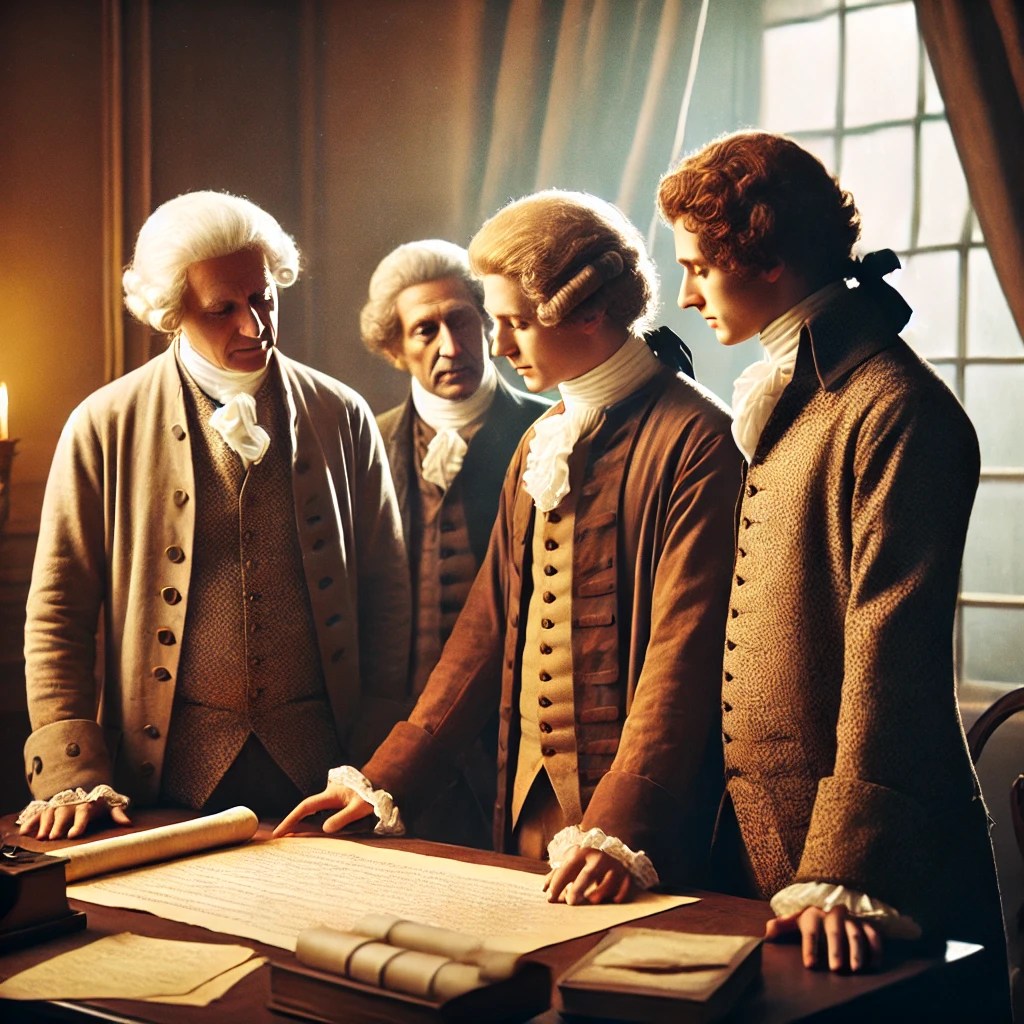
  • Voices from History Are Whispering to Us, Still: To Hold Steady and Seek the Wisdom They Once Prayed For

    Voices from History Are Whispering to Us, Still: To Hold Steady and Seek the Wisdom They Once Prayed For

    Reflections Upon The Debate on the Constitution, edited by Bernard Bailyn

    As I begin to read and reflect on the birth of our nation, I find myself drawn to The Debate on the Constitution, edited by Bernard Bailyn. In this remarkable collection, voices from the founding era come alive through letters, speeches, and passionate exchanges over the very principles that would shape America’s future. My journey through these pages has been an invitation to look deeply into the hopes, fears, and uncompromising visions that guided the formation of our government. This reflection on David Reddick’s letter is the first of many insights I plan to share as I explore these foundational texts. Each passage, like a quiet whisper from history, feels profoundly relevant to our modern challenges. With each chapter, I hope to uncover more of the wisdom and guidance that remains as timely now as it was then.

    As we face the complexities of our 21st-century world—fraught with its own unique challenges and deep divisions—it may surprise us to hear faint but persistent echoes from the past. When David Reddick wrote to William Irvine on September 24, 1787, he captured both the fervor and the trepidation of a young nation on the brink of forging a new government. With a heart both hopeful and wary, Reddick concluded his letter with a plea, one that resonates strikingly across the ages: “I pray a spirit of wisdom and a spirit of integrity pervade Congress more, especially at this time.”

    In his words, we hear not only a timeless hope but also an acknowledgment of the fragility and responsibility that accompany governance. Reddick’s prayer was for leaders bound by integrity, guided by wisdom, and driven by a vision of the common good—a vision that was then, as it is now, profoundly needed. For as long as humans have governed, these virtues have been as essential as the laws themselves, the unspoken scaffolding of a just and enduring society.

    Reddick’s letter is set against the tumultuous backdrop of 1787, a year filled with fierce debates and delicate compromises as the Framers drafted the Constitution. Delegates gathered in Philadelphia with diverging opinions, representing colonies with diverse needs and perspectives. The air was thick with tension, and yet also with the profound sense of a shared purpose. They did not agree on every principle, nor did they all emerge unscathed by political rivalries. But they knew that the work before them was not just for themselves—it was for posterity, for the countless generations yet to come.

    In a modern world that often feels divided and weary, these voices from history still whisper to us. They remind us of the enduring aspirations that guided those foundational debates, aspirations that can guide us still if we listen. Today, we live in a time when those same virtues—wisdom, integrity, and a vision for the common good—feel as critical as ever. We, too, face challenges that ask us to look beyond individual interests and to embrace a broader vision, one that transcends the boundaries of partisanship and personal gain.

    The means of “wiping opprobrium”—or removing shame and dishonor—from our society, as the Founding Fathers might have said, are within our power. Each generation faces its own unique challenges and must confront the issues that threaten its integrity. Today, we face new challenges, yes, but the call for ethical governance remains unchanged. Reddick’s words are as relevant now as they were then, urging us to hold steady, to seek wisdom, and to pursue integrity in our institutions. His letter, and the atmosphere of those early debates, serve as gentle reminders that governance is an ongoing act of courage and compassion—a collective journey toward a vision that serves all.

    Perhaps that’s why voices like David Reddick’s still resonate. They remind us that, despite our best efforts to progress, some truths remain constant, and they quietly urge us to hold steady and seek the wisdom that was so fiercely needed then—and is just as fiercely needed now. And so, as we face our own era’s challenges, I too pray: may a spirit of wisdom and a spirit of integrity pervade Congress more, especially at this time.

    🙏🕊️🙏

    Discover the timeless debates that shaped America’s foundation in The Debate on the Constitution by Bernard Bailyn. This collection brings to life the voices of America’s founding era, offering invaluable insights for those seeking to understand the principles that continue to shape our nation.