Tag: energy conservation

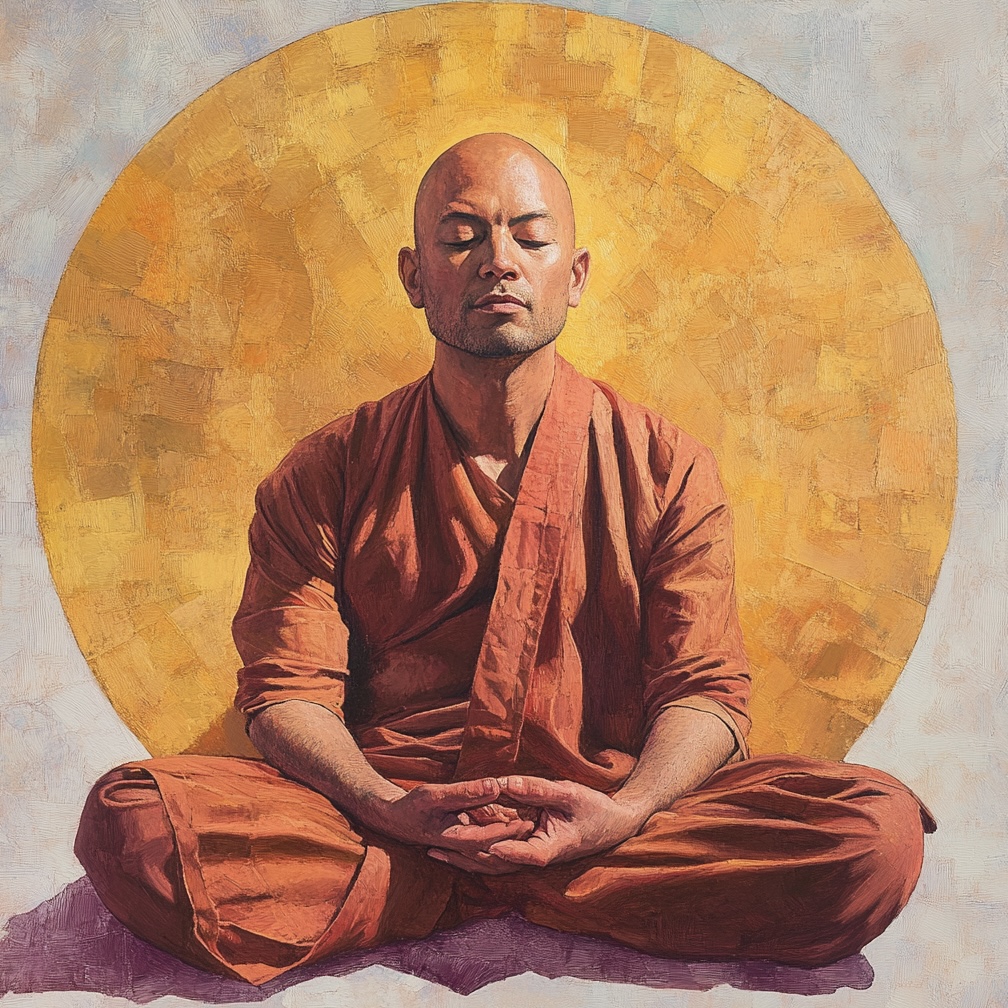
  • Exploring Pristine Mind Meditation for Chronic Fatigue Syndrome: A Path to Effortless Rest

    Exploring Pristine Mind Meditation for Chronic Fatigue Syndrome: A Path to Effortless Rest

    “Discover how pristine mind meditation may offer a gentle, restorative state of awareness without the energy costs that often come with post-exertional malaise.”

    Living with Chronic Fatigue Syndrome means every action, every exertion, has a cost. For many, even a few minutes of focus or effort can lead to post-exertional malaise—a profound worsening of symptoms that can last for days. But what if there was a way to rest deeply, to allow the mind to settle in a way that doesn’t deplete but actually nourishes? This is where the practice of pristine mind meditation comes in, offering an effortless awareness that exists beyond thought, beyond strain, and without the toll of traditional exertion.

    Pristine mind meditation is rooted in the idea of simply being. Rather than trying to clear the mind or enter a specific state, it invites you to rest in pure, unaltered awareness. This isn’t an act of concentration or focus, but a gentle allowing—a way to let thoughts and sensations come and go without attaching or resisting. The experience of resting in the pristine mind is often described as spacious, calm, and effortlessly open. For someone with ME/CFS, this could mean a path to real rest without the demand on physical energy that so often comes with other practices.

    Theoretically, because pristine mind meditation is free from physical or mental strain, it offers a way to access peace and stillness without triggering the kind of post-exertional fatigue that can worsen symptoms. It’s an invitation to explore a new way of being with chronic fatigue, where healing is not about doing but about resting in the quiet awareness that’s already within you.

    This journey is a gentle experiment, a compassionate practice of meeting yourself exactly as you are. Whether you experience even a few moments of pristine awareness or simply rest in the intention, the practice becomes a way of honoring the body’s limits and nourishing the mind. Take this path slowly, with openness, knowing that each step is its own quiet gift.

    If you’re curious, I invite you to join in this exploration, allowing yourself to simply rest in the pristine mind, noticing what it brings without expectation or need for change. This is a practice of ease, not of effort—a resting place for the soul amidst the demands of daily life with Chronic Fatigue Syndrome.

    For those interested in going deeper, much of this understanding is inspired by the teachings in Our Pristine Mind by Orgyen Chowang Rinpoche. His book provides a profound exploration of this approach to awareness, offering guidance on accessing the clear, effortless state of the pristine mind. If this resonates with you, I’ll leave a link below to help you find the book and discover more about this gentle, transformative practice.

    In the name of honoring my chronic fatigue syndrome, I’m experimenting with a different approach to healing. I’m trying out the idea that it doesn’t have to be complicated or effortful—that maybe simplicity and gentle choices can be enough. By tending to myself in this way, I’m exploring what it means to honor both my needs and my limitations, and I’m finding that this, too, might be a path to healing.

    I don’t know all the answers, but I’m noticing that healing isn’t always about pushing or doing more. Sometimes, it’s about making a quiet, deliberate choice to conserve energy, to rest, and to be. This journey toward simplicity and ease feels like a step toward well-being, and I’m curious to see where it leads.

    🙏🕊️🙏

    <!– /wp:spacer →

    🙏🕊️🙏

  • The Art of Pacing: Managing Chronic Fatigue Syndrome with Skillful Means

    The Art of Pacing: Managing Chronic Fatigue Syndrome with Skillful Means

    There is a rhythm to living with chronic illness, one that requires a kind of surrender. Those who walk the path with myalgic encephalomyelitis or chronic fatigue syndrome soon learn that pacing is not merely a strategy—it becomes an art form, a way of listening, of harmonizing with the body’s quiet whispers before they become cries. To pace oneself is to acknowledge the body’s finite energy, to move in step with the breath of fatigue, gently, humbly, knowing that to overstep the body’s boundaries is to invite collapse.

    It is not an easy lesson, this slow dance with limitations, yet it is one that teaches a profound wisdom. For those of us living with this condition, pacing is a compass, guiding us through days where the terrain can feel treacherous, unpredictable. It is, in its essence, the practice of recognizing when to move forward and when to step back. We become more attuned to the varied signals of our bodies—perhaps tremors of exhaustion, increasing tinnitus, irritation, a flutter of dizziness, nausea, insomnia, headaches or the dimming of cognitive clarity. In these moments, we learn that to heed these signs is to honor the body’s wisdom, to respect its limits as one might respect the changing seasons.

    Pacing, though practical, is deeply spiritual as well. In the Tibetan Buddhist tradition, there is a teaching of upaya, or skillful means, which echoes the heart of pacing. Skillful means refers to the wisdom of knowing what action is most appropriate in any given moment, guided by compassion for ourselves and others. For those of us managing a chronic illness, pacing is our skillful means, the practice of compassion extended inward, toward the tender, vulnerable places within us that need rest, gentleness, and care.

    This is not weakness. On the contrary, there is a quiet strength in pacing, a strength that arises from restraint, from knowing that our worth is not measured by the speed at which we move or the number of tasks we complete. Instead, it is measured by how we listen to the body’s call for stillness, how we cultivate patience in the face of limitations, how we respond to the world with wisdom rather than haste.

    In the same way that skillful means in Buddhist practice requires a deep awareness of the present moment, pacing invites us to be fully present with our bodies, to sense when we are nearing our edge and to pull back with kindness. It requires discernment, the ability to prioritize what truly matters, letting go of the unnecessary so that we may preserve our energy for what is essential. And, perhaps most importantly, pacing asks us to be flexible. What works for us today may not work tomorrow. Like the ebb and flow of the tide, we must continuously adjust, staying attuned to the changing nature of our energy levels, adapting with grace to whatever arises.

    To pace well is to cultivate trust in ourselves, to believe that our bodies—though fragile—are capable of guiding us toward balance. It is to let go of the constant push toward productivity, embracing instead a quieter, more sustainable rhythm of being. This trust grows over time, as we learn to befriend our bodies rather than seeing them as enemies. We begin to see pacing not as a limitation, but as an opportunity to deepen our relationship with ourselves, to practice self-compassion in the most tangible of ways.

    And so, we move slowly, deliberately. We choose rest when it is needed, even when the world outside rushes by. We choose to pause, to breathe, to trust that this moment of stillness is as important as any action we might take. In this way, pacing becomes not only a survival strategy but a path to peace. It teaches us to live in harmony with our bodies, to respect the boundaries they set, and to find beauty in the gentleness of our compassion.

    Pacing, like skillful means, is not something mastered overnight. It is a practice that deepens over time, shaped by patience, by trial and error, by learning to let go of perfectionism. But with each step, we become more attuned to the wisdom that already resides within us. We learn that pacing is not a sign of giving up, but of holding on—holding on to our health, our well-being, and our sense of self in the midst of struggle.

    Pacing, in its truest form, is an act of compassion toward ourselves, a recognition that while life with post viral ME/CFS has taken much from us, it has not taken everything. It is not a dance of perfection, but rather a delicate balancing act between what was and what is. The grief over what we have lost is real, and it deserves to be honored. We grieve our former selves, the life we once knew, and all the possibilities that seem to have slipped away.

    But after the grieving, something else begins to emerge. Slowly, through the quiet practice of listening to our bodies and respecting our limits, we begin to discover a new way of living—not the life we once imagined, but a life nonetheless. And within this new life, there are still moments of joy, moments of lightness. These moments may look different from what they once were, but they are no less real. They come from acceptance, from doing more of what works and less of what doesn’t. They come from the simple peace of knowing we are doing our best within the constraints we face.

    To pace is to acknowledge these constraints, to know that while we may not live fully in the way we once dreamed, we can still live meaningfully. We can still find purpose, connection, and even happiness within this new rhythm. It is not a rhythm we would have chosen, but it is ours now, and there is strength in learning to move with it rather than against it. In this process, we find that joy and peace are still possible—not despite the illness, but alongside it, within the space that remains.

    And so, with time, we learn to rest in the assurance that we are whole in our own way, capable of living a life that, while different, still holds beauty, meaning, and moments of joy.

    Following the breath,
    We learn the art of patience,
    Peace within each step.

    🙏🕊️🙏

    Book Recommendation: Pema Chödrön, The Wisdom of No Escape and the Path of Loving-Kindness

    In The Wisdom of No Escape, Pema Chödrön presents teachings on accepting life as it is, rather than wishing it were different. Her words remind us that even in the midst of suffering, there is always the potential for transformation—not by running from our difficulties, but by turning toward them with compassion and curiosity. For those living with chronic fatigue syndrome, this book is a beautiful companion, offering insights on how to stay present with what is, without judgment or resistance. Chödrön’s gentle wisdom helps us find peace in the uncomfortable and reminds us that within every limitation, there is the possibility of growth. This aligns perfectly with the practice of pacing—of learning to live within constraints, not with bitterness, but with an open heart.

    Book Recommendation: Tony Bernhard, How to Be Sick

    Another indispensable resource is Tony Bernhard’s How to Be Sick. As someone who has lived with chronic fatigue syndrome herself, Bernhard offers a deeply compassionate, Buddhist-inspired approach to living with illness. Her book provides practical advice on how to cultivate equanimity, mindfulness, and self-compassion while dealing with the daily struggles of chronic illness. Bernhard’s words echo the heart of pacing—teaching us how to manage our energy, honor our limitations, and find meaning even when life feels limited. For anyone searching for a path through the often overwhelming challenges of ME/CFS, How to Be Sick is both a guide and a comfort, offering tools to help transform suffering into wisdom and peace.
  • In the Quiet of Healing: My Journey with the Parasympathetic Nervous System

    In the Quiet of Healing: My Journey with the Parasympathetic Nervous System

    Healing Through Rest: How the Parasympathetic Nervous System Can Support Recovery from Chronic Fatigue Syndrome

    In the aftermath of the recent hurricanes, Helene and Milton, I’ve felt post-exertional malaise weigh heavily on my body. The fatigue has been more than just physical—it’s emotional and mental, a deep, enveloping weariness that reminds me how fragile recovery can be. As I continue to mend from both the storms and the physical toll of chronic fatigue syndrome, I’ve found myself needing to return to the gentle practices that once brought me peace. The practices that help restore balance to my overstimulated system—those that invite rest rather than force recovery.

    Living with chronic fatigue syndrome is like walking on a delicate thread between exhaustion and healing. In these moments, the body feels like a battleground, constantly stuck in “fight or flight.” What I’ve learned, though, is that there’s another way—a softer, quieter way to approach healing. And this way begins with the parasympathetic nervous system.

    The Parasympathetic Nervous System: Our Body’s Quiet Healer

    The parasympathetic nervous system is often referred to as the “rest and digest” system, the opposite of the “fight or flight” response that dominates so much of my life with ME/CFS. While the sympathetic system pushes us to react, defend, and survive, the parasympathetic system invites us to slow down, to breathe deeply, to recover. It lowers heart rate, softens the breath, and gently restores the body to a state where healing is possible.

    For those of us with chronic fatigue, the parasympathetic nervous system is like a refuge, a space where our bodies can finally stop fighting and simply rest. But tapping into this refuge doesn’t come easily. It requires intention, mindfulness, and the willingness to let go of the push to “do” and embrace the power of simply “being.”

    Practices that Invite the Body to Rest

    Over time, I’ve gathered a small collection of practices that help me reconnect with my parasympathetic nervous system. One of the most powerful has been breathwork. By consciously slowing my breath—drawing in air slowly, holding the quiet pause between, and then releasing—I can feel my body begin to soften. It’s like a signal to my nervous system: “It’s safe. You can rest now.”

    Yoga Nidra has also become a vital tool in my recovery. It’s a guided form of meditation that allows me to rest deeply while staying present in the body. In this state, my body heals while my mind remains aware, a powerful reminder that rest is not the same as sleep. Restorative yoga, too, has been a way to surrender fully, each pose an invitation to soften into support, to let my body be held by the earth.

    And then there’s the Feldenkrais Method—gentle, mindful movements that teach me to listen to my body without forcing anything. These movements may be subtle, but they remind me that healing isn’t about big gestures or grand efforts. It’s about the small, quiet acts of listening to what my body truly needs in each moment.

    Learning to Listen

    As I move through these practices, I often find myself returning to Rilke’s words: “I am circling around God, around the ancient tower, and I have been circling for a thousand years, and I still don’t know: am I a falcon, a storm, or a great song?” Like Rilke, I am circling around the wisdom within me, learning the language of my body’s needs.

    Some days, I feel like the storm—torn by fatigue and pain. Other days, I am the quiet center, the stillness amidst the chaos. I am learning that healing isn’t about becoming something new or different. It’s about softening into who I already am and trusting that my body knows the way forward.

    An Invitation for Beta Testers

    If this resonates with you, I’d like to invite you to help beta test a new GPT model I’m developing. This model is designed to act as a relaxation coach, guiding you through practices like breathwork, Yoga Nidra, and gentle movements to activate the parasympathetic nervous system. It’s a tool I’m hoping will help others find the same peace and healing that these practices have brought me.

    This model is still in development, and I’m looking for a small group of people willing to try it out and provide feedback. If you’re interested, please reach out to me in the comments section with a few sentences about why this model interests you, how it could benefit your journey, and why you’d be interested in providing feedback. Your thoughts and insights will be invaluable as I continue to shape and improve it.

    Thank you for walking this journey with me.
    In the quiet, I’m learning to heal. May we all be well and safe. 🙏❤️🙏

  • The Art of Pacing: How to Live Gently with Chronic Illness and Protect Your Energy

    A gentle exploration of how pacing can help you find balance and protect your well-being while living with chronic illness—along with thoughtful tools and guidance for those seeking support on this journey.

    Pacing is the quiet art of learning to live gently within the rhythms of your body, an act of surrender not to defeat, but to wisdom. It asks you to listen closely, with reverence, to the invisible boundaries your energy sets each day—boundaries that shift like tides, at times quietly receding, at times closing in. For those living with post-viral ME/CFS or long COVID, pacing is not about building stamina or pushing through; it is a way of navigating the unpredictable waters of illness, steering not toward exhaustion but toward balance.

    Think of your energy as a delicate thread stretched between moments. Some threads are finer than others, fraying at the edges after only the smallest tug. On certain days, your energy is enough to string together simple acts—getting out of bed, speaking a few words, tending to a meal. On others, even holding a thought in your mind feels like a weight too great to bear. There is no map for how far your thread will extend each day, and so the practice of pacing requires patience: learning when to weave activity into that thread and when to set it down altogether.

    It begins with noticing. As the morning unfolds, ask yourself: How does your body feel today? What whispers does it send about the tasks ahead—are your limbs heavy, your mind clouded? Or does the day offer a rare clarity, a lightness in your chest? This gentle inquiry is the starting point of pacing, the first invitation to move in harmony with yourself. If you learn to honor your limits before they are breached, you begin to discover that rest, too, is a form of action—an act of preservation, of quiet resistance to the demands of doing.

    There will be moments when you falter. Some days, buoyed by the hope of feeling better, you may do too much, only to find yourself crashed in bed the next morning, as though your body is reminding you: even good days must be tended with care. And yet, these moments are not failures but teachers, guiding you back to the path of gentleness. The gift of pacing is not in perfection but in the willingness to adjust, again and again, to the ebb and flow of your energy. It teaches that every step back into rest is not a retreat but a recalibration—a way of finding your balance anew.

    In practice, pacing asks that you break life into smaller pieces. No task need be completed all at once; no activity is so urgent that it cannot be paused. It may mean spreading chores across hours or days, resting between each small effort. You might find that simply sitting still before you are exhausted—what some call “micro-rests”—becomes a way to protect your energy, much like tending a fragile flame so it does not burn too fast.

    It also teaches the value of saying no, of drawing boundaries not out of reluctance but out of care for yourself. The world may ask more of you than you can give, but your worth is not measured by what you accomplish. Pacing offers you the grace to step back when needed, to protect the little energy you have, and to understand that in rest there is healing, even if that healing is slow and subtle.

    Through this practice, you begin to understand that your life with chronic illness is not a race to reclaim the old ways of being, but an invitation to live differently—deliberately, thoughtfully, and with compassion for yourself. Some days will still carry setbacks, and your thread may feel thin and worn, but you learn to trust that even in these moments, you are practicing something essential: the art of living well within your limits.

    If this way of being resonates with you, I invite you to explore pacing as a tool for navigating life with long COVID, post-viral ME/CFS, or any chronic illness. It is not a cure, but a guide—a way to live with care, softness, and respect for the boundaries your body sets.

    And if you are looking for a gentle companion in this journey—someone to offer guidance on pacing, energy conservation, and emotional support—I invite you to try out this free GPT assistant. This tool provides thoughtful advice, helps you manage the challenges of chronic illness, and offers a steady, compassionate voice tailored to your unique needs.

    Link to GPT Model:

    https://chatgpt.com/g/g-YSGKIl3IT-post-viral-me-cfs-support-guide

    🙏🕊️🙏

  • Preparing for the Storm: A Reflection on Navigating a Hurricane with Chronic Fatigue Syndrome

    There is something about preparing for a storm that feels like a dance with the Divine—both a surrender and a determined act of mindfulness. As I sit here in the quiet hours before evacuation, I realize that this has been more than just a physical process of gathering what I need. It has been an intimate spiritual journey, one that stretches my capacity to trust, to let go, and to deepen into the lived experience of the present moment.

    Living with chronic fatigue syndrome (CFS) means that every action I take must be intentional. Every task requires careful pacing, every moment of activity balanced with long periods of rest. There is a delicate art to navigating this kind of preparation, especially during a post-exertional malaise (PEM) crash. Yet, somehow, this storm has become a mirror—reflecting back the inner landscape of my spiritual practice, calling me into a deeper relationship with contemplation, with surrender, and with faith.

    The Importance of Pacing
    I began the preparations by gathering what I would take with me: clothes, medications, bedding, and electronics—just enough to fill a small suitcase and backpack. For most, this might seem like a simple task. For me, it was an act of delicate pacing. I worked in small bursts, then returned to rest, mindful of the balance I needed to maintain in order to avoid worsening my symptoms. Each step of preparation became a meditation on pacing, on honoring the limitations of my body while trusting in my ability to persevere.

    In these moments of rest, I found myself returning again and again to the practice of contemplation. I lit a candle, not only for myself but for all those who are suffering—for all sentient beings in the path of this storm and beyond. There is a peace that arises in this kind of surrender. A quiet knowing that, no matter how much preparation is done, the outcome rests in God’s hands. And that, somehow, is enough.

    A Shift from Meditation to Contemplation
    This journey has been more than just practical preparation. It has been a spiritual unfolding. For years, I have studied the teachings of Advaita Vedanta and Dzogchen, exploring the ways in which these paths guide us beyond intellectual understanding and into a direct experience of the Divine. In the midst of preparing for this hurricane, I felt a deepening—a shift from meditation to contemplation.

    Contemplation is not about thinking or striving. It is about resting in the space of the witness, in the awareness of what is, without grasping or resisting. As the storm approaches, I find myself leaning more into this practice. Each moment becomes an invitation to let go of control, to allow the Divine to move through me, and to trust that whatever happens, it is part of a greater unfolding.

    Mindful Eating and Body Awareness
    Even the simple act of eating became a mindful practice. I prepared a spontaneous meal—scrambled eggs with garlic and cayenne, rich in healthy fats and protein to fuel me through the day. As I ate, I focused on each bite, slowing down, tasting, being fully present with the nourishment my body needed.

    In the midst of so much uncertainty, these small acts of mindfulness brought me back to center. They reminded me that, even as the world outside seemed to spin with chaos, I could find peace within the present moment. I could honor my body’s needs, even as I prepared to enter an unfamiliar shelter and face whatever lay ahead.

    Pacing the Preparation of the RV
    As I packed my belongings, I also prepared my RV, the place I call home. I moved slowly, bringing frozen food to the clubhouse, unplugging the RV, securing what needed to be secured. I paced myself, taking each step with intention, aware that my energy was limited and precious.

    There is something sacred about these practical tasks, when approached with mindfulness. They become a part of the spiritual practice, a way of aligning the outer world with the inner. In unplugging the RV, I was also unplugging from the need to control. In securing my belongings, I was also securing my faith—trusting that whatever happens, I am held by something greater than myself.

    Karma Yoga: Offering and Receiving Prayers
    During this time, I also turned to the practice of Karma Yoga—offering prayers for the world, while asking for prayers in return. I posted a prayer request on Facebook, asking my community to hold me, and all those in the storm’s path, in their hearts. The response was overwhelming. The outpouring of love, of people offering their prayers and well wishes, became a source of strength for me. It reminded me that, even in times of uncertainty, we are never alone. We are held by the compassion of others, by the grace of the Divine, by the interconnectedness of all life.

    Surrender and Trust
    And so, I surrender. I surrender to whatever will be, knowing that I have done all I can to prepare—both physically and spiritually. I surrender to the wisdom of the Divine, trusting that, in the midst of this storm, there is a deeper unfolding happening. There is a lesson in the letting go, in the release of control, in the peace that comes from trusting that God’s will is always unfolding in ways that we may not understand, but can still embrace.

    To those who read this, who are also navigating life with chronic fatigue syndrome or facing similar challenges, I hope this reflection offers you some sense of peace. We cannot always control the storms that come our way, but we can choose how we prepare, how we respond, and how we anchor ourselves in the presence of the Divine.

    May you be safe. May you be held. May you find peace in the midst of the storm.

    🙏🕊️🙏

  • Finding Balance: A Gentle Guide to Pacing with ME/CFS

    Question: What’s the best way to pace myself with ME/CFS?

    Answer: Pacing with ME/CFS is all about finding balance—managing your energy levels to avoid triggering post-exertional malaise (PEM) and staying within your “energy envelope.”

    As you read this post, please remember that pacing applies here too. There’s a lot of information, and it’s important to honor your capacity. Consider reading a little, then resting, and coming back to it when you feel ready. There’s no need to read and understand all of this at once. Take your time, and be gentle with yourself as you move through it.

    Here are some practical steps to help you pace yourself:

    1. Understand Your Energy Envelope

    Think of your energy levels like a battery. You have a limited amount of energy available each day. The goal is to stay within this limit to avoid overexertion and the subsequent crash.

    Reflect on Your Energy: You might find it helpful to reflect on your energy levels each day—perhaps by jotting down your experiences in a journal or simply observing what drains your energy and what helps you recharge. Noticing these patterns over time can offer insights into how best to care for yourself.

    1. Break Tasks Into Smaller Steps

    Breaking down activities into smaller, manageable steps can make things feel less overwhelming. You might try doing just 10 minutes of a task, resting, and then returning to it later if you feel up to it.

    Pause Often: Consider taking breaks before you feel tired. These pauses are a way of nurturing your energy, helping you avoid pushing yourself too far and risking PEM.

    1. Alternate Rest and Activity (The 50% Rule)

    If you’re uncertain about your limits, it might help to do only 50% of what you think you can manage. This approach offers a gentle buffer, allowing you to stay within your energy envelope without feeling stretched too thin.

    Balance Rest and Activity: You could try balancing periods of activity with rest. For instance, if you spend 15 minutes on a task, consider taking 15-30 minutes of rest afterward—even if you feel like you could keep going.

    1. Prioritize Essential Tasks

    Focus on tasks that are most important or meaningful. Let go of non-essential activities when you’re having low-energy days.

    Use the “3 Ps”:

    Plan:

    Organize your day to spread out energy-draining activities.

    Prioritize:

    Decide what’s most important.

    Pace:

    Slow down, take breaks, and listen to your body.

    1. Adjust for “Good Days”

    On days when you feel better, it’s tempting to do more. But this can lead to overexertion and worsening symptoms later. Stick to a consistent routine and avoid the boom-and-bust cycle where you overdo it one day and crash the next.

    1. Listen to Your Body’s Cues

    Pay attention to signs of fatigue, brain fog, or any symptoms. These are indicators that it’s time to rest. Don’t wait until you feel completely drained.

    1. Use Energy-Saving Tools and Techniques

    Find ways to make daily tasks easier, like sitting down while cooking or using adaptive tools to conserve energy. Even small adjustments can make a big difference in preventing overexertion.

    1. Be Kind to Yourself

    ME/CFS pacing takes time and practice. Be patient with yourself, and understand that setbacks happen. Rest is not a sign of weakness, but a necessary part of managing your energy.

    The goal of pacing is not to push through but to balance activities with rest so you can maintain stability and, over time, potentially expand what you’re able to do without triggering a crash.

    Remember, your well-being is not a race or a challenge to conquer. It’s a journey of listening to your body and honoring its needs, step by step. ❤️

    If you ever feel unsure, working with a healthcare professional familiar with ME/CFS can help tailor pacing to your unique needs.

    🙏🕊️🙏

  • Coping with ME/CFS in the Aftermath of Hurricane Helene: On-the-Spot Practices for Pacing and Recovery

    Rest now, breath by breath,
    Let each moment cradle you—
    And nourish your soul.


    As we recover from the aftermath of Hurricane Helene here in Florida, many of us are left not only dealing with physical damage and power outages but also with the internal toll such intense stress can take. For those of us living with chronic fatigue syndrome (ME/CFS), the impact can be particularly difficult, as our systems are already strained and now must cope with the post-storm chaos. This is a time when all of our skills for stress management, pacing, and self-care become essential—what Chögyam Trungpa might call “on-the-spot” practice.

    Understanding ME/CFS and Post-Exertional Malaise (PEM)

    Living with post-viral myalgic encephalomyelitis (ME/CFS) means managing a complex condition that affects multiple body systems, including energy production, the nervous system, and immune responses. One of the hallmark symptoms is post-exertional malaise (PEM), which refers to the worsening of symptoms after even small amounts of physical, emotional, or mental exertion. This could manifest as extreme fatigue, brain fog, muscle pain, increased sensitivity to noise and light, and a host of other symptoms that flare up after the body has been pushed past its limits.

    After a high-stress event like a hurricane, PEM can be easily triggered, making the recovery process even more difficult. The combination of exhaustion, nausea, sensory overload, and emotional stress all contribute to a heightened flare-up.

    On-the-Spot Strategies for Coping with Stress and PEM During Recovery

    Here are some pacing and stress management strategies that can be helpful as you recover from the storm:

    1. Cultivate the Witness

    Instead of trying to fix or fight the sensations in your body—like tinnitus, sensitivity, nausea, shakiness, or nervous system overwhelm—focus on observing them. This approach allows you to witness the intensity of your experience without adding the extra layer of resistance. Take a few deep breaths and simply notice the physical sensations, the loudness of the tinnitus, the shakiness in your limbs, the agitation in your mind, as if you’re watching a storm pass through.

    This is also an opportunity to remind ourselves of the Buddhist teaching of the second arrow. The first arrow is the physical or emotional pain we experience in a situation like this—our symptoms, the stress, and discomfort. The second arrow is the suffering we add on by resisting, judging, or wishing things were different. By simply observing the experience and letting go of the need to fix it, we avoid the second arrow of mental anguish. In this moment, it’s enough to just be with what is, without adding layers of judgment or frustration.

    1. Mindful Pacing

    Pacing is key to managing ME/CFS, especially during stressful recovery periods. Even though you may feel the need to push yourself—to clean up, reconnect with loved ones, or restore normalcy—it’s essential to honor your limits. Break tasks into the smallest chunks possible, rest frequently, and give yourself permission to not complete everything in one go.

    Physical pacing: Limit physical tasks to just a few minutes at a time, followed by equal or greater rest.

    Mental pacing: Engaging with recovery efforts, media, or news updates in small doses can prevent mental exhaustion.

    Emotional pacing: Allow yourself to step back from intense emotions when needed. Take breaks from conversations or situations that feel overwhelming.

    1. Tinnitus and Sensory Overload

    For many of us, stress exacerbates tinnitus, turning the ringing into an almost unbearable roar. One approach is to “lean into” the sound—not to fight it but to witness it, as mentioned earlier. Another option is to use low background sounds that are soothing to your system, such as nature sounds, white noise, or calming music, to soften the intensity of tinnitus. Remember, the goal isn’t to eliminate the sound but to cultivate a gentler relationship with it.

    1. Grounding Practices

    In times of heightened anxiety and post-storm disarray, grounding techniques can help calm the nervous system. Simple practices like feeling your feet on the floor, focusing on your breath, or using gentle touch (like placing a hand over your heart) can remind your body that you are safe in this moment, despite the external chaos.

    Breathing exercise: Try the 4-7-8 breath. Inhale for a count of 4, hold for a count of 7, and exhale slowly for a count of 8. This practice helps soothe the nervous system and bring a sense of calm.

    1. Resting in Stillness

    Though silence may feel elusive with tinnitus and nervous system overwhelm, there is a different kind of stillness available—the stillness of simply being aware. You don’t need to find literal quiet; instead, notice the quiet space that exists beneath all the sensations and noise. This is where your mind can rest, even when your body cannot.

    1. Pacing Your Recovery

    In the days following the hurricane, continue to pace yourself. Power outages, disrupted routines, and the emotional and physical toll of cleanup efforts can keep you in a heightened state of alert. Be mindful not to overdo it as you engage with recovery tasks, and remember that healing from PEM takes time. Even small tasks can be enough to push your body too far, so take frequent breaks and allow your body the space it needs to recover.


    Post-Hurricane Care for ME/CFS

    As we navigate the chaos left by Hurricane Helene, it’s vital to be gentle with ourselves and recognize the profound impact that stress can have on our health. Recovery is not just about cleaning up the physical aftermath but also giving our bodies the rest and care they need to heal from the exertion and stress.

    Take things moment by moment, and know that it’s okay to ask for help. Whether from neighbors, online support groups, or local resources, you don’t have to navigate this alone. The storm has passed, and now is the time to focus on restoration—both externally and internally.


    By integrating these on-the-spot practices into your routine, even during the stress of post-hurricane recovery, you can help your body manage the intensity of post-exertional malaise, tinnitus, and the other challenges that come with ME/CFS during such times. Stay safe and prioritize your well-being above all.

    Rest now, breath by breath,
    Let each moment cradle you—
    And nourish your soul.

    🙏🕊🙏


  • PEM and Pacing: The Traffic Light System for ME/CFS

    Does your PEM have different levels to it based on how much you over-do it?

    When I was still able to hold a part time job back around 2003, my boss needed me to come up with a way to communicate where I was in my cycle of PEM.

    The system I came up with was based upon the traffic lights – red, yellow and green. When I was green, I was feeling my best and had the greatest capacity for activity but still within the limits of needing to be mindful and to be much less active than normal people- like a green traffic light it meant I was good to go as long as I obeyed the green level limitations of MECFS. Yellow meant warning, be prepared to stop if needed. This was a mild PEM. And I knew if I didn’t slow down and rest that I could end up at red. Red meant if I didn’t stop everything, including all sensory input and go to bed, that I would crash and end up in bed for, days, weeks or months.

    So then, I could tell my boss, who had fibromyalgia and so was very accommodating, that I was orange heading for red, and she knew what that meant, and I could lighten my activity level correspondingly, thus avoiding a full on crash.

    At other times I would be orange heading for green. This meant I was still needing to be careful, but that my carefulness was paying off and that I was heading in a good direction. I rarely got to green, but when I did, that was a good day. Green was essentially my best, but still very limited place.

    I also began to identify and recognize the symptoms associated with each level. To make this long story shorter I’ll just mention the three main signals my body would give. First is an increase in the volume of the tinnitus. Second is an increase in quantity and intensity of headaches. Third is the arrival of insomnia.

    With increased tinnitus I was heading for red, if I didn’t cut back on my activity level appropriately. With an increase in headaches, I was firmly in orange and still heading for a serious crash if I didn’t slow down and rest. By the time the insomnia started I was definitely red heading for a crash of epic proportions – completely bed ridden with earplugs and an eye mask with my only option for activity being calm abiding meditation in order to be as calm as I could be while waiting for my body to settle.

    This system has helped me to navigate my activity and rest levels enabling me to have my best life possible with this horrible debilitating illness. Currently, I am mostly homebound and can only work for myself. But this traffic light system has remained relevant in helping me to navigate my day to day existence. Such as whether I can take a shower or not. Whether I can wash my dishes or not. And, when I need to stay in bed and do nothing, etc.

    That’s enough about that for now. It has been, for me, a very helpful metaphoric practice enabling a more successful navigation of activities relative to symptoms.

    🙏🕊️🙏