Tag: empathy

  • Embracing Forgiveness, Loving-Kindness, and Compassion: A Universal Call to Unity

    Embracing Forgiveness, Loving-Kindness, and Compassion: A Universal Call to Unity

    A Path to Healing and Unity Through Shared Spiritual Values

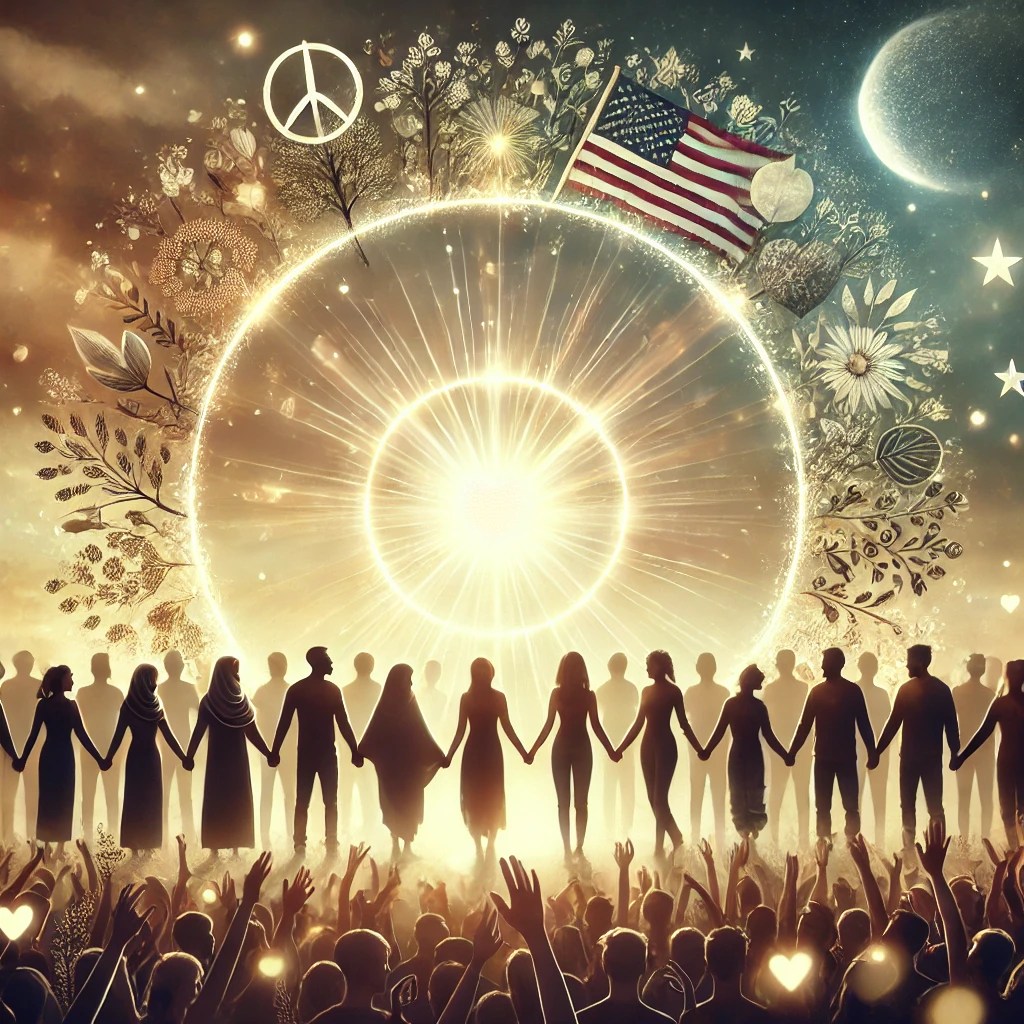
    In every spiritual tradition, there lies a core message of forgiveness, loving-kindness, and compassion. These virtues, transcending cultural and religious boundaries, unite us in our shared humanity. Whether through the teachings of Buddha, the wisdom of Jesus, or insights from various spiritual paths, the call to embrace these qualities is clear and compelling.

    Forgiveness is a profound act of letting go. It isn’t about condoning wrongdoings but freeing ourselves from the burdens of anger and resentment. As the Dalai Lama teaches, forgiveness is a gift we give to ourselves, a step toward inner peace.

    Loving-Kindness, or “metta” in Buddhist practice, encourages us to extend unconditional love to all beings. Jesus exemplified this through his life, teaching us to love our neighbors as ourselves. In every smile, kind word, and act of generosity, we weave a tapestry of love that can heal and uplift.

    Compassion is the heart’s response to suffering. It compels us to act, to alleviate pain, and offer solace. Teachings from various traditions remind us that compassion is not a passive feeling but an active force for good. Through compassion, we recognize our interconnectedness and our responsibility to care for one another.

    In these challenging times, let’s draw from the wellsprings of our diverse spiritual heritages. Let us embrace forgiveness, loving-kindness, and compassion not just as lofty ideals, but as daily practices that transform our lives and the world around us.

    Together, we can create a world where these universal values form the foundation of our interactions, fostering unity, peace, and understanding among all people.

    🙏🕊️🙏

    #Compassion #LovingKindness

  • Embracing Our Shared Humanity: A Call to Protect Every Child

    Embracing Our Shared Humanity: A Call to Protect Every Child

    In a world as vast and diverse as ours, it’s easy to feel distant from the struggles of those beyond our immediate circle. Yet, every child—regardless of where they come from or the challenges they face—represents a vital part of our global family. They carry the innocence, resilience, and potential that remind us of our shared humanity. Every unaccompanied child seeking safety and love is, in essence, a reminder of our collective responsibility to foster a world of compassion and security.

    When we talk about unaccompanied children, we’re not merely discussing a social issue or an aspect of policy. We are talking about lives—about young hearts and minds that need guidance, care, and protection. These children have faced unimaginable hardships, often navigating dangerous journeys alone, with hopes of finding a place where they can simply feel safe and accepted. For them, every act of kindness, every safe space, and every compassionate gesture is a step toward healing.

    As we reflect on how we can address this growing need, we are called to go beyond policy debates and step into the role of a compassionate community. By focusing on compassionate solutions, we’re not only offering aid to these vulnerable children; we’re nurturing the moral foundation of our own humanity. We’re building a future where love, empathy, and understanding are the guiding forces in how we respond to those in need. This choice to act with compassion today becomes the legacy we leave for future generations—a legacy of hope, kindness, and resilience.

    So let us move forward, not with hesitation but with purpose—our hearts open, our hands ready to help, and our minds focused on creating a world where every child, no matter their journey, knows they are not alone. In doing so, we honor our shared humanity, for as Jesus reminds us, “Whatever you did for the least of these, you did for me” (Matthew 25:40). May we hold this calling close as we work to build a world where each child, no matter their path, is embraced with dignity, safety, and love.

    Let’s remember: Every small action, each word of kindness, each discreet choice to protect and uplift, brings us closer to a world where every child is valued. Together, we can build this world—one compassionate act at a time.

    Call To Action

    Let’s make sure no child is forgotten or left behind. Thousands of unaccompanied minors are in grave danger and urgently need our help. Let’s make America great by finding these children and providing them with safety, compassion, and the protection they deserve. Use the links below to share this message and encourage others to join us in calling for a system that values and safeguards every child.

    🙏🕊️🙏

  • A Focus on Compassionate Care for the Vulnerable

    A Focus on Compassionate Care for the Vulnerable

    Welcome to the Compassionate Care for the Vulnerable category of our blog. This space is dedicated to reflecting on the call to compassion, inspired by the words of Jesus in Matthew 25:40:

    “Truly I tell you, whatever you did for one of the least of these brothers and sisters of mine, you did for me.”

    In this powerful verse, we’re reminded that caring for others—especially those who are most vulnerable—is not only an act of love but a reflection of our deepest values and faith. Our commitment here is to honor this message through posts that focus on compassionate advocacy, particularly for unaccompanied children and those whose voices often go unheard.

    Purpose and Vision

    Through this category, we aim to:

      •   Raise Awareness: Highlight the needs and struggles of vulnerable groups, including unaccompanied children, and provide resources and insights into how we can all support them.

    •   Encourage Compassionate Action: Offer reflections, guides, and actionable steps that inspire each of us to embody love and kindness in our daily lives.

    •   Protect Stability for Unaccompanied Children: While many of these children are placed with vetted sponsors or family members, their futures are still uncertain as deportation policies evolve. Our campaign is dedicated to ensuring that these children are considered with compassion and care during any deportation procedures. We believe that the stability and safety provided by their current placements should not be disrupted without thoughtful consideration and bipartisan oversight.

       •   Build a Community of Support: Connect with others who feel the call to serve and uplift those in need, creating a space for shared values and mutual encouragement.

    Why “Matthew 25:40”?

    The words in this verse are not merely an invitation—they’re a reminder of our interconnectedness. When we help “the least of these,” we are fulfilling a sacred trust to uphold dignity, offer hope, and affirm the worth of every person. This category, and the posts within it, will serve as a small but meaningful way to embody this mission.

    Join Us on This Journey

    We hope you’ll join us in this ongoing journey of compassion. As you explore this category, may you find not only information and insight but also inspiration to engage with kindness in your own way. Together, we can be part of a compassionate movement that uplifts, protects, and honors those who need it most.

    To stay connected, feel free to subscribe to this blog or join us on Twitter @SanghaPulse

    Thank you for being here. May this space be a source of light, love, and understanding.

    🙏🕊️🙏

  • A Call for Unity and Peace in Times of Change

    A Call for Unity and Peace in Times of Change

    A Message of Unity, Compassion, and Hope Post-Election 2024: Guiding Toward Healing

    As our nation enters a new chapter, feelings of uncertainty and apprehension may naturally arise. Moments of great change often invite a range of emotions, from hope to fear, and everything in between. But no matter where we find ourselves on this journey, we are united by our shared humanity, a bond that transcends our differences and invites us to walk this path together with kindness, compassion, and respect.

    This is a time for each of us to look within, to cultivate a sense of peace, and to reach out to others with understanding. There is strength in unity, a quiet courage in compassion, and a powerful resilience in the bonds that connect us as one human family.

    Embracing Compassion and Understanding

    As we meet others who may feel differently or view this moment through a different lens, let us remember that each person’s perspective is shaped by unique experiences and aspirations. True compassion invites us to listen deeply, to respond with empathy, and to create a space where all voices can be heard and valued.

    “Be kind, for everyone you meet is fighting a hard battle.” — Attributed to Philo of Alexandria

    This simple truth reminds us that compassion can be the bridge between divided hearts. Each person carries their own worries and hopes, and when we meet them with kindness, we become part of their healing journey, and they, in turn, become part of ours.

    Cultivating Peace Within and Without

    Inner peace, like the stillness of a calm lake, allows us to respond to life’s storms without being overwhelmed by them. As we take time to nurture this peace within ourselves—through reflection, meditation, or prayer—we become more capable of bringing peace into the lives of those around us.

    “Peace comes from within. Do not seek it without.” — Buddha

    This insight encourages us to draw strength from our inner resources, so that we may become a calming presence in the world. By holding peace within ourselves, we radiate it outward, helping to ease the anxieties and fears of those who may feel unsettled.

    Acting with Justice and Integrity

    We are all stewards of justice and truth, called to act with integrity and fairness. In times of change, it is essential to root ourselves in these values, to seek justice not through division but through unity, compassion, and courage.

    “The best way to find yourself is to lose yourself in the service of others.” — Mahatma Gandhi

    This wisdom reminds us that our greatest purpose lies in serving the common good, that by dedicating ourselves to lifting others, we discover deeper meaning and connection. In a time when many feel uncertain, we can serve by offering hope, reassurance, and an example of calm, compassionate integrity.

    Seeking Unity in Diversity

    In the spirit of interfaith harmony, we honor the rich diversity of beliefs, practices, and traditions that make our world vibrant and beautiful. Unity does not mean uniformity; it means celebrating our differences and finding strength in our shared values of love, peace, and kindness.

    “We are not isolated beings, but like waves of the same sea, leaves of the same tree, flowers of the same garden.” — Seneca

    This truth, expressed through many spiritual and philosophical lenses, reminds us that our lives are interconnected. When we remember that we are “waves of the same sea,” we can face any change or challenge with a sense of solidarity and support.

    Walking Together in Hope and Trust

    Amid uncertainty, hope is a guiding light, illuminating the path toward a better future. Each small act of kindness, every effort toward understanding, every choice to respond with love instead of fear, builds a world in which we can all thrive.

    “Faith is the bird that feels the light and sings when the dawn is still dark.” — Rabindranath Tagore

    Hope, like faith, gives us strength to keep moving forward, even when the outcome is not yet clear. This is a time for us to trust in the power of love, kindness, and shared vision to lead us to a brighter day.

    Let us take this moment to breathe, reflect, and commit to walking this path with open hearts. Each of us has the power to bring calm, courage, and compassion to our communities. Together, as one human family, we can create a nation guided by wisdom, unity, and peace.

    In the spirit of unity, let us keep this in our hearts:

    May we find strength in our compassion, resilience in our hope, and peace in our shared humanity. May our actions be a reflection of the love, kindness, and understanding that the world needs now more than ever. And may we walk together, with purpose and harmony, toward a brighter tomorrow.

    🙏🕊️🙏

  • Finding Peace in Solitude: A Journey Through Chronic Fatigue

    Finding Peace in Solitude: A Journey Through Chronic Fatigue

    Navigating Loss and Connection While Embracing Spiritual Growth Amidst Life’s Transitions

    Dear Diary,

    Today, I find myself reflecting on my journey with chronic fatigue syndrome, a path often marked by feelings of isolation and longing. In the quiet moments, I feel a nostalgia for the connections that once filled my life, now distant and faded. This solitude reminds me of the loss and grief I carry for those connections, particularly with friends and family who do not understand what I am experiencing, and who, by their misunderstanding, make my own acceptance and adjustment that much more difficult.

    As I prepare to move into a new apartment, I feel a mix of excitement and apprehension. Starting anew in a different community presents both challenges and opportunities for growth. I realize that living with this condition has not only shaped my experience but has also become a vital part of my spiritual journey.

    Making friends with my unresolved feelings has become essential. I acknowledge the grief of lost connections and the isolation that accompanies it. This solitude is not merely an absence; it is a necessity for maintaining my well-being and allows me to cultivate a deeper connection with myself. I find inspiration in the challenges this illness presents, recognizing that they prompt me to grow in compassion and understanding—both for myself and others.

    As I approach this transition, anxiety rises within me. Moving into a new space means confronting the reality of my invisible illness in a community where no one knows my story. I grapple with the desire for genuine connections, yet I know from experience that sharing my struggles often leads to misunderstanding. I don’t have the energy to endlessly explain my need for solitude, nor do I want to feel the weight of others’ expectations. This conflict heightens my apprehension about the move, leaving me to process a blend of nostalgia and acceptance as I prepare to navigate new interactions.

    In embracing these feelings, I also choose to see them as stepping stones on my spiritual path. Each challenge offers me the opportunity to reflect and grow, reminding me that my journey holds purpose, even in its complexity. I aspire to be a positive contribution to the world, despite my limitations, and I believe that by sharing my experiences, I can help others feel less alone on their own paths.

    Let us continue to inspire one another as we navigate this journey together. Through our shared experiences, we can create a community of understanding and support, where we celebrate resilience and discover joy even in difficult times.

    With warmth and gratitude,

    Richard

    🙏🕊️🙏

  • ME/CFS & Long Covid Positive Affirmations:

    ME/CFS & Long Covid Positive Affirmations:

    With each breath, I honor my body’s pace and wisdom. Rest is a profound act of strength, nurturing my spirit and guiding me toward balance. In stillness, I find resilience and peace, knowing each small step is part of my healing journey.

    With each breath, I honor my body’s pace and wisdom. Rest is a profound act of strength, nurturing my spirit and guiding me toward balance. In stillness, I find resilience and peace, knowing each small step is part of my healing journey.

    • Positive Affirmation


    🙏🕊️🙏

  • Living a Meaningful Life: Insights from the Dalai Lama

    Living a Meaningful Life: Insights from the Dalai Lama

    In his gentle yet profound way, the Dalai Lama reminds us that life is meant to be lived meaningfully. The essence of such a life, he says, lies not just in personal contentment but in creating happiness and peace for others. His teachings have always resonated deeply, not only with Buddhists but with anyone seeking a life of purpose.

    “I believe our sort of life, that period should utilize meaningful life,” he begins. He emphasizes that a truly meaningful life extends beyond self-gratification. It is about fostering joy, promoting peace, and creating an atmosphere where others may thrive.

    The Dalai Lama expands on what it means to live meaningfully: “Meaningful life means bringing happiness to more people, creating a happier, more peaceful atmosphere.” It’s a reminder that our actions—no matter how small—can contribute to a larger wave of kindness and serenity in the world. He urges us to see that in offering happiness to others, we ultimately fulfill our own quest for meaning.

    Two Important Truths


    In his teachings, the Dalai Lama shares two foundational principles. First, he reminds us of our shared humanity: “We are all the same human being.” This recognition is critical in our divided world. We all seek happiness, we all wish to avoid suffering, and in this shared experience lies the opportunity to cultivate compassion. By understanding that we are more alike than different, we can bridge the gaps of division and find common ground in our inherent humanity.

    The Power of Inner Values


    The second truth he shares with us is equally essential: “We should not forget or neglect about our inner values.” The Dalai Lama stresses that while external success may bring momentary satisfaction, it is our inner values that truly define a meaningful life. And what is the core of these inner values? It is human compassion.

    “In other words, human compassion. That is the main thing of our inner value.” Compassion, he explains, is the very foundation of all virtuous actions. It is through compassion that we connect with others, dissolve our differences, and contribute to a more harmonious world. This compassion extends beyond mere feelings—it is a practice, a way of living that enriches both ourselves and those around us.

    🙏🕊️🙏

  • Emotional Intelligence: Unveiling the Secret to a Richer Life

    In our fast-paced modern era, where intellect and achievement often overshadow deeper personal growth, emotional intelligence emerges as a cornerstone for a truly satisfying life. Pravrajika Divyanandaprana, affectionately known as Swamiji, articulates this beautifully in her enlightening teachings, presenting emotional intelligence not just as a skill but as a transformative force in our lives.

    Emotional intelligence involves more than just managing emotions; it includes understanding them deeply, controlling our reactions, nurturing empathy, maintaining motivation, and honing our social skills. These competencies are essential for resilience, building meaningful relationships, and achieving personal and professional success.

    Swamiji places special emphasis on the twin pillars of emotional intelligence: self-awareness and self-regulation. These are not just abstract concepts but are, in fact, the foundation upon which a balanced and fulfilling life is built.

    Self-awareness is the ability to recognize and understand our own emotions, thoughts, and behaviors. It involves an honest reflection on our internal landscape, where we learn to identify our emotional triggers, the patterns that shape our reactions, and the underlying beliefs that drive our actions. When we are self-aware, we gain insight into our true selves—our strengths, weaknesses, values, and aspirations. This heightened awareness allows us to act consciously rather than react impulsively, making decisions that align with our deeper goals and values. It is through self-awareness that we begin to see the connections between our emotions and our actions, enabling us to navigate life with greater clarity and purpose.

    Self-regulation, on the other hand, is the ability to manage our emotions, especially in stressful or challenging situations. It is the skill of maintaining control over our emotional responses, preventing our feelings from overwhelming our reason and leading us astray. Self-regulation involves practices such as mindfulness, breathing techniques, and cognitive reframing, which help us pause and reflect before reacting. By mastering self-regulation, we can maintain emotional balance, even in the face of adversity, allowing us to respond to life’s challenges with poise and equanimity. This emotional discipline not only protects our mental health but also fosters resilience, enabling us to recover more quickly from setbacks and maintain a positive outlook.

    Together, self-awareness and self-regulation create a powerful synergy. When we understand our emotions and can manage them effectively, we are better equipped to make thoughtful, deliberate decisions that support our overall well-being. This combination empowers us to navigate the complexities of life with greater ease, reducing stress and increasing our capacity for joy and fulfillment. Through these practices, we can create a life that is not only successful in external terms but also deeply satisfying and aligned with our inner values and true purpose.

    Interestingly, Swamiji suggests that emotional intelligence, much like physical strength or endurance, can be cultivated through deliberate practice and conscious effort. This perspective shifts emotional intelligence from being seen as an innate trait—something you either have or don’t—to a set of skills that can be developed and refined over time.

    Deliberate practice in the context of emotional intelligence involves consistently engaging in activities and exercises that strengthen our ability to understand and manage our emotions. Just as an athlete might follow a structured training regimen to improve their performance, individuals can adopt specific practices to enhance their emotional intelligence.

    For example, self-awareness can be developed through mindfulness practices, journaling, or regular self-reflection. These activities encourage us to pause and examine our emotions as they arise, helping us to identify patterns, triggers, and the deeper motivations behind our actions. Over time, this practice sharpens our awareness of our emotional landscape, making us more attuned to our internal states and more capable of navigating them effectively.

    Cultivating equanimity, the ability to remain calm and composed in the face of life’s challenges, plays a crucial role in the development of emotional intelligence. Equanimity allows us to maintain emotional balance, even in stressful situations, which enhances our capacity for self-regulation and thoughtful decision-making. By fostering a steady and centered mind, equanimity helps us to respond to our emotions with clarity and wisdom, rather than being swept away by impulsive reactions. This inner stability not only supports our mental and emotional well-being but also strengthens our relationships, as we are better able to empathize with others and engage in compassionate, constructive interactions. In essence, equanimity acts as the anchor that holds all aspects of emotional intelligence together, enabling us to navigate life’s ups and downs with grace and resilience.

    Self-regulation can be strengthened through techniques such as deep breathing, meditation, or cognitive reframing. These practices teach us to pause before reacting, allowing us to choose our responses rather than being driven by our immediate emotional impulses. By consistently practicing these techniques, we can develop greater control over our emotions, reducing the likelihood of outbursts or decisions made in the heat of the moment.

    Empathy can also be cultivated through deliberate practice. Engaging in active listening, putting ourselves in others’ shoes, and practicing compassion in daily interactions are all ways to build this crucial component of emotional intelligence. As we practice empathy, we become more adept at understanding others’ perspectives and emotions, leading to deeper connections and more harmonious relationships.

    Swamiji’s approach to emotional intelligence as a skill set that can be honed through practice is empowering. It suggests that we are not at the mercy of our emotions or our current level of emotional intelligence. Instead, we have the capacity to grow and evolve, improving our emotional intelligence just as we would improve any other ability. This growth mindset opens the door to continuous self-improvement and personal development, leading to a more fulfilling and emotionally balanced life.

    By embracing and enhancing our emotional intelligence, we open doors to not just personal happiness but also to making a profound impact on the world around us. Let us commit to nurturing these essential skills that promise to enrich not only our own lives but also those of everyone we encounter.

    The video below is the source of the inspiration for the content of this blog. If you’d like to get direct teaching from Swamiji on this topic, I encourage you to watch the video and deepen your understanding.

    🙏🕊️🙏

  • The Transformative Power of Compassion: A Global Call to Action

    In a world filled with conflict and suffering, cultivating compassion can seem like a daunting challenge. Yet, history offers us profound examples of how embracing compassion can lead to healing and transformation. One powerful example is the Dalai Lama’s response to Mao Tse Tung. Despite Mao’s atrocities, which included the murder and torture of millions, the Dalai Lama viewed him as a teacher who provided an opportunity to deepen his own compassion. This perspective not only exemplifies the Dalai Lama’s compassion but also highlights how staying connected to compassion enables one to maintain wisdom and effectively aid those in need.

    A profound method to cultivate compassion is through the practice of Metta, or loving-kindness meditation. Metta involves focusing on generating feelings of love and kindness toward oneself and then extending those feelings to others, starting from loved ones and gradually including all beings. This practice helps to foster a deep sense of empathy and interconnectedness.

    Chanting OM MANI PADME HUM is a practice deeply rooted in Tibetan Buddhism that complements Metta by further enhancing our compassion. The mantra translates to “The jewel is in the lotus,” symbolizing the union of compassion and wisdom. Each syllable of the mantra is said to purify negative karma and cultivate the qualities of compassion and wisdom.

    An example of a Tibetan prayer that encapsulates this intention is:

    “May all beings be free of suffering and the causes of suffering.
    May all beings experience happiness and the causes of happiness.
    May all beings never be separated from the great happiness devoid of suffering.
    May all beings abide in equanimity, free from attachment and aversion.”

    Integrating this prayer with the practice of OM MANI PADME HUM, we visualize sending compassionate energy to all beings, including those suffering in regions like Israel and Palestine, Ukraine, Russia, and other areas affected by conflict. This combination of Metta and mantra chanting not only helps deepen our personal compassion but also contributes to a more compassionate global community.

    The Dalai Lama’s example shows us that compassion is not merely a personal practice but a source of strength that enables us to remain connected to wisdom and effectively support others. This practice is not about condoning harmful actions but about addressing the root causes of suffering, wishing for all beings to be free from pain and conflict.

    To deepen your experience of compassion, consider these reflective questions:

    • How can I integrate the practice of Metta and OM MANI PADME HUM into my daily life to enhance my compassion towards others and myself?
    • In what ways can the example of the Dalai Lama’s response to suffering inspire my approach to challenging relationships or difficult situations?
    • How can extending compassion to those who have hurt me or caused harm contribute to my own healing and growth?
    • What are some specific actions I can take to apply the intention of the Tibetan prayer in my interactions with others and in my broader community?

    I invite you to share your thoughts and experiences in the comments below. Let’s support each other in this journey of cultivating compassion and making a positive impact in our world.

    🙏🕊️🙏

  • Embracing Universal Responsibility: Cultivating Unity Across Beliefs

    Introduction

    In our diverse world, the concept of Unity is fundamental to spiritual and personal growth. While many seek to realize this unity through religious or spiritual practices, historical conflicts and divisions have often overshadowed the shared principles of love and compassion. This post explores how individuals from all walks of life—whether religious, atheist, or agnostic—can cultivate virtues that lead to a deeper realization of Unity.

    The Role of Religion in Unity

    Most major religions advocate for values such as love, compassion, and interconnectedness. For example, Christianity emphasizes love for all people, Buddhism teaches compassion for all beings, and Islam advocates for community and charity. However, the interpretation and application of these teachings have sometimes led to division and conflict, rather than fostering the unity they were meant to inspire.

    The Challenges of Religious Division

    History is rife with examples of religious conflict, from the Crusades to contemporary sectarian violence. These conflicts, while often driven by complex socio-political factors, are frequently justified by religious differences. The resulting divisions highlight the challenge of aligning religious practice with the core values of unity and compassion.

    The Path to Universal Responsibility

    Universal responsibility involves recognizing our shared humanity and the impact of our actions on others. Cultivating virtues such as love, compassion, and understanding is key to fostering unity. Practicing these virtues can start with small, daily actions: showing kindness, listening empathetically, and striving to understand others’ perspectives.

    Cultivating Virtues Across Traditions

    Both religious and non-religious perspectives offer valuable insights into cultivating virtues. For instance, atheists and agnostics often ground their ethical principles in humanistic values and empathy rather than divine commands. By recognizing common values across different worldviews, we can build bridges and promote mutual respect. Regardless of belief, the pursuit of compassion and understanding remains a unifying thread.

    The Role of Personal Transformation

    Personal transformation is central to realizing unity. By reflecting on our own beliefs and behaviors, we can move beyond ego-driven perspectives and connect more deeply with others. Practices such as mindfulness, self-reflection, and community engagement help individuals grow in their capacity for empathy and understanding.

    Conclusion

    In summary, the realization of Unity requires a collective effort to embrace universal responsibility and cultivate virtues that transcend individual differences. Whether through religious teachings, secular values, or personal growth, fostering love and compassion can bridge divides and create a more harmonious world. Let us each take responsibility for nurturing these virtues in ourselves and our interactions with others.

    Reflective Questions:

    • How can you incorporate virtues like love and compassion into your daily interactions?
    • In what ways might your own beliefs or practices contribute to or detract from a sense of unity?
    • How can we overcome the challenges of historical and modern conflicts to build a more inclusive and understanding world?

    I’d love to hear your thoughts on this topic. How do you cultivate unity and responsibility in your life? Share your reflections and experiences in the comments below.

    🙏🕊️🙏

  • Poem: A Beacon of Hope: Compassion for Those with ME/CFS

    To all those who walk the path of ME/CFS,
    I extend my heartfelt understanding and compassion.
    In the depths of this invisible struggle, you are not alone.

    I see your relentless battle, your courage in the face of uncertainty.
    Each day brings a new set of challenges, and yet you persist.
    You navigate a labyrinth of symptoms, limitations, and unanswered questions,
    But through it all, your spirit remains unyielding.

    I know the longing for a life unrestrained,
    To run, to jump, to embrace the world with boundless energy.
    But please remember, your worth is not defined by your productivity.
    You are inherently valuable, simply by being.

    In the moments when fatigue engulfs you,
    When pain steals your breath,
    Find solace in the knowledge that you are seen, heard, and understood.
    Your struggle is valid, your emotions are valid.

    May you find comfort in the gentle embrace of self-compassion.
    Be kind to yourself, as you would to a dear friend.
    Listen to your body’s whispers and honor its need for rest.
    You are not lazy, you are replenishing your strength.

    Together, let us release the weight of guilt and judgment,
    Replacing them with a tender acceptance of our limitations.
    In this shared journey, let us find solidarity and support,
    Empowering one another through compassion and empathy.

    Remember, you are more than your illness.
    Your spirit shines bright, resilient and unbreakable.
    Even amidst the darkest days, you possess an inner light,
    A beacon of hope that guides you through the shadows.

    Though the road may be long and treacherous,
    Hold onto the flicker of hope that resides within your heart.
    Embrace the moments of reprieve, however fleeting.
    Celebrate the victories, no matter how small.

    For you are a warrior, embodying strength and grace,
    Navigating a path that only a select few can truly comprehend.
    May you find peace in the knowledge that you are loved,
    And that your presence in this world is immeasurably significant.

    Together, let us forge ahead, hand in hand,
    Supporting one another as we rise above the challenges.
    Know that you are not alone on this journey,
    And that, together, we can overcome, endure, and thrive.

    With unwavering compassion and understanding,
    A fellow traveler on the path of ME/CFS

    🙏🕊️🙏

  • Embracing Universal Responsibility: We Humans

    Fostering Empathy and Collective Action for a Compassionate World

    Introduction:

    One of the Dalai Lama’s central beliefs is this: all people are united in our pursuit of happiness and our desire to avoid suffering. This is the source of humanity’s greatest achievements. For that reason, we should begin to think and act on the basis of an identity rooted in the words “we humans.” This blog series explores how this concept can shape our actions and identity, fostering a world grounded in empathy, understanding, and collective responsibility.

    The Universal Pursuit of Happiness:

    Across cultures and philosophies, the pursuit of happiness is a fundamental human drive. In Buddhism, the quest for inner peace and joy is a core tenet. In Western thought, the pursuit of happiness is enshrined in the Declaration of Independence as an unalienable right. Recognizing this common goal can foster empathy and understanding among diverse groups. When we understand that everyone seeks happiness, we can more easily connect with and support one another.

    The Shared Desire to Avoid Suffering:

    Equally universal is the desire to avoid suffering. From ancient teachings like the Four Noble Truths in Buddhism, which acknowledge suffering and its cessation, to modern humanitarian efforts aimed at alleviating pain and hardship, this shared desire is evident. Understanding that everyone strives to avoid suffering encourages global cooperation and compassion. It reminds us that alleviating suffering, whether through small acts of kindness or large-scale initiatives, is a shared human responsibility.

    The Power of a Shared Identity:

    An identity rooted in “we humans” transcends differences in race, religion, nationality, and other divisions. This inclusive identity fosters unity and collective action. History provides numerous examples of individuals and groups who have embodied this inclusive mindset. The humanitarian efforts of figures like Mother Teresa, who served the poorest of the poor regardless of their background, and organizations like the Red Cross, which provides aid impartially, showcase the power of a shared human identity.

    Practical Steps to Embrace Universal Responsibility:

    Embracing a “we humans” mindset starts with small, daily actions. Here are some practical steps:

    1. Practice Kindness: Simple acts of kindness, like helping a neighbor or offering a smile, can create ripples of positivity.
    2. Be Open-Minded: Engage with people from different backgrounds and perspectives. Listen to their stories and learn from their experiences.
    3. Cooperate: Look for opportunities to work together with others, whether in your community or through global initiatives.
    4. Contribute: Support efforts that aim to reduce suffering and promote happiness. This can be through volunteering, donating, or raising awareness.

    Conclusion:

    In summary, recognizing that all people share the pursuit of happiness and the desire to avoid suffering can lead to profound positive change. By embracing an identity rooted in “we humans,” we foster empathy, understanding, and collective action. As we reflect on our actions, let us consider how we can contribute to a more compassionate world, one small step at a time.

    Reflective Questions:

    1. How can you incorporate the “we humans” mindset into your daily life?
      1. What small acts of kindness can you practice to contribute to the happiness of others?
      2. How can you be more open-minded and understanding towards people from different backgrounds?
      3. What steps can you take to help alleviate suffering in your community or globally?

    I invite you to reflect on these questions and share your thoughts in the comments below. Let’s start a conversation about how we can all embrace universal responsibility and make a positive impact together.

    🙏🕊️🙏