Tag: emotional stability

  • Introduction to Raja Yoga: The Path of Meditation and Mental Discipline

    Raja Yoga, often called the “Royal Path,” is the yoga of meditation and mental discipline, guiding practitioners to control the mind and senses, and ultimately to attain self-realization and spiritual enlightenment. It is considered one of the most comprehensive forms of yoga, encompassing aspects of all the other yogas, and is particularly focused on the systematic cultivation of the mind through meditation.

    Raja Yoga is based on the Yoga Sutras of Patanjali, which outline an eightfold path (Ashtanga) to enlightenment, often referred to as the “Eight Limbs of Yoga.” This path is designed to help practitioners achieve mental clarity, emotional stability, and a profound inner peace, leading to the experience of oneness with the ultimate reality.

    In this blog series, we’ll introduce you to the eightfold path of Raja Yoga and explore how meditation and mental discipline can lead to spiritual awakening.

    As we embark together on this journey of discovery and reflection, I warmly invite you to join me in exploring the depths of these ancient practices and teachings. Let this space be a sanctuary where we meet not just as seekers, but as companions on the path—a place where the wisdom of the ages can gently unfold within our lives.

    If these words and practices speak to something within you, if they stir a quiet longing or bring a sense of peace, I encourage you to subscribe to this blog. By doing so, you’ll be the first to know as new installments of our shared journey are published. It is my hope that each post will resonate with you, offering insights and comfort as we continue to explore these profound teachings together.

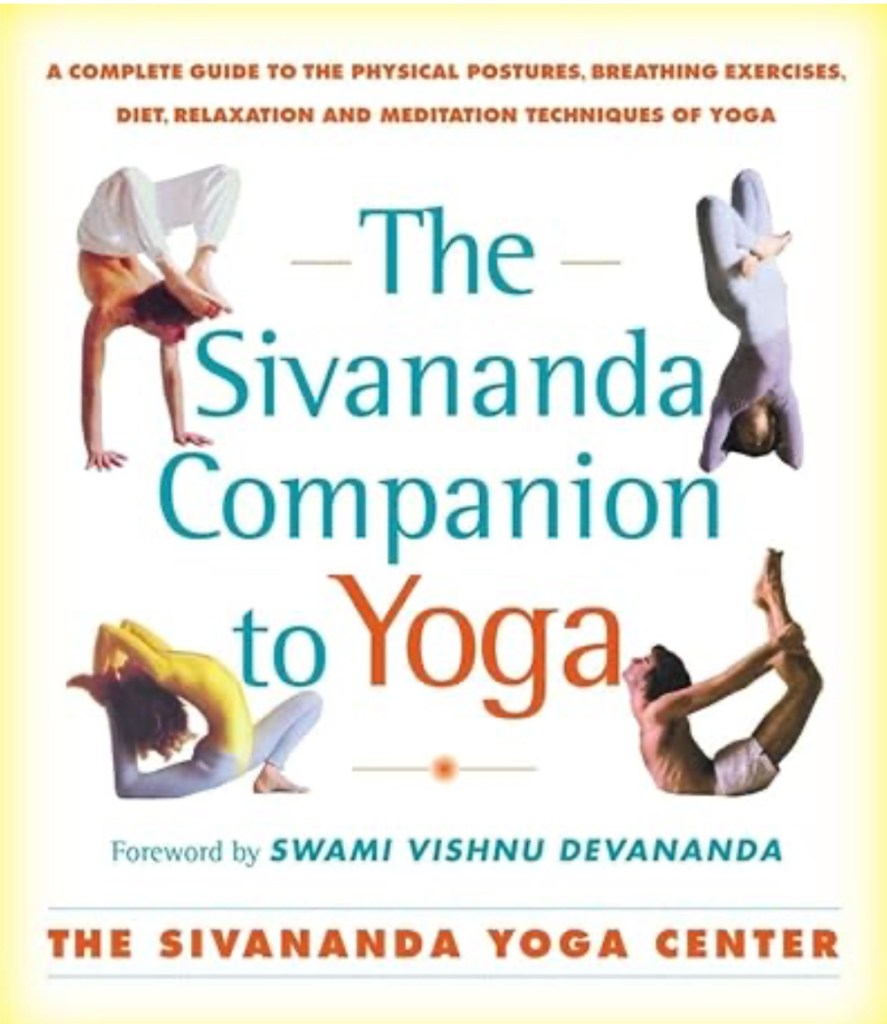
    For those interested in a comprehensive introduction to the practices of yoga, I recommend The Sivananda Companion to Yoga: A Complete Guide to the Physical Postures, Breathing Exercises, Diet, Relaxation, and Meditation Techniques of Yoga. This book offers clear guidance on the foundational aspects of yoga, making it an invaluable resource for anyone looking to deepen their understanding and practice. Take a look at this book on Amazon here.

    🙏🕊️🙏

  • Diaphragmatic Breathing: A Pathway to Deepening Meditation from Ordinary Mind to Meditative Mind

    Introduction to Advaita Vedanta:

    Before we delve into the practice of diaphragmatic breathing and its benefits, it’s important to understand the philosophical backdrop from which these concepts emerge. Advaita Vedanta, a school of Hindu philosophy, teaches the principle of non-duality (Advaita), positing that the individual soul (Atman) and the ultimate reality (Brahman) are one. This understanding is crucial as it frames the deeper purpose of meditation—not just as a tool for relaxation but as a means to realize one’s true, undivided nature.

    Introduction to the Practice:

    Breathing is central to many meditation practices, serving as both an anchor and a bridge to deeper states of consciousness. Diaphragmatic breathing, in particular, offers a powerful method for those seeking to stabilize the mind and progress from the ordinary to the meditative mind, as outlined in Advaita Vedanta. By focusing on the natural rhythm of the breath and maintaining awareness in the belly, practitioners can calm the mind’s fluctuations and enhance their meditation experience, moving closer to the realization of non-duality.

    Understanding the Breath and the Mind

    The Role of Vrittis and Pratyaya:

    The mind often harbors restlessness, filled with vrittis—mental fluctuations—and diverse pratyaya—mental content. These elements can keep the mind unfocused and scattered. Focusing on diaphragmatic breathing helps stabilize these fluctuations and unify the mental content, fostering a calm and attentive state conducive to deeper meditation.

    Breath as a Tool for Stabilization:

    Focusing on the breath, especially in the hara or belly area, provides a consistent anchor. This practice reduces distractions, helping the mind find a stable point of focus and quiet the incessant mental chatter.

    Diaphragmatic Breathing Explained

    What is Diaphragmatic Breathing?

    Diaphragmatic breathing involves deep breaths that fully engage the diaphragm, promoting efficient and relaxed breathing. It encourages the belly to expand during inhalation and fall during exhalation, optimizing oxygen exchange and enhancing relaxation—ideal for deepening meditation.

    Connecting to the Hara:

    Focusing awareness on the hara, located just below the navel, connects you to a key energy center in the body. This focus helps stabilize and ground the practice, enhancing the physical and spiritual benefits of diaphragmatic breathing.

    The Journey from Ordinary Mind to Meditative Mind

    Ordinary Mind:

    Typically engaged with daily thoughts and distractions, the ordinary mind struggles with restlessness. Diaphragmatic breathing helps transition from this baseline state to one of focused calm by providing a steady point of attention.

    Focused Mind:

    As the breath’s movement in the belly is tracked, external distractions fade, and the mind begins to stabilize. This focused attention significantly reduces mental fluctuations and aligns thoughts more closely with the rhythmic pattern of breathing.

    Concentrated Mind:

    Continuous focus on the breath deepens, leading to a concentrated mind where all mental activity centers around the breath. This phase quiets the mind further, preparing it for deeper meditative states.

    Meditative Mind:

    Eventually, the practice transitions into a meditative mind, characterized by sustained, effortless awareness. Here, the breath continues as a subtle focus, but the active effort to concentrate diminishes. The practitioner experiences profound stillness, where the sense of individuality merges with a broader awareness, revealing the non-dual nature of reality.

    Practical Steps to Implement This in Meditation

    Step-by-Step Guide:

    1. Find a Comfortable Position: Sit comfortably with a straight yet relaxed posture.
    2. Observe Your Natural Breath: Begin by noticing your natural breathing pattern to ground yourself in the present.
    3. Engage in Diaphragmatic Breathing: Place a hand on your belly, feeling it rise with inhalation and fall with exhalation.
    4. Maintain Focus on the Hara: Keep your awareness on the movement of the belly to deepen the connection with each breath.
    5. Return to the Breath: If distracted, gently guide your focus back to the diaphragmatic breathing.

    Benefits of Transitioning to a Meditative Mind

    Moving from an ordinary mind to a meditative mind is not just about achieving a state of deep relaxation; it’s about accessing a transformative experience that can significantly impact one’s life. Here are some key benefits:

    • Enhanced Clarity and Focus: A meditative mind helps filter out the noise of everyday life, leading to greater clarity and focus in decision-making and problem-solving.
    • Emotional Stability: Regular meditation promotes emotional resilience, allowing one to remain more balanced and composed in stressful situations.
    • Increased Self-Awareness: The practice deepens self-awareness, helping individuals understand their thoughts, emotions, and behaviors, which can lead to more intentional living and personal growth.
    • Health Benefits: Numerous studies suggest that meditation can reduce stress, lower blood pressure, and enhance overall health by promoting relaxation and strengthening the mind-body connection.
    • Spiritual Growth: For many, meditation is a spiritual practice that helps connect with a deeper sense of purpose and fulfillment, fostering a greater connection to life’s broader existential questions.

    Conclusion

    Diaphragmatic breathing offers a pathway to exploring deeper states of meditation by focusing on the rise and fall of the belly. This practice can facilitate a greater awareness of the present moment and potentially enhance both physical and mental well-being. If you choose to incorporate this technique into your daily routine, you may discover profound changes in how you experience mindfulness and presence.

    Please remember that any new practice, including meditation and breathwork, should be approached with care. If you have any existing health conditions or concerns, it may be wise to consult with a healthcare provider before starting. Feel free to share your thoughts, experiences, and questions about this practice. Your insights can help build a community of shared learning and support.


    Glossary of Terms

    • Advaita Vedanta: A spiritual philosophy based on the idea of non-duality, asserting that the self (Atman) and the ultimate reality (Brahman) are one. It emphasizes knowledge of the self as a means to spiritual liberation, leading to the realization that the individual soul and the universal soul are identical.
    • Vrittis: In yoga and meditation, vrittis refer to the fluctuations or movements of the mind. These are the thoughts, emotions, and sensory inputs that disturb the mind’s calmness and clarity.
    • Pratyaya: The content or objects of mental activity that occupy the mind during meditation. Focusing on a single pratyaya, such as the breath, helps in developing concentration and reducing mental distractions.
    • Hara: In Japanese culture, the hara refers to the belly or lower abdomen, considered the center of physical and spiritual energy. In meditation, focusing on the hara grounds the practice and stabilizes the mind.
    • Diaphragmatic Breathing: A breathing technique that involves deep breathing into the diaphragm rather than shallow chest breathing. It promotes relaxation, better oxygen exchange, and a more focused meditative state.
    • Meditative Mind: A state of consciousness achieved through deep meditation, characterized by calm, clarity, and a profound sense of inner stillness. In this state, the distinction between the observer and the observed begins to dissolve, revealing the non-dual nature of reality.

    🙏🕊️🙏
  • The Power of Attention in Shaping Consciousness

    Attention is one of the most profound tools we possess. It serves as the gateway to our consciousness, influencing how we perceive and interact with the world. Understanding the power of attention can illuminate pathways to greater mindfulness, enhanced self-awareness, and deeper personal growth.

    The Nature of Attention

    Attention can be thought of as a spotlight, casting light on particular aspects of our experience while leaving others in the shadows. Where we direct this spotlight significantly impacts what becomes prominent in our awareness. This means that what we choose to focus on shapes our perception of reality.

    1. Focus Determines Consciousness What we pay attention to becomes the primary content of our conscious experience. If we consistently focus on positive aspects of our lives, we nurture a sense of well-being. Conversely, if our attention is drawn to negative aspects, our outlook may become clouded. This selective focus affects not only our emotional state but also how we understand and react to the world around us.
    2. Formation of Experience Our conscious experience is not a passive reflection of reality but an active construction influenced by attention. When we concentrate on a specific thought, object, or sensation, it becomes the center of our experience. By choosing where to direct our attention, we can cultivate a more fulfilling and balanced perception.
    3. Mindfulness and Presence The practice of mindfulness revolves around the deliberate direction of attention to the present moment. This practice helps us become more aware of our thoughts, emotions, and sensations without being overwhelmed by them. Through mindfulness, we learn to navigate our inner and outer worlds with greater clarity and purpose.
    4. Control and Influence Recognizing that attention shapes consciousness empowers us to take control of our mental and emotional states. By consciously directing our focus, we can manage stress, enhance our focus, and foster positive changes in our lives. This intentional use of attention can lead to profound personal growth and transformation.

    Practical Applications

    • Mindfulness Meditation: By focusing on the breath or a particular sensation, mindfulness meditation helps train attention to remain present. This practice can lead to increased emotional stability and a deeper connection with oneself.
    • Goal Setting: Directing attention toward specific goals helps align our efforts and resources, making it more likely that we will achieve them. By maintaining focus on our aspirations, we can navigate challenges with greater determination.
    • Emotional Regulation: Being aware of where our attention goes can help us manage our emotions more effectively. For example, redirecting attention from negative self-talk to positive affirmations can improve our overall mood and outlook.

    Conclusion

    The power of attention is transformative. By understanding and harnessing this power, we can shape our consciousness, influence our experiences, and cultivate a more mindful, fulfilling life. As we explore the intricate relationship between attention and awareness, we uncover new possibilities for personal growth and self-discovery. Embrace the power of attention, and watch as it transforms the landscape of your consciousness.

    Below is the original source video of the lecture with Swami Parvajika Devyanandaprana, from which these blog posts were inspired. Here you can explore the insightful teachings that have profoundly shaped the content and perspectives shared in this blog.

    🙏🕊️🙏

  • Contemplative practices supported by modern scientific research

    A Path to Deepened Mindfulness: Non-Reactive Present Awareness

    In our fast-paced world, finding inner peace and clarity can feel elusive. Non-Reactive Present Awareness (NRPA) offers a powerful approach to cultivating a deeper sense of mindfulness. This concept, though not always labeled explicitly, is deeply embedded in various contemplative practices and supported by modern scientific research.

    What is Non-Reactive Present Awareness?

    Non-Reactive Present Awareness is a state where you observe your thoughts, emotions, and experiences without becoming entangled or reactive. It involves being fully present in the moment, allowing thoughts and feelings to arise and pass without judgment or attachment. This practice aligns closely with mindfulness, but emphasizes a particular quality of detachment from immediate reactions.

    The Benefits of NRPA

    1. Reduced Stress and Anxiety: By observing thoughts without reacting, you break the cycle of automatic stress responses. Studies have shown that mindfulness practices, including NRPA, can significantly reduce stress and anxiety. Research from institutions like Harvard and the University of Wisconsin-Madison highlights how mindfulness can alter brain structures related to stress regulation.
    2. Enhanced Emotional Regulation: NRPA helps in managing emotions by creating a buffer between stimulus and response. This can lead to better emotional stability and improved relationships. The ability to observe emotions without being overwhelmed by them can foster healthier interpersonal interactions and self-awareness.
    3. Increased Focus and Clarity: Practicing NRPA sharpens your ability to concentrate by training the mind to remain anchored in the present moment. Research published in journals such as Psychological Science has found that mindfulness meditation can enhance cognitive functions like attention and working memory.
    4. Greater Overall Well-being: Embracing NRPA can lead to a more profound sense of peace and contentment. The practice encourages living fully in the present, which contributes to a more fulfilling and balanced life. Studies, including those from the National Institutes of Health, suggest that long-term mindfulness practice is associated with increased well-being and life satisfaction.

    Practices to Deepen NRPA

    1. Mindful Observation: Start by simply observing your breath or surroundings. Notice details without labeling or judging them. This helps in anchoring yourself in the present moment.
    2. Body Scan Meditation: This technique involves mentally scanning your body for areas of tension or discomfort. By bringing awareness to these areas without reacting, you can cultivate a sense of calm and relaxation.
    3. Thought Watching: Observe your thoughts as they come and go, much like watching clouds drift across the sky. Acknowledge them without getting involved or reacting. This practice helps in developing a non-reactive stance towards your internal experiences.
    4. Regular Practice: Incorporate NRPA practices into your daily routine. Even short periods of focused mindfulness can be beneficial. Consistency in practice helps in reinforcing the ability to maintain non-reactive awareness over time.

    Scientific Insights

    Research on mindfulness, which encompasses aspects of NRPA, supports its benefits for mental health and cognitive function. For example, studies conducted by neuroscientists such as those at the University of California, Los Angeles, have shown that mindfulness meditation can lead to changes in brain areas associated with emotional regulation and self-awareness.

    In summary, Non-Reactive Present Awareness offers a valuable pathway to enhanced mindfulness, emotional stability, and overall well-being. By incorporating practices that foster this state of awareness, you can experience profound benefits both in daily life and in your broader sense of peace and clarity.

    Contemplative Questions:

    • How do you currently react to your thoughts and emotions? What patterns do you notice?
    • In what ways could observing your inner experiences without judgment enhance your daily life?
    • How might regular practice of non-reactive present awareness influence your relationships and emotional responses?
    • What challenges do you face when trying to maintain non-reactive awareness, and how can you address them?
    • How can integrating non-reactive present awareness practices into your routine support your overall well-being and clarity?

    Feel free to share your thoughts and experiences in the comments below. I’d love to hear how you relate to Non-Reactive Present Awareness and how it has impacted your journey.

    🙏🕊️🙏