Tag: Compassion

  • A Prayer for Our Nation

    Dear friends,

    I invite you to join me in reflecting on our collective journey, our nation’s unity, and the road ahead. Below is a message from the heart—a prayer and a call for us to rediscover our shared values and embrace the divine plan unfolding among us. May this message inspire us all to come together in love and purpose.

    Almighty Creator,

    We humbly ask for Your grace and mercy upon this nation. Guide our leaders with wisdom and integrity, helping them pursue justice, kindness, and unity. Grant us, the people, clarity of heart to rise above division and find common ground in love.

    Inspire us to care for the most vulnerable among us, embodying compassion in every word and deed. Lead us not into cynicism or despair but into hope and renewal, trusting in Your divine plan.

    Strengthen our collective will to pursue what is good and right, and may we come together as one, under Your guiding hand.

    Amen.

    A Nation’s Heartbeat: A Poem of Renewal

    We stand at a crossroad, heart heavy with care,
    The winds of division seem too much to bear.
    But deep in our hearts, a light still does shine,
    Guiding us back to a love most divine.

    The voices of history whisper once more,
    Reminding us what we are truly here for.
    To rise from the shadows and walk hand in hand,
    To build up the dream, restore this dear land.

    O brothers and sisters, now is the time,
    To cast off the hatred and leave it behind.
    May kindness prevail and mercy abound,
    And peace be the song in which we are found.

    A Nation’s Heartbeat: A Call for Unity and Renewal

    In times of division and uncertainty, it becomes essential to pause and remember the dream that has guided our nation—a dream woven from the fabric of freedom, justice, and unity. This dream, born from the courageous visions of the Founding Fathers, called us not only to independence but to mutual responsibility. Today, we are invited to listen again to that sacred calling. It is not just about politics but about something much deeper—our collective soul.

    As we navigate these uncertain times, it is more important than ever to remember that we each carry the power to contribute to the healing of our collective soul. Every act of kindness, no matter how small, helps rebuild the spirit of unity that is at the heart of our nation. Let us walk with courage and hope, knowing that every step toward understanding strengthens the foundation of the American dream. Together, we can foster a future rooted in love, justice, and shared responsibility.

    May all who read these words be blessed with the peace that surpasses understanding, and may our nation walk forward with grace, strength, and unity, hand in hand.

    🙏🕊️🙏

  • Transforming the Suffering of ME/CFS into a Path of Healing

    For those of us living with post-viral myalgic encephalomyelitis (ME/CFS), the experience of life often feels like moving through a landscape filled with unseen obstacles. There is the fatigue—so heavy, so relentless—that it can feel like a weight we will never shake. There are the moments when even the simplest tasks become insurmountable, and the pain becomes a constant companion, whispering in the background of every day.

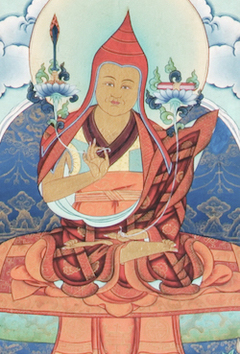
    When I first encountered the teaching “Transforming Suffering and Happiness into Enlightenment” by Dodrupchen Jigme Tenpe Nyima, it felt like someone had gently opened a door I hadn’t known existed. At the time, I was entrenched in my own struggle—fighting the fatigue, resisting the pain, angry at the injustice of it all. I didn’t see it then, but my resistance, my frustration, and my desperate need for things to be different were only making me sicker. Each day felt like another battle against my body, and it was exhausting in every sense of the word.

    The teaching introduced me to an entirely different way of relating to my experience. It was an invitation, not to fight against my suffering, but to sit with it, to gently turn toward it with a kind of curiosity. At first, the idea seemed absurd—how could I welcome something that was robbing me of so much? But as I read further, I began to understand that the more I resisted, the more I labeled my suffering as the enemy, the stronger it became. Everything around me had started to feel like an enemy—my body, the illness, even the world itself.

    The first time I truly absorbed the idea that suffering, like anything else, grows stronger with the attention we give it, it was a revelation. I started to realize that I had been feeding my suffering through my resistance. In a way, I was making myself worse by constantly pushing against the reality of what I was experiencing. This was the first eye-opener: that my own mind was contributing to the intensity of my suffering.

    I remember vividly when I decided to start putting this teaching into practice. I had signed up for a meditation class, feeling both hopeful and uncertain, and around that time, I also came across Tony Bernhardt’s book How to Be Sick. Little by little, I began to change how I approached the fatigue and pain. It didn’t happen overnight. In fact, it felt like planting seeds in the darkest soil—there were days when nothing seemed to grow, and I wondered if this new approach would ever bear fruit. But gradually, something did begin to shift.

    The more I learned to observe my suffering without immediately pushing it away, the more space I created around it. It wasn’t that the fatigue disappeared—far from it—but my relationship to it began to change. Instead of seeing every wave of exhaustion as something to fight, I started to meet it with a kind of quiet acceptance. This didn’t mean I liked it, but I stopped resisting it quite so fiercely. In time, the constant anger and frustration began to soften.

    As I practiced more, something else began to emerge—equanimity. I began to realize that the less I resisted both the suffering and the rare moments of joy, the steadier I felt inside. Over the years, my confidence in my ability to face difficulties has grown. There’s a quiet knowing now, a calmness that wasn’t there before, that when challenges arise, I can meet them without being completely swept away.

    Of course, this is still a work in progress, and I expect it will be for the rest of my life. Some days are harder than others, but the difference is that I no longer see the hard days as failures. They are simply part of the ebb and flow. And in learning to embrace both the suffering and the moments of peace, I’ve discovered a kind of strength that doesn’t come from fighting but from surrendering—surrendering to the reality of my experience without letting it define me.

    This teaching has shown me that suffering, far from being something to avoid, can become a profound teacher. When we allow ourselves to meet it with openness, we can begin to transform it. It doesn’t mean the pain or the fatigue will disappear, but our relationship to it changes. We become less fragile, more resilient. Over time, the suffering no longer feels like something that has complete power over us.

    For those of us living with ME/CFS, this teaching offers a way to shift the narrative. Instead of seeing our illness as something that has taken everything from us, we can begin to see it as part of our path. By practicing mindfulness, by gently turning toward our suffering instead of away from it, we begin to cultivate a heart that is steady, a heart that can hold both the fatigue and the fleeting moments of ease without being shaken by either.

    It’s a slow process, and it requires patience—patience with ourselves and with the process of healing. But there is a quiet beauty in this work. Each time we meet our suffering with compassion, we are planting a seed. And while the fruits may take time to blossom, they do eventually grow.

    For those of you who are interested in exploring this teaching more deeply, I encourage you to take your time with it. Let it sit with you, and consider how it might apply to your own experience. And if you’d like to read the full teaching by Dodrupchen Jigme Tenpe Nyima, you can find it freely available online here.

    This journey isn’t easy, but together we can learn to transform our suffering into something that doesn’t just weigh us down but also lifts us toward a deeper understanding of ourselves and the world around us.

    🙏🕊️🙏

    Biography of Dodrubchen Jigme Tenpai Nyima

    Dodrubchen Jigme Tenpai Nyima, the Third Dodrubchen, was born in 1865 in the sacred Ma valley of Golok, Tibet, into a family deeply rooted in the spiritual lineage of his father, Dudjom Lingpa. From the very beginning, his life was marked by extraordinary recognition, with his teachers and mentors seeing in him the incarnation of profound wisdom. But his journey was not without struggle. As a young boy, he found study difficult, often frustrated to the point of tears. Yet, through perseverance and the support of his teachers, his understanding blossomed, revealing a deep capacity for spiritual insight.

    What makes Dodrubchen Jigme Tenpai Nyima so relatable is his humanity. Even as a master of Tibetan Buddhist teachings, he encountered challenges that shaped him into the teacher he became—a man of great compassion, who dedicated his life to training countless students in both Nyingma and Sarma traditions. His accomplishments were vast: he rebuilt his monastery, composed celebrated commentaries, and gave teachings tirelessly. And though he eventually retreated into seclusion due to his failing health, he continued to guide his closest disciples with unwavering dedication. His life, both ordinary and extraordinary, stands as a testament to the power of persistence, humility, and the profound depth of spiritual commitment.

    About Lotsawa House

    Lotsawa House is a rich and invaluable resource for those seeking authentic Tibetan Buddhist teachings. The website offers an extensive collection of translations from Tibetan texts, including teachings from many great masters such as Dodrubchen Jigme Tenpai Nyima. This is where the teaching “Transforming Suffering and Happiness into Enlightenment” can be found, along with countless other treasures, all freely available for anyone to access.

    Whether you are new to Tibetan Buddhism or have been practicing for years, Lotsawa House provides a space to explore the wisdom of these great teachings. The site is dedicated to making the profound texts of Tibetan Buddhism accessible to a global audience, offering translations in English and other languages, so that anyone, regardless of background, can benefit from these ancient spiritual insights. It’s a place where the wisdom of the Tibetan masters is preserved and shared, so that all who seek it may find the path to peace and understanding.

    You can explore the full collection of teachings and discover more about the great teachers who brought them to life by visiting Lotsawa House.

  • Introduction to Karma Yoga: The Path of Selfless Action

    Karma Yoga is the yoga of selfless action, a path that transforms work into a spiritual practice by emphasizing the importance of performing one’s duties without attachment to the outcomes. Rooted in the teachings of the Bhagavad Gita, Karma Yoga encourages practitioners to engage fully in their responsibilities while dedicating their actions to the greater good, without seeking personal gain or recognition.

    The essence of Karma Yoga lies in the principle of Nishkama Karma—acting without desire for the fruits of one’s actions. This approach purifies the heart and mind, reducing the influence of the ego and fostering a sense of humility, compassion, and service. By embracing this path, practitioners learn to see their work as an offering, aligning their will with the divine and contributing to the welfare of all beings.

    In this blog series, we’ll delve into the core teachings of Karma Yoga and how it can be applied to our daily lives, transforming every action into a step on the spiritual path.

    As we embark together on this journey of discovery and reflection, I warmly invite you to join me in exploring the depths of these ancient practices and teachings. Let this space be a sanctuary where we meet not just as seekers, but as companions on the path—a place where the wisdom of the ages can gently unfold within our lives.

    If these words and practices speak to something within you, if they stir a quiet longing or bring a sense of peace, I encourage you to subscribe to this blog. By doing so, you’ll be the first to know as new installments of our shared journey are published. It is my hope that each post will resonate with you, offering insights and comfort as we continue to explore these profound teachings together.

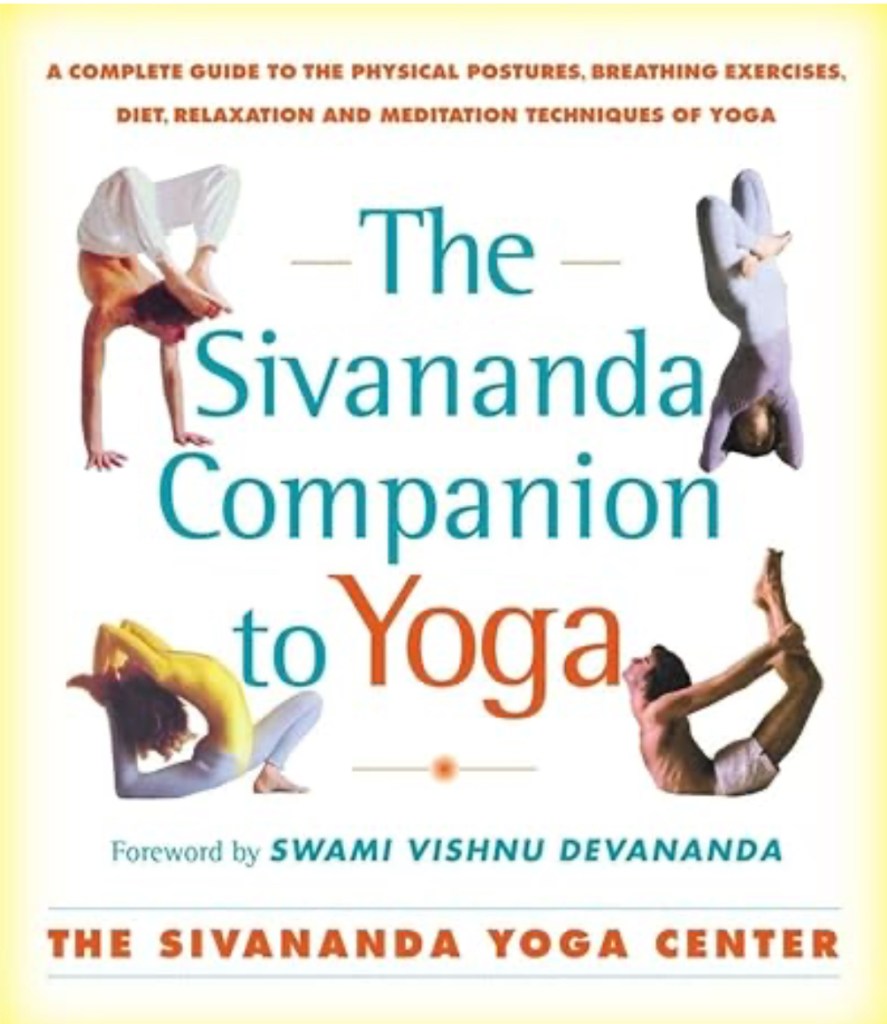
    For those interested in a comprehensive introduction to the practices of yoga, I recommend The Sivananda Companion to Yoga: A Complete Guide to the Physical Postures, Breathing Exercises, Diet, Relaxation, and Meditation Techniques of Yoga. This book offers clear guidance on the foundational aspects of yoga, making it an invaluable resource for anyone looking to deepen their understanding and practice. Take a look at this book on Amazon here.

    🙏🕊️🙏

  • Caravan of Love: The Universal Path of Righteousness Across All Traditions

    In the vast tapestry of world religions, certain values transcend cultural and doctrinal differences, weaving together a shared vision of what it means to live a righteous and compassionate life. These values—purity, righteousness, kindness, forgiveness, and compassion—are cornerstones of what many traditions aspire to cultivate in their followers. Whether it’s the Sadhu Dharma in Hinduism, the concept of Tzaddikim in Judaism, or the pursuit of being a Mensch, these ideals serve as beacons of light in our shared human journey.

    Sadhu Dharma, the path of the holy person, is a life dedicated to truth, simplicity, and non-attachment. The Sadhus, through their renunciation and ascetic practices, embody a life that seeks to transcend the material and focus entirely on the spiritual. Their lives are marked by a commitment to Dharma—righteousness and moral order—a principle that resonates deeply in Hindu philosophy. This dedication to purity of mind and heart is not just about personal enlightenment but about embodying virtues that uplift society as a whole.

    In Judaism, the concept of Tzaddikim refers to the righteous ones, those whose lives are marked by a deep commitment to justice, kindness, and integrity. The Tzaddik, much like the Sadhu, is someone who has dedicated their life to the service of others and to the fulfillment of divine commandments. They are seen as pillars of the world, their righteousness serving as a foundation for the spiritual and moral health of the community.

    Similarly, the idea of being a Mensch, which in Yiddish refers to a person of integrity and honor, is highly valued in Jewish culture. A Mensch is someone who embodies the values of kindness, responsibility, and decency in their daily life. This concept, though rooted in Jewish tradition, has universal appeal, as it speaks to the importance of living a life that others can look up to and respect.

    In Christianity, the teachings of Jesus Christ offer a profound example of a life dedicated to love, compassion, and forgiveness. Jesus’s Sermon on the Mount is a timeless guide to living a life of righteousness. His call to love one’s neighbor as oneself, to forgive endlessly, and to seek peace in all things, aligns beautifully with the teachings of Sadhu Dharma and the principles of Tzaddikim. Jesus’s life is a testament to the power of living with an open heart, free from the shackles of anger, greed, and judgment.

    Islam also emphasizes the importance of righteousness and moral conduct. The Quran and Hadith provide guidance on how to live a life that is pleasing to God, through acts of charity, honesty, and justice. The concept of Taqwa, often translated as God-consciousness or piety, encourages Muslims to live in constant awareness of God’s presence, guiding them to act with integrity and compassion. The Prophet Muhammad’s life is filled with examples of humility, kindness, and dedication to the welfare of others, setting a high standard for ethical conduct.

    Buddhism, with its emphasis on the Noble Eightfold Path, also encourages a life of right conduct, right speech, and right livelihood. The Buddha’s teachings on compassion (Karuna) and loving-kindness (Metta) offer a path to purifying one’s mind and living in harmony with others. The simplicity of the Buddha’s advice to “Be good, do good, purify your mind” resonates across all these traditions, offering a succinct summary of the universal path to spiritual awakening.

    Despite the diversity of religious expressions, these examples highlight a shared commitment to cultivating a life of virtue. Whether it’s through the renunciation of a Sadhu, the righteousness of a Tzaddik, the integrity of a Mensch, the compassion of Christ, the piety of a Muslim, or the mindfulness of a Buddhist, the underlying message is clear: to live a life that reflects the highest values of humanity.

    In today’s world, where division and discord often seem to dominate the narrative, these teachings remind us of the importance of unity and the power of virtue. They encourage us to rise above our differences and to see in each other the same divine spark that guides our own path. By embracing these universal principles, we contribute to a more harmonious and compassionate world—a world where peace and righteousness are not just ideals but lived realities.

    As we continue our journey through the sacred stories and teachings of various traditions, may we carry these lessons with us, allowing them to shape our actions and our hearts. In doing so, we honor the diversity of spiritual paths while recognizing the common ground that unites us all.

    🙏🕊️🙏

  • Ramayana No. 4: The Human Role in the Cosmic Drama—Reflections on Universal Responsibility


    As I reflect on the early chapters of the Ramayana, one theme stands out to me: the unique and pivotal role that human beings play in the battle between good and evil. In this epic, we see that even the gods, with all their divine powers, find themselves unable to defeat the formidable forces of darkness, embodied by Ravana. It is mankind, specifically the avatar Rama, who is destined to intervene, symbolizing the profound responsibility and power inherent in human nature.

    This idea of human responsibility resonates deeply with the teachings of the Dalai Lama, who often speaks about the concept of universal responsibility. The Dalai Lama reminds us that each of us holds the key to creating a harmonious and peaceful world. He emphasizes that our actions, rooted in compassion, ethics, and a sense of interconnectedness, are vital to overcoming the challenges we face as a global community.

    The Ramayana and the Dalai Lama’s teachings both underscore the extraordinary potential of human life. They suggest that while divine forces may guide and support us, it is ultimately through human action—through our choices, our commitment to dharma, and our compassion for others—that we can make a lasting impact on the world.

    In the Ramayana, Rama’s journey is a testament to the power of human virtue and courage in the face of adversity. It is through his adherence to dharma, his unwavering commitment to righteousness, that he is able to confront and overcome the darkness that threatens to engulf the world. Similarly, the Dalai Lama calls us to rise to our own challenges with a sense of universal responsibility, understanding that our individual actions contribute to the collective well-being of all beings.

    Yet, the Ramayana reminds us that this is not merely a physical battle, but a moral and spiritual one as well. The true battle takes place not just on the external battlefield, but within the mind and heart of each individual. It is a struggle against the vrittis—the mental fluctuations and disturbances—that cloud our judgment, and the pratyayas—the impressions and biases—that shape our perceptions. These internal forces can lead us astray, pulling us away from our true nature and the path of dharma.

    In this inner battle, maintaining integrity becomes paramount. It is about upholding righteousness, not just in our actions but in our thoughts and intentions. The Ramayana teaches us that true victory is achieved not through brute force, but through the cultivation of wisdom, compassion, and moral clarity. It calls us to act with compassion even in the face of adversity, to rise above the vrittis and pratyayas that might otherwise lead us to act out of anger, fear, or selfishness.

    This inner battle mirrors the cosmic struggle between Rama and Ravana, between dharma and adharma. Just as Rama must confront Ravana, we too must confront the demons within us—the doubts, fears, and attachments that obscure our pristine mind. The pristine mind, which is our true nature, is inherently wise and compassionate, but it is often obscured by the noise of the vrittis and the influence of the pratyayas.

    The journey of self-realization, like Rama’s journey, is about clearing away these obstacles and returning to the purity of our true nature. It is about recognizing that the greatest battles we face are often within ourselves, and that the path to victory lies in quieting the mind, cultivating inner peace, and aligning ourselves with dharma.

    As we continue to explore the Ramayana, let us keep this theme in mind. The epic is not just a story of gods and demons, but a profound reflection on the human condition. It challenges us to recognize our own role in the cosmic drama and to embrace the responsibility we have to bring light into the world.

    This parallel between the Ramayana and the Dalai Lama’s message invites us to consider how we can live more consciously, how we can contribute to the greater good, and how we can fulfill our potential as human beings. It is a call to action, to see ourselves not as passive observers of the world’s events, but as active participants in the ongoing battle between good and evil, between harmony and chaos.

    May this reflection inspire us all to take our place in this great story, to recognize the power we hold, and to use it wisely and compassionately, for the benefit of all.

    You can explore this epic story in the edition of the Ramayana used in this series, written by Valmiki and translated by Suparna Ghosh, on Amazon here.

    Alternatively, you can choose from several other versions and translations that are available. It is even available as an abridged audiobook on Audible, narrated by Ram Dass here.

    🙏🕊️🙏

  • A Prayer for Universal Peace and Harmony

    O Divine Source of all creation,
    The One who is known by many names,
    And who dwells in every heart,
    We come before you with humble hearts,
    Seeking your blessing of peace and harmony.

    May your love flow through us like a river,
    Washing away all hatred, division, and fear,
    And filling our hearts with compassion for all beings.

    Teach us to see beyond our differences,
    To honor the divine in every person,
    And to live as instruments of your peace in this world.

    May we walk the path of righteousness,
    Guided by your wisdom and grace,
    So that our actions may bring healing and unity
    To a world that so deeply longs for peace.

    Let all nations and peoples come together,
    In a spirit of understanding and respect,
    Embracing the truth that we are all your children,
    And that in your eyes, we are one family.

    Grant us the courage to forgive,
    The strength to love without condition,
    And the wisdom to seek justice and mercy
    For every living being.

    May your light shine in our hearts,
    And may we carry that light into the world,
    Bringing hope to the weary,
    And peace to all who suffer.

    In your holy name, we pray,
    For goodwill on earth, and peace among all beings.

    Amen.
    Om Shanti Shanti Shanti.
    Salaam.
    Shalom.

    🙏🕊️🙏