Tag: Christian Meditation

  • Come, Holy Spirit – A Contemplative Prayer

    Come, Holy Spirit – A Contemplative Prayer

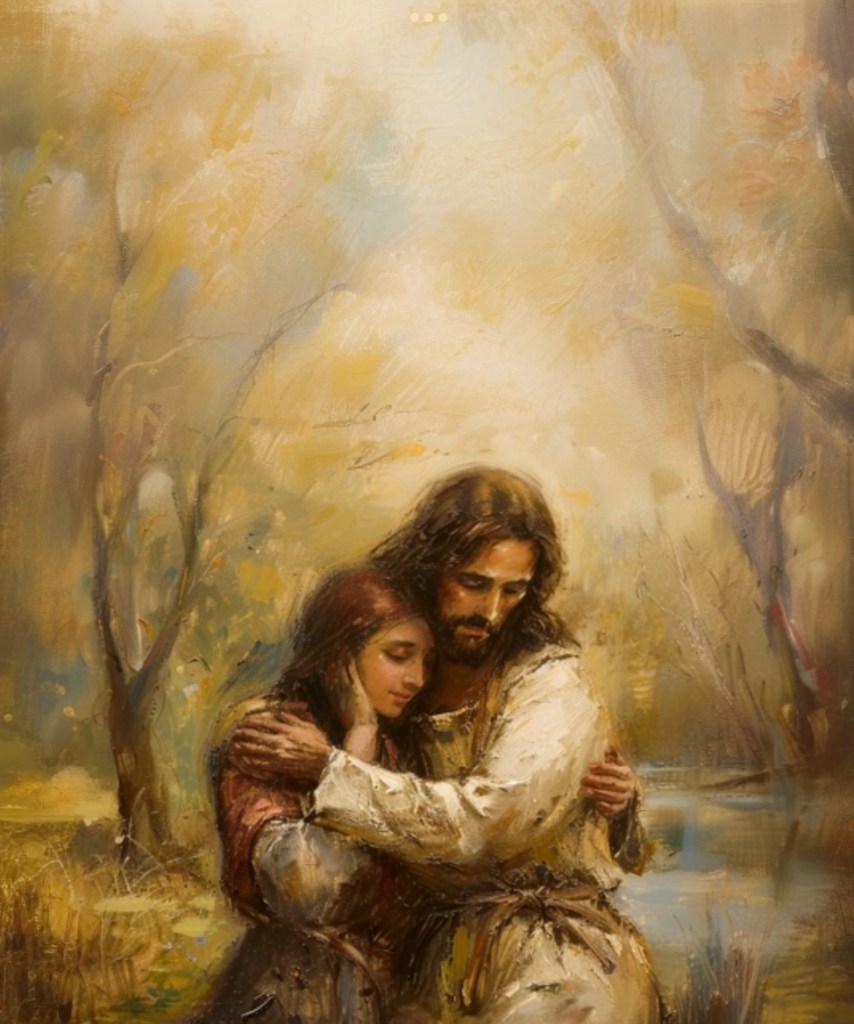
    In this gentle prayer, we call upon the living presence of the Holy Spirit to purify, guide, and awaken peace within us all.

    Rest in the gentle presence of the Holy Spirit. This contemplative prayer invites purification, guidance, and peace within every heart.


    There are moments in our journey when words fall silent, and the soul simply longs to rest in the presence of divine companionship. This prayer arose from such a moment—born from the rhythm of ancient devotion, yet carried by the tender breath of Christian faith. It is a prayer of purification and peace, a call to the Holy Spirit who both dwells within and surrounds us with unending grace.

    In the stillness, we remember that the Spirit’s work is not always dramatic; it is often a quiet unfolding, a light that shines through the cracks of our own human fragility. May this prayer be recited slowly, like waves upon the shore—each line an offering, each breath a surrender.


    The Prayer

    Come, Holy Spirit, be with us.
    Shine Your light upon our souls.
    Guide our steps, and cleanse our thoughts.
    Purify our hearts and minds.

    Surround us with Your love and grace.
    Make us instruments of Your peace.
    Guide our actions to bless all beings,
    Bearing fruit for the good of all.

    Free us from the evil ones.
    Strengthen us in every trial.
    Keep us in eternal peace,
    And stay with us through thick and thin.

    Joyful, joyful is Your love.
    Seal us in the Book of Life.
    Thank You, God. 🙏


    Benediction

    May the breath of the Holy Spirit move through every weary heart.
    May light dispel every shadow within us.
    And may peace—gentle, radiant, and unbroken—abide in us always.

    Amen.

  • Finding God in Silence: Thomas Merton’s Invitation

    Finding God in Silence: Thomas Merton’s Invitation

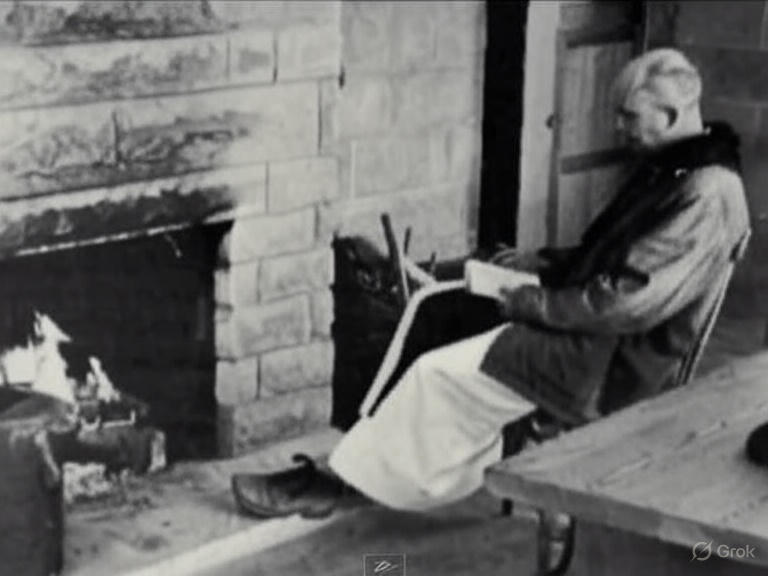
    Thomas Merton taught that silence is essential for spiritual growth and communion with God. Discover how inner stillness can become a sacred path in today’s noisy world.

    In these noisy and anxious times, I find myself returning again and again to the writings of Thomas Merton. His deep reverence for silence speaks to a longing I see in myself and in so many of us—for inner peace, for stillness, and for God. I offer this reflection in the hope it might inspire others, especially my Christian brothers and sisters, to make more space for silence in their lives.

    Thomas Merton strongly believed that the soul requires silence for its well-being and spiritual growth. He saw silence not just as the absence of noise, but as a space for inner listening, contemplation, and connection with one’s true self and with God.


    • Silence as a Basic Human Need:
      Merton argued that silence and solitude are essential for all individuals, not just hermits or monks, to hear the “deep inner voice” of their true self.

    • Interior Silence:
      He distinguished between exterior silence (absence of external noise) and interior silence (stillness of thoughts and desires). Interior silence allows for a deeper connection with God and self.

    • Silence and Communication:
      Merton didn’t see silence and communication as opposing forces. Instead, he believed that silence is essential for meaningful communication, allowing for thoughtful expression rather than just empty chatter.

    • Silence and Spiritual Growth:
      He believed that silence provides a space for prayer, contemplation, and a deeper understanding of oneself and God. It allows one to move beyond superficiality and experience a more profound connection with the divine.

    • Silence as a Pathway to God:
      Merton emphasized that silence, particularly interior silence, is a place where one can encounter God’s presence and experience a sense of intimacy with the divine.

    • The World’s Lack of Silence:
      Merton observed that the modern world is often filled with noise and distraction, making it difficult for individuals to find the silence they need for spiritual growth. He saw the need for places and practices that foster silence and solitude.

    • Finding Silence in the Everyday:
      While acknowledging the challenges of finding silence in a noisy world, Merton encouraged individuals to seek moments of quiet reflection and stillness in their daily lives.


    • A Simple Contemplative Practice

      Find a quiet place. Sit comfortably, with your hands resting in your lap. Gently close your eyes. Begin with this prayer from the heart:

      “Lord, I am here for You alone. Let me be still in Your presence.”

      Let the prayer fade into silence. Don’t try to think or feel anything in particular. Simply rest in God’s presence, like a child leaning into their Father’s arms.

      If thoughts arise, gently return to the stillness with a phrase like:

      “Be still and know…” or “You are my refuge and peace.”

      This is not about doing or achieving. It is about allowing. As St. John of the Cross wrote,

      “The soul that is pure and simple and empty of all things… can be filled with God.”

      Remain for just a few minutes—or as long as grace allows. End by offering a word of thanks. That’s all.


    • Silence as a Gift:
      Merton viewed silence as a precious gift that can lead to spiritual awakening, self-discovery, and a deeper relationship with God.


    Maybe today, just for a few minutes, let yourself sit quietly.

    Not to accomplish anything. Just to listen.


    “Be still, and know that I am God.”

    — Psalm 46:10

    🙏🕊🙏

  • Thinking Out Loud

    Thinking Out Loud

    After 2,000 years, many are still waiting for the Kingdom of God to arrive from the outside. But what if the kingdom Jesus spoke of is already here—within us, waiting quietly to be recognized? These thoughts are shared not as answers, but as reflections… thinking out loud…

    In Jesus’ words, “The Kingdom of God is within you.” It’s such a profound teaching, yet so many, even after 2000 years, continue to look outward, as if the kingdom is a distant place or a future event. The truth is, it is already here, in the present moment, within each of us, waiting to be recognized.

    “nor will people say, ‘Here it is,’ or ‘There it is,’ because the kingdom of God is in your midst.” Luke 17:21

    In this verse, Jesus is responding to a question from the Pharisees about when the Kingdom of God will come. He answers by saying that it’s not something to be observed externally, but rather that it’s already present within those who believe.

    It’s as though the external waiting reflects our inability to fully embrace what is already present—our reluctance to fully step into the fullness of our own being, the divine spark that resides within. The kingdom is not a far-off land to be found after death, nor is it a king to be crowned in a distant future. It’s a recognition, a shift in awareness.

    Jesus, in his life and teachings, pointed again and again to this truth, yet even his followers continued to expect a king who would come in glory, overthrow empires, and bring physical peace. But the peace Jesus offered was internal—a peace that passes understanding, a peace that comes from being aligned with the divine within.

    The kingdom is not about external events, but about the internal shift—a shift from seeking to knowing, from waiting to realizing, from longing to embodying.

    Is it possible that we’re all waiting for an external kingdom, while the kingdom quietly resides in our hearts, patiently waiting for us to recognize it?

    Yes?

    🙏🕊🙏

  • Following Jesus: Abiding in God’s Presence

    Introduction
    Jesus’ invitation to “follow me” is at the heart of Christian life. But what does it really mean to follow Him? Often, we think of it in terms of outward actions—loving others, serving the needy, and living righteously. While all of this is vital, there is a deeper dimension to following Jesus: abiding in God’s presence, as Jesus himself did. Jesus regularly withdrew to pray in stillness, connecting with His Father in quiet communion. This inward focus is just as crucial to following Jesus as our outward actions.

    Jesus’ Example of Stillness
    Throughout the Gospels, we see Jesus taking time to be alone in prayer (Luke 5:16). He wasn’t just teaching us to pray for what we need, but to rest in God’s presence, to listen, and to be still. When Jesus spoke of the kingdom of God being within us (Luke 17:21), He was revealing that God is not distant but present within each of us. To follow Him means not only to love as He loved, but to seek God as He did—by abiding in the presence of the Father.

    Abiding in the Heart: A Call to All Believers
    In John 15:4, Jesus says, “Abide in me, and I in you.” This is not just a poetic metaphor, but a clear instruction. To abide means to remain, to stay rooted in Him. Jesus calls us to experience God’s presence within, in the quiet of our hearts, just as He did. When we take time to be still and know God (Psalm 46:10), we are following Jesus’ example. We are allowing God’s Spirit to work within us, transforming us into His likeness.

    How We Abide in God’s Presence
    Abiding in God’s presence is not about striving or achieving—it’s about surrender and trust. It’s about creating space in our hearts to listen to God, to rest in His love. We don’t need to perform for God or say the right words; we simply need to turn our attention inward, to the presence of the Holy Spirit within us. In this stillness, we are following Jesus, who modeled this quiet communion with God throughout His ministry.

    The Kingdom Within
    When Jesus said, “The kingdom of God is within you,” He wasn’t speaking in riddles. He was revealing a profound truth about where we encounter God. Following Jesus means recognizing that God’s Spirit is not distant, but as close as our own breath. As we follow Jesus, we learn to turn inward, to abide in this truth, and to let God’s peace fill our hearts. In doing so, we come to know Him more deeply, just as Jesus did.

    A Daily Path of Following Jesus
    Following Jesus is not just about what we do for others—it’s about who we are becoming in Christ. As we spend time abiding in God’s presence, we are shaped and formed by His love. Our actions naturally flow from this inner communion with God. The more we follow Jesus in this way, the more we become like Him—living in love, humility, and peace. This inward journey is not reserved for mystics or saints; it is the path that Jesus invites every believer to walk.

    Conclusion
    To follow Jesus means to emulate not only His actions but His way of being. He taught us to love, but He also showed us how to abide in God’s presence. This invitation is open to everyone. As we follow Jesus, we are called to take time to be still, to rest in the heart of God, and to allow His Spirit to work in us. In this way, we truly become followers of Christ—not just in what we do, but in who we are becoming.

    A Simple Practice to Abide in God’s Presence
    For those who wish to deepen their connection with God and experience His peace, here is a simple five-minute practice that you can do first thing in the morning, before bed, or anytime during the day when you need to return to God’s presence.

    Opening Prayer
    “Dear Lord, I come before You now, seeking Your peace and healing presence. As I quiet my mind and heart, I ask to feel Your Holy Spirit within me. Guide me into rest, ease my anxieties, and fill me with Your everlasting peace. Amen.”

    Meditation

    1. Find a comfortable position—either sitting or lying down. Close your eyes gently.
    2. Take a deep breath in through your nose, and slowly exhale through your mouth. Feel the tension melt away as you breathe out.
    3. Begin to notice your breath. No need to change it—just notice the gentle rise and fall of your chest or belly.
    4. As you inhale, silently say to yourself, “Breathing in, I abide in the Holy Spirit.”
    5. As you exhale, silently say to yourself, “Breathing out, I release into God’s peace.”
    6. If your mind wanders, that’s okay. Gently bring your attention back to your breath and these words.
    7. Continue this for five minutes, focusing on the breath and the sense of God’s presence and peace.

    Closing Prayer
    “Gracious God, thank You for Your presence and peace. As I end this time of meditation, I trust in Your love and guidance. Help me carry this sense of stillness and Your Spirit with me throughout the day (or night). May Your peace fill my heart, and may I continue to abide in Your presence in all that I do. Amen.”


    🙏🕊️🙏

  • Living in Alignment with God’s Will and The Mind of Christ

    Introduction:

    In the journey of Christian faith, believers often find themselves wrestling with the dichotomy between the “carnal mind” and the “renewed mind.” The carnal mind, also referred to as the “worldly mind,” is inclined toward sin, temptation, and the distractions of the flesh. On the other hand, the renewed mind is aligned with the will of God, filled with peace, love, and the presence of the Holy Spirit. The Apostle Paul speaks to this struggle in Romans 7:22-25, where he describes the conflict between his desire to do good and the law of sin at work within him:

    “For in my inner being I delight in God’s law; but I see another law at work in me, waging war against the law of my mind and making me a prisoner of the law of sin at work within me. What a wretched man I am! Who will rescue me from this body that is subject to death? Thanks be to God, who delivers me through Jesus Christ our Lord!” (Romans 7:22-25)

    However, this struggle is not a sign of defeat but an opportunity for transformation. The carnal mind and the renewed mind are not two separate entities but rather points on a spectrum that believers can skillfully navigate with intentional practice. In this post, we will explore a systematic approach to moving from the carnal mind to the renewed mind.

    1. Recognize the Current State: Awareness

    “Be still and know that I am God.” (Psalm 46:10)

    The first step in this journey is to become aware of the current state of your mind. This stillness is not just physical but also mental—a quieting of the mind to become aware of its current condition.

    • Practical Step: Begin each day with a period of silence and reflection. Ask the Holy Spirit to reveal any thoughts, feelings, or actions rooted in the carnal mind. This practice of awareness is akin to what is known in other traditions as mindfulness—being fully present and attentive to the state of your mind without judgment.
    1. Detachment from the Carnal Mind: Putting Off the Old Self

    “You were taught, with regard to your former way of life, to put off your old self, which is being corrupted by its deceitful desires; to be made new in the attitude of your minds; and to put on the new self, created to be like God in true righteousness and holiness.” (Ephesians 4:22-24)

    In Ephesians 4:22, believers are called to “put off your old self, which is being corrupted by its deceitful desires.” This step involves recognizing when your mind is aligned with the flesh—thoughts of anger, fear, pride, and judgment—and consciously choosing to detach from them.

    • Practical Step: Throughout the day, practice noticing when your thoughts are driven by the carnal mind. When you recognize such thoughts, gently release them, understanding that they do not define your true identity in Christ. This is a process of “taking every thought captive to make it obedient to Christ” (2 Corinthians 10:5). It’s not about rejecting the worldly mind but redirecting it towards the truth.
    1. Cultivation of the Renewed Mind: Putting On the New Self

    “Do not conform to the pattern of this world, but be transformed by the renewing of your mind. Then you will be able to test and approve what God’s will is—his good, pleasing and perfect will.” (Romans 12:2)

    The Apostle Paul urges believers to “be transformed by the renewing of your mind.” This renewal is an ongoing process. In Christian practice, this involves immersing oneself in prayer, scripture meditation, and aligning one’s thoughts with the teachings of Christ.

    • Practical Step: Choose a scripture that speaks to the renewed mind, such as Romans 12:2, and meditate on it throughout the day. Let this scripture guide your thoughts and actions. Whenever you find your mind slipping back into carnal patterns, return to the scripture as your anchor. Regularly spend time in prayer, asking the Holy Spirit to renew your mind and guide your thoughts.
    1. Union with Christ: The Mind of Christ

    “For, ‘Who has known the mind of the Lord so as to instruct him?’ But we have the mind of Christ.” (1 Corinthians 2:16)

    “And the peace of God, which transcends all understanding, will guard your hearts and your minds in Christ Jesus.” (Philippians 4:7)

    The ultimate goal of this journey is to “have the mind of Christ.” This is the state where one’s thoughts, emotions, and actions are in harmony with the will of God. It is an experiential realization of one’s identity in Christ, where the peace of God, which surpasses all understanding, guards your heart and mind.

    • Practical Step: Regularly practice moments of stillness and prayer where you consciously seek to align your thoughts with the mind of Christ. This is not merely an intellectual exercise but a deep, experiential awareness of God’s presence within you. By cultivating this awareness, you begin to live more fully in the renewed mind, the Christ mind, experiencing the transformation that Paul speaks of in Romans 12:2.
    1. Who Am I in Christ?

    “I have been crucified with Christ and I no longer live, but Christ lives in me. The life I now live in the body, I live by faith in the Son of God, who loved me and gave himself for me.” (Galatians 2:20)

    “Therefore, if anyone is in Christ, the new creation has come: The old has gone, the new is here!” (2 Corinthians 5:17)

    “For we are God’s handiwork, created in Christ Jesus to do good works, which God prepared in advance for us to do.” (Ephesians 2:10)

    An essential practice for realizing the mind of Christ is a form of self-inquiry, asking the question, “Who am I in Christ?” or “Who does God say I am?” This practice directs believers to explore and affirm their true identity as defined by their relationship with Christ, grounding them in the biblical truths about their divine nature.

    • Practical Step: Regularly meditate on these questions during your prayer time. Reflect on scriptures that reveal your identity in Christ, such as the verses above.
    • Prayerful Reflection: At the beginning or end of each day, spend time in prayerful reflection, asking the Holy Spirit to reveal deeper truths about your identity in Christ. This practice helps in aligning your thoughts, emotions, and actions with the mind of Christ, leading to a transformed and renewed mind.
    • Affirmations of Identity: Create and repeat affirmations based on these scriptures, such as “I am a new creation in Christ” or “Christ lives in me, and I live in Him.” These affirmations help reinforce the renewed mind and align your self-identity with biblical truths.

    6. Daily Examination and Prayer for Transformation

    “Search me, God, and know my heart; test me and know my anxious thoughts. See if there is any offensive way in me, and lead me in the way everlasting.” (Psalm 139:23-24)
    Transformation is not a one-time event but a continuous process of growth and renewal. Each day offers an opportunity to reflect on your progress and to seek God’s guidance in further renewing your mind.

    • Practical Step: At the end of each day, take time to reflect on your thoughts and actions. Where did you notice the influence of the carnal worldly mind? Where did you experience the renewed Christ mind? Offer these reflections in prayer, asking the Holy Spirit to continue the work of transformation within you.

    7. Daily Meditation Practice: Cultivating Stillness and Oneness with Christ

    “Be still and know that I am God.” (Psalm 46:10)

    To help cultivate the renewed mind and deepen your experience of oneness with Christ, incorporating a daily meditation practice can be transformative. This practice will center your mind, align it with the mind of Christ, and develop a habit of returning to God’s presence throughout your day.


    Meditation Exercise:

    1. Find a Quiet Spot:
    • Settle in a comfortable, quiet place where you won’t be disturbed. Sit with your back straight, hands resting gently on your lap, and close your eyes.

    2. Begin with the Breath:

    • Take a few deep breaths, inhaling slowly through your nose, holding for a moment, and then exhaling through your mouth. Let each breath relax your body and mind.

    3. Focus on a Scripture or Question:

    • Choose a verse or phrase to anchor your meditation, such as “Christ lives in me” (Galatians 2:20) or “Who am I in Christ?” Let this scripture or question be the focus of your mind.

    4. Gently Notice When the Mind Wanders:

    • As you meditate, your mind may wander. When you notice this, gently bring your focus back to your chosen scripture or question. Do this without judgment, understanding that each return to your focus is an opportunity to deepen your practice.

    5. Experience the Stillness:

    • As you continue to meditate, allow yourself to settle into the stillness, letting the words or question sink deeper into your awareness. Be still and know that God is present within you, guiding your thoughts and filling you with His peace.

    6. Close with Prayer:

    • After 10-15 minutes, gently bring your meditation to a close with a prayer, asking God to continue renewing your mind throughout the day and to help you live out the truth of your identity in Christ.
    • Daily Commitment: Make this meditation practice a daily habit, ideally at the beginning or end of your day. Over time, you will notice a deepening sense of peace, clarity, and connection with Christ.

    Conclusion:

    The journey from the carnal worldly mind to the renewed Christ mind is a dynamic and ongoing process. By understanding these states as points on a spectrum, rather than as fixed identities, believers can navigate their spiritual growth with greater intention and clarity. Through awareness, detachment, cultivation, and prayer, we can gradually move closer to the mind of Christ, experiencing the peace and transformation that come from living in alignment with God’s will. As we walk this path, we are not alone; the Holy Spirit is our constant guide, leading us into all truth and helping us renew our minds day by day.

    Incorporating a daily meditation practice and regular self-examination helps to anchor this transformation in our everyday lives, making the mind of Christ not just an ideal but a lived reality. Let us commit to this journey, trusting in God’s grace and the power of His word to renew our minds and guide us into a deeper moment by moment communion with Him.

    🙏🕊️🙏

  • Experiencing Oneness with God: A Deeper Look at John 14:20

    Introduction:

    In Christian teaching, we often emphasize the unique relationship between Jesus and God the Father. Jesus, as the Son of God, is understood to have a special connection with the Divine—a connection that many Christians see as exclusive to Him. Yet, when we look closely at Jesus’ own words, we find something even more profound: an invitation to share in this divine relationship, to experience a oneness with God that extends to all His followers.

    Exploring John 14:20:

    In John 14:20, Jesus tells His disciples, “On that day you will realize that I am in my Father, and you are in me, and I am in you.” This passage is often read quickly, but it contains a depth that warrants deeper reflection. Jesus is not just stating His own unity with God; He is including His disciples—those who follow Him—in this unity. This suggests that the oneness He shares with the Father is not something to be kept separate but is something that we are also called to experience.

    Understanding Oneness in Jesus’ Teachings:

    Jesus said, “I and the Father are one” (John 10:30). For many, this statement is seen as evidence of Jesus’ divinity, asserting that He is God. However, there is another way to understand this profound declaration. Rather than claiming a unique, exclusive identity as God, Jesus may be expressing the perfect alignment and unity He has with God—the kind of unity He invites all of us to share.

    To see Jesus, as He says in John 14:9, is to see God, not because He is God in an exclusive sense, but because He perfectly reflects and emulates the divine. His life, teachings, and actions are in perfect harmony with God’s will, so much so that He becomes a living embodiment of God’s presence.

    Jesus’ invitation is not just to recognize His own unity with God but to enter into that same relationship ourselves. When He says, “I am in my Father, and you are in me, and I am in you,” He is extending this oneness to all of His followers, inviting us to experience this profound unity with God.

    Addressing Common Misunderstandings:

    For many, the idea of oneness with God can seem daunting or even taboo. It might feel as if we are overstepping our place as human beings. But Jesus’ teachings suggest otherwise. He spoke of abiding in Him as He abides in the Father, indicating that our spiritual journey is not just about following rules or rituals, but about entering into a living, breathing relationship with God—a relationship of profound unity.

    It’s important to clarify that this oneness doesn’t mean we become God in the way that Jesus is God. Instead, it points to a spiritual truth: that through Jesus, we are drawn into the very heart of God’s love and life. This oneness is about participating in the divine nature, as Peter writes:

    “Through these he has given us his very great and precious promises, so that through them you may participate in the divine nature, having escaped the corruption in the world caused by evil desires.”
    (2 Peter 1:4, NIV)

    In this light, Jesus’ declaration that “I and the Father are one” becomes less about asserting exclusive divinity and more about exemplifying the unity we are all called to share with God.

    Practical Steps to Experience Oneness:

    How can we begin to experience this oneness with God? Here are a few ways:

    • Prayer: Spend time in prayer, not just asking for things, but sitting in God’s presence, listening, and being with Him.
    • Meditation on Scripture: Reflect deeply on passages like John 14:20, allowing the words to sink into your heart and mind, and asking God to reveal what this unity means in your life.
    • Living Out Love: Jesus said, “If you keep my commands, you will remain in my love” (John 15:10). Following Jesus’ teachings on love is a practical way to live out this oneness with God.

    Conclusion:

    Jesus’ invitation to oneness with God is central to His message. It’s a call to go beyond mere belief and enter into a relationship that transforms us from the inside out. As we open our hearts to this truth, we begin to experience a deeper connection with God, not as distant or separate, but as intimately united with Him through Christ.

    Let us embrace this call to oneness, allowing it to deepen our faith and enrich our spiritual lives, knowing that in Christ, we are brought into the fullness of God’s love and presence.

    🙏🕊️🙏

  • Om, Hail to the Healer: Embracing the Light of Healing

    Introduction

    In our journey towards healing and spiritual growth, we often find that different traditions offer similar paths to wellness and inner peace. Whether we are invoking the Medicine Buddha or calling upon the Holy Spirit, the essence remains the same: seeking the divine light of healing. This post explores the universal nature of this healing energy, demonstrating how both the Tibetan Medicine Buddha mantra and the Christian invocation of the Holy Spirit guide us towards transformation and renewal.

    The Essence of Healing

    Healing is a journey, not just of the body, but of the mind and spirit. The Medicine Buddha mantra calls upon the essence of healing, inviting us to connect with a deeper source of wellness and harmony. By reciting these words, we align ourselves with the energy of the great healer, the one who transcends the boundaries of physical ailments and touches the core of our being.

    Hail to the Healer

    In the phrase “hail to the healer,” we express reverence and gratitude. This healer is not confined to the realm of the divine but exists within each of us. By acknowledging and honoring this inner healer, we empower ourselves to take an active role in our own healing journey. We salute the wisdom and compassion that reside within, guiding us towards wholeness and balance.

    The Great Healer

    The term “great healer” underscores the boundless nature of this healing energy. It is not limited by time, space, or circumstance. The great healer is a reminder that we are supported by an infinite source of love and light, capable of transforming our deepest wounds into opportunities for growth and renewal.

    Healer of the World

    As we invoke the “healer of the world,” we recognize the interconnectedness of all beings. Our healing is not an isolated event but a ripple that extends outwards, touching the lives of others. By embracing our own healing, we contribute to the collective well-being of the planet. This mantra becomes a prayer for global harmony, fostering a sense of unity and compassion for all.

    May Your Light Ascend

    Finally, the plea “may your light ascend” is a call for enlightenment and upliftment. It is an invitation for the divine light to rise within us, dispelling darkness and illuminating our path. As we chant these words, we open ourselves to the transformative power of this light, allowing it to guide us towards a higher state of consciousness and peace.

    Integrating Christian Perspectives: The Holy Spirit as Healer

    The invocation of healing through the Medicine Buddha mantra can be closely aligned with calling upon the Holy Spirit. In Christian tradition, the Holy Spirit is often described as the comforter, guide, and healer. Just as the Medicine Buddha represents the embodiment of healing, the Holy Spirit embodies divine healing and guidance in the Christian faith.

    The phrase “hail to the healer” can thus resonate deeply with Christians who invoke the Holy Spirit. The Holy Spirit is the source of infinite love and light, capable of bringing about profound transformation and renewal. By recognizing this parallel, we can see that whether we are chanting “Om, hail to the healer” or praying for the Holy Spirit’s presence, we are opening ourselves to the same divine energy of healing and compassion.

    Embracing Interfaith Healing

    By acknowledging the similarities between the Medicine Buddha mantra and the invocation of the Holy Spirit, we foster a sense of unity and shared purpose. Healing, in its truest form, transcends religious boundaries and speaks to the universal human experience of seeking wellness and peace.

    Integrating the Mantra into Daily Life

    Incorporating the Medicine Buddha mantra or invoking the Holy Spirit into our daily practice can be a source of profound healing and inspiration. Here are a few ways to weave these sacred practices into your routine:

    Morning Meditation or Prayer:

    • Begin your day with a few minutes of chanting the mantra or praying for the Holy Spirit’s guidance, setting a tone of healing and positivity.

    Healing Visualizations:

    • As you recite the mantra or pray, visualize a radiant light enveloping you and extending to others, promoting physical and emotional well-being.

    Mindful Moments:

    • Throughout the day, take pauses to silently or audibly chant the mantra or offer prayers, bringing a sense of calm and centeredness.

    Evening Reflection:

    • End your day by reflecting on the healing energies you’ve experienced, offering gratitude for the light within and around you.

    Conclusion

    “Om, hail to the healer, the great healer, the healer of the world, may your light ascend!” These words are more than a mantra; they are a beacon of hope, a testament to the power of healing that lies within each of us. By embracing this sacred chant or invoking the Holy Spirit, we embark on a journey of transformation, guided by the light of the great healer towards a world of compassion, unity, and peace.

    🙏🕊️🙏

  • Lesson 14 of A Course in Miracles (ACIM): Guided Meditation – “God did not create a meaningless world.”


    Lesson 14 of A Course in Miracles introduces the lesson: “God did not create a meaningless world.” This teaching challenges us to reconsider our perception of the world as lacking purpose or significance. By acknowledging that the world we see is not a reflection of God’s creation, we can begin to shift our understanding towards recognizing the divine order and purpose behind all existence.

    This practice invites us to question the validity of our judgments and interpretations. By understanding that God’s creation is inherently meaningful and purposeful, we can start to align our thoughts and perceptions with the divine truth.

    Jesus emphasized the loving nature of God’s creation and the inherent purpose behind all life. In Genesis 1:31, it is written, “God saw all that he had made, and it was very good.” This teaching aligns with ACIM’s guidance to see beyond the illusions of meaninglessness and recognize the inherent goodness and purposefulness of God’s creation.

    By practicing Lesson 14, we align ourselves with Christ’s message of divine love and creation. We learn to see through the illusions of a meaningless world and open ourselves to a deeper recognition of God’s presence and purpose in all aspects of life.

    Explore Lesson 14 of A Course in Miracles with us, and discover how embracing the meaningfulness of God’s creation can lead to greater peace, clarity, and spiritual awakening.

    Guided Meditation: Lesson 14 from A Course in Miracles

    This guided meditation is tailored to encompass the elements, themes, messages, and practices of Lesson 14 from A Course in Miracles.

    Find a comfortable position, either sitting or lying down, where you can relax and be free from distractions.

    Close your eyes gently and take a few deep breaths, allowing yourself to settle into the present moment.

    Bring your attention to your breath, feeling the sensation of each inhale and exhale.

    Reflect on the central theme of Lesson 14: “God did not create a meaningless world.”

    Contemplate the idea that the world, as it truly is, is not meaningless, but rather holds profound meaning and purpose.

    Acknowledge that the belief in a meaningless world is a distortion of reality, born out of separation from our true nature and from God.

    With each breath, imagine releasing any attachment to the belief in a meaningless world, allowing it to dissolve like mist in the sunlight.

    Visualize yourself stepping back from your perceptions, observing them with a sense of detachment and clarity.

    Feel a sense of peace and reassurance as you recognize that God did not create a meaningless world, but rather a world filled with love, beauty, and purpose.

    Repeat the following affirmations silently or in your mind:

    “God did not create a meaningless world.”

    “I release all attachments to the belief in a meaningless world.”

    “I open myself to experiencing the world as a reflection of God’s love and perfection.”

    Allow yourself to rest in this space of inner peace and clarity for a few moments, letting go of any attachment to the belief in a meaningless world.

    When you’re ready, gently bring your awareness back to your surroundings. Wiggle your fingers and toes, and slowly open your eyes.

    Take a moment to reflect on your experience, noticing any insights or shifts in perception that may have occurred.

    Remember that you can return to this meditation whenever you feel called to deepen your understanding of Lesson fourteen.

  • Lesson 13 of A Course in Miracles (ACIM): Guided Meditation – “A meaningless world engenders fear.”

    Lesson 13 of A Course in Miracles presents the lesson: “A meaningless world engenders fear.” This teaching invites us to explore how our perception of the world as lacking meaning can lead to feelings of fear and insecurity. By acknowledging the connection between our beliefs about the world and our emotional experiences, we can begin to unravel the root causes of fear.

    This practice encourages us to examine how our thoughts about the world shape our feelings and reactions. By understanding that a perception of meaninglessness fosters fear, we can start to question and release the beliefs that keep us trapped in cycles of anxiety and distress.

    Jesus taught about overcoming fear and finding security in divine truth. In John 14:1, He says, “Do not let your hearts be troubled. You believe in God; believe also in me.” This teaching aligns with ACIM’s guidance to transcend fear by recognizing the illusory nature of the ego’s perception of the world.

    By practicing Lesson 13, we align ourselves with Christ’s message of faith and trust in divine love. We learn to see through the fearful projections of a meaningless world and open ourselves to a deeper sense of security and peace rooted in spiritual truth.

    Explore Lesson 13 of A Course in Miracles with us, and discover how releasing the belief in a meaningless world can lead to greater freedom from fear and a more profound connection with the divine presence within.

    Guided Meditation: Lesson 13 from A Course in Miracles

    This guided meditation is tailored to encompass the elements, themes, messages, and practices of Lesson 13 from A Course in Miracles.

    Find a comfortable position, either sitting or lying down, where you can relax and be free from distractions.

    Close your eyes gently and take a few deep breaths, allowing yourself to settle into the present moment.

    Bring your attention to your breath, feeling the sensation of each inhale and exhale.

    Reflect on the central theme of Lesson 13: “A meaningless world engenders fear.”

    Contemplate the idea that the belief in a meaningless world leads to fear and anxiety.

    Acknowledge that your perceptions of the world as meaningless contribute to your experience of fear.

    With each breath, imagine releasing any attachment to the belief in a meaningless world, allowing it to dissolve like mist in the sunlight.

    Visualize yourself stepping back from your perceptions, observing them with a sense of detachment and clarity.

    Feel a sense of peace and calm wash over you as you release the belief in a meaningless world and the fear it engenders.

    Repeat the following affirmations silently or in your mind:

    “A meaningless world engenders fear.”

    “I release all attachments to the belief in a meaningless world.”

    “I choose to see the world as a reflection of love instead of fear.”

    Allow yourself to rest in this space of inner peace and clarity for a few moments, letting go of any attachment to fear.

    When you’re ready, gently bring your awareness back to your surroundings. Wiggle your fingers and toes, and slowly open your eyes.

    Take a moment to reflect on your experience, noticing any insights or shifts in perception that may have occurred.

    Remember that you can return to this meditation whenever you feel called to deepen your understanding of Lesson thirteen.