For those of us living with post-viral Myalgic Encephalomyelitis/Chronic Fatigue Syndrome (ME/CFS), mindfulness can be an invaluable tool. When energy feels scarce and symptoms overwhelming, mindfulness offers a gentle, non-judgmental way to relate to our experience. It’s not about forcing ourselves to be positive or ignoring the very real challenges we face, but about creating space within our hearts and minds for what is happening right now. It’s about simply being present with our thoughts, emotions, and sensations without adding layers of frustration or resistance.
I remember early in my practice when I first realized how much energy I was spending resisting my illness. I fought against it, mentally and emotionally, with every fiber of my being. That resistance, though understandable, made me sicker. But over time, through the teachings of mindfulness, I began to soften that resistance and learned to sit with my experience as it was—without the layers of anger or frustration. That shift changed everything.
One of the most beautiful things mindfulness teaches us is how to cultivate self-compassion. It allows us to look at ourselves with kindness, to acknowledge that we are doing the best we can, given the circumstances. Chronic illness can often bring feelings of isolation, inadequacy, or even guilt. But through mindful awareness, we can learn to treat ourselves as we would a dear friend—with warmth, understanding, and patience.
In my own journey, self-compassion became a practice of offering myself a soft place to land amid the storm of chronic fatigue. I learned that it was okay to have limits and that pacing was not a failure but an act of wisdom. Through mindfulness, I could honor the ebb and flow of my energy without judgment, allowing myself to rest when needed and cherish the moments of peace when they arose.
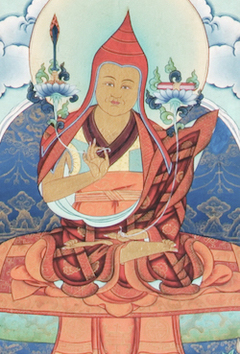
The spiritual path of transforming suffering into enlightenment has been a guiding light for me over the years. Drawing from the teachings of Buddhist masters like Dodrupchen Jigme Tenpe Nyima, I’ve come to see how our relationship to suffering—and to happiness—shapes our inner world. For so long, my relationship to ME/CFS was fraught with resistance, and that resistance was its own kind of suffering. But through mindfulness, I’ve slowly learned to soften into my experience, to meet it with equanimity, and to allow each moment to become an opportunity for growth.
Mindfulness is not a cure for chronic fatigue syndrome, but it offers a way to live with greater peace and resilience. It is a daily practice of acceptance, of meeting ourselves where we are, and of nurturing a sense of compassion for the journey we are on. Whether you are new to mindfulness or have been practicing for years, there is always room to deepen this practice, to cultivate a gentle presence that supports healing, both emotionally and spiritually.
For me, the journey is ongoing, but each step I take is filled with the intention that this path is not just for my own peace and well-being but for everyone whose lives I touch. Together, as we cultivate more mindfulness and self-compassion, we build a bridge toward greater understanding, peace, and inner liberation.
A Haiku on Self-Compassion
In stillness, we rest, Soft whispers of kindness grow, Healing in our hearts.
I hope these words bring solace, support, and a reminder that we are not alone on this journey. Together, we are cultivating a way of being that embraces both the challenges and the beauty of life, one mindful breath at a time.
In his gentle yet profound way, the Dalai Lama reminds us that life is meant to be lived meaningfully. The essence of such a life, he says, lies not just in personal contentment but in creating happiness and peace for others. His teachings have always resonated deeply, not only with Buddhists but with anyone seeking a life of purpose.
“I believe our sort of life, that period should utilize meaningful life,” he begins. He emphasizes that a truly meaningful life extends beyond self-gratification. It is about fostering joy, promoting peace, and creating an atmosphere where others may thrive.
The Dalai Lama expands on what it means to live meaningfully: “Meaningful life means bringing happiness to more people, creating a happier, more peaceful atmosphere.” It’s a reminder that our actions—no matter how small—can contribute to a larger wave of kindness and serenity in the world. He urges us to see that in offering happiness to others, we ultimately fulfill our own quest for meaning.
Two Important Truths
In his teachings, the Dalai Lama shares two foundational principles. First, he reminds us of our shared humanity: “We are all the same human being.” This recognition is critical in our divided world. We all seek happiness, we all wish to avoid suffering, and in this shared experience lies the opportunity to cultivate compassion. By understanding that we are more alike than different, we can bridge the gaps of division and find common ground in our inherent humanity.
The Power of Inner Values
The second truth he shares with us is equally essential: “We should not forget or neglect about our inner values.” The Dalai Lama stresses that while external success may bring momentary satisfaction, it is our inner values that truly define a meaningful life. And what is the core of these inner values? It is human compassion.
“In other words, human compassion. That is the main thing of our inner value.” Compassion, he explains, is the very foundation of all virtuous actions. It is through compassion that we connect with others, dissolve our differences, and contribute to a more harmonious world. This compassion extends beyond mere feelings—it is a practice, a way of living that enriches both ourselves and those around us.
As I delve deeper into the Ramayana, the timeless story continues to reveal layers of wisdom that resonate across spiritual traditions and cultures. One striking parallel that emerges is the connection between the tale of Manthara and the serpent in the Genesis story, both of which serve as catalysts for the hero’s journey—necessary agents of disruption that propel the protagonists from the comfort of innocence into the trials of the world.
Manthara, like the serpent, whispers deceit into the ears of the righteous, setting off a chain of events that lead to exile, struggle, and ultimately, transformation. In both stories, this act of deception might be viewed as evil, but it is crucial for the unfolding of a greater destiny. Without the fall from Eden, there would be no journey toward redemption. Without Manthara’s insidious counsel, there would be no exile for Rama—a journey that would ultimately reveal his true nature and the essence of dharma.
This motif is echoed in Joseph Campbell’s The Hero’s Journey, where the hero must leave the familiar world and enter a realm of trials and challenges, often descending into a figurative or literal underworld. It is here, in the depths of darkness, that the hero faces the ultimate test, encountering both inner and outer demons. The journey is perilous, but it is also where the hero discovers their true strength and purpose.
In the Christian tradition, St. John of the Cross articulated a similar experience in his concept of the Dark Night of the Soul. This dark night is a period of profound spiritual desolation, where the soul feels abandoned, stripped of all earthly and spiritual comforts. Yet, this is not a sign of divine punishment, but rather an essential phase of purification. It is in this crucible of suffering that the soul is refined, prepared for a deeper union with the Divine.
Rama’s exile in the Ramayana can be seen as his own Dark Night of the Soul, a necessary period of trial and suffering that strips him of his royal status and forces him to confront the raw realities of life. Through this journey, Rama evolves from a prince into an embodiment of dharma, a being whose actions reflect the divine order of the universe.
This theme of transformation through trial is universal. It speaks to the experience of every soul that seeks to journey from ignorance to wisdom, from ego to enlightenment. Whether it is Adam and Eve expelled from Eden, Rama exiled from Ayodhya, or a soul passing through the Dark Night, the path is one of descent before ascent, of loss before the ultimate gain of spiritual realization.
As we contemplate these stories, we are invited to see our own lives in their light. The challenges we face, the moments of darkness, are not mere accidents but are woven into the fabric of our spiritual journey. They are the trials that test our resolve, refine our character, and lead us closer to the Divine.
In this light, the whispers of Manthara, the serpent’s temptation, or the dark nights we endure are not just obstacles; they are invitations—calls to embark on the hero’s journey, to walk the path that leads to a higher truth, and to become more fully who we are meant to be.
May we find strength and inspiration in these stories, knowing that every trial we face is a step on the path to wisdom, compassion, and ultimately, to the realization of our divine nature.
🙏🕊️🙏
You can explore this epic story in the edition of the Ramayana used in this series, written by Valmiki and translated by Suparna Ghosh, on Amazon here
Alternatively, you can choose from several other versions and translations that are available. Including the William Buck translation available as an abridged audiobook on Audible, narrated by Ram Dass here
For those of us living with post-viral myalgic encephalomyelitis (ME/CFS), the experience of life often feels like moving through a landscape filled with unseen obstacles. There is the fatigue—so heavy, so relentless—that it can feel like a weight we will never shake. There are the moments when even the simplest tasks become insurmountable, and the pain becomes a constant companion, whispering in the background of every day.
When I first encountered the teaching “Transforming Suffering and Happiness into Enlightenment” by Dodrupchen Jigme Tenpe Nyima, it felt like someone had gently opened a door I hadn’t known existed. At the time, I was entrenched in my own struggle—fighting the fatigue, resisting the pain, angry at the injustice of it all. I didn’t see it then, but my resistance, my frustration, and my desperate need for things to be different were only making me sicker. Each day felt like another battle against my body, and it was exhausting in every sense of the word.
The teaching introduced me to an entirely different way of relating to my experience. It was an invitation, not to fight against my suffering, but to sit with it, to gently turn toward it with a kind of curiosity. At first, the idea seemed absurd—how could I welcome something that was robbing me of so much? But as I read further, I began to understand that the more I resisted, the more I labeled my suffering as the enemy, the stronger it became. Everything around me had started to feel like an enemy—my body, the illness, even the world itself.
The first time I truly absorbed the idea that suffering, like anything else, grows stronger with the attention we give it, it was a revelation. I started to realize that I had been feeding my suffering through my resistance. In a way, I was making myself worse by constantly pushing against the reality of what I was experiencing. This was the first eye-opener: that my own mind was contributing to the intensity of my suffering.
I remember vividly when I decided to start putting this teaching into practice. I had signed up for a meditation class, feeling both hopeful and uncertain, and around that time, I also came across Tony Bernhardt’s book How to Be Sick. Little by little, I began to change how I approached the fatigue and pain. It didn’t happen overnight. In fact, it felt like planting seeds in the darkest soil—there were days when nothing seemed to grow, and I wondered if this new approach would ever bear fruit. But gradually, something did begin to shift.
The more I learned to observe my suffering without immediately pushing it away, the more space I created around it. It wasn’t that the fatigue disappeared—far from it—but my relationship to it began to change. Instead of seeing every wave of exhaustion as something to fight, I started to meet it with a kind of quiet acceptance. This didn’t mean I liked it, but I stopped resisting it quite so fiercely. In time, the constant anger and frustration began to soften.
As I practiced more, something else began to emerge—equanimity. I began to realize that the less I resisted both the suffering and the rare moments of joy, the steadier I felt inside. Over the years, my confidence in my ability to face difficulties has grown. There’s a quiet knowing now, a calmness that wasn’t there before, that when challenges arise, I can meet them without being completely swept away.
Of course, this is still a work in progress, and I expect it will be for the rest of my life. Some days are harder than others, but the difference is that I no longer see the hard days as failures. They are simply part of the ebb and flow. And in learning to embrace both the suffering and the moments of peace, I’ve discovered a kind of strength that doesn’t come from fighting but from surrendering—surrendering to the reality of my experience without letting it define me.
This teaching has shown me that suffering, far from being something to avoid, can become a profound teacher. When we allow ourselves to meet it with openness, we can begin to transform it. It doesn’t mean the pain or the fatigue will disappear, but our relationship to it changes. We become less fragile, more resilient. Over time, the suffering no longer feels like something that has complete power over us.
For those of us living with ME/CFS, this teaching offers a way to shift the narrative. Instead of seeing our illness as something that has taken everything from us, we can begin to see it as part of our path. By practicing mindfulness, by gently turning toward our suffering instead of away from it, we begin to cultivate a heart that is steady, a heart that can hold both the fatigue and the fleeting moments of ease without being shaken by either.
It’s a slow process, and it requires patience—patience with ourselves and with the process of healing. But there is a quiet beauty in this work. Each time we meet our suffering with compassion, we are planting a seed. And while the fruits may take time to blossom, they do eventually grow.
For those of you who are interested in exploring this teaching more deeply, I encourage you to take your time with it. Let it sit with you, and consider how it might apply to your own experience. And if you’d like to read the full teaching by Dodrupchen Jigme Tenpe Nyima, you can find it freely available online here.
This journey isn’t easy, but together we can learn to transform our suffering into something that doesn’t just weigh us down but also lifts us toward a deeper understanding of ourselves and the world around us.
🙏🕊️🙏
Biography of Dodrubchen Jigme Tenpai Nyima
Dodrubchen Jigme Tenpai Nyima, the Third Dodrubchen, was born in 1865 in the sacred Ma valley of Golok, Tibet, into a family deeply rooted in the spiritual lineage of his father, Dudjom Lingpa. From the very beginning, his life was marked by extraordinary recognition, with his teachers and mentors seeing in him the incarnation of profound wisdom. But his journey was not without struggle. As a young boy, he found study difficult, often frustrated to the point of tears. Yet, through perseverance and the support of his teachers, his understanding blossomed, revealing a deep capacity for spiritual insight.
What makes Dodrubchen Jigme Tenpai Nyima so relatable is his humanity. Even as a master of Tibetan Buddhist teachings, he encountered challenges that shaped him into the teacher he became—a man of great compassion, who dedicated his life to training countless students in both Nyingma and Sarma traditions. His accomplishments were vast: he rebuilt his monastery, composed celebrated commentaries, and gave teachings tirelessly. And though he eventually retreated into seclusion due to his failing health, he continued to guide his closest disciples with unwavering dedication. His life, both ordinary and extraordinary, stands as a testament to the power of persistence, humility, and the profound depth of spiritual commitment.
About Lotsawa House
Lotsawa House is a rich and invaluable resource for those seeking authentic Tibetan Buddhist teachings. The website offers an extensive collection of translations from Tibetan texts, including teachings from many great masters such as Dodrubchen Jigme Tenpai Nyima. This is where the teaching “Transforming Suffering and Happiness into Enlightenment” can be found, along with countless other treasures, all freely available for anyone to access.
Whether you are new to Tibetan Buddhism or have been practicing for years, Lotsawa House provides a space to explore the wisdom of these great teachings. The site is dedicated to making the profound texts of Tibetan Buddhism accessible to a global audience, offering translations in English and other languages, so that anyone, regardless of background, can benefit from these ancient spiritual insights. It’s a place where the wisdom of the Tibetan masters is preserved and shared, so that all who seek it may find the path to peace and understanding.
You can explore the full collection of teachings and discover more about the great teachers who brought them to life by visiting Lotsawa House.
As we journey deeper into the Ramayana, we begin to sense the epic struggle that lies at the heart of this story—the battle between Rama and Ravana, between dharma and adharma, righteousness and unrighteousness. Though I haven’t yet reached the point where this battle unfolds, my mind naturally turns to how such a conflict might be resolved, not just in the narrative of the Ramayana, but within ourselves.
In this post we explore the themes of spiritual warfare, self-realization, and the resolution of good versus evil as seen through the lens of both the Ramayana and the story of the Buddha’s enlightenment.
There’s something deeply universal in these stories—how each tradition approaches the battle between light and darkness, between dharma and adharma, and ultimately, between self-realization and the illusions that keep us from it.
In the Buddhist tradition, there’s a story about the Buddha’s enlightenment that resonates deeply with this theme. As the Buddha sat beneath the Bodhi tree, Mara—the embodiment of illusion and desire—appeared to him, attempting to distract him from his meditation and his path to enlightenment. These distractions, these demons, were not external forces, but reflections of the Buddha’s own mind—the vrittis and pratyayas, the mental events that arise in all of us.
In a powerful moment of clarity, the Buddha touched the earth, asserting his right to be, to realize his true nature. He looked at Mara and recognized him not as an enemy to be defeated, but as an illusion to be understood. “I know you, Mara,” the Buddha said. “You are nothing but my own thoughts.” And with that realization, Mara dissolved, and the Buddha attained enlightenment.
This story invites us to consider the battles we face not as external wars against others, but as internal struggles with our own illusions, fears, and desires. It suggests that the path to victory is not through conquering these forces in the traditional sense, but through understanding and integrating them, leading to the dissolution of illusion and the realization of truth.
As I reflect on this, I find myself wondering how the Ramayana will resolve its own epic battle. Will Rama’s conflict with Ravana echo the Buddha’s realization, with an understanding that dissolves illusion? Or will it be a more traditional battle, where dharma triumphs over adharma through strength and righteousness?
Without venturing into spoilers, I suggest that as we continue reading, we keep this question in mind: How do different traditions, from the Ramayana to the teachings of the Buddha, teach us to deal with the obstacles and illusions that arise on our spiritual path? Is the resolution found in battle, in integration, or perhaps in a combination of both?
Reflect, dear reader, on the many ways we might confront the challenges on our own paths—whether we see them as battles to be fought or illusions to be understood. And as we delve further into the Ramayana, we might find our own insights into how to navigate these challenges, guided by the wisdom of the ages.
🙏🕊️🙏
You can explore the edition of the Ramayana used in this series, written by Valmiki and translated by Suparna Ghosh, on Amazon here.
In the vast sky of our consciousness, thoughts are like clouds—ephemeral, shifting, and ever-changing. Guru Rinpoche, Padmasambhava, once said, “Your thoughts naturally occur and naturally dissipate like clouds in the sky. To see for yourself if this is true, look into your own mind.” This profound teaching invites us to directly experience the nature of our thoughts, not as obstacles or distractions but as natural occurrences that reveal the underlying clarity of the mind.
The Nature of Thoughts: Clouds in the Sky
Our minds are often busy, filled with an endless stream of thoughts, emotions, and sensations. These mental activities can feel overwhelming, leading us to believe that they define who we are. However, just as clouds in the sky come and go without altering the vastness of the sky itself, our thoughts are transient, arising from nothing and dissolving back into nothing.
When we closely observe our thoughts without attachment or aversion, we begin to see their impermanent nature. Each thought, no matter how intense or insignificant, arises, lingers for a moment, and then fades away, making room for the next. This process happens naturally, without any effort on our part.
Looking into the Mind: A Path to Clarity
Guru Rinpoche’s instruction to “look into your own mind” is an invitation to practice mindfulness and meditation. By turning our attention inward and observing our thoughts, we can witness their natural ebb and flow. This practice does not require us to stop thinking or to eliminate thoughts; rather, it encourages us to watch them with a gentle curiosity.
As we continue this practice, we might notice that between the thoughts, there are moments of stillness—gaps where the mind is clear and undisturbed. These gaps reveal the pristine nature of the mind, untouched by the comings and goings of thoughts. This pristine mind is our true essence, a state of pure awareness that is always present, even when we are caught up in the whirlwind of our thoughts.
The Pristine Mind: Our True Nature
Recognizing the impermanent nature of thoughts and the underlying clarity of the mind leads to a profound shift in our understanding of ourselves. We begin to see that we are not our thoughts; rather, we are the space in which thoughts arise and dissipate. This space, the pristine mind, is vast, boundless, and inherently peaceful.
By resting in this awareness, we can experience a sense of freedom and spaciousness, even in the midst of life’s challenges. The more we practice, the more we realize that this pristine mind is always accessible, like the clear sky that remains unchanged regardless of the clouds that pass through it.
Embracing the Reality of Thoughts
Guru Rinpoche’s teaching encourages us to directly experience the nature of our thoughts, revealing the pristine mind that lies beneath. Through mindfulness and meditation, we can cultivate the ability to observe our thoughts without getting entangled in them, allowing us to rest in the clarity and peace of our true nature.
As we deepen our understanding of this reality, we can approach life with greater equanimity and compassion, knowing that, like clouds in the sky, our thoughts naturally occur and naturally dissipate, leaving the pristine mind untouched and ever-present. Pristine mind meditation involves resting in this type of awareness, allowing us to return to our innate state of clarity, spaciousness, and inner peace.
The Benefits of Reconnecting with the Pristine Mind
Reconnecting with the ever-present stillness and wisdom within us through pristine mind meditation brings profound benefits to our daily lives. As we practice resting in this awareness, we begin to experience a greater sense of calm and stability. The storms of life, once overwhelming, become less daunting as we learn to view our thoughts and emotions as passing phenomena, rather than something to be feared or controlled. This inner calm allows us to navigate stress and anxiety with more ease, providing a stable foundation from which we can respond to life’s challenges.
In addition to this newfound tranquility, our mental clarity and focus also improve. With a mind less cluttered by constant, often distracting thoughts, we can approach our daily tasks with a sharper focus and a clearer perspective. This heightened clarity not only makes us more effective in our personal and professional lives, but it also allows us to make decisions with greater confidence and insight.
As we continue to engage with the practice of pristine mind meditation, we naturally cultivate a deeper sense of compassion and understanding toward others. Recognizing the transient nature of our own thoughts leads to a profound empathy for the shared human experience. We begin to see that others, too, are navigating their own internal landscapes, which fosters more meaningful and compassionate relationships.
Moreover, the stillness of the pristine mind is a source of boundless wisdom and creativity. When we rest in this awareness, we open ourselves to insights and solutions that might not be accessible through ordinary thinking. This connection to our inner wisdom enriches our creative processes and allows us to approach problems with fresh perspectives, often leading to innovative solutions and deeper understanding.
Finally, the practice of pristine mind meditation strengthens our emotional resilience. By regularly connecting with the deep-rooted stillness within us, we develop an inner strength that enables us to face difficulties with grace and composure. This resilience is born from the understanding that our true nature remains untouched by the temporary storms of life, allowing us to move through challenges with greater ease and confidence.
Incorporating this practice into our daily lives helps us live with a sense of balance, insight, and joy, enriching our experience of life in every moment. As we reconnect with the ever-present stillness and wisdom within, we find ourselves more deeply attuned to the world around us, able to face life’s challenges with equanimity, and to embrace its beauty with an open heart.
🙏🕊️🙏
If you’re interested in exploring this transformative approach further, I highly recommend Orgyen Chowang’s book The Pristine Mind. His teachings provide a clear, compassionate path toward uncovering the inherent purity of our mind, offering a source of deep fulfillment and lasting peace.
“The luminous nature of mind, like the changeless sky, is unaffected by temporary events.”
— Bodhisattva Maitreya
Imagine for a moment a vast, clear sky—limitless, unbounded, and pure. No matter how many clouds pass through, how fierce the storms, or how thick the fog, the sky itself remains unchanged. It is always there, spacious and untouched by the ever-changing weather. This metaphor, beautifully articulated by Orgyan Chowang in his book The Pristine Mind, offers us a powerful insight into the nature of our own mind. While the events of our ordinary mind—our thoughts, emotions, and experiences—may shift and change, the pristine mind, like the sky, remains clear and constant. This realization is fundamental to our spiritual growth and inner peace.
The Metaphor of the Sky and Clouds:
Chowang’s analogy is simple yet profound. The sky represents our pristine mind—our true nature, which is inherently pure and spacious. The clouds, on the other hand, symbolize the thoughts and emotions that arise within us. These clouds can be dark and stormy or light and fleeting, but no matter their nature, they never alter the sky itself. The sky doesn’t cling to the clouds or resist them; it simply allows them to pass through. In the same way, our pristine mind is untouched by the transient mental events that arise and dissolve within it.
The Ordinary Mind vs. the Pristine Mind:
In our day-to-day lives, we often operate from what Chowang calls the “ordinary mind.” This is the aspect of our consciousness where thoughts, emotions, and perceptions arise. It’s where we experience the ups and downs of life, the stress, the joy, the anxiety, and the pleasure. This ordinary mind is reactive, constantly shifting in response to external stimuli. But beneath this ever-changing surface lies the pristine mind—clear, stable, and unchanging. It’s the essence of who we are, untainted by the mental chatter and emotional turbulence that often dominate our awareness.
Realizing the Pristine Mind:
The journey toward realizing and connecting with our pristine mind begins with awareness. By observing our thoughts and emotions without attachment, we can start to see them as clouds passing through the sky of our mind. Meditation is a powerful tool in this process. By sitting in stillness and watching our thoughts come and go, we begin to disidentify with them. We realize that while our thoughts and emotions are transient, there is a deeper part of us that remains unchanged—this is our pristine mind. With practice, we learn to rest in this unchanging awareness, experiencing a profound sense of peace and clarity.
The Importance of This Realization:
Understanding that our true nature is the pristine mind brings immense benefits. It allows us to navigate life’s challenges with greater ease and resilience. When we recognize that the storms of thoughts and emotions are temporary, we are less likely to get caught up in them. We can face difficulties with equanimity, knowing that, like clouds, they will pass. This realization also fosters compassion—for ourselves and others. When we understand that everyone’s ordinary mind is subject to the same fluctuations, we can approach each other with greater kindness and understanding.
Practical Application:
To begin connecting with your pristine mind, try this simple meditation: Close your eyes and take a few deep breaths. Imagine your mind as a vast, clear sky. As thoughts and emotions arise, visualize them as clouds passing through this sky. Don’t try to push them away or hold onto them; simply observe them as they come and go. Notice that no matter what clouds appear, the sky—your pristine mind—remains unchanged. Practice this regularly, and gradually, you’ll find yourself less caught up in the drama of your ordinary mind, and more grounded in the peace of your true nature.
Closing Reflection:
In the hustle and bustle of daily life, it’s easy to get swept away by the ever-changing events of our ordinary mind. But by remembering and connecting with our pristine mind—the clear, spacious awareness that remains untouched by life’s storms—we can find a deep and abiding sense of peace. This realization, as Orgyan Chowang so beautifully explains, is one of the most fundamental insights on the path of spiritual growth. As we move through life, let us strive to remember the sky within us, always present, always pure, no matter the clouds that may pass through.
“The luminous nature of mind, like the changeless sky, is unaffected by temporary events.” As we deepen our understanding and connection to this luminous, unchanging aspect of our being, may we find peace and clarity even in the midst of life’s storms. Like the sky that holds all weather, may we learn to hold all our experiences with the spaciousness of our pristine mind. May this awareness illuminate our path and our interactions, bringing light and compassion to ourselves and others.
🙏🕊️🙏
If you’re interested in exploring this transformative approach further, I highly recommend Orgyen Chowang’s book The Pristine Mind. His teachings provide a clear, compassionate path toward uncovering the inherent purity of our mind, offering a source of deep fulfillment and lasting peace.
In the journey of mindfulness and meditation, understanding the nature of the mind is crucial. Two fundamental concepts in this exploration are vrittis and pratyayas. These Sanskrit terms, drawn from ancient yogic and Buddhist teachings, provide insights into the workings of the mind. This guide aims to clarify these concepts, helping you integrate this understanding into your daily life for deeper mindfulness and self-awareness.
What Are Vrittis?
Vrittis are the fluctuations, movements, or activities of the mind. They represent the dynamic nature of mental events that arise and subside. Think of vrittis as the waves on the surface of the ocean; they are ever-changing and reflect the mind’s constant activity.
What Are Pratyayas?
Pratyayas are the specific contents or objects of the vrittis. They are what the mind focuses on or the mental events that arise within these fluctuations. Pratyayas can be thoughts, sensations, emotions, memories, or impulses. Essentially, pratyayas are the specific items carried by the waves of vrittis.
The Relationship Between Vrittis and Pratyayas
To put it simply, vrittis are the general activities or fluctuations of the mind, while pratyayas are the specific objects or content of these activities. When you observe your mind, you notice the vrittis as the background activity and identify the pratyayas as the distinct events within this activity.
Examples of Pratyayas
Understanding pratyayas through examples can help clarify their role in mindfulness:
Sensory Perception:
The sensation of warmth from the sun on your skin.
The sound of birds chirping outside.
The taste of your morning coffee.
2. Emotional Response:
A feeling of joy when thinking about a loved one.
A surge of anxiety before a meeting.
A wave of sadness remembering a past event.
3. Thoughts:
Planning what to cook for dinner.
Remembering a conversation you had yesterday.
Imagining a future vacation.
4. Physical Sensation:
The sensation of your breath moving in and out.
An itch on your arm.
The feeling of your heartbeat.
5. Memories:
Recalling a childhood experience.
Remembering a piece of advice someone gave you.
Visualizing a scene from a past trip.
6. Impulses:
The urge to check your phone.
The impulse to stretch or change your sitting position.
The desire to eat something.
Labeling the Qualities of Vrittis
When observing and labeling vrittis, consider the following qualities:
Stable vs. Unstable:
Stable Vrittis: These are steady and consistent. Your mind remains focused on a single pratyaya for an extended period. For example, a stable vritti might be a prolonged focus on your breath or a continuous feeling of calm.
Unstable Vrittis: These are erratic and scattered. Your mind frequently shifts from one pratyaya to another. An example of unstable vrittis might be a constant jumping from one thought to another, unable to maintain focus.
2. Intense vs. Mild:
Intense Vrittis: These are strong and impactful. They demand significant attention and can dominate your awareness. An intense vritti might be a powerful emotion, like sudden anger or joy, that captures your full attention.
Mild Vrittis: These are gentle and subtle. They are present but do not overwhelm your awareness. A mild vritti might be a faint background sensation or a fleeting thought that doesn’t linger.
3. Frequent vs. Infrequent:
Frequent Vrittis: These arise often, creating a sense of rapid mental activity. For example, recurring worries or repetitive thoughts that come up frequently throughout your day.
Infrequent Vrittis: These appear rarely, leading to more gaps and quiet moments in your mental landscape. An infrequent vritti might be an occasional memory or a rare impulse.
Practical Application
Practical Application
By recognizing vrittis and pratyayas, you can deepen your mindfulness practice. Here’s a simple exercise to get started:
Find a Comfortable Position: Sit or lie down comfortably.
Set a Timer: Choose a manageable duration, such as 10 or 15 minutes.
Breath Awareness: Begin with a few deep breaths to center yourself.
Observe the Mind: Briefly shift your focus to the fluctuations of your mind. Notice thoughts, sensations, and feelings as they arise.
Simply Notice: Briefly notice the overall quality of your mind’s activity. Are the vrittis generally stable or unstable? Observe these qualities without judgment, allowing your awareness to encompass the fluctuations without getting caught up in them.
Identify the Pratyayas: Note the specific content of the vrittis, such as sensations, thoughts, or emotions.
Breath Awareness: Return to the witnessing of your breath, perhaps noticing your belly or chest gently rising and falling.
Repeat as Needed: When you’re ready, go back to briefly observing the vrittis and pratyayas.
Return to Breath: Shift your focus back to a focused awareness of the breath and the open spaciousness of your mind.
Rest: When you’re done, simply rest.
By recognizing vrittis and pratyayas, you can deepen your mindfulness practice. Here’s a simple exercise to get started:
Conclusion
Understanding the interplay between vrittis and pratyayas enhances your mindfulness practice, providing a clearer lens through which to observe the mind. By developing a felt sense of these fluctuations and their contents, you cultivate deeper awareness and equanimity. This practice not only enriches meditation but also brings greater clarity and peace into daily life.
Below is the original source video of the lecture with Swami Parvajika Devyanandaprana, from which these blog posts were inspired. Here you can explore the insightful teachings that have profoundly shaped the content and perspectives shared in this blog.
Hey, if you’re looking to chill out and find some inner peace, “The Miracle of Mindfulness” by Thich Nhat Hanh is where it’s at. This book is like a roadmap to understanding mindfulness, and it’s super easy to get into.
Thich Nhat Hanh, this Buddhist monk, breaks it down for us in simple terms. He teaches us how to be present in every moment, even the crazy ones. The book is full of practical tips and exercises that help you stay cool, no matter what life throws at you.
One of the coolest things about this book is how Thich Nhat Hanh connects mindfulness to everyday life. He shows us how washing dishes or walking can be a form of meditation. It’s all about bringing mindfulness into everything you do.
“The Miracle of Mindfulness” isn’t just about finding peace when things are calm; it’s about finding peace in the middle of chaos. Thich Nhat Hanh teaches us to breathe through the stress and find calm within ourselves.
If you’re into finding your zen and living more mindfully, give this book a read. Thich Nhat Hanh’s wisdom is timeless and can totally change how you see the world.
I’ve read and reread “The Wisdom of No Escape” by Pema Chödrön, and I’d like to recommend it because it’s a total game-changer. Pema Chödrön, this Buddhist teacher, really knows her stuff when it comes to finding peace and freedom inside yourself.
The book is super easy to get into, with short chapters that pack a punch. Whether you’re just starting out with mindfulness or you’ve been into it for a while, you’ll find something valuable here. Chödrön’s writing is clear and kind of funny too, which helps break down the tough stuff she talks about.
Basically, the book is all about facing life head-on instead of running away. Chödrön says we should sit with our uncomfortable feelings and fears because that’s where we grow the most. She gives us practical tips and meditation exercises to help us stay cool when life gets crazy.
What I really liked is how Chödrön gets real with us. She shares her own struggles and doubts, showing that everyone goes through tough times. It’s not about avoiding problems but learning from them.
“The Wisdom of No Escape” teaches us that happiness and peace aren’t about what’s happening around us but how we deal with it all. Chödrön wants us to live in the moment, flaws and all, and be brave enough to keep our hearts open.
Overall, this book is like finding a treasure map to inner peace. If you’re into discovering more about yourself and getting into mindfulness, this is a must-read. Pema Chödrön’s wisdom could seriously change your life, guiding you on a journey of self-discovery and mindfulness.
Our lives seem to be an endless cycle of ups and downs, hope, fear, pleasure, pain, achievement, and disappointment, where we are perpetually wanting something else, and our happiness and satisfaction don’t last for very long.
But things don’t necessarily have to be this way. The Buddha taught that it is possible to completely transform our lives and experience a state of unconditional lasting happiness, freedom, and joy. This is nirvana—a state of everlasting peace and well-being. Buddhist teachings clearly outline the mechanisms of cause and effect.
These teachings show us how we create our own difficulties and how we can break free from the cycles that keep us locked in unhappiness and suffering.
Through Buddhism, we will investigate how to empower ourselves with Buddhist teachings, mindfulness meditation, and practical methods that will help us find lasting happiness, peace, confidence, commitment, and energy for spiritual transformation.
No one can give you lasting happiness and peace; it must be found within yourself through Buddhist teachings and practical investigation to see things clearly for yourself—why you are here and how your mind and the universe work.
The talk highlights how to apply mindfulness in daily activities, encouraging an awareness that extends beyond formal meditation.
The ultimate goal is to overcome suffering and develop a profound peace and liberation, aligning with the teachings of the Buddha.
The session sets the stage for deeper exploration of mindfulness and its role in achieving spiritual growth and understanding.
Satipatthana Sutta – Part 1: The Direct Path to Liberation Joseph Goldstein Insight Meditation Society – Forest Refuge April 2, 2004 Duration: 59:13
Listen Here: Part 1: The Direct Path to Liberation
In this talk, Joseph Goldstein provides an in-depth exploration of the Satipatthana Sutta, focusing on its role as a direct path to liberation. Here are the key points:
Overview of the Satipatthana Sutta:
Goldstein introduces the Satipatthana Sutta, a crucial Buddhist text on mindfulness practice. He explains that the sutta outlines four foundations of mindfulness, which are essential for achieving insight and liberation.
Four Foundations of Mindfulness:
Mindfulness of the Body: Observing the body’s physical sensations, postures, and the breath. This includes being aware of bodily actions and the body’s inherent nature.
Mindfulness of Feelings: Noticing the nature of feelings (pleasant, unpleasant, or neutral) and understanding their impermanent nature.
Mindfulness of the Mind: Observing the state and conditions of the mind, such as desire, aversion, and delusion, and recognizing how these mental states affect our experience.
Mindfulness of Mental Objects: Reflecting on mental phenomena like the Five Aggregates and the Four Noble Truths, and understanding their role in our experience of suffering and liberation.
Purpose of the Practice:
Goldstein emphasizes that the Satipatthana Sutta is not just about understanding theoretical concepts but about practical application. The goal is to develop insight into the nature of suffering, impermanence, and non-self through mindful observation.
Cultivating Insight:
Through the consistent practice of these foundations, one develops a deep understanding of the nature of existence. This insight is key to overcoming suffering and achieving a state of liberation.
Integration into Daily Life:
Goldstein suggests integrating mindfulness into daily activities, not just during formal meditation. This helps in cultivating a continuous awareness and understanding of one’s experience.
Goldstein’s talk highlights the Satipatthana Sutta as a comprehensive guide for mindfulness practice, offering practical insights into achieving liberation through direct observation and understanding of the mind and body.