Category: ME/CFS Exercises – Beginner Level: Building Health and Well-Being

This subcategory focuses on introductory exercises and activities aimed at promoting physical health and overall well-being. Explore gentle workouts, beginner-friendly routines, and practical tips to kickstart your journey towards a healthier lifestyle. Join us in embracing the foundations of fitness and wellness for a more active and vibrant life.

  • 7: Exploring the Lat Pulldown Machine: Gentle Strength Training for Post-Viral ME/CFS

    As we continue our mindful approach to exercise with Post-Viral ME/CFS, we’re moving on to one of the most versatile and accessible machines in the gym—the Lat Pulldown Machine. This machine allows for controlled upper body movement and provides a gentle way to engage your back, shoulder, and arm muscles without placing excessive strain on your system.

    In this post, we’ll walk through how to use the Lat Pulldown Machine safely, with a focus on maintaining your energy envelope and practicing with awareness, kindness, and respect for your body.

    The Benefits of the Lat Pulldown Machine

    For people with Post-Viral ME/CFS, maintaining muscle tone and joint health can be challenging, but the Lat Pulldown Machine offers a few distinct advantages:

    1. Adjustable Weight: You can use very light resistance or even just the machine without added weight to gently engage your muscles. This allows for customization depending on your energy levels for the day.
    2. Seated Position: The seated position offers stability and support, reducing the risk of over-exertion or injury. You can perform the exercise slowly and deliberately, focusing on controlled movements.
    3. Upper Body Engagement: The pulldown motion gently engages the latissimus dorsi (the large muscles in your back), as well as your shoulders, arms, and core. This balanced engagement helps maintain muscle tone and mobility without requiring excessive effort.

    Step-by-Step Guide to Using the Lat Pulldown Machine

    Let’s walk through the steps to use the Lat Pulldown Machine in a way that is supportive of your Post-Viral ME/CFS condition:

    1. Adjust the Machine to Your Comfort Level

    • Choose a light weight: Start by selecting a weight that feels comfortable and easy to manage. If it’s your first time, choose the lowest weight setting or even use no weight at all. The goal is not to strain your muscles but to introduce them to gentle engagement.
    • Adjust the thigh pad: Make sure the thigh pad is snug against your thighs. This will provide stability as you pull the bar down. If the pad is too loose, you may find yourself lifting off the seat, which can be uncomfortable.

    2. Position Yourself with Awareness

    • Sit tall: As you sit down on the machine, keep your spine tall and your feet flat on the floor. Engage your core muscles gently to support your back.
    • Grip the bar: Reach up and grab the bar with both hands, keeping them slightly wider than shoulder-width apart. Your grip should be firm but not tight—you want to feel in control of the bar without creating unnecessary tension in your arms or shoulders.

    3. Engage with the Breath

    Before you begin the movement, take a few moments to focus on your breath. Use the rhythm of your breath to guide your movement:

    • Inhale deeply, feeling the expansion of your lungs and the gentle lift of your chest.
    • As you exhale, prepare to initiate the pulldown movement, keeping the breath calm and steady.

    4. Begin the Pulldown with Mindful Control

    • Pull the bar down slowly, keeping your elbows pointed slightly downward and your chest lifted. Your goal is to bring the bar down toward your upper chest, without pulling behind your neck, as this can strain your shoulders and neck.
    • As you pull, maintain a steady rhythm—don’t rush the movement. Think of this as a practice in mindful strength, where control and ease are more important than the intensity of the pull.

    5. Focus on Muscle Engagement

    As you pull the bar down, gently engage the muscles in your upper back, shoulders, and arms. Be mindful of your core as well, as this will help you maintain stability throughout the movement.

    • Pause briefly at the bottom of the movement, allowing yourself to feel the gentle activation of your muscles.
    • Inhale deeply as you slowly release the bar back to the starting position. Let the movement feel smooth and controlled, without letting the weights slam back into place.

    6. Rest Between Sets

    After each repetition or small set, take a moment to rest and breathe. With Post-Viral ME/CFS, pacing is essential. You may only feel comfortable doing one or two repetitions before resting, and that’s perfectly okay. Listen to your body’s signals and rest as needed to avoid over-exertion.

    Adapting the Exercise for Post-Viral ME/CFS

    Here are some tips to adapt the Lat Pulldown Machine for your unique needs:

    • Use Light Resistance or No Weight: Start with the lightest weight available or even just the empty machine. Remember, the goal is not to lift heavy but to engage your muscles gently and mindfully.
    • Short Sessions: Keep your session short and sweet—even 5 or 10 minutes of light engagement is beneficial. You can always return to the machine another day or later in your workout if you feel up to it.
    • Rest More Often Than You Think You Need To: Rest after each repetition or set, and give your body time to recover. It’s better to do fewer repetitions with full rest than to push through multiple sets without recovery. This approach will help protect your energy envelope.
    • Focus on Form Over Reps: Don’t worry about doing multiple sets or repetitions. Focus on quality movement, slow controlled pulls, and listening to your body. This is where you’ll find the most benefit.

    The Mental and Emotional Benefits of Strength Training

    In addition to the physical benefits, gently engaging with strength machines like the Lat Pulldown Machine can provide mental and emotional benefits:

    • Rebuilding Confidence: Each gentle pull on the machine helps to rebuild trust in your body’s ability to move and engage with strength. Even if the movement is light, you’re cultivating a relationship of confidence with your body’s capacity for gentle exercise.
    • Mindful Strength: Using the machine with mindfulness transforms it from a simple exercise into a spiritual practice. By aligning your movements with your breath and engaging with full presence, you’re not just strengthening your muscles—you’re cultivating inner strength and mental clarity as well.
    • A Sense of Achievement: Even if you only complete one or two repetitions, celebrate that as a small victory. You’ve engaged with your body in a mindful, gentle way, and that’s a huge accomplishment.

    Final Thoughts: Gentle Strength as Self-Compassion

    The Lat Pulldown Machine is more than just a way to strengthen your muscles—it’s an opportunity to practice self-compassion through gentle movement. As someone living with Post-Viral ME/CFS, you are redefining what exercise means for you, making it about mindful engagement, energy conservation, and self-care rather than intensity or performance.

    Remember, there’s no rush. You’re taking an approach that honors your body’s unique needs and your energy envelope. Each gentle pull, each mindful breath, and each pause to rest is an act of kindness toward yourself.


    Next Post Preview: Moving Forward with Strength Machines
    In the next post, we’ll explore the Chest Press machine and how it can be adapted for a Post-Viral ME/CFS approach using the same principles of mindfulness, light engagement, and pacing.

    🙏🕊️🙏
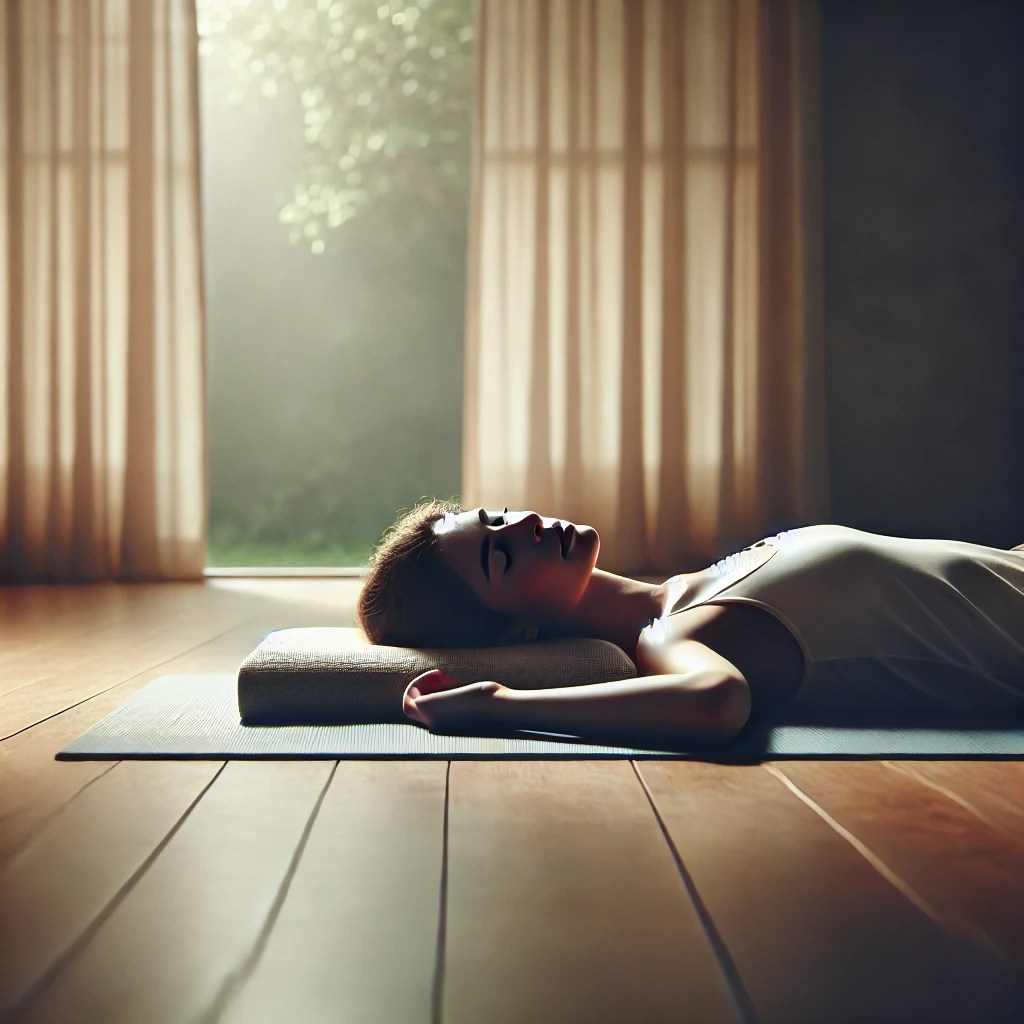
  • 6: Gentle Movement and Stretching in the Gym: Reconnecting with Your Body

    Now that you’ve taken the significant step of entering the gym without the pressure to exercise, you might feel ready to begin exploring gentle movement. For people living with Post-Viral ME/CFS, this phase requires a delicate balance—respecting your energy levels while slowly reconnecting with your body through light movement and stretching.

    In this blog post, we’ll look at how to introduce gentle movement and stretching into your gym experience, all while keeping the principles of mindfulness, self-compassion, and energy conservation at the forefront.

    Why Gentle Movement Matters

    Even the smallest movements can have profound benefits for those living with Post-Viral ME/CFS. Gentle stretches and slow, deliberate movements help re-establish your connection with your body, providing a sense of mobility and flexibility that can often feel lost. More than that, gentle movement stimulates blood flow, promotes relaxation, and helps to gradually build confidence in your ability to engage in physical activity.

    It’s crucial to remember that this is not about pushing limits or forcing your body beyond its capacity. Instead, it’s about nurturing your body, gently reminding it of what it can do—without overwhelming your system or triggering post-exertional malaise (PEM).

    How to Approach Gentle Movement in the Gym

    1. Set an Intention for the Session: Before you even begin, set a gentle intention for your session. This could be something as simple as, “I’m here to move with awareness and kindness.” By setting an intention, you shift your focus from achievement to presence. You’re here to care for yourself, not to push.
    2. Focus on Breath: As you start with gentle stretches or slow movement, focus on your breathing. This practice anchors you in the present moment and helps to ensure that your movements remain slow, controlled, and within your energy envelope. Breathing in deeply and exhaling fully can also support your body’s natural relaxation response.
    3. Start with Basic Stretches: You might want to begin with basic seated stretches. If your gym has a stretching area or a yoga mat, this can be a comfortable and supportive space to gently move your body. Here are a few movements to try:
    • Seated Forward Bend: Sit on a mat with your legs extended forward. Slowly reach toward your feet, allowing your hands to rest on your shins, ankles, or toes. Remember to focus on the sensation, not the stretch itself. Breathe into any areas of tightness or tension.
    • Gentle Neck Rolls: Sit comfortably with your spine straight. Slowly tilt your head to one side, bringing your ear toward your shoulder. Hold for a few breaths, then slowly roll your head forward, bringing your chin toward your chest, before moving to the opposite side. This can help release tension in the neck and shoulders.
    • Seated Side Stretch: Sit with your legs crossed. Reach your right arm over your head and lean gently to the left, creating a stretch along the right side of your body. Hold for a few breaths before switching sides.
    1. Mindful Walking or Light Activity: If you’re comfortable, you might try slow walking on a treadmill or even just walking around the gym. The key is to stay mindful of how your body feels. Walk at a slow pace and focus on each step, noticing how your feet connect with the ground. Keep the session short and stay tuned to your energy levels. If you feel tired, pause immediately and return to a seated position.
    2. Use Light Weights for Gentle Resistance: If you feel ready, introducing light resistance can be a wonderful way to engage your muscles without straining your system. Consider using very light dumbbells or resistance bands (which you can even bring with you if your gym doesn’t have them). The focus here is on smooth, controlled movements, keeping everything slow and deliberate.
    • Seated Bicep Curl with Light Dumbbells: Sit on a bench with a very light dumbbell in each hand. With your arms at your sides, slowly curl the dumbbells toward your shoulders, keeping the movement smooth and controlled. Lower the weights just as slowly. Repeat only a few times to start.
    • Resistance Band Shoulder Stretch: Sit or stand with a resistance band in both hands. Hold it in front of you with your arms shoulder-width apart. Slowly stretch the band outward by pulling your hands apart, engaging your shoulders and upper back. Breathe deeply and slowly return to the starting position.
    1. Listen to Your Body’s Signals: One of the most crucial aspects of any exercise with Post-Viral ME/CFS is listening closely to your body’s signals. Your body will tell you when it’s time to stop or slow down. Don’t wait until you’re exhausted—end your session at the first sign of fatigue or discomfort. Always honor your energy envelope.

    A Mindful Approach to Movement

    Remember, the goal is not to push your limits but to reconnect with your body in a gentle and compassionate way. With Post-Viral ME/CFS, you are working within a different framework—one that requires self-awareness and a focus on sustainable, restorative practices. Be kind to yourself, and understand that even the simplest movements can offer profound benefits.

    Here’s what to keep in mind as you explore gentle movement:

    • Embrace Small Wins: If you stretch for 5 minutes and feel good afterward, that’s a success. Celebrate these small wins, as they are stepping stones to building a sustainable relationship with your body.
    • Pace Yourself: Rest before you feel fatigued. It’s better to stop early than to overextend and risk PEM. The slow, deliberate approach is key to protecting your energy levels.
    • Feel Your Breath: Your breath is your guide. If your breath becomes strained or you notice any discomfort, it’s time to stop. Let your breath stay smooth and calm throughout your session.
    • Savor the Experience: Make your gym session a sensory experience. Notice how your body feels in each stretch, how your breath moves through you, and how the space around you feels. The more mindful you are, the more connected you’ll feel to each small movement.

    Psychological and Emotional Benefits

    Just as with the earlier steps of entering the gym or sitting in the parking lot, engaging in light movement and stretching can have tremendous psychological and emotional benefits:

    • Restores a Sense of Connection: Light movement helps you to feel more connected to your body. You begin to trust that your body can move, however gently, and that you can care for it without fear of over-exertion.
    • Promotes Relaxation and Presence: Focusing on gentle movements and mindful breathing helps to activate the relaxation response in your body. It’s an opportunity to let go of stress and feel more present.
    • Builds Confidence: Each session—no matter how brief or simple—builds confidence in your ability to re-engage with movement. You’re taking important steps toward creating a sustainable practice that fits your body’s current needs.

    Final Thoughts: Gentle Movement as an Act of Kindness

    Reconnecting with your body through gentle movement and stretching is a powerful act of self-kindness. In a world where exercise is often equated with intensity and performance, your approach is different. You are choosing to move in a way that respects your limits, nourishes your body, and honors where you are right now.

    As you continue with these mindful movements, remember that progress is not measured by how much you do, but by how connected you feel. Each stretch, each breath, each step in the gym is a way to rebuild your relationship with your body, one moment at a time.


    Next in the Series: Exploring Gentle Shoulder Engagement with the Lat Pulldown Machine

    In our next post, we’ll explore the Lat Pulldown Machine, finding ways to gently engage the muscles of the shoulders and back in a mindful, energy-sensitive way. As always, we’ll focus on small movements, deep breaths, and compassionate awareness as we continue to build a practice that supports those living with Post-Viral ME/CFS. We’ll discuss how to use the machine with minimal weight and how to adapt it for a Post-Viral ME/CFS approach.

    🙏🕊️🙏

  • Experimenting with Sound Therapy: A Journey Toward Relaxation and Healing while Living with Post Viral ME/CFS

    As we navigate the challenges of Chronic Fatigue Syndrome (CFS), we often seek methods to enhance our well-being and support our bodies in finding balance. Recently, I’ve begun experimenting with sound therapy, specifically focusing on the frequency of 261.63 Hz, associated with the note C4 (middle C). My intention is not to find a cure—rather, I’m exploring ways to promote relaxation and stimulate the parasympathetic nervous system, which can often feel elusive for those of us living with CFS.

    I’m eager to hear from others in our community who have tried sound therapy or similar practices. What has your experience been like? Have you found any particular sounds or techniques helpful?

    The Benefits of Sound Therapy

    Sound therapy has been studied for its potential benefits in promoting relaxation, reducing stress, and enhancing overall well-being. Research indicates that sound can influence the autonomic nervous system, helping to activate the parasympathetic response, which is crucial for healing and recovery.

       •   Relaxation Response: Exposure to soothing sounds, like those produced in sound therapy, can lower heart rate, reduce blood pressure, and promote a state of calm.
       •   Stress Reduction: Studies have shown that listening to calming frequencies can significantly reduce levels of cortisol, the stress hormone, thus alleviating anxiety and promoting a sense of peace.
       •   Improved Sleep: Sound therapy can enhance sleep quality by creating a tranquil environment, allowing the body to enter restorative sleep states more easily.

    Incorporating Sound Therapy into Daily Life

    Here are some ways to integrate sound therapy into your daily routine:

    1. Listening Sessions: Consider setting aside time each day to listen to your chosen frequency. You can use headphones or speakers to create an immersive experience.
    2. Meditation and Mindfulness: Incorporate sound into your meditation practice by focusing on the sound while breathing deeply. Allow the vibrations to fill your awareness.
    3. Personal Soundtrack: Use apps that allow you to customize your experience. I personally enjoy using an app that provides a variety of frequencies and waveforms, including the sine wave, which I find particularly soothing.
    4. Background Ambience: Let the sound play gently in the background while you work, relax, or engage in other activities to create a calming atmosphere throughout the day.

    Choosing 261.63 Hz and the Sine Wave

    I specifically chose the frequency of 261.63 Hz for its calming and harmonizing properties, often associated with the note C4 (middle C). This frequency resonates well with the heart chakra, promoting feelings of love, compassion, and emotional balance, which can be particularly beneficial for those of us dealing with the emotional toll of CFS. Additionally, I favor the sine wave waveform for its pure, smooth tone that creates a gentle and soothing auditory experience. The sine wave’s simplicity and lack of harsh overtones allow for deep relaxation, making it an excellent choice for meditation and sound therapy. By immersing myself in this frequency and waveform, I hope to support my journey toward greater relaxation, emotional healing, and overall well-being.

    Conclusion

    As we share our experiences and insights, I hope to foster a conversation around sound therapy as a supportive tool for managing CFS. Your feedback and stories are invaluable as we explore these practices together.

    If you’re interested in trying sound therapy, I encourage you to check out the app I’m using but I found on the Google play store called, “Frequency Sound Generator” which offers a customizable frequencies and waveforms tailored to your needs and desires..

    Let’s continue this journey together, supporting one another as we seek out new ways to enhance our well-being.

    🙏🕊️🙏

  • 5: Entering the Gym: Being in the Space Without Pressure

    After driving to the gym and sitting in the parking lot, you might begin to feel ready for the next step: entering the gym itself. This can feel like a significant milestone, especially for someone managing Post-Viral ME/CFS. Walking into the gym, even without the intention to exercise, is a way to gently integrate yourself into the environment, allowing your body and mind to become familiar with the space again without the pressure to perform.

    In this blog post, we’ll explore how to take this step mindfully—being in the gym without the expectation of working out, but simply to be present in the space. Whether you’re reading a book, sitting in a quiet area, or just observing others working out, this step helps rebuild your relationship with movement in a way that feels safe and manageable for your body.

    Why Entering the Gym Matters

    Much like sitting in the parking lot, walking into the gym is an act of self-compassion and intentional presence. For many with Post-Viral ME/CFS, just being in the gym may stir up emotions—memories of when working out was easier, or feelings of frustration at current physical limitations. However, by entering the space without the expectation to exercise, you are creating a new relationship with the gym—one that is patient, understanding, and attuned to where your body is right now.

    Here are some reasons why entering the gym can be a powerful step forward:

       •   Familiarizing Yourself with the Space: Being inside the gym, surrounded by equipment and other people working out, helps to make the environment feel more familiar. By simply sitting in the space, you reduce the sense of intimidation that may be associated with exercise.
       •   Creating Positive Associations: Without the pressure to work out, you can begin to form positive associations with the gym. You’re not here to push yourself or over-exert; you’re here to relax and allow your mind and body to re-engage with the idea of movement in a gentle way.
       •   Reclaiming the Gym on Your Own Terms: You are showing yourself that the gym can be a space for all kinds of experiences—not just high-intensity workouts. It can be a place for mindful observation, relaxation, or simply being present. You’re creating your own relationship with the space, on your own terms.

    How to Approach Being in the Gym Without Working Out

       •   Set a Gentle Intention: Before you enter the gym, remind yourself that you are not there to exercise. Instead, you are there to simply be present in the space. Whether you spend 10 minutes or an hour inside, the focus is on creating a sense of calm and comfort.
       •   Find a Quiet Spot: Once you enter the gym, find a quiet area where you can sit and observe. Many gyms have lounges or seating areas where you can relax. Bring a book, listen to calming music, or simply sit quietly and take in your surroundings.
       •   Observe Without Judgment: As you sit in the gym, you may notice people working out around you. Allow yourself to observe without judgment. You don’t need to compare yourself to others or feel like you need to participate. Instead, simply appreciate the atmosphere and remind yourself that you are taking an important step for yourself.
       •   Engage in Mindful Breathing: While you sit, take a few moments to practice mindful breathing. Focus on your breath, allowing yourself to settle into the moment. This practice of mindfulness helps to calm any anxiety or frustration that may arise, bringing your focus back to the present.
       •   Visualize Future Steps: If it feels comfortable, you can begin to visualize yourself taking the next steps. Perhaps you imagine yourself stretching or using light weights, or simply walking around the gym in the future. These visualizations can help to prepare your mind and body for future progress, without the pressure to act on them just yet.
       •   Acknowledge the Accomplishment: After you leave the gym, take a moment to acknowledge the accomplishment of being in the space. Even if you didn’t work out, you’ve taken a step toward rebuilding your relationship with exercise. Celebrate that achievement.

    Psychological and Emotional Benefits

    Being inside the gym, even without working out, offers significant psychological and emotional benefits. Here’s how this practice can support your overall well-being:

       •   Reduces Anxiety: By removing the pressure to exercise, you reduce the anxiety that can be associated with the gym. You’re creating a calming experience in a space that may have once felt intimidating.
       •   Promotes Self-Compassion: Entering the gym without expectation fosters self-compassion. You’re allowing yourself to move at your own pace, respecting your body’s current limits, and nurturing your relationship with physical movement.
       •   Builds Confidence: Every time you enter the gym and sit quietly, you’re building confidence. You’re showing yourself that you can be in the space without pushing beyond your limits. This helps to reframe the gym as a positive, supportive environment.

    Expanding Your Practice

    As you become more comfortable being in the gym, you might feel ready to take the next step, which could involve light stretching or gentle movement. You might bring along a yoga mat and practice simple seated stretches or even lie down in a quiet corner and focus on deep breathing exercises.

    You might also begin to explore light equipment. For example, the Lat Pulldown Machine, is a great piece of equipment for gently engaging your upper body muscles. With minimal weight and slow, mindful movements, this exercise can be adapted for people managing Post-Viral ME/CFS. Always check in with your energy levels and make sure you’re working well within your limits to avoid PEM. We’ll talk more about using gently exercise machines in a future post.

    For now, the simple act of entering the gym and being present is a significant achievement for someone living with Post-Viral ME/CFS. You’re showing yourself that the gym doesn’t have to be a place of pressure or exertion, but rather a space where you can move at your own pace, reclaiming your relationship with physical movement.

    As you continue to practice being in the gym without working out, you’ll find that your comfort and confidence grow. Each step forward—no matter how small—is a step toward rebuilding your fitness in a way that’s gentle, mindful, and compassionate.

    Next Post Preview: Gentle Movement and Stretching in the Gym
    In the next post, we’ll explore how to incorporate gentle movement and stretching into your gym routine. We’ll discuss ways to start moving again with minimal exertion, focusing on exercises that are manageable and restorative for those living with Post-Viral ME/CFS.

    🙏🕊️🙏

  • 4: Sitting in the Gym Parking Lot: A Gentle Step Toward Physical Movement

    For many people living with Post-Viral ME/CFS, even the thought of physical exercise can feel overwhelming. The body is a delicate balance, and pushing it beyond its limits can trigger post-exertional malaise (PEM)—that all-too-familiar crash after exertion that leaves you feeling more fatigued and symptomatic than before. Yet, there may still be a desire, a pull to move your body, to regain some sense of vitality through gentle movement or exercise.

    In this blog post, we’ll explore a step that may seem simple on the surface, but which can have profound psychological and emotional benefits: driving to the gym and sitting in the parking lot.

    Yes, you read that right. Sitting in the parking lot can be a significant milestone on your path toward physical movement. For those with Post-Viral ME/CFS, any task that involves leaving the house can feel like an accomplishment, and the gym itself can feel like a daunting place. This practice of just being in the environment, without the pressure to perform or exert yourself, is an important step in the journey toward reclaiming your fitness—without pushing beyond your energy limits.

    Why the Parking Lot?

    Let’s take a moment to recognize that even small steps deserve celebration. If you’ve been living with moderate to severe Post-Viral ME/CFS, leaving the house might be rare. Driving to a location, let alone one associated with exercise, can feel emotionally and physically taxing. The parking lot becomes a symbolic space—a way to re-enter the fitness world gently, without expectation, without pressure, and without straining your energy reserves.

    Here’s why it’s a useful and transformative step:

    Driving to the gym—even if you don’t leave the car—begins the process of mentally reconnecting with the idea of exercise. It shifts the gym from being a space of intimidation or unattainable goals into a place of possibility.

    Simply being in the environment where exercise happens allows your mind and body to reacclimate to the space. It’s a small exposure to the world of fitness without forcing yourself into action.

    For many with Post-Viral ME/CFS, exercise spaces may come with a sense of guilt or frustration. By sitting in the parking lot, you’re reclaiming that space on your own terms. You’re telling yourself, “I’m here, in my own way, and I’m doing what’s possible for me today.”

    How to Practice Sitting in the Gym Parking Lot

    This practice is about taking the pressure off. It’s not about forcing yourself to take the next step but rather creating a safe and comfortable relationship with exercise spaces again.

    Choose a day when you feel ready. On a day when you have a bit more energy, consider driving to the gym. Remind yourself that going into the gym is not the goal—you’re simply taking a small step toward engaging with the space.

    Once you arrive in the parking lot, find a space where you can sit comfortably. Take a moment to relax in the car. You might bring a book, listen to calming music, or practice mindfulness or breathing exercises while you’re there.

    Take in the sights and sounds around you. Notice people walking into the gym, coming out after their workouts. Pay attention to the energy of the place, without feeling the need to participate just yet.

    Whether it’s five minutes or half an hour, allow yourself to sit in the parking lot for as long as it feels supportive to your mental and emotional state. There’s no need to go beyond your limits—this is about engaging at your own pace.

    After you’ve finished, acknowledge this accomplishment. Driving to the gym and sitting in the parking lot is a step, and it deserves recognition. You’ve taken a step toward reconciling your relationship with exercise, and that’s no small feat.

    Psychological and Emotional Benefits

    For individuals with Post-Viral ME/CFS, the mental and emotional barriers to exercise can be as significant as the physical ones. The fear of triggering a flare-up, the memories of past physical limitations, or the frustration with the body’s current state can make the idea of working out emotionally loaded.

    By driving to the gym without the pressure to work out, you can begin to disarm these emotional triggers:

       •   Reducing Anxiety: Just being in the space without the expectation to perform can reduce the anxiety associated with exercise. It gives you a chance to simply be present in the gym’s environment without pushing yourself.
       •   Reconnecting with the Gym: Over time, you might begin to feel more comfortable and familiar with the gym again. Positive associations can start to replace any feelings of guilt or inadequacy that might have previously arisen when thinking about exercise.
       •   Empowering Yourself: Every time you drive to the gym and sit in the parking lot, you are taking control of the experience. This step is about doing what you can, rather than focusing on what you can’t. This empowerment builds a sense of self-efficacy and confidence.

    Expanding the Practice

    As this practice becomes more familiar, you might start to feel ready to take the next step. That could mean simply walking into the gym, sitting down in a public area with a book, or watching others work out while you relax. Again, there’s no pressure to work out at this stage. Your presence in the space is the goal.

    From here, you might progress to stretching in a quiet corner or using a very light machine that feels comfortable and within your limits. You’ll be the best judge of when and how to expand your practice, and it’s important to always check in with your body and your energy reserves before making any decisions.

    Final Thoughts: Celebrating Small Victories

    The practice of driving to the gym and sitting in the parking lot may seem small, but it’s a powerful act of self-compassion and patience. It’s an acknowledgment that your journey with Post-Viral ME/CFS requires a different pace, a more mindful approach to fitness.

    You are already moving forward, even if the steps feel small. Celebrate these victories, and trust that as you continue to engage in this practice, you will gradually find the strength and confidence to engage with exercise in a way that’s right for your body.

    Next Post Preview: Entering the Gym—Being in the Space Without Pressure

    In the next post, we’ll explore how to take the next step: entering the gym. We’ll discuss how to create a positive and calming experience by being in the gym environment without the pressure to work out, and how to continue building a healthy, patient relationship with your fitness journey.

    🙏🕊️🙏

  • 3: The Benefits of Visualization in Exercise for Those Living With Post-Viral ME/CFS

    When living with Post-Viral ME/CFS, the very thought of physical movement can feel overwhelming, even impossible. However, for many, the desire to engage with your body, to improve mobility, and to gently build strength remains alive. Yet, finding ways to exercise that honor your energy levels without triggering post-exertional malaise (PEM) may feel like a delicate balancing act. In this post, we explore a powerful tool for those who find themselves limited by energy: visualization.

    Visualization allows you to engage your mind in the practice of movement without the physical strain. It offers a way to begin building new neural pathways, changing your relationship with exercise, all while lying in bed or resting. This gentle mental practice may seem subtle, but it can be profoundly supportive on days when your body can’t tolerate physical activity.

    Visualization is the practice of imagining yourself performing a physical movement or action. Research shows that when you imagine a task with enough vividness and detail, your brain activates similar pathways as if you were physically moving. This means that, even when your body remains still, your brain is training for movement.

    For those living with Post-Viral ME/CFS, this can be transformative. Even on days when your body feels heavy or unmovable, you can still practice connecting to movement—without the risk of triggering PEM. Visualization offers a bridge between your current physical state and the possibility of reintroducing exercise gently, one step at a time.

    It may seem counterintuitive, but scientific research has demonstrated that imagining a movement can have measurable effects on physical ability. Studies show that visualization can lead to increased muscle strength, improved coordination, and enhanced motor skills. This practice is especially valuable for people recovering from conditions that limit physical movement. When actual movement is impossible, your brain still benefits from the exercise. By visualizing yourself lifting weights or walking, your brain builds new pathways that mirror the benefits of actual physical movement.

    For those with Post-Viral ME/CFS, visualization can become a mindful entry point into a more connected relationship with your body. It requires no physical energy and can be practiced while you’re lying in bed or seated in a comfortable chair.

    To begin, find a comfortable place where your body can relax completely. Close your eyes and take a few calming breaths. Start by gently becoming aware of your body, feeling supported and at ease. As you breathe, release any tension with each exhale. From this place of relaxation, you can begin to visualize simple movements—such as lifting a light weight, or walking on a treadmill.

    Imagine the sensation of the movement as if it were real: the muscles contracting, the rhythm of your breath, the gentle pull of strength through your arms or legs. The more vividly you engage your senses, the more fully your brain responds. Imagine the warmth of your muscles, the calm focus that exercise brings, or the joy of feeling capable and connected to your body once again.

    This practice isn’t just about mental imagery—it also helps rebuild your emotional relationship with exercise. Living with Post-Viral ME/CFS often comes with frustration and sadness around the body’s limitations. Visualization offers a way to regain a sense of control, to connect with the potential of your body in a way that feels safe and sustainable. It creates a pathway for healing, both mentally and physically.

    While visualization may not replace physical movement, it offers a gentle step in that direction. On days when your energy is low, this practice helps maintain the neural connections involved in exercise. It can even help ease the fear or anxiety associated with movement, reminding you that the joy of exercise is still available to you, even when your body isn’t ready to act.

    Once your energy permits, you can use visualization as a bridge to actual physical movement. For example, after imagining yourself performing a simple weightlifting exercise, you might try gently lifting a light dumbbell. The key is to remain mindful of your limits, moving only within your energy envelope, without pushing your body beyond its capacity.

    Visualization is a powerful tool for those living with Post-Viral ME/CFS. It creates a foundation for healing and offers hope on days when movement feels impossible. By engaging with mental exercises, you prepare your body and mind for the eventual return to gentle physical movement.

    The journey with Post-Viral ME/CFS is about adaptability, gentleness, and finding ways to reconnect with your body on your terms. Visualization offers both a reprieve from physical exertion and a gateway back to mindful movement.

    Next Post Preview: Sitting in the Gym Parking Lot—A Gentle Step Toward Physical Movement

    In the next post, we’ll explore how even driving to the gym and sitting in the parking lot can be a crucial step in your fitness journey. We’ll discuss how this practice can help rebuild confidence, reduce anxiety around exercise, and allow you to reconnect with the gym environment without physical exertion.

    🙏🕊️🙏

  • Imagining Movement: An Introduction to Gentle Exercise for Those Living With Post-Viral ME/CFS

    When living with post-viral ME/CFS, exercise can seem like an impossible dream. For many, the simple act of getting out of bed can take monumental effort, let alone the thought of stepping into a gym. However, there are ways to gently integrate physical activity into your life without exacerbating symptoms—and these steps don’t necessarily start with physical movement. Sometimes, they begin in the mind. This blog series will explore how to approach fitness slowly and mindfully, honoring the energy envelope you have, while cultivating a connection with your body through imagination and gentle progression.

    Step 1: Imagining Your Workout While Resting

    There was a time when I could only imagine going to the gym. Lying in bed, too fatigued to move, I would close my eyes and visualize walking through the doors, feeling the cool air, hearing the gentle hum of machines, and seeing people engaged in their routines. While my body was still, my mind could practice moving. This visualization became the first step in reclaiming my relationship with exercise.

    When you’re living with moderate to severe post-viral ME/CFS, physical movement may not always be possible, but visualization is a powerful tool. Research has shown that imagining movement can activate similar pathways in the brain as actual movement. This means that even on days when physical movement is impossible, you can begin your fitness journey by lying down and visualizing yourself working out. Imagine yourself lifting weights, stretching, or walking on a treadmill at a slow, gentle pace.

    This is a form of mental exercise that can help reduce the fear or mental barriers around exercise while helping you develop a sense of routine. It’s about creating a safe space where movement feels possible—even if it’s just in your mind.

    Step 2: Visiting the Gym Without Working Out

    As my energy increased slightly, my next step was simply driving to the gym. But I wasn’t going in just yet. I would park in the lot and sit in my car, looking at the building and feeling the atmosphere from the outside. This might sound small, but this was a victory in itself.

    For those with post-viral ME/CFS, even getting dressed and leaving the house can be an accomplishment. Driving to the gym without the pressure to perform is a gentle way to integrate fitness back into your life. By sitting in the parking lot, you are allowing your mind and body to adjust to the idea of visiting the gym as a place of healing, rather than a place of exhaustion.

    On the next level, once I became more comfortable, I would enter the gym—but not to work out. Instead, I would bring a book, find a comfortable spot, and simply spend time in the environment. I was surrounded by the energy of others exercising, but without the pressure to join in. Being in that space helped me to feel like part of a community, even if my workout looked different from everyone else’s.

    This slow exposure allowed me to rebuild my confidence and develop a positive association with the gym, where it became a place of nourishment rather than stress. If you’re living with post-viral ME/CFS, these small steps are monumental and can be celebrated as progress.

    Step 3: Moving with Mindfulness

    Eventually, there came a day when I could engage in some light movement—whether it was stretching, walking slowly on a treadmill, or using a set of light dumbbells. By this point, my relationship with exercise had changed. I no longer approached it as something that required hard effort, but instead as a way to gently connect with my body and breath.

    If you are ready to move beyond visualization and sitting at the gym, the key is to start slow and be mindful of your energy limits. Use light weights or resistance bands if you have them at home, or practice simple, controlled movements that a physical therapist may have recommended. The goal here is not to push your limits, but to move with awareness and take breaks as needed.

    Step 4: Having Equipment at Home

    If getting to the gym is not feasible due to symptoms or energy limits, you can still work on gentle movement at home. Investing in a few basic tools like resistance bands or light dumbbells allows you to incorporate mindful exercise into your day. Start with very low repetitions and listen to your body—your energy level may change from day to day.

    Using these tools at home creates a bridge to more regular movement, without the added strain of commuting or dealing with external stimuli. It also gives you more control over your environment, which is especially important for those dealing with fluctuating energy levels.

    Progress, Not Perfection

    For those with post-viral ME/CFS, it’s essential to remember that progress is deeply personal and non-linear. Some days, even the thought of exercise may be overwhelming, and that’s okay. Other days, simply walking into the gym or using a resistance band at home might feel like a huge accomplishment. Both are equally valid.

    Final Thoughts: A Compassionate Approach to Exercise

    Living with post-viral ME/CFS means that you must approach fitness with compassion and patience. Your fitness journey doesn’t have to look like anyone else’s. It doesn’t have to involve heavy weights or hours on a treadmill. It can start with visualization, gentle exposure, and mindful movement, taking small steps that respect your body’s limits while creating space for healing and growth.

    In this blog series, we’ll explore various exercises and practices that can help you engage with fitness at your own pace—whether it’s simply imagining a workout, sitting in a gym parking lot, or engaging in light movements with tools you have at home. Each step is progress, and each step brings you closer to a place of balance between body, mind, and spirit.

    Next Post Preview: The Benefits of Visualization in Exercise for Post-Viral ME/CFS

    In the next post, we’ll delve deeper into the power of visualization as an exercise tool—how it can create new pathways in the brain, reduce anxiety around physical activity, and serve as a foundational practice on your fitness journey.

    🙏🕊️🙏

  • 1: Introduction to the Exercise Series: Gentle Movement for Body, Mind, and Spirit with Post-Viral ME/CFS

    Dear Friends,

    As we embark on this series exploring exercise and movement for those living with Post-Viral ME/CFS, it’s important to begin by acknowledging a simple truth: your path to wellness may look different from anyone else’s—and that is completely okay. The nature of living with Post-Viral ME/CFS requires us to redefine what exercise means, adapting to a new rhythm that is in harmony with our energy levels, symptoms, and the realities of daily life.

    Exercise in the traditional sense may bring up images of intense workouts, lifting heavy weights, or running miles. But for those of us living with Post-Viral ME/CFS, exercise might mean something entirely different. It might mean resting in bed, visualizing a workout, or simply getting to the gym parking lot for a few minutes on your way home from grocery shopping. It could mean gentle stretching in bed, doing a few light tasks around the house, or taking time to breathe mindfully.

    This series is meant to serve as a guide for embracing a new kind of exercise—one that is not about pushing limits or chasing goals but about nurturing your body, mind, and spirit through gentle movement, mindfulness, and above all, compassion.

    A Journey of Imagination, Gentle Action, and Acceptance

    In the first few posts of this series, we will explore the power of imagination and visualization. There may be days (or even weeks or months) when your body cannot physically engage in any form of movement, but that doesn’t mean you are disconnected from your body’s potential. Visualization is a powerful practice, one that allows your mind to engage with the idea of movement without needing to physically exert yourself. We’ll talk about how you can visualize workouts, stretching, or gentle movements while lying in bed, creating a mental connection that keeps your awareness sharp without triggering post-exertional malaise.

    We’ll also talk about small steps—like driving to the gym and sitting in the parking lot, even if you don’t have the energy to go inside. There’s value in simply getting closer to the idea of movement. Over time, you might find yourself taking steps further, maybe walking into the gym, sitting in the environment, and just absorbing the energy of people moving around you.

    Titrating Activity: Finding Balance and Progress

    As we move forward in this series, we’ll explore how to approach physical activity in a way that’s both mindful and sustainable. Small, controlled movements—whether they’re simple stretches at home or slow, mindful exercises at the gym—are a way to begin reconnecting with your body without overstepping your energy limits. Remember, movement for us is a delicate balancing act, and we’ll emphasize the importance of checking in with yourself frequently and avoiding the temptation to push too hard.

    This series isn’t about getting you to the point of running marathons or lifting heavy weights. It’s about honoring where you are on any given day. Some days, the most compassionate action you can take is visualizing movement while lying in bed. Other days, you might find that you’re able to move a little more—maybe stretch gently, walk for a few minutes, or do light movements with a resistance band. Every step, no matter how small, is progress.

    Exercise as Self-Care, Not Striving

    Throughout this series, we’ll emphasize that exercise is not about striving for perfection or chasing after big milestones. It’s about tuning into your body, listening to its needs, and responding with kindness. Exercise, in this new sense, is about moving in harmony with your energy and creating a relationship with your body that’s built on trust and compassion.

    This journey is personal, and each day will bring different challenges and opportunities. The important thing is that you approach this path with an open heart, celebrating the small victories and honoring the moments when rest is the best thing you can offer yourself.

    As we conclude this introduction, I want to emphasize that this series is not meant to be a strict, linear guide. What I’ve shared is simply how the process unfolded for me, step by step, over the course of years. You may find that your own journey takes a different path. Perhaps you’ll stay with the visualization step for days, weeks, or even months before feeling ready to move forward. You may visit the gym parking lot a few times, or perhaps many times, before stepping inside.

    For me, it took over two years—before I was able to enter the gym and engage in light, respectful exercise. At first, I could only manage it once in a while, then eventually once a month, and after a few more years, I was sometimes able to go twice a month. A few years later, I found myself exercising once a week, but not always. I still need to be careful to honor my body’s limits and energy reserves so as not to trigger PEM. Over the years I have been smoothing out the valleys and hills.

    Please know that this series is not a guideline to be followed strictly but a set of ideas to explore at your own pace. The path of recovery, movement, and exercise for someone living with Post-Viral ME/CFS is unique to each individual. My hope is that my experience offers some encouragement and helps you find your own rhythm and approach as you reconnect with your body. It is my sincere wish that this series will be of benefit to you.

    In the final post of this series, we’ll reflect on the entire journey—offering you a comprehensive conclusion, a reminder that this is an ongoing process of listening, adapting, and finding peace with where you are. Until then, I invite you to take each post as a gentle nudge toward reconnecting with your body, whether that’s through imagination, small actions, quiet reflection or visiting a gym.

    Looking Ahead

    Next up, we’ll talk about imagining movement as the first step in reclaiming your relationship with exercise. Visualization is a powerful tool, and I’ll show you how to use it as a way to reconnect with your body without draining your energy. Even when physical movement feels impossible, the mind can still engage in the process of healing and renewal.

    Thank you for joining me on this journey, and I look forward to walking this path together.

    With compassion and gentle encouragement,
    Richard Silverman

    🙏🕊️🙏

  • How Yoga Nidra Can Benefit People Living with Chronic Fatigue Syndrome (ME/CFS)

    Living with Myalgic Encephalomyelitis/Chronic Fatigue Syndrome (ME/CFS) is a daily challenge that requires careful management of energy, rest, and stress. For many, finding effective ways to support the body and mind in this delicate balance can feel overwhelming. Yoga Nidra, often called “yogic sleep,” is a practice that has been gaining attention for its potential benefits in managing ME/CFS. In this post, I’d like to delve deeper into how Yoga Nidra can be a valuable tool for those of us living with this condition.

    1. Supporting Pacing Strategies

    Pacing is a cornerstone of managing ME/CFS. It involves carefully balancing activity and rest to avoid pushing the body beyond its limits, which can lead to crashes or flare-ups of symptoms. Yoga Nidra can be an invaluable tool in this regard. Unlike other forms of exercise or even traditional yoga, Yoga Nidra requires no physical exertion. It allows you to take restorative breaks throughout the day, helping to prevent crashes by providing your body with deep rest during these intervals.

    For those of us with ME/CFS, the ability to find rest without further depleting our energy is crucial. A short Yoga Nidra session can be integrated into your daily routine as a way to recharge and reset, making pacing more manageable and effective.

    1. Activating the Parasympathetic Nervous System

    Another significant benefit of Yoga Nidra is its ability to activate the parasympathetic nervous system (PNS). The PNS is responsible for the “rest and digest” functions of the body, helping to counteract the stress response driven by the sympathetic nervous system. For many people with ME/CFS, the nervous system is often in a heightened state of alertness, which can contribute to symptoms of fatigue, pain, and cognitive dysfunction.

    Yoga Nidra guides you into a state of deep relaxation, which helps shift the body from a state of stress to one of rest and repair. This activation of the PNS can reduce the chronic stress response that often accompanies ME/CFS, promoting a sense of calm and helping to alleviate symptoms over time.

    1. Providing Deep Rest and Restoration

    One of the most challenging aspects of ME/CFS is the experience of unrefreshing sleep. Despite spending many hours in bed, individuals with ME/CFS often wake up feeling just as tired as before they slept. Yoga Nidra offers a unique solution by guiding practitioners into a state of consciousness that is deeply restful, yet different from regular sleep.

    During Yoga Nidra, the body can enter a state that mimics sleep in terms of physical rest, but the mind remains in a state of relaxed awareness. This state of conscious relaxation allows for a deeper level of restoration, potentially offering benefits that complement or even enhance the effects of regular sleep. For people with ME/CFS, incorporating Yoga Nidra into the daily routine could help alleviate the feeling of exhaustion that persists despite adequate sleep.

    1. Releasing Tension and Promoting Emotional Healing

    Living with a chronic illness like ME/CFS can lead to the accumulation of physical and emotional tension. Over time, this tension can exacerbate symptoms and contribute to feelings of stress and overwhelm. Yoga Nidra includes practices like body scanning and guided visualization, which can help release deep-seated physical tension and promote emotional healing.

    As you are guided to focus on different parts of the body and engage in positive affirmations or visualizations, Yoga Nidra provides a safe space for processing and releasing stress. This can lead to a sense of lightness and relief, which is particularly beneficial for those dealing with the chronic stressors associated with ME/CFS.

    1. Enhancing Mental Clarity and Focus

    Cognitive symptoms, often referred to as “brain fog,” are a common and frustrating aspect of ME/CFS. The deep relaxation and stress reduction provided by Yoga Nidra can contribute to improved mental clarity and focus. By calming the nervous system and promoting a state of balance, Yoga Nidra may help reduce the cognitive fatigue that many with ME/CFS experience.

    Regular practice of Yoga Nidra can support mental clarity by reducing the underlying stressors that contribute to brain fog, allowing for moments of greater focus and cognitive function.

    Conclusion: A Gentle Tool for Holistic Support

    Yoga Nidra is not a cure for ME/CFS, but it can be a gentle and effective tool for supporting overall well-being. By offering deep rest, aiding in pacing, calming the nervous system, and promoting emotional and physical healing, Yoga Nidra can be an integral part of a holistic approach to managing ME/CFS.

    If you’re living with ME/CFS and looking for new ways to support your health, I encourage you to explore Yoga Nidra. Whether you start with short, guided sessions or incorporate it into your daily routine, this practice may offer the kind of deep rest and healing that’s so essential for managing the complexities of ME/CFS.

    Watch a Video:

    The vides below is just some the many Yoga Nidra videos online of and are a good place to start. There are countless Yoga Nidra videos on YouTube, each offered by different instructors. Take your time exploring until you discover the ones that resonate best with you.

    The occasional Yoga Nidra session can be a relaxing and rejuvenating experience, helping you reduce stress, improve sleep, and promote overall well-being whenever you feel the need for a deep, restorative rest. May this practice bring you peace and renewal, gently supporting your journey toward greater well-being.

    This yoga Nidra for insomnia will take you easily into a light hypnagogic state and then down into a deep state of sleep.

    Learn more about ME, get involved in support, advocacy, and activism at www.meaction.net

    🙏🕊️🙏

  • Yoga Nidra for Chronic Fatigue Syndrome (ME/CFS): A Gentle Practice for Deep Rest and Healing

    Yoga Nidra for Chronic Fatigue Syndrome (ME/CFS): A Gentle Practice for Deep Rest and Healing

    Before You Begin

    Welcome, dear reader. If you’ve found yourself here, it may be because you’re looking for something gentle, something that can hold you with care amidst the challenges you face. Living with Myalgic Encephalomyelitis/Chronic Fatigue Syndrome (ME/CFS) often means navigating a delicate path where the balance between activity and rest isn’t just important—it’s essential.

    Yoga Nidra offers a unique kind of rest, one that reaches deep into the layers of your being, allowing both body and mind to relax in a way that ordinary sleep might not always provide. But before we dive into this practice, I invite you to pause. How are you feeling right now? If you notice any weariness, perhaps take a moment. Close your eyes, take a few deep breaths, and come back when you’re ready. Remember, there’s no rush here.

    As you consider exploring Yoga Nidra, please remember that this is your journey, unfolding at your own pace. Yoga Nidra invites you into a state of profound relaxation without physical effort, offering a deeply restful experience. For those of us living with ME/CFS, however, even rest can sometimes require a delicate balance.

    If you’re new to this practice, consider beginning with just a few minutes, allowing yourself to ease into the feeling of deep rest. Pause whenever you need, honoring your body’s unique rhythms and knowing that each moment of relaxation, however brief, can be truly nourishing.

    This is a sanctuary of ease—no need to strive. May Yoga Nidra offer you a gentle space of rest, a place to be held in care as you navigate your path toward healing and peace.

    What is Yoga Nidra?

    Yoga Nidra, often lovingly referred to as “yogic sleep,” is a form of guided meditation that gently leads you into a state of deep relaxation while your consciousness remains softly awake. Imagine being held in a place where you can let go of everything, where you can rest deeply without the need to do anything at all. This practice doesn’t ask for effort; it only invites you to allow yourself to be.

    For those living with ME/CFS, Yoga Nidra can offer a sanctuary—a place to replenish your energy, soothe your nervous system, and find a sense of peace that might feel elusive in daily life. But dear friend, I encourage you to take this in slowly. Perhaps read a little, then pause to check in with how you’re feeling. Let these words settle in their own time, just as you would allow a gentle rain to soak into the earth.

    Why Yoga Nidra is Beneficial for ME/CFS

    Yoga Nidra allows you to experience the kind of deep rest that typically takes much longer to achieve. Even just a few minutes can leave you feeling more refreshed, which is especially valuable when energy is limited. Living with ME/CFS often leaves the nervous system in a heightened state of alertness, contributing to stress and fatigue. Yoga Nidra gently guides the body into a state of calm, helping to reduce that background tension and allowing true relaxation to unfold.

    In the stillness of Yoga Nidra, the body’s natural healing processes are supported, fostering recovery and building resilience over time. This deep relaxation can be a powerful tool for anyone managing the ongoing challenges of ME/CFS. Whether you’re lying down in bed, on a yoga mat, or resting in a comfortable chair, Yoga Nidra is a practice that adapts to you. It requires no physical exertion—only the willingness to rest.

    Again, check in with yourself. How is your energy now? This is your journey, and it’s important to honor the pace that feels right for you.

    A Simple Yoga Nidra Practice for ME/CFS

    When you feel ready, I invite you to explore this gentle introduction to Yoga Nidra. This practice is designed to be brief and nurturing, offering you a moment of respite in your day.

    Preparation:

       •   Find a quiet, comfortable place where you can lie down. Perhaps you’re already there, in which case, simply settle in a bit more. Use a yoga mat, a blanket, or your bed—whatever feels best for you.
       •   Make sure you’re warm and comfortable. The body cools down when deeply relaxed, so a light blanket might be nice.
       •   Close your eyes, and take a few deep breaths. Let the day’s weight melt away.

    Guided Practice:

    1. Settle In: As you lie here, notice the contact points between your body and the surface beneath you. Feel supported, as though the earth is holding you gently. Allow your body to become heavy, fully surrendering to gravity.
    2. Breath Awareness (2-3 minutes): Bring your attention to your breath, without changing its rhythm. Simply observe the air as it flows in and out. With each exhale, imagine your body softening further, releasing any tension it may hold.
    3. Body Scan (3-5 minutes): Slowly, bring your awareness to different parts of your body, starting at your feet and working your way up to your head. As you focus on each part, imagine it being completely relaxed. If your time is limited, you might focus on just the major areas like your legs, torso, arms, and head.
    4. Sankalpa (Intention) (1-2 minutes): Silently repeat a positive intention or affirmation. It could be as simple as “I am relaxing,” or “I am releasing,” or “I am letting go.” Let this intention resonate with you as you repeat it a few times.
    5. Visualization (2-3 minutes): Picture a peaceful place—a sanctuary where you feel safe and relaxed. This could be a real location or an imagined one. Spend a few moments here, soaking in the tranquility. Let it fill you up.
    6. Return (1-2 minutes): Gradually bring your awareness back by deepening your breath. Gently move your fingers and toes. When you’re ready, slowly open your eyes, taking your time before getting up.

    How to Incorporate Yoga Nidra into Your Day

    As you move through your day, there are moments when you might feel the need to pause and restore. Yoga Nidra can become a trusted companion during these times.

    For instance, you might find that taking a few minutes for Yoga Nidra during short breaks throughout your day helps you to refresh your energy and reduce fatigue. Imagine pausing for just 5-10 minutes, allowing the deep rest of Yoga Nidra to rejuvenate your mind and body, making it easier to manage the day’s demands.

    In the evening, as you prepare for sleep, Yoga Nidra can also serve as a gentle transition into the night. Practicing before bed can help improve the quality of your sleep, which is often disrupted by ME/CFS. Picture yourself easing into a restful night, with Yoga Nidra setting the stage for better recovery and deeper rest.

    And then there are those moments when life feels overwhelming—when exhaustion seems to take over. In these times, taking a few minutes for Yoga Nidra can help reset your mind and body, offering a way to find calm amidst the storm. This practice can be like a comforting hand on your shoulder, guiding you back to a place of peace.

    As you explore how Yoga Nidra fits into your day, remember to be kind to yourself. You don’t need to do everything at once. Perhaps try one of these suggestions and see how it feels. The journey of healing is often made up of small, gentle steps.

    Dear reader, Yoga Nidra is more than just a practice—it’s a sanctuary where you can find rest, healing, and peace. For those living with Myalgic Encephalomyelitis/Chronic Fatigue Syndrome (ME/CFS), it offers a way to embrace rest as a form of self-care, helping you manage your energy and enhance your well-being. Remember, there’s no need to rush. This is your journey, and you’re exactly where you need to be.

    Explore Yoga Nidra Through a Guided Meditation Video

    If you’re interested in experiencing a guided Yoga Nidra practice, I’ve found a wonderful 30 minute video that can help you relax and restore your energy. This video offers a calming, step-by-step journey through a Yoga Nidra meditation, perfect for those moments when you need a deeper rest.

    The video begins with instructions to find a quiet place where you won’t be disturbed. You’re guided to get into a comfortable position on your back, with knees slightly apart and arms resting away from your body, palms up. As you close your eyes, you’ll be invited to take a deep relaxing breath, setting the stage for relaxation.

    The instructor suggests using the mantra OM during this lesson. OM is simply a sacred sound that is often used in meditation to help focus the mind and create a sense of peace and connection with the divine.

    The heart of the meditation is a detailed body scan, where the instructor gently guides your awareness to different parts of your body, allowing each to relax fully.

    The meditation concludes with gentle instructions to begin moving your fingers and toes, rolling your head from side to side, and stretching your body.

    Watch a Video

    The vides below is just some the many Yoga Nidra videos online of and are a good place to start. There are countless Yoga Nidra videos on YouTube, each offered by different instructors. Take your time exploring until you discover the ones that resonate best with you.

    The occasional Yoga Nidra session can be a relaxing and rejuvenating experience, helping you reduce stress, improve sleep, and promote overall well-being whenever you feel the need for a deep, restorative rest. May this practice bring you peace and renewal, gently supporting your journey toward greater well-being.

    This yoga Nidra for insomnia will take you easily into a light hypnagogic state and then down into a deep state of sleep.

    Learn more about ME, get involved in support, advocacy, and activism at www.meaction.net

    🙏🕊️🙏

  • Introduction to Yoga Nidra: The Path of Deep Relaxation and Conscious Awareness

    Yoga Nidra, often called “yogic sleep,” is a powerful meditation practice that guides you into a state of deep relaxation while maintaining a sense of conscious awareness. Unlike traditional meditation practices that require focused concentration, Yoga Nidra invites you to relax completely, allowing the body and mind to rest deeply while the consciousness remains awake and alert. This practice is a journey into the inner landscape, where profound healing, insight, and spiritual awakening can occur.

    Though it is named “yogic sleep,” Yoga Nidra is far more than just a relaxation technique. It is a systematic method of inducing complete physical, mental, and emotional relaxation, where the practitioner enters a state between waking and sleeping. In this state, the mind becomes highly receptive, making it possible to release deep-seated tensions, uncover subconscious patterns, and access a deeper understanding of the self.

    For those living with chronic conditions, such as post-viral Myalgic Encephalomyelitis/Chronic Fatigue Syndrome (ME/CFS), this practice holds even greater significance. ME/CFS often leaves the nervous system in a heightened state of alertness, causing deep fatigue, poor sleep, and ongoing stress. Yoga Nidra, with its emphasis on rest and recovery, can provide a sanctuary for those navigating these challenges—a space to gently replenish energy and find balance amidst the weariness.

    In this blog series, we’ll explore the practice of Yoga Nidra and how it can serve as a powerful tool for healing and spiritual growth.

    As we embark together on this journey of discovery and reflection, I warmly invite you to join me in exploring the depths of these ancient practices and teachings. Let this space be a sanctuary where we meet not just as seekers, but as companions on the path—a place where the wisdom of the ages can gently unfold within our lives.

    If these words and practices speak to something within you, if they stir a quiet longing or bring a sense of peace, I encourage you to subscribe to this blog. By doing so, you’ll be the first to know as new installments of our shared journey are published. It is my hope that each post will resonate with you, offering insights and comfort as we continue to explore these profound teachings together.

    🙏🕊️🙏

  • Serenity Flow for Beginners: Simple Single Parts

    Beginning Level Exercise 


    Legal Stuff: Before beginning this exercise, please be aware that by proceeding, you are acknowledging that you have consulted with your physician and are cleared to engage in new physical activities. This exercise program is intended for informational purposes only and does not constitute medical advice. You should not start any new exercise regimen without professional medical evaluation and approval. By continuing, you agree to assume all risks associated with participating in this exercise and release the creator from any liability related to injury or health issues that may arise.

    Introduction

    By breaking down the movements into simple parts, you can gently ease into the practice, allowing your body to gradually adapt and experience the benefits of this mindful exercise. By performing these individual exercises, you will become familiar with each movement and how your body responds. It is important that each movement feels good; if something does not feel good, do not do it. Keep the movements within your comfort zone. As your muscles relax, you may find it comfortable to increase the range of motion, but it is important not to force this. Listen to your body and allow it to guide you through the exercises, ensuring a safe and beneficial practice.

    Begin by finding a quiet, comfortable place to lie down on your back, preferably on your bed. Allow your body to relax into the mattress. Close your eyes and take a few deep breaths, letting your body settle into a state of calm and relaxation.


    Exercise 1: Relaxing on Your Back

    Objective: To begin with a relaxed, calm state.

    Instructions:
    Lie comfortably on your back. Take a moment to settle in, feeling the support beneath you. Close your eyes and take a deep breath in, letting it out slowly, releasing any tension.


    Exercise 2: Turning Head Left and Right

    Objective: To gently mobilize the neck.

    Instructions:

    • Slowly turn your head to the right as you inhale.
    • Exhale as you bring your head back to the center.
    • Inhale as you slowly turn your head to the left.
    • Exhale as you return to the center.
    • Repeat this movement several times, moving slowly and mindfully.

    Exercise 3: Flexing and Extending the Neck

    Objective: To stretch the neck gently.

    Instructions:

    • Inhale as you gently look upward, extending your neck and lifting your chin slightly.
    • Exhale as you look downward, tucking your chin toward your chest.
    • Repeat this movement slowly and mindfully several times.

    Exercise 4: Lion’s Face

    Objective: To stretch the facial muscles.

    Instructions:

    • Inhale as you open your face wide into a lion’s face: open your eyes wide and stick out your tongue.
    • Hold for a moment, feeling the stretch.
    • Exhale as you pucker your lips and close your eyes tightly, scrunching your face as small as possible.
    • Hold for a moment, feeling the tension.
    • Repeat this cycle a few times, moving slowly.

    Exercise 5: Extending and Flexing Fingers

    Objective: To mobilize the fingers.

    Instructions:

    • Inhale as you open and extend your fingers wide, stretching them outward.
    • Hold for a moment, feeling the stretch.
    • Exhale as you close your fingers into a tight fist, scrunching your hand.
    • Hold for a moment, feeling the tension.
    • Repeat this movement several times, moving slowly and mindfully.

    Exercise 6: Extending and Flexing the Pelvis

    Objective: To gently mobilize the pelvis.

    Instructions:

    • Inhale as you gently arch your pelvis upward, creating a gentle extension in your spine.
    • Hold for a moment, feeling the stretch.
    • Exhale as you allow your pelvis to sink down, creating a gentle flexion in your spine.
    • Hold for a moment, feeling the relaxation.
    • Repeat this movement several times, moving slowly and mindfully.

    Exercise 7: Extending and Flexing Toes and Ankles

    Objective: To mobilize the toes and ankles.

    Instructions:

    • Inhale as you point your toes downward, extending your ankles.
    • Hold for a moment, feeling the stretch.
    • Exhale as you flex your toes upward, pulling them towards your shins.
    • Hold for a moment, feeling the stretch.
    • Repeat this movement several times, moving slowly and mindfully.

    Reflection & Contemplation

    Objective: To reflect on the exercise and its effects on your body and mind.

    Instructions:
    After completing all the exercises, bring your body back to a neutral position, resting comfortably. Take a few final deep breaths, allowing your body to relax completely. Open your eyes when you are ready, feeling refreshed and centered.

    Reflect on the following questions:

    1. How did your body respond to each of the gentle movements in these exercises?
    2. Did you notice any areas of tension or discomfort? How did these sensations change throughout the exercises?
    3. What emotions or thoughts surfaced during the practice? How did you address them?
    4. How did the combination of stretching and breath control affect your sense of relaxation and presence?
    5. After completing the exercises, do you feel a difference in your overall energy and mood?
    6. Were there any particular movements that felt especially beneficial or challenging? Why do you think that is?
    7. How does this practice compare to other mindfulness or movement exercises you have tried?
    8. What insights or new awareness did you gain about your body and breath through these exercises?

    Please feel free to share any thoughts, insights, or questions that came up for you during this meditation in the comments section below. Your contributions enrich our community and are greatly appreciated.

    thank you for sharing

    🙏🕊️🙏