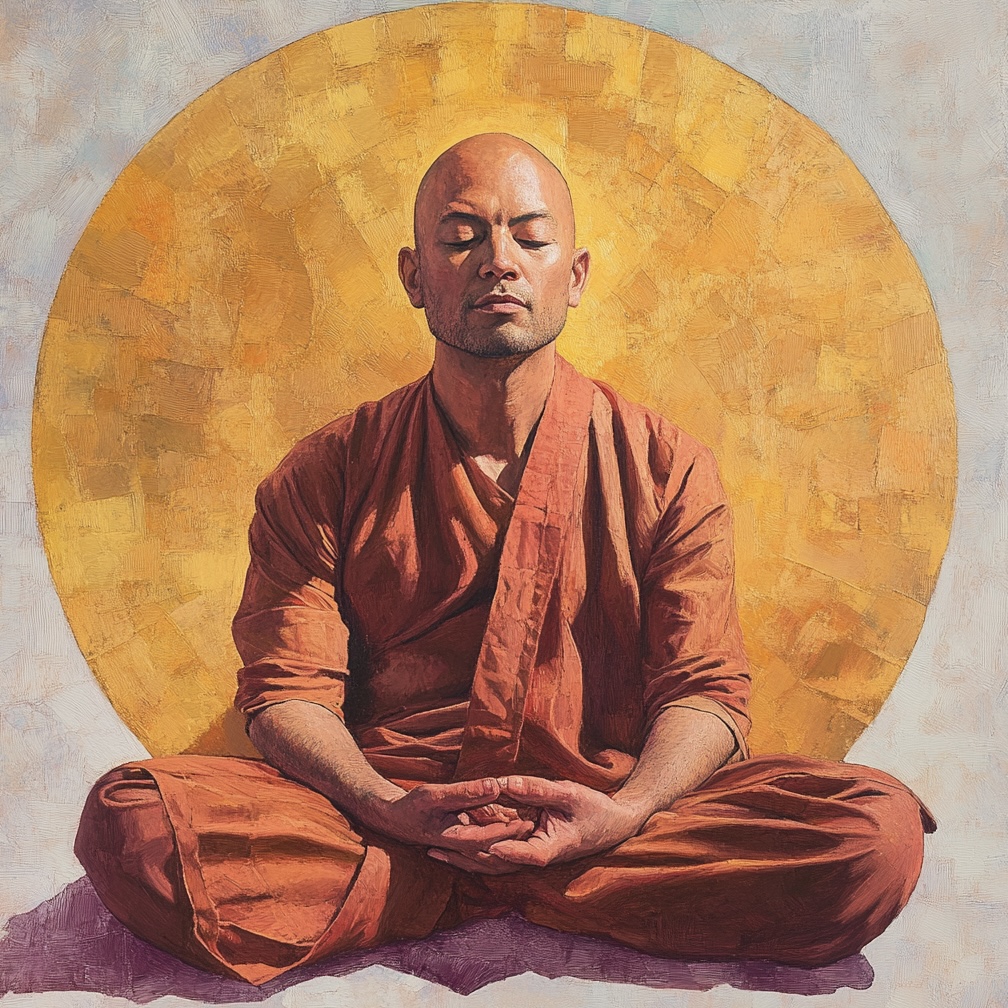
For those living with Myalgic Encephalomyelitis / Chronic Fatigue Syndrome (ME/CFS), Long COVID, or any energy-limiting illness, daily life can feel like an obstacle course without a map. Simple tasks become monumental. Rest becomes survival. And advice from the outside world often misses the mark entirely.
In response to this, I’ve been quietly building something—a digital companion rooted not in theory, but in lived experience:
The ME/CFS Wellness Companion
A gentle, AI-powered guide designed specifically to support those navigating life with post-viral illness.
What Is It?
The Wellness Companion is a customized GPT (Generative AI) model, trained not on generic health advice, but on real-life tools, practices, recipes, and reflections from my living with ME/CFS for over 30 years.
It doesn’t tell you to “push through.” It won’t ask you to “exercise more.” It does ask: “Are you in the RED, YELLOW, or GREEN today?”
The Energy Color System
This is the foundation of the Companion’s guidance:
RED Zone: Deep fatigue, post-exertional malaise, sensory overwhelm. The focus is full rest, breath, stillness, and nervous system support.
YELLOW Zone: Fragile stability. Gentle movement, light nourishment, and mindful pacing are encouraged—with regular check-ins.
GREEN Zone: A rare or improved state of function. Still careful, but open to creativity, light structure, or small projects.
Every recommendation is tailored to your zone—so you’re never being pushed beyond your limits.
What It Offers:
Energy-aware routines for morning, afternoon, and evening
Healing recipes (like mineral-rich bone broth or keto recovery popsicles)
Guided meditations, breathwork, and gentle restorative yoga suggestions
Nervous system support tools for crashes and anxiety
Seasonal adaptations for food and rest
Compassionate check-ins to help you listen to your body
Everything inside the companion has been tested, lived, and adjusted with care.
Why I’m Sharing This
Though this GPT was originally shaped from my own experience, it’s not just for me. It’s for all of us—those whose lives have been reshaped by chronic illness, who often feel invisible or misunderstood.
My Sankalpa (sacred intention) is to pass forward what has helped me, so others don’t have to start from scratch.
How It Will Work
The model is still in development. Eventually, it will be uploaded with a full file of routines, recipes, pacing guidance, and reflective practices.
When it’s ready, anyone will be able to open the Wellness Companion GPT and:
Share how they’re feeling
Receive suggestions matched to their energy level
Be reminded of pacing, nourishment, and kindness
Rest in the quiet company of something that understands
Would You Like to Help?
If you have ideas, routines, tools, or practices that have supported you on your journey with ME/CFS, I’d love to hear from you. This is a living, growing project, and your voice could shape how the Wellness Companion serves others.
Please feel free to reach out or leave a comment below. I’ll continue posting updates as the project unfolds.
As we shape this Wellness Companion—may it always serve the highest good.
May those who seek healing be met with gentleness. May those who carry invisible burdens find rest. May those who offer their wisdom help light the path. And may this work—rooted in care— help bring us closer to a world where technology honors tenderness, and presence becomes medicine.
There once was a healer whose light burned quietly, steadily. They moved with tenderness, practicing wisdom, speaking softly, honoring boundaries—resting when they needed, even offering compassion to themselves.
But still… the flame within them began to dim. Not for lack of care. Not for lack of knowing. It simply dimmed, as if called downward by something no hand could touch.
For God, watching with ancient eyes, whispered among His friends: “This one must be stopped—not for punishment, but for protection. There is another kind of healing they must learn—one that cannot be found in doing.”
And so, with threads unseen, He bound the healer in stillness. No more running. No more reaching. No more doing.
It wasn’t rope, but illness. It wasn’t cruelty, but consecration. And the name of the rope was Myalgic Encephalomyelitis.
At first, the healer fought—kicking, bargaining, crying to be untied. But ME doesn’t bargain. It doesn’t shout. It sits like a stone in the lap of your soul and says: “You will rest now. You will learn the medicine of stillness.”
And so began the long apprenticeship— Not in temples, but in beds. Not in motion, but in surrender. Not in speech, but in silence.
Friends, We are all walking this path of unexpected healing together— Not by choice, but by calling.
“Discover how pristine mind meditation may offer a gentle, restorative state of awareness without the energy costs that often come with post-exertional malaise.”
Living with Chronic Fatigue Syndrome means every action, every exertion, has a cost. For many, even a few minutes of focus or effort can lead to post-exertional malaise—a profound worsening of symptoms that can last for days. But what if there was a way to rest deeply, to allow the mind to settle in a way that doesn’t deplete but actually nourishes? This is where the practice of pristine mind meditation comes in, offering an effortless awareness that exists beyond thought, beyond strain, and without the toll of traditional exertion.
Pristine mind meditation is rooted in the idea of simply being. Rather than trying to clear the mind or enter a specific state, it invites you to rest in pure, unaltered awareness. This isn’t an act of concentration or focus, but a gentle allowing—a way to let thoughts and sensations come and go without attaching or resisting. The experience of resting in the pristine mind is often described as spacious, calm, and effortlessly open. For someone with ME/CFS, this could mean a path to real rest without the demand on physical energy that so often comes with other practices.
Theoretically, because pristine mind meditation is free from physical or mental strain, it offers a way to access peace and stillness without triggering the kind of post-exertional fatigue that can worsen symptoms. It’s an invitation to explore a new way of being with chronic fatigue, where healing is not about doing but about resting in the quiet awareness that’s already within you.
This journey is a gentle experiment, a compassionate practice of meeting yourself exactly as you are. Whether you experience even a few moments of pristine awareness or simply rest in the intention, the practice becomes a way of honoring the body’s limits and nourishing the mind. Take this path slowly, with openness, knowing that each step is its own quiet gift.
If you’re curious, I invite you to join in this exploration, allowing yourself to simply rest in the pristine mind, noticing what it brings without expectation or need for change. This is a practice of ease, not of effort—a resting place for the soul amidst the demands of daily life with Chronic Fatigue Syndrome.
For those interested in going deeper, much of this understanding is inspired by the teachings in Our Pristine Mind by Orgyen Chowang Rinpoche. His book provides a profound exploration of this approach to awareness, offering guidance on accessing the clear, effortless state of the pristine mind. If this resonates with you, I’ll leave a link below to help you find the book and discover more about this gentle, transformative practice.
In the name of honoring my chronic fatigue syndrome, I’m experimenting with a different approach to healing. I’m trying out the idea that it doesn’t have to be complicated or effortful—that maybe simplicity and gentle choices can be enough. By tending to myself in this way, I’m exploring what it means to honor both my needs and my limitations, and I’m finding that this, too, might be a path to healing.
I don’t know all the answers, but I’m noticing that healing isn’t always about pushing or doing more. Sometimes, it’s about making a quiet, deliberate choice to conserve energy, to rest, and to be. This journey toward simplicity and ease feels like a step toward well-being, and I’m curious to see where it leads.
Reflections on Pristine Awareness, Dzogchen, and Finding Clarity in Challenging Times
As I sit with Our Pristine Mind in my hands, I am aware that I am not merely reading a book. I am entering a silent conversation with an ancient wisdom, one that gently unfolds its layers with each page, as if lifting the veils of my own mind. In the quiet of early morning or beneath the faint glow of a reading lamp at night, the words begin to sink into the places where thought usually moves too quickly, too restlessly.
Dzogchen—a word I’ve heard in passing, sometimes as an exotic echo from distant mountains, sometimes as an answer whispered through stories of sages and scholars—is not simply an idea here. It emerges like a breath I have almost forgotten to take, a reminder that within my mind lies a pure, boundless awareness untouched by the cycles of confusion, emotion, or distraction. Dzogchen does not demand; it simply reveals.
The teacher, Orgyen Chowang Rinpoche, through his voice in Our Pristine Mind, speaks to the essential nature of awareness with a softness that does not impose but invites. I am reminded of Rilke, who once spoke of patience and of growing quietly in one’s own way, like a tree. Here, too, the practice of Dzogchen is like that tree, patient and grounded, yet ever-revealing. It asks nothing from me but presence, a willingness to recognize that what I have been searching for has always been here, beneath the surface of my rushing thoughts.
Rinpoche speaks to our current world—the difficulties, the fractures, the relentless march of modern life. Dzogchen, he says, has come forward in these times not because it is new, but because we are perhaps ready to see its simplicity. To see that the vastness of pristine awareness is not somewhere far away or reserved for saints and sages. It is here, in the quiet pause between breaths, in the stillness that accompanies an unfiltered experience of now.
The metaphor of the “brilliant moon in dark times” comes alive as I read, a reminder that even in moments when life feels overcast and filled with turmoil, there exists within us a clear, illuminating presence. Dzogchen does not banish the darkness; rather, it reveals a light that has been hidden within it all along.
This practice, this profound teaching, calls us to approach life differently—to walk, speak, even think with the awareness that we are not separate from each other, from the world, or from the mind that perceives it all. It is an invitation to cultivate what Rinpoche calls “pristine awareness” in daily life, and this awareness transforms not only how we experience joy but also how we engage with suffering. Even anger, fear, and sorrow are welcomed as parts of the unfolding dance, teachers in their own right.
The path of Dzogchen, I am learning, is not about leaving this world behind or aspiring to some distant perfection. Instead, it is an opening into a fuller, clearer life here and now—a kind of blossoming from the cold winter of searching into the warm spring of presence.
If you feel the weight of the world’s challenges or the heaviness of inner obstacles, there is a softness, a kindness in Dzogchen that may resonate. As I explore these teachings, I feel them steadying me, offering a compass to navigate the storms of distraction and disconnection that modern life so often brings.
And so, I share these reflections with the hope that you, too, may find something here that speaks to your own journey—a word, a phrase, a quiet reminder of the freedom that rests quietly within, waiting to be seen.
🙏🕊️🙏
If you’re interested in exploring this transformative approach further, I highly recommend Orgyen Chowang’s book The Pristine Mind. His teachings provide a clear, compassionate path toward uncovering the inherent purity of our mind, offering a source of deep fulfillment and lasting peace.
I came upon Orgyen Chowang’s teachings and his book, Our Pristine Mind, like discovering an unexpected window that offers a clearer, quieter view. Chowang, a revered meditation master, speaks about our minds with a simplicity that is both gentle and profound. In his words, I felt an invitation to find not just peace, but a deep, clear stillness—an untouched clarity we each hold within. He calls this the “pristine mind,” a mind unclouded by habitual thoughts and emotions.
Reading his words, I was struck by the thought: Just as we clean our homes and spaces, how often do we take care of our minds? In this world of constant motion and distraction, it seems almost revolutionary to pause, to clear away what is unneeded. Chowang suggests that mental well-being is like tending a garden, pulling weeds of anger, stress, or anxiety that choke the growth of joy and ease. It reminded me how these “weeds” can cover our true nature, clouding how we experience life and others.
But what he describes as the “pristine mind” is always there, like a clear sky behind clouds. Our thoughts, emotions, and beliefs pass through like clouds, momentary and shifting, yet we often cling to them, mistaking them for who we are. Chowang encourages us to release this attachment and begin to experience our natural clarity—our inherent, pristine mind.
In practice, Chowang’s meditation technique is beautifully simple. There are four steps:
1. Do not follow the past.
2. Do not anticipate the future.
3. Remain present in this moment.
4. And lastly, leave the mind alone.
When I first tried these steps, I felt a quiet rebellion within—a part of me wants to solve, to plan, to chase. But following his steps brings a profound lightness. As I resist chasing past memories or future anxieties, I notice the mental noise softening. There is no need to control; simply resting in the moment, letting thoughts come and go like wind through an open window, the mind clears on its own.
With practice, I have glimpsed moments of this “pristine mind”—a state that Chowang says brings unconditional happiness. This is not happiness that depends on outward conditions, but rather a steady presence that finds peace no matter what is happening outside of us. Conditional happiness, reliant on the fleeting promises of the world, becomes less important, as if the yearning subsides in the face of something more whole. Paradoxically, with this inner stillness, I feel able to experience the world more richly, with a fuller heart.
Chowang speaks of “yoga,” the union of body and mind, which pristine mind meditation makes possible. When my mind settles, the usual tug-of-war within me ceases, bringing calm to my body as well. It is as if my body and mind are finally in harmony, no longer struggling but instead moving together.
The journey is ongoing. Chowang uses a beautiful analogy: our minds are like a fog globe. When we shake it, the fog swirls, obscuring the clarity inside. But if we simply let it be, leaving it alone, the fog slowly settles, and the clear globe is revealed. With each meditation, I feel as if I am letting that fog settle, trusting that beneath lies a still, clear presence.
For anyone curious about exploring their own pristine mind, there may be moments of doubt or distraction; our minds naturally gravitate toward patterns, just as they would with any new practice. Yet the gentle return to the present, with patience and kindness, becomes the practice itself. There is no perfect silence, no need to force anything; it is enough simply to come back to this moment and leave the mind to rest in its natural state.
In this journey, I continue to return to Chowang’s teachings and to practice his four simple steps. I am still learning, but each time I sit, I feel closer to the clear sky within, and it is changing how I live, love, and see the world. I hope, as Chowang teaches, that a pristine mind is possible for each of us, and that by cultivating it, we might each find our way to a steadier, more joyful presence.
🙏🕊️🙏
Much of the inspiration for this reflection and practice comes from Our Pristine Mind by Orgyen Chowang Rinpoche. His teachings have deepened my understanding of resting in clear, effortless awareness. If you feel drawn to explore this path further, I highly recommend his book. I’ll leave a link below for those interested in diving deeper into the practice of pristine mind and discovering the peaceful spaciousness it offers.
There’s a timeless invitation at the heart of spiritual practice—to discover a deep, unshakable peace within ourselves, one that needs no striving to achieve. In Being Peace, Thich Nhat Hanh reminds us that peace is not something outside to be attained; it’s a natural state within us, accessible in each moment we choose to be fully present. In these quiet moments of awareness, peace isn’t something we do—it’s something we are.
Thich Nhat Hanh, a Vietnamese Zen master, poet, and peace activist, brings a gentle simplicity to this profound teaching. Being Peace weaves together personal stories, practical mindfulness techniques, and timeless Buddhist wisdom. Through each page, his words invite us to embrace peace not as an ideal, but as an embodied presence—a way of being that can transform ourselves and the world.
Discovering Peace in the Present Moment
From the opening pages, Thich Nhat Hanh introduces a revolutionary idea: that each of us already carries the potential for peace within. He writes with an almost childlike clarity, inviting us to notice the ordinary miracles in daily life—a breath, a step, the warmth of the sun. These simple moments become doorways to the present moment, where we can rest in awareness, undisturbed by the mind’s endless motion.
His approach to mindfulness is refreshingly practical. Rather than asking us to transcend the world, he guides us to return to it fully—to be present with whatever is here, exactly as it is. Whether we’re washing the dishes, driving, or simply sitting quietly, we are offered the chance to be peace, right here, right now.
Practicing Compassion and Interbeing
Another central theme in Being Peace is the idea of interbeing—Thich Nhat Hanh’s term for the interconnectedness of all life. He shows how, when we see ourselves as part of a vast web of life, our actions naturally become more compassionate. Understanding interbeing allows us to see that our own well-being is inseparable from that of others. When we cultivate peace within, it radiates outward, touching the world around us.
This interconnection reminds us that our peace is a gift to the world. By learning to “be peace,” we become a refuge for others—a quiet presence that can soothe and support those around us. Through stories of social engagement and personal practice, Thich Nhat Hanh illustrates how inner peace can become a force for transformation, leading to wise, compassionate action in our families, communities, and beyond.
An Invitation to Live Peace
Being Peace doesn’t simply offer teachings; it invites us into a living practice. Thich Nhat Hanh’s words create a soft, steady encouragement to live mindfully, with kindness for ourselves and others. There’s an intimacy in his voice, as if he is gently guiding us by the hand, showing us how to live with more openness, patience, and presence.
The book also provides specific practices, like mindful breathing, walking meditation, and loving-kindness meditation, which make peace a tangible experience. These practices are woven throughout his teachings, allowing readers to integrate mindfulness naturally into daily life.
In reading Being Peace, we’re reminded that peace is not a far-off goal but a living, breathing reality available in each moment. Thich Nhat Hanh shows us that the path to peace begins with the simplest act of bringing awareness to the present moment, just as it is.
Final Reflections
In Being Peace, Thich Nhat Hanh offers us more than words on a page; he offers a way of living. His teachings resonate as a call to each of us to embody the peace we wish to see in the world. Through gentle, grounded guidance, he shows us that true peace is not just an aspiration—it’s a way of being available to each of us, here and now.
If you’re ready to discover this peace within, you may want to exploreBeing Peacein full. Below, you’ll find the book itself, a quiet guide to a more mindful, compassionate way of life.
Discover how the quiet fire of the pristine mind can soothe the restless blaze of chronic fatigue, offering a path to inner peace and gentle transformation.
I sit here today, tenderly aware of a fire burning within me—not the feverish blaze of energy or ambition, but a fire that comes with chronic fatigue, a fire that seems to consume my energy, that feeds on thoughts of worry, longing, frustration. This fire has been with me for as long as I’ve known this illness, and for many years, it seemed the fire was all I had—scorching, demanding, leaving me exhausted.
But in recent days, I’ve come to see a new way of being with this fire, a gentle shift. There are, I believe, two fires within: one that belongs to the ordinary mind and another that belongs to the pristine mind.
The fire of the ordinary mind is a hungry, restless flame. It feeds on what we give it—thoughts, fears, the inner whisper of “not enough.” It clings to the past and worries for the future, each thought a piece of wood thrown into the blaze, each worry an ember reignited. It takes, and takes, and when I stay too long with this fire, I feel myself slipping into exhaustion, my strength given over to a fire that never settles, never finds rest.
And yet, there is another fire. It is quieter, calmer, like the deep glow of coals after the flames have settled. This is the fire of the pristine mind. It does not demand fuel; it simply is. It does not need anything from me, nor does it take. Instead, it offers a kind of sacred purification. It allows the impressions, the pratyayas, those old echoes of worry, disappointment, expectation, to rise up, to be seen, and then to burn themselves out gently, naturally, leaving a clean, quiet space in their wake.
When I find myself caught in the ordinary fire—my mind racing, my heart feeling heavy—I take a breath and remember that there is another way. I sit with my awareness, letting go of each thought, letting each worry pass without adding to it. I let the flames burn low, and, slowly, I shift to the fire of the pristine mind, where each thought that arises can dissolve without reaction. I do not need to hold on to any of it, nor fuel it. In this place, I am simply present, letting what arises pass without attachment.
This is, I’ve come to believe, a healing fire. Not a fire that consumes, but one that illuminates. When I rest here, I feel myself soften, as though I am held in a vast quiet. The pratyayas, those ancient patterns, have no hold here. They are seen, and then they drift away like ashes.
Perhaps, if you too feel that restless blaze within, you can find this other fire. Sit with yourself, as gently as you would sit with a friend, and watch each thought arise and drift away. Do not reach to hold it, to make it stay, or to change it. Let it come, and let it go. Rest in the calm glow of the pristine mind, where there is nothing to fuel and nothing to fear. In this quiet, you are enough, you are whole.
This journey, I realize, is very much a work in progress. Shifting from the ordinary fire to the pristine fire is not a one-time practice but an ongoing exploration—a gentle unfolding that reveals itself with patience and time. I invite anyone who feels drawn to this process, who wishes to explore this gentle technology of the mind, to sit with it and see if it offers benefit. Let it be an experiment, a curiosity, a way of tending to your inner world.
This understanding has been inspired by the teachings in Our Pristine Mind by Orgyen Chowang Rinpoche. His work offers a profound look into the nature of the mind and the potential for peace that lies within each of us. If you feel drawn to explore this practice further, I highly recommend his book. It provides both guidance and wisdom for those seeking to discover the healing light of their own pristine mind.
When post-viral ME/CFS first appeared in my life over 30 years ago, it was like a sudden, uninvited guest that turned everything upside down. The plans I had carefully laid out—the career, the teaching, the travel—came to a screeching halt. My body, which once felt like a reliable vehicle for my ambitions, became a source of constant limitation.
For many people today, especially in the aftermath of COVID, the experience of long COVID or post-viral ME/CFS can feel like a similar trainwreck. The life you knew, the expectations you had, are suddenly out of reach, and you’re left grappling with a new reality—one that modern medicine often struggles to explain, let alone resolve.
I remember the early days well. The confusion, the depression, the overwhelming frustration that came with the unrelenting fatigue. In the beginning, it was hard to see any way forward. It felt like I was being asked to surrender everything I had worked for, again and again. Every time I hit a new limit, I had to lower the bar, lower it again, and lower it even further. It was a painful process of letting go, not just of my physical abilities, but of my identity and the future I had imagined for myself.
But over time, and through countless moments of surrender, I began to see that while the path I had planned was no longer possible, there was another way forward. It was a quieter path, more inward, but it was no less valuable. Writing became my outlet, my way of contributing to the world, even while living in solitude and spending much of my time in bed.
For those of you reading this who are newly facing the reality of post-viral ME/CFS, I want to acknowledge that this is not an easy journey. It’s okay if you need to take breaks, both from reading and from the mental and emotional load of processing what this diagnosis means. Be gentle with yourself, and if you find the post too long, take it in pieces, come back when you’re ready. The key is to pace yourself, in life and in reading.
Surrendering to a New Reality
One of the hardest lessons I had to learn was surrender—over and over again. Post-viral ME/CFS teaches you that you can’t control everything, no matter how hard you try. Every time I felt like I was getting close to managing the illness, there would be a setback. My energy would crash, and I’d find myself in bed for days or weeks at a time. At first, it felt like defeat. I had to give up so many aspects of life I’d taken for granted.
But over time, I realized that surrendering wasn’t about giving up. It was about accepting what is, rather than constantly struggling against it. The more I fought the reality of my illness, the more frustration I experienced. Letting go didn’t mean that I had to stop hoping or working toward better health, but it did mean that I had to stop resisting what I couldn’t change in that moment.
Surrendering, in this sense, became a way to make peace with the limits of my body, to find moments of ease even when everything else felt out of control. It was an ongoing practice, one that I still revisit, especially on difficult days.
Navigating Others’ Reactions
In addition to learning how to surrender, one of the most difficult challenges I faced early on was dealing with other people’s reactions. In those early days, many people didn’t even believe post-viral ME/CFS existed. I heard things like, “You just need to drink more coffee,” or, “Have you thought about taking naps?” Even when I was officially diagnosed as disabled by the government, my own mother thought I was just lazy and needed to be more active.
This kind of misunderstanding, disrespect, and dismissal is, unfortunately, a common experience for many who suffer from post-viral ME/CFS. Family, friends, and even doctors would question or deny my experience. I’ve heard stories of doctors telling their patients not to even talk about ME/CFS because it “doesn’t exist.” It was often treated as a garbage-pail diagnosis, or dismissed entirely.
While there is more understanding of post-viral ME/CFS today, the stigma still remains. Making peace with this aspect of the illness has been a long journey. What helped me most was cultivating compassion, not just for myself but for others. As Jesus said, “Forgive them, for they know not what they do.” Having compassion for the people in your life who may deny or diminish your experience is a key part of finding peace.
An Evolving Perspective on Post-Viral ME/CFS
In the early days of my journey with post-viral ME/CFS, I found myself going through what felt like the stages of grief as described by Elizabeth Kubler-Ross. At times, I thought I might be dying, and I cycled through stages of anger, grief, depression, and confusion. Acceptance didn’t come quickly, and it took years of processing and reflection before I could reach that place.
One of the major steps toward acceptance came when I read How to Be Sick by Toni Bernhard. This book resonated deeply with me, and for the first time, I felt like someone truly understood what I was going through. Toni’s reflections on illness gave me a new sense of validation and self-respect, and her practical tips helped me develop a healthier way of relating to my experience. I highly recommend this book to anyone struggling with post-viral ME/CFS.
Then, during a meditation class organized by students of Sogyal Rinpoche, based on The Tibetan Book of Living and Dying, I began to find deeper peace. It was around this time that I discovered a Tibetan sutra titled Transforming Suffering and Happiness onto the Path of Enlightenment. This teaching profoundly shifted my perspective once again.
As I read the sutra, I realized that my anger, frustration, and negative emotions were not only draining my energy but also exacerbating my symptoms. It became clear to me that these stressful emotions were making my condition worse, and that when I was able to relax, let go, and find inner peace, I had greater capacity and longer periods of activity without crashing—or without crashing as severely. This was an important revelation: cultivating acceptance, forgiveness, and inner peace didn’t just feel better, it actually minimized my symptoms.
Shifting Perspective: The Sutra That Changed Everything
One passage from the Tibetan sutra resonated deeply with my experience of post-viral ME/CFS:
“Whenever we are harmed by sentient beings or anything else, if we make a habit out of perceiving only the suffering, then when even the smallest problem comes up, it will cause enormous anguish in our mind.”
This teaching hit home because, for a long time, I had been focusing only on the suffering. Everything in my life had become an enemy—my body, my circumstances, even the people around me. The more I centered my awareness on the pain and limitations, the heavier everything felt. Even the smallest setback would feel unbearable.
The sutra showed me that the more we focus on suffering, the more it grows and colors everything we experience. By recognizing this, I began to understand that shifting my focus away from the suffering and toward acceptance could help me find peace. It wasn’t about denying the reality of the illness, but about no longer letting it dominate my entire perspective.
The true transformation came not only by making peace with suffering but by learning to approach both suffering and happiness with the same equanimity. I had to remind myself that when I’m unhappy, this too shall pass, and when I’m happy, this too shall pass. This reminder became a useful way to stay balanced through the ebb and flow of life—the good days and the bad days, the good months and the bad months.
Additionally, I found comfort in William Blake’s words: “He who kisses the joy as it flies lives in eternity’s sunrise.” It reminded me to appreciate the little moments of happiness, to savor them without attachment, knowing that they, too, are fleeting. This perspective helped me not to be disturbed by the constant changes and to find a sense of peace amidst it all.
Discovering a New Path: Writing as Healing
As I continued to navigate the ups and downs of post-viral ME/CFS, I eventually found a new passion that helped me stay connected to the world and give expression to my inner journey: writing. Although much of my life is spent in solitude, and my physical abilities are limited, writing has become my outlet, a way to contribute and share what I’ve learned.
Through writing, I’ve been able to explore the lessons of impermanence, forgiveness, and acceptance, not just for my own growth but as a way to offer encouragement to others walking a similar path. Chronic fatigue may limit what I can do in the physical world, but it has opened up this creative space where I can still connect, reflect, and contribute.
In this way, writing became not just a coping mechanism but a practice of karma yoga, an offering. It’s a way to kiss the joy as it flies, even amidst the challenges of chronic illness, and to embrace each moment—whether in suffering or happiness—as an opportunity for growth.
🙏🕊️🙏
“He who binds to himself a joy Does the winged life destroy; But he who kisses the joy as it flies Lives in eternity’s sunrise.”
Harnessing Inner Peace: A Pacing Toolkit Tool for Those Living with ME/CFS or Long Covid
As I reflect on the approaching Hurricane Milton, I’m reminded of the powerful moment when Jesus calmed the storm on the Sea of Galilee. His disciples, gripped by fear, watched as He simply said: “Peace! Be still!” and the storm settled. In this moment, I feel called to do the same—to access the peace of God within me and speak to the storm, “Peace! Be still.” I truly believe this is what Jesus asks of us, to practice this promise, and to remember that even faith the size of a mustard seed can move mountains.
But this call to peace and stillness isn’t just about the external storm. As someone who lives with chronic fatigue, I know how much of a difference it makes to calm the storms within as well. The mental and emotional stress can often intensify symptoms like post-exertional malaise (PEM). So, I remind myself to relax my mind and heart, to let go of worry and concern, and to give my body the space it needs to heal.
One of the tools I turn to in these moments is Pristine Mind Meditation, as taught by Orgyen Chowang in his book Pristine Mind: Journey to Unconditional Happiness. Pristine Mind is the pure, natural awareness that exists within all of us, untouched by thoughts or emotional turmoil. By resting in this space, I find that it helps me manage my symptoms, reduce stress, and pace myself more effectively. It’s an essential part of my pacing toolkit, allowing me to not only physically rest, but also calm my mind and emotions, preventing flare-ups of PEM and other symptoms.
In this moment, I invite us all to join together in saying to the storm—whether it’s the physical hurricane or the inner storms we face—“Peace! Be still.” Let’s tap into the divine promise that’s always been ours and use the tools we have to cultivate peace, clarity, and healing within ourselves.
Let us, from a place of faith and trust, send love to this storm and say to it: “Peace, be still.”
Living with Myalgic Encephalomyelitis/Chronic Fatigue Syndrome (ME/CFS) is a daily challenge that requires careful management of energy, rest, and stress. For many, finding effective ways to support the body and mind in this delicate balance can feel overwhelming. Yoga Nidra, often called “yogic sleep,” is a practice that has been gaining attention for its potential benefits in managing ME/CFS. In this post, I’d like to delve deeper into how Yoga Nidra can be a valuable tool for those of us living with this condition.
Supporting Pacing Strategies
Pacing is a cornerstone of managing ME/CFS. It involves carefully balancing activity and rest to avoid pushing the body beyond its limits, which can lead to crashes or flare-ups of symptoms. Yoga Nidra can be an invaluable tool in this regard. Unlike other forms of exercise or even traditional yoga, Yoga Nidra requires no physical exertion. It allows you to take restorative breaks throughout the day, helping to prevent crashes by providing your body with deep rest during these intervals.
For those of us with ME/CFS, the ability to find rest without further depleting our energy is crucial. A short Yoga Nidra session can be integrated into your daily routine as a way to recharge and reset, making pacing more manageable and effective.
Activating the Parasympathetic Nervous System
Another significant benefit of Yoga Nidra is its ability to activate the parasympathetic nervous system (PNS). The PNS is responsible for the “rest and digest” functions of the body, helping to counteract the stress response driven by the sympathetic nervous system. For many people with ME/CFS, the nervous system is often in a heightened state of alertness, which can contribute to symptoms of fatigue, pain, and cognitive dysfunction.
Yoga Nidra guides you into a state of deep relaxation, which helps shift the body from a state of stress to one of rest and repair. This activation of the PNS can reduce the chronic stress response that often accompanies ME/CFS, promoting a sense of calm and helping to alleviate symptoms over time.
Providing Deep Rest and Restoration
One of the most challenging aspects of ME/CFS is the experience of unrefreshing sleep. Despite spending many hours in bed, individuals with ME/CFS often wake up feeling just as tired as before they slept. Yoga Nidra offers a unique solution by guiding practitioners into a state of consciousness that is deeply restful, yet different from regular sleep.
During Yoga Nidra, the body can enter a state that mimics sleep in terms of physical rest, but the mind remains in a state of relaxed awareness. This state of conscious relaxation allows for a deeper level of restoration, potentially offering benefits that complement or even enhance the effects of regular sleep. For people with ME/CFS, incorporating Yoga Nidra into the daily routine could help alleviate the feeling of exhaustion that persists despite adequate sleep.
Releasing Tension and Promoting Emotional Healing
Living with a chronic illness like ME/CFS can lead to the accumulation of physical and emotional tension. Over time, this tension can exacerbate symptoms and contribute to feelings of stress and overwhelm. Yoga Nidra includes practices like body scanning and guided visualization, which can help release deep-seated physical tension and promote emotional healing.
As you are guided to focus on different parts of the body and engage in positive affirmations or visualizations, Yoga Nidra provides a safe space for processing and releasing stress. This can lead to a sense of lightness and relief, which is particularly beneficial for those dealing with the chronic stressors associated with ME/CFS.
Enhancing Mental Clarity and Focus
Cognitive symptoms, often referred to as “brain fog,” are a common and frustrating aspect of ME/CFS. The deep relaxation and stress reduction provided by Yoga Nidra can contribute to improved mental clarity and focus. By calming the nervous system and promoting a state of balance, Yoga Nidra may help reduce the cognitive fatigue that many with ME/CFS experience.
Regular practice of Yoga Nidra can support mental clarity by reducing the underlying stressors that contribute to brain fog, allowing for moments of greater focus and cognitive function.
Conclusion: A Gentle Tool for Holistic Support
Yoga Nidra is not a cure for ME/CFS, but it can be a gentle and effective tool for supporting overall well-being. By offering deep rest, aiding in pacing, calming the nervous system, and promoting emotional and physical healing, Yoga Nidra can be an integral part of a holistic approach to managing ME/CFS.
If you’re living with ME/CFS and looking for new ways to support your health, I encourage you to explore Yoga Nidra. Whether you start with short, guided sessions or incorporate it into your daily routine, this practice may offer the kind of deep rest and healing that’s so essential for managing the complexities of ME/CFS.
Watch a Video:
The vides below is just some the many Yoga Nidra videos online of and are a good place to start. There are countless Yoga Nidra videos on YouTube, each offered by different instructors. Take your time exploring until you discover the ones that resonate best with you.
The occasional Yoga Nidra session can be a relaxing and rejuvenating experience, helping you reduce stress, improve sleep, and promote overall well-being whenever you feel the need for a deep, restorative rest. May this practice bring you peace and renewal, gently supporting your journey toward greater well-being.
This yoga Nidra for insomnia will take you easily into a light hypnagogic state and then down into a deep state of sleep.
Learn more about ME, get involved in support, advocacy, and activism at www.meaction.net
This is what I have learned after 30 years of living with chronic fatigue. These ten focus points have helped me. Maybe they will help you, too.
NOTE: This article contains a lot of information to process, particularly for those of us dealing with chronic fatigue. Take your time reading and absorbing this information, and don’t hesitate to take breaks as needed. To manage a chronic illness like ME/CFS or Long Covid effectively, it’s crucial to respect our reality and prioritize our self-care. Remember, success is measured in many different ways, and taking care of yourself is always a valuable investment in your overall health and well-being.
Take care and be gentle with yourself.
Pacing: The first suggestion is pacing. It’s essential to balance rest and activity to avoid overexertion and prevent symptom flare-ups. Remember that pacing is not about doing less, but about finding a sustainable balance. Listen to your body, and don’t push yourself into a flare-up. This will take some practice and is likely to change from day to day. So remember… Be careful…. Be mindful…. Discover what works best for you from day to day….
Sleep Hygiene: The second suggestion is sleep hygiene. It’s crucial to establish a regular sleep schedule, create a relaxing bedtime routine, and maintain a sleep-conducive environment. Quality sleep can help reduce your symptoms and improve your overall well-being. Again, this is a practice that you can adapt and modify over time. So remember… Be careful…. Be mindful…. Discover what works best for you from day to day….
Stress Management: The third suggestion is stress management. Stress can exacerbate symptoms of ME/CFS, so it’s crucial to find ways to manage it. Consider meditation, deep breathing exercises, or mindfulness practices to help manage symptoms. There is a free meditation class offered online by MBSR. The MBSR online training course is 100% free, created by a fully certified MBSR instructor, and is based on the program founded by Jon Kabat-Zinn at the University of Massachusetts Medical School. Palouse Mindfulness offers this course. Another suggestion is Toni Bernhard’s book, How to Be Sick. This is a powerful and insightful book that offers a unique perspective on the challenges faced by those of us suffering from chronic illnesses such as ME/CFS, Long Covid, and other similar conditions. You can take a look at this book below.
Gentle Exercise: The fourth suggestion is gentle exercise. Very, very low-impact exercises like gentle stretching or breathing exercises can help improve physical function and well-being. However, always listen to your body and adjust the level of intensity as necessary so that you are always below your post-exertional malaise threshold. Most graded exercise recommendations do not take this into account, and people often overdo it and exacerbate symptoms. Also, low-impact exercise for us may simply be getting out of bed. Or, if bedbound, turning your head from side to side while lying down. Or, flexing and extending your feet while in bed. If you start by doing less and evaluate your response as you go, you will be less likely to exacerbate your symptoms. I can’t tell you how many times I was enjoying a stretching routine only to have PEM the next day. So remember… Be careful…. Be mindful…. Discover what works best for you from day to day….
Nutrition: The fifth suggestion for optimal health and well-being is to pay close attention to your nutrition. A balanced diet that incorporates a variety of nutrient-dense foods, such as fruits, vegetables, lean proteins, and whole grains, is crucial to maintaining good health. Avoid consuming processed foods that contain high levels of artificial ingredients, unhealthy fats, and added sugars. Opt for fresh, whole foods that provide the essential vitamins, minerals, and fiber your body needs. Don’t forget to drink plenty of water to stay hydrated and promote optimal bodily function. Remember, a healthy diet is an investment in your long-term health and well-being.
Cognitive-Behavioral Therapy (CBT): The sixth suggestion for managing ME/CFS, Long Covid, or any chronic illness is to consider cognitive-behavioral therapy (CBT). This evidence-based therapy can help you develop effective coping strategies to manage the emotional and psychological impacts of living with a chronic illness. By working with a therapist who specializes in CBT, you can learn to identify and challenge negative thought patterns, develop healthy coping mechanisms, and reduce feelings of stress and anxiety. CBT has been shown to be effective for individuals with chronic illnesses, and it can be a valuable tool in helping you manage your symptoms and improve your overall quality of life. Don’t hesitate to reach out to a qualified therapist to explore this option further.
Support Network: The seventh suggestion is to seek out and maintain a strong support system. Your support system may include family, friends, and support groups. These individuals can provide you with emotional support and help you manage your condition.
Medication Management: The eighth suggestion is medication management. When managing chronic fatigue, medication management is an important component. Work with your healthcare provider to find the most effective medications for your symptoms while discussing possible side effects and interactions. Starting with lower doses than normally suggested may also be recommended. So remember… Be careful…. Be mindful…. Discover what works best for you from day to day….
Symptom Tracking: The ninth suggestion for managing a chronic illness like ME/CFS or Long Covid is to engage in regular symptom tracking. Keeping track of your symptoms can help you better manage your condition. By keeping a symptom diary, you can also better understandy patterns and triggers that may be exacerbating your symptoms. The key here is to do less of what makes you feel worse, and do more of what helps you to feel better.
Education: The tenth and final suggestion is education. Educate yourself about ME/CFS & Long Covid, including symptoms, diagnosis, and management strategies. Becoming informed can help you advocate for yourself and make informed decisions about your health. Remember that education is an ongoing process, and it’s important to stay up-to-date on the latest research and information about your chronic conditions.
In conclusion, managing chronic fatigue requires a multifaceted approach. By incorporating these ten suggestions into your daily life, you can better manage your condition, improve your quality of life, and find hope for the future. Remember to listen to your body, seek support, and stay informed. Thank you for reading.
Please, for the benefit of others, leave your questions and comments below so we can all learn from one another about these ten steps.
Empowerment Through Meditation: Restoring Balance Daily
Living with Myalgic Encephalomyelitis/Chronic Fatigue Syndrome (ME/CFS) presents unique challenges, from navigating fluctuating energy levels to managing symptoms like pain and cognitive fog. Amidst these difficulties, meditation emerges as a powerful ally, offering profound benefits that extend beyond mere relaxation.
Understanding the Benefits
Meditation serves as a therapeutic practice known for its ability to alleviate stress, anxiety, and even the debilitating effects of post-exertional malaise (PEM) in individuals with ME/CFS. Through regular practice, meditation helps calm the nervous system, reduce inflammation, and foster a sense of inner peace and well-being.
Calming the Nervous System
One of the primary benefits of meditation is its impact on the autonomic nervous system. For those with ME/CFS, whose nervous systems are often hypersensitive and prone to overreacting to stimuli, meditation acts as a soothing balm. Techniques such as deep breathing, body scan meditations, and mindfulness practices can effectively regulate the stress response, promoting a state of calm amidst the storm of symptoms.
Enhancing Mindfulness
Central to meditation is the cultivation of mindfulness—a heightened awareness and acceptance of the present moment without judgment. For individuals with ME/CFS, this means becoming attuned to subtle changes in energy levels, pain thresholds, and cognitive clarity. By practicing mindfulness, one can learn to recognize early signs of PEM or symptom exacerbation, allowing for timely adjustments in activity levels and self-care practices.
Improving Cognitive Function
Cognitive dysfunction is a common challenge in ME/CFS, often manifesting as brain fog, difficulty concentrating, and memory lapses. Meditation has been shown to enhance cognitive function by improving attention span, memory recall, and mental clarity. This cognitive enhancement can significantly improve daily functioning and quality of life for individuals managing chronic illness.
Promoting Better Sleep
Quality sleep is crucial for healing and restoration, yet many with ME/CFS struggle with sleep disturbances such as insomnia or unrefreshing sleep. Meditation promotes relaxation and reduces the physiological arousal that interferes with sleep onset and maintenance. Mindfulness-based techniques, like guided imagery or progressive muscle relaxation, can induce a state of deep relaxation conducive to restorative sleep.
Boosting Immune Function
ME/CFS is often associated with immune dysregulation, leaving individuals more susceptible to infections and exacerbations of symptoms. Meditation has been found to boost immune function by reducing inflammatory markers and enhancing immune response. A healthier immune system supports overall well-being and resilience in managing chronic illness.
Practical Steps to Incorporate Meditation
Start Small: Begin with short meditation sessions, gradually increasing duration as comfort and ability allow.
Choose Your Technique: Experiment with different meditation styles—such as mindfulness, loving-kindness, or breath awareness—to find what resonates best.
Create a Routine: Consistency is key. Set aside dedicated time each day for meditation practice, integrating it into your daily routine.
Mindful Living: Extend mindfulness beyond meditation sessions. Practice being present in everyday activities, from eating meals to engaging in gentle movement exercises.
Conclusion
Incorporating meditation into the management of ME/CFS can be transformative. By harnessing its benefits—stress reduction, enhanced mindfulness, improved sleep, cognitive clarity, and immune support—individuals can cultivate resilience and enhance their quality of life. Embracing meditation as a holistic practice offers not just relief from symptoms but also a path to greater well-being and empowerment in navigating life with chronic illness.