Category: Teacher: Neem Karoli Baba (Maharaj-ji)

Neem Karoli Baba (1900–1973), also known as Maharaj-ji, was a highly revered Indian saint and spiritual teacher whose life was a living testament to the power of divine love, humility, and service. Though he did not write books or give formal teachings, his profound presence and simple yet powerful messages of love, devotion, and selfless service have deeply influenced many, including prominent Western spiritual figures like Ram Dass, Krishna Das, and others.

Maharaj-ji’s teachings centered around the idea of seeing God in everyone and everything, which aligns closely with the principles of Advaita Vedanta—the realization of the oneness of all existence. He taught his followers to live a life of unconditional love, to serve others selflessly, and to surrender to the divine will, all of which are paths to recognizing the divine essence within and around us.

Although Neem Karoli Baba often seemed to act in mysterious and miraculous ways, his primary message was simple: “Love everyone, serve everyone, remember God.” His life itself was his teaching, exemplifying the qualities of a true saint who is entirely absorbed in the divine presence and works tirelessly for the welfare of others.

Neem Karoli Baba’s influence extended far beyond the ashrams where he lived, particularly through his Western disciples who spread his teachings around the world. His emphasis on love, devotion, and the direct experience of God resonated deeply with those seeking a spiritual path that transcends religious boundaries.

Today, Neem Karoli Baba is revered by many as a modern saint whose life and teachings continue to inspire spiritual seekers to cultivate love, compassion, and a deep connection with the divine. His ashrams in India remain places of pilgrimage, where devotees come to experience the peace and blessings associated with his enduring presence.

  • Understanding the Roots of Religious Tensions: A Historical Perspective on Divine Righteousness Across Cultures

    As we embark on our journey through the Caravan of Love: Interfaith Healing & Harmony, it’s essential to explore the historical and cultural contexts that have shaped the way different religions view the divine. One of the most significant sources of tension between religious traditions has been the concept of idol worship and the worship of multiple gods. However, when we delve deeper into the origins of these beliefs, we begin to understand that these tensions are rooted in the specific environments and challenges faced by different cultures throughout history.

    The Middle Eastern Context: A Response to Immoral Gods and Practices

    In the ancient Middle East, where Judaism emerged, the surrounding cultures were steeped in polytheistic traditions that often depicted gods as capricious, immoral, and even lecherous. Greek, Roman, and Egyptian gods were frequently portrayed with very human flaws—engaging in deceit, vengeance, and licentious behavior. These gods, rather than upholding moral standards, often embodied the very vices that righteous living seeks to overcome.

    Moreover, the religious practices associated with these gods often included sexual immorality and human sacrifice. In many Greek and Roman rituals, orgies were part of the religious celebrations, which directly conflicted with the moral and ethical standards that Hashem, the God of Israel, sought to establish among His people. Jesus, too, later condemned these practices, warning his followers against participating in meals that involved food sacrificed to idols, which were often associated with these immoral rites.

    Even more abhorrent were the human sacrifices demanded by certain gods, such as Baal, who was worshipped through the sacrifice of children, and the gods of the Vikings and various other cultures that practiced human sacrifice. These practices were utterly condemned by Hashem, who sought to establish a community founded on the principles of justice, compassion, and the sanctity of human life. The strict prohibition against idol worship in Judaism was not merely a rejection of other gods but a rejection of the immoral behaviors and dangerous practices associated with them.

    The Hindu Context: Righteous Deities and the Dharma

    In contrast, the religious environment of ancient India, where Hinduism flourished, presented a very different picture. The gods and goddesses of the Hindu tradition were seen as embodiments of various aspects of the divine, each playing a role in upholding cosmic order—known as dharma. These deities, such as Vishnu, Shiva, and Lakshmi, were revered not for their power alone but for their embodiment of virtues like love, wisdom, and righteousness.

    While animal sacrifices were part of some ancient Hindu rituals, there is little evidence to suggest that human sacrifice was a practice in India, especially in the Vedic tradition that laid the foundation for Hinduism. The sacrifices performed in these rituals were meant to uphold cosmic order, not to appease bloodthirsty gods. As such, the multitude of Hindu deities was not a source of moral confusion but rather a rich tapestry through which the divine expressed itself in the world. Each god or goddess offered a different path or approach to understanding and connecting with the divine, but all were aligned with the principles of dharma. Therefore, the prohibition against worshipping other gods, so essential in the Middle Eastern context, was unnecessary in India, where the divine was seen as inherently righteous and benevolent in its many forms.

    The Role of Reformers: Jesus and Buddha

    In both of these cultural contexts, reformers emerged who sought to elevate the spiritual and moral consciousness of their societies. In the Middle East, Jesus entered a world where the strict monotheism of Judaism had established a strong moral foundation. However, Jesus’s teachings went further, emphasizing love, compassion, and forgiveness as central to righteous living. His life and message aimed to deepen and expand the moral and spiritual understanding of his followers, guiding them toward a more profound relationship with the divine.

    Similarly, in India, the Buddha emerged in a society that already had a strong foundation of righteousness through the Vedas and the Upanishads. However, the Buddha’s teachings challenged the social inequalities of the time, particularly the rigid caste system and the exclusion of certain groups from spiritual life. Like Jesus, the Buddha sought to elevate society by emphasizing compassion, ethical living, and the pursuit of enlightenment for all, regardless of social status.

    Understanding the Clash of Religions: A Matter of Context

    The tension between monotheistic and polytheistic traditions often stems from these differing historical contexts. The Jewish rejection of other gods was a response to the immoral behaviors associated with the gods of neighboring cultures. In contrast, the Hindu acceptance of multiple deities was rooted in a context where the divine was already understood as righteous and aligned with cosmic order.

    Today, these ancient tensions can still influence how religions interact with each other. However, by understanding the historical reasons behind these differences, we can move beyond conflict and toward a more harmonious coexistence. We can recognize that the rejection of other gods in one context was not necessarily a rejection of divinity in all forms but a response to the specific moral challenges of that time.

    Conclusion: Moving Toward Interfaith Healing and Harmony

    In our modern, interconnected world, it’s more important than ever to understand and respect the diverse ways in which different cultures and religions have approached the divine. By exploring these historical contexts, we can appreciate the unique contributions of each tradition while finding common ground in the shared values of love, righteousness, and compassion.

    As we continue on this Caravan of Love, let us remember that the ultimate goal of all spiritual paths is to bring about healing and harmony—not just within ourselves, but in our relationships with others and the world around us. Through understanding and dialogue, we can bridge the gaps between different faiths and move closer to a world where all are respected and all are loved.

    🙏🕊️🙏

    Screenshot

    Jesus of Nazareth, the embodiment of divine love and compassion, whose teachings on forgiveness, mercy, and selfless service continue to inspire millions across the world.
    Screenshot

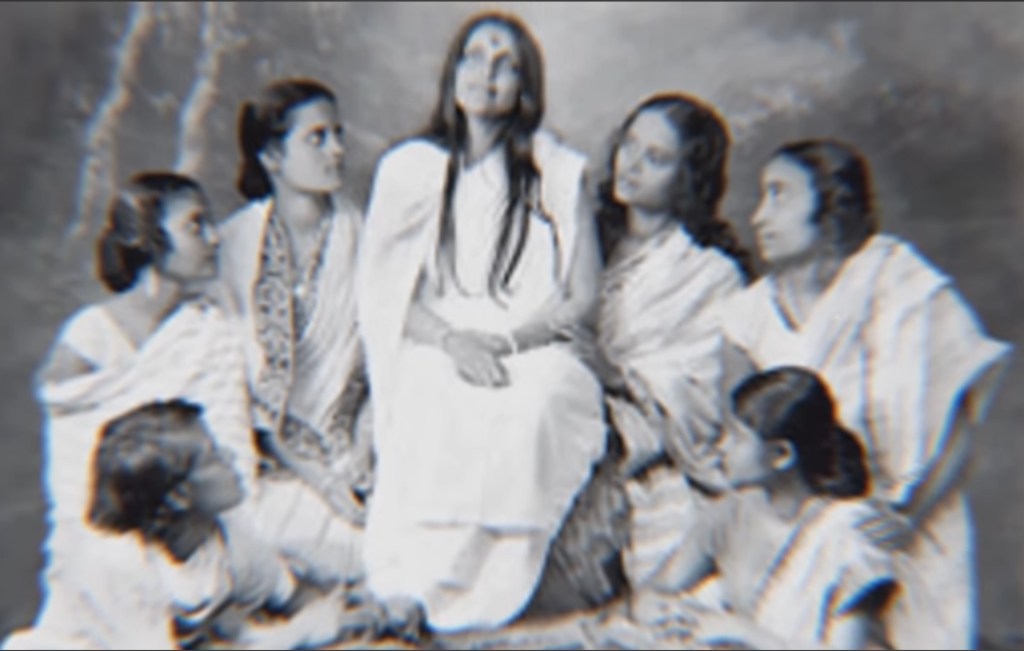
    Anandamayi Ma, a revered Hindu mystic, exemplifies the divine love and spiritual wisdom that have been central to Hindu tradition for centuries.

    Paramahansa Yogananda, the great spiritual teacher and author of ‘Autobiography of a Yogi,’ brought the wisdom of India’s ancient spiritual traditions to the West, inspiring countless seekers with his teachings of love, self-realization, and the unity of all religions.
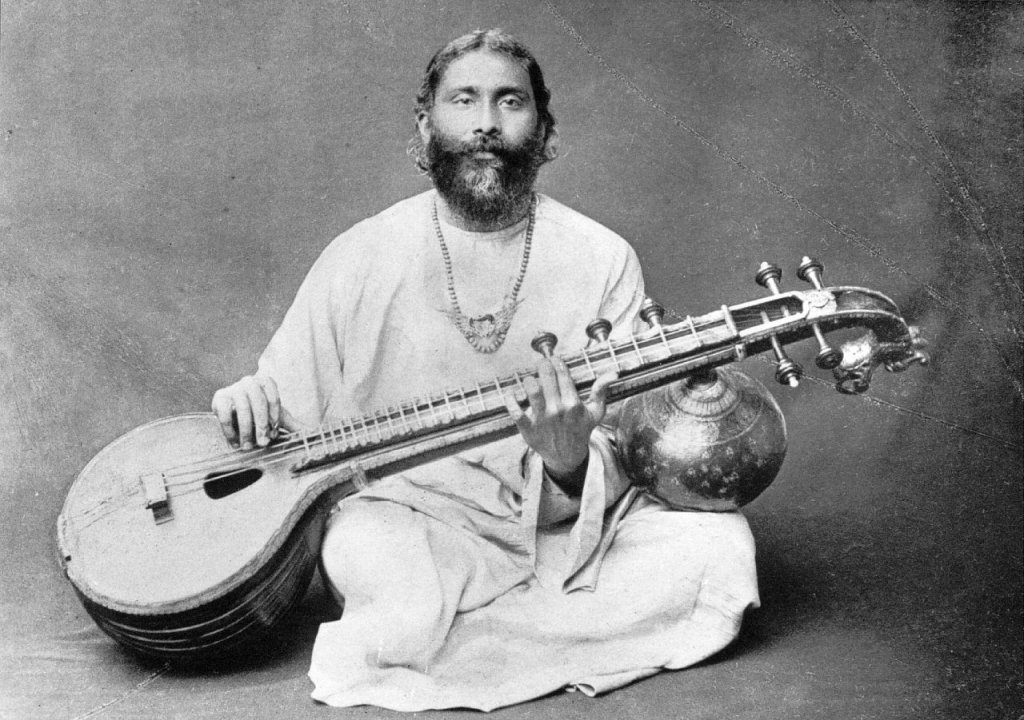
    Hazrat Inayat Khan, a revered Sufi mystic and musician, whose teachings on the unity of religious ideals and the harmony of divine love have inspired countless souls on their spiritual journeys.
    His Holiness the Dalai Lama, a global symbol of peace, compassion, and the enduring wisdom of the Buddhist tradition, whose teachings inspire the world toward kindness and universal responsibility.

    Ani Choying Drolma, a Tibetan Buddhist nun and internationally acclaimed singer, whose music and teachings spread the message of compassion, peace, and the profound wisdom of the Buddha’s path.

    “The lamps are different, but the Light is the same.”


    — Rumi

  • Yoga Nidra for Chronic Fatigue Syndrome (ME/CFS): A Gentle Practice for Deep Rest and Healing

    Yoga Nidra for Chronic Fatigue Syndrome (ME/CFS): A Gentle Practice for Deep Rest and Healing

    Before You Begin

    Welcome, dear reader. If you’ve found yourself here, it may be because you’re looking for something gentle, something that can hold you with care amidst the challenges you face. Living with Myalgic Encephalomyelitis/Chronic Fatigue Syndrome (ME/CFS) often means navigating a delicate path where the balance between activity and rest isn’t just important—it’s essential.

    Yoga Nidra offers a unique kind of rest, one that reaches deep into the layers of your being, allowing both body and mind to relax in a way that ordinary sleep might not always provide. But before we dive into this practice, I invite you to pause. How are you feeling right now? If you notice any weariness, perhaps take a moment. Close your eyes, take a few deep breaths, and come back when you’re ready. Remember, there’s no rush here.

    As you consider exploring Yoga Nidra, please remember that this is your journey, unfolding at your own pace. Yoga Nidra invites you into a state of profound relaxation without physical effort, offering a deeply restful experience. For those of us living with ME/CFS, however, even rest can sometimes require a delicate balance.

    If you’re new to this practice, consider beginning with just a few minutes, allowing yourself to ease into the feeling of deep rest. Pause whenever you need, honoring your body’s unique rhythms and knowing that each moment of relaxation, however brief, can be truly nourishing.

    This is a sanctuary of ease—no need to strive. May Yoga Nidra offer you a gentle space of rest, a place to be held in care as you navigate your path toward healing and peace.

    What is Yoga Nidra?

    Yoga Nidra, often lovingly referred to as “yogic sleep,” is a form of guided meditation that gently leads you into a state of deep relaxation while your consciousness remains softly awake. Imagine being held in a place where you can let go of everything, where you can rest deeply without the need to do anything at all. This practice doesn’t ask for effort; it only invites you to allow yourself to be.

    For those living with ME/CFS, Yoga Nidra can offer a sanctuary—a place to replenish your energy, soothe your nervous system, and find a sense of peace that might feel elusive in daily life. But dear friend, I encourage you to take this in slowly. Perhaps read a little, then pause to check in with how you’re feeling. Let these words settle in their own time, just as you would allow a gentle rain to soak into the earth.

    Why Yoga Nidra is Beneficial for ME/CFS

    Yoga Nidra allows you to experience the kind of deep rest that typically takes much longer to achieve. Even just a few minutes can leave you feeling more refreshed, which is especially valuable when energy is limited. Living with ME/CFS often leaves the nervous system in a heightened state of alertness, contributing to stress and fatigue. Yoga Nidra gently guides the body into a state of calm, helping to reduce that background tension and allowing true relaxation to unfold.

    In the stillness of Yoga Nidra, the body’s natural healing processes are supported, fostering recovery and building resilience over time. This deep relaxation can be a powerful tool for anyone managing the ongoing challenges of ME/CFS. Whether you’re lying down in bed, on a yoga mat, or resting in a comfortable chair, Yoga Nidra is a practice that adapts to you. It requires no physical exertion—only the willingness to rest.

    Again, check in with yourself. How is your energy now? This is your journey, and it’s important to honor the pace that feels right for you.

    A Simple Yoga Nidra Practice for ME/CFS

    When you feel ready, I invite you to explore this gentle introduction to Yoga Nidra. This practice is designed to be brief and nurturing, offering you a moment of respite in your day.

    Preparation:

       •   Find a quiet, comfortable place where you can lie down. Perhaps you’re already there, in which case, simply settle in a bit more. Use a yoga mat, a blanket, or your bed—whatever feels best for you.
       •   Make sure you’re warm and comfortable. The body cools down when deeply relaxed, so a light blanket might be nice.
       •   Close your eyes, and take a few deep breaths. Let the day’s weight melt away.

    Guided Practice:

    1. Settle In: As you lie here, notice the contact points between your body and the surface beneath you. Feel supported, as though the earth is holding you gently. Allow your body to become heavy, fully surrendering to gravity.
    2. Breath Awareness (2-3 minutes): Bring your attention to your breath, without changing its rhythm. Simply observe the air as it flows in and out. With each exhale, imagine your body softening further, releasing any tension it may hold.
    3. Body Scan (3-5 minutes): Slowly, bring your awareness to different parts of your body, starting at your feet and working your way up to your head. As you focus on each part, imagine it being completely relaxed. If your time is limited, you might focus on just the major areas like your legs, torso, arms, and head.
    4. Sankalpa (Intention) (1-2 minutes): Silently repeat a positive intention or affirmation. It could be as simple as “I am relaxing,” or “I am releasing,” or “I am letting go.” Let this intention resonate with you as you repeat it a few times.
    5. Visualization (2-3 minutes): Picture a peaceful place—a sanctuary where you feel safe and relaxed. This could be a real location or an imagined one. Spend a few moments here, soaking in the tranquility. Let it fill you up.
    6. Return (1-2 minutes): Gradually bring your awareness back by deepening your breath. Gently move your fingers and toes. When you’re ready, slowly open your eyes, taking your time before getting up.

    How to Incorporate Yoga Nidra into Your Day

    As you move through your day, there are moments when you might feel the need to pause and restore. Yoga Nidra can become a trusted companion during these times.

    For instance, you might find that taking a few minutes for Yoga Nidra during short breaks throughout your day helps you to refresh your energy and reduce fatigue. Imagine pausing for just 5-10 minutes, allowing the deep rest of Yoga Nidra to rejuvenate your mind and body, making it easier to manage the day’s demands.

    In the evening, as you prepare for sleep, Yoga Nidra can also serve as a gentle transition into the night. Practicing before bed can help improve the quality of your sleep, which is often disrupted by ME/CFS. Picture yourself easing into a restful night, with Yoga Nidra setting the stage for better recovery and deeper rest.

    And then there are those moments when life feels overwhelming—when exhaustion seems to take over. In these times, taking a few minutes for Yoga Nidra can help reset your mind and body, offering a way to find calm amidst the storm. This practice can be like a comforting hand on your shoulder, guiding you back to a place of peace.

    As you explore how Yoga Nidra fits into your day, remember to be kind to yourself. You don’t need to do everything at once. Perhaps try one of these suggestions and see how it feels. The journey of healing is often made up of small, gentle steps.

    Dear reader, Yoga Nidra is more than just a practice—it’s a sanctuary where you can find rest, healing, and peace. For those living with Myalgic Encephalomyelitis/Chronic Fatigue Syndrome (ME/CFS), it offers a way to embrace rest as a form of self-care, helping you manage your energy and enhance your well-being. Remember, there’s no need to rush. This is your journey, and you’re exactly where you need to be.

    Explore Yoga Nidra Through a Guided Meditation Video

    If you’re interested in experiencing a guided Yoga Nidra practice, I’ve found a wonderful 30 minute video that can help you relax and restore your energy. This video offers a calming, step-by-step journey through a Yoga Nidra meditation, perfect for those moments when you need a deeper rest.

    The video begins with instructions to find a quiet place where you won’t be disturbed. You’re guided to get into a comfortable position on your back, with knees slightly apart and arms resting away from your body, palms up. As you close your eyes, you’ll be invited to take a deep relaxing breath, setting the stage for relaxation.

    The instructor suggests using the mantra OM during this lesson. OM is simply a sacred sound that is often used in meditation to help focus the mind and create a sense of peace and connection with the divine.

    The heart of the meditation is a detailed body scan, where the instructor gently guides your awareness to different parts of your body, allowing each to relax fully.

    The meditation concludes with gentle instructions to begin moving your fingers and toes, rolling your head from side to side, and stretching your body.

    Watch a Video

    The vides below is just some the many Yoga Nidra videos online of and are a good place to start. There are countless Yoga Nidra videos on YouTube, each offered by different instructors. Take your time exploring until you discover the ones that resonate best with you.

    The occasional Yoga Nidra session can be a relaxing and rejuvenating experience, helping you reduce stress, improve sleep, and promote overall well-being whenever you feel the need for a deep, restorative rest. May this practice bring you peace and renewal, gently supporting your journey toward greater well-being.

    This yoga Nidra for insomnia will take you easily into a light hypnagogic state and then down into a deep state of sleep.

    Learn more about ME, get involved in support, advocacy, and activism at www.meaction.net

    🙏🕊️🙏