Category: Advaita Vedanta Gurus & Teachers

This category honors the revered spiritual guides and enlightened beings who have profoundly shaped the tradition of Advaita Vedanta, a philosophical system that teaches the non-dual nature of reality. Advaita Vedanta emphasizes the realization of the self as one with the ultimate truth, beyond all distinctions and dualities.

The Gurus and Teachers within this category are celebrated for their deep wisdom, unwavering commitment to truth, and their compassionate guidance of countless seekers on the path to self-realization. They have not only embodied the teachings of Advaita Vedanta in their own lives but have also shared this knowledge with the world, offering insights and practices that lead to liberation and inner peace.

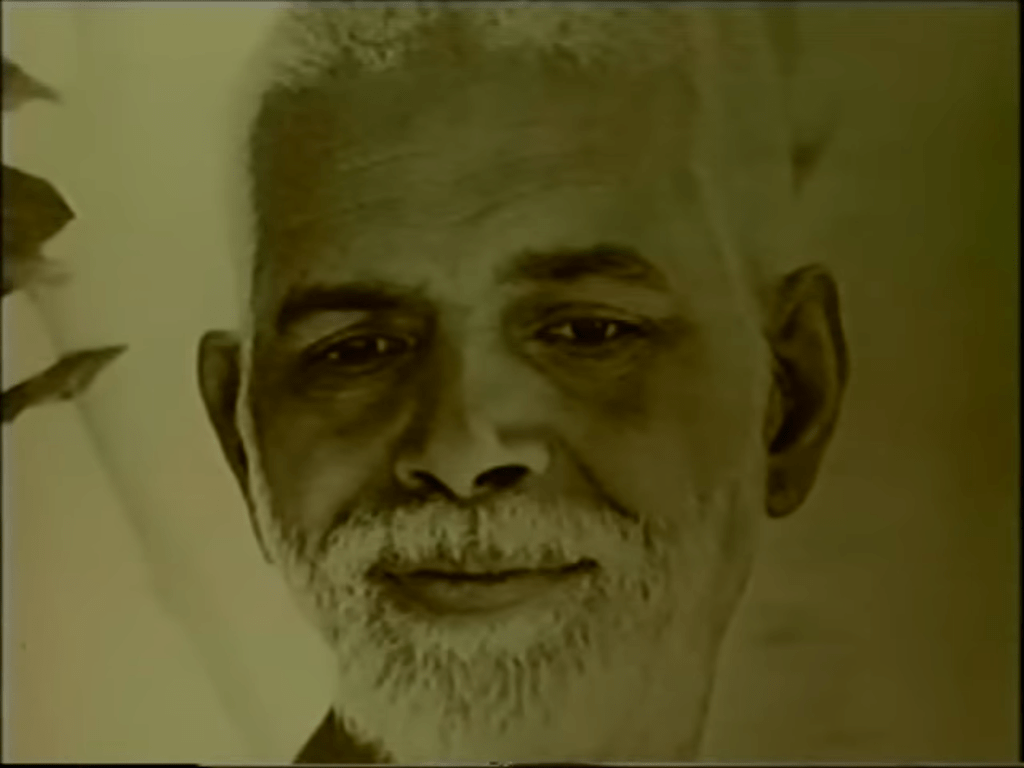
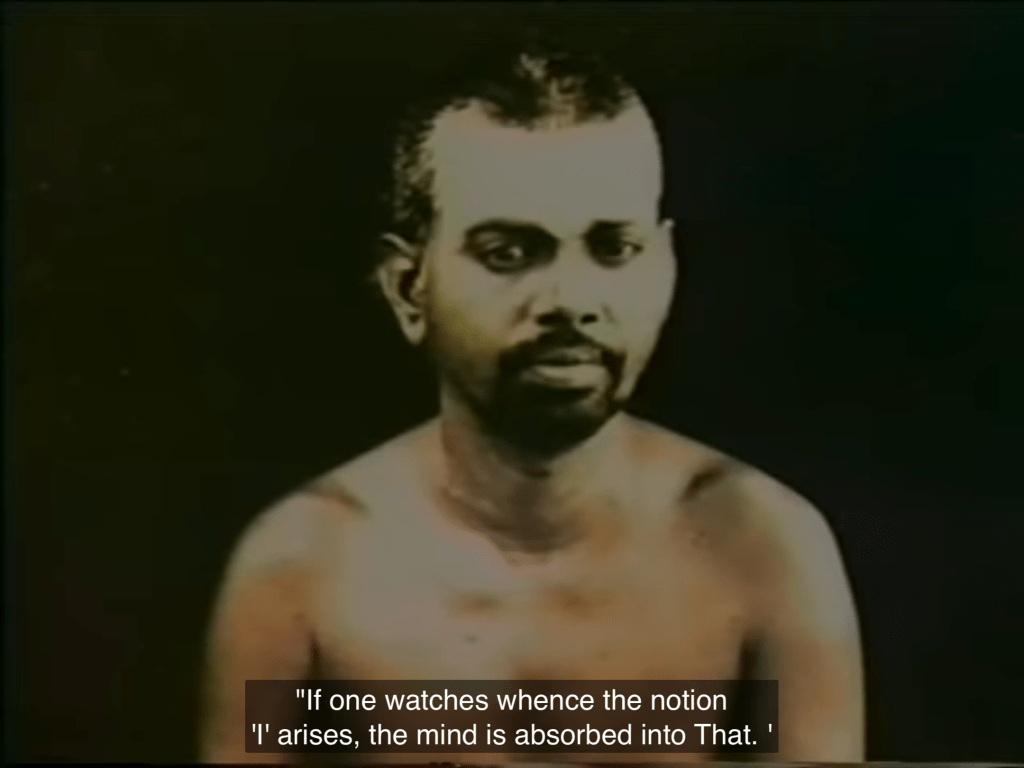
Figures such as Swami Vivekananda, Ramakrishna Paramahamsa, Ramana Maharshi, Anandamayi Ma, and others are featured here. Whether referred to as Gurus, Teachers, or realized beings, they have each played a vital role in preserving and transmitting the timeless wisdom of Advaita Vedanta, guiding seekers toward the realization of their true nature.

This category serves as a tribute to their enduring legacy and an invitation for all to explore the profound teachings they have shared with humanity.

  • Understanding the Roots of Religious Tensions: A Historical Perspective on Divine Righteousness Across Cultures

    As we embark on our journey through the Caravan of Love: Interfaith Healing & Harmony, it’s essential to explore the historical and cultural contexts that have shaped the way different religions view the divine. One of the most significant sources of tension between religious traditions has been the concept of idol worship and the worship of multiple gods. However, when we delve deeper into the origins of these beliefs, we begin to understand that these tensions are rooted in the specific environments and challenges faced by different cultures throughout history.

    The Middle Eastern Context: A Response to Immoral Gods and Practices

    In the ancient Middle East, where Judaism emerged, the surrounding cultures were steeped in polytheistic traditions that often depicted gods as capricious, immoral, and even lecherous. Greek, Roman, and Egyptian gods were frequently portrayed with very human flaws—engaging in deceit, vengeance, and licentious behavior. These gods, rather than upholding moral standards, often embodied the very vices that righteous living seeks to overcome.

    Moreover, the religious practices associated with these gods often included sexual immorality and human sacrifice. In many Greek and Roman rituals, orgies were part of the religious celebrations, which directly conflicted with the moral and ethical standards that Hashem, the God of Israel, sought to establish among His people. Jesus, too, later condemned these practices, warning his followers against participating in meals that involved food sacrificed to idols, which were often associated with these immoral rites.

    Even more abhorrent were the human sacrifices demanded by certain gods, such as Baal, who was worshipped through the sacrifice of children, and the gods of the Vikings and various other cultures that practiced human sacrifice. These practices were utterly condemned by Hashem, who sought to establish a community founded on the principles of justice, compassion, and the sanctity of human life. The strict prohibition against idol worship in Judaism was not merely a rejection of other gods but a rejection of the immoral behaviors and dangerous practices associated with them.

    The Hindu Context: Righteous Deities and the Dharma

    In contrast, the religious environment of ancient India, where Hinduism flourished, presented a very different picture. The gods and goddesses of the Hindu tradition were seen as embodiments of various aspects of the divine, each playing a role in upholding cosmic order—known as dharma. These deities, such as Vishnu, Shiva, and Lakshmi, were revered not for their power alone but for their embodiment of virtues like love, wisdom, and righteousness.

    While animal sacrifices were part of some ancient Hindu rituals, there is little evidence to suggest that human sacrifice was a practice in India, especially in the Vedic tradition that laid the foundation for Hinduism. The sacrifices performed in these rituals were meant to uphold cosmic order, not to appease bloodthirsty gods. As such, the multitude of Hindu deities was not a source of moral confusion but rather a rich tapestry through which the divine expressed itself in the world. Each god or goddess offered a different path or approach to understanding and connecting with the divine, but all were aligned with the principles of dharma. Therefore, the prohibition against worshipping other gods, so essential in the Middle Eastern context, was unnecessary in India, where the divine was seen as inherently righteous and benevolent in its many forms.

    The Role of Reformers: Jesus and Buddha

    In both of these cultural contexts, reformers emerged who sought to elevate the spiritual and moral consciousness of their societies. In the Middle East, Jesus entered a world where the strict monotheism of Judaism had established a strong moral foundation. However, Jesus’s teachings went further, emphasizing love, compassion, and forgiveness as central to righteous living. His life and message aimed to deepen and expand the moral and spiritual understanding of his followers, guiding them toward a more profound relationship with the divine.

    Similarly, in India, the Buddha emerged in a society that already had a strong foundation of righteousness through the Vedas and the Upanishads. However, the Buddha’s teachings challenged the social inequalities of the time, particularly the rigid caste system and the exclusion of certain groups from spiritual life. Like Jesus, the Buddha sought to elevate society by emphasizing compassion, ethical living, and the pursuit of enlightenment for all, regardless of social status.

    Understanding the Clash of Religions: A Matter of Context

    The tension between monotheistic and polytheistic traditions often stems from these differing historical contexts. The Jewish rejection of other gods was a response to the immoral behaviors associated with the gods of neighboring cultures. In contrast, the Hindu acceptance of multiple deities was rooted in a context where the divine was already understood as righteous and aligned with cosmic order.

    Today, these ancient tensions can still influence how religions interact with each other. However, by understanding the historical reasons behind these differences, we can move beyond conflict and toward a more harmonious coexistence. We can recognize that the rejection of other gods in one context was not necessarily a rejection of divinity in all forms but a response to the specific moral challenges of that time.

    Conclusion: Moving Toward Interfaith Healing and Harmony

    In our modern, interconnected world, it’s more important than ever to understand and respect the diverse ways in which different cultures and religions have approached the divine. By exploring these historical contexts, we can appreciate the unique contributions of each tradition while finding common ground in the shared values of love, righteousness, and compassion.

    As we continue on this Caravan of Love, let us remember that the ultimate goal of all spiritual paths is to bring about healing and harmony—not just within ourselves, but in our relationships with others and the world around us. Through understanding and dialogue, we can bridge the gaps between different faiths and move closer to a world where all are respected and all are loved.

    🙏🕊️🙏

    Screenshot

    Jesus of Nazareth, the embodiment of divine love and compassion, whose teachings on forgiveness, mercy, and selfless service continue to inspire millions across the world.
    Screenshot

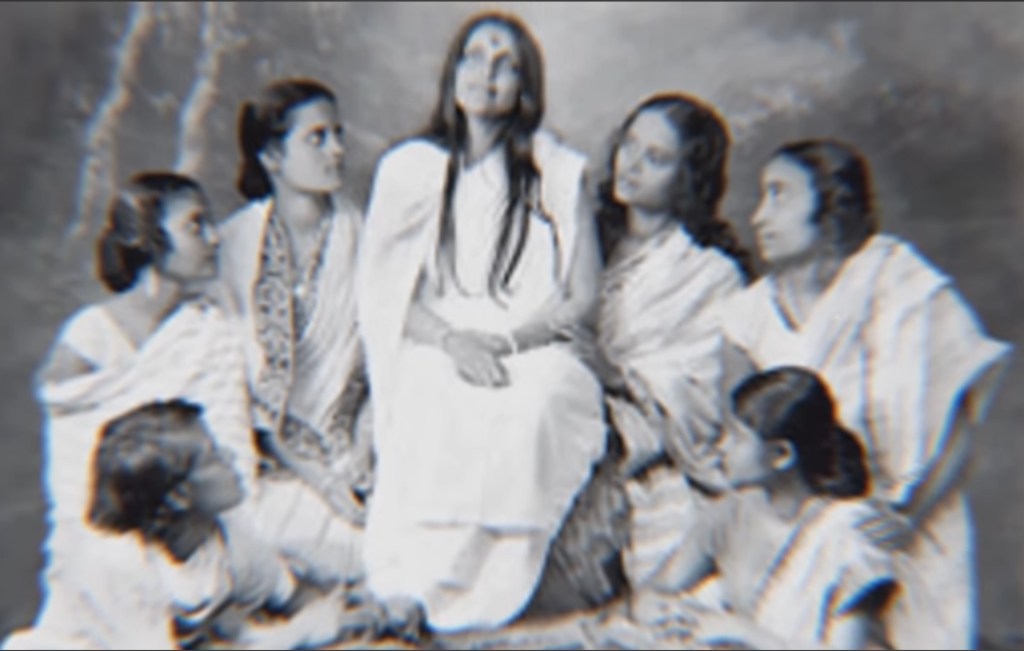
    Anandamayi Ma, a revered Hindu mystic, exemplifies the divine love and spiritual wisdom that have been central to Hindu tradition for centuries.

    Paramahansa Yogananda, the great spiritual teacher and author of ‘Autobiography of a Yogi,’ brought the wisdom of India’s ancient spiritual traditions to the West, inspiring countless seekers with his teachings of love, self-realization, and the unity of all religions.
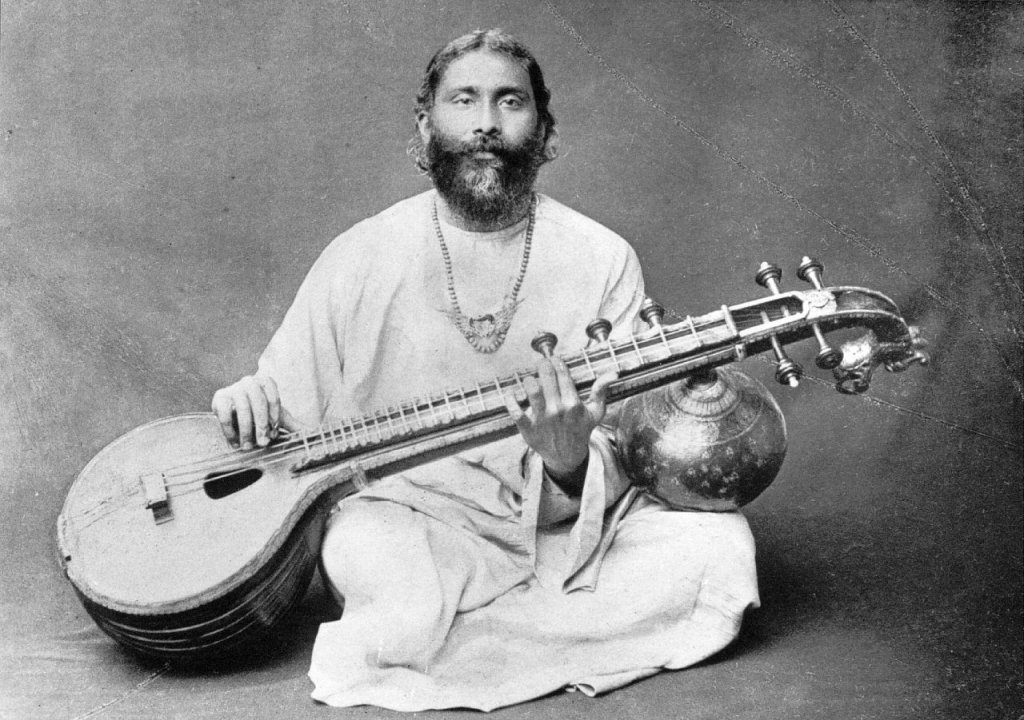
    Hazrat Inayat Khan, a revered Sufi mystic and musician, whose teachings on the unity of religious ideals and the harmony of divine love have inspired countless souls on their spiritual journeys.
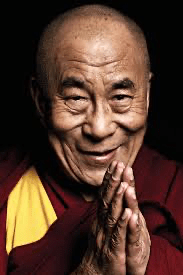
    His Holiness the Dalai Lama, a global symbol of peace, compassion, and the enduring wisdom of the Buddhist tradition, whose teachings inspire the world toward kindness and universal responsibility.

    Ani Choying Drolma, a Tibetan Buddhist nun and internationally acclaimed singer, whose music and teachings spread the message of compassion, peace, and the profound wisdom of the Buddha’s path.

    “The lamps are different, but the Light is the same.”


    — Rumi

  • Introduction to Jnana Yoga: The Path of Knowledge and Self-Inquiry

    Jnana Yoga is one of the primary paths of yoga, often described as the path of knowledge or wisdom. It is a profound spiritual practice focused on deep inquiry into the nature of the self and the ultimate reality. Through a process of self-examination and discernment, practitioners of Jnana Yoga seek to transcend the illusions of the mind and realize the true, non-dual nature of existence.

    At the heart of Jnana Yoga is the practice of Atma Vichara, or self-inquiry, where the seeker continuously asks, “Who am I?” This inquiry leads to the direct experience of the Self (Atman) as pure consciousness, beyond the layers of thought, emotion, and ego. Jnana Yoga emphasizes the importance of discriminating between the real and the unreal, the eternal and the transient, in order to uncover the unchanging reality that underlies all existence.

    In this blog series, we’ll explore the key principles and practices of Jnana Yoga, and how this path of knowledge can guide us toward self-realization and spiritual liberation.

    As we embark together on this journey of discovery and reflection, I warmly invite you to join me in exploring the depths of these ancient practices and teachings. Let this space be a sanctuary where we meet not just as seekers, but as companions on the path—a place where the wisdom of the ages can gently unfold within our lives.

    If these words and practices speak to something within you, if they stir a quiet longing or bring a sense of peace, I encourage you to subscribe to this blog. By doing so, you’ll be the first to know as new installments of our shared journey are published. It is my hope that each post will resonate with you, offering insights and comfort as we continue to explore these profound teachings together.

    For those interested in a comprehensive introduction to the practices of yoga, I recommend The Sivananda Companion to Yoga: A Complete Guide to the Physical Postures, Breathing Exercises, Diet, Relaxation, and Meditation Techniques of Yoga. This book offers clear guidance on the foundational aspects of yoga, making it an invaluable resource for anyone looking to deepen their understanding and practice. Take a look at this book on Amazon here.

    🙏🕊️🙏

  • Book Review: Forty Verses on Reality by Ramana Maharshi

    Ramana Maharshi, one of the most revered spiritual teachers of modern times, has left an indelible mark on the landscape of non-dual philosophy. Among his profound contributions is a text known as the “Forty Verses on Reality”, or “Ulladu Narpadu”, originally composed in Tamil. These verses are a deep exploration of the nature of existence and the true Self, offering guidance on the direct path to self-realization.

    The “Forty Verses on Reality” are not just poetic expressions but are a concise roadmap to understanding the essence of the Self, as taught by Ramana Maharshi. They delve into the illusion of the ego, the ultimate reality of non-dual existence, and the importance of self-inquiry as the path to realizing one’s true nature.

    In these verses, Ramana Maharshi addresses the central theme of his teachings: the illusion of the ego. He emphasizes that the sense of ‘I’—which we often associate with our thoughts, emotions, and bodily identity—is not the true Self. This ego, or false sense of individuality, creates a veil that obscures the unchanging, eternal reality that is the Self.

    Ramana encourages seekers to engage in self-inquiry, particularly through the practice of asking “Who am I?” This simple yet profound question is designed to lead one back to the source of the ‘I’ thought, tracing it to its origin in pure consciousness. It is in this inquiry that the mind begins to dissolve into the deeper awareness, where the illusory nature of the ego is revealed, and the true Self is recognized.

    The essence of these verses is the understanding that the Self is the only reality, and everything else is transient, merely an appearance in the vast expanse of consciousness. Ramana’s teaching points to the realization that the Self is beyond all dualities, beyond subject and object, beyond mind and matter. The Self is the underlying reality, the substratum upon which all experiences arise and subside.

    For those who are new to Ramana Maharshi’s teachings, the “Forty Verses on Reality” serve as a gateway to understanding his approach to non-duality and the path of self-inquiry. Each verse offers a unique insight into the nature of existence, gently guiding the reader toward a direct experience of the Self.

    Consider, for example, the first verse, where Ramana states: “If Reality did not exist, could there be any knowledge of existence? Free from all thoughts, Reality abides in the Heart, the Source of all thoughts. It is, therefore, called the Heart. How then is one to contemplate It? To be as It is in the Heart, is Its contemplation.” Here, he points to the central truth that Reality—our true nature—is beyond thought and can only be known by abiding as the Self in the Heart, the source of all thoughts.

    Or take verse twenty, where he asks: “By what light do you see? If you say ‘by the light of the sun,’ the moon, etc., then by what light do you see these lights? The light of the eye makes all these lights visible. But the mind makes the eyes shine. The ultimate source of all lights is the Self.” This verse illustrates the idea that all forms of perception ultimately point back to the Self, the pure awareness that illuminates all experiences.

    Perhaps one of the most poignant verses is verse twenty-six: “The body does not say ‘I’. The Self does not say ‘I’. Between the two, something arises, saying ‘I’. This phantom is the ego. Find out where from this arises. Then everything will subside into the Self.” Ramana succinctly captures the essence of self-inquiry here, pointing to the ego as a phantom that dissolves when one traces it back to its origin.

    The “Forty Verses on Reality” provide a rich tapestry of wisdom that can lead seekers to a direct realization of their true nature. These verses are a testament to Ramana Maharshi’s profound understanding of the non-dual reality and offer a timeless guide for those on the spiritual path.

    If you are inspired to delve deeper into these teachings, I encourage you to seek out a complete edition of these verses, where you can explore them in their entirety. Their depth and simplicity offer a powerful tool for self-inquiry and spiritual awakening.

    🙏🕊️🙏

    Richard Clarke’s version of the “Forty Verses on Reality” is a concise and accessible entry point into Ramana Maharshi’s teachings. Spanning just 78 pages, this edition focuses on presenting the verses in a clear and straightforward manner, making it an excellent choice for those who are new to self-inquiry and non-duality. Clarke’s approach is to let the power of Ramana’s words speak for themselves, offering readers a direct and undiluted experience of the teachings.

    The version introduced by Michael James and authored by Sandra Derksen provides an in-depth exploration of the “Forty Verses on Reality”, expanding the text to 422 pages with extensive commentary and analysis. This edition delves deeply into each verse, unpacking the layers of meaning and offering a comprehensive understanding of Ramana Maharshi’s philosophy. Ideal for serious students and those with a deep interest in Advaita Vedanta, this book offers a richly detailed interpretation that guides the reader through the nuances of self-inquiry and non-dual realization.

  • Ramayana No. 4: The Human Role in the Cosmic Drama—Reflections on Universal Responsibility


    As I reflect on the early chapters of the Ramayana, one theme stands out to me: the unique and pivotal role that human beings play in the battle between good and evil. In this epic, we see that even the gods, with all their divine powers, find themselves unable to defeat the formidable forces of darkness, embodied by Ravana. It is mankind, specifically the avatar Rama, who is destined to intervene, symbolizing the profound responsibility and power inherent in human nature.

    This idea of human responsibility resonates deeply with the teachings of the Dalai Lama, who often speaks about the concept of universal responsibility. The Dalai Lama reminds us that each of us holds the key to creating a harmonious and peaceful world. He emphasizes that our actions, rooted in compassion, ethics, and a sense of interconnectedness, are vital to overcoming the challenges we face as a global community.

    The Ramayana and the Dalai Lama’s teachings both underscore the extraordinary potential of human life. They suggest that while divine forces may guide and support us, it is ultimately through human action—through our choices, our commitment to dharma, and our compassion for others—that we can make a lasting impact on the world.

    In the Ramayana, Rama’s journey is a testament to the power of human virtue and courage in the face of adversity. It is through his adherence to dharma, his unwavering commitment to righteousness, that he is able to confront and overcome the darkness that threatens to engulf the world. Similarly, the Dalai Lama calls us to rise to our own challenges with a sense of universal responsibility, understanding that our individual actions contribute to the collective well-being of all beings.

    Yet, the Ramayana reminds us that this is not merely a physical battle, but a moral and spiritual one as well. The true battle takes place not just on the external battlefield, but within the mind and heart of each individual. It is a struggle against the vrittis—the mental fluctuations and disturbances—that cloud our judgment, and the pratyayas—the impressions and biases—that shape our perceptions. These internal forces can lead us astray, pulling us away from our true nature and the path of dharma.

    In this inner battle, maintaining integrity becomes paramount. It is about upholding righteousness, not just in our actions but in our thoughts and intentions. The Ramayana teaches us that true victory is achieved not through brute force, but through the cultivation of wisdom, compassion, and moral clarity. It calls us to act with compassion even in the face of adversity, to rise above the vrittis and pratyayas that might otherwise lead us to act out of anger, fear, or selfishness.

    This inner battle mirrors the cosmic struggle between Rama and Ravana, between dharma and adharma. Just as Rama must confront Ravana, we too must confront the demons within us—the doubts, fears, and attachments that obscure our pristine mind. The pristine mind, which is our true nature, is inherently wise and compassionate, but it is often obscured by the noise of the vrittis and the influence of the pratyayas.

    The journey of self-realization, like Rama’s journey, is about clearing away these obstacles and returning to the purity of our true nature. It is about recognizing that the greatest battles we face are often within ourselves, and that the path to victory lies in quieting the mind, cultivating inner peace, and aligning ourselves with dharma.

    As we continue to explore the Ramayana, let us keep this theme in mind. The epic is not just a story of gods and demons, but a profound reflection on the human condition. It challenges us to recognize our own role in the cosmic drama and to embrace the responsibility we have to bring light into the world.

    This parallel between the Ramayana and the Dalai Lama’s message invites us to consider how we can live more consciously, how we can contribute to the greater good, and how we can fulfill our potential as human beings. It is a call to action, to see ourselves not as passive observers of the world’s events, but as active participants in the ongoing battle between good and evil, between harmony and chaos.

    May this reflection inspire us all to take our place in this great story, to recognize the power we hold, and to use it wisely and compassionately, for the benefit of all.

    You can explore this epic story in the edition of the Ramayana used in this series, written by Valmiki and translated by Suparna Ghosh, on Amazon here.

    Alternatively, you can choose from several other versions and translations that are available. It is even available as an abridged audiobook on Audible, narrated by Ram Dass here.

    🙏🕊️🙏

  • Exploring the Origins of Thought: A Synthesis of Jung, Ramana Maharshi, Kabbalah, and Tibetan Buddhism

    In our journey to understand the nature of thoughts and the Self, we find ourselves drawing from the wisdom of various traditions—Jungian psychology, Vedanta as taught by Ramana Maharshi, the mystical insights of Kabbalah, and the profound teachings of Tibetan Buddhism. These perspectives, though rooted in different cultural and philosophical backgrounds, converge in fascinating ways, offering a profound understanding of where thoughts come from and where they go.

    The Self: A Jungian Perspective

    Carl Jung’s concept of the Self is expansive, encompassing both the conscious and unconscious aspects of the psyche. In Jungian thought, the Self is not just the sum of our conscious awareness but also includes the vast, often hidden, realm of the unconscious. Yet, Jung’s Self goes even further—it includes the totality of our being, which can be seen as connected to the divine. In this view, the Self is also God, the Infinite, the Eternal—encompassing everything, with nothing excluded.

    Ein Sof and the Infinite Source

    In Kabbalistic tradition, this concept of the Infinite is referred to as Ein Sof, meaning “without end.” Ein Sof represents the boundless, formless aspect of God, from which all creation emerges. It is the source of all existence, the primordial void from which thoughts and realities arise.

    When we combine this with Jung’s understanding, we see that thoughts can be considered as arising from Ein Sof—the infinite potential. They emerge from the stillness, the formless void, moving first into the unconscious mind. From there, they bubble up into conscious awareness, manifesting in a way that we can perceive and reflect upon.

    The Vedantic View: Ramana Maharshi on the Self

    Ramana Maharshi’s teachings on the Self resonate deeply with these ideas. He teaches that the true Self is pure awareness, beyond both the conscious and unconscious mind. The thoughts that arise within us, whether they seem to come from the unconscious or are immediately conscious, are all manifestations within this pure awareness.

    In Ramana’s framework, the conscious mind and the unconscious mind are both part of the egoic self—the sense of individual identity that is ultimately an illusion. However, by engaging in self-inquiry, we can trace our thoughts back to their true origin—the pure, infinite awareness that Ramana equates with the Self or Atman. This is the same awareness that Jung might refer to as the totality of the Self, and that Kabbalists understand as arising from Ein Sof.

    The Tibetan Buddhist Perspective: All Phenomena as Ornaments of the Dharmakaya

    Tibetan Buddhism offers a similar understanding but expresses it through the rich metaphor of the Dharmakaya, the truth body of the Buddha. According to these teachings, everything that arises—every thought, every perception, every experience—is an ornament of the Dharmakaya. This means that all phenomena are expressions of the ultimate reality, which is pure, unconditioned awareness or Buddha nature.

    There is a common saying in Tibetan Buddhism: “All phenomena are the ornaments of the Dharmakaya,” or “All sound is the sound of Dharma; all sight is the display of Dharma.” This view suggests that everything we perceive, everything we experience, is not separate from the ultimate reality but is a manifestation of it. Just as thoughts arise from and dissolve back into Ein Sof or the Self, in Tibetan Buddhism, they are seen as temporary displays of the Dharmakaya, arising from the vastness of Buddha nature.

    Buddha’s Enlightenment: Recognizing Mara as the Self

    This understanding is beautifully illustrated in the story of Buddha’s enlightenment under the Bodhi tree. As Siddhartha Gautama sat in deep meditation, Mara—the personification of illusion and desire—appeared to tempt him and distract him from his path to enlightenment. Mara represented all the fears, desires, and illusions that arise within the mind.

    However, instead of engaging with Mara as an external force, the Buddha recognized that Mara was not separate from himself. He famously said to Mara, “I know you. You are a creation of my own mind.” In that moment, by recognizing that Mara was merely a projection of his own thoughts, the Buddha disempowered Mara completely. Mara dissolved, and with that, Siddhartha Gautama achieved enlightenment, becoming the Buddha.

    This moment is a powerful example of self-realization. By recognizing that thoughts, desires, and fears are not external realities but manifestations of the mind, the Buddha transcended them. In the same way, we can see that our thoughts, no matter how powerful they may seem, arise from and dissolve back into the infinite Self, the ultimate reality.

    The Quantum Nature of Thought

    In many ways, this understanding is mirrored in the discoveries of quantum physics. Particles, which seem solid and real, are actually 99.99% empty space. They appear and disappear from the quantum field so rapidly that they seem solid and continuous, much like how thoughts arise and dissolve within our consciousness. The solidity of our thoughts—or indeed our reality—is an illusion, a fleeting manifestation from the infinite potential that is the true Self.

    Practical Application: Self-Inquiry and Meditation

    Understanding thoughts as arising from Ein Sof or as ornaments of the Dharmakaya, and recognizing them as internal projections like Mara, can profoundly inform our practice of self-inquiry and meditation. When a thought arises, we can trace it back, not just through the layers of consciousness and unconsciousness but beyond, into the infinite source. This practice can help us see the impermanence and illusory nature of thoughts and, by extension, of the ego itself.

    Through this inquiry, we can begin to experience the Self not just as a concept but as a living reality—the infinite awareness from which all arises and to which all returns.

    Conclusion

    This synthesis of Jungian psychology, Ramana Maharshi’s Vedanta, Kabbalistic mysticism, Tibetan Buddhism, and the story of Buddha’s enlightenment offers a rich, multifaceted understanding of the nature of thought and the Self. It invites us to see beyond the surface of our thoughts and experiences, recognizing them as temporary manifestations of the infinite. Whether through self-inquiry, meditation, or contemplation of these ideas, we are invited to explore the deeper reality of the Self—an exploration that can lead to profound spiritual awakening and insight.

    🙏🕊️🙏

  • Neti Neti Series No. 1: Embracing the Practice of “Not This, Not This

    Question:

    How should I approach the practice of “Neti Neti” and what can I expect as I continue with it?


    Dear friend,

    “Neti Neti” is a path that is both ancient and profound, one that requires patience, a quiet heart, and a gentle perseverance. I’d like to share with you some thoughts and reflections that may guide you as you journey further into this sacred practice.

    The phrase “Neti Neti” translates simply as “not this, not this.” It is a mantra, yes, but it is also much more than that—it is a doorway to the understanding what lies beyond the confines of our ordinary thoughts and perceptions. When we repeat “Neti Neti,” we are not merely uttering words; we are engaging in a process of negation that strips away the layers of illusion and false identification, leading us closer to the core of our being.

    You may find that as you begin your practice, thoughts arise incessantly, like waves upon the shore. This is natural, my friend, and there is no need for concern. The mind, after all, is accustomed to constant movement. But as you sit in stillness and repeat “Neti Neti,” you are training your awareness to recognize that these thoughts—however persistent they may seem—are not who you are.

    In those moments when the mind is quiet, even for a brief instant, you may feel a sense of peace, a spaciousness that is untouched by the comings and goings of thoughts and emotions. This is the silence in which your true self resides. When you touch this silence, allow yourself to rest in it. Do not seek to hold on to it too tightly, for it is like a delicate breeze—best experienced by simply being present with it.

    And yet, if thoughts begin to stir again—and they often will—there is no need to worry or to chastise yourself. Simply return to the mantra, “Neti Neti,” with the understanding that what you are negating is not just the thought itself, but the identification with it. Each time you say “not this,” you are affirming that your true self is not these fleeting mental activities but something much deeper and more enduring.

    As you continue with this practice, you may begin to notice subtle changes in your inner landscape. The mind, once so restless, may start to settle more easily. You may find that the gaps between thoughts grow wider, and the stillness within you becomes more familiar, like a dear friend who visits often. This is the beginning of a profound transformation.

    In time, my friend, you may come to a place where the need to repeat the mantra diminishes, where silence and stillness are your natural state, and where the mind rests in its true home, free from the distractions that once held it captive. This is not a state to be forced or grasped at—it will come in its own time, as you continue to practice with patience and love.

    Remember, the journey of “Neti Neti” is not about eradicating thoughts or achieving some distant goal. It is about returning, again and again, to the awareness that lies beyond all concepts and forms. It is about recognizing that you are not the thoughts that arise, nor the emotions that ebb and flow. You are the awareness in which all these things occur, and this awareness is vast, infinite, and untouched by the passing of time.

    So, dear friend, as you continue with your practice, I encourage you to approach it with gentleness and an open heart. Trust in the process, even when it feels challenging. Trust in the silence that you find within, and know that this silence is the truest reflection of who you are.

    I look forward to hearing about your experiences as you deepen in this practice. May it bring you the peace and understanding that your soul seeks.

    🙏🕊️🙏

  • Who is Ramana Maharshi?

    Discovering the Self: Ramana Maharshi’s Guide to Self-Inquiry and True Realization

    Ramana Maharshi is one of the most revered spiritual teachers of the 20th century, known for his profound teachings on self-realization and non-duality. Born in 1879 in Tamil Nadu, India, he experienced a spontaneous awakening at the age of 16, during which he became acutely aware of the impermanence of the body and the eternal nature of the Self. Following this experience, he left his home and spent the rest of his life on the sacred mountain of Arunachala, where he became a guiding light for spiritual seekers from around the world.

    Ramana’s teachings are centered around the practice of Atma Vichara, or self-inquiry, which he considered the most direct path to realizing one’s true nature. Unlike other spiritual practices that involve rituals or external observances, Ramana emphasized turning inward to investigate the true nature of the ‘I’—the sense of individual self that we all experience.

    The Essence of Self-Inquiry

    Ramana Maharshi’s core teaching can be encapsulated in the question, “Who am I?” He taught that the sense of ‘I’ or ego, which we often associate with our thoughts, emotions, and bodily identity, is merely a superficial layer that veils our true Self, which is pure consciousness or awareness.

    The process of self-inquiry involves directing your attention inward, asking yourself where this sense of ‘I’ originates. Ramana explained that by persistently asking this question and observing the ‘I’ thought, one can trace it back to its source. This source is the true Self, the unchanging awareness that underlies all experience.

    If One Watches Whence the ‘I’ Arises

    In one of his teachings, Ramana Maharshi stated, “If one watches whence the notion ‘I’ arises, the mind is absorbed into That.” This teaching points to a subtle yet profound practice. The ‘I’ thought is the root of all mental activity and the sense of individuality. By turning attention to this root, rather than being entangled in the branches of thoughts and feelings, the mind can naturally dissolve into its source—pure awareness, which Ramana refers to as “That.”

    How to Practice Self-Inquiry

    If you find yourself puzzled by this teaching or struggle to sense “That” from which the ‘I’ arises, know that this is a common experience on the path of self-inquiry. The mind, accustomed to focusing outward, finds it challenging to turn inward and settle into stillness.

    Here’s how you can approach this practice:

    1. Sit Quietly: Begin by sitting quietly, with your eyes closed if that feels comfortable. Take a few deep breaths and allow your body and mind to relax.
    2. Turn Inward: Gently bring your attention to the sense of ‘I’. This ‘I’ could be a thought, a feeling, or simply the awareness that you exist.
    3. Ask the Question: Silently ask yourself, “Who am I?” or “Where does this ‘I’ arise from?” Don’t seek an intellectual answer. Instead, let the question be a pointer that guides your awareness inward.
    4. Observe: As you focus on the ‘I’, observe its nature. Does it have a shape, a location? Can you find its origin? Be curious, but not analytical.
    5. Rest in the Awareness: As you continue this enquiry, allow the mind to settle. If thoughts arise, simply notice them and gently bring your attention back to the feeling of ‘I’. Over time, the mind may begin to merge with the deeper awareness that is always present.

    Realizing the Self

    Through persistent practice, you may come to realize that the ‘I’ you have always identified with is not your true Self. The ‘I’ arises and dissolves in the vast expanse of pure awareness—‘That’ which Ramana Maharshi points to. This realization is not something to grasp intellectually, but a direct experience that brings about a profound inner peace and freedom.

    Ramana Maharshi’s teachings are a beacon for those seeking to transcend the ego and discover their true nature. The path of self-inquiry, though simple in its approach, can lead to the ultimate realization of the Self—the awareness that is ever-present, unchanging, and beyond all notions of individuality.

    🙏🕊️🙏

  • Ramayana No. 1: An Invitation to Journey into the Heart of the Ramayana

    Inspired by the Teachings and Devotion of Anandamayi Ma


    In the ancient temples of India, where the scent of incense mingles with the murmurs of sacred hymns, there exists a timeless connection between the human soul and the divine. Recently, I found myself captivated by a simple yet profound moment: a video of Anandamayi Ma, the embodiment of divine love and wisdom, chanting the sacred names of Rama, Krishna, and Guru. The mantra, gentle yet powerful, seemed to call forth something deep within me—a longing to delve into the rich spiritual tapestry of these names and the stories that have been woven around them for millennia.

    This moment of inspiration has led me to embark on a new journey, one that I hope will resonate with you as well. Together, we will explore the Ramayana, one of the greatest epics of ancient India, chapter by chapter. But this will not be a mere retelling of an old story; it will be a journey of reflection and contemplation, aspiring to the introspective and poetic style that resonates deeply within our souls.

    The Ramayana is not just a tale of gods, demons, and heroes; it is a profound exploration of the human condition, a guide to living a life of virtue, courage, and devotion. At its heart lies the story of Rama, the embodiment of dharma, who journeys through the trials of life with unwavering righteousness. Alongside him are other divine figures—Sita, the epitome of purity and devotion; Hanuman, the faithful servant; and Krishna, whose playful wisdom and divine love illuminate the path of bhakti, or devotion.

    Through this series of reflections, we will immerse ourselves in the Ramayana, allowing its teachings to speak to our own lives and spiritual journeys. Each post will be a meditation on the lessons of the Ramayana, drawing connections to the universal experiences of love, loss, duty, and divine connection.

    This project is part of our broader interfaith exploration of spiritual experience and wisdom. We are not promoting any particular belief system, but rather, we are exploring the perennial wisdom found in this ancient teaching and considering how it can be applied to our lives, regardless of our religious background. The phrase “perennial wisdom,” as used by thinkers like Joseph Campbell, captures the timeless truths that transcend specific traditions and speak to the core of our shared humanity.

    Inspired by the chant of “Hare Rama, Hare Krishna, Hare Guru,” this series invites us to explore the divine presence within, to reflect on the sacred amidst our daily lives, and to seek the eternal truths that the Ramayana offers. These reflections will aim to be both poetic and accessible, serving as a bridge between the ancient and the modern, the distant and the personal.

    This series will unfold at its own pace, allowing us to journey through this epic story together with the time and care it deserves. If you would like to be notified when new posts are added, I invite you to subscribe to the blog. In doing so, you’ll receive updates as we continue this exploration, chapter by chapter, reflection by reflection.

    As we embark on this journey, let us remember that the Ramayana is not merely a story from a distant past but a living scripture, a mirror to our own spiritual journeys. Each chapter offers a chance to reflect, to grow, and to connect more deeply with the divine essence that resides within all of us. Let us walk this path together, guided by the wisdom of the ages, and open to the light that transcends all boundaries of faith and culture.

    In the vast expanse of India’s spiritual landscape, few figures shine as brightly as Anandamayi Ma. Revered as a saint and mystic, she was a living embodiment of divine grace, known for her profound wisdom and boundless compassion. Her life was a continuous flow of devotion and spiritual ecstasy, and her teachings centered on the realization of the Self and the practice of bhakti, or devotion to God.

    It was while watching a video of her chanting “Hare Rama, Hare Krishna, Hare Guru” that I was inspired to delve deeper into the teachings of the Ramayana and to explore the wisdom contained within its verses. This series of reflections is born from that moment of inspiration, and it is with gratitude that I invite you to join me on this journey.

    If you would like to witness the moment that sparked this exploration, you can watch the video below. In it, Anandamayi Ma’s serene presence and the heartfelt chant which accompanies the video, serve as a powerful reminder of the divine love that is ever-present, waiting to be discovered within each of us.

    May the light of truth, loving-kindness and compassion guide us as we embark on this journey together.

    “The more you develop love, devotion, and faith, the more will the Lord manifest in you. He alone knows the way to your deliverance. Surrender yourself completely to Him.”


    — Anandamayi Ma


    Understanding the Context of the Ramayana in a Broader Spiritual Perspective

    As we embark on this journey through the Ramayana, it’s important to recognize the deep spiritual wisdom embedded within this ancient text, and how it resonates across different faith traditions. For those of us coming from monotheistic backgrounds, the concept of deity worship and the use of images in spiritual practice may seem unfamiliar, or even concerning. However, these practices in the Indian tradition carry a profound symbolism that transcends mere ritual.

    In Hinduism, the deities such as Rama, Krishna, and others are not worshipped as gods in the way that might be understood in the Western sense, but rather as manifestations of the one infinite, formless reality. The images and stories of these deities serve as focal points for devotion, helping practitioners connect with the divine message they portray in a tangible way. Much like how icons or symbols might be used in other religious traditions to inspire devotion and focus, the deities in the Ramayana are revered as expressions of universal principles like righteousness (dharma), love, compassion and wisdom.

    What is the Ramayana?

    The Ramayana is an epic narrative that tells the story of Prince Rama, his wife Sita, and his battle against the demon king Ravana. It is a foundational text in Hindu culture, with deep religious, moral, and philosophical significance. Through this epic story, the Ramayana explores themes of duty, devotion, righteousness, and the eternal struggle between good and evil. It is not only a beloved story but also a spiritual guide that has shaped the values, behaviors and beliefs of billions of people for centuries.

    The composition of the Ramayana is traditionally attributed to the sage Valmiki, with estimates placing its creation between 500 B.C. and 100 A.D. This epic became a cornerstone of Hindu literature and spiritual thought, profoundly shaping the religious and moral landscape of India.

    The Ramayana became a vital text within Hinduism, deeply influencing Indian culture, art, literature, and religious practice. Its stories are told and retold in various forms throughout South and Southeast Asia, making it one of the most enduring spiritual epics in history.

    The stories within the Ramayana offer allegories of the spiritual journey, providing guidance on how to live a life in harmony with the divine will. They are not about idol worship in the way that might be condemned in certain religious texts, but rather about understanding, loving and respecting the divine presence in all aspects of life. These teachings invite us to explore the deeper truths of existence, to reflect on the nature of righteousness, and to open our hearts to the universal love that transcends all forms.

    The Power of Myth and Storytelling

    The Ramayana is a mythic narrative that has evolved over centuries, taking on countless forms as it was passed down from generation to generation. These stories became the underlying fabric of a culture, deeply influencing the spiritual and moral landscape of India and beyond. In many spiritual traditions, including Hinduism, myths are symbolic representations of deeper truths, reflecting the inner journey of the soul and the universal struggle between good and evil. These narratives are living realities, woven into the consciousness of the people, guiding them on their spiritual paths. Through the lens of myth, the Ramayana provides not only moral and ethical guidance but also profound insights into the nature of existence and the divine. By engaging with this epic, we step into a world where the divine interacts with the human, and where every action, choice, and event carries cosmic significance.

    The Diversity of Hinduism and the Ramayana

    Hinduism itself is not a monolithic tradition but a vast collection of beliefs, practices, and philosophies. Different sects and communities may emphasize different aspects of the Ramayana or even different versions of the text. This diversity is one of the hallmarks of Hinduism, where multiple truths and perspectives can coexist. The Ramayana has inspired countless retellings, each one offering a unique lens through which to view the universal themes of duty, devotion, and the cosmic battle between good and evil.

    Exploring the Ramayana Through Valmiki’s Original Version

    As we embark on this journey through the Ramayana, we will be drawing inspiration from Valmiki’s original text, translated by Suparna Ghosh. Valmiki’s Ramayana is the traditional and authoritative version of this epic, offering a deep, cultural, and spiritual insight into the story of Rama. By engaging directly with this foundational text, we can explore the Ramayana in its most authentic form, allowing for a richer and more nuanced understanding of its teachings. This approach will enable us to appreciate the timeless wisdom of the Ramayana and reflect on its relevance in both historical and contemporary contexts.

    By approaching the Ramayana with an open heart and a willingness to explore these spiritual teachings, we can find common ground between different faith traditions and deepen our understanding of the divine. This study is not about adopting new beliefs, but about engaging with the perennial wisdom that has guided countless diverse seekers throughout history. Together, we will explore these ancient teachings, finding their relevance and application in our lives today.

    🙏🕊️🙏

    You can find the edition of the Ramayana used in this series, written by Valmiki and translated by Suparna Ghosh, on Amazon here.

    🙏🕊️🙏

  • Embracing the Simplicity of Self-Inquiry: A Path to Peace and Clarity

    For many of us on the spiritual path, the journey of self-inquiry can be filled with doubts and uncertainties. We often ask ourselves, “Am I doing it right? Is this really the way?” These questions can become stumbling blocks, creating tension and distracting us from the very essence of the practice. But what if the path is simpler than we’ve been led to believe? What if the true practice is not about complex techniques or perfecting a method, but simply about turning our attention toward the awareness of the felt sense of “I”?

    The Discovery: Simplicity in Practice

    Recently, I experienced a profound realization that has transformed my approach to self-inquiry. In a meditation session, I used the word “I” as a mantra, gently repeating it to maintain a connection with the felt sense of the “I-sense.” During this session, I noticed that my vrittis (mental fluctuations) were fairly stable, and my mind was less concerned with whether I was “doing it right.” What struck me was the simplicity of the practice—just maintaining an awareness of the felt sense of “I.”

    For years, I struggled with doubts, always questioning if I was practicing correctly. But this session revealed a powerful truth: the practice of self-inquiry is inherently simple. It’s about turning your attention inward, toward the awareness of the “I-sense,” and staying with that awareness. That’s it. There’s no need for complexity or overthinking. The essence of the practice is to be aware of awareness itself.

    Staying Grounded in Awareness

    As I continued with the practice, I found that when pain or discomfort arose, I didn’t need to get distracted or caught up in it. Instead, I reminded myself, “No, I am the awareness of that pain.” Similarly, when thoughts arose, I could say, “No, I am the awareness of those thoughts.” By continually returning to the felt sense of being the awareness, I maintained a steady focus, and the practice unfolded naturally.

    This simple shift—recognizing that I am the awareness of whatever arises—brought a deep sense of peace and clarity. It allowed me to relax into the practice, letting go of the years of doubt and tension that had built up. The realization that “I am the awareness” became a grounding truth, one that has made my practice more accessible and effective.

    Sharing This Simplicity with Others

    The beauty of this discovery is that it can save others from the years of wondering if they’re doing it right or wrong. The simplicity of the practice—turning your attention toward the awareness of the “I-sense”—is something that anyone can do. It doesn’t require advanced techniques or complicated instructions. It’s about gently guiding your attention back to the awareness of awareness itself, no matter what arises.

    This practice, while simple, takes time to unfold. It’s not about achieving immediate results or reaching a final destination. It’s about consistently returning to that felt sense of “I” and allowing the practice to deepen naturally. Over time, this simplicity leads to profound insights and a more stable, peaceful mind.

    Conclusion: Embrace the Simplicity

    If you’ve been struggling with doubts or feeling overwhelmed by the complexities of spiritual practice, I invite you to embrace the simplicity of self-inquiry. Just turn your attention toward the awareness of the felt sense of “I.” When distractions arise, remind yourself, “I am the awareness of that.” By maintaining this awareness, you are already engaging in the practice. There’s no need to complicate it—just be present with the awareness, and let the journey unfold.

    In this simplicity, there is a profound peace, a clarity that comes from knowing that you are on the right path. You are not wasting your time; you are practicing. And that practice, in its beautiful simplicity, is enough.


    The video below is the source of the inspiration for the content of this blog. If you’d like to get direct teaching from Swamiji on this topic, I encourage you to watch the video and deepen your understanding.

  • Yoga Nidra for Chronic Fatigue Syndrome (ME/CFS): A Gentle Practice for Deep Rest and Healing

    Yoga Nidra for Chronic Fatigue Syndrome (ME/CFS): A Gentle Practice for Deep Rest and Healing

    Before You Begin

    Welcome, dear reader. If you’ve found yourself here, it may be because you’re looking for something gentle, something that can hold you with care amidst the challenges you face. Living with Myalgic Encephalomyelitis/Chronic Fatigue Syndrome (ME/CFS) often means navigating a delicate path where the balance between activity and rest isn’t just important—it’s essential.

    Yoga Nidra offers a unique kind of rest, one that reaches deep into the layers of your being, allowing both body and mind to relax in a way that ordinary sleep might not always provide. But before we dive into this practice, I invite you to pause. How are you feeling right now? If you notice any weariness, perhaps take a moment. Close your eyes, take a few deep breaths, and come back when you’re ready. Remember, there’s no rush here.

    As you consider exploring Yoga Nidra, please remember that this is your journey, unfolding at your own pace. Yoga Nidra invites you into a state of profound relaxation without physical effort, offering a deeply restful experience. For those of us living with ME/CFS, however, even rest can sometimes require a delicate balance.

    If you’re new to this practice, consider beginning with just a few minutes, allowing yourself to ease into the feeling of deep rest. Pause whenever you need, honoring your body’s unique rhythms and knowing that each moment of relaxation, however brief, can be truly nourishing.

    This is a sanctuary of ease—no need to strive. May Yoga Nidra offer you a gentle space of rest, a place to be held in care as you navigate your path toward healing and peace.

    What is Yoga Nidra?

    Yoga Nidra, often lovingly referred to as “yogic sleep,” is a form of guided meditation that gently leads you into a state of deep relaxation while your consciousness remains softly awake. Imagine being held in a place where you can let go of everything, where you can rest deeply without the need to do anything at all. This practice doesn’t ask for effort; it only invites you to allow yourself to be.

    For those living with ME/CFS, Yoga Nidra can offer a sanctuary—a place to replenish your energy, soothe your nervous system, and find a sense of peace that might feel elusive in daily life. But dear friend, I encourage you to take this in slowly. Perhaps read a little, then pause to check in with how you’re feeling. Let these words settle in their own time, just as you would allow a gentle rain to soak into the earth.

    Why Yoga Nidra is Beneficial for ME/CFS

    Yoga Nidra allows you to experience the kind of deep rest that typically takes much longer to achieve. Even just a few minutes can leave you feeling more refreshed, which is especially valuable when energy is limited. Living with ME/CFS often leaves the nervous system in a heightened state of alertness, contributing to stress and fatigue. Yoga Nidra gently guides the body into a state of calm, helping to reduce that background tension and allowing true relaxation to unfold.

    In the stillness of Yoga Nidra, the body’s natural healing processes are supported, fostering recovery and building resilience over time. This deep relaxation can be a powerful tool for anyone managing the ongoing challenges of ME/CFS. Whether you’re lying down in bed, on a yoga mat, or resting in a comfortable chair, Yoga Nidra is a practice that adapts to you. It requires no physical exertion—only the willingness to rest.

    Again, check in with yourself. How is your energy now? This is your journey, and it’s important to honor the pace that feels right for you.

    A Simple Yoga Nidra Practice for ME/CFS

    When you feel ready, I invite you to explore this gentle introduction to Yoga Nidra. This practice is designed to be brief and nurturing, offering you a moment of respite in your day.

    Preparation:

       •   Find a quiet, comfortable place where you can lie down. Perhaps you’re already there, in which case, simply settle in a bit more. Use a yoga mat, a blanket, or your bed—whatever feels best for you.
       •   Make sure you’re warm and comfortable. The body cools down when deeply relaxed, so a light blanket might be nice.
       •   Close your eyes, and take a few deep breaths. Let the day’s weight melt away.

    Guided Practice:

    1. Settle In: As you lie here, notice the contact points between your body and the surface beneath you. Feel supported, as though the earth is holding you gently. Allow your body to become heavy, fully surrendering to gravity.
    2. Breath Awareness (2-3 minutes): Bring your attention to your breath, without changing its rhythm. Simply observe the air as it flows in and out. With each exhale, imagine your body softening further, releasing any tension it may hold.
    3. Body Scan (3-5 minutes): Slowly, bring your awareness to different parts of your body, starting at your feet and working your way up to your head. As you focus on each part, imagine it being completely relaxed. If your time is limited, you might focus on just the major areas like your legs, torso, arms, and head.
    4. Sankalpa (Intention) (1-2 minutes): Silently repeat a positive intention or affirmation. It could be as simple as “I am relaxing,” or “I am releasing,” or “I am letting go.” Let this intention resonate with you as you repeat it a few times.
    5. Visualization (2-3 minutes): Picture a peaceful place—a sanctuary where you feel safe and relaxed. This could be a real location or an imagined one. Spend a few moments here, soaking in the tranquility. Let it fill you up.
    6. Return (1-2 minutes): Gradually bring your awareness back by deepening your breath. Gently move your fingers and toes. When you’re ready, slowly open your eyes, taking your time before getting up.

    How to Incorporate Yoga Nidra into Your Day

    As you move through your day, there are moments when you might feel the need to pause and restore. Yoga Nidra can become a trusted companion during these times.

    For instance, you might find that taking a few minutes for Yoga Nidra during short breaks throughout your day helps you to refresh your energy and reduce fatigue. Imagine pausing for just 5-10 minutes, allowing the deep rest of Yoga Nidra to rejuvenate your mind and body, making it easier to manage the day’s demands.

    In the evening, as you prepare for sleep, Yoga Nidra can also serve as a gentle transition into the night. Practicing before bed can help improve the quality of your sleep, which is often disrupted by ME/CFS. Picture yourself easing into a restful night, with Yoga Nidra setting the stage for better recovery and deeper rest.

    And then there are those moments when life feels overwhelming—when exhaustion seems to take over. In these times, taking a few minutes for Yoga Nidra can help reset your mind and body, offering a way to find calm amidst the storm. This practice can be like a comforting hand on your shoulder, guiding you back to a place of peace.

    As you explore how Yoga Nidra fits into your day, remember to be kind to yourself. You don’t need to do everything at once. Perhaps try one of these suggestions and see how it feels. The journey of healing is often made up of small, gentle steps.

    Dear reader, Yoga Nidra is more than just a practice—it’s a sanctuary where you can find rest, healing, and peace. For those living with Myalgic Encephalomyelitis/Chronic Fatigue Syndrome (ME/CFS), it offers a way to embrace rest as a form of self-care, helping you manage your energy and enhance your well-being. Remember, there’s no need to rush. This is your journey, and you’re exactly where you need to be.

    Explore Yoga Nidra Through a Guided Meditation Video

    If you’re interested in experiencing a guided Yoga Nidra practice, I’ve found a wonderful 30 minute video that can help you relax and restore your energy. This video offers a calming, step-by-step journey through a Yoga Nidra meditation, perfect for those moments when you need a deeper rest.

    The video begins with instructions to find a quiet place where you won’t be disturbed. You’re guided to get into a comfortable position on your back, with knees slightly apart and arms resting away from your body, palms up. As you close your eyes, you’ll be invited to take a deep relaxing breath, setting the stage for relaxation.

    The instructor suggests using the mantra OM during this lesson. OM is simply a sacred sound that is often used in meditation to help focus the mind and create a sense of peace and connection with the divine.

    The heart of the meditation is a detailed body scan, where the instructor gently guides your awareness to different parts of your body, allowing each to relax fully.

    The meditation concludes with gentle instructions to begin moving your fingers and toes, rolling your head from side to side, and stretching your body.

    Watch a Video

    The vides below is just some the many Yoga Nidra videos online of and are a good place to start. There are countless Yoga Nidra videos on YouTube, each offered by different instructors. Take your time exploring until you discover the ones that resonate best with you.

    The occasional Yoga Nidra session can be a relaxing and rejuvenating experience, helping you reduce stress, improve sleep, and promote overall well-being whenever you feel the need for a deep, restorative rest. May this practice bring you peace and renewal, gently supporting your journey toward greater well-being.

    This yoga Nidra for insomnia will take you easily into a light hypnagogic state and then down into a deep state of sleep.

    Learn more about ME, get involved in support, advocacy, and activism at www.meaction.net

    🙏🕊️🙏

  • Introduction to Yoga Nidra: The Path of Deep Relaxation and Conscious Awareness

    Yoga Nidra, often called “yogic sleep,” is a powerful meditation practice that guides you into a state of deep relaxation while maintaining a sense of conscious awareness. Unlike traditional meditation practices that require focused concentration, Yoga Nidra invites you to relax completely, allowing the body and mind to rest deeply while the consciousness remains awake and alert. This practice is a journey into the inner landscape, where profound healing, insight, and spiritual awakening can occur.

    Though it is named “yogic sleep,” Yoga Nidra is far more than just a relaxation technique. It is a systematic method of inducing complete physical, mental, and emotional relaxation, where the practitioner enters a state between waking and sleeping. In this state, the mind becomes highly receptive, making it possible to release deep-seated tensions, uncover subconscious patterns, and access a deeper understanding of the self.

    For those living with chronic conditions, such as post-viral Myalgic Encephalomyelitis/Chronic Fatigue Syndrome (ME/CFS), this practice holds even greater significance. ME/CFS often leaves the nervous system in a heightened state of alertness, causing deep fatigue, poor sleep, and ongoing stress. Yoga Nidra, with its emphasis on rest and recovery, can provide a sanctuary for those navigating these challenges—a space to gently replenish energy and find balance amidst the weariness.

    In this blog series, we’ll explore the practice of Yoga Nidra and how it can serve as a powerful tool for healing and spiritual growth.

    As we embark together on this journey of discovery and reflection, I warmly invite you to join me in exploring the depths of these ancient practices and teachings. Let this space be a sanctuary where we meet not just as seekers, but as companions on the path—a place where the wisdom of the ages can gently unfold within our lives.

    If these words and practices speak to something within you, if they stir a quiet longing or bring a sense of peace, I encourage you to subscribe to this blog. By doing so, you’ll be the first to know as new installments of our shared journey are published. It is my hope that each post will resonate with you, offering insights and comfort as we continue to explore these profound teachings together.

    🙏🕊️🙏

  • Self-Inquiry and Meditation: A Pathway to Inner Awareness

    In the teachings of Pravrajika Devyanandaprana, often affectionately called Swamiji, the concept of self-inquiry is central to spiritual awakening and inner peace. Swamiji emphasizes that meditation should be coupled with self-inquiry to deepen one’s understanding of the self and to transcend the limitations of the ego.

    Understanding Self-Inquiry

    Self-inquiry is a profound practice rooted in the ancient wisdom of Advaita Vedanta, a non-dualistic philosophy that encourages the seeker to question the very nature of the self. The practice is simple yet powerful: asking the question, “Who am I?” or “What am I?” Not in search of an intellectual answer, but as a means to dissolve the layers of false identification we have accumulated over a lifetime.

    The purpose of self-inquiry is to redirect the mind from its habitual outward focus and turn it inward, towards the source of all thoughts and experiences. By persistently questioning the nature of the self, the meditator begins to discern the difference between the temporary phenomena of the mind—thoughts, emotions, sensations—and the unchanging awareness that is the true Self.

    Integrating Self-Inquiry with Meditation

    Swamiji suggests that meditation should be based upon self-inquiry, meaning that the practice of meditation should not merely be a technique to calm the mind but a method to explore the depths of one’s own being. Here’s how you can integrate self-inquiry into your meditation practice:

    1. Begin with a Calm Mind: Start your meditation by focusing on your breath or a simple mantra to settle the mind. This step is crucial because a calm and focused mind is more capable of deep inquiry.
    2. Introduce the Inquiry: Once the mind is relatively calm, gently introduce the question, “Who am I?” or “What am I?” Allow the question to arise naturally, without forcing an answer. The question is a tool to peel back layers of the mind’s conditioning.
    3. Observe the Mind’s Responses: As you ask the question, notice what arises in the mind. Thoughts, memories, emotions—these are all responses from the mind trying to define the self. Recognize them, but don’t get entangled. Simply return to the question.
    4. Shift to Awareness: With each repetition of the question, notice the awareness in which these responses arise. Gradually, the focus should shift from the content of the mind to the awareness itself. This awareness is the true Self, beyond all thoughts and identities.
    5. Rest in Pure Awareness: As the mind settles into the inquiry, there will be moments where the mind is quiet, and only pure awareness remains. Rest in this state. This is the essence of self-inquiry meditation—resting in the true nature of the Self, free from the mind’s fluctuations.
    6. Return and Reflect: After your meditation session, take a few moments to reflect on the experience. Notice any shifts in your perception of yourself or the world around you. Over time, this practice of self-inquiry will lead to a more stable realization of your true nature.

    The Benefits of Self-Inquiry Meditation

    The integration of self-inquiry and meditation brings profound benefits:

    • Dissolving the Ego: By consistently questioning the nature of the self, the false identifications of the ego begin to dissolve, leading to a more authentic and liberated experience of life.
    • Increased Awareness: Self-inquiry enhances your awareness of the present moment, helping you see beyond the surface level of thoughts and emotions to the underlying reality of pure consciousness.
    • Inner Peace: As the mind turns inward and rests in its true nature, a deep sense of peace and contentment arises, independent of external circumstances.
    • Spiritual Awakening: Ultimately, self-inquiry can lead to the direct realization of the Self, or Atman, which is identical to Brahman, the universal consciousness. This realization is the essence of non-dual wisdom.

    Conclusion: A Lifelong Practice

    Self-inquiry and meditation are not just practices to be done on a meditation cushion—they are tools for living. As you continue this journey, the question “Who am I?” will permeate your daily life, leading to deeper insights and greater freedom. The practice may begin as a discipline, but over time, it becomes a natural inquiry that leads to the ultimate truth of who you really are.

    Swamiji’s guidance on combining self-inquiry with meditation offers a pathway to profound self-realization. As you walk this path, remember that patience, persistence, and an open heart are your greatest allies. The truth of your being is already within you—self-inquiry and meditation are simply the means to uncover it.

    Below is the original source video of the lecture with Swami Parvajika Devyanandaprana, from which these blog posts were inspired. Here you can explore the insightful teachings that have profoundly shaped the content and perspectives shared in this blog.

    🙏🕊️🙏