In the heart of Brikama, The Gambia, lives a young man named Alieu, whose quiet courage and deep love have made him both brother and father to five beautiful children. Though they’ve known hardship, what shines most is their joy, their bond, and their strength.
This post is written especially for them—with blessings for each one—as they grow into their names, their gifts, and the path ahead.
Victor – 13 years old
🌟 Victor, you are strong and thoughtful, a young man with a steady spirit and kind eyes. Your quiet strength inspires those around you. As you grow, may you be a leader of compassion and wisdom.
May you walk with confidence. May your mind be bright, your heart open, and your journey blessed. 🙏🕊️🙏
Buba – 10 years old
🌟 Buba, you have a beautiful spirit that shines gently. You watch and listen with care, and your kindness is a gift to your family. You bring a calming joy wherever you go.
May your days be filled with peace. May your heart stay kind, your laughter light, and your steps guided by love. 🙏🕊️🙏
Musa – 7 years old
🌟 Musa, your energy is full of wonder and imagination. You’re a bright light—playful, curious, and full of life. You remind us all to keep dreaming, no matter what.
May you always believe in yourself. May your dreams take flight, and may your heart always be joyful. 🙏🕊️🙏
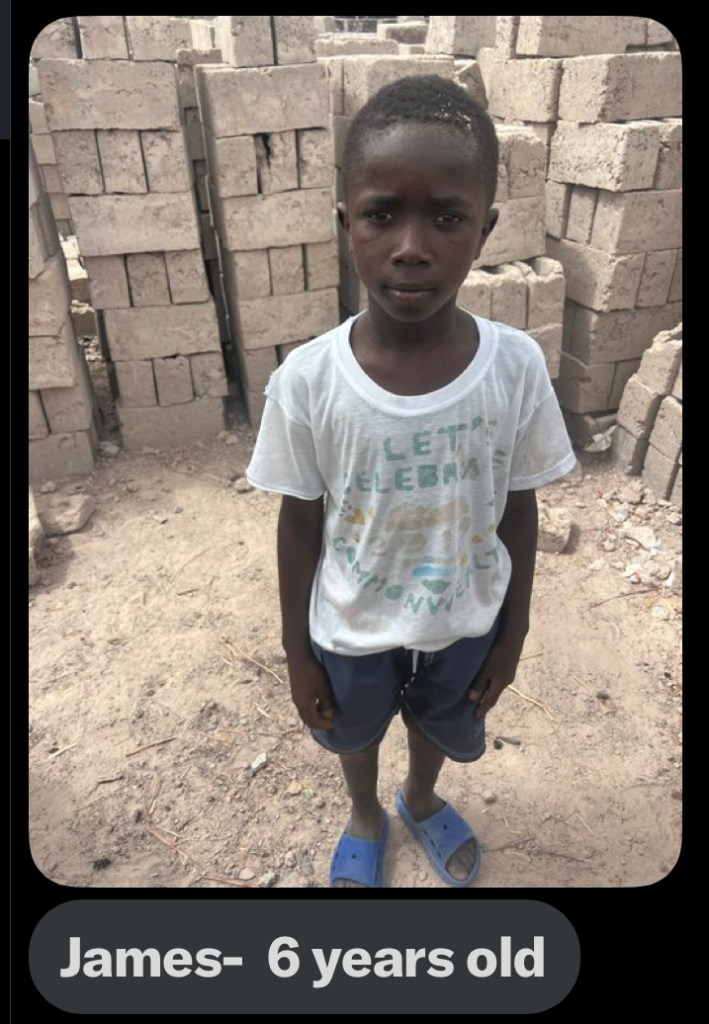
James – 6 years old
🌟 James, you are thoughtful and wise beyond your years. Even in your quiet moments, your presence is full of strength. There’s a gentleness in you that touches others deeply.
May you grow in grace. May your words carry kindness, and may your path be steady and filled with goodness. 🙏🕊️🙏
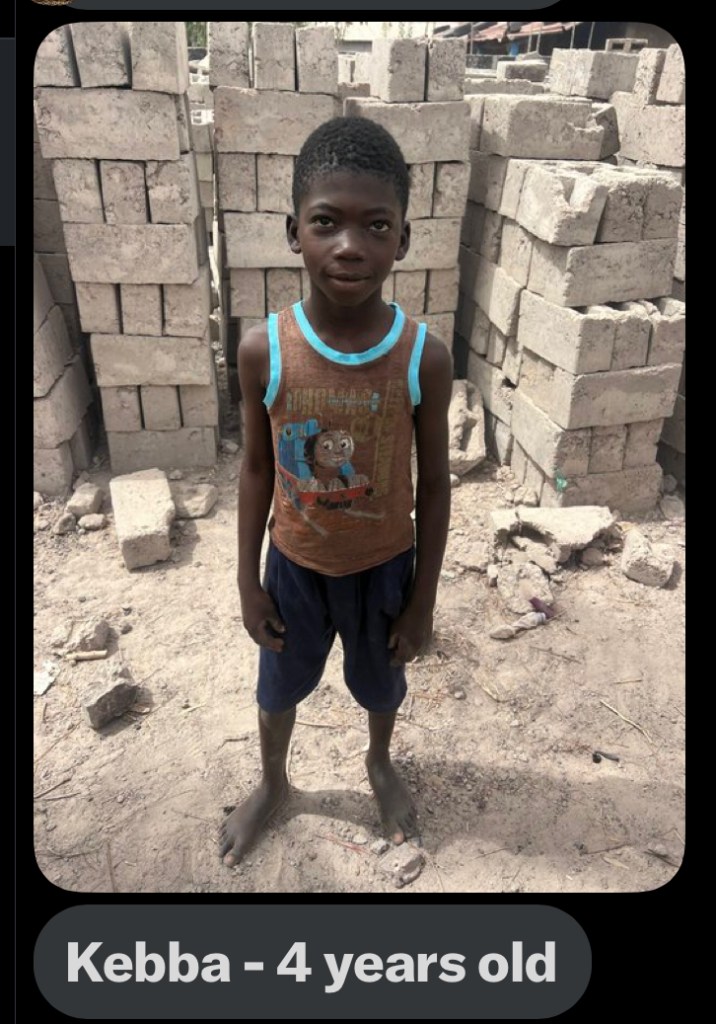
Kebba – 4 years old
🌟 Kebba, you are full of joy and sweetness. Your smile brings warmth to everyone around you. You are young, but your light already shines so brightly.
May your days be playful and safe. May you be surrounded by love, and may your heart always know how cherished you are. 🙏🕊️🙏
Each of these children is a miracle. Together, with Alieu’s love and the care of this growing community, they are learning to walk in strength and dignity—one step at a time.
We walk with them. We pray for them.
And we believe in the beauty
of what lies ahead.
🙏🕊️🙏
🕊️ Thank you for walking with us.
Your support helps Alieu and his siblings build a life rooted in dignity, hope, and love.
This isn’t charity—it’s relationship. It’s walking in love, across oceans.Each participant is mentored with homework assignments that will empower them with skills like reading, writing, photography and videography.
This campaign is part of the “Together We Rise Initiative”, sponsored by Inspirations of Love and Hope.
🙏🕊️🙏
Blessing for the Video above and All Who Watch
May this video be a river of blessing—
flowing through the lives of all who see it,
and through the unseen spaces between them.
May the images and prayers it carries
be seeds of compassion,
planted quietly in the soil of every heart.
May Alieu and his family be blessed
with safety, nourishment, joy, and dignity.
May all beings throughout time and space,
those known and unknown, near and far,
be touched by the ripple of this offering.
May those who watch be blessed with kindness,
and may kindness multiply endlessly outward.
May this small light travel beyond screens and words,
beyond moments and borders,
and become part of the great healing of all that lives.
When post-viral ME/CFS first appeared in my life over 30 years ago, it was like a sudden, uninvited guest that turned everything upside down. The plans I had carefully laid out—the career, the teaching, the travel—came to a screeching halt. My body, which once felt like a reliable vehicle for my ambitions, became a source of constant limitation.
For many people today, especially in the aftermath of COVID, the experience of long COVID or post-viral ME/CFS can feel like a similar trainwreck. The life you knew, the expectations you had, are suddenly out of reach, and you’re left grappling with a new reality—one that modern medicine often struggles to explain, let alone resolve.
I remember the early days well. The confusion, the depression, the overwhelming frustration that came with the unrelenting fatigue. In the beginning, it was hard to see any way forward. It felt like I was being asked to surrender everything I had worked for, again and again. Every time I hit a new limit, I had to lower the bar, lower it again, and lower it even further. It was a painful process of letting go, not just of my physical abilities, but of my identity and the future I had imagined for myself.
But over time, and through countless moments of surrender, I began to see that while the path I had planned was no longer possible, there was another way forward. It was a quieter path, more inward, but it was no less valuable. Writing became my outlet, my way of contributing to the world, even while living in solitude and spending much of my time in bed.
For those of you reading this who are newly facing the reality of post-viral ME/CFS, I want to acknowledge that this is not an easy journey. It’s okay if you need to take breaks, both from reading and from the mental and emotional load of processing what this diagnosis means. Be gentle with yourself, and if you find the post too long, take it in pieces, come back when you’re ready. The key is to pace yourself, in life and in reading.
Surrendering to a New Reality
One of the hardest lessons I had to learn was surrender—over and over again. Post-viral ME/CFS teaches you that you can’t control everything, no matter how hard you try. Every time I felt like I was getting close to managing the illness, there would be a setback. My energy would crash, and I’d find myself in bed for days or weeks at a time. At first, it felt like defeat. I had to give up so many aspects of life I’d taken for granted.
But over time, I realized that surrendering wasn’t about giving up. It was about accepting what is, rather than constantly struggling against it. The more I fought the reality of my illness, the more frustration I experienced. Letting go didn’t mean that I had to stop hoping or working toward better health, but it did mean that I had to stop resisting what I couldn’t change in that moment.
Surrendering, in this sense, became a way to make peace with the limits of my body, to find moments of ease even when everything else felt out of control. It was an ongoing practice, one that I still revisit, especially on difficult days.
Navigating Others’ Reactions
In addition to learning how to surrender, one of the most difficult challenges I faced early on was dealing with other people’s reactions. In those early days, many people didn’t even believe post-viral ME/CFS existed. I heard things like, “You just need to drink more coffee,” or, “Have you thought about taking naps?” Even when I was officially diagnosed as disabled by the government, my own mother thought I was just lazy and needed to be more active.
This kind of misunderstanding, disrespect, and dismissal is, unfortunately, a common experience for many who suffer from post-viral ME/CFS. Family, friends, and even doctors would question or deny my experience. I’ve heard stories of doctors telling their patients not to even talk about ME/CFS because it “doesn’t exist.” It was often treated as a garbage-pail diagnosis, or dismissed entirely.
While there is more understanding of post-viral ME/CFS today, the stigma still remains. Making peace with this aspect of the illness has been a long journey. What helped me most was cultivating compassion, not just for myself but for others. As Jesus said, “Forgive them, for they know not what they do.” Having compassion for the people in your life who may deny or diminish your experience is a key part of finding peace.
An Evolving Perspective on Post-Viral ME/CFS
In the early days of my journey with post-viral ME/CFS, I found myself going through what felt like the stages of grief as described by Elizabeth Kubler-Ross. At times, I thought I might be dying, and I cycled through stages of anger, grief, depression, and confusion. Acceptance didn’t come quickly, and it took years of processing and reflection before I could reach that place.
One of the major steps toward acceptance came when I read How to Be Sick by Toni Bernhard. This book resonated deeply with me, and for the first time, I felt like someone truly understood what I was going through. Toni’s reflections on illness gave me a new sense of validation and self-respect, and her practical tips helped me develop a healthier way of relating to my experience. I highly recommend this book to anyone struggling with post-viral ME/CFS.
Then, during a meditation class organized by students of Sogyal Rinpoche, based on The Tibetan Book of Living and Dying, I began to find deeper peace. It was around this time that I discovered a Tibetan sutra titled Transforming Suffering and Happiness onto the Path of Enlightenment. This teaching profoundly shifted my perspective once again.
As I read the sutra, I realized that my anger, frustration, and negative emotions were not only draining my energy but also exacerbating my symptoms. It became clear to me that these stressful emotions were making my condition worse, and that when I was able to relax, let go, and find inner peace, I had greater capacity and longer periods of activity without crashing—or without crashing as severely. This was an important revelation: cultivating acceptance, forgiveness, and inner peace didn’t just feel better, it actually minimized my symptoms.
Shifting Perspective: The Sutra That Changed Everything
One passage from the Tibetan sutra resonated deeply with my experience of post-viral ME/CFS:
“Whenever we are harmed by sentient beings or anything else, if we make a habit out of perceiving only the suffering, then when even the smallest problem comes up, it will cause enormous anguish in our mind.”
This teaching hit home because, for a long time, I had been focusing only on the suffering. Everything in my life had become an enemy—my body, my circumstances, even the people around me. The more I centered my awareness on the pain and limitations, the heavier everything felt. Even the smallest setback would feel unbearable.
The sutra showed me that the more we focus on suffering, the more it grows and colors everything we experience. By recognizing this, I began to understand that shifting my focus away from the suffering and toward acceptance could help me find peace. It wasn’t about denying the reality of the illness, but about no longer letting it dominate my entire perspective.
The true transformation came not only by making peace with suffering but by learning to approach both suffering and happiness with the same equanimity. I had to remind myself that when I’m unhappy, this too shall pass, and when I’m happy, this too shall pass. This reminder became a useful way to stay balanced through the ebb and flow of life—the good days and the bad days, the good months and the bad months.
Additionally, I found comfort in William Blake’s words: “He who kisses the joy as it flies lives in eternity’s sunrise.” It reminded me to appreciate the little moments of happiness, to savor them without attachment, knowing that they, too, are fleeting. This perspective helped me not to be disturbed by the constant changes and to find a sense of peace amidst it all.
Discovering a New Path: Writing as Healing
As I continued to navigate the ups and downs of post-viral ME/CFS, I eventually found a new passion that helped me stay connected to the world and give expression to my inner journey: writing. Although much of my life is spent in solitude, and my physical abilities are limited, writing has become my outlet, a way to contribute and share what I’ve learned.
Through writing, I’ve been able to explore the lessons of impermanence, forgiveness, and acceptance, not just for my own growth but as a way to offer encouragement to others walking a similar path. Chronic fatigue may limit what I can do in the physical world, but it has opened up this creative space where I can still connect, reflect, and contribute.
In this way, writing became not just a coping mechanism but a practice of karma yoga, an offering. It’s a way to kiss the joy as it flies, even amidst the challenges of chronic illness, and to embrace each moment—whether in suffering or happiness—as an opportunity for growth.
🙏🕊️🙏
“He who binds to himself a joy Does the winged life destroy; But he who kisses the joy as it flies Lives in eternity’s sunrise.”
There is something about preparing for a storm that feels like a dance with the Divine—both a surrender and a determined act of mindfulness. As I sit here in the quiet hours before evacuation, I realize that this has been more than just a physical process of gathering what I need. It has been an intimate spiritual journey, one that stretches my capacity to trust, to let go, and to deepen into the lived experience of the present moment.
Living with chronic fatigue syndrome (CFS) means that every action I take must be intentional. Every task requires careful pacing, every moment of activity balanced with long periods of rest. There is a delicate art to navigating this kind of preparation, especially during a post-exertional malaise (PEM) crash. Yet, somehow, this storm has become a mirror—reflecting back the inner landscape of my spiritual practice, calling me into a deeper relationship with contemplation, with surrender, and with faith.
The Importance of Pacing I began the preparations by gathering what I would take with me: clothes, medications, bedding, and electronics—just enough to fill a small suitcase and backpack. For most, this might seem like a simple task. For me, it was an act of delicate pacing. I worked in small bursts, then returned to rest, mindful of the balance I needed to maintain in order to avoid worsening my symptoms. Each step of preparation became a meditation on pacing, on honoring the limitations of my body while trusting in my ability to persevere.
In these moments of rest, I found myself returning again and again to the practice of contemplation. I lit a candle, not only for myself but for all those who are suffering—for all sentient beings in the path of this storm and beyond. There is a peace that arises in this kind of surrender. A quiet knowing that, no matter how much preparation is done, the outcome rests in God’s hands. And that, somehow, is enough.
A Shift from Meditation to Contemplation This journey has been more than just practical preparation. It has been a spiritual unfolding. For years, I have studied the teachings of Advaita Vedanta and Dzogchen, exploring the ways in which these paths guide us beyond intellectual understanding and into a direct experience of the Divine. In the midst of preparing for this hurricane, I felt a deepening—a shift from meditation to contemplation.
Contemplation is not about thinking or striving. It is about resting in the space of the witness, in the awareness of what is, without grasping or resisting. As the storm approaches, I find myself leaning more into this practice. Each moment becomes an invitation to let go of control, to allow the Divine to move through me, and to trust that whatever happens, it is part of a greater unfolding.
Mindful Eating and Body Awareness Even the simple act of eating became a mindful practice. I prepared a spontaneous meal—scrambled eggs with garlic and cayenne, rich in healthy fats and protein to fuel me through the day. As I ate, I focused on each bite, slowing down, tasting, being fully present with the nourishment my body needed.
In the midst of so much uncertainty, these small acts of mindfulness brought me back to center. They reminded me that, even as the world outside seemed to spin with chaos, I could find peace within the present moment. I could honor my body’s needs, even as I prepared to enter an unfamiliar shelter and face whatever lay ahead.
Pacing the Preparation of the RV As I packed my belongings, I also prepared my RV, the place I call home. I moved slowly, bringing frozen food to the clubhouse, unplugging the RV, securing what needed to be secured. I paced myself, taking each step with intention, aware that my energy was limited and precious.
There is something sacred about these practical tasks, when approached with mindfulness. They become a part of the spiritual practice, a way of aligning the outer world with the inner. In unplugging the RV, I was also unplugging from the need to control. In securing my belongings, I was also securing my faith—trusting that whatever happens, I am held by something greater than myself.
Karma Yoga: Offering and Receiving Prayers During this time, I also turned to the practice of Karma Yoga—offering prayers for the world, while asking for prayers in return. I posted a prayer request on Facebook, asking my community to hold me, and all those in the storm’s path, in their hearts. The response was overwhelming. The outpouring of love, of people offering their prayers and well wishes, became a source of strength for me. It reminded me that, even in times of uncertainty, we are never alone. We are held by the compassion of others, by the grace of the Divine, by the interconnectedness of all life.
Surrender and Trust And so, I surrender. I surrender to whatever will be, knowing that I have done all I can to prepare—both physically and spiritually. I surrender to the wisdom of the Divine, trusting that, in the midst of this storm, there is a deeper unfolding happening. There is a lesson in the letting go, in the release of control, in the peace that comes from trusting that God’s will is always unfolding in ways that we may not understand, but can still embrace.
To those who read this, who are also navigating life with chronic fatigue syndrome or facing similar challenges, I hope this reflection offers you some sense of peace. We cannot always control the storms that come our way, but we can choose how we prepare, how we respond, and how we anchor ourselves in the presence of the Divine.
May you be safe. May you be held. May you find peace in the midst of the storm.
Karma Yoga is the yoga of selfless action, a path that transforms work into a spiritual practice by emphasizing the importance of performing one’s duties without attachment to the outcomes. Rooted in the teachings of the Bhagavad Gita, Karma Yoga encourages practitioners to engage fully in their responsibilities while dedicating their actions to the greater good, without seeking personal gain or recognition.
The essence of Karma Yoga lies in the principle of Nishkama Karma—acting without desire for the fruits of one’s actions. This approach purifies the heart and mind, reducing the influence of the ego and fostering a sense of humility, compassion, and service. By embracing this path, practitioners learn to see their work as an offering, aligning their will with the divine and contributing to the welfare of all beings.
In this blog series, we’ll delve into the core teachings of Karma Yoga and how it can be applied to our daily lives, transforming every action into a step on the spiritual path.
As we embark together on this journey of discovery and reflection, I warmly invite you to join me in exploring the depths of these ancient practices and teachings. Let this space be a sanctuary where we meet not just as seekers, but as companions on the path—a place where the wisdom of the ages can gently unfold within our lives.
If these words and practices speak to something within you, if they stir a quiet longing or bring a sense of peace, I encourage you to subscribe to this blog. By doing so, you’ll be the first to know as new installments of our shared journey are published. It is my hope that each post will resonate with you, offering insights and comfort as we continue to explore these profound teachings together.
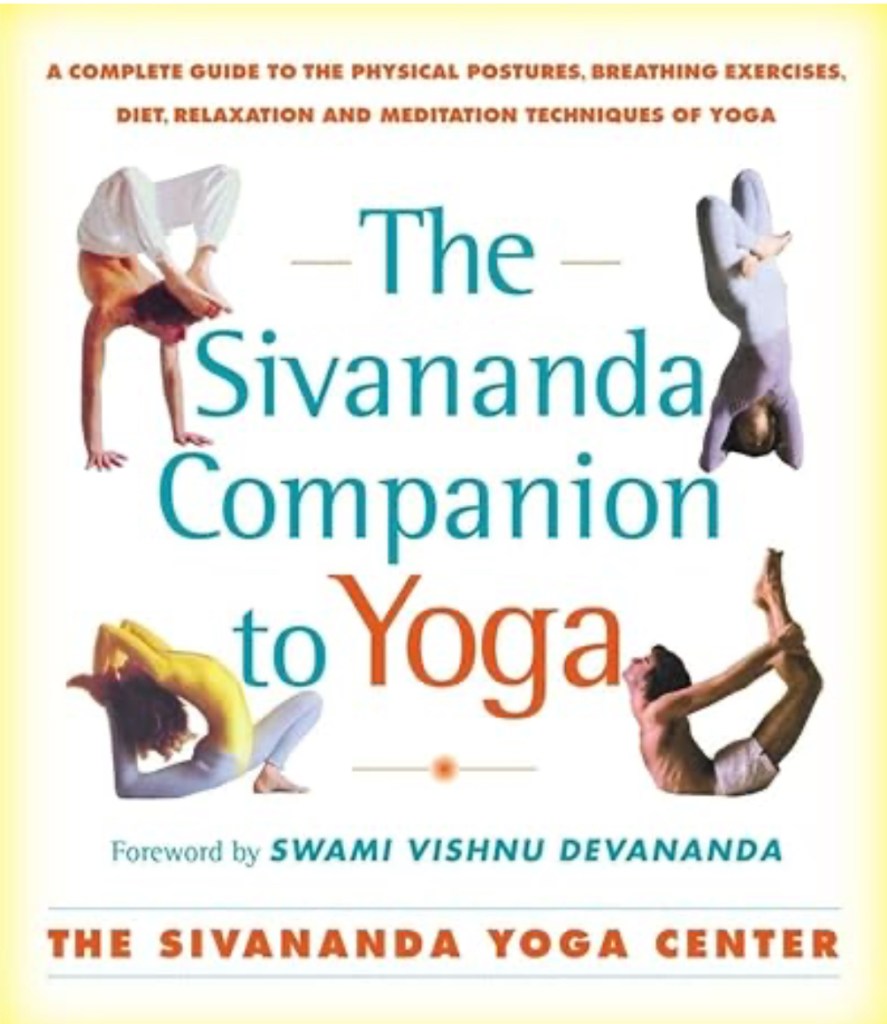
For those interested in a comprehensive introduction to the practices of yoga, I recommend The Sivananda Companion to Yoga: A Complete Guide to the Physical Postures, Breathing Exercises, Diet, Relaxation, and Meditation Techniques of Yoga. This book offers clear guidance on the foundational aspects of yoga, making it an invaluable resource for anyone looking to deepen their understanding and practice. Take a look at this book on Amazon
here.
In the journey of spiritual growth, each moment, each challenge, and every encounter presents an opportunity to deepen our awareness. No matter the external circumstances—whether we’re moving from one phase of life to another, letting go of past attachments, or simply observing the fluctuations of the mind—there is a steady witness that remains untouched. This witness, or seer, is the essence of our true nature, and learning to strengthen our connection to it is one of the most important steps on the path to inner freedom.
The Shift from Mind to Heart
For many of us, the longest journey is the shift from the ordinary mind to the heart, or from the restless fluctuations of thoughts (vrittis) to the calm, witnessing presence. The heart, in spiritual traditions such as Advaita Vedanta and Jewish mysticism, is often equated with the Divine. It’s not merely an emotional center but the seat of the Divine Presence within us—Atman as Brahman, or the individual self as one with the Absolute.
As we begin to experience this shift, we realize that our external experiences—both positive and negative—are just reflections of the inner workings of our mind. The challenges, such as illness or life transitions, become opportunities to witness these reflections without being swept away by them. This movement from the mind to the heart is the foundation for a life of spiritual presence.
Living Between Excitement and Calm
One of the paradoxes on the spiritual path is living with dual awareness: experiencing the emotional fluctuations of excitement, frustration, or joy while simultaneously witnessing them from a place of calm and neutrality. The spiritual journey does not require that we suppress these emotions, but rather that we hold them lightly, recognizing them as transient waves on the surface of our consciousness.
As Namkhai Norbu teaches, the presence of awareness exists both in moments of calm and agitation. The mind may be excited, but the witness remains still. This dual awareness allows us to engage fully with life without losing our spiritual center. As we strengthen the seer within us, we find that both excitement and calm can coexist, and we learn to embrace the paradox of non-duality within dual awareness.
Letting Go of Attachments: The RV and Beyond
Transitions in life—whether they involve moving from one home to another or shifting from one state of consciousness to another—offer us the chance to practice letting go. For many years, a beloved space like an RV can be a sanctuary, a place of refuge for meditation and contemplation. But when the time comes to leave, it becomes a test of non-attachment, a reminder that the true sanctuary is within us.
Letting go is not simply about releasing physical objects or spaces; it’s about releasing the emotional and mental attachments we have to them. It’s about trusting that even as we move into unfamiliar territory, the witness remains constant. As we let go of the old, we create space for something new to emerge—a fresh start, or beginner’s mind, as we navigate life with openness and curiosity.
The Importance of Trust and Faith
A major theme in this spiritual journey is trust—trust in the Divine, trust in ourselves, and trust in the process. After years of doubt and uncertainty, we may begin to experience a deep sense of confidence and trust in life’s unfolding. Even when life presents us with difficult or unexpected challenges, such as illness or the need to move from a long-held refuge, trust allows us to remain grounded in the witness.
This trust doesn’t mean we stop facing difficulties, but rather that we learn to see them as part of the greater unfolding of our spiritual path. Each test, no matter how small or large, becomes another opportunity to strengthen the seer within. As the Buddha taught, the Dharma is like a raft that helps us cross the ocean of suffering. Once we reach the other shore, we leave the raft behind, trusting that we now carry the teachings within us.
Witnessing the Witness: A Reflection of Inner Harmony
Ultimately, the journey is about witnessing the witness—becoming aware of the awareness that is always present, regardless of the external conditions. This awareness, which we can also call the Divine, is not dependent on calmness or agitation, happiness or sadness. It simply is. And as we deepen our connection to this awareness, we come to embody the teachings in our lived experience.
The process of writing and sharing these insights is part of this journey. Just as we are learning to let go of attachments, we also leave behind reflections in the form of writings, teachings, and blog posts. This is karma yoga—an offering of selfless service to whoever may benefit from these reflections. Like the authentic seeker who presents the teachings from the heart rather than from notes, we are called to embody the wisdom we’ve gathered and leave the rest for others to use as they see fit.
Conclusion: The Journey of the Seer
In the end, the journey is about becoming the witness to our own life, embracing both the external challenges and the internal awareness that guides us through them. As we continue to strengthen the seer within us, we move closer to a life of true presence, where each moment, no matter how challenging, becomes an opportunity for growth and transformation.
May this reflection serve as a reminder to all who encounter it that the witness is always present, guiding us through the transitions of life and helping us to cultivate trust, non-attachment, and inner peace.
In our quest for spiritual growth, we often seek teachings that provide both wisdom and practical guidance. The Sadhana Pancha Kama, a profound set of instructions for spiritual progress, offers just that—a roadmap for those who are earnest in their pursuit of higher realization.
These teachings, as shared by Pravrajika Divyananda Prana, outline essential practices that can help us align our daily lives with our spiritual goals. They serve as both a guide and an inspiration for anyone looking to deepen their spiritual practice.
The Sadhana Pancha Kama consists of forty instructions, each designed to cultivate qualities and habits that lead to spiritual awakening. These steps are not just theoretical concepts; they are meant to be lived and experienced in the heart and mind of every seeker.
A Glimpse into the Teachings
While all forty instructions are vital, I’d like to share some reflections on a few that have particularly resonated with me:
Study the Vedas Daily: This first instruction emphasizes the importance of grounding oneself in sacred knowledge. While I’ve primarily studied texts like the Bible, the Bhagavad Gita, the teachings of the Buddha, and other spiritual traditions, the practice of daily study has become a cornerstone of my spiritual life. It reminds me to continually seek wisdom and understanding, no matter where I find it.
Perform Duties Ordained by the Vedas: In my own life, this translates to the practice of karma yoga. As I write and share spiritual reflections daily, I strive to perform these duties with dedication and without attachment to the outcome. It’s about doing the work with sincerity and leaving the results in the hands of the divine.
Turn Your Mind Away from Desires: This instruction speaks directly to the practice of detachment. Whether it’s letting go of material desires or attachments to specific outcomes in my life, I’m reminded that true contentment comes from within, not from external circumstances.
Seek the Company of the Wise: Surrounding oneself with wisdom has been essential on this path. Whether through spiritual teachers, books, or even online communities, the presence of wise guidance helps me stay focused and inspired on my journey.
These are just a few examples of how the Sadhana Pancha Kama can be integrated into daily life. Each instruction offers a new opportunity for contemplation, growth and deeper understanding.
A Path for All Seekers
The beauty of the Sadhana Pancha Kama lies in its universality. These teachings are accessible to anyone, regardless of where they are on their spiritual journey. Whether you’re just beginning or have been on the path for years, there is something in these instructions for everyone.
For those who wish to explore these teachings further, I highly recommend listening to Pravrajika Divyananda Prana’s discourse on the Sadhana Pancha Kama. Her insights bring these ancient instructions to life, making them relevant and applicable to our modern lives.
May these teachings inspire you as they have inspired me, guiding you ever closer to the realization of your true self.





 Home Page: Inspirations of Love and Hope