Tag: spiritual enlightenment

  • Seeking the Kingdom of God: The Paradox of Perfection and Presence

    The mystic journey is one of paradox—seeking that which is already present. Across traditions, whether in Christian teachings about the Kingdom of God or in non-dual philosophies like Advaita Vedanta and Buddhism, the central truth remains: the divine, or perfection, is already here, but it must be realized through spiritual insight. As Jesus said, “The Kingdom of God is within you” (Luke 17:21), yet for most of us, it remains hidden behind the veil of ego and conditioned perception.

    The Spiritual Paradox:

    At the heart of many mystical teachings is the idea of striving for a perfection that we will never attain—because it is not something to attain. It’s not a destination, but a present reality we fail to recognize. This paradox mirrors the Christian teaching of seeking the Kingdom of God, even though it’s already in our midst. In this journey, we are continually asked to refine ourselves, knowing that the striving itself is a tool for unveiling the deeper truth that we are already complete.

    In the words of a friend: “Strive always for perfection, knowing that you will never attain it, and yet you’re as perfect as you will ever be.” This echoes not only in Christian thought but also in the non-dual traditions of the East. Whether it’s Brahman or Buddha-nature, spiritual traditions agree that the ultimate reality is not something the ego-self can grasp or reach.

    Having Eyes to See and Ears to Hear:

    Jesus emphasized that the Kingdom of God is already here for those who have “eyes to see” and “ears to hear.” This teaching parallels the non-dual realization that enlightenment or liberation is not a distant goal, but a shift in awareness. It’s about seeing through the illusion that we are separate from the divine or that the divine is elsewhere.

    In the mystic experience, the ego—the self that seeks—is a pratyaya (a conditioned phenomenon), something that must dissolve for true realization to occur. The ego can never “attain” enlightenment, because the one seeking is part of the illusion. The task, therefore, is to see through this illusion. As Jesus said, those who are spiritually awake can recognize that the Kingdom of God is already here.

    The Practice of Seeking:

    Even though we are already in the Kingdom, we must continue to strive. This striving is not about accumulating spiritual merit or becoming more worthy. It’s about peeling back the layers of ego and illusion to reveal the truth that has always been there. The very act of seeking becomes a practice in humility and surrender, recognizing that the self cannot attain the Kingdom, but that the realization of the Kingdom involves a shift in consciousness—not in achievement.

    In Buddhism, this is the realization of emptiness or shunyata—the recognition that all things, including the self, are empty of inherent existence. In Christianity, it’s the surrender to God’s will and the realization that “it is no longer I who live, but Christ who lives in me” (Galatians 2:20).

    Conclusion:

    The mystical path is one of paradox and deep humility. We strive to seek perfection, knowing that the ego will never attain it, because the perfection we seek is beyond time, space, and the limitations of the mind. We often speak of this perfection as being “present,” yet the present itself is elusive. As we’ve observed, the present moment can never truly be experienced by the senses—by the time we become aware of it, it has already slipped into the past. The perfection we seek is not in the present as we conventionally understand it, but rather beyond time itself, in the timeless reality that transcends the ego.

    This is why enlightenment cannot be made to happen. As Red Anderson said, enlightenment is like an accident—a spontaneous revelation beyond our striving and beyond our ego. And yet, the purpose of practice, whether in Zen, Christian mysticism, or other spiritual traditions, is to make us accident-prone. Practice, mindfulness, and ethical discipline create the conditions for enlightenment or grace to arise, even though we cannot control when or how it will happen.

    In this way, the act of striving itself becomes a form of grace—not because we earn grace through effort, but because our striving prepares us to receive what is already present. Grace, in the spiritual sense, is not something we can control or achieve. Rather, it is a gift that arises when the striving dissolves. Like rain that falls when the soil is ready, grace arrives spontaneously, not as a reward, but as a revelation of the truth that has always been.

    This is why mystics across traditions teach that while we cannot force grace to appear, we can create the conditions for it. Practices like prayer, meditation, or mindfulness soften the ego and open us to receive what is already here. In this sense, grace is the ultimate outcome of our paradoxical journey—not something earned through effort, but something realized when we let go of the need to attain it.

    Thus, as we strive, we also surrender. And when grace arrives, it reveals that the perfection we seek has always been present, beyond time and striving. This recognition dissolves the illusion of separation and resolves the paradox: the Kingdom of God, or enlightenment, was never distant—it was simply waiting to be seen.

    This mirrors the paradox of non-duality in a world of duality: we appear to strive, yet the truth we seek is always here, beyond time and duality. Practice, whether Zen meditation, mindfulness, or prayer, is a way to soften the ego, make us open, and create the conditions for the Kingdom of God, enlightenment, or grace to spontaneously arise. In this sense, we become like a field prepared for rain—we cannot control when the rain will come, but by cultivating the soil, we make ourselves accident-prone to the downpour of grace.

    Thus, in the mystic journey, striving and letting go are not opposites but two parts of the same dance. We strive, knowing we cannot ‘make it happen,’ but in doing so, we prepare the ground for the possibility of grace.

    The beautiful metaphor of becoming “accident-prone” weaves it into the ongoing theme of striving without attachment. It acknowledges the value of practice, even when we know the ego cannot reach enlightenment directly, and creates a sense of the mystical unfolding that happens when conditions are right.

    The mystic experience is ultimately about recognizing that what we seek has always been here, and in this recognition, the striving itself becomes a form of grace.

    🙏🕊️🙏

  • The Ego’s Journey from Separation to Enlightenment: A Union of Sufi, Buddhist, and Hindu Wisdom

    The Ego’s Journey from Separation to Enlightenment: A Union of Sufi, Buddhist, and Hindu Wisdom

    There is a moon that rises every night, a silent witness to the sun’s endless light. And yet, the moon itself knows no radiance, no brilliance of its own. It is only when the sun kisses its surface, that it shines, softly, luminously, reflecting a borrowed light. The moon is not the light, but through it, light is made visible.

    So too is the ego, that fragile vessel we cling to, believing it to be the source of our being. It moves through the world like the moon through the night, often unaware that it is not the origin of its own light. The ego believes itself sovereign, a solitary entity, and so it knocks at the gates of heaven. “It is I,” it says. “It is I, Lord.” But the voice from within replies, “I do not know you.”

    This exchange repeats in its cyclical fashion, a dance of self and selfhood, of claiming and denial, much like the phases of the moon—sometimes full with pride, sometimes waning in despair. Yet still, the light of the divine waits, unwavering, patient as the sun.

    And then, in a moment that cannot be forced, cannot be grasped, the ego begins to see the truth of its existence. It begins to understand the quiet grace of reflection. No longer does it knock at heaven’s door saying, “It is I.” Instead, it whispers, “It is Thee.” Not a cry of self, but a dissolution of self. “It is Thee, Lord.”

    And the door, which had remained closed to the insistence of the separate self, swings open. The voice within responds, “Welcome home.” For in that moment, the ego no longer stands apart. It has realized its true nature. It is no longer the moon, claiming a light it cannot possess. It has become the mirror, the perfect reflection of that which has always been.

    The old Sufi story of the ego’s journey, of its many attempts and its ultimate awakening, is not bound by any single tradition. It echoes through the teachings of the Buddha, who saw the ego as an illusion, a fleeting cloud that masks the vast sky of mind. It resonates with the Hindu wisdom that declares Atman is Brahman, that the self, when truly known, is not separate from the vast, eternal presence of the divine.

    When the ego comes to that door again, no longer clinging to its smallness, no longer insisting on its separateness, it is the same realization the Upanishads speak of—Tat Tvam Asi—You are That. It is the same grace that permeates the silence of the Sufis, the same light that breaks through the illusions of the mind in every tradition.

    And so, the ego, having traveled through the long night of its own illusions, finally sees the sun. It sees that it was never the source of light, but always the recipient. It sees that what it once called “I” is nothing but a reflection of “Thee.”

    In this union, in this homecoming, the ego dissolves like the moon fading at dawn. The self returns to the Self. The individual, once lost in its sense of separateness, is welcomed into the infinite. It is no longer the journey of ego toward enlightenment, but the realization that enlightenment was always there, waiting, shining patiently like the sun.

    The moon, now quiet and full of grace, no longer claims its own light. It simply reflects, perfectly, humbly, the light of the sun. And in that reflection, in that quiet surrender, it becomes one with the light itself. Welcome home, the divine says, and the journey is complete.

    🙏🕊️🙏

  • Book Review: The Masnavi I Ma’navi of Rumi – Whinfield Version

    The Masnavi I Ma’navi by Jalaluddin Rumi stands as one of the most important works of Sufi mysticism and spiritual literature, spanning six books and countless couplets of deep spiritual wisdom. In his Masnavi, Rumi uses parables, stories, and poetic teachings to convey profound insights into the nature of the soul, the ego, and the journey toward divine union. Often regarded as “the Quran in Persian,” this work holds immense value for seekers on the path of self-realization and spiritual growth.

    E.H. Whinfield’s translation of The Masnavi I Ma’navi remains one of the earlier and more literal renderings of Rumi’s monumental work. First published in 1887, Whinfield’s translation is known for its fidelity to the original Persian text. While it may lack the poetic flourish found in more recent translations, it offers a direct and unembellished presentation of Rumi’s teachings. This makes Whinfield’s version particularly valuable for those interested in a clear and faithful understanding of the spiritual messages without the influence of modern interpretation or adaptation.

    Whinfield’s work is often appreciated by scholars and serious students of mysticism for its precision and attention to detail. The translation presents Rumi’s messages about divine love, ego dissolution, and the human soul’s search for the Beloved with clarity and depth, making it a vital resource for anyone wishing to study The Masnavi in its original spirit. Through these six books, readers are invited to explore themes of spiritual enlightenment, the challenges of the ego, and the ultimate quest for unity with the divine.

    This review serves as a placeholder for further study of this version of The Masnavi, with plans for more detailed analysis and reflection on its teachings in the future.

    Why Choose the Whinfield Translation?

    While modern translations such as those by Coleman Barks and Reynold Nicholson are more poetic and accessible to contemporary readers, Whinfield’s work stays closer to the literal meaning of the original Persian, offering a more straightforward approach to Rumi’s often complex teachings. For those seeking a purer, less interpreted version of The Masnavi, Whinfield’s translation serves as an essential tool for deep study.

    Conclusion

    For spiritual seekers, mystics, and scholars alike, The Masnavi I Ma’navi in its Whinfield translation is a powerful gateway into Rumi’s universe. Its six books of spiritual couplets form a cornerstone of Sufi literature, guiding readers through the depths of spiritual struggle and the heights of divine love. Although less poetic, Whinfield’s version is a faithful companion for those who wish to engage with Rumi’s wisdom in a form that remains close to the original text.

    🙏🕊️🙏

  • A Universal Prayer: From Darkness to Light, From Untruth to Truth

    In spiritual traditions across the world, we find prayers asking for guidance to move from confusion to clarity, from darkness to light, and from death to life. One such prayer comes from the Brihadaranyaka Upanishad, an ancient Hindu text, offering a heartfelt request for divine guidance. Though its roots are in Hindu philosophy, its message speaks to universal human desires—truth, wisdom, and spiritual transformation.

    For my Christian readers, this prayer can be understood as a plea for the Holy Spirit to guide us into all truth, as Jesus himself promised. It’s a prayer for light in a world often filled with darkness, and for life eternal.

    The Meaning of the Mantra:

    The mantra, “Om Asatoma Sadgamaya”, carries three simple yet profound aspirations:

       •   “Asatoma Sadgamaya”: Lead me from untruth to truth.
       •   “Tamasoma Jyotirgamaya”: Lead me from darkness to light.
       •   “Mrityorma Amritam Gamaya”: Lead me from death to life.

    Each line is a prayer asking for guidance out of the illusions and falsehoods of the material world, and into the truth, light, and life of the eternal. These are aspirations that align with the teachings of Jesus, who calls us to walk in light and truth.

    Connecting the Mantra with Christian Scripture:

       •   Truth:
    John 16:13: “But when he, the Spirit of truth, comes, he will guide you into all the truth.”
    This line from the Gospel of John shows that Christians, too, seek the guidance of the Holy Spirit to move from untruth to truth, echoing the essence of the first line of the mantra.
       •   Light:
    John 8:12: “When Jesus spoke again to the people, he said, ‘I am the light of the world. Whoever follows me will never walk in darkness, but will have the light of life.’”
    The prayer for light in the mantra resonates with Jesus’ teaching that he is the light, guiding us away from darkness and into spiritual illumination.
       •   Life:
    John 11:25-26: “Jesus said to her, ‘I am the resurrection and the life. The one who believes in me will live, even though they die; and whoever lives by believing in me will never die.’”
    The desire for eternal life found in the mantra mirrors the Christian aspiration for resurrection and life through Christ.

    A Universal Prayer for All Seekers:

    While this mantra comes from the Hindu tradition, its prayer for spiritual transformation transcends religious boundaries. Whether one calls upon Jesus, the Holy Spirit, or simply the divine, the plea for guidance is a universal human experience. We all seek to move beyond the illusions of this world, to be guided from darkness to light, and to discover the truth that leads to eternal life.

    This prayer can be embraced by Christians as a call to the Holy Spirit for wisdom, light, and life, and by people of all faiths as a heartfelt request for divine guidance.

    In this spirit of unity and shared aspiration, I invite you to reflect on this ancient prayer in whatever way resonates with your faith. May it serve as a reminder that, though our languages and cultures may differ, our deepest desires—to know truth, to walk in light, and to experience life eternal—are shared.

    🙏🕊️🙏

  • Ramayana No. 8: The Journey from Ignorance to Wisdom—A Path We All Walk

    In the ancient epic of the Ramayana, we find a story that resonates with the journey of every human soul—a journey that begins in ignorance and, with the right guidance, leads toward wisdom, righteousness, and self-realization. These themes are universal, transcending religious boundaries, and can be understood in the context of both Eastern and Western spiritual traditions.

    A King’s Ignorance and the Sage’s Steadfastness

    In the early chapters of the Ramayana, we encounter a king driven by flawed motivations—greed, rivalry, and a desire for power. His approach to the sage, despite being rooted in ignorance, marks the beginning of a profound transformation. The king’s initial aggression and misguided intent bring him into the presence of a sage, a living embodiment of dharma (righteousness).

    This story is more than just a tale of conflict; it’s a reflection of our own lives. We all begin in ignorance, shaped by our desires, fears, and misunderstandings. But like the king, when we encounter wisdom—whether through a teacher, a spiritual practice, or life’s hard-earned lessons—there is an opportunity for transformation. The sage, representing the unwavering principles of righteousness, patiently guides the king, leading him from ignorance toward a deeper understanding of true power, which is rooted not in dominance, but in righteousness.

    In the Christian tradition, this principle can be seen in the teachings of Jesus, who embodies righteousness and divine wisdom. Jesus’s teachings guide believers toward a life of love, compassion, and humility, aligning them with the will of God. Just as the sage in the Ramayana leads the king toward dharma, Jesus invites us to follow the path of righteousness, even when we begin with flawed motivations or misunderstandings.

    The Universal Journey: From Ego to Righteousness

    This narrative is relatable because it mirrors the human experience. Even Rama and his brothers, avatars of the divine, begin their lives in a state of ignorance, unaware of their true nature. However, they have the immense fortune of being raised in righteousness by a virtuous family. Their journey is guided by dharma from the start, but for many of us, the path is not so straightforward.

    In the Christian context, we might liken this to the way Jesus guides his followers toward righteousness, teaching them to love their neighbors, forgive their enemies, and live in accordance with God’s will. But as in the Ramayana, many of us begin our spiritual journey with ego-driven desires—seeking happiness, success, or even power. As we walk the path, life’s challenges and the teachings we encounter gradually shift our motivations. The path, though filled with lumps and bumps, becomes a process of alchemy, where our ignorance is transformed into wisdom, our ego into selflessness, and our desires into devotion.

    Seeking Wisdom on the Hard Road

    For those who do not start in a righteous environment, the road can be hard. But this journey is not without hope. The king’s story reminds us that even when we approach the path with flawed intentions, the very act of seeking wisdom can lead to our transformation. The teacher doesn’t come to ignorance; rather, ignorance approaches the teacher.

    In the Southern Chinese monk style of martial arts known as Gohndagow, a branch of Kung Fu, this principle is symbolized by the student bringing the left foot to the right foot before showing respect to the teacher—a gesture that represents ignorance coming to the teacher, or the ego approaching the divine for guidance. In Gohndagow, martial arts are more than just physical training; they are a path to spiritual enlightenment, emphasizing the cultivation of the mind and heart as well as the body.

    In the Christian tradition, we see this when people turn to Jesus, sometimes out of desperation or need, only to find that their journey with him leads them to a deeper understanding of God’s love and righteousness. Our initial motivations, however flawed, can set us on a journey of purification and growth. The spiritual path meets us where we are, with all our imperfections, and guides us step by step toward righteousness. The key is to approach the path with sincerity, even if we start from a place of ignorance. The process itself will refine and elevate us, leading us closer to our true nature, or as Christians might say, to a life that reflects Christ’s teachings.

    The Alchemy of the Spiritual Path

    In Tibetan Buddhism, the concept of alchemy is not merely about turning base metals into gold; it is the process of transforming the ego into a Buddha. This profound journey from ignorance to wisdom is the true alchemical process, one that requires a detailed and disciplined approach to spiritual practice.

    The Tibetans have developed incredibly intricate teachings and practices to guide a person through this transformation. The path itself is the alchemy—a meticulous process that turns the base elements of our ego-driven existence into the gold of enlightenment. Through practices like meditation, ethical conduct, and devotion, and under the guidance of a qualified teacher, a practitioner gradually refines their mind and heart, moving closer to the realization of their true nature as wisdom and compassion.

    In this light, the story of the king in the Ramayana serves as a metaphor for this alchemical journey. His flawed motivations, when met with the sage’s unwavering dharma, set him on a path of transformation, much like how a student in the Tibetan tradition, despite their initial ignorance, is gradually guided toward the light of enlightenment. This process is both universal and deeply personal, reflecting the timeless truth that the spiritual path is one of continuous alchemy—of turning the ego into the gold of wisdom.

    Conclusion: Embracing the Journey

    As we walk our spiritual path, we must remember that the journey from ignorance to wisdom is one that we all must undertake. Whether we begin with pure or impure motivations, the key is to keep moving forward, seeking wisdom and guidance wherever we can find it. The Ramayana, with its rich tapestry of characters and lessons, offers us a mirror to our own lives, showing us that even the most flawed beginnings can lead to a profound and righteous end.

    For our Christian friends, this journey is akin to following Jesus, who offers us the path to righteousness through his teachings. May this reflection inspire you, dear reader, to embrace your journey with all its imperfections, knowing that each step, no matter how small, brings you closer to the light of righteousness and divine wisdom.

    This image that captures the journey from ignorance to wisdom, blending elements from the Ramayana, Tibetan Buddhism, and Christian teachings. It symbolizes the choice we all have of undergoing the transformation process from darkness and ego to enlightenment and wisdom, with cultural symbols subtly incorporated.

    This image that captures the journey from ignorance to wisdom, blending elements from the Ramayana, Tibetan Buddhism, and Christian teachings. It symbolizes the choice we all have of undergoing the transformation process from darkness and ego to enlightenment and wisdom, with cultural symbols subtly incorporated.


    You can explore this epic story in the edition of the Ramayana used in this series, written by Valmiki and translated by Suparna Ghosh, on Amazon here

    Alternatively, you can choose from several other versions and translations that are available. Including the William Buck translation available as an abridged audiobook on Audible, narrated by Ram Dass here

    🙏🕊️🙏

  • Understanding the Roots of Religious Tensions: A Historical Perspective on Divine Righteousness Across Cultures

    As we embark on our journey through the Caravan of Love: Interfaith Healing & Harmony, it’s essential to explore the historical and cultural contexts that have shaped the way different religions view the divine. One of the most significant sources of tension between religious traditions has been the concept of idol worship and the worship of multiple gods. However, when we delve deeper into the origins of these beliefs, we begin to understand that these tensions are rooted in the specific environments and challenges faced by different cultures throughout history.

    The Middle Eastern Context: A Response to Immoral Gods and Practices

    In the ancient Middle East, where Judaism emerged, the surrounding cultures were steeped in polytheistic traditions that often depicted gods as capricious, immoral, and even lecherous. Greek, Roman, and Egyptian gods were frequently portrayed with very human flaws—engaging in deceit, vengeance, and licentious behavior. These gods, rather than upholding moral standards, often embodied the very vices that righteous living seeks to overcome.

    Moreover, the religious practices associated with these gods often included sexual immorality and human sacrifice. In many Greek and Roman rituals, orgies were part of the religious celebrations, which directly conflicted with the moral and ethical standards that Hashem, the God of Israel, sought to establish among His people. Jesus, too, later condemned these practices, warning his followers against participating in meals that involved food sacrificed to idols, which were often associated with these immoral rites.

    Even more abhorrent were the human sacrifices demanded by certain gods, such as Baal, who was worshipped through the sacrifice of children, and the gods of the Vikings and various other cultures that practiced human sacrifice. These practices were utterly condemned by Hashem, who sought to establish a community founded on the principles of justice, compassion, and the sanctity of human life. The strict prohibition against idol worship in Judaism was not merely a rejection of other gods but a rejection of the immoral behaviors and dangerous practices associated with them.

    The Hindu Context: Righteous Deities and the Dharma

    In contrast, the religious environment of ancient India, where Hinduism flourished, presented a very different picture. The gods and goddesses of the Hindu tradition were seen as embodiments of various aspects of the divine, each playing a role in upholding cosmic order—known as dharma. These deities, such as Vishnu, Shiva, and Lakshmi, were revered not for their power alone but for their embodiment of virtues like love, wisdom, and righteousness.

    While animal sacrifices were part of some ancient Hindu rituals, there is little evidence to suggest that human sacrifice was a practice in India, especially in the Vedic tradition that laid the foundation for Hinduism. The sacrifices performed in these rituals were meant to uphold cosmic order, not to appease bloodthirsty gods. As such, the multitude of Hindu deities was not a source of moral confusion but rather a rich tapestry through which the divine expressed itself in the world. Each god or goddess offered a different path or approach to understanding and connecting with the divine, but all were aligned with the principles of dharma. Therefore, the prohibition against worshipping other gods, so essential in the Middle Eastern context, was unnecessary in India, where the divine was seen as inherently righteous and benevolent in its many forms.

    The Role of Reformers: Jesus and Buddha

    In both of these cultural contexts, reformers emerged who sought to elevate the spiritual and moral consciousness of their societies. In the Middle East, Jesus entered a world where the strict monotheism of Judaism had established a strong moral foundation. However, Jesus’s teachings went further, emphasizing love, compassion, and forgiveness as central to righteous living. His life and message aimed to deepen and expand the moral and spiritual understanding of his followers, guiding them toward a more profound relationship with the divine.

    Similarly, in India, the Buddha emerged in a society that already had a strong foundation of righteousness through the Vedas and the Upanishads. However, the Buddha’s teachings challenged the social inequalities of the time, particularly the rigid caste system and the exclusion of certain groups from spiritual life. Like Jesus, the Buddha sought to elevate society by emphasizing compassion, ethical living, and the pursuit of enlightenment for all, regardless of social status.

    Understanding the Clash of Religions: A Matter of Context

    The tension between monotheistic and polytheistic traditions often stems from these differing historical contexts. The Jewish rejection of other gods was a response to the immoral behaviors associated with the gods of neighboring cultures. In contrast, the Hindu acceptance of multiple deities was rooted in a context where the divine was already understood as righteous and aligned with cosmic order.

    Today, these ancient tensions can still influence how religions interact with each other. However, by understanding the historical reasons behind these differences, we can move beyond conflict and toward a more harmonious coexistence. We can recognize that the rejection of other gods in one context was not necessarily a rejection of divinity in all forms but a response to the specific moral challenges of that time.

    Conclusion: Moving Toward Interfaith Healing and Harmony

    In our modern, interconnected world, it’s more important than ever to understand and respect the diverse ways in which different cultures and religions have approached the divine. By exploring these historical contexts, we can appreciate the unique contributions of each tradition while finding common ground in the shared values of love, righteousness, and compassion.

    As we continue on this Caravan of Love, let us remember that the ultimate goal of all spiritual paths is to bring about healing and harmony—not just within ourselves, but in our relationships with others and the world around us. Through understanding and dialogue, we can bridge the gaps between different faiths and move closer to a world where all are respected and all are loved.

    🙏🕊️🙏

    Screenshot

    Jesus of Nazareth, the embodiment of divine love and compassion, whose teachings on forgiveness, mercy, and selfless service continue to inspire millions across the world.

    Screenshot

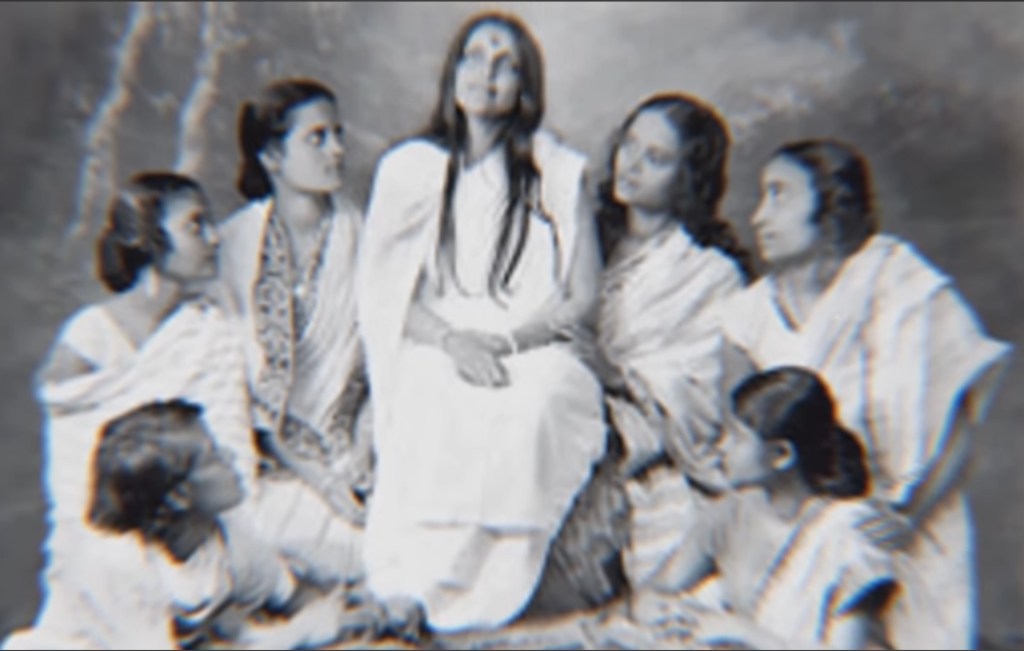
    Anandamayi Ma, a revered Hindu mystic, exemplifies the divine love and spiritual wisdom that have been central to Hindu tradition for centuries.

    Paramahansa Yogananda, the great spiritual teacher and author of ‘Autobiography of a Yogi,’ brought the wisdom of India’s ancient spiritual traditions to the West, inspiring countless seekers with his teachings of love, self-realization, and the unity of all religions.

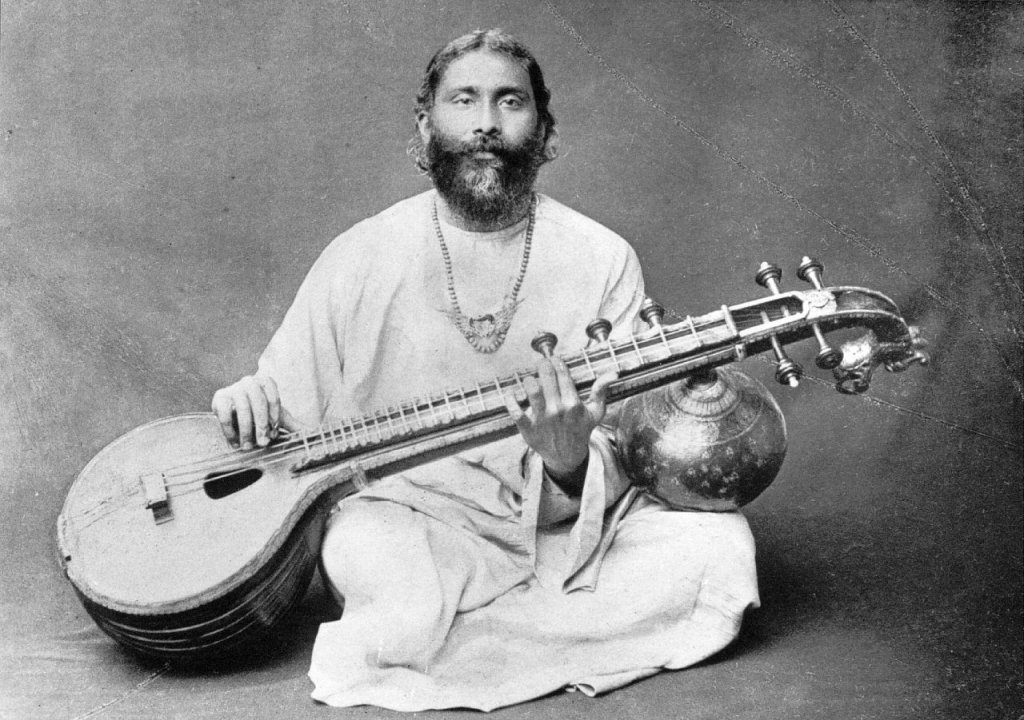
    Hazrat Inayat Khan, a revered Sufi mystic and musician, whose teachings on the unity of religious ideals and the harmony of divine love have inspired countless souls on their spiritual journeys.

    His Holiness the Dalai Lama, a global symbol of peace, compassion, and the enduring wisdom of the Buddhist tradition, whose teachings inspire the world toward kindness and universal responsibility.

    Ani Choying Drolma, a Tibetan Buddhist nun and internationally acclaimed singer, whose music and teachings spread the message of compassion, peace, and the profound wisdom of the Buddha’s path.

    “The lamps are different, but the Light is the same.”


    — Rumi

  • Rapture: An Inner Experience or a Future Event?

    The concept of rapture holds a significant place in many religious traditions, often representing a powerful moment of divine encounter. However, the interpretation of this experience varies widely across spiritual paths. For some, rapture is a future event, a moment of transcendent liberation from the trials of the world. For others, rapture is an immediate, inner experience of union with the Divine, accessible in the present moment. This blog post explores these differing perspectives, inviting readers to consider the possibility that rapture might be both a future hope and a present reality.

    Rapture as a Hoped-for Future Event

    In many Christian communities, the term “rapture” is closely associated with the belief in a future event where believers are taken up to be with Christ. This event is often envisioned as a sudden and dramatic moment where those who have lived faithfully are removed from the tribulations of the world and brought into eternal communion with the divine. This interpretation provides a powerful source of hope, offering assurance of divine rescue and the promise of a heavenly future.

    This understanding of rapture emphasizes an external transformation, a moment when the divine intervenes in human history to gather the faithful and bring them into a new realm of existence. For many, it is a symbol of ultimate redemption, where suffering and struggle are left behind, and believers are welcomed into the fullness of God’s presence.

    Rapture as a Present-Moment Realization of the Divine

    However, there is also another, less spoken about, possibility of rapture. Here, rapture is not something that will happen in the distant future but an experience that can be realized in the here and now. It is a state of being where the soul becomes fully absorbed in the divine presence, transcending the ordinary boundaries of self and the material world.

    This inner rapture is often described as a moment of profound bliss and unity, where the individual self merges with the universal consciousness. Through practices like meditation, prayer, and devotion, one can enter into this state of rapture, experiencing the divine not as a distant reality but as an intimate, present-moment truth.

    Bridging the Perspectives: Rapture as Both Now and Later

    These two interpretations of rapture—the future event and the present realization—need not be mutually exclusive. In fact, they can complement each other, offering a fuller picture of what it means to encounter the divine.

    For those who look forward to the future rapture, there is comfort in the promise of divine intervention and the ultimate transformation of the world. Yet, by also embracing the possibility of rapture as an inner experience, there is an invitation to taste the sweetness of divine union in the present moment, to experience a foretaste of the eternal communion that awaits.

    Likewise, for those who seek rapture in the present, there is value in remembering that spiritual growth often unfolds over time, with moments of profound realization serving as milestones on a longer journey. The hope of a future rapture can inspire deeper commitment to the practices that open the heart to the divine here and now.

    Practical Steps Toward Experiencing Inner Rapture

    If the idea of experiencing rapture as an inner, present-moment encounter with the divine resonates with you, here are some practices suggested by mystics throughout history that can help cultivate this experience:

    Saint Teresa of Avila provides a roadmap for deepening your prayer life through mental prayer and contemplation. She describes the soul’s journey as one of moving inward, from vocal prayers to the stillness of contemplation, where one becomes wholly absorbed in God’s presence. To begin this journey, Saint Teresa suggests setting aside quiet time each day for prayer. Start by meditating on the life of Christ, using passages from the Gospels as focal points for your thoughts. As your prayer deepens, you may find words are no longer necessary. Allow yourself to rest in God’s presence in silence, letting go of the need to articulate your thoughts. Over time, this practice can lead to what Saint Teresa describes as “interior recollection,” where the soul is so absorbed in the divine presence that it forgets itself entirely, consumed by the sweetness of this union. She encourages practicing this recollection not just during designated prayer times but throughout the day, continually bringing your mind back to God, even in the midst of daily activities.

    Saint John of the Cross, another profound mystic, offers guidance on navigating the challenges that often accompany the pursuit of divine union. He speaks of the “dark night of the soul,” a period of spiritual dryness and seeming distance from God, which he interprets as a necessary purification of the soul. John teaches that to reach divine union, one must first pass through this purgation, releasing attachments to worldly desires and false comforts. He suggests regular self-examination to identify these attachments and encourages embracing humility and detachment. During times of spiritual dryness, rather than retreating, he advises pressing deeper into prayer and surrender, trusting that these are the very times when God is working most profoundly within the soul. By surrendering completely to God’s will and allowing Him to purify the soul, one can eventually emerge into the light of divine union, where the soul is intimately united with God.

    Thomas Merton, a modern-day contemplative, offers a pathway into the experience of rapture through the practice of contemplative prayer. Merton emphasizes that true communication with God happens not through words, but in communion—a deep, silent presence with the divine that transcends ordinary communication. To practice this, Merton suggests setting aside regular times for meditation, where you focus on the presence of God within you. Begin by creating an environment of silence and solitude, which Merton believes is essential for hearing God’s voice. As you meditate, let go of the need to verbalize your thoughts or prayers. Instead, simply be present with God, opening your heart to His presence. Over time, this practice of contemplative prayer can lead you into a deeper communion with God, where words fall away and you experience a profound, wordless union.

    Richard Rohr, another contemporary spiritual teacher, encourages living with a continuous awareness of God’s presence in the present moment. Rohr’s approach is rooted in the idea that God is always near, available to us in each breath and every moment of our lives. He suggests starting your day with a prayer of intention, asking to be aware of God’s presence throughout the day. As you go about your daily tasks, practice mindfulness by focusing on your breath, recognizing it as a sign of God’s life-giving presence within you. Rohr also recommends the practice of “practicing the presence of God,” where you continually bring your awareness back to God as you engage in your everyday activities. By cultivating this habit, you can begin to experience moments of rapture throughout your day—small, sacred encounters with the divine that remind you of God’s constant presence.

    Conclusion: An Invitation to Explore

    Whether one views rapture as a future event or a present experience, it remains a powerful symbol of divine encounter. It invites each of us to consider how we might open ourselves more fully to the divine, whether by preparing our hearts for a future moment of transformation or by seeking the presence of the divine in our everyday lives.

    In the end, the experience of rapture may be less about “when” it happens and more about the depth of our openness to the divine. It is a call to live in the awareness that the divine is always near, whether we are waiting for a future moment of glory or opening ourselves to the possibility of experiencing that glory in the here and now.

    Quotes for Reflection:

    The following quotes capture the essence of rapture as an inner experience of divine union that is available to disciples in this very life.

    • Saint Teresa of Avila, The Interior Castle: “The soul is now fully awake to the call of the Beloved, and God grants it the gift of deep contemplation. The soul becomes so absorbed in the divine presence that it forgets itself entirely, consumed by the sweetness of this union.”

    • Saint John of the Cross, The Living Flame of Love: “Oh, how sweet is the light of God that shines within a pure soul! It is so dazzling that the soul is blinded by its brightness and overwhelmed by the fragrance of His presence.”

    • Thomas Merton, New Seeds of Contemplation: “The deepest level of communication is not communication, but communion. It is wordless. It is beyond words, beyond speech, beyond concept.”

    • Richard Rohr, The Naked Now: “God is not far from us; God is with us—precisely in our very breath, in our own existence, and in the here and now.”

    May we each find our own way to rapture, whether by looking to the future with hope or by seeking the divine presence in this very moment.

    🙏🕊️🙏

  • Exploring the Deeper Meanings of Jesus’ Teachings: A Mystical Perspective

    In today’s world, spiritual teachings often face the challenge of being understood in their deeper, more mystical sense rather than just their literal interpretation. This post seeks to explore the profound insights embedded in Jesus’ teachings, especially His statements about being the gate, the light, the truth, and the way, and to compare these with the principles of Advaita Vedanta, which honors the embodiment of teachings over mere worship.

    Jesus as the Gate, the Light, the Truth, and the Way

    In the Gospel of John, Jesus makes several profound declarations: “I am the gate” (John 10:9), “I am the light of the world” (John 8:12), “I am the truth” (John 14:6), and “I am the way” (John 14:6). These statements invite us to delve deeper into their meaning. Rather than viewing these as exclusive claims, they can be seen as invitations to experience and embody the essence of these teachings. Jesus is not merely setting Himself apart but pointing us towards a universal path of spiritual enlightenment and transformation.

    Comparison with Advaita Vedanta

    Advaita Vedanta, a school of Hindu philosophy, emphasizes that true respect for a teacher lies in embodying their teachings rather than merely worshiping them. This perspective underscores that honoring a teacher involves living out their wisdom and integrating it into one’s life. This is akin to the risk mentioned in the Zen saying about focusing too much on the finger pointing at the moon and missing the moon itself. In Christianity, focusing solely on the person of Jesus without deeply engaging with His teachings can lead to missing the transformative essence He intended.

    Mystical Understanding of Spiritual Teachings

    By viewing Jesus’ teachings through a mystical lens, we can see them as pointing to universal spiritual truths that transcend specific doctrines. His message of love, compassion, and truth can be seen as embodying the same universal principles found in various spiritual traditions. This approach invites us to connect with these deeper truths directly, allowing them to transform our lives and bring us closer to the divine reality.

    Practical Implications for Modern-Day Christians

    For modern-day Christians, the ultimate way to honor Jesus is to fully embody and live out His teachings of love, kindness, and compassion. This means not just adhering to rituals or doctrines but actively integrating these principles into daily life. Reflect on how you can bring more love and compassion into your interactions and how you might deepen your personal connection with these teachings.

    Conclusion

    In summary, Jesus’ profound teachings about being the gate, the light, the truth, and the way invite us to a deeper spiritual understanding. By embodying the essence of these teachings, we can connect with universal spiritual truths and live out the profound love and compassion Jesus demonstrated. Reflect on how you might integrate these insights into your own spiritual practice and daily life.

    Reflective Questions

    • How can you embody the teachings of love, kindness, and compassion in your daily interactions?
    • In what ways can you deepen your understanding of Jesus’ teachings beyond their literal interpretation?
    • How might viewing spiritual teachings as pointing to universal truths influence your personal practice and spiritual growth?

    Feel free to share your thoughts and experiences in the comments below. How do these insights resonate with you, and in what ways have they influenced your spiritual journey?

    🙏🕊️🙏