Tag: yoga philosophy

  • Coherent Consciousness Is Not a Luxury—It Is a Survival Skill for the 21st Century

    Coherent Consciousness Is Not a Luxury—It Is a Survival Skill for the 21st Century

    In the silence between particles, a subtle dance begins. Not chaos, but coherence. Quantum physicists have observed this remarkable phenomenon: when a system is cooled to near absolute zero, the noise of thermal energy fades, and what emerges is harmony—a unified, coherent state where particles move in synchrony, as if guided by an unseen conductor.

    This is not metaphor. It is measurable. It is foundational to the functioning of quantum computers and the mysteries of entangled particles. In a coherent quantum state, multiple possibilities can exist at once, undisturbed, holding the full richness of potential before any collapse into a single outcome.

    And something within me recognizes this—not as a physicist, but as a contemplative.

    Swami Pravrajika Divyanandaprana, a Vedantic scholar and monastic teacher, speaks of meditation as a process of mental alignment. Not forcing the mind into silence, but training it gently to stabilize—a state where the vrittis (mental waves) become quiet, and a single pratyaya (object of focus) remains. When the mind holds this one-pointed focus steadily, something profound opens. The mind becomes coherent. The heart, luminous. The consciousness, calm and aware.

    What I feel, quietly and strongly, is that this coherence of mind is not so different from quantum coherence.

    In both cases, we are moving from noise to signal. From fragmentation to integration. From dissonance to harmony.

    And just as quantum systems require stillness to enter coherence, so do we. In our modern lives—bombarded by notifications, media, distractions—we rarely allow the mind to rest long enough for true coherence to arise. We are pulled in many directions, each new input collapsing our inner potential into reactive fragments.

    This is why I believe, deeply and urgently, that coherent consciousness is not a luxury—it is a survival skill for the 21st century.

    Without it, we are drowning in information but starving for wisdom. Without it, we lose the capacity to respond rather than react, to create rather than consume, to see clearly rather than be blinded by constant stimulation.

    Stillness is not withdrawal. It is preparation. It is the cooling field of the soul.

    In the coherent mind, empathy arises. Insight dawns. Peace becomes possible—not as an escape from the world, but as the ground from which meaningful action emerges.

    As individuals and as a species, we need to learn this coherence—not just in our machines, but in our minds.

    The future does not depend on more speed.

    It depends on more stillness.

    More coherence.

    More clarity.

    More love.

    🙏🕊️🙏

  • Post 7: Memory and Non-Attachment: Patanjali’s Sutras 1.11 and 1.12

    In the previous post, we explored the nature of imagination and sleep as mental events, recognizing their potential to distract us or be witnessed with clarity. Now, Patanjali takes us further into the exploration of mental events, focusing on memory and the practice of non-attachment.

    1.11: Memory is the retention of mental impressions from past experiences.
    1.12: Non-attachment is the practice of detaching from mental events, leading to mastery over them.

    These sutras offer a profound reflection on how the mind holds onto the past and how cultivating non-attachment can free us from the grip of these mental events. Memory, while useful, can often bind us to patterns of thought that shape our perception of the present. Non-attachment becomes the key to releasing these patterns and living more fully in the pristine mind.

    Memory: A Mental Event That Holds Us in the Past

    Memory (smriti) is a powerful mental event that allows us to recall past experiences, feelings, and thoughts. On a practical level, memory is essential for learning and functioning in daily life. However, when we become overly attached to our memories, they can cloud our present awareness, trapping us in patterns of the past.

    For example, we often replay old memories in our minds, reliving past successes, failures, or emotional moments. These memories can influence our current perception, making it difficult to see the present clearly. They create mental events that may feel real but are rooted in the past, shaping how we engage with the world around us.

    Just as with imagination and sleep, memory is simply another mental event. The more we engage with it, the more it pulls us away from the present moment. However, by recognizing memory as a mental event, we can observe it without becoming attached, allowing it to arise and pass without coloring our awareness of the now.

    Non-Attachment: The Key to Mastering Mental Events

    Patanjali introduces the practice of non-attachment (vairagya) in Sutra 1.12 as the means by which we gain mastery over the fluctuations of the mind. Non-attachment doesn’t mean suppressing or avoiding mental events; rather, it is the practice of witnessing them without becoming identified with them.

    In the case of memory, non-attachment allows us to remember the past without letting it control the present. By practicing Neti, Neti. I am the witness. I am the Seer., we remind ourselves that we are not the memory, but the one who observes it. This simple practice of non-attachment creates space between us and the mental event, freeing us from the patterns of the past.

    Non-attachment is not something that happens overnight. It is cultivated through disciplined practice, returning to the awareness of the pristine mind again and again. As we grow in our ability to observe mental events without attachment, we strengthen our capacity to remain present, no matter what arises in the mind.

    Bringing It Into Practice: Letting Go of Memory’s Grip

    When memories arise during meditation or daily life, it’s important to acknowledge them without getting caught in their narrative. You can simply remind yourself, “Neti, Neti. I am the witness. I am the Seer.” This helps create the mental space to witness the memory and let it go without attachment.

    In doing so, we train ourselves to let go of the past and stay rooted in the present. We begin to see memory as just another mental event, not as something that defines who we are or how we must respond to life. With each practice of non-attachment, we loosen the grip that memories have over us, freeing ourselves from the patterns that bind us to the past.

    This practice doesn’t diminish the importance of memory but helps us place it in its proper context—as a useful tool rather than an overwhelming influence. As we continue to practice non-attachment, we experience more freedom, clarity, and presence in our everyday life.

    Maintaining Discipline in Non-Attachment

    The discipline of non-attachment requires patience and consistency. The mind will naturally want to hold onto memories, but each time we observe them without attachment, we take a step closer to mastery. Non-attachment isn’t about becoming indifferent; it’s about becoming fully present, without being swayed by the mental events that arise.

    Through this discipline, we can cultivate a deeper awareness of the pristine mind—a state of clarity, peace, and presence that is untouched by the mind’s fluctuations. The more we practice non-attachment, the easier it becomes to witness mental events and remain centered in the Seer.

    Coming Up Next:

    In our next post, we will explore Sutra 1.13 and 1.14, where Patanjali explains the importance of disciplined practice in achieving mastery over the mind. We’ll reflect on how consistent effort and non-attachment work together to bring us closer to the realization of our true nature. Join me as we continue this journey toward deeper self-awareness and inner peace.

    🙏🕊️🙏

  • Post 6: Navigating Imagination and Sleep: Patanjali’s Sutras 1.9 and 1.10

    In our previous posts, we explored the nature of right knowledge and wrong knowledge as mental events, recognizing them as fluctuations of the mind that can distract us from the clarity of the Seer. Now, Patanjali takes us further into the types of mental events, focusing on imagination and sleep.

    1.9: Imagination is the mental event that arises when words or concepts are not based on reality.
    1.10: Sleep is the mental event that occurs when there is an absence of awareness.

    These two sutras reveal important aspects of the mind’s activity that can either lead to further distraction or be witnessed with clarity. Both imagination and sleep are natural, but without mindfulness, they can obscure our ability to remain in the awareness of the Seer.

    Imagination: The Mind’s Tendency to Create

    Imagination (vikalpa) is the mind’s ability to create images, scenarios, or concepts that are not rooted in actual experience. This can be a powerful tool for creativity, but when we become entangled in imaginative thoughts, they pull us away from the present moment and the reality of what is. Imagination is a type of mental event that can lead to confusion when we mistake it for truth.

    For instance, how often do we find ourselves lost in a daydream or a scenario that has no bearing on reality? Whether it’s imagining a future outcome or reliving a past experience, imagination can easily become a source of distraction. Yet, when we recognize imagination as just another mental event, we can let it pass without getting caught up in it. The key is to observe it without judgment or engagement, remembering that we are the Seer, not the mental event.

    Sleep: Absence of Awareness—and the Potential for Lucid Dreaming

    Interestingly, Patanjali includes sleep (nidra) as a mental event. While sleep is essential for physical and mental rejuvenation, it is still a state of mind where awareness is typically absent. In the context of yoga, sleep represents a gap in our mindfulness—a temporary state where the mind is not engaged with external reality but is still present in a subtle way.

    However, there’s another dimension to sleep that Patanjali may be pointing toward: the practice of remaining aware even while dreaming. This is known as lucid dreaming, where the dreamer becomes conscious of the fact that they are dreaming. Just as we practice mindfulness in waking life, it’s possible to cultivate awareness during dreams, allowing us to witness the dream without becoming absorbed in the content.

    In dreams, we are often fully engaged in the mental events that arise, much like we are in our waking life. Yet, with practice, we can maintain a sense of the Seer—the witness of the dream itself. Neti Neti can become a spontaneous practice even in the dream world, reminding us that we are the dreamer, not the dream. For those who are interested, this practice can be cultivated over time, offering a deeper level of awareness during the state of sleep.

    Bringing It Into Practice: Staying Present Amid Mental Events

    As with the other mental events we’ve discussed, both imagination and sleep can be observed without judgment. Rather than getting caught up in the content of our imaginations or losing ourselves in unconscious moments, we can use the practice of Neti, neti to return to the present. By simply acknowledging these as mental events, we free ourselves from their pull.

    When you find yourself lost in an imaginative thought, you can gently remind yourself, “Neti, Neti. I am the witness. I am the Seer.” This allows you to return to a place of stillness and clarity, observing the imagination without engaging with it. Similarly, if you notice moments of mindlessness or dullness creeping in during your day—or even in the dream state—the same practice can bring you back into awareness, helping you stay present.

    This practice doesn’t require us to suppress imagination or fight against sleep; instead, we recognize these mental events as temporary and return to the awareness of the pristine mind. By observing these fluctuations without attachment, we maintain the discipline necessary to cultivate equanimity and inner stillness.

    Maintaining Discipline in Mindfulness

    As we’ve seen before, discipline plays a crucial role in this process. The mind naturally drifts toward imaginative scenarios and moments of dullness. But through disciplined practice, we strengthen our ability to remain anchored in the awareness of the Seer. Each time we recognize imagination or mindlessness and return to stillness, we reinforce the clarity of the pristine mind.

    Over time, this discipline allows us to witness mental events without becoming distracted by them, no matter how subtle or engaging they may be. By maintaining this mindfulness, we can rest in the simplicity of awareness, untouched by the mind’s fluctuations.

    Coming Up Next:

    In our next post, we will explore Sutras 1.11 and 1.12, where Patanjali continues to describe mental events, focusing on memory and the practice of non-attachment. We’ll reflect on how memory shapes our perception of the present and how cultivating non-attachment frees us from the patterns of the past. Join me as we continue this journey toward deeper self-awareness and peace.

    🙏🕊️🙏

  • Post 5: Simplifying the Mental Events: Patanjali’s Sutras 1.7 and 1.8

    In our previous post, we explored how the mind fluctuates through five different types of mental events, or vrittis, as outlined in Sutras 1.5 and 1.6. These mental fluctuations—whether based on right knowledge, wrong knowledge, imagination, sleep, or memory—are all part of the mind’s natural activity. Patanjali now dives deeper into two specific categories of these mental events: right knowledge and wrong knowledge.

    1.7: Right knowledge is based on direct perception, inference, or the testimony of others.
    1.8: Wrong knowledge is a false understanding that is not based on reality.

    Patanjali’s distinction between right and wrong knowledge is important in understanding how our mind interprets the world. However, while this distinction is helpful, it can also lead us into a dualistic mindset, where we feel the need to evaluate every thought and determine whether it is “right” or “wrong.” This process can quickly become a source of confusion and further mental activity, pulling us away from the simplicity of recognizing the mind’s fluctuations for what they are: just mental events.

    The Trap of Over-Analyzing Mental Events

    When we begin to engage with thoughts, trying to categorize them as true or false, we lose sight of the purpose of yoga: to quiet the mind and return to the awareness of the Seer. It’s easy to get caught up in evaluating whether our perception is accurate or if our thoughts align with reality. However, in doing so, we fall back into the mind’s natural tendency to analyze, categorize, and divide. This keeps us stuck in the fluctuations rather than witnessing them from the calm, steady place of the Seer.

    This is where the teachings of Pristine Mind, as shared by Orgyen Chowang, become helpful. Instead of evaluating each thought, we can view all of these fluctuations—whether based on right or wrong knowledge—as simple mental events. When a thought arises, we don’t need to engage with it or analyze its validity. Instead, we gently recognize, “Ah, a mental event,” and return to the awareness of the pristine mind. This allows us to maintain a simpler, more manageable practice, without getting lost in the content of the thought itself.

    Bringing It Into Practice: The Power of Simplicity

    When thoughts arise during practice—whether they seem to be accurate or inaccurate—there is no need to judge or engage with them. By labeling them as mental events, we create space between the mind’s activity and our true nature, the Seer. This space allows us to witness the thoughts without becoming involved in them, reminding us that we are not our thoughts.

    However, there may be times when certain mental events are more distracting or persistent. In these moments, you can use the phrase, “Neti, neti. I am the Seer. I am the witness.” This simple yet powerful affirmation not only helps you negate the mental event but also affirms the truth of your being. It is not a mechanical mantra, but a tool to guide you back to a state of equanimity and mindful observance.

    When subtle mental events arise and pass away without distracting you, there’s no need to engage with the phrase. You can simply rest in the stillness of your mind, observing without interference. But when the mind becomes entangled in a particularly strong mental event, repeating “Neti, neti. I am the Seer. I am the witness” can help you return to the awareness of the Seer, allowing the mental event to dissolve and stillness to re-emerge.

    This flexible approach honors the flow of your practice—allowing you to respond when needed, while maintaining a light touch when the mind is naturally calm.

    Maintaining Discipline in the Face of Mental Events

    Just as we discussed in earlier posts, this approach requires discipline. The mind will always want to evaluate, engage, and label, but the practice of yoga teaches us to observe these mental events without getting drawn into them. Discipline is what allows us to consistently return to the stillness of the Seer, untouched by the mind’s activity. The more we practice this discipline, the easier it becomes to remain present and unaffected by the fluctuations of the mind.

    By adopting this simpler approach, we give ourselves the freedom to experience the pristine mind more frequently, without the need to overanalyze or categorize every thought. This shift in perspective allows us to experience the deeper peace that yoga offers, moving us closer to the realization of our true nature.

    Coming Up Next:

    In our next post, we will explore Sutras 1.9 and 1.10, where Patanjali continues his exploration of mental events, focusing on imagination and sleep. We will see how these mental events, too, can either distract us from the Seer or be witnessed with clarity. Join me as we continue this journey toward a deeper understanding of the mind and the peace that comes from recognizing all thoughts as just mental events.

    🙏🕊️🙏

  • Introduction to Mantra Yoga: The Path of Sacred Sound and Spiritual Resonance

    Mantra Yoga is the yoga of sacred sound, a profound spiritual practice that involves the repetition of mantras—sacred syllables, words, or phrases—designed to elevate consciousness, focus the mind, and connect with the divine. This path taps into the vibrational power of sound to create harmony within the practitioner and with the universe, aligning the mind, body, and spirit through the resonance of these ancient sounds.

    The word “mantra” comes from the Sanskrit roots “man,” meaning mind, and “tra,” meaning tool or instrument. Therefore, a mantra is literally a tool for the mind, a means to transcend the ordinary mental chatter and enter a state of deep meditation and spiritual awareness. Through consistent practice, mantra yoga helps dissolve the ego, purify the heart, and cultivate a direct experience of the divine presence.

    In this blog series, we’ll dive into the practice of Mantra Yoga and explore how sacred sound can be a powerful tool for spiritual transformation.

    As we embark together on this journey of discovery and reflection, I warmly invite you to join me in exploring the depths of these ancient practices and teachings. Let this space be a sanctuary where we meet not just as seekers, but as companions on the path—a place where the wisdom of the ages can gently unfold within our lives.

    If these words and practices speak to something within you, if they stir a quiet longing or bring a sense of peace, I encourage you to subscribe to this blog. By doing so, you’ll be the first to know as new installments of our shared journey are published. It is my hope that each post will resonate with you, offering insights and comfort as we continue to explore these profound teachings together.

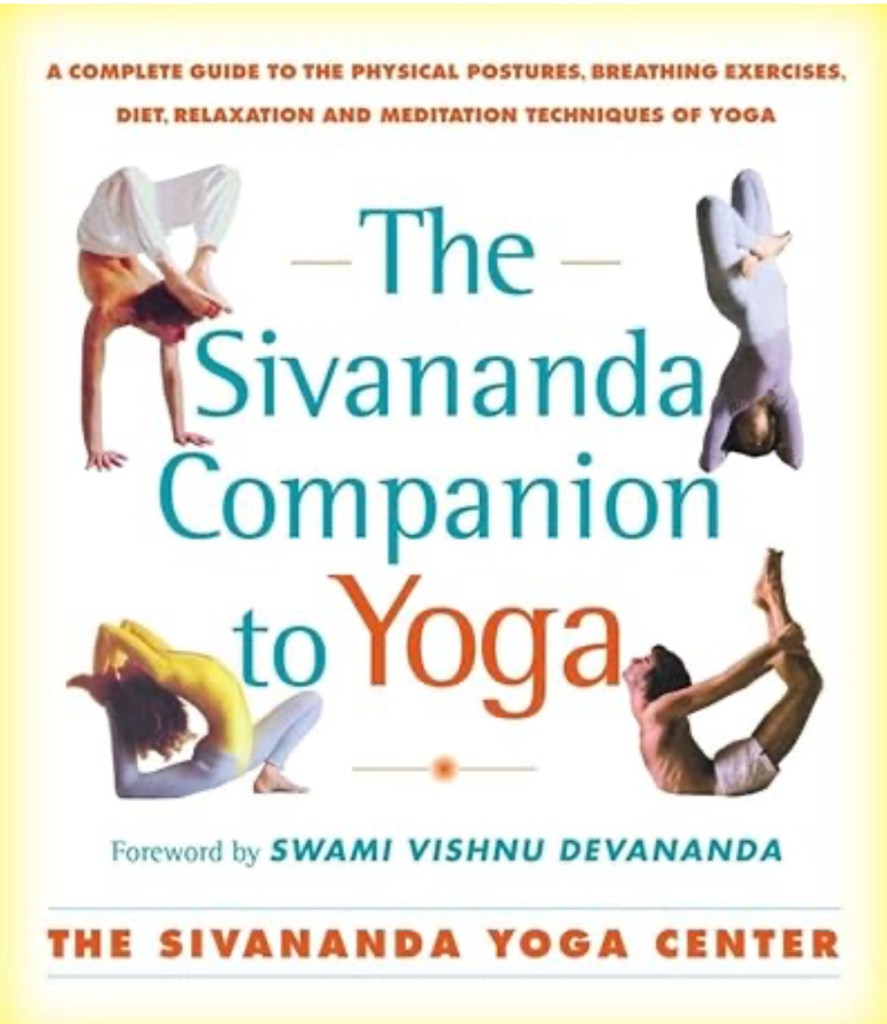
    For those interested in a comprehensive introduction to the practices of yoga, I recommend The Sivananda Companion to Yoga: A Complete Guide to the Physical Postures, Breathing Exercises, Diet, Relaxation, and Meditation Techniques of Yoga. This book offers clear guidance on the foundational aspects of yoga, making it an invaluable resource for anyone looking to deepen their understanding and practice. Take a look at this book on Amazon here.

    🙏🕊️🙏

  • Introduction to Hatha Yoga: The Path of Physical Mastery and Inner Balance

    Hatha Yoga is the yoga of physical discipline, focusing on the practice of asanas (postures) and pranayama (breath control) to create a strong, flexible body and a calm, focused mind. Often seen as the foundation for other forms of yoga, Hatha Yoga serves as a preparatory practice that balances the physical and energetic systems, making the body a fit vehicle for spiritual awakening.

    The term “Hatha” can be translated as “forceful,” but it also represents the union of opposites—Ha (sun) and Tha (moon)—symbolizing the balance of solar and lunar energies within the body. Through the practice of Hatha Yoga, one seeks to harmonize these energies, cultivating both strength and serenity, vitality and relaxation.

    In this blog series, we’ll explore the foundational practices of Hatha Yoga and how they prepare the body and mind for deeper spiritual work.

    As we embark together on this journey of discovery and reflection, I warmly invite you to join me in exploring the depths of these ancient practices and teachings. Let this space be a sanctuary where we meet not just as seekers, but as companions on the path—a place where the wisdom of the ages can gently unfold within our lives.

    If these words and practices speak to something within you, if they stir a quiet longing or bring a sense of peace, I encourage you to subscribe to this blog. By doing so, you’ll be the first to know as new installments of our shared journey are published. It is my hope that each post will resonate with you, offering insights and comfort as we continue to explore these profound teachings together.

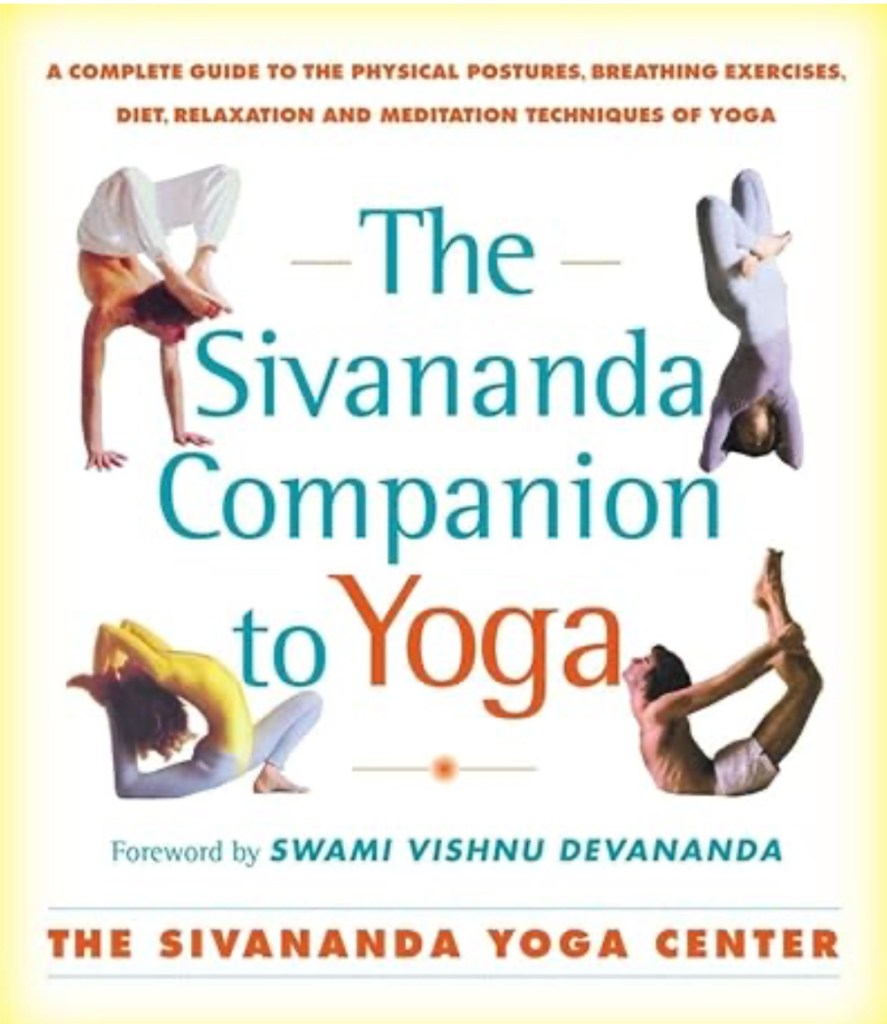
    For those interested in a comprehensive introduction to the practices of yoga, I recommend The Sivananda Companion to Yoga: A Complete Guide to the Physical Postures, Breathing Exercises, Diet, Relaxation, and Meditation Techniques of Yoga. This book offers clear guidance on the foundational aspects of yoga, making it an invaluable resource for anyone looking to deepen their understanding and practice. Take a look at this book on Amazon here.

    🙏🕊️🙏

  • Introduction to Raja Yoga: The Path of Meditation and Mental Discipline

    Raja Yoga, often called the “Royal Path,” is the yoga of meditation and mental discipline, guiding practitioners to control the mind and senses, and ultimately to attain self-realization and spiritual enlightenment. It is considered one of the most comprehensive forms of yoga, encompassing aspects of all the other yogas, and is particularly focused on the systematic cultivation of the mind through meditation.

    Raja Yoga is based on the Yoga Sutras of Patanjali, which outline an eightfold path (Ashtanga) to enlightenment, often referred to as the “Eight Limbs of Yoga.” This path is designed to help practitioners achieve mental clarity, emotional stability, and a profound inner peace, leading to the experience of oneness with the ultimate reality.

    In this blog series, we’ll introduce you to the eightfold path of Raja Yoga and explore how meditation and mental discipline can lead to spiritual awakening.

    As we embark together on this journey of discovery and reflection, I warmly invite you to join me in exploring the depths of these ancient practices and teachings. Let this space be a sanctuary where we meet not just as seekers, but as companions on the path—a place where the wisdom of the ages can gently unfold within our lives.

    If these words and practices speak to something within you, if they stir a quiet longing or bring a sense of peace, I encourage you to subscribe to this blog. By doing so, you’ll be the first to know as new installments of our shared journey are published. It is my hope that each post will resonate with you, offering insights and comfort as we continue to explore these profound teachings together.

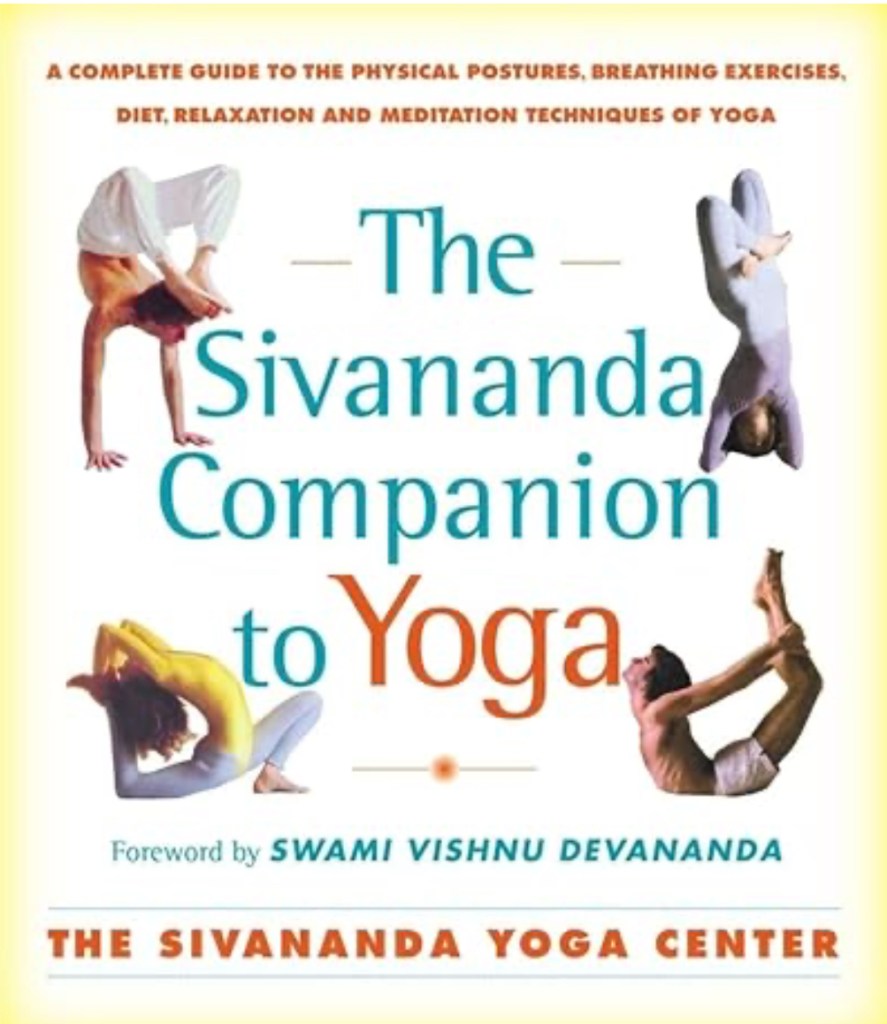
    For those interested in a comprehensive introduction to the practices of yoga, I recommend The Sivananda Companion to Yoga: A Complete Guide to the Physical Postures, Breathing Exercises, Diet, Relaxation, and Meditation Techniques of Yoga. This book offers clear guidance on the foundational aspects of yoga, making it an invaluable resource for anyone looking to deepen their understanding and practice. Take a look at this book on Amazon here.

    🙏🕊️🙏

  • Patanjali No. 1: Introduction to the Yoga Sutras of Patanjali: A Journey Into the Heart of Yoga

    The Yoga Sutras of Patanjali are among the most revered and profound texts in the history of spiritual practice. Written over two thousand years ago, they offer a timeless guide to understanding the nature of the mind, the path of self-realization, and the true essence of yoga. Though often studied by practitioners of yoga, these sutras transcend any single tradition and speak to all who seek clarity, peace, and spiritual growth.

    Patanjali, the ancient sage credited with composing these teachings, distilled the essence of yoga into 196 short aphorisms, or sutras. These sutras are not just theoretical—each one provides practical wisdom, offering guidance on how to quiet the mind, transcend suffering, and realize our highest potential. Together, they form a comprehensive system for inner transformation, known as Raja Yoga or the “royal path” to self-mastery.

    Why, then, should we study the Yoga Sutras? In today’s world, we are often overwhelmed by the constant fluctuations of the mind—our thoughts, emotions, and external distractions. Patanjali’s teachings offer a way to navigate this inner turbulence, helping us cultivate stillness and awareness. The Yoga Sutras provide a roadmap to liberation, inviting us to look beyond the surface of our daily experience and discover the deeper truth of who we are.

    The sutras reveal that yoga is far more than physical postures or breathing techniques; it is a disciplined practice of calming the mind and awakening to our inherent state of peace. By studying and reflecting on these teachings, we can bring more clarity, wisdom, and purpose into our lives. As Patanjali himself declares at the very beginning of his work:

    “Now, the discipline of yoga begins.”

    In this series, we will explore the Yoga Sutras using the translation offered by Swami Vivekananda, a renowned spiritual teacher and philosopher who introduced the wisdom of yoga to the West in the late 19th century. Vivekananda’s translation is both accessible and profound, capturing the essence of Patanjali’s teachings while making them relevant to modern seekers. His interpretation illuminates the deeper meanings behind the sutras, providing a bridge between ancient wisdom and contemporary understanding.

    As we journey through these sutras together, we will take time to reflect on each one, understanding how it applies to our own lives and practices. The path of yoga is not just about reading words on a page—it is about living them, integrating the teachings into the way we think, act, and experience the world.

    Let this be the beginning of our journey into the heart of yoga. As we explore the Yoga Sutras of Patanjali, we will open ourselves to the possibility of inner transformation, guided by the light of these ancient teachings.

    Coming Up Next:
    In our next post, we will dive into the first two sutras: Atha Yoganushasanam and Yogash Chitta Vritti Nirodhah. Together, we will reflect on what it means to begin the practice of yoga and how the cessation of the fluctuations of the mind becomes the essence of our journey toward inner stillness. We’ll explore how these teachings apply to our daily lives and the strength it takes to cultivate presence and calmness in the face of life’s challenges. Join us as we take the first step in our exploration of Patanjali’s wisdom.

    🙏🕊️🙏

  • Introduction to Bhakti Yoga: The Path of Devotion and Divine Love

    Bhakti Yoga is the yoga of devotion, a deeply emotional and heart-centered path that leads practitioners to experience the divine through love, worship, and surrender. Rooted in the idea that the divine is both immanent and transcendent, Bhakti Yoga cultivates a personal relationship with the divine, often expressed through devotion to a chosen deity or spiritual figure.

    This path is characterized by the expression of pure love and devotion (bhakti) towards the divine, transcending intellectual knowledge and focusing on the heart’s connection with the divine presence. Bhakti Yoga teaches that by channeling all emotions and actions towards divine love, one can dissolve the ego and realize the unity of all existence.

    In this blog series, we’ll explore the principles and practices of Bhakti Yoga, and how this path of devotion can lead to profound spiritual transformation and connection with the divine.

    As we embark together on this journey of discovery and reflection, I warmly invite you to join me in exploring the depths of these ancient practices and teachings. Let this space be a sanctuary where we meet not just as seekers, but as companions on the path—a place where the wisdom of the ages can gently unfold within our lives.

    If these words and practices speak to something within you, if they stir a quiet longing or bring a sense of peace, I encourage you to subscribe to this blog. By doing so, you’ll be the first to know as new installments of our shared journey are published. It is my hope that each post will resonate with you, offering insights and comfort as we continue to explore these profound teachings together.

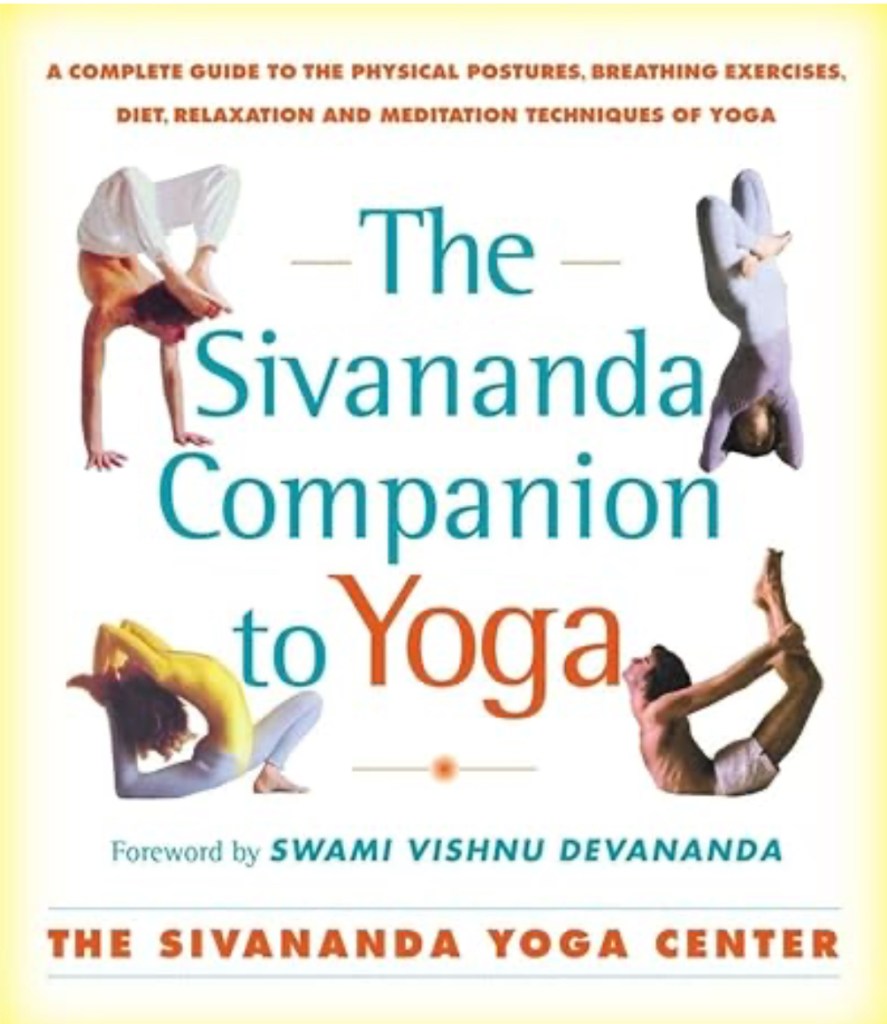
    For those interested in a comprehensive introduction to the practices of yoga, I recommend The Sivananda Companion to Yoga: A Complete Guide to the Physical Postures, Breathing Exercises, Diet, Relaxation, and Meditation Techniques of Yoga. This book offers clear guidance on the foundational aspects of yoga, making it an invaluable resource for anyone looking to deepen their understanding and practice.

    Take a look at this book on Amazon here.

    🙏🕊️🙏

  • Introduction to Karma Yoga: The Path of Selfless Action

    Karma Yoga is the yoga of selfless action, a path that transforms work into a spiritual practice by emphasizing the importance of performing one’s duties without attachment to the outcomes. Rooted in the teachings of the Bhagavad Gita, Karma Yoga encourages practitioners to engage fully in their responsibilities while dedicating their actions to the greater good, without seeking personal gain or recognition.

    The essence of Karma Yoga lies in the principle of Nishkama Karma—acting without desire for the fruits of one’s actions. This approach purifies the heart and mind, reducing the influence of the ego and fostering a sense of humility, compassion, and service. By embracing this path, practitioners learn to see their work as an offering, aligning their will with the divine and contributing to the welfare of all beings.

    In this blog series, we’ll delve into the core teachings of Karma Yoga and how it can be applied to our daily lives, transforming every action into a step on the spiritual path.

    As we embark together on this journey of discovery and reflection, I warmly invite you to join me in exploring the depths of these ancient practices and teachings. Let this space be a sanctuary where we meet not just as seekers, but as companions on the path—a place where the wisdom of the ages can gently unfold within our lives.

    If these words and practices speak to something within you, if they stir a quiet longing or bring a sense of peace, I encourage you to subscribe to this blog. By doing so, you’ll be the first to know as new installments of our shared journey are published. It is my hope that each post will resonate with you, offering insights and comfort as we continue to explore these profound teachings together.

    For those interested in a comprehensive introduction to the practices of yoga, I recommend The Sivananda Companion to Yoga: A Complete Guide to the Physical Postures, Breathing Exercises, Diet, Relaxation, and Meditation Techniques of Yoga. This book offers clear guidance on the foundational aspects of yoga, making it an invaluable resource for anyone looking to deepen their understanding and practice. Take a look at this book on Amazon here.

    🙏🕊️🙏

  • Introduction to Jnana Yoga: The Path of Knowledge and Self-Inquiry

    Jnana Yoga is one of the primary paths of yoga, often described as the path of knowledge or wisdom. It is a profound spiritual practice focused on deep inquiry into the nature of the self and the ultimate reality. Through a process of self-examination and discernment, practitioners of Jnana Yoga seek to transcend the illusions of the mind and realize the true, non-dual nature of existence.

    At the heart of Jnana Yoga is the practice of Atma Vichara, or self-inquiry, where the seeker continuously asks, “Who am I?” This inquiry leads to the direct experience of the Self (Atman) as pure consciousness, beyond the layers of thought, emotion, and ego. Jnana Yoga emphasizes the importance of discriminating between the real and the unreal, the eternal and the transient, in order to uncover the unchanging reality that underlies all existence.

    In this blog series, we’ll explore the key principles and practices of Jnana Yoga, and how this path of knowledge can guide us toward self-realization and spiritual liberation.

    As we embark together on this journey of discovery and reflection, I warmly invite you to join me in exploring the depths of these ancient practices and teachings. Let this space be a sanctuary where we meet not just as seekers, but as companions on the path—a place where the wisdom of the ages can gently unfold within our lives.

    If these words and practices speak to something within you, if they stir a quiet longing or bring a sense of peace, I encourage you to subscribe to this blog. By doing so, you’ll be the first to know as new installments of our shared journey are published. It is my hope that each post will resonate with you, offering insights and comfort as we continue to explore these profound teachings together.

    For those interested in a comprehensive introduction to the practices of yoga, I recommend The Sivananda Companion to Yoga: A Complete Guide to the Physical Postures, Breathing Exercises, Diet, Relaxation, and Meditation Techniques of Yoga. This book offers clear guidance on the foundational aspects of yoga, making it an invaluable resource for anyone looking to deepen their understanding and practice. Take a look at this book on Amazon here.

    🙏🕊️🙏

  • Introduction to Yoga Nidra: The Path of Deep Relaxation and Conscious Awareness

    Yoga Nidra, often called “yogic sleep,” is a powerful meditation practice that guides you into a state of deep relaxation while maintaining a sense of conscious awareness. Unlike traditional meditation practices that require focused concentration, Yoga Nidra invites you to relax completely, allowing the body and mind to rest deeply while the consciousness remains awake and alert. This practice is a journey into the inner landscape, where profound healing, insight, and spiritual awakening can occur.

    Though it is named “yogic sleep,” Yoga Nidra is far more than just a relaxation technique. It is a systematic method of inducing complete physical, mental, and emotional relaxation, where the practitioner enters a state between waking and sleeping. In this state, the mind becomes highly receptive, making it possible to release deep-seated tensions, uncover subconscious patterns, and access a deeper understanding of the self.

    For those living with chronic conditions, such as post-viral Myalgic Encephalomyelitis/Chronic Fatigue Syndrome (ME/CFS), this practice holds even greater significance. ME/CFS often leaves the nervous system in a heightened state of alertness, causing deep fatigue, poor sleep, and ongoing stress. Yoga Nidra, with its emphasis on rest and recovery, can provide a sanctuary for those navigating these challenges—a space to gently replenish energy and find balance amidst the weariness.

    In this blog series, we’ll explore the practice of Yoga Nidra and how it can serve as a powerful tool for healing and spiritual growth.

    As we embark together on this journey of discovery and reflection, I warmly invite you to join me in exploring the depths of these ancient practices and teachings. Let this space be a sanctuary where we meet not just as seekers, but as companions on the path—a place where the wisdom of the ages can gently unfold within our lives.

    If these words and practices speak to something within you, if they stir a quiet longing or bring a sense of peace, I encourage you to subscribe to this blog. By doing so, you’ll be the first to know as new installments of our shared journey are published. It is my hope that each post will resonate with you, offering insights and comfort as we continue to explore these profound teachings together.

    🙏🕊️🙏