Tag: yoga practice

  • Post 7: Memory and Non-Attachment: Patanjali’s Sutras 1.11 and 1.12

    In the previous post, we explored the nature of imagination and sleep as mental events, recognizing their potential to distract us or be witnessed with clarity. Now, Patanjali takes us further into the exploration of mental events, focusing on memory and the practice of non-attachment.

    1.11: Memory is the retention of mental impressions from past experiences.
    1.12: Non-attachment is the practice of detaching from mental events, leading to mastery over them.

    These sutras offer a profound reflection on how the mind holds onto the past and how cultivating non-attachment can free us from the grip of these mental events. Memory, while useful, can often bind us to patterns of thought that shape our perception of the present. Non-attachment becomes the key to releasing these patterns and living more fully in the pristine mind.

    Memory: A Mental Event That Holds Us in the Past

    Memory (smriti) is a powerful mental event that allows us to recall past experiences, feelings, and thoughts. On a practical level, memory is essential for learning and functioning in daily life. However, when we become overly attached to our memories, they can cloud our present awareness, trapping us in patterns of the past.

    For example, we often replay old memories in our minds, reliving past successes, failures, or emotional moments. These memories can influence our current perception, making it difficult to see the present clearly. They create mental events that may feel real but are rooted in the past, shaping how we engage with the world around us.

    Just as with imagination and sleep, memory is simply another mental event. The more we engage with it, the more it pulls us away from the present moment. However, by recognizing memory as a mental event, we can observe it without becoming attached, allowing it to arise and pass without coloring our awareness of the now.

    Non-Attachment: The Key to Mastering Mental Events

    Patanjali introduces the practice of non-attachment (vairagya) in Sutra 1.12 as the means by which we gain mastery over the fluctuations of the mind. Non-attachment doesn’t mean suppressing or avoiding mental events; rather, it is the practice of witnessing them without becoming identified with them.

    In the case of memory, non-attachment allows us to remember the past without letting it control the present. By practicing Neti, Neti. I am the witness. I am the Seer., we remind ourselves that we are not the memory, but the one who observes it. This simple practice of non-attachment creates space between us and the mental event, freeing us from the patterns of the past.

    Non-attachment is not something that happens overnight. It is cultivated through disciplined practice, returning to the awareness of the pristine mind again and again. As we grow in our ability to observe mental events without attachment, we strengthen our capacity to remain present, no matter what arises in the mind.

    Bringing It Into Practice: Letting Go of Memory’s Grip

    When memories arise during meditation or daily life, it’s important to acknowledge them without getting caught in their narrative. You can simply remind yourself, “Neti, Neti. I am the witness. I am the Seer.” This helps create the mental space to witness the memory and let it go without attachment.

    In doing so, we train ourselves to let go of the past and stay rooted in the present. We begin to see memory as just another mental event, not as something that defines who we are or how we must respond to life. With each practice of non-attachment, we loosen the grip that memories have over us, freeing ourselves from the patterns that bind us to the past.

    This practice doesn’t diminish the importance of memory but helps us place it in its proper context—as a useful tool rather than an overwhelming influence. As we continue to practice non-attachment, we experience more freedom, clarity, and presence in our everyday life.

    Maintaining Discipline in Non-Attachment

    The discipline of non-attachment requires patience and consistency. The mind will naturally want to hold onto memories, but each time we observe them without attachment, we take a step closer to mastery. Non-attachment isn’t about becoming indifferent; it’s about becoming fully present, without being swayed by the mental events that arise.

    Through this discipline, we can cultivate a deeper awareness of the pristine mind—a state of clarity, peace, and presence that is untouched by the mind’s fluctuations. The more we practice non-attachment, the easier it becomes to witness mental events and remain centered in the Seer.

    Coming Up Next:

    In our next post, we will explore Sutra 1.13 and 1.14, where Patanjali explains the importance of disciplined practice in achieving mastery over the mind. We’ll reflect on how consistent effort and non-attachment work together to bring us closer to the realization of our true nature. Join me as we continue this journey toward deeper self-awareness and inner peace.

    🙏🕊️🙏
  • Introduction to Hatha Yoga: The Path of Physical Mastery and Inner Balance

    Hatha Yoga is the yoga of physical discipline, focusing on the practice of asanas (postures) and pranayama (breath control) to create a strong, flexible body and a calm, focused mind. Often seen as the foundation for other forms of yoga, Hatha Yoga serves as a preparatory practice that balances the physical and energetic systems, making the body a fit vehicle for spiritual awakening.

    The term “Hatha” can be translated as “forceful,” but it also represents the union of opposites—Ha (sun) and Tha (moon)—symbolizing the balance of solar and lunar energies within the body. Through the practice of Hatha Yoga, one seeks to harmonize these energies, cultivating both strength and serenity, vitality and relaxation.

    In this blog series, we’ll explore the foundational practices of Hatha Yoga and how they prepare the body and mind for deeper spiritual work.

    As we embark together on this journey of discovery and reflection, I warmly invite you to join me in exploring the depths of these ancient practices and teachings. Let this space be a sanctuary where we meet not just as seekers, but as companions on the path—a place where the wisdom of the ages can gently unfold within our lives.

    If these words and practices speak to something within you, if they stir a quiet longing or bring a sense of peace, I encourage you to subscribe to this blog. By doing so, you’ll be the first to know as new installments of our shared journey are published. It is my hope that each post will resonate with you, offering insights and comfort as we continue to explore these profound teachings together.

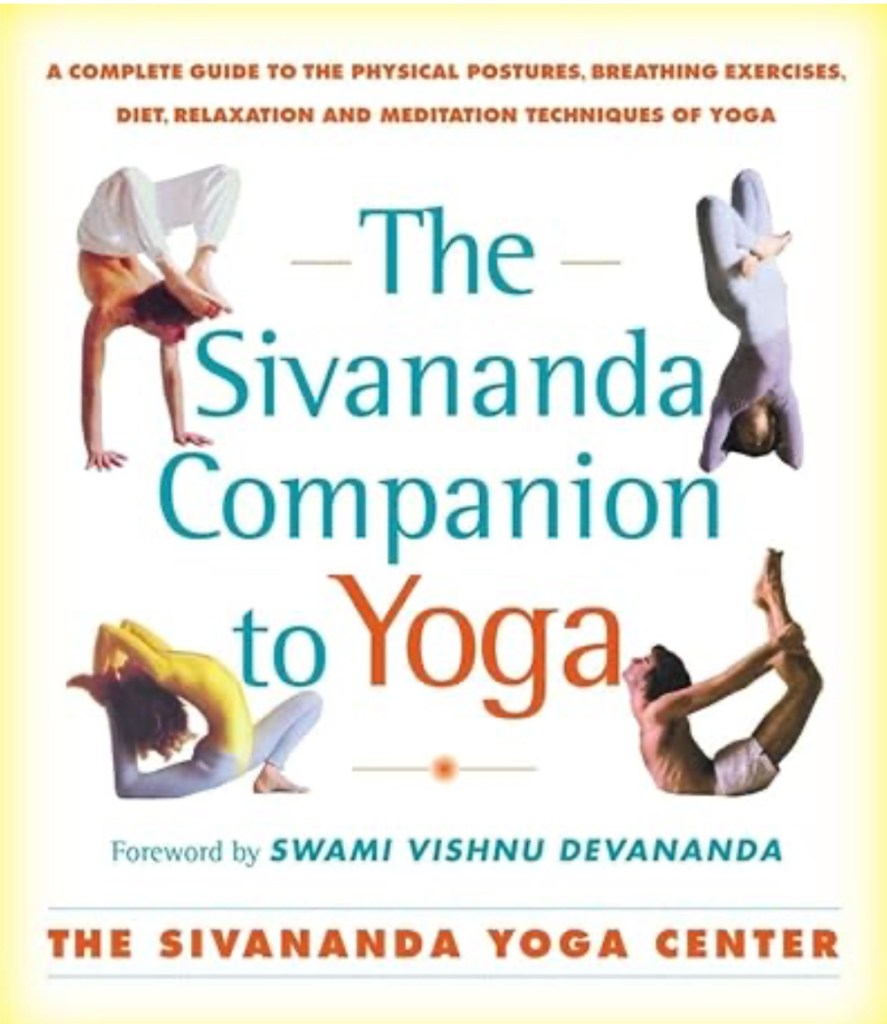
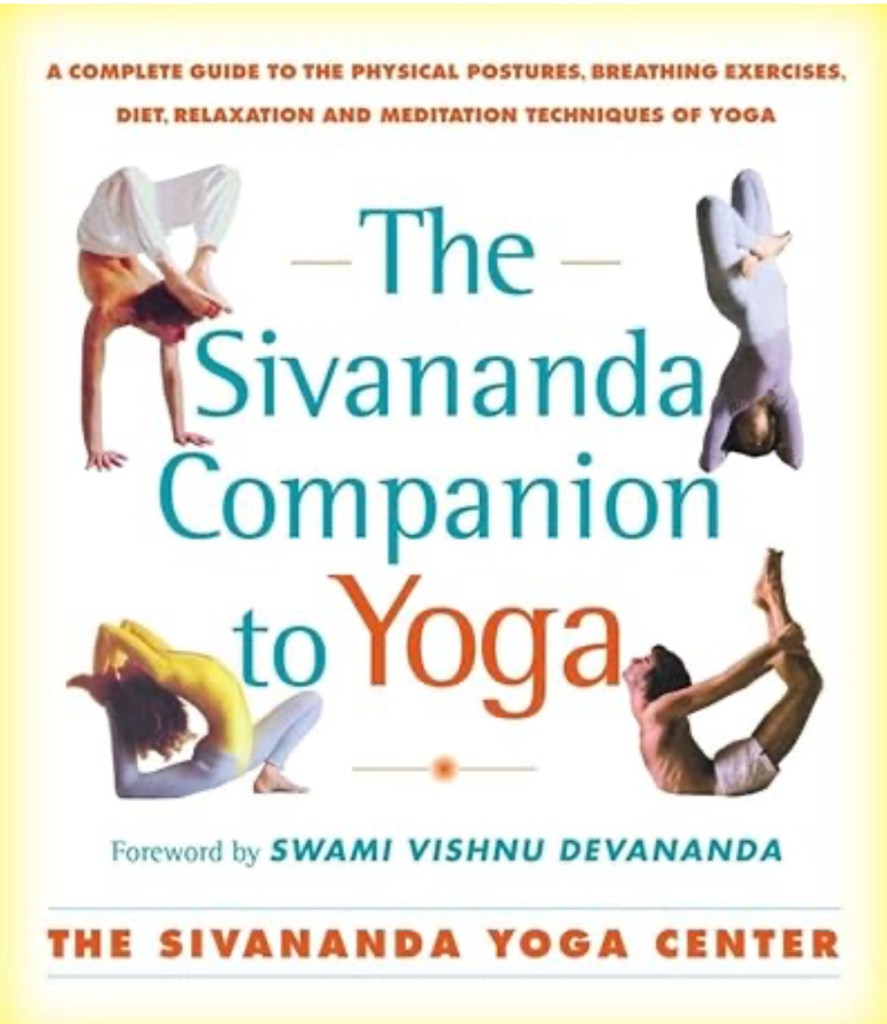
    For those interested in a comprehensive introduction to the practices of yoga, I recommend The Sivananda Companion to Yoga: A Complete Guide to the Physical Postures, Breathing Exercises, Diet, Relaxation, and Meditation Techniques of Yoga. This book offers clear guidance on the foundational aspects of yoga, making it an invaluable resource for anyone looking to deepen their understanding and practice. Take a look at this book on Amazon here.

    🙏🕊️🙏

  • Introduction to Raja Yoga: The Path of Meditation and Mental Discipline

    Raja Yoga, often called the “Royal Path,” is the yoga of meditation and mental discipline, guiding practitioners to control the mind and senses, and ultimately to attain self-realization and spiritual enlightenment. It is considered one of the most comprehensive forms of yoga, encompassing aspects of all the other yogas, and is particularly focused on the systematic cultivation of the mind through meditation.

    Raja Yoga is based on the Yoga Sutras of Patanjali, which outline an eightfold path (Ashtanga) to enlightenment, often referred to as the “Eight Limbs of Yoga.” This path is designed to help practitioners achieve mental clarity, emotional stability, and a profound inner peace, leading to the experience of oneness with the ultimate reality.

    In this blog series, we’ll introduce you to the eightfold path of Raja Yoga and explore how meditation and mental discipline can lead to spiritual awakening.

    As we embark together on this journey of discovery and reflection, I warmly invite you to join me in exploring the depths of these ancient practices and teachings. Let this space be a sanctuary where we meet not just as seekers, but as companions on the path—a place where the wisdom of the ages can gently unfold within our lives.

    If these words and practices speak to something within you, if they stir a quiet longing or bring a sense of peace, I encourage you to subscribe to this blog. By doing so, you’ll be the first to know as new installments of our shared journey are published. It is my hope that each post will resonate with you, offering insights and comfort as we continue to explore these profound teachings together.

    For those interested in a comprehensive introduction to the practices of yoga, I recommend The Sivananda Companion to Yoga: A Complete Guide to the Physical Postures, Breathing Exercises, Diet, Relaxation, and Meditation Techniques of Yoga. This book offers clear guidance on the foundational aspects of yoga, making it an invaluable resource for anyone looking to deepen their understanding and practice. Take a look at this book on Amazon here.

    🙏🕊️🙏

  • Patanjali No. 1: Introduction to the Yoga Sutras of Patanjali: A Journey Into the Heart of Yoga

    The Yoga Sutras of Patanjali are among the most revered and profound texts in the history of spiritual practice. Written over two thousand years ago, they offer a timeless guide to understanding the nature of the mind, the path of self-realization, and the true essence of yoga. Though often studied by practitioners of yoga, these sutras transcend any single tradition and speak to all who seek clarity, peace, and spiritual growth.

    Patanjali, the ancient sage credited with composing these teachings, distilled the essence of yoga into 196 short aphorisms, or sutras. These sutras are not just theoretical—each one provides practical wisdom, offering guidance on how to quiet the mind, transcend suffering, and realize our highest potential. Together, they form a comprehensive system for inner transformation, known as Raja Yoga or the “royal path” to self-mastery.

    Why, then, should we study the Yoga Sutras? In today’s world, we are often overwhelmed by the constant fluctuations of the mind—our thoughts, emotions, and external distractions. Patanjali’s teachings offer a way to navigate this inner turbulence, helping us cultivate stillness and awareness. The Yoga Sutras provide a roadmap to liberation, inviting us to look beyond the surface of our daily experience and discover the deeper truth of who we are.

    The sutras reveal that yoga is far more than physical postures or breathing techniques; it is a disciplined practice of calming the mind and awakening to our inherent state of peace. By studying and reflecting on these teachings, we can bring more clarity, wisdom, and purpose into our lives. As Patanjali himself declares at the very beginning of his work:

    “Now, the discipline of yoga begins.”

    In this series, we will explore the Yoga Sutras using the translation offered by Swami Vivekananda, a renowned spiritual teacher and philosopher who introduced the wisdom of yoga to the West in the late 19th century. Vivekananda’s translation is both accessible and profound, capturing the essence of Patanjali’s teachings while making them relevant to modern seekers. His interpretation illuminates the deeper meanings behind the sutras, providing a bridge between ancient wisdom and contemporary understanding.

    As we journey through these sutras together, we will take time to reflect on each one, understanding how it applies to our own lives and practices. The path of yoga is not just about reading words on a page—it is about living them, integrating the teachings into the way we think, act, and experience the world.

    Let this be the beginning of our journey into the heart of yoga. As we explore the Yoga Sutras of Patanjali, we will open ourselves to the possibility of inner transformation, guided by the light of these ancient teachings.

    Coming Up Next:
    In our next post, we will dive into the first two sutras: Atha Yoganushasanam and Yogash Chitta Vritti Nirodhah. Together, we will reflect on what it means to begin the practice of yoga and how the cessation of the fluctuations of the mind becomes the essence of our journey toward inner stillness. We’ll explore how these teachings apply to our daily lives and the strength it takes to cultivate presence and calmness in the face of life’s challenges. Join us as we take the first step in our exploration of Patanjali’s wisdom.

    🙏🕊️🙏

  • Introduction to Jnana Yoga: The Path of Knowledge and Self-Inquiry

    Jnana Yoga is one of the primary paths of yoga, often described as the path of knowledge or wisdom. It is a profound spiritual practice focused on deep inquiry into the nature of the self and the ultimate reality. Through a process of self-examination and discernment, practitioners of Jnana Yoga seek to transcend the illusions of the mind and realize the true, non-dual nature of existence.

    At the heart of Jnana Yoga is the practice of Atma Vichara, or self-inquiry, where the seeker continuously asks, “Who am I?” This inquiry leads to the direct experience of the Self (Atman) as pure consciousness, beyond the layers of thought, emotion, and ego. Jnana Yoga emphasizes the importance of discriminating between the real and the unreal, the eternal and the transient, in order to uncover the unchanging reality that underlies all existence.

    In this blog series, we’ll explore the key principles and practices of Jnana Yoga, and how this path of knowledge can guide us toward self-realization and spiritual liberation.

    As we embark together on this journey of discovery and reflection, I warmly invite you to join me in exploring the depths of these ancient practices and teachings. Let this space be a sanctuary where we meet not just as seekers, but as companions on the path—a place where the wisdom of the ages can gently unfold within our lives.

    If these words and practices speak to something within you, if they stir a quiet longing or bring a sense of peace, I encourage you to subscribe to this blog. By doing so, you’ll be the first to know as new installments of our shared journey are published. It is my hope that each post will resonate with you, offering insights and comfort as we continue to explore these profound teachings together.

    For those interested in a comprehensive introduction to the practices of yoga, I recommend The Sivananda Companion to Yoga: A Complete Guide to the Physical Postures, Breathing Exercises, Diet, Relaxation, and Meditation Techniques of Yoga. This book offers clear guidance on the foundational aspects of yoga, making it an invaluable resource for anyone looking to deepen their understanding and practice. Take a look at this book on Amazon here.

    🙏🕊️🙏

  • Yoga Nidra for Chronic Fatigue Syndrome (ME/CFS): A Gentle Practice for Deep Rest and Healing

    Yoga Nidra for Chronic Fatigue Syndrome (ME/CFS): A Gentle Practice for Deep Rest and Healing

    Before You Begin

    Welcome, dear reader. If you’ve found yourself here, it may be because you’re looking for something gentle, something that can hold you with care amidst the challenges you face. Living with Myalgic Encephalomyelitis/Chronic Fatigue Syndrome (ME/CFS) often means navigating a delicate path where the balance between activity and rest isn’t just important—it’s essential.

    Yoga Nidra offers a unique kind of rest, one that reaches deep into the layers of your being, allowing both body and mind to relax in a way that ordinary sleep might not always provide. But before we dive into this practice, I invite you to pause. How are you feeling right now? If you notice any weariness, perhaps take a moment. Close your eyes, take a few deep breaths, and come back when you’re ready. Remember, there’s no rush here.

    As you consider exploring Yoga Nidra, please remember that this is your journey, unfolding at your own pace. Yoga Nidra invites you into a state of profound relaxation without physical effort, offering a deeply restful experience. For those of us living with ME/CFS, however, even rest can sometimes require a delicate balance.

    If you’re new to this practice, consider beginning with just a few minutes, allowing yourself to ease into the feeling of deep rest. Pause whenever you need, honoring your body’s unique rhythms and knowing that each moment of relaxation, however brief, can be truly nourishing.

    This is a sanctuary of ease—no need to strive. May Yoga Nidra offer you a gentle space of rest, a place to be held in care as you navigate your path toward healing and peace.

    What is Yoga Nidra?

    Yoga Nidra, often lovingly referred to as “yogic sleep,” is a form of guided meditation that gently leads you into a state of deep relaxation while your consciousness remains softly awake. Imagine being held in a place where you can let go of everything, where you can rest deeply without the need to do anything at all. This practice doesn’t ask for effort; it only invites you to allow yourself to be.

    For those living with ME/CFS, Yoga Nidra can offer a sanctuary—a place to replenish your energy, soothe your nervous system, and find a sense of peace that might feel elusive in daily life. But dear friend, I encourage you to take this in slowly. Perhaps read a little, then pause to check in with how you’re feeling. Let these words settle in their own time, just as you would allow a gentle rain to soak into the earth.

    Why Yoga Nidra is Beneficial for ME/CFS

    Yoga Nidra allows you to experience the kind of deep rest that typically takes much longer to achieve. Even just a few minutes can leave you feeling more refreshed, which is especially valuable when energy is limited. Living with ME/CFS often leaves the nervous system in a heightened state of alertness, contributing to stress and fatigue. Yoga Nidra gently guides the body into a state of calm, helping to reduce that background tension and allowing true relaxation to unfold.

    In the stillness of Yoga Nidra, the body’s natural healing processes are supported, fostering recovery and building resilience over time. This deep relaxation can be a powerful tool for anyone managing the ongoing challenges of ME/CFS. Whether you’re lying down in bed, on a yoga mat, or resting in a comfortable chair, Yoga Nidra is a practice that adapts to you. It requires no physical exertion—only the willingness to rest.

    Again, check in with yourself. How is your energy now? This is your journey, and it’s important to honor the pace that feels right for you.

    A Simple Yoga Nidra Practice for ME/CFS

    When you feel ready, I invite you to explore this gentle introduction to Yoga Nidra. This practice is designed to be brief and nurturing, offering you a moment of respite in your day.

    Preparation:

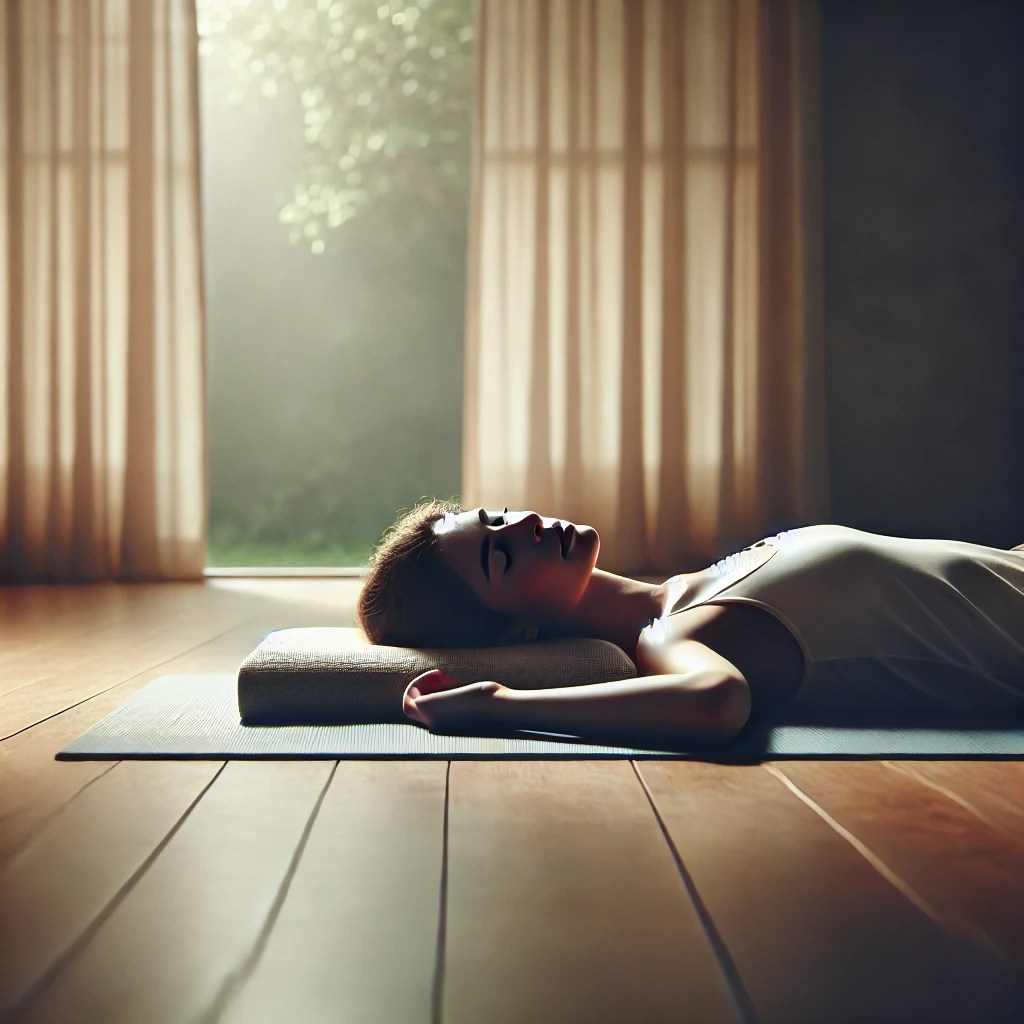
       •   Find a quiet, comfortable place where you can lie down. Perhaps you’re already there, in which case, simply settle in a bit more. Use a yoga mat, a blanket, or your bed—whatever feels best for you.
       •   Make sure you’re warm and comfortable. The body cools down when deeply relaxed, so a light blanket might be nice.
       •   Close your eyes, and take a few deep breaths. Let the day’s weight melt away.

    Guided Practice:

    1. Settle In: As you lie here, notice the contact points between your body and the surface beneath you. Feel supported, as though the earth is holding you gently. Allow your body to become heavy, fully surrendering to gravity.
    2. Breath Awareness (2-3 minutes): Bring your attention to your breath, without changing its rhythm. Simply observe the air as it flows in and out. With each exhale, imagine your body softening further, releasing any tension it may hold.
    3. Body Scan (3-5 minutes): Slowly, bring your awareness to different parts of your body, starting at your feet and working your way up to your head. As you focus on each part, imagine it being completely relaxed. If your time is limited, you might focus on just the major areas like your legs, torso, arms, and head.
    4. Sankalpa (Intention) (1-2 minutes): Silently repeat a positive intention or affirmation. It could be as simple as “I am relaxing,” or “I am releasing,” or “I am letting go.” Let this intention resonate with you as you repeat it a few times.
    5. Visualization (2-3 minutes): Picture a peaceful place—a sanctuary where you feel safe and relaxed. This could be a real location or an imagined one. Spend a few moments here, soaking in the tranquility. Let it fill you up.
    6. Return (1-2 minutes): Gradually bring your awareness back by deepening your breath. Gently move your fingers and toes. When you’re ready, slowly open your eyes, taking your time before getting up.

    How to Incorporate Yoga Nidra into Your Day

    As you move through your day, there are moments when you might feel the need to pause and restore. Yoga Nidra can become a trusted companion during these times.

    For instance, you might find that taking a few minutes for Yoga Nidra during short breaks throughout your day helps you to refresh your energy and reduce fatigue. Imagine pausing for just 5-10 minutes, allowing the deep rest of Yoga Nidra to rejuvenate your mind and body, making it easier to manage the day’s demands.

    In the evening, as you prepare for sleep, Yoga Nidra can also serve as a gentle transition into the night. Practicing before bed can help improve the quality of your sleep, which is often disrupted by ME/CFS. Picture yourself easing into a restful night, with Yoga Nidra setting the stage for better recovery and deeper rest.

    And then there are those moments when life feels overwhelming—when exhaustion seems to take over. In these times, taking a few minutes for Yoga Nidra can help reset your mind and body, offering a way to find calm amidst the storm. This practice can be like a comforting hand on your shoulder, guiding you back to a place of peace.

    As you explore how Yoga Nidra fits into your day, remember to be kind to yourself. You don’t need to do everything at once. Perhaps try one of these suggestions and see how it feels. The journey of healing is often made up of small, gentle steps.

    Dear reader, Yoga Nidra is more than just a practice—it’s a sanctuary where you can find rest, healing, and peace. For those living with Myalgic Encephalomyelitis/Chronic Fatigue Syndrome (ME/CFS), it offers a way to embrace rest as a form of self-care, helping you manage your energy and enhance your well-being. Remember, there’s no need to rush. This is your journey, and you’re exactly where you need to be.

    Explore Yoga Nidra Through a Guided Meditation Video

    If you’re interested in experiencing a guided Yoga Nidra practice, I’ve found a wonderful 30 minute video that can help you relax and restore your energy. This video offers a calming, step-by-step journey through a Yoga Nidra meditation, perfect for those moments when you need a deeper rest.

    The video begins with instructions to find a quiet place where you won’t be disturbed. You’re guided to get into a comfortable position on your back, with knees slightly apart and arms resting away from your body, palms up. As you close your eyes, you’ll be invited to take a deep relaxing breath, setting the stage for relaxation.

    The instructor suggests using the mantra OM during this lesson. OM is simply a sacred sound that is often used in meditation to help focus the mind and create a sense of peace and connection with the divine.

    The heart of the meditation is a detailed body scan, where the instructor gently guides your awareness to different parts of your body, allowing each to relax fully.

    The meditation concludes with gentle instructions to begin moving your fingers and toes, rolling your head from side to side, and stretching your body.

    Watch a Video

    The vides below is just some the many Yoga Nidra videos online of and are a good place to start. There are countless Yoga Nidra videos on YouTube, each offered by different instructors. Take your time exploring until you discover the ones that resonate best with you.

    The occasional Yoga Nidra session can be a relaxing and rejuvenating experience, helping you reduce stress, improve sleep, and promote overall well-being whenever you feel the need for a deep, restorative rest. May this practice bring you peace and renewal, gently supporting your journey toward greater well-being.

    This yoga Nidra for insomnia will take you easily into a light hypnagogic state and then down into a deep state of sleep.

    Learn more about ME, get involved in support, advocacy, and activism at www.meaction.net

    🙏🕊️🙏

  • Introduction to Yoga Nidra: The Path of Deep Relaxation and Conscious Awareness

    Yoga Nidra, often called “yogic sleep,” is a powerful meditation practice that guides you into a state of deep relaxation while maintaining a sense of conscious awareness. Unlike traditional meditation practices that require focused concentration, Yoga Nidra invites you to relax completely, allowing the body and mind to rest deeply while the consciousness remains awake and alert. This practice is a journey into the inner landscape, where profound healing, insight, and spiritual awakening can occur.

    Though it is named “yogic sleep,” Yoga Nidra is far more than just a relaxation technique. It is a systematic method of inducing complete physical, mental, and emotional relaxation, where the practitioner enters a state between waking and sleeping. In this state, the mind becomes highly receptive, making it possible to release deep-seated tensions, uncover subconscious patterns, and access a deeper understanding of the self.

    For those living with chronic conditions, such as post-viral Myalgic Encephalomyelitis/Chronic Fatigue Syndrome (ME/CFS), this practice holds even greater significance. ME/CFS often leaves the nervous system in a heightened state of alertness, causing deep fatigue, poor sleep, and ongoing stress. Yoga Nidra, with its emphasis on rest and recovery, can provide a sanctuary for those navigating these challenges—a space to gently replenish energy and find balance amidst the weariness.

    In this blog series, we’ll explore the practice of Yoga Nidra and how it can serve as a powerful tool for healing and spiritual growth.

    As we embark together on this journey of discovery and reflection, I warmly invite you to join me in exploring the depths of these ancient practices and teachings. Let this space be a sanctuary where we meet not just as seekers, but as companions on the path—a place where the wisdom of the ages can gently unfold within our lives.

    If these words and practices speak to something within you, if they stir a quiet longing or bring a sense of peace, I encourage you to subscribe to this blog. By doing so, you’ll be the first to know as new installments of our shared journey are published. It is my hope that each post will resonate with you, offering insights and comfort as we continue to explore these profound teachings together.

    🙏🕊️🙏