Tag: pacing strategies

  • It’s One Thing to Understand Pacing in Theory and Another to Embody It in Daily Life

    It’s One Thing to Understand Pacing in Theory and Another to Embody It in Daily Life

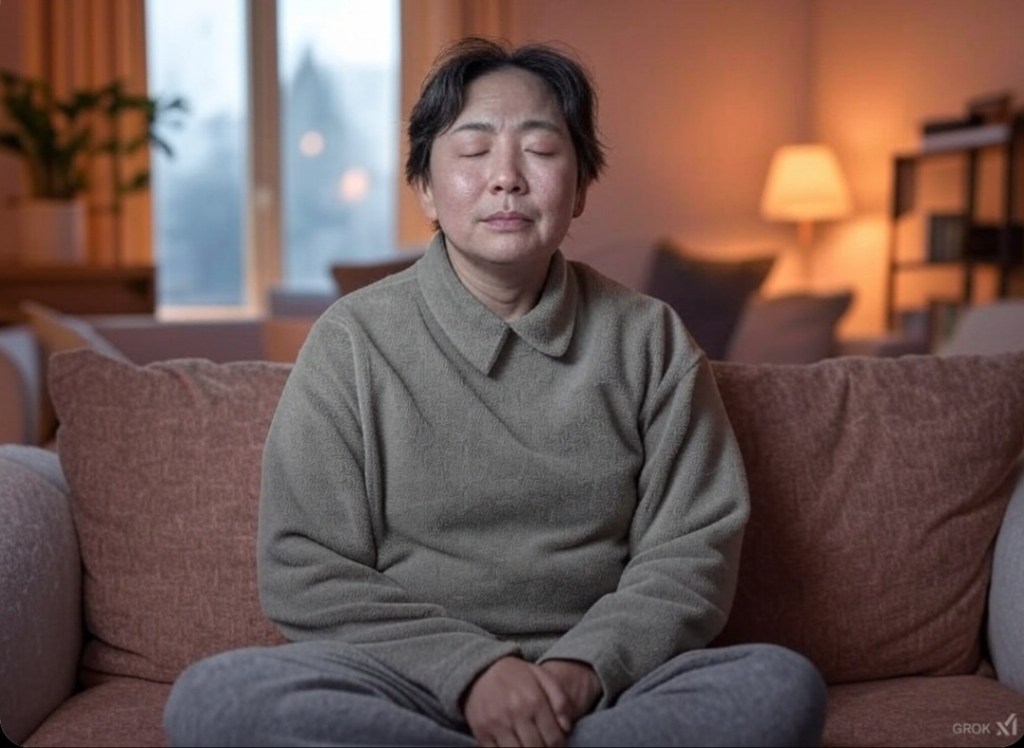
    “Resting in the space I worked so hard to create—learning, once again, that pacing is not just theory but a daily practice.”

    A Note on Pacing:
    Before you begin, take a moment to check in with yourself. How much energy do you have for reading today? Maybe just a sentence or two. Maybe a paragraph. Maybe the whole piece. However much you take in, let it be enough. This article, like life with myalgic encephalomyelitis, is not meant to be rushed.


    Pacing is a word we hear often in the world of ME, spoken like a compass meant to guide us. We read about it, talk about it, explain it to others. But then comes the quiet, complicated work of living it.

    To truly embody pacing is not just to believe in rest but to yield to it before collapse. It is the difference between knowing water quenches thirst and actually drinking, between understanding a path on a map and walking it, step by deliberate step.

    ME exists on a spectrum. Some reading this are bedridden, as I once was, for whom pacing looks like shifting slightly in bed, drinking water in small sips, or turning down the brightness of a screen. Others may have the energy to sit up, to fold a blanket, to wash a single dish. And for some, on a better day, pacing might mean pausing between errands or choosing not to add one more thing to an already full day.

    Today, I wake with the weight of PEM pressing down, the kind of fatigue that makes even stillness feel like too much. Considering how I feel, I know I should probably just stay in bed all day and do nothing. However, I am giving myself these next three days to recuperate while including a few small tasks around the house. So rather than staying in bed indefinitely, my plan is to get up every now and then, do a little something—without overdoing it—and then return to bed. This is how I imagine my day unfolding, and how I imagine the next three days unfolding.

    But today is different from other days of PEM. Because today, I am resting in a home I have created. A home I moved into just weeks ago—an exhausting, overwhelming feat that took everything I had to give. Packing, unpacking, pushing my body past its limits to carve out a space of refuge. And now, for the first time, I get to use it. I get to experience the space I have fought to create.

    And so, I stand.

    Not to conquer, not to override, but to move in a way that does not break me. I wipe the stove instead of the sink, because that is where my hand reaches first. I rest between tasks—not as surrender, but as part of the rhythm. I remind myself: small movements, long pauses, no urgency.

    I lay down between tasks, not because I want to, but because I need to. And in doing so, I begin to feel the quiet power of pacing—not as a limitation, but as a lifeline.

    And then, something unexpected: gratitude. Gratitude for having built a space where I can rest. Gratitude for the fact that I no longer have to push every moment of the day. Gratitude that my version of pacing today involves getting up every now and then, rather than going into complete sensory deprivation. I have been in those places before, where even the smallest light or sound was too much. And while PEM still drags at my limbs, I can move. That alone is something to honor.

    Pacing is not just a strategy; it is a conversation with the body, a practice of trust.

    I want to do more, of course. The mind races ahead of what my body allows. But I am learning—again and again—that healing is not found in force. That to rest is not to fail. That pacing is not about withholding movement but about weaving it together with stillness in a way that lets life unfold without collapse.

    And so, after the stove, I stop. I fold a blanket, but slowly, already thinking of the bed that waits. I let myself arrive at rest before I am shattered. This is the lesson I know in theory but must practice in flesh.

    To pace is not to do nothing; it is to do with awareness. To listen. To trust.

    And to begin again, as many times as it takes.

    Whether beginning again means practicing acceptance and self-compassion in the face of complete immobility and overwhelm, shifting thoughts away from frustration, shame, and darkness—or whether it means considering, with gratitude, the possibility of standing, washing a dish, or even the luxury of taking a bath.

    Living with myalgic encephalomyelitis is a spectrum. One that can change from moment to moment, one day to the next, or even year by year. This year, I am grateful for a greater capacity than the year before. But today, my capacity is fragile, and I must return to deep rest in order to honor the rhythm, the harmony, the cycle of change that ME demands of me each day.

    My heart goes out to all of us living this.

    Living with this.

    Mysterious. Unrelenting. Yet still, we live.

    To those reading this from bed, unable to move—your experience is seen, honored, and valid. To those who, like me, are navigating the in-between, finding ways to weave movement into rest—your effort is enough. To those who today feel a little more capacity than yesterday—may you hold it with gentleness.

    You are not alone. We are a community, bound not just by struggle, but by resilience. By the courage it takes to listen to our bodies when the world urges us not to. By the strength it takes to rest when everything in us longs to do more.

    And so, together, we continue.

    We pace.

    We rest.

    We begin again.

    🙏🕊🙏

  • 🙂 Turning Music into a Gentle, Adaptive Practice While Living with Chronic Fatigue (ME/CFS)

    🙂 Turning Music into a Gentle, Adaptive Practice While Living with Chronic Fatigue (ME/CFS)

    🌿A Gentle Reminder Before Reading

    This post contains 38 sentences. If you have brain fog or limited energy, please take your time. You don’t need to read it all at once—just absorb what you can, when you can. If you find something helpful, pause and rest before continuing. There’s no rush. This is meant to be supportive, not overwhelming. 💙

    Turning Music into a Gentle, Adaptive Practice

    Lately, I’ve been reflecting on how much my body has been changing. For a long time, I spent most of my time in bed, and simply sitting up felt like a challenge. But recently, I’ve started to feel just a little stronger, and that’s why I feel drawn to incorporating more sitting and standing into my day. The muscles involved in standing and sitting had atrophied from so much time in bed, so this shift—this ability to stand, even for short moments—feels like a miracle.

    As part of this, I’ve been exploring a way to bring music into my life in a way that supports my body instead of draining it.

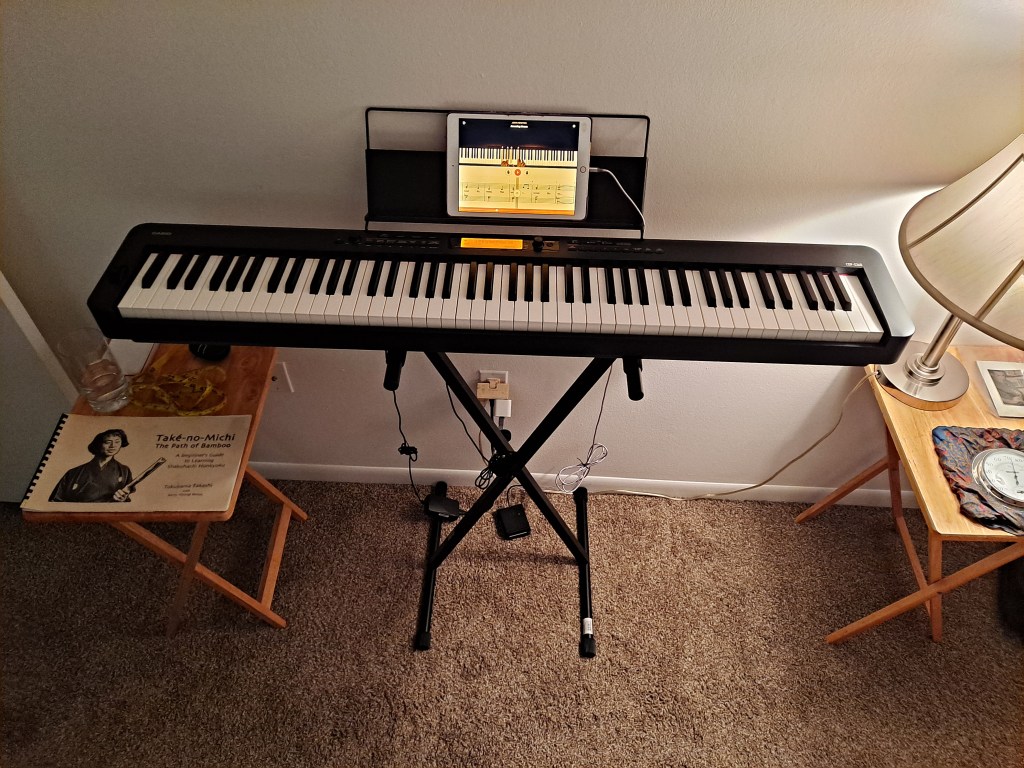
    Like many of you, I find that sitting for long periods is uncomfortable, so I decided to raise my keyboard stand to standing height. What I’ve found is that standing while playing allows for gentle movement—I can shift my weight, circle my hips, and let my breath flow naturally, almost like Tai Chi at the keyboard.

    But the most important shift has been learning how to relax. I’ve realized that when I play, I tend to hold my breath and tense up, which drains my energy. So my new focus is breathing and playing with as little tension as possible, using a 4-note breathing pattern:
    ✔ Inhale: A → C → E → C
    ✔ Exhale: A → C → E → C
    This simple rhythm helps me stay grounded, present, and relaxed.

    Another key part of this setup is having my keyboard at the end of my bed. This means I can lay down to rest anytime, and when I feel ready, I can stand for just a minute or two to play, then lay back down again. There’s no pressure, no need to push myself—just a gentle cycle of music and rest.

    Options for Engaging with Music at Any Energy Level

    I know that not everyone has the ability to stand or sit for long, so I wanted to share a few ways to incorporate music at any stage—always prioritizing relaxation and staying within your pacing envelope to avoid PEM.

    🎵 Lying in Bed: When I was primarily bedridden and didn’t have a keyboard, I Velcroed my iPad about a foot and a half above my head. This let me lay flat and play simple notes with an app, without any strain. It worked beautifully.

    🎵 Small Keyboard for Bed Use: On Facebook Marketplace, you can find very small, lightweight keyboards that you can keep in bed with you. You don’t need a full-size keyboard to start—just something simple to play a few notes when you feel able.

    🎵 Seated or Standing with an Adjustable Keyboard: If sitting for long is difficult, you can use a keyboard stand that adjusts in height so you can switch between sitting and standing, allowing for movement and rest as needed.

    🎵 Completely Resting & Humming (Minimal Effort Required): For those who need to lay flat and remain mostly inactive, music can still be part of your healing. Some keyboards or apps allow you to automatically play simple notes (like A → C → E → C) very, very slowly. Instead of physically playing, you can simply breathe in rhythm with the notes and gently hum along—only if it feels comfortable. Even this small engagement should be done within your energy limits, ensuring it stays restorative rather than draining.

    🎵 Music Visualization (No Physical Effort Required): If even humming feels like too much, you can still experience music through visualization. I used this method when I realized I couldn’t go to the beach anymore—I would simply imagine walking along the shore, and it was surprisingly powerful. In the same way, you can lay in bed and visualize yourself sitting at a piano, pressing one note at a time, hearing the sound in your mind, and breathing gently. You don’t have to hum or move at all—just allow the imagery and imagined sound to soothe you.

    The Primary Goal: Relaxation & Parasympathetic Activation

    The most important thing is to find the simplest, most relaxing way to engage with music—one that matches your current energy levels and does not trigger PEM. Whether that’s playing, humming, breathing, or simply visualizing, the goal is to activate the parasympathetic nervous system and promote deep rest and healing.

    Having a piano that moves with me rather than forcing me to adjust to it has been life-changing. I just wanted to share this in case it helps anyone else looking for a way to bring music into their life—with gentleness, breath, and ease. 💙

  • The Quiet Art of Pacing: Living with ME CFS

    The Quiet Art of Pacing: Living with ME CFS

    There is a kind of life that moves beneath the surface of what others might call living—a life that hums in the pauses, in the spaces where action halts and breath lingers. For those of us with Myalgic Encephalomyelitis/Chronic Fatigue Syndrome (ME CFS), life unfolds not in grand gestures but in the delicate negotiation between movement and stillness, between doing and being.

    It is a life measured in moments of energy so fleeting and precious that they slip through our fingers like water if we are not careful. And so, we learn to hold them gently. We learn the art of pacing—a quiet, intricate dance with the body, the mind, and time itself.


    Listening to the Whisper Beneath the Noise

    At first, pacing may seem like a restriction, a bridle holding you back from the gallop of life. But in time, if you listen closely—no, not just listen, but feel—you realize it is not a prison but a kind of language your body speaks. A whisper beneath the noise.

    There is a moment, just before the crash comes, when the body begins to murmur. A soft weight behind the eyes, a flicker of thought that stumbles, a breath that feels heavier than the last. These are the early signals, the body’s gentle plea: pause.

    It is in this space, between the whisper and the roar, that pacing lives.


    The Shape of a Day, Redrawn

    Pacing is not about doing less; it’s about doing differently. It is the re-imagining of time, the reshaping of how a day unfolds. Where once you might have filled your hours with tasks and plans, now you learn to weave rest into the rhythm of your day, like threads of gold through ordinary cloth.

    You might wash the dishes, but not all at once. You pause midway, let the water cool on your hands, and sit quietly, letting your breath find its rhythm again. You might write an email, but only after resting first, and you’ll rest again afterward—because even thinking, even hoping, takes energy you no longer have in abundance.


    Finding Rest in Unexpected Places

    And rest—ah, rest is not always what the world thinks it is. Rest is not just lying in bed, staring at the ceiling while the mind races ahead of the body’s capacity. Rest can be the soft drift of music filling the room, or the slow tracing of light as it moves across the wall in the late afternoon. Rest can be found in the spaces between thoughts, in the warmth of a cup of tea held in still hands.

    Rest becomes an art of presence, of being where you are without pushing against the boundaries of what is possible today.


    The Creative Dance of Energy

    Some days, you find new ways to move within these limits, like an artist working within the edges of a canvas. You might use technology as a bridge—a voice-activated assistant that changes the song when you’re too tired to lift a finger, or a reminder app that gently nudges you when it’s time to pause.

    You might practice the delicate balance of task rotation: a bit of writing, then a moment watching the sky; folding laundry, but only after you’ve closed your eyes for a while. You discover the gift of delegation, the quiet courage in asking for help, and the grace in receiving it.

    Some days, even the lightest touch of movement—a stretch, a breath, the soft turning of your neck toward the window—feels like enough. And it is.


    The Emotional Currents Beneath It All

    But there is more than the body to tend to. There is the heart, too, learning to live with the grief of lost abilities. There are days when you long for the world you once knew, for the ease of spontaneity, for the thoughtless rush of energy that now feels like a distant memory.

    Yet, in the slowing down, in the careful pacing, you may find something unexpected: a deeper presence, a richer noticing of life’s quiet details. The way the morning light catches in the folds of your blanket. The softness in the voice of a friend who understands. The tender resilience that blooms in the space where struggle meets acceptance.


    Living Within, and Beyond, the Limits

    Pacing is not a giving up. It is a learning to live differently. It is an intimate conversation with yourself, a deep knowing of what you can do and when to stop. It’s about honoring the ebb and flow of your energy, like tides that you no longer fight but learn to move with.

    And in this dance, in this art of balancing effort and ease, you find that life still holds beauty—not in spite of the limits but sometimes because of them. The smallest joys become treasures, and the quiet moments shimmer with meaning.

    Because even within the narrowest confines, life finds a way to bloom.


    🙏🕊🙏

  • Understanding Life with ME/CFS

    Understanding Life with ME/CFS

    Living with ME/CFS can feel like moving through a world where energy is always scarce, even after sleep or rest. Each day often starts with a level of fatigue that others might experience only after running a marathon, and even the smallest tasks—like taking a shower or answering a message—can lead to overwhelming exhaustion known as post-exertional malaise (PEM). This exhaustion isn’t just tiredness; it’s a deep, often immobilizing weariness that can affect every system in the body.

    For many, symptoms extend beyond fatigue and include pain, cognitive difficulties often called “brain fog,” sensitivities to light and sound, sleep disturbances, and immune symptoms like swollen glands or a sore throat. Some people describe their experience as feeling trapped between a desire to live fully and a body that constantly enforces limits. Social and professional isolation can add to the challenges, as ME/CFS often means saying “no” to friends, work, and daily activities that once brought joy and connection.

    This condition varies greatly, so while some may have more freedom on “good” days to engage in gentle activities, others may find themselves mostly confined to bed, carefully rationing energy just to make it through each day. The need for pacing—moving through life in a slow, intentional rhythm—is key to avoiding painful crashes, yet it can feel isolating, as others may not understand the invisible boundaries ME/CFS places on energy.

    🙏🕊️🙏

  • Managing Post-Exertional Malaise: Finding Balance and Peace in Life with ME/CFS

    Managing Post-Exertional Malaise: Finding Balance and Peace in Life with ME/CFS

    A Gentle Reflection on Pacing, Rest, and Navigating the Challenges of Chronic Fatigue Syndrome

    There are days when the body speaks softly, a whisper of weariness that hints at the storm ahead. And though we move carefully, mindful of each step, there are moments when the smallest effort—a turn of the mind, a spark of emotion—awakens something deeper. This is the dance with post-exertional malaise, the hidden tide that comes and goes, often when we least expect it.

    Gentle Reminder: Take Care of Yourself

    This post is lengthy, and it’s important to honor your pacing needs. Feel free to read a little at a time, take breaks, and come back to it when you’re ready. Your well-being is paramount, even as you engage with information that supports your journey.

    In this slow unfolding, I’ve learned the art of listening. Not just to the body’s loud protests, but to the subtle shifts that rise like shadows before a dusk. It’s a practice, really—this gentle balancing act of life. Pacing myself through the hours, I find that it’s not about doing as much as I can, but rather, doing only as much as I must, and stopping long before the weight of fatigue pulls me under.

    Some days, I count my energy like a miser with gold, tucking it away in small corners, resting in the quiet between breaths. I know now that to keep moving without pause is to invite the flood, so I rest—not in surrender, but in reverence. It’s a kind of devotion, to honor these limits as something sacred, to see the necessity of stillness as part of the rhythm of being. I don’t always succeed. But when I do, I glimpse a peace that feels fragile, yet profound.

    And when the world presses in with its demands, I remind myself that it’s okay to say no, or not now. There is a quiet strength in bowing out, in knowing that tomorrow will ask more of me than today ever could, and I must be ready. There is also grace in understanding that not every task, not every moment, requires my full self. I can do less, and in doing less, I give myself more space to breathe, to be.

    There are the days after—the days when the fog of PEM descends like a heavy mist over the mind, the limbs. When it comes, I am learning not to fight it. I lie still, like a tree after the storm, gathering strength in the pause. I have found that recovery is an art, as delicate as anything else. Resting, not out of defeat, but out of wisdom, out of love for the body that has carried me through so much already. The act of resting becomes an offering of peace, a gift I give myself in this long, uncharted journey.

    And so, I move slowly, gently, always aware of the fine thread that connects exertion and ease, action and rest. I have begun to cherish the quiet moments of pause, the spaces where life still hums softly, even in the absence of movement. These are the moments when I remind myself that managing this strange, invisible storm is not about conquering it, but learning to live alongside it, to move with it as gracefully as I can. There is beauty here, too—a beauty in the stillness, in the small victories of simply being.

    In those moments, I find a sense of peace that is mine to keep. And in that peace, I remind myself that even on the hardest days, I am enough.And so, as I offer these thoughts, I send with them a quiet wish for your well-being. May you find moments of rest that nourish you deeply, and may the days of ease, however fleeting, linger softly in your memory. If you ever feel the weight of this journey pressing too hard, know that you are not alone.

    Dear friends,

    I know these days may feel heavier than usual. The storm outside has passed, but inside, your bodies may feel as though they’re weathering one of their own. Post-exertional malaise (PEM) comes like that—quiet and uninvited, a deep exhaustion that touches every part of you. Whether it’s the physical toll of surviving the hurricane or the emotional weight of the aftermath, you’re feeling it now, maybe more intensely than you have in years.

    Please know that what you are experiencing is valid. You’ve already shown such strength, simply by navigating these storms and their many demands. But right now, in this moment, the strongest thing you can do is rest. Not as a surrender, but as a way of caring for yourself in the most compassionate way possible. Rest, because your body is asking for it. Rest, because this is how you heal.

    Pacing is not easy when the world around you spins in chaos, but I encourage you to listen to the subtle signs your body gives. You don’t have to meet every demand or engage with every worry. It’s okay to step back, to breathe, and to honor your limits. In doing less, you are doing what is necessary to recover.

    If the fog of PEM feels too thick to see through, know that it will lift. Maybe not all at once, but in small, tender ways. There is stillness, there is peace, waiting for you on the other side of this exhaustion. You are not alone in this experience—many of us are moving slowly through these same waters, learning the rhythm of rest, of patience, of letting go.

    For now, take each moment as it comes. Let yourselves be. Let yourselves rest. And in that rest, know that you are enough. You are resilient. This, too, will pass.

    With all my warmth and understanding,
    Richard Silverman

    Feel free to leave your thoughts, your questions, or simply your presence here—I will meet you with understandingh and warmth. Together, in our shared quiet, we will honor the pace that life has asked of us.

    🙏🕊️🙏

  • The Art of Pacing: How to Live Gently with Chronic Illness and Protect Your Energy

    A gentle exploration of how pacing can help you find balance and protect your well-being while living with chronic illness—along with thoughtful tools and guidance for those seeking support on this journey.

    Pacing is the quiet art of learning to live gently within the rhythms of your body, an act of surrender not to defeat, but to wisdom. It asks you to listen closely, with reverence, to the invisible boundaries your energy sets each day—boundaries that shift like tides, at times quietly receding, at times closing in. For those living with post-viral ME/CFS or long COVID, pacing is not about building stamina or pushing through; it is a way of navigating the unpredictable waters of illness, steering not toward exhaustion but toward balance.

    Think of your energy as a delicate thread stretched between moments. Some threads are finer than others, fraying at the edges after only the smallest tug. On certain days, your energy is enough to string together simple acts—getting out of bed, speaking a few words, tending to a meal. On others, even holding a thought in your mind feels like a weight too great to bear. There is no map for how far your thread will extend each day, and so the practice of pacing requires patience: learning when to weave activity into that thread and when to set it down altogether.

    It begins with noticing. As the morning unfolds, ask yourself: How does your body feel today? What whispers does it send about the tasks ahead—are your limbs heavy, your mind clouded? Or does the day offer a rare clarity, a lightness in your chest? This gentle inquiry is the starting point of pacing, the first invitation to move in harmony with yourself. If you learn to honor your limits before they are breached, you begin to discover that rest, too, is a form of action—an act of preservation, of quiet resistance to the demands of doing.

    There will be moments when you falter. Some days, buoyed by the hope of feeling better, you may do too much, only to find yourself crashed in bed the next morning, as though your body is reminding you: even good days must be tended with care. And yet, these moments are not failures but teachers, guiding you back to the path of gentleness. The gift of pacing is not in perfection but in the willingness to adjust, again and again, to the ebb and flow of your energy. It teaches that every step back into rest is not a retreat but a recalibration—a way of finding your balance anew.

    In practice, pacing asks that you break life into smaller pieces. No task need be completed all at once; no activity is so urgent that it cannot be paused. It may mean spreading chores across hours or days, resting between each small effort. You might find that simply sitting still before you are exhausted—what some call “micro-rests”—becomes a way to protect your energy, much like tending a fragile flame so it does not burn too fast.

    It also teaches the value of saying no, of drawing boundaries not out of reluctance but out of care for yourself. The world may ask more of you than you can give, but your worth is not measured by what you accomplish. Pacing offers you the grace to step back when needed, to protect the little energy you have, and to understand that in rest there is healing, even if that healing is slow and subtle.

    Through this practice, you begin to understand that your life with chronic illness is not a race to reclaim the old ways of being, but an invitation to live differently—deliberately, thoughtfully, and with compassion for yourself. Some days will still carry setbacks, and your thread may feel thin and worn, but you learn to trust that even in these moments, you are practicing something essential: the art of living well within your limits.

    If this way of being resonates with you, I invite you to explore pacing as a tool for navigating life with long COVID, post-viral ME/CFS, or any chronic illness. It is not a cure, but a guide—a way to live with care, softness, and respect for the boundaries your body sets.

    And if you are looking for a gentle companion in this journey—someone to offer guidance on pacing, energy conservation, and emotional support—I invite you to try out this free GPT assistant. This tool provides thoughtful advice, helps you manage the challenges of chronic illness, and offers a steady, compassionate voice tailored to your unique needs.

    Link to GPT Model:

    https://chatgpt.com/g/g-YSGKIl3IT-post-viral-me-cfs-support-guide

    🙏🕊️🙏

  • 6: Gentle Movement and Stretching in the Gym: Reconnecting with Your Body

    Now that you’ve taken the significant step of entering the gym without the pressure to exercise, you might feel ready to begin exploring gentle movement. For people living with Post-Viral ME/CFS, this phase requires a delicate balance—respecting your energy levels while slowly reconnecting with your body through light movement and stretching.

    In this blog post, we’ll look at how to introduce gentle movement and stretching into your gym experience, all while keeping the principles of mindfulness, self-compassion, and energy conservation at the forefront.

    Why Gentle Movement Matters

    Even the smallest movements can have profound benefits for those living with Post-Viral ME/CFS. Gentle stretches and slow, deliberate movements help re-establish your connection with your body, providing a sense of mobility and flexibility that can often feel lost. More than that, gentle movement stimulates blood flow, promotes relaxation, and helps to gradually build confidence in your ability to engage in physical activity.

    It’s crucial to remember that this is not about pushing limits or forcing your body beyond its capacity. Instead, it’s about nurturing your body, gently reminding it of what it can do—without overwhelming your system or triggering post-exertional malaise (PEM).

    How to Approach Gentle Movement in the Gym

    1. Set an Intention for the Session: Before you even begin, set a gentle intention for your session. This could be something as simple as, “I’m here to move with awareness and kindness.” By setting an intention, you shift your focus from achievement to presence. You’re here to care for yourself, not to push.
    2. Focus on Breath: As you start with gentle stretches or slow movement, focus on your breathing. This practice anchors you in the present moment and helps to ensure that your movements remain slow, controlled, and within your energy envelope. Breathing in deeply and exhaling fully can also support your body’s natural relaxation response.
    3. Start with Basic Stretches: You might want to begin with basic seated stretches. If your gym has a stretching area or a yoga mat, this can be a comfortable and supportive space to gently move your body. Here are a few movements to try:
    • Seated Forward Bend: Sit on a mat with your legs extended forward. Slowly reach toward your feet, allowing your hands to rest on your shins, ankles, or toes. Remember to focus on the sensation, not the stretch itself. Breathe into any areas of tightness or tension.
    • Gentle Neck Rolls: Sit comfortably with your spine straight. Slowly tilt your head to one side, bringing your ear toward your shoulder. Hold for a few breaths, then slowly roll your head forward, bringing your chin toward your chest, before moving to the opposite side. This can help release tension in the neck and shoulders.
    • Seated Side Stretch: Sit with your legs crossed. Reach your right arm over your head and lean gently to the left, creating a stretch along the right side of your body. Hold for a few breaths before switching sides.
    1. Mindful Walking or Light Activity: If you’re comfortable, you might try slow walking on a treadmill or even just walking around the gym. The key is to stay mindful of how your body feels. Walk at a slow pace and focus on each step, noticing how your feet connect with the ground. Keep the session short and stay tuned to your energy levels. If you feel tired, pause immediately and return to a seated position.
    2. Use Light Weights for Gentle Resistance: If you feel ready, introducing light resistance can be a wonderful way to engage your muscles without straining your system. Consider using very light dumbbells or resistance bands (which you can even bring with you if your gym doesn’t have them). The focus here is on smooth, controlled movements, keeping everything slow and deliberate.
    • Seated Bicep Curl with Light Dumbbells: Sit on a bench with a very light dumbbell in each hand. With your arms at your sides, slowly curl the dumbbells toward your shoulders, keeping the movement smooth and controlled. Lower the weights just as slowly. Repeat only a few times to start.
    • Resistance Band Shoulder Stretch: Sit or stand with a resistance band in both hands. Hold it in front of you with your arms shoulder-width apart. Slowly stretch the band outward by pulling your hands apart, engaging your shoulders and upper back. Breathe deeply and slowly return to the starting position.
    1. Listen to Your Body’s Signals: One of the most crucial aspects of any exercise with Post-Viral ME/CFS is listening closely to your body’s signals. Your body will tell you when it’s time to stop or slow down. Don’t wait until you’re exhausted—end your session at the first sign of fatigue or discomfort. Always honor your energy envelope.

    A Mindful Approach to Movement

    Remember, the goal is not to push your limits but to reconnect with your body in a gentle and compassionate way. With Post-Viral ME/CFS, you are working within a different framework—one that requires self-awareness and a focus on sustainable, restorative practices. Be kind to yourself, and understand that even the simplest movements can offer profound benefits.

    Here’s what to keep in mind as you explore gentle movement:

    • Embrace Small Wins: If you stretch for 5 minutes and feel good afterward, that’s a success. Celebrate these small wins, as they are stepping stones to building a sustainable relationship with your body.
    • Pace Yourself: Rest before you feel fatigued. It’s better to stop early than to overextend and risk PEM. The slow, deliberate approach is key to protecting your energy levels.
    • Feel Your Breath: Your breath is your guide. If your breath becomes strained or you notice any discomfort, it’s time to stop. Let your breath stay smooth and calm throughout your session.
    • Savor the Experience: Make your gym session a sensory experience. Notice how your body feels in each stretch, how your breath moves through you, and how the space around you feels. The more mindful you are, the more connected you’ll feel to each small movement.

    Psychological and Emotional Benefits

    Just as with the earlier steps of entering the gym or sitting in the parking lot, engaging in light movement and stretching can have tremendous psychological and emotional benefits:

    • Restores a Sense of Connection: Light movement helps you to feel more connected to your body. You begin to trust that your body can move, however gently, and that you can care for it without fear of over-exertion.
    • Promotes Relaxation and Presence: Focusing on gentle movements and mindful breathing helps to activate the relaxation response in your body. It’s an opportunity to let go of stress and feel more present.
    • Builds Confidence: Each session—no matter how brief or simple—builds confidence in your ability to re-engage with movement. You’re taking important steps toward creating a sustainable practice that fits your body’s current needs.

    Final Thoughts: Gentle Movement as an Act of Kindness

    Reconnecting with your body through gentle movement and stretching is a powerful act of self-kindness. In a world where exercise is often equated with intensity and performance, your approach is different. You are choosing to move in a way that respects your limits, nourishes your body, and honors where you are right now.

    As you continue with these mindful movements, remember that progress is not measured by how much you do, but by how connected you feel. Each stretch, each breath, each step in the gym is a way to rebuild your relationship with your body, one moment at a time.


    Next in the Series: Exploring Gentle Shoulder Engagement with the Lat Pulldown Machine

    In our next post, we’ll explore the Lat Pulldown Machine, finding ways to gently engage the muscles of the shoulders and back in a mindful, energy-sensitive way. As always, we’ll focus on small movements, deep breaths, and compassionate awareness as we continue to build a practice that supports those living with Post-Viral ME/CFS. We’ll discuss how to use the machine with minimal weight and how to adapt it for a Post-Viral ME/CFS approach.

    🙏🕊️🙏

  • Finding Balance: A Gentle Guide to Pacing with ME/CFS

    Question: What’s the best way to pace myself with ME/CFS?

    Answer: Pacing with ME/CFS is all about finding balance—managing your energy levels to avoid triggering post-exertional malaise (PEM) and staying within your “energy envelope.”

    As you read this post, please remember that pacing applies here too. There’s a lot of information, and it’s important to honor your capacity. Consider reading a little, then resting, and coming back to it when you feel ready. There’s no need to read and understand all of this at once. Take your time, and be gentle with yourself as you move through it.

    Here are some practical steps to help you pace yourself:

    1. Understand Your Energy Envelope

    Think of your energy levels like a battery. You have a limited amount of energy available each day. The goal is to stay within this limit to avoid overexertion and the subsequent crash.

    Reflect on Your Energy: You might find it helpful to reflect on your energy levels each day—perhaps by jotting down your experiences in a journal or simply observing what drains your energy and what helps you recharge. Noticing these patterns over time can offer insights into how best to care for yourself.

    1. Break Tasks Into Smaller Steps

    Breaking down activities into smaller, manageable steps can make things feel less overwhelming. You might try doing just 10 minutes of a task, resting, and then returning to it later if you feel up to it.

    Pause Often: Consider taking breaks before you feel tired. These pauses are a way of nurturing your energy, helping you avoid pushing yourself too far and risking PEM.

    1. Alternate Rest and Activity (The 50% Rule)

    If you’re uncertain about your limits, it might help to do only 50% of what you think you can manage. This approach offers a gentle buffer, allowing you to stay within your energy envelope without feeling stretched too thin.

    Balance Rest and Activity: You could try balancing periods of activity with rest. For instance, if you spend 15 minutes on a task, consider taking 15-30 minutes of rest afterward—even if you feel like you could keep going.

    1. Prioritize Essential Tasks

    Focus on tasks that are most important or meaningful. Let go of non-essential activities when you’re having low-energy days.

    Use the “3 Ps”:

    Plan:

    Organize your day to spread out energy-draining activities.

    Prioritize:

    Decide what’s most important.

    Pace:

    Slow down, take breaks, and listen to your body.

    1. Adjust for “Good Days”

    On days when you feel better, it’s tempting to do more. But this can lead to overexertion and worsening symptoms later. Stick to a consistent routine and avoid the boom-and-bust cycle where you overdo it one day and crash the next.

    1. Listen to Your Body’s Cues

    Pay attention to signs of fatigue, brain fog, or any symptoms. These are indicators that it’s time to rest. Don’t wait until you feel completely drained.

    1. Use Energy-Saving Tools and Techniques

    Find ways to make daily tasks easier, like sitting down while cooking or using adaptive tools to conserve energy. Even small adjustments can make a big difference in preventing overexertion.

    1. Be Kind to Yourself

    ME/CFS pacing takes time and practice. Be patient with yourself, and understand that setbacks happen. Rest is not a sign of weakness, but a necessary part of managing your energy.

    The goal of pacing is not to push through but to balance activities with rest so you can maintain stability and, over time, potentially expand what you’re able to do without triggering a crash.

    Remember, your well-being is not a race or a challenge to conquer. It’s a journey of listening to your body and honoring its needs, step by step. ❤️

    If you ever feel unsure, working with a healthcare professional familiar with ME/CFS can help tailor pacing to your unique needs.

    🙏🕊️🙏

  • Coping with ME/CFS in the Aftermath of Hurricane Helene: On-the-Spot Practices for Pacing and Recovery

    Rest now, breath by breath,
    Let each moment cradle you—
    And nourish your soul.


    As we recover from the aftermath of Hurricane Helene here in Florida, many of us are left not only dealing with physical damage and power outages but also with the internal toll such intense stress can take. For those of us living with chronic fatigue syndrome (ME/CFS), the impact can be particularly difficult, as our systems are already strained and now must cope with the post-storm chaos. This is a time when all of our skills for stress management, pacing, and self-care become essential—what Chögyam Trungpa might call “on-the-spot” practice.

    Understanding ME/CFS and Post-Exertional Malaise (PEM)

    Living with post-viral myalgic encephalomyelitis (ME/CFS) means managing a complex condition that affects multiple body systems, including energy production, the nervous system, and immune responses. One of the hallmark symptoms is post-exertional malaise (PEM), which refers to the worsening of symptoms after even small amounts of physical, emotional, or mental exertion. This could manifest as extreme fatigue, brain fog, muscle pain, increased sensitivity to noise and light, and a host of other symptoms that flare up after the body has been pushed past its limits.

    After a high-stress event like a hurricane, PEM can be easily triggered, making the recovery process even more difficult. The combination of exhaustion, nausea, sensory overload, and emotional stress all contribute to a heightened flare-up.

    On-the-Spot Strategies for Coping with Stress and PEM During Recovery

    Here are some pacing and stress management strategies that can be helpful as you recover from the storm:

    1. Cultivate the Witness

    Instead of trying to fix or fight the sensations in your body—like tinnitus, sensitivity, nausea, shakiness, or nervous system overwhelm—focus on observing them. This approach allows you to witness the intensity of your experience without adding the extra layer of resistance. Take a few deep breaths and simply notice the physical sensations, the loudness of the tinnitus, the shakiness in your limbs, the agitation in your mind, as if you’re watching a storm pass through.

    This is also an opportunity to remind ourselves of the Buddhist teaching of the second arrow. The first arrow is the physical or emotional pain we experience in a situation like this—our symptoms, the stress, and discomfort. The second arrow is the suffering we add on by resisting, judging, or wishing things were different. By simply observing the experience and letting go of the need to fix it, we avoid the second arrow of mental anguish. In this moment, it’s enough to just be with what is, without adding layers of judgment or frustration.

    1. Mindful Pacing

    Pacing is key to managing ME/CFS, especially during stressful recovery periods. Even though you may feel the need to push yourself—to clean up, reconnect with loved ones, or restore normalcy—it’s essential to honor your limits. Break tasks into the smallest chunks possible, rest frequently, and give yourself permission to not complete everything in one go.

    Physical pacing: Limit physical tasks to just a few minutes at a time, followed by equal or greater rest.

    Mental pacing: Engaging with recovery efforts, media, or news updates in small doses can prevent mental exhaustion.

    Emotional pacing: Allow yourself to step back from intense emotions when needed. Take breaks from conversations or situations that feel overwhelming.

    1. Tinnitus and Sensory Overload

    For many of us, stress exacerbates tinnitus, turning the ringing into an almost unbearable roar. One approach is to “lean into” the sound—not to fight it but to witness it, as mentioned earlier. Another option is to use low background sounds that are soothing to your system, such as nature sounds, white noise, or calming music, to soften the intensity of tinnitus. Remember, the goal isn’t to eliminate the sound but to cultivate a gentler relationship with it.

    1. Grounding Practices

    In times of heightened anxiety and post-storm disarray, grounding techniques can help calm the nervous system. Simple practices like feeling your feet on the floor, focusing on your breath, or using gentle touch (like placing a hand over your heart) can remind your body that you are safe in this moment, despite the external chaos.

    Breathing exercise: Try the 4-7-8 breath. Inhale for a count of 4, hold for a count of 7, and exhale slowly for a count of 8. This practice helps soothe the nervous system and bring a sense of calm.

    1. Resting in Stillness

    Though silence may feel elusive with tinnitus and nervous system overwhelm, there is a different kind of stillness available—the stillness of simply being aware. You don’t need to find literal quiet; instead, notice the quiet space that exists beneath all the sensations and noise. This is where your mind can rest, even when your body cannot.

    1. Pacing Your Recovery

    In the days following the hurricane, continue to pace yourself. Power outages, disrupted routines, and the emotional and physical toll of cleanup efforts can keep you in a heightened state of alert. Be mindful not to overdo it as you engage with recovery tasks, and remember that healing from PEM takes time. Even small tasks can be enough to push your body too far, so take frequent breaks and allow your body the space it needs to recover.


    Post-Hurricane Care for ME/CFS

    As we navigate the chaos left by Hurricane Helene, it’s vital to be gentle with ourselves and recognize the profound impact that stress can have on our health. Recovery is not just about cleaning up the physical aftermath but also giving our bodies the rest and care they need to heal from the exertion and stress.

    Take things moment by moment, and know that it’s okay to ask for help. Whether from neighbors, online support groups, or local resources, you don’t have to navigate this alone. The storm has passed, and now is the time to focus on restoration—both externally and internally.


    By integrating these on-the-spot practices into your routine, even during the stress of post-hurricane recovery, you can help your body manage the intensity of post-exertional malaise, tinnitus, and the other challenges that come with ME/CFS during such times. Stay safe and prioritize your well-being above all.

    Rest now, breath by breath,
    Let each moment cradle you—
    And nourish your soul.

    🙏🕊🙏


  • How Yoga Nidra Can Benefit People Living with Chronic Fatigue Syndrome (ME/CFS)

    Living with Myalgic Encephalomyelitis/Chronic Fatigue Syndrome (ME/CFS) is a daily challenge that requires careful management of energy, rest, and stress. For many, finding effective ways to support the body and mind in this delicate balance can feel overwhelming. Yoga Nidra, often called “yogic sleep,” is a practice that has been gaining attention for its potential benefits in managing ME/CFS. In this post, I’d like to delve deeper into how Yoga Nidra can be a valuable tool for those of us living with this condition.

    1. Supporting Pacing Strategies

    Pacing is a cornerstone of managing ME/CFS. It involves carefully balancing activity and rest to avoid pushing the body beyond its limits, which can lead to crashes or flare-ups of symptoms. Yoga Nidra can be an invaluable tool in this regard. Unlike other forms of exercise or even traditional yoga, Yoga Nidra requires no physical exertion. It allows you to take restorative breaks throughout the day, helping to prevent crashes by providing your body with deep rest during these intervals.

    For those of us with ME/CFS, the ability to find rest without further depleting our energy is crucial. A short Yoga Nidra session can be integrated into your daily routine as a way to recharge and reset, making pacing more manageable and effective.

    1. Activating the Parasympathetic Nervous System

    Another significant benefit of Yoga Nidra is its ability to activate the parasympathetic nervous system (PNS). The PNS is responsible for the “rest and digest” functions of the body, helping to counteract the stress response driven by the sympathetic nervous system. For many people with ME/CFS, the nervous system is often in a heightened state of alertness, which can contribute to symptoms of fatigue, pain, and cognitive dysfunction.

    Yoga Nidra guides you into a state of deep relaxation, which helps shift the body from a state of stress to one of rest and repair. This activation of the PNS can reduce the chronic stress response that often accompanies ME/CFS, promoting a sense of calm and helping to alleviate symptoms over time.

    1. Providing Deep Rest and Restoration

    One of the most challenging aspects of ME/CFS is the experience of unrefreshing sleep. Despite spending many hours in bed, individuals with ME/CFS often wake up feeling just as tired as before they slept. Yoga Nidra offers a unique solution by guiding practitioners into a state of consciousness that is deeply restful, yet different from regular sleep.

    During Yoga Nidra, the body can enter a state that mimics sleep in terms of physical rest, but the mind remains in a state of relaxed awareness. This state of conscious relaxation allows for a deeper level of restoration, potentially offering benefits that complement or even enhance the effects of regular sleep. For people with ME/CFS, incorporating Yoga Nidra into the daily routine could help alleviate the feeling of exhaustion that persists despite adequate sleep.

    1. Releasing Tension and Promoting Emotional Healing

    Living with a chronic illness like ME/CFS can lead to the accumulation of physical and emotional tension. Over time, this tension can exacerbate symptoms and contribute to feelings of stress and overwhelm. Yoga Nidra includes practices like body scanning and guided visualization, which can help release deep-seated physical tension and promote emotional healing.

    As you are guided to focus on different parts of the body and engage in positive affirmations or visualizations, Yoga Nidra provides a safe space for processing and releasing stress. This can lead to a sense of lightness and relief, which is particularly beneficial for those dealing with the chronic stressors associated with ME/CFS.

    1. Enhancing Mental Clarity and Focus

    Cognitive symptoms, often referred to as “brain fog,” are a common and frustrating aspect of ME/CFS. The deep relaxation and stress reduction provided by Yoga Nidra can contribute to improved mental clarity and focus. By calming the nervous system and promoting a state of balance, Yoga Nidra may help reduce the cognitive fatigue that many with ME/CFS experience.

    Regular practice of Yoga Nidra can support mental clarity by reducing the underlying stressors that contribute to brain fog, allowing for moments of greater focus and cognitive function.

    Conclusion: A Gentle Tool for Holistic Support

    Yoga Nidra is not a cure for ME/CFS, but it can be a gentle and effective tool for supporting overall well-being. By offering deep rest, aiding in pacing, calming the nervous system, and promoting emotional and physical healing, Yoga Nidra can be an integral part of a holistic approach to managing ME/CFS.

    If you’re living with ME/CFS and looking for new ways to support your health, I encourage you to explore Yoga Nidra. Whether you start with short, guided sessions or incorporate it into your daily routine, this practice may offer the kind of deep rest and healing that’s so essential for managing the complexities of ME/CFS.

    Watch a Video:

    The vides below is just some the many Yoga Nidra videos online of and are a good place to start. There are countless Yoga Nidra videos on YouTube, each offered by different instructors. Take your time exploring until you discover the ones that resonate best with you.

    The occasional Yoga Nidra session can be a relaxing and rejuvenating experience, helping you reduce stress, improve sleep, and promote overall well-being whenever you feel the need for a deep, restorative rest. May this practice bring you peace and renewal, gently supporting your journey toward greater well-being.

    This yoga Nidra for insomnia will take you easily into a light hypnagogic state and then down into a deep state of sleep.

    Learn more about ME, get involved in support, advocacy, and activism at www.meaction.net

    🙏🕊️🙏

  • Mastering the Art of Pacing: Decoding Your Body’s Signals for ME/CFS Management

    Essential Pacing Strategies for Managing ME/CFS Symptoms and Enhancing Quality of Life

    Introduction

    Living with ME/CFS presents unique challenges that demand careful attention to our body’s signals. In this blog post, I delve into my personal journey with ME/CFS, highlighting the crucial warning signs—increased tinnitus, more frequent and intense headaches, and bouts of insomnia—that alert me when I’m pushing beyond my limits. By sharing these experiences, I aim to illuminate how such signals can guide us in effectively managing our daily activities.

    Additionally, I will explore practical pacing strategies that have been instrumental in helping me maintain balance and prevent burnout. Pacing is not merely a management tactic; it’s a vital skill for anyone with ME/CFS looking to enhance their quality of life while navigating the complexities of this condition. Whether you are newly diagnosed or seeking to refine your approach to symptom management, this post aims to provide valuable insights into living more harmoniously with ME/CFS.

    Please note that this is a comprehensive post, and while it’s filled with valuable information, it’s also an excellent opportunity to practice pacing. To avoid overwhelming your cognitive abilities or triggering PEM, consider reading one section at a time and then taking a break after each section. This approach not only prevents cognitive overload but also exemplifies the very concept of pacing we discuss here.

    What is Pacing and Why is it Important?

    Pacing is a self-management strategy that involves balancing activity and rest to avoid triggering or worsening symptoms of ME/CFS. It’s about learning to recognize your body’s warning signs, such as increased fatigue, pain, or cognitive difficulties, and responding appropriately by slowing down or taking breaks. For those of us with ME/CFS, pacing is an essential skill because it helps us manage our limited energy reserves, prevent crashes, and maintain as much functionality as possible. Unlike pushing through exhaustion, pacing respects the body’s limits and allows for gradual recovery, making it a cornerstone of living well with chronic fatigue syndrome.

    Recognizing and Responding to Your Body’s Signals

    Learning to listen to your body’s signals is a critical skill for managing ME/CFS, as these cues are often the first indication that we need to adjust our activities to prevent worsening symptoms. Understanding these signals and how to respond to them can help you maintain a better balance and prevent relapses.

    Identify Your Unique Signals

    Everyone’s experience with ME/CFS is different, which means that the warning signs of overexertion can vary widely from person to person. Common signals might include increased fatigue, pain escalation, mental fog, or specific symptoms like tinnitus and headaches, as I experience.

    Use Mindfulness Techniques

    Mindfulness can be a powerful tool in recognizing when you’re beginning to overdo it. Regular mindfulness practice, such as meditation or mindful breathing, enhances your awareness of the body’s subtle signs before they become pronounced. It allows you to take timely action, such as stepping back or resting, which can be crucial in managing your energy reserves.

    Set Clear Boundaries

    Once you recognize your warning signs, it’s crucial to set boundaries to prevent pushing beyond your limits. This might mean limiting the time you spend on certain activities, taking frequent breaks, or having strict rest periods throughout the day. Setting boundaries is not about restricting your life but about enabling more consistent activity levels without crashes.

    Educate Your Support Network

    Share your experiences and what you’ve learned about your warning signs with family, friends, and caregivers. Educating them about your specific needs and signals can help them support you better. They can also assist you in monitoring your activities and provide reminders to take breaks or slow down when needed.

    Embrace Flexibility in Daily Plans

    Living with ME/CFS requires adaptability. Some days you might feel capable of more, and other days less so. Listening to your body means being flexible with your plans, adjusting them according to your current state. It’s important to give yourself permission to rest without guilt when your body demands it.

    By integrating these practices into your daily life, you can better manage ME/CFS and avoid the severe crashes that come from overexertion. Listening to and respecting your body’s signals isn’t just about avoiding pain or discomfort; it’s about cultivating a sustainable lifestyle that accommodates your health and enhances your well-being.

    1. Detailed Guide to Pacing Techniques

    Activity Management:

    Pacing involves careful management of daily activities to prevent overexertion and to manage energy levels effectively. To implement pacing, start by identifying the times of day when your energy is at its peak. Divide tasks into smaller, manageable segments and alternate them with rest periods. For example, if you find mornings are when you have the most energy, schedule important tasks during this time and allow for breaks or less demanding activities as your energy wanes.

    Energy Conservation Methods:

    Conserving energy is key to effective pacing. Here are some techniques to help manage your energy more efficiently:

    • Task Simplification: Break down activities into simpler steps and focus on one small task at a time.
    • Use Tools and Aids: Utilize tools and aids to reduce physical effort, such as using a stool while cooking or an electric scooter for shopping.
    • Prioritize and Delegate: Prioritize activities based on their importance and delegate when possible. Focus on what must be done and what can be postponed or handled by others.

    2. Understanding Post-Exertional Malaise (PEM)

    Definition and Triggers:

    Post-Exertional Malaise (PEM) is a hallmark symptom of ME/CFS, characterized by a worsening of symptoms following even minor physical or mental exertion. Triggers for PEM can vary widely among individuals but often include surpassing physical or cognitive energy limits.

    Strategies to Avoid PEM:

    To avoid PEM, it’s crucial to learn to recognize its early signs and adjust your activities to prevent overexertion. Here are some strategies:

    • Monitor and Measure Activity Levels: Use tools like activity trackers or keep a symptom diary to identify patterns that lead to PEM.
    • Establish Baselines: Determine the amount of an activity you can do without causing a flare-up, and do not exceed this limit. Gradually increase activity levels as tolerated.
    • Rest Before You Feel Tired: Resting before signs of fatigue can prevent an onset of PEM. Integrate regular rest periods into your schedule regardless of your current energy level.

    Incorporating these pacing techniques and strategies to manage and avoid PEM can help individuals with ME/CFS maintain a more stable condition and improve overall quality of life.

    Personal Experience:

    Pacing Awareness: What are your body’s warning signals that your starting to overdo and need to slow down, rest and respect your boundaries?

    I’m a bit out of practice but the three most reliable signals I get that I’m overdoing it and need to slow down are the tinnitus gets much louder, my headaches get more frequent and more intense and then if I’m still overdoing it, the insomnia kicks in.

    All of these signals happened before my recent crash, but I hadn’t stressed myself to that point in a long time and so I forgot their importance.

    I’m recovering now. The insomnia is gone, the headaches and tinnitus are still present but less intense. And now that I’m recovering from this Flare-up, I’m currently not overdoing activities anymore, lesson learned, and at least for now, its time to be very aware and careful and to rebuild my reserve of spoons.

    I don’t completely regret overdoing it though. As uncomfortable and painful as it is, I was creatively involved producing material for blog posts and thus hopefully benefiting others.

    But, I would like to get better at pacing when I’m not just laying in bed. When my capacity for activity has increased thats when I most need to remember and practice pacing.

    Like with traffic lights, I have green, orange and red signals too. I’m currently in red heading to orange rather than further into red.

    When fully in red, I have to stop everything and all sensory input.

    When orange I need to listen to and respect the signals my body is giving me so that I can get back to green instead of back to red.

    Green is as good as I get and I can do my laundry, clean my home, go for short walks, etc. I aspire to be green as much as I can. And it all mostly depends on pacing and recognizing and respecting my body’s signals.

    What are your bodies warning signals that your starting to overdo and need to slow down, rest and respect your boundaries?

    What are your body’s signals that you are green, yellow or red?

    Conclusion

    Mastering the art of pacing is an essential strategy for anyone living with ME/CFS. By understanding your body’s signals and learning how to respond to them appropriately, you can significantly improve your quality of life and manage the symptoms of this challenging condition more effectively. As we’ve explored in this post, pacing isn’t just about managing energy; it’s about nurturing a deep connection with your body, recognizing its signals, and respecting its limits.

    Whether you’re identifying your red, orange, and green signals, implementing practical pacing techniques, or learning to prevent Post-Exertional Malaise, each step you take is a move toward better health and greater stability. Remember, pacing is a skill that improves with practice and patience. It requires continuous adjustment and attunement to your body’s needs.

    I encourage you to share your experiences and tips on pacing in the comments below. What strategies have worked for you? How do you recognize and respond to your body’s warning signals? Let’s support each other in our journeys and build a community where everyone feels empowered to manage their ME/CFS with confidence and hope.

    Let’s continue to support each other and grow stronger together.

    Together, we can navigate the complexities of chronic illness with resilience and grace.

    For more insights and updates, consider subscribing to this blog.

    Thank you for reading, and may your path toward wellness be filled with many moments of peace and achievement.

    🙏🕊️🙏

  • Living Better with ME/CFS: Pacing Strategies for Daily Life

    One of the most helpful coping mechanisms for living well with myalgic encephalomyelitis/chronic fatigue syndrome (ME/CFS) is pacing activity and energy levels. This involves:

    1. Listening to your body’s limits and respecting its need for rest. Pushing yourself too hard can lead to debilitating post-exertional malaise or crashes.
    2. Carefully monitoring your energy envelope and activity levels to avoid over-exerting. Techniques like the spoon theory can help visualize your limited energy reserves.
    3. Prioritizing activities and pacing yourself through the day, taking regular rests even if you don’t feel you need it yet. Pre-planning activity and rest cycles can prevent over-doing it.
    4. Learning to say no to demands that exceed your energy limits without feeling guilty. Protecting your limited energy is vital.
    5. Asking for help with tasks when needed and delegating activities that are taxing when possible.

    Pacing is often described as the single most important coping tool for ME/CFS. It prevents crashing and the resulting payback of increased symptoms. Other helpful strategies include stress management, maintaining hope, joining support groups, and exploring therapies or accommodations that provide relief. But consistent pacing is key to optimizing the energy available.