Tag: Compassion Practice

  • Thich Nhat Hanh: A Path of Mindfulness and Peace

    Thich Nhat Hanh: A Path of Mindfulness and Peace

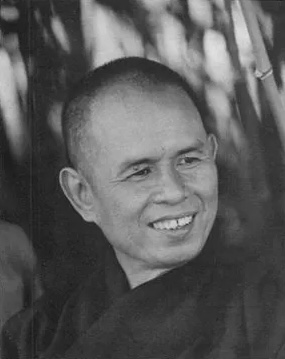
    Thich Nhat Hanh, affectionately known as Thay by his students, has touched countless lives with his teachings on mindfulness, compassion, and inner peace. As a Vietnamese Buddhist monk, a poet, and a peace activist, his life’s work offers a profound invitation to awaken to the present moment and live with a heart of compassion.

    Throughout his life, Thich Nhat Hanh authored over 100 books, each infused with the gentle yet powerful wisdom that encourages us to return to the breath, to find peace where we are, and to extend that peace to the world around us. Whether we are walking, eating, or simply breathing, his teachings remind us that each moment is an opportunity to cultivate mindfulness. In doing so, we transform our suffering, both inner and outer, into a source of peace.

    One of the most transformative aspects of his legacy is Engaged Buddhism. Thay believed that mindfulness was not just for the meditation cushion but for every aspect of life. Whether advocating for peace during the Vietnam War or teaching about reconciliation, he wove together mindfulness and social action, reminding us that true peace begins with ourselves, but does not end there.

    Thich Nhat Hanh’s legacy continues to inspire not only individuals but also communities, through meditation centers like Plum Village, which he founded. These centers are spaces of refuge, where people can practice mindfulness, deepen their spiritual understanding, and live in harmony with one another.

    If you wish to experience Thich Nhat Hanh’s teachings more intimately, I invite you to listen to his words directly on Thich Nhat Hanh Audio.

    One particularly powerful dharma talk is Love in Action, offered by Thay in Hanoi during the “Engaged Buddhism in the 21st Century” retreat. This 78-minute talk, delivered in English on May 9, 2008, is a profound exploration of how love and compassion manifest through mindful action in our everyday lives. You can listen to the full talk here.

    Thich Nhat Hanh left us a rich legacy of mindfulness, compassion, and hope, a path we can continue to walk, one mindful step at a time.
    🙏🕊️🙏

  • Lesson 23 of A Course in Miracles (ACIM): Guided Meditation – “I can escape from the world I see by giving up attack thoughts.”

    Lesson 23 of A Course in Miracles presents the lesson: “I can escape from the world I see by giving up attack thoughts.” This teaching challenges us to recognize the role of our thoughts in shaping our perception of reality. By acknowledging that our attack thoughts imprison us in a world of conflict and separation, we can begin to choose thoughts of peace and forgiveness.

    This practice invites us to become aware of the destructive nature of attack thoughts and their impact on our inner peace. By understanding that our thoughts create our experience of the world, we can start to cultivate a mindset of compassion and non-judgment.

    Jesus taught about the transformative power of love and forgiveness. In Matthew 5:44-45, He says, “But I tell you, love your enemies and pray for those who persecute you, that you may be children of your Father in heaven. He causes his sun to rise on the evil and the good, and sends rain on the righteous and the unrighteous.” This teaching aligns with ACIM’s guidance to release attack thoughts and choose love as a path to spiritual freedom and unity.

    By practicing Lesson 23, we align ourselves with Christ’s message of unconditional love and healing. We learn to let go of thoughts that reinforce separation and open ourselves to a deeper connection with divine love and oneness.

    Explore Lesson 23 of A Course in Miracles with us, and discover how giving up attack thoughts can lead to greater peace, joy, and spiritual awakening.

    Guided Meditation: Lesson 23 from A Course in Miracles

    Find a comfortable position, either sitting or lying down, where you can relax and be free from distractions.

    Close your eyes gently and take a few deep breaths, allowing yourself to settle into the present moment.

    Bring your attention to your breath, feeling the sensation of each inhale and exhale.

    Reflect on the central theme of Lesson 23: “I can escape from the world I see by giving up attack thoughts.”

    Contemplate the idea that the world you perceive is a reflection of your thoughts, and by releasing attack thoughts, you can escape from its limitations.

    Acknowledge that attack thoughts only serve to imprison you in a cycle of negativity and fear.

    With each breath, imagine releasing any attachment to attack thoughts, allowing yourself to fully embrace the idea of giving them up.

    Visualize yourself letting go of all thoughts of judgment, criticism, and condemnation, allowing your mind to be filled with peace and love instead.

    Feel a sense of liberation as you release the need to attack and defend, choosing instead to extend love and forgiveness to yourself and others.

    Repeat the following affirmations silently or in your mind:

    “I can escape from the world I see by giving up attack thoughts.”

    “I release all attachment to attack thoughts.”

    “I choose to extend love and forgiveness to myself and others.”

    Allow yourself to rest in this space of peace and forgiveness for a few moments, feeling the weight of attack thoughts lift from your mind.

    When you’re ready, gently bring your awareness back to your surroundings. Wiggle your fingers and toes, and slowly open your eyes.

    Take a moment to reflect on your experience, noticing any insights or shifts in perception that may have occurred.

    Remember that you can return to this meditation whenever you feel called to deepen your understanding of Lesson 23.

  • Lesson 22 of A Course in Miracles (ACIM): Guided Meditation – “What I see is a form of vengeance.”

    Lesson 22 of A Course in Miracles introduces the lesson: “What I see is a form of vengeance.” This teaching challenges us to recognize the subtle ways in which our perceptions and judgments reflect our inner conflicts and unresolved emotions. By acknowledging that our sight can be clouded by feelings of anger, resentment, or fear, we can begin to heal and release these emotions.

    This practice invites us to become aware of the ego’s tendency to project its own pain onto others through judgment. By understanding that our perceptions are colored by our unresolved grievances, we can start to cultivate forgiveness and compassion toward ourselves and others.

    Jesus emphasized the transformative power of forgiveness and the release of vengeance. In Matthew 5:38-39, He says, “You have heard that it was said, ‘Eye for eye, and tooth for tooth.’ But I tell you, do not resist an evil person. If anyone slaps you on the right cheek, turn to them the other cheek also.” This teaching aligns with ACIM’s guidance to recognize the ego’s vengeful tendencies and choose forgiveness as a path to inner peace and spiritual liberation.

    By practicing Lesson 22, we align ourselves with Christ’s message of unconditional love and forgiveness. We learn to see beyond the ego’s projections and open ourselves to a deeper connection with divine healing and reconciliation.

    Explore Lesson 22 of A Course in Miracles with us, and discover how releasing the ego’s vengeance through forgiveness can lead to greater peace, clarity, and spiritual awakening.

    Guided Meditation: Lesson 22 from A Course in Miracles

    This guided meditation is tailored to encompass the elements, themes, messages, and practices of Lesson 22 from A Course in Miracles.

    Find a comfortable position, either sitting or lying down, where you can relax and be free from distractions.

    Close your eyes gently and take a few deep breaths, allowing yourself to settle into the present moment.

    Bring your attention to your breath, feeling the sensation of each inhale and exhale.

    Reflect on the central theme of Lesson 22: “What I see is a form of vengeance.”

    Contemplate the idea that your perception of the world is often clouded by judgments and grievances, which are forms of vengeance.

    Acknowledge that when you judge others or the world around you, you are ultimately seeking vengeance for perceived wrongs.

    With each breath, imagine releasing any attachment to judgment and vengeance, allowing yourself to fully embrace the idea of seeing with compassion and forgiveness.

    Visualize yourself letting go of all grievances and resentments, allowing your vision to be cleared of vengeance.

    Feel a sense of peace and liberation as you release the need to judge and seek revenge, choosing instead to see with love and compassion.

    Repeat the following affirmations silently or in your mind:

    “What I see is a form of vengeance.”

    “I release all attachment to judgment and grievance.”

    “I choose to see with love and compassion.”

    Allow yourself to rest in this space of peace and forgiveness for a few moments, feeling the weight of judgment and vengeance lift from your shoulders.

    When you’re ready, gently bring your awareness back to your surroundings. Wiggle your fingers and toes, and slowly open your eyes.

    Take a moment to reflect on your experience, noticing any insights or shifts in perception that may have occurred.

    Remember that you can return to this meditation whenever you feel called to deepen your understanding of Lesson 22.