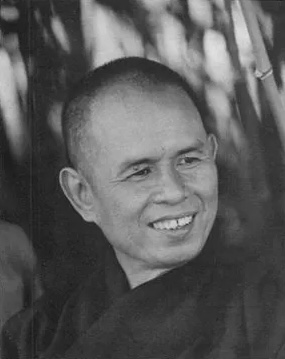
“If we know how to breathe, we will be able to generate the energy of mindfulness and recognize, embrace, and calm our painful feelings within a few minutes. These are essential, basic practices recorded in Buddhist sutras. If we only study the sutras in theory, we’ll never be able to master the practice.”
Thich Nhat Hanh, affectionately known as Thay by his students, has touched countless lives with his teachings on mindfulness, compassion, and inner peace. As a Vietnamese Buddhist monk, a poet, and a peace activist, his life’s work offers a profound invitation to awaken to the present moment and live with a heart of compassion.
Throughout his life, Thich Nhat Hanh authored over 100 books, each infused with the gentle yet powerful wisdom that encourages us to return to the breath, to find peace where we are, and to extend that peace to the world around us. Whether we are walking, eating, or simply breathing, his teachings remind us that each moment is an opportunity to cultivate mindfulness. In doing so, we transform our suffering, both inner and outer, into a source of peace.
One of the most transformative aspects of his legacy is Engaged Buddhism. Thay believed that mindfulness was not just for the meditation cushion but for every aspect of life. Whether advocating for peace during the Vietnam War or teaching about reconciliation, he wove together mindfulness and social action, reminding us that true peace begins with ourselves, but does not end there.
Thich Nhat Hanh’s legacy continues to inspire not only individuals but also communities, through meditation centers like Plum Village, which he founded. These centers are spaces of refuge, where people can practice mindfulness, deepen their spiritual understanding, and live in harmony with one another.
If you wish to experience Thich Nhat Hanh’s teachings more intimately, I invite you to listen to his words directly on Thich Nhat Hanh Audio.
One particularly powerful dharma talk is Love in Action, offered by Thay in Hanoi during the “Engaged Buddhism in the 21st Century” retreat. This 78-minute talk, delivered in English on May 9, 2008, is a profound exploration of how love and compassion manifest through mindful action in our everyday lives. You can listen to the full talk here.
Thich Nhat Hanh left us a rich legacy of mindfulness, compassion, and hope, a path we can continue to walk, one mindful step at a time.
Living with Myalgic Encephalomyelitis/Chronic Fatigue Syndrome (ME/CFS) is a daily challenge that requires careful management of energy, rest, and stress. For many, finding effective ways to support the body and mind in this delicate balance can feel overwhelming. Yoga Nidra, often called “yogic sleep,” is a practice that has been gaining attention for its potential benefits in managing ME/CFS. In this post, I’d like to delve deeper into how Yoga Nidra can be a valuable tool for those of us living with this condition.
Supporting Pacing Strategies
Pacing is a cornerstone of managing ME/CFS. It involves carefully balancing activity and rest to avoid pushing the body beyond its limits, which can lead to crashes or flare-ups of symptoms. Yoga Nidra can be an invaluable tool in this regard. Unlike other forms of exercise or even traditional yoga, Yoga Nidra requires no physical exertion. It allows you to take restorative breaks throughout the day, helping to prevent crashes by providing your body with deep rest during these intervals.
For those of us with ME/CFS, the ability to find rest without further depleting our energy is crucial. A short Yoga Nidra session can be integrated into your daily routine as a way to recharge and reset, making pacing more manageable and effective.
Activating the Parasympathetic Nervous System
Another significant benefit of Yoga Nidra is its ability to activate the parasympathetic nervous system (PNS). The PNS is responsible for the “rest and digest” functions of the body, helping to counteract the stress response driven by the sympathetic nervous system. For many people with ME/CFS, the nervous system is often in a heightened state of alertness, which can contribute to symptoms of fatigue, pain, and cognitive dysfunction.
Yoga Nidra guides you into a state of deep relaxation, which helps shift the body from a state of stress to one of rest and repair. This activation of the PNS can reduce the chronic stress response that often accompanies ME/CFS, promoting a sense of calm and helping to alleviate symptoms over time.
Providing Deep Rest and Restoration
One of the most challenging aspects of ME/CFS is the experience of unrefreshing sleep. Despite spending many hours in bed, individuals with ME/CFS often wake up feeling just as tired as before they slept. Yoga Nidra offers a unique solution by guiding practitioners into a state of consciousness that is deeply restful, yet different from regular sleep.
During Yoga Nidra, the body can enter a state that mimics sleep in terms of physical rest, but the mind remains in a state of relaxed awareness. This state of conscious relaxation allows for a deeper level of restoration, potentially offering benefits that complement or even enhance the effects of regular sleep. For people with ME/CFS, incorporating Yoga Nidra into the daily routine could help alleviate the feeling of exhaustion that persists despite adequate sleep.
Releasing Tension and Promoting Emotional Healing
Living with a chronic illness like ME/CFS can lead to the accumulation of physical and emotional tension. Over time, this tension can exacerbate symptoms and contribute to feelings of stress and overwhelm. Yoga Nidra includes practices like body scanning and guided visualization, which can help release deep-seated physical tension and promote emotional healing.
As you are guided to focus on different parts of the body and engage in positive affirmations or visualizations, Yoga Nidra provides a safe space for processing and releasing stress. This can lead to a sense of lightness and relief, which is particularly beneficial for those dealing with the chronic stressors associated with ME/CFS.
Enhancing Mental Clarity and Focus
Cognitive symptoms, often referred to as “brain fog,” are a common and frustrating aspect of ME/CFS. The deep relaxation and stress reduction provided by Yoga Nidra can contribute to improved mental clarity and focus. By calming the nervous system and promoting a state of balance, Yoga Nidra may help reduce the cognitive fatigue that many with ME/CFS experience.
Regular practice of Yoga Nidra can support mental clarity by reducing the underlying stressors that contribute to brain fog, allowing for moments of greater focus and cognitive function.
Conclusion: A Gentle Tool for Holistic Support
Yoga Nidra is not a cure for ME/CFS, but it can be a gentle and effective tool for supporting overall well-being. By offering deep rest, aiding in pacing, calming the nervous system, and promoting emotional and physical healing, Yoga Nidra can be an integral part of a holistic approach to managing ME/CFS.
If you’re living with ME/CFS and looking for new ways to support your health, I encourage you to explore Yoga Nidra. Whether you start with short, guided sessions or incorporate it into your daily routine, this practice may offer the kind of deep rest and healing that’s so essential for managing the complexities of ME/CFS.
Watch a Video:
The vides below is just some the many Yoga Nidra videos online of and are a good place to start. There are countless Yoga Nidra videos on YouTube, each offered by different instructors. Take your time exploring until you discover the ones that resonate best with you.
The occasional Yoga Nidra session can be a relaxing and rejuvenating experience, helping you reduce stress, improve sleep, and promote overall well-being whenever you feel the need for a deep, restorative rest. May this practice bring you peace and renewal, gently supporting your journey toward greater well-being.
This yoga Nidra for insomnia will take you easily into a light hypnagogic state and then down into a deep state of sleep.
Learn more about ME, get involved in support, advocacy, and activism at www.meaction.net
Living with ME/CFS can be challenging, both physically and mentally. However, there are simple practices that can offer relief and support our overall well-being. One such practice is smiling meditation, a technique that involves intentionally smiling and experiencing its positive effects.
Personal Experience:
As someone who has lived with ME/CFS for over 30 years, I understand how difficult it can be to find practices that offer relief without draining our limited energy. Smiling meditation has become a small but powerful part of my daily routine. Even on days when I feel most fatigued, this practice often shifts my mood and energy in surprising ways.
The Benefits of Smiling Meditation:
For individuals living with ME/CFS, smiling meditation has the potential to uplift mood, reduce stress, and enhance the overall quality of life. Even when we don’t feel like we have something to smile about, simply engaging in the act of smiling can trigger a shift within us.
The Science Behind It:
Studies have shown that smiling—even when intentional—activates the parasympathetic nervous system, which helps our body enter a relaxed state. This shift reduces stress hormones like cortisol and promotes the release of endorphins, the body’s natural mood lifters. For those of us with ME/CFS, who often experience heightened stress and emotional challenges, this natural mood enhancement can be particularly valuable.
How to Practice Smiling Meditation:
Find a Quiet Space: Sit or stand in a comfortable, relaxed position. Close your eyes and take a few deep breaths.
Begin Smiling: Bring a gentle smile to your face, allowing it to spread throughout your entire being.
Feel the Warmth: Maintain the smile and notice how it feels. With each breath, imagine your smile expanding and radiating outward.
Invite Joy and Compassion: Focus on the sensations of joy, peace, and compassion that arise within you. Allow yourself to embrace these emotions for a few minutes, or as long as feels comfortable.
What I love about smiling meditation is that you don’t need something to smile about for it to work. Simply invoking the energy of a smile triggers those feel-good chemicals. It’s a gentle way to reconnect with moments of lightness when energy is low and life feels heavy.
Managing Stress with Smiling Meditation:
ME/CFS is often accompanied by heightened stress levels and a compromised stress response system. Smiling meditation acts as a natural stress reliever by activating the body’s relaxation response. Even if the smile is initially forced, it sends signals to the brain that everything is okay, leading to a decrease in stress hormones and a more relaxed state. This practice can help individuals with ME/CFS manage stress and cultivate a calmer mindset.
Enhancing Mindfulness:
When we engage in smiling meditation, we naturally bring our attention to the present moment. By closing our eyes and focusing on a pleasant memory or imagining a joyful scene, we deepen our mindfulness practice. Mindfulness can be a powerful tool for individuals with ME/CFS, helping us stay grounded, manage symptoms, and cultivate self-compassion.
After completing your smiling meditation, you might consider gently transitioning into mindful breathing or a body scan, allowing your newfound sense of calm and joy to deepen. These mindful practices, when done together, can amplify their benefits.
Fostering Connection:
Smiling is contagious and has the potential to foster positive social interactions. When we smile, we not only uplift our own mood but also create a ripple effect, influencing those around us. For individuals with ME/CFS, who may face social isolation, smiling meditation can serve as a reminder of the power of connection. It can act as a catalyst for improved relationships, fostering empathy and support.
Reflection:
As you finish your smiling meditation, take a moment to reflect: How does it feel to smile, even when things are difficult? How might this practice shift your perspective throughout the day?
Final Thoughts:
The practice of smiling meditation, when incorporated into daily life, can contribute to a more positive outlook, reduced emotional distress, and increased resilience. By cultivating moments of joy and relaxation, we can experience a greater sense of well-being amidst the challenges of ME/CFS. Smiling meditation can complement other self-care practices, such as mindfulness, relaxation techniques, and pacing strategies, in creating a holistic approach to managing symptoms.
Remember, even on the hardest days, this simple practice can offer a moment of joy and lightness. Despite the challenges, we can create positive change within ourselves. Smiling meditation empowers us to focus on the present and to fully embrace the beauty and blessings that surround us, even in the midst of struggles.
By cultivating a practice of smiling meditation, we unlock the limitless potential that lies within us, weaving a tapestry of resilience and well-being that shines brightly in the face of ME/CFS.
Let us cherish the moments of joy, the moments of peace, and the moments of connection that arise from our practice of smiling meditation. As we do so, even if only for a moment, we can cultivate a profound sense of well-being that transcends the challenges of ME/CFS, illuminating our path forward, toward a brighter future.
As we integrate smiling meditation into our daily routine, we begin to realize that even a small act, like smiling, holds the power to uplift our spirits, foster connection, and bring us moments of lightness and joy. It’s these small moments that can make a big difference in our journey with ME/CFS.
May we all find inner peace, happiness and wellbeing on our journey with Chronic Fatigue Syndrome. 🙏