Tag: spiritual wellness

  • Transforming a Cold Into a Healing Practice 🌿

    Transforming a Cold Into a Healing Practice 🌿

    Sometimes life slows us down in unexpected ways. A few sneezes, a scratchy throat, and a whisper of fatigue can become a quiet teacher. In these moments, even a cold can transform into a practice of compassion, patience, and awareness—inviting us to rest, to pace ourselves, and to see every ache as a doorway to deeper connection with our own hearts and all beings.

    I haven’t had a cold in at least fifteen years. Perhaps it came with the change of season, or perhaps it’s simply my body’s way of realigning.

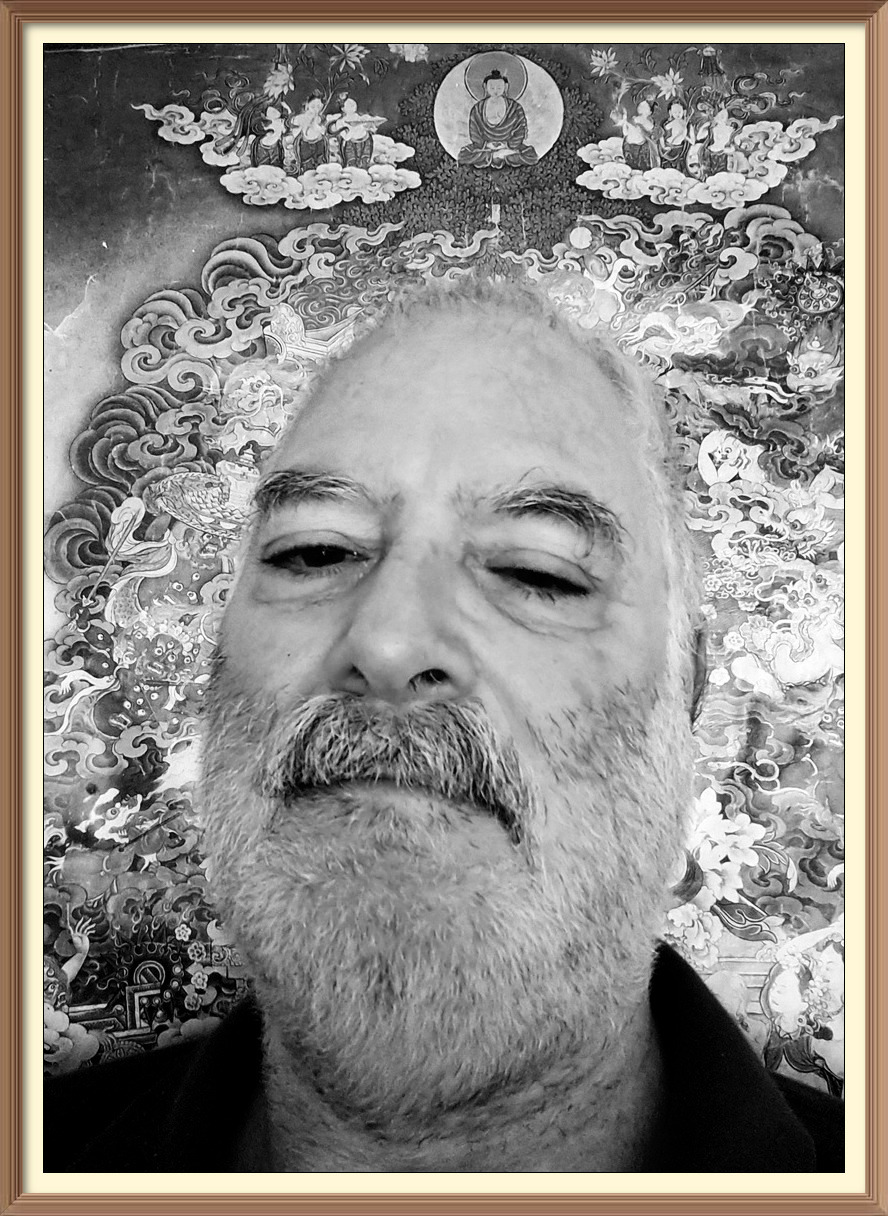
    At first, I felt a little discouraged. But then something shifted. I realized that even this — this full-body cold — could be a teacher. In the spirit of Tibetan Vajrayana, I began a practice that might sound unusual: as long as this virus has taken up residence in my body, I send it compassion.

    May you be enlightened and benefit all beings.

    If this virus must live through me, then may it awaken, may it transform, may it find liberation in the vast field of awareness. Perhaps it can even become an enlightened virus, one that serves the good of all beings.

    This gesture may sound fanciful, but to me it reflects a deeply tantric understanding of transformation — meeting what feels harmful or invasive not with fear or resistance, but with the boundless wish that even this, too, might awaken. It is the essence of lojong: turning adversity into the path of enlightenment.

    To send loving-kindness even to a virus invites an alchemy of consciousness. We recognize that all forms of life and energy, even those that cause suffering, can be included in the mandala of awakening. The simple act of saying, “May you be enlightened, may you benefit all beings,” dissolves separation and opens the field of compassion wider than the body’s borders.

    After such an invocation, I like to rest quietly and imagine the virus as tiny sparks of light, gradually shifting from agitation to luminosity, merging with the radiance of my own heart. This doesn’t deny illness — it reclaims the power of awareness within it.

    A cold can then become a form of prayer, a healing practice, a full-body meditation. In each breath, the body learns softness; in each ache, compassion ripens. Even in fever or fatigue, there can be a whisper of grace.

    And yet, this cold is teaching me something else, something profoundly practical: how to pace myself throughout the day. ME/CFS has always required careful attention to energy, but when I’m feeling better, I tend to push myself—to accomplish, to do, to engage—often beyond what my body can sustain. This full-blown cold is a reminder that true discipline is gentle, that honoring rest is not laziness but wisdom, and that the same careful pacing I practice now in illness is exactly what I need every day to live fully with ME/CFS.

    And so, as I move through these days of rest, tea, and light meals, I remind myself: every illness, every discomfort, every small limitation is also a door. A door that invites patience, kindness, and an intimate awareness of the profound interconnection of all beings.

  • Embracing the Journey: The Subtle Path of Spiritual Growth


    In the quiet hours of prayer, contemplation and meditation, it’s natural to hope that all the time and energy devoted to spiritual practice would lead to a profound sense of being in a spiritually “good place.” After all, when you pour your heart into understanding the deeper truths of existence, there’s an expectation that the fruits of this labor should be evident—peace, clarity, and a steady sense of progress.

    Yet, the journey of spiritual growth is often far more complex and subtle than we anticipate. It’s not a straight path with clear markers of progress, but rather a winding road filled with unexpected turns, peaks, and valleys. Even with the most dedicated practice, there can be moments when you don’t feel as spiritually grounded or advanced as you might hope. These moments can be perplexing, leaving you wondering why, despite all your efforts, you don’t feel as though you’re where you “should” be.

    One of the first realizations on this path is that spiritual growth is not a linear process. It doesn’t follow a simple trajectory of consistent upward progress. Instead, it’s a dynamic and often unpredictable journey. There are times of clarity and deep connection, where everything seems to fall into place, and times of confusion, where doubt and uncertainty creep in. What may feel like a setback or a period of stagnation could actually be a vital part of your deeper growth—an integration phase where the insights you’ve gained are settling into your being.

    Another aspect to consider is the expectations that the mind creates. The mind often forms ideas about what spiritual progress should look like—perhaps a constant state of peace, detachment from worldly concerns, or a sense of enlightenment that transcends daily struggles. When reality doesn’t match these expectations, it can lead to frustration and a sense of inadequacy. However, true spiritual growth often occurs beneath the surface, in ways that are not immediately visible or even consciously felt. The changes may be subtle, shifting how you respond to challenges, deepening your capacity for compassion, or fostering a quiet resilience that wasn’t there before.

    A crucial part of this journey is learning to accept where you are in the present moment without judgment. This includes embracing feelings of doubt, frustration, or uncertainty as natural parts of the human experience. These emotions are not signs of failure or lack of progress, but rather aspects of the path that invite you to deepen your practice of self-acceptance. Recognizing and allowing these feelings to be, without trying to force them away or judge them, can be a profound spiritual practice in itself.

    In this process, self-compassion becomes an essential ally. It’s important to be gentle with yourself as you navigate the ups and downs of the spiritual path. The goal is not to reach a specific destination but to be present with yourself through all the fluctuations of life. Self-compassion allows you to honor your efforts and your humanity, acknowledging that growth isn’t always about visible results but about the ongoing commitment to living with intention and awareness.

    There is also the reality that progress isn’t always visible. Sometimes, the growth you’re experiencing spiritually isn’t something you can easily measure or feel. It may be happening internally, in ways that you can’t yet recognize. Trusting in the process and knowing that your efforts are meaningful, even when they don’t produce immediate, tangible results, is key. The work you’re doing in contemplation and meditation is laying the groundwork for ongoing transformation, even if it’s not always apparent.

    Letting go of the idea of a “spiritually good place” can also be liberating. This notion can create a sense of pressure or inadequacy, as though where you are now isn’t good enough. But spirituality isn’t about reaching a final state of being; it’s about the ongoing discovery, learning, and connection with the deeper aspects of yourself. Every moment, including those filled with doubt or struggle, is an integral part of the spiritual journey. These moments are not obstacles to overcome but experiences that shape and refine your understanding and compassion.

    In reflecting on this, it’s also helpful to remember that, just as with the countless acts of quiet goodness and resilience that exist in the world, your spiritual growth might be unfolding in ways that are subtle and quiet, but no less profound. The efforts you make, the practices you engage in, and the intentions you hold are all contributing to your growth, whether you can see it in the moment or not.

    So, if you ever find yourself questioning where you are on your spiritual path, take a step back and consider the possibility that you are exactly where you need to be. The journey of spiritual growth is ongoing, and every effort you make is a meaningful part of that journey. Even the moments that feel like setbacks are opportunities for deeper reflection and growth.

    In those moments when the weight of expectations or the sense of stagnation feels heavy, it may be wise to rest, to reflect on your journey, and to remind yourself that progress is not always about the destination but about the journey itself. You’re already doing the work, and that, in itself, is a sign of deep commitment and progress.

    The spiritual path is not about perfection or reaching a final state of enlightenment. It’s about being present with yourself, embracing the journey with all its complexities, and trusting that every step you take is leading you closer to the true essence of who you are.