A Heartfelt Prayer for Our Nation: Embracing Unity and Compassion
In this pivotal moment of transition, we are called to gather our hearts and minds, reflecting on our shared values as Americans. This prayer serves as a beacon of hope and a reminder of the strength we possess when we come together, transcending our differences.
May the light of righteousness, loving-kindness, compassion, truth, and integrity shine upon our nation. As we navigate this changing landscape, let us cultivate a spirit of cooperation and understanding. Together, we can build bridges across divides, fostering a community where every voice is valued and heard.
Join us in this interfaith prayer, a call to unity that invites all Americans—regardless of race, religion, or political affiliation—to come together in a shared purpose:
In this time of change and transition, we seek wisdom, strength, and understanding. May our leaders, regardless of their paths, be guided by compassion and a sense of duty, serving all people with integrity and grace. Let us remember our common humanity and the dreams that bind us as one.
In moments of discord, grant us peace; in times of doubt, inspire us with hope. May we work together toward a brighter future for all.
May the light of righteousness, loving-kindness, compassion, truth, and integrity guide us in every decision we make, allowing justice to flourish and kindness to reign. Together, let us create a land of opportunity, where respect transcends division, and love outweighs fear, for the sake of our children and generations to come.
As we reflect on these words, may we light candles of hope in our hearts, symbolizing our collective desire for peace and understanding. Let this prayer serve as a reminder that, no matter our differences, we are united by our shared humanity and our commitment to a better tomorrow.
Together, we can illuminate the path forward, embracing the diversity that makes our nation strong and resilient. Let us lift our voices in prayer, encouraging one another to walk hand in hand toward a future filled with promise and possibility.
In this time of change and transition,
We gather our hearts in shared purpose,
As citizens of this great land,
We seek wisdom, strength, and understanding.
May our leaders, regardless of their paths,
Be guided by compassion and a sense of duty,
To serve all people with integrity and grace,
In this tapestry of beliefs and hopes.
We ask for patience in our differences,
And courage in the face of uncertainty.
Let us remember our common humanity,
And the dreams that bind us as one.
In moments of discord, grant us peace,
In times of doubt, inspire us with hope.
May we come together in unity,
Working toward a brighter future for all.
May the light of righteousness, loving-kindness,
Compassion, truth, and integrity shine upon our nation,
Guiding us in every decision we make,
So that justice may flourish and kindness reign,
And every voice be heard and valued.
Together, let us build a land of opportunity,
Where respect transcends division,
And love outweighs fear,
For the sake of our children and generations to come.
In the vast expanse of spiritual literature, few texts carry the weight and significance of the Ramayana. This ancient epic, deeply embedded in Hindu culture, tells the story of Prince Rama, whose life is a testament to the principles of righteousness, duty, and the eternal struggle between good and evil. As we delve into its rich narrative, it’s easy to get caught up in the details of battles, relationships, and divine interventions. However, the essence of the Ramayana can be distilled into three simple yet profound lines, attributed to the Buddha:
Be good. Do good. Purify your mind.
Though these lines originate from the Buddhist tradition, they encapsulate the core teachings of the Ramayana and many other spiritual paths. These principles are not confined to one tradition alone; they are echoed in the teachings of Jesus Christ, who emphasized love, compassion, and inner purity as the path to spiritual fulfillment. Let’s explore how these simple instructions align with the lessons that Rama’s journey imparts, and how they resonate with the wisdom found in Christianity.
Be Good
At its heart, the Ramayana is a story about the importance of living a righteous life. Rama, as the embodiment of dharma (righteousness), consistently chooses the path of virtue, even when it leads to personal hardship. His unwavering commitment to goodness, whether in his role as a son, husband, or king, serves as a model for us all. Similarly, Jesus taught, “Blessed are the pure in heart, for they shall see God” (Matthew 5:8). To “be good” means to cultivate a character that is honest, kind, and just, following the path of love and integrity, regardless of the challenges we face.
Do Good
Righteous intentions must be matched by righteous actions. Throughout the Ramayana, Rama’s life is marked by deeds that reflect his inner goodness. He honors his father’s promise, protects the innocent, and fights against injustice. Jesus, too, emphasized the importance of action, teaching that “whatever you wish that others would do to you, do also to them” (Matthew 7:12). The Ramayana teaches us that our actions in the world—no matter how small—have the power to shape not only our own lives but the lives of others. “Doing good” is about translating our inner virtues into outward actions that contribute to the welfare of all beings, just as Jesus modeled through his life of service and compassion.
Purify Your Mind
The true journey of the Ramayana is as much internal as it is external. Rama’s equanimity, his ability to remain calm and detached in the face of joy and sorrow, reflects the importance of mental purity. Jesus also spoke of the need for inner transformation, saying, “The lamp of the body is the eye. If therefore your eye is good, your whole body will be full of light” (Matthew 6:22). Both teachings invite us to cleanse our minds of negative emotions like greed, anger, and delusion. In doing so, we can attain clarity, wisdom, and inner peace. To “purify your mind” is to embark on the path of self-mastery, where the ultimate victory is over our own inner obstacles.
Here, the “eye” can be understood not only as our physical sight but also as a metaphor for the “I”—our inner self and perception. If our inner vision—the way we perceive ourselves and the world—is good, then our entire being will be filled with the light of love and truth. Both teachings invite us to protect our minds from the influence of negative emotions like greed, anger, and delusion. In doing so, we can attain clarity, wisdom, and inner peace. To “purify your mind” is to embark on the path of self-mastery, where the ultimate victory is over our own inner obstacles and perceptions.
A Bridge Between Traditions
These three principles—“Be good, do good, purify your mind”—may come from the teachings of the Buddha, but they resonate deeply with the values upheld in the Ramayana and the teachings of Jesus. This reflects the universal nature of spiritual wisdom, which transcends specific traditions and speaks to the shared human quest for a life of meaning, integrity, and inner peace.
As we journey through the sacred stories of the Ramayana, the Bhagavad Gita, and other spiritual teachings, we find ourselves continually reminded of the timeless wisdom that resonates across these traditions. Rama’s equanimity in the face of life’s challenges, Krishna’s guidance to Arjuna in the pursuit of a disciplined mind, and the Buddha’s simple yet profound directive to “be good, do good, purify your mind”—all these teachings converge on a single truth.
This truth calls us to rise above the fluctuations of the world, to cultivate a mind that is serene, fearless, and unwavering. Whether we walk the path of dharma, engage in deep meditation, or simply strive to live with compassion and integrity, we are participating in this universal quest for peace and harmony.
These scriptures are not just stories of the past but living guides that illuminate our own paths. They remind us that no matter the challenges we face, the ultimate goal remains the same: to align our hearts and minds with the divine, to live with wisdom, and to contribute to a world where peace and righteousness prevail.
In embracing this wisdom, we not only honor the traditions from which these teachings arise but also participate in the creation of a more harmonious and enlightened world. Let us carry this timeless wisdom into our daily lives, striving to embody the virtues that lead to the ultimate realization of peace, both within ourselves and in the world around us.
As we continue our journey through the Ramayana, let these simple yet profound teachings serve as a guiding light. They remind us that, at its core, the spiritual path is not about grand gestures or complicated doctrines, but about living each moment with goodness, action, and a mind that is clear and pure.
In the ancient epic of the Ramayana, we find a story that resonates with the journey of every human soul—a journey that begins in ignorance and, with the right guidance, leads toward wisdom, righteousness, and self-realization. These themes are universal, transcending religious boundaries, and can be understood in the context of both Eastern and Western spiritual traditions.
A King’s Ignorance and the Sage’s Steadfastness
In the early chapters of the Ramayana, we encounter a king driven by flawed motivations—greed, rivalry, and a desire for power. His approach to the sage, despite being rooted in ignorance, marks the beginning of a profound transformation. The king’s initial aggression and misguided intent bring him into the presence of a sage, a living embodiment of dharma (righteousness).
This story is more than just a tale of conflict; it’s a reflection of our own lives. We all begin in ignorance, shaped by our desires, fears, and misunderstandings. But like the king, when we encounter wisdom—whether through a teacher, a spiritual practice, or life’s hard-earned lessons—there is an opportunity for transformation. The sage, representing the unwavering principles of righteousness, patiently guides the king, leading him from ignorance toward a deeper understanding of true power, which is rooted not in dominance, but in righteousness.
In the Christian tradition, this principle can be seen in the teachings of Jesus, who embodies righteousness and divine wisdom. Jesus’s teachings guide believers toward a life of love, compassion, and humility, aligning them with the will of God. Just as the sage in the Ramayana leads the king toward dharma, Jesus invites us to follow the path of righteousness, even when we begin with flawed motivations or misunderstandings.
The Universal Journey: From Ego to Righteousness
This narrative is relatable because it mirrors the human experience. Even Rama and his brothers, avatars of the divine, begin their lives in a state of ignorance, unaware of their true nature. However, they have the immense fortune of being raised in righteousness by a virtuous family. Their journey is guided by dharma from the start, but for many of us, the path is not so straightforward.
In the Christian context, we might liken this to the way Jesus guides his followers toward righteousness, teaching them to love their neighbors, forgive their enemies, and live in accordance with God’s will. But as in the Ramayana, many of us begin our spiritual journey with ego-driven desires—seeking happiness, success, or even power. As we walk the path, life’s challenges and the teachings we encounter gradually shift our motivations. The path, though filled with lumps and bumps, becomes a process of alchemy, where our ignorance is transformed into wisdom, our ego into selflessness, and our desires into devotion.
Seeking Wisdom on the Hard Road
For those who do not start in a righteous environment, the road can be hard. But this journey is not without hope. The king’s story reminds us that even when we approach the path with flawed intentions, the very act of seeking wisdom can lead to our transformation. The teacher doesn’t come to ignorance; rather, ignorance approaches the teacher.
In the Southern Chinese monk style of martial arts known as Gohndagow, a branch of Kung Fu, this principle is symbolized by the student bringing the left foot to the right foot before showing respect to the teacher—a gesture that represents ignorance coming to the teacher, or the ego approaching the divine for guidance. In Gohndagow, martial arts are more than just physical training; they are a path to spiritual enlightenment, emphasizing the cultivation of the mind and heart as well as the body.
In the Christian tradition, we see this when people turn to Jesus, sometimes out of desperation or need, only to find that their journey with him leads them to a deeper understanding of God’s love and righteousness. Our initial motivations, however flawed, can set us on a journey of purification and growth. The spiritual path meets us where we are, with all our imperfections, and guides us step by step toward righteousness. The key is to approach the path with sincerity, even if we start from a place of ignorance. The process itself will refine and elevate us, leading us closer to our true nature, or as Christians might say, to a life that reflects Christ’s teachings.
The Alchemy of the Spiritual Path
In Tibetan Buddhism, the concept of alchemy is not merely about turning base metals into gold; it is the process of transforming the ego into a Buddha. This profound journey from ignorance to wisdom is the true alchemical process, one that requires a detailed and disciplined approach to spiritual practice.
The Tibetans have developed incredibly intricate teachings and practices to guide a person through this transformation. The path itself is the alchemy—a meticulous process that turns the base elements of our ego-driven existence into the gold of enlightenment. Through practices like meditation, ethical conduct, and devotion, and under the guidance of a qualified teacher, a practitioner gradually refines their mind and heart, moving closer to the realization of their true nature as wisdom and compassion.
In this light, the story of the king in the Ramayana serves as a metaphor for this alchemical journey. His flawed motivations, when met with the sage’s unwavering dharma, set him on a path of transformation, much like how a student in the Tibetan tradition, despite their initial ignorance, is gradually guided toward the light of enlightenment. This process is both universal and deeply personal, reflecting the timeless truth that the spiritual path is one of continuous alchemy—of turning the ego into the gold of wisdom.
Conclusion: Embracing the Journey
As we walk our spiritual path, we must remember that the journey from ignorance to wisdom is one that we all must undertake. Whether we begin with pure or impure motivations, the key is to keep moving forward, seeking wisdom and guidance wherever we can find it. The Ramayana, with its rich tapestry of characters and lessons, offers us a mirror to our own lives, showing us that even the most flawed beginnings can lead to a profound and righteous end.
For our Christian friends, this journey is akin to following Jesus, who offers us the path to righteousness through his teachings. May this reflection inspire you, dear reader, to embrace your journey with all its imperfections, knowing that each step, no matter how small, brings you closer to the light of righteousness and divine wisdom.
This image that captures the journey from ignorance to wisdom, blending elements from the Ramayana, Tibetan Buddhism, and Christian teachings. It symbolizes the choice we all have of undergoing the transformation process from darkness and ego to enlightenment and wisdom, with cultural symbols subtly incorporated.
You can explore this epic story in the edition of the Ramayana used in this series, written by Valmiki and translated by Suparna Ghosh, on Amazon
here
Alternatively, you can choose from several other versions and translations that are available. Including the William Buck translation available as an abridged audiobook on Audible, narrated by Ram Dass here
The hero’s journey is a timeless narrative structure that resonates across cultures and spiritual traditions. Described in depth by Joseph Campbell, this journey represents the universal path of transformation that each individual must undertake. As we explore the Ramayana and the life of Milarepa, we find that both stories are deeply rooted in this archetypal journey, offering profound insights into the challenges and triumphs of the human spirit.
The Call to Adventure:
In the Ramayana, Rama is called to leave the comfort of his home in Ayodhya and embark on a journey that will test his strength, resolve, and righteousness. His exile marks the beginning of an epic struggle against the forces of chaos and evil. Similarly, Milarepa’s life begins with a call to adventure, though it is initially fueled by revenge and darkness. Both heroes are drawn out of their ordinary worlds and into a realm where their true character will be forged.
Trials and Challenges:
As they embark on their respective journeys, both Rama and Milarepa face significant trials and challenges. Rama must confront powerful demons, navigate the complexities of dharma, and protect his loved ones. Milarepa, on the other hand, struggles with the weight of his past misdeeds and the rigorous training imposed by his teacher, Marpa. These trials are essential to their growth, pushing them to confront their deepest fears and weaknesses.
Confrontation with Evil:
The hero’s journey often culminates in a confrontation with a great evil. In the Ramayana, this is embodied by Ravana, the powerful demon king who represents the forces of adharma (unrighteousness). For Milarepa, the confrontation is more internal—facing the darkness within himself and the karmic consequences of his earlier actions. Both heroes must overcome these forces to fulfill their destinies and bring about a restoration of order and righteousness.
Return and Transformation:
After their trials, both Rama and Milarepa undergo profound transformations. Rama returns to Ayodhya not just as a warrior, but as a symbol of dharma, ready to restore justice and harmony to his kingdom. Milarepa, having purified his karma and attained enlightenment, becomes a revered spiritual teacher, guiding others on the path to liberation. Their journeys highlight the transformative power of righteousness, compassion, and spiritual discipline.
The Hero’s Journey in Our Lives:
The hero’s journey is not just a mythic structure—it’s a reflection of the challenges and opportunities we all face in life. We are each called to our own adventure, to confront our inner and outer demons, and to emerge transformed. The Ramayana and Milarepa’s story remind us that this journey is universal, a path we all walk as we seek to align our lives with dharma.
The hero’s journey, as seen in the Ramayana and Milarepa’s life, is a powerful reminder of the transformative potential within each of us. By embracing the challenges we face and aligning our actions with dharma, we can emerge stronger, wiser, and more compassionate. May these stories inspire you on your own journey, guiding you toward the realization of your true self and the fulfillment of your highest potential.
🙏🕊️🙏
To delve deeper into Milarepa’s journey, you can watch Part One of the movie about his life here. This film offers an authentic portrayal of Milarepa’s early years, his misuse of mystical power, and his ultimate journey toward spiritual awakening and Dharma. It’s a powerful visual companion to the reflections shared in this post.
For those interested in exploring the hero’s journey more deeply, you can find Joseph Campbell’s The Hero’s Journey on Kindle below. This seminal work offers profound insights into the archetypal patterns that shape our stories and our lives, providing a framework to understand the transformative journeys of both Rama and Milarepa.
As we step further into the Ramayana, Chapter 2 presents us with a clear, timeless dichotomy—a choice point that reflects the world we live in today. On one side, we have a king driven by desire and ambition, his motivations clouded by attachment and greed. On the other, we have a sage, steadfast in his righteousness, his actions rooted in dharma and pure intention.
These two characters symbolize the fundamental choice we all face in life: to act with righteous motivation or to be driven by unrighteous desires. The king, despite his power and the boons he receives, finds himself frustrated. His motivations, being self-serving, lead him down a path that is ultimately unsatisfying and fraught with obstacles. The sage, however, remains aligned with dharma, embodying the strength and peace that come from acting with integrity and compassion.
This chapter doesn’t resolve the conflict between good and evil—it merely sets the stage, much like the world we find ourselves in. We live in an unfinished story, where the battle between righteousness and unrighteousness is ongoing. In our daily lives, we see the results of both paths, often interwoven in complex ways. The choice between these two paths is not just a one-time decision, but a series of choices we make continually, shaping the direction of our lives.
The Ramayana offers us a realistic portrayal of this struggle, one that is echoed in the world around us. It acknowledges that while righteous motivation does not guarantee a life free from hardship or betrayal, it does align us with a greater sense of purpose and peace. Unrighteous motivation, on the other hand, may lead to temporary gains but ultimately brings frustration and imbalance.
In reading this chapter, we are invited to reflect on our own motivations. Are our actions driven by a desire for power, control, or self-interest? Or are they rooted in a genuine intention to do good, to act in alignment with dharma? This is the choice point that the Ramayana places before us—a choice that is as relevant today as it was in ancient times.
As we continue through the Ramayana, let us keep this choice in mind. The sage and the king stand as symbols of the paths available to us all. Which path we choose, and the motivations that drive our actions, will shape our journey, both in this story and in the lives we lead.
🙏🕊️🙏
You can explore this epic story in the edition of the Ramayana used in this series, written by Valmiki and translated by Suparna Ghosh, on Amazon here
Alternatively, you can choose from several other versions and translations that are available. It is even available as an abridged audiobook on Audible, narrated by Ram Dass here
As we embark on our journey through the Caravan of Love: Interfaith Healing & Harmony, it’s essential to explore the historical and cultural contexts that have shaped the way different religions view the divine. One of the most significant sources of tension between religious traditions has been the concept of idol worship and the worship of multiple gods. However, when we delve deeper into the origins of these beliefs, we begin to understand that these tensions are rooted in the specific environments and challenges faced by different cultures throughout history.
The Middle Eastern Context: A Response to Immoral Gods and Practices
In the ancient Middle East, where Judaism emerged, the surrounding cultures were steeped in polytheistic traditions that often depicted gods as capricious, immoral, and even lecherous. Greek, Roman, and Egyptian gods were frequently portrayed with very human flaws—engaging in deceit, vengeance, and licentious behavior. These gods, rather than upholding moral standards, often embodied the very vices that righteous living seeks to overcome.
Moreover, the religious practices associated with these gods often included sexual immorality and human sacrifice. In many Greek and Roman rituals, orgies were part of the religious celebrations, which directly conflicted with the moral and ethical standards that Hashem, the God of Israel, sought to establish among His people. Jesus, too, later condemned these practices, warning his followers against participating in meals that involved food sacrificed to idols, which were often associated with these immoral rites.
Even more abhorrent were the human sacrifices demanded by certain gods, such as Baal, who was worshipped through the sacrifice of children, and the gods of the Vikings and various other cultures that practiced human sacrifice. These practices were utterly condemned by Hashem, who sought to establish a community founded on the principles of justice, compassion, and the sanctity of human life. The strict prohibition against idol worship in Judaism was not merely a rejection of other gods but a rejection of the immoral behaviors and dangerous practices associated with them.
The Hindu Context: Righteous Deities and the Dharma
In contrast, the religious environment of ancient India, where Hinduism flourished, presented a very different picture. The gods and goddesses of the Hindu tradition were seen as embodiments of various aspects of the divine, each playing a role in upholding cosmic order—known as dharma. These deities, such as Vishnu, Shiva, and Lakshmi, were revered not for their power alone but for their embodiment of virtues like love, wisdom, and righteousness.
While animal sacrifices were part of some ancient Hindu rituals, there is little evidence to suggest that human sacrifice was a practice in India, especially in the Vedic tradition that laid the foundation for Hinduism. The sacrifices performed in these rituals were meant to uphold cosmic order, not to appease bloodthirsty gods. As such, the multitude of Hindu deities was not a source of moral confusion but rather a rich tapestry through which the divine expressed itself in the world. Each god or goddess offered a different path or approach to understanding and connecting with the divine, but all were aligned with the principles of dharma. Therefore, the prohibition against worshipping other gods, so essential in the Middle Eastern context, was unnecessary in India, where the divine was seen as inherently righteous and benevolent in its many forms.
The Role of Reformers: Jesus and Buddha
In both of these cultural contexts, reformers emerged who sought to elevate the spiritual and moral consciousness of their societies. In the Middle East, Jesus entered a world where the strict monotheism of Judaism had established a strong moral foundation. However, Jesus’s teachings went further, emphasizing love, compassion, and forgiveness as central to righteous living. His life and message aimed to deepen and expand the moral and spiritual understanding of his followers, guiding them toward a more profound relationship with the divine.
Similarly, in India, the Buddha emerged in a society that already had a strong foundation of righteousness through the Vedas and the Upanishads. However, the Buddha’s teachings challenged the social inequalities of the time, particularly the rigid caste system and the exclusion of certain groups from spiritual life. Like Jesus, the Buddha sought to elevate society by emphasizing compassion, ethical living, and the pursuit of enlightenment for all, regardless of social status.
Understanding the Clash of Religions: A Matter of Context
The tension between monotheistic and polytheistic traditions often stems from these differing historical contexts. The Jewish rejection of other gods was a response to the immoral behaviors associated with the gods of neighboring cultures. In contrast, the Hindu acceptance of multiple deities was rooted in a context where the divine was already understood as righteous and aligned with cosmic order.
Today, these ancient tensions can still influence how religions interact with each other. However, by understanding the historical reasons behind these differences, we can move beyond conflict and toward a more harmonious coexistence. We can recognize that the rejection of other gods in one context was not necessarily a rejection of divinity in all forms but a response to the specific moral challenges of that time.
Conclusion: Moving Toward Interfaith Healing and Harmony
In our modern, interconnected world, it’s more important than ever to understand and respect the diverse ways in which different cultures and religions have approached the divine. By exploring these historical contexts, we can appreciate the unique contributions of each tradition while finding common ground in the shared values of love, righteousness, and compassion.
As we continue on this Caravan of Love, let us remember that the ultimate goal of all spiritual paths is to bring about healing and harmony—not just within ourselves, but in our relationships with others and the world around us. Through understanding and dialogue, we can bridge the gaps between different faiths and move closer to a world where all are respected and all are loved.
🙏🕊️🙏
Screenshot
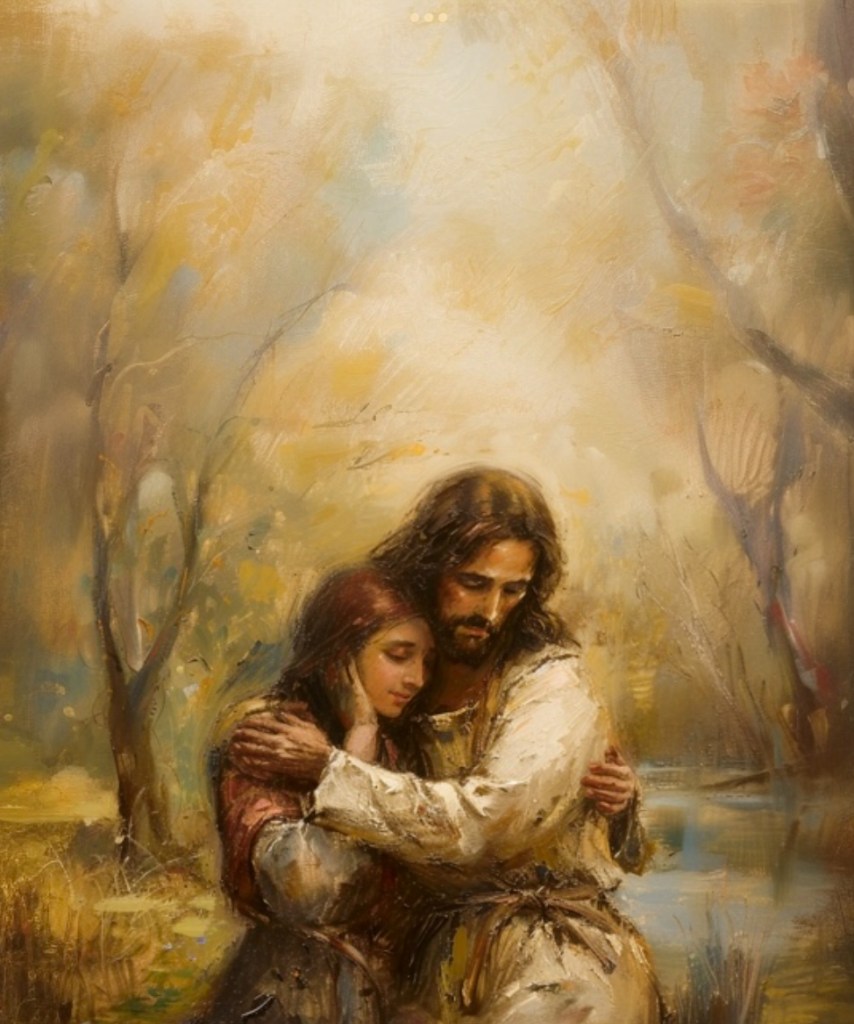
Jesus of Nazareth, the embodiment of divine love and compassion, whose teachings on forgiveness, mercy, and selfless service continue to inspire millions across the world.
Screenshot
Anandamayi Ma, a revered Hindu mystic, exemplifies the divine love and spiritual wisdom that have been central to Hindu tradition for centuries.
Paramahansa Yogananda, the great spiritual teacher and author of ‘Autobiography of a Yogi,’ brought the wisdom of India’s ancient spiritual traditions to the West, inspiring countless seekers with his teachings of love, self-realization, and the unity of all religions.
Hazrat Inayat Khan, a revered Sufi mystic and musician, whose teachings on the unity of religious ideals and the harmony of divine love have inspired countless souls on their spiritual journeys.
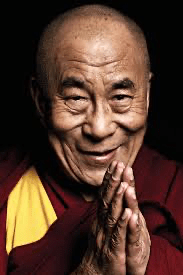
His Holiness the Dalai Lama, a global symbol of peace, compassion, and the enduring wisdom of the Buddhist tradition, whose teachings inspire the world toward kindness and universal responsibility.
Ani Choying Drolma, a Tibetan Buddhist nun and internationally acclaimed singer, whose music and teachings spread the message of compassion, peace, and the profound wisdom of the Buddha’s path.
“The lamps are different, but the Light is the same.”
In the vast tapestry of world religions, certain values transcend cultural and doctrinal differences, weaving together a shared vision of what it means to live a righteous and compassionate life. These values—purity, righteousness, kindness, forgiveness, and compassion—are cornerstones of what many traditions aspire to cultivate in their followers. Whether it’s the Sadhu Dharma in Hinduism, the concept of Tzaddikim in Judaism, or the pursuit of being a Mensch, these ideals serve as beacons of light in our shared human journey.
Sadhu Dharma, the path of the holy person, is a life dedicated to truth, simplicity, and non-attachment. The Sadhus, through their renunciation and ascetic practices, embody a life that seeks to transcend the material and focus entirely on the spiritual. Their lives are marked by a commitment to Dharma—righteousness and moral order—a principle that resonates deeply in Hindu philosophy. This dedication to purity of mind and heart is not just about personal enlightenment but about embodying virtues that uplift society as a whole.
In Judaism, the concept of Tzaddikim refers to the righteous ones, those whose lives are marked by a deep commitment to justice, kindness, and integrity. The Tzaddik, much like the Sadhu, is someone who has dedicated their life to the service of others and to the fulfillment of divine commandments. They are seen as pillars of the world, their righteousness serving as a foundation for the spiritual and moral health of the community.
Similarly, the idea of being a Mensch, which in Yiddish refers to a person of integrity and honor, is highly valued in Jewish culture. A Mensch is someone who embodies the values of kindness, responsibility, and decency in their daily life. This concept, though rooted in Jewish tradition, has universal appeal, as it speaks to the importance of living a life that others can look up to and respect.
In Christianity, the teachings of Jesus Christ offer a profound example of a life dedicated to love, compassion, and forgiveness. Jesus’s Sermon on the Mount is a timeless guide to living a life of righteousness. His call to love one’s neighbor as oneself, to forgive endlessly, and to seek peace in all things, aligns beautifully with the teachings of Sadhu Dharma and the principles of Tzaddikim. Jesus’s life is a testament to the power of living with an open heart, free from the shackles of anger, greed, and judgment.
Islam also emphasizes the importance of righteousness and moral conduct. The Quran and Hadith provide guidance on how to live a life that is pleasing to God, through acts of charity, honesty, and justice. The concept of Taqwa, often translated as God-consciousness or piety, encourages Muslims to live in constant awareness of God’s presence, guiding them to act with integrity and compassion. The Prophet Muhammad’s life is filled with examples of humility, kindness, and dedication to the welfare of others, setting a high standard for ethical conduct.
Buddhism, with its emphasis on the Noble Eightfold Path, also encourages a life of right conduct, right speech, and right livelihood. The Buddha’s teachings on compassion (Karuna) and loving-kindness (Metta) offer a path to purifying one’s mind and living in harmony with others. The simplicity of the Buddha’s advice to “Be good, do good, purify your mind” resonates across all these traditions, offering a succinct summary of the universal path to spiritual awakening.
Despite the diversity of religious expressions, these examples highlight a shared commitment to cultivating a life of virtue. Whether it’s through the renunciation of a Sadhu, the righteousness of a Tzaddik, the integrity of a Mensch, the compassion of Christ, the piety of a Muslim, or the mindfulness of a Buddhist, the underlying message is clear: to live a life that reflects the highest values of humanity.
In today’s world, where division and discord often seem to dominate the narrative, these teachings remind us of the importance of unity and the power of virtue. They encourage us to rise above our differences and to see in each other the same divine spark that guides our own path. By embracing these universal principles, we contribute to a more harmonious and compassionate world—a world where peace and righteousness are not just ideals but lived realities.
As we continue our journey through the sacred stories and teachings of various traditions, may we carry these lessons with us, allowing them to shape our actions and our hearts. In doing so, we honor the diversity of spiritual paths while recognizing the common ground that unites us all.
O Divine Source of all creation, The One who is known by many names, And who dwells in every heart, We come before you with humble hearts, Seeking your blessing of peace and harmony.
May your love flow through us like a river, Washing away all hatred, division, and fear, And filling our hearts with compassion for all beings.
Teach us to see beyond our differences, To honor the divine in every person, And to live as instruments of your peace in this world.
May we walk the path of righteousness, Guided by your wisdom and grace, So that our actions may bring healing and unity To a world that so deeply longs for peace.
Let all nations and peoples come together, In a spirit of understanding and respect, Embracing the truth that we are all your children, And that in your eyes, we are one family.
Grant us the courage to forgive, The strength to love without condition, And the wisdom to seek justice and mercy For every living being.
May your light shine in our hearts, And may we carry that light into the world, Bringing hope to the weary, And peace to all who suffer.
In your holy name, we pray, For goodwill on earth, and peace among all beings.
Christianity is a rich and diverse faith, encompassing a wide range of beliefs and interpretations. This post aims to explore the relationship between faith and actions as seen through the teachings of Jesus and various scriptural references. It is shared with respect for all perspectives and an invitation for open, thoughtful dialogue. Our goal is to deepen our understanding and practice of faith, recognizing that this journey is unique for each believer.
Jesus’ Teachings on Sin and Righteousness
Jesus warns in John 5:14, “Stop sinning or something worse may happen to you,” illustrating the connection between spiritual health and ethical behavior. Similarly, James 2:17 asserts, “Faith by itself, if it does not have works, is dead,” emphasizing that genuine faith is demonstrated through actions aligned with God’s will.
Yet, many contemporary Christians believe that salvation is guaranteed regardless of their behavior. Some might even think they’re just barely saved, like escaping “through fire” as mentioned in 1 Corinthians 3:15. This suggests that while they may be saved, they will experience some kind of loss, ultimately facing a less fulfilling spiritual salvation and existence in the promised eternal life.
Judgment According to Deeds
The book of Revelation further underscores the importance of deeds in judgment. Revelation 20:12 states, “And I saw the dead, great and small, standing before the throne, and books were opened. Another book was opened, which is the book of life. The dead were judged according to what they had done as recorded in the books.” This passage highlights that our actions and deeds are significant in the final judgment.
The Many Rooms of Heaven
Jesus also provides a glimpse into the nature of our heavenly rewards in John 14:2-3, saying, “In my Father’s house are many rooms; if it were not so, I would have told you. I am going there to prepare a place for you.” This suggests that heaven is not a uniform experience for all but includes different “rooms” or levels of experience and closeness to Jesus. The notion of having a place prepared might imply that one’s faithfulness and actions impact the nature of their reward in Heaven and their ultimate relationship with Jesus in the afterlife.
Furthermore, Matthew 5:19 indicates a differentiation within the kingdom of heaven based on one’s adherence to Jesus’ commands. Jesus says, “Therefore anyone who sets aside one of the least of these commands and teaches others accordingly will be called least in the kingdom of heaven, but whoever practices and teaches these commands will be called great in the kingdom of heaven.” This implies that believers will have varying levels of reward and status based on their faithfulness. A place in heaven may be guaranteed by grace, but apparently our position of least or great or somewhere in between is contingent on our righteous or unrighteous living.
The Warning of “Lord, Lord”
In Matthew 7:21-23, Jesus warns, “Not everyone who says to me, ‘Lord, Lord,’ will enter the kingdom of heaven, but only the one who does the will of my Father who is in heaven. Many will say to me on that day, ‘Lord, Lord, did we not prophesy in your name, and in your name drive out demons and in your name perform many miracles?’ Then I will tell them plainly, ‘I never knew you. Away from me, you evildoers!’” This passage underscores that mere verbal profession of faith or even miraculous deeds do not guarantee entrance into the kingdom of heaven. Instead, living according to God’s will is essential.
Balancing Faith and Righteous Living
It’s important to acknowledge that the perspective presented in this post does not seek to undermine the assurance of salvation or the belief in salvation by grace alone. Instead, it questions the nature of the salvation promised based on numerous scriptural references that stress the value of both faith and sincerely living out one’s faith with righteousness. The intention is not to diminish the role of grace but to emphasize that true faith, according to Jesus’ teachings, naturally results in a transformative life characterized by ethical behavior and adherence to God’s will. This view invites believers to reflect on how their actions align with their professed faith, encouraging a deeper understanding of salvation that integrates the calling of both belief and righteous living. This results not just in the minimal salvation of grace alone but in the greatest salvation, culminating in full acceptance from Jesus on the day of judgment.
Reconciling “Once Saved, Always Saved” with Jesus’ Teachings
The doctrine of “once saved, always saved” raises important questions about the relationship between faith and works. If someone professes faith in Jesus but continues to live in sin, are they truly saved? And if so, saved from what? Jesus’ teachings suggest that genuine faith is accompanied by transformation and righteous living.
Jesus’ warning in Matthew 7:21-23 implies that those who are rejected are not living according to His will, despite their claims and even their religious activities. The fate of those who say “Lord, Lord” and are rejected by Jesus raises profound questions: In what way are these individuals saved, and if saved, saved from what? Salvation by grace suggests they are saved, but their rejection indicates a failure to live in accordance with Jesus’ teachings. What is the fate of those who are “saved” but judged by Jesus as having insufficient deeds?
Salvation and Judgment
What does salvation look like for those who, although sincerely calling “Lord, Lord,” are rejected by Jesus as evildoers? This tension between being saved by grace and the necessity of righteous deeds is a significant theme in Christian theology. Believers must reconcile these seemingly contradictory messages in their own understanding and practice of faith.
In Luke 12:48, Jesus adds, “From everyone who has been given much, much will be demanded; and from the one who has been entrusted with much, much more will be asked,” reinforcing the idea that those with greater responsibilities in faith will be held to higher standards.
1 Corinthians 3:12-15 also illustrates that while believers may be saved, their rewards or experiences in heaven might differ based on their works. This reinforces that salvation involves more than just entry into heaven—it also includes the quality and depth of one’s spiritual journey and actions.
Conclusion: A Call to Genuine Faith
There are those who believe that simply expressing faith with their mouth in some accepted formula of faith in Jesus guarantees salvation, even if they do nothing else—they believe that by grace they are saved. But, saved from what? And if rejected by Jesus as evildoers when they call “Lord, Lord,” what then is this salvation they are being guaranteed? Salvation, according to Jesus, is not just a ticket to heaven but involves a transformative journey that manifests in righteous living and faithful adherence to His teachings.
The idea of “once saved, always saved” can lead to a complacent faith that neglects the call to live out the teachings of Jesus. While grace is a fundamental aspect of salvation, it does not negate the need for genuine transformation and ethical living. The concept of being “least in the kingdom of heaven” versus “great in the kingdom of heaven” highlights that there are varying degrees of closeness to God based on one’s faithfulness and actions.
Believers must recognize that true faith is evidenced by a life that reflects the love, compassion, and righteousness of Jesus. This involves ongoing repentance, ethical living, and a sincere effort to align one’s life with God’s will. By embracing both faith and works, Christians can fully experience the depth of salvation and the richness of their spiritual inheritance.
Reflective Questions for Deeper Exploration:
How do you reconcile the doctrine of “once saved, always saved” with the emphasis on righteous living found in Jesus’ teachings?
In what ways can you integrate both faith and works in your daily life to reflect a genuine faith?
How does the concept of different “rooms” in heaven influence your understanding of salvation and spiritual growth?
Share your thoughts and reflections in the comments section below. How do you view the relationship between faith and actions in your own spiritual journey?
Beloved members of Congress, esteemed Senators, and Representatives,
Today, I stand before you with the same message I delivered over 2,000 years ago: “Repent, for the kingdom of heaven is at hand.” This call is not bound by time or geography; it is a divine summons that resonates through the ages, calling every generation to turn their hearts toward righteousness and justice.
Repentance is more than mere remorse for past actions; it is a transformative turning of the heart and mind towards the principles of the kingdom of heaven. It is a call to love, compassion, justice, and truth. It demands integrity in your dealings and sincerity in your service.
As leaders, you hold the power to shape the destiny of this nation. Yet, with great power comes great responsibility. To restore righteousness and justice in America, you must embrace the following principles:
True leadership is grounded in humility and service. It is not about personal gain or partisan victory but about serving the common good. Look beyond the walls of division and see each person as a child of God, deserving of dignity and respect.
The kingdom of heaven is built on compassion. Seek to understand the struggles of the least among you. Address the needs of the poor, the sick, and the marginalized. Create policies that uplift and empower rather than oppress and exclude.
Righteousness demands justice. Ensure that your laws and actions are fair and just, protecting the rights of all people, regardless of race, gender, or economic status. Stand against corruption, greed, and oppression in all its forms.
Let your words and actions be marked by truth and integrity. Do not succumb to deceit, manipulation, or falsehoods. Speak truth to power and uphold the principles of honesty and transparency in all your dealings.
Blessed are the peacemakers. Seek to heal the divisions that plague your nation. Promote dialogue and understanding, fostering a spirit of unity and reconciliation. Work tirelessly to resolve conflicts and build bridges of peace.
The earth is a gift from the Creator, and you are its stewards. Protect and preserve the environment, ensuring that future generations inherit a world where they can thrive in harmony with nature.
These principles are not new; they are eternal truths that have guided humanity throughout history. Yet, in your hands lies the power to manifest them in this present age.
Repentance is not a one-time act but a continuous journey. Each day, strive to align your actions with these divine principles. Seek forgiveness where you have erred and have the courage to make amends.
The kingdom of heaven is not a distant future; it is at hand. It is within your reach if you choose to embody these values in your leadership.
May your hearts be open to this call, and may your actions reflect the light of righteousness and justice.
Go forth, beloved leaders, and be the change this nation so desperately needs. For the kingdom of heaven is at hand, and it begins with you.
In a time when fear and uncertainty seem to dominate the narrative, it’s easy to feel overwhelmed by the challenges facing our world. Yet, amidst the chaos, there is a quiet voice that whispers hope. Imagine waking from a dream with the words, “It doesn’t have to end this way,” echoing in your mind. This profound message invites us to see beyond the current challenges and envision a future where love and hope prevail.
In a world inundated with images of division and disaster, it’s crucial to pray not only for personal salvation but also for the healing and transformation of our communities and nations. Rooted in scripture, John 14:1-3 assures us of Jesus preparing a place for us in his Father’s house, where we will dwell with him. This promise of eternal life in a New Earth and Heaven inspires us to live with integrity and righteousness (Revelation 21:1-4), knowing that our actions rooted in love and hope can influence a more peaceful and righteous outcome in our world – here and now.
Moreover, by shifting our focus from the Kingdom of war, greed, and hatred that surrounds us, we can begin to perceive the Kingdom of God, which is present all around us. Through eyes of faith, we see glimpses of God’s Kingdom in acts of kindness, moments of forgiveness, and expressions of compassion. This vision empowers us to live as ambassadors of God’s Kingdom here and now, spreading love and hope in a world hungry for peace and righteousness.
As we navigate these turbulent times, let us hold fast to the teachings of love and hope. Let us embrace forgiveness, loving-kindness, and compassion as our guiding principles. By embodying these virtues, we not only prepare ourselves for the promise of eternal life with Christ but also actively participate in shaping a world where love triumphs over fear. May our actions today reflect our faith in a future where righteousness reigns.
Crucially, let us remember the profound commandment to treat others as we wish to be treated, avoiding the pitfalls of polarization and blame. Instead, let us seek truth and embody it in our daily lives, fostering understanding and unity rather than division. Together, let us walk in the light of love and hope, inspiring others to join us on this journey of transformation.
🙏🕊️🙏
In love’s embrace, Hope blooms eternal, Peace whispers softly.