Hatha Yoga is the yoga of physical discipline, focusing on the practice of asanas (postures) and pranayama (breath control) to create a strong, flexible body and a calm, focused mind. Often seen as the foundation for other forms of yoga, Hatha Yoga serves as a preparatory practice that balances the physical and energetic systems, making the body a fit vehicle for spiritual awakening.
The term “Hatha” can be translated as “forceful,” but it also represents the union of opposites—Ha (sun) and Tha (moon)—symbolizing the balance of solar and lunar energies within the body. Through the practice of Hatha Yoga, one seeks to harmonize these energies, cultivating both strength and serenity, vitality and relaxation.
In this blog series, we’ll explore the foundational practices of Hatha Yoga and how they prepare the body and mind for deeper spiritual work.
As we embark together on this journey of discovery and reflection, I warmly invite you to join me in exploring the depths of these ancient practices and teachings. Let this space be a sanctuary where we meet not just as seekers, but as companions on the path—a place where the wisdom of the ages can gently unfold within our lives.
If these words and practices speak to something within you, if they stir a quiet longing or bring a sense of peace, I encourage you to subscribe to this blog. By doing so, you’ll be the first to know as new installments of our shared journey are published. It is my hope that each post will resonate with you, offering insights and comfort as we continue to explore these profound teachings together.
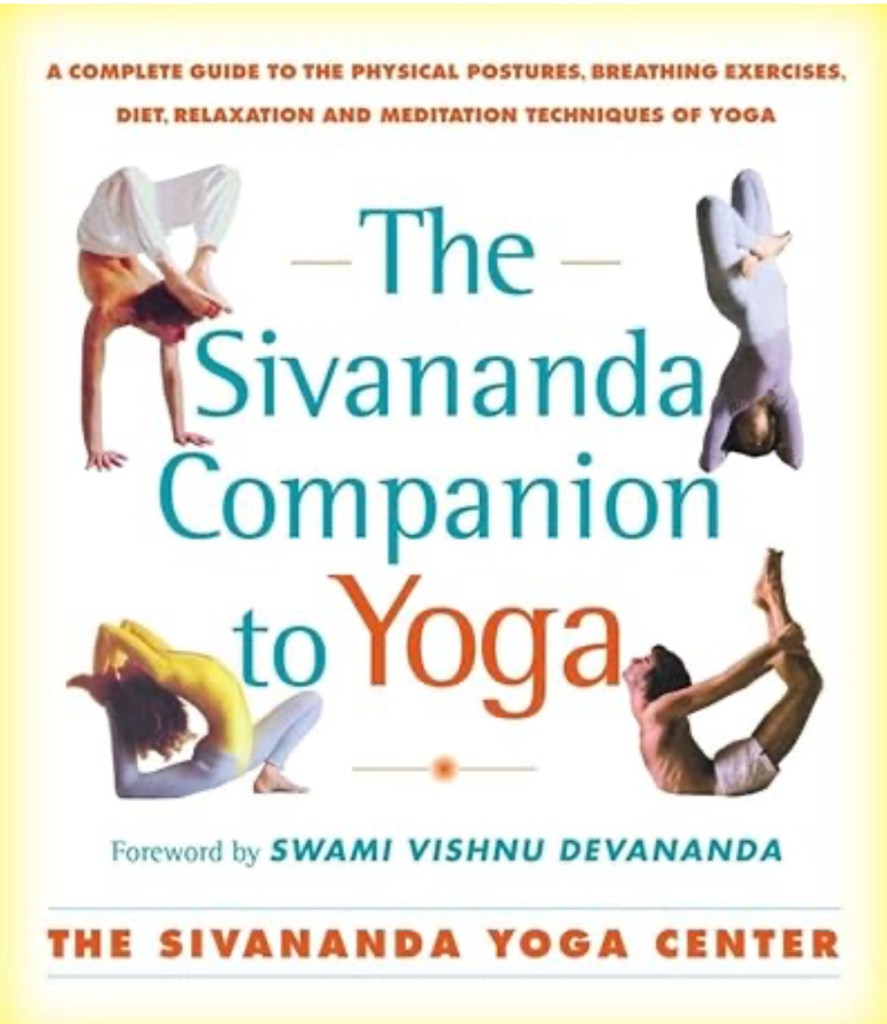
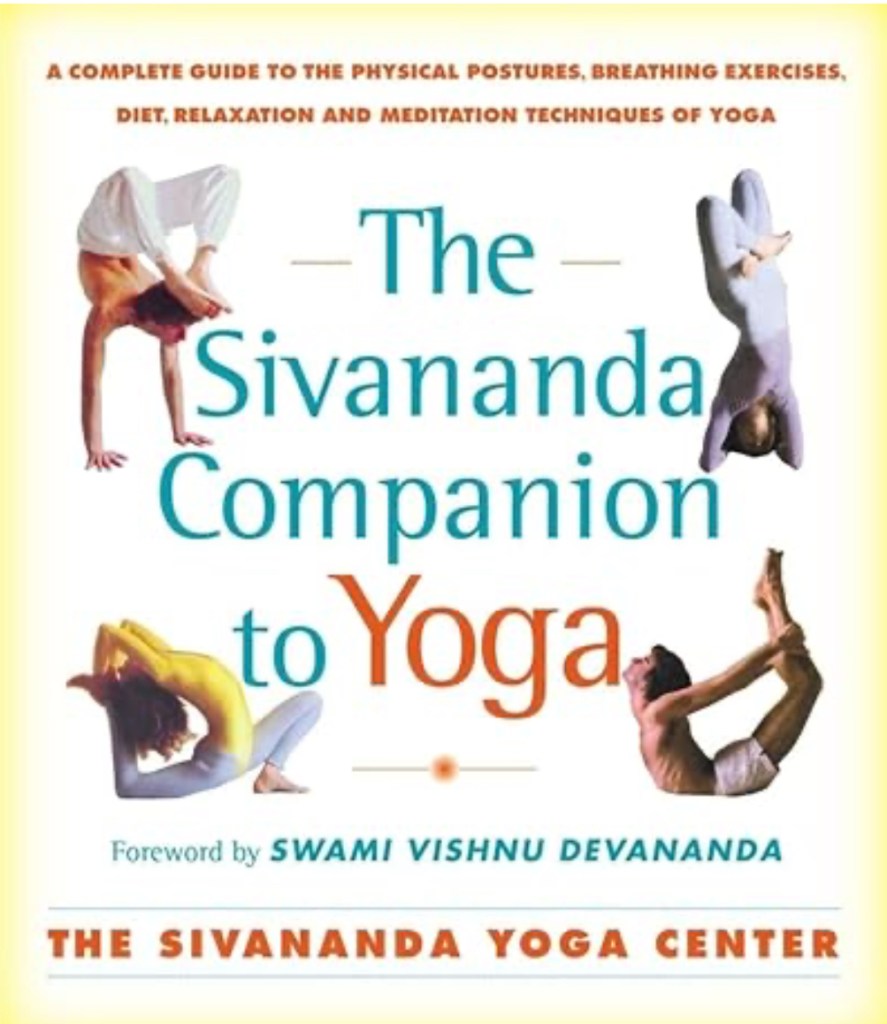
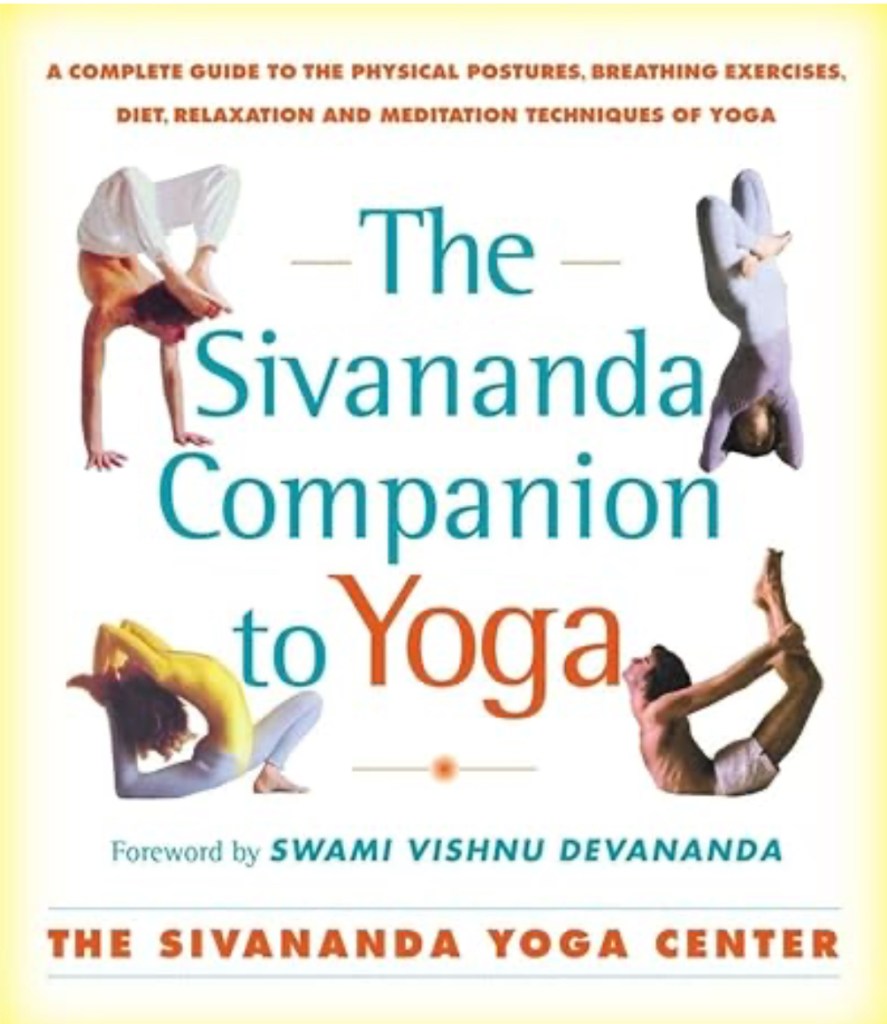
For those interested in a comprehensive introduction to the practices of yoga, I recommend The Sivananda Companion to Yoga: A Complete Guide to the Physical Postures, Breathing Exercises, Diet, Relaxation, and Meditation Techniques of Yoga. This book offers clear guidance on the foundational aspects of yoga, making it an invaluable resource for anyone looking to deepen their understanding and practice. Take a look at this book on Amazon here.
“Now, the discipline of yoga begins.” —Patanjali, Yoga Sutra 1.1
With this simple declaration, Patanjali invites us into the present moment. “Atha Yoganushasanam” is a call to awaken to the path of yoga, the path of inner discipline and self-realization. It is a call to begin, no matter where we are in our lives. Yoga, in its deepest sense, is the discipline of mind, body, and spirit—and it begins now.
For many of us, beginning the practice of yoga means stepping into an unfamiliar space. It is more than just physical postures; it is the cultivation of a stillness that transcends the waves of thought, emotion, and distraction. As Patanjali tells us in the second sutra:
“Yoga is the cessation of the fluctuations of the mind.” —Patanjali, Yoga Sutra 1.2
These fluctuations, or vrittis, are the constant movement of our thoughts and emotions. They pull us away from the present moment and cloud our perception of who we truly are. Yoga, then, is the practice of calming these fluctuations, of finding a stillness that allows us to return to the essence of our being.
But this stillness does not come easily. It requires strength—not the strength of the body, but the strength of the spirit. To sit in presence, to resist the pull of distractions, is an act of great resilience. The calmness we seek in yoga is not a passive state of relaxation but a superior strength, born from inner mastery.
The Discipline of Yoga
At the very beginning, Patanjali emphasizes that yoga is not just a practice but a discipline. This distinction is essential. A practice can be casual or done intermittently, but discipline requires consistent effort, commitment, and focus. The word discipline itself conveys the idea of training, of shaping or controlling something to achieve a higher goal. In the context of yoga, this means training the mind to remain present and unaffected by distractions or fluctuations.
Discipline in yoga is about developing the ability to observe the mind and body without becoming identified with them. It’s not an easy task—our minds are naturally restless, constantly moving from one thought to the next. This is where discipline comes in. The discipline of yoga requires us to cultivate patience, perseverance, and a dedication to returning to stillness, even when the mind resists.
Patanjali’s use of the word anushasanam in Sutra 1.1 can be translated as “discipline” or “instruction,” highlighting that yoga is a structured and methodical path. To realize the ultimate goal of yoga—union with the true self—requires a discipline that integrates not only the physical body through postures (asanas) but, more importantly, the mind through meditation, mindfulness, and awareness.
Why Discipline Matters in Yoga
Discipline in yoga is the key to taming the fluctuations of the mind. It takes effort and intention to stop identifying with every passing thought or emotion. Through disciplined practice, we create a space between the mind’s activity and the true self, the Seer. This space allows us to witness the mind without being consumed by it. The goal of yoga, as Patanjali explains in Sutra 1.2, is to still the fluctuations of the mind so that we can experience the true self—the state of yoga, or union.Without discipline, the mind will continue to sway between desires, distractions, and doubts. It is through dedicated, disciplined practice that we train the mind to remain calm and present, allowing the deeper realization of yoga to unfold. Discipline doesn’t mean harshness or rigidity; rather, it means consistency and commitment. It is a steady return to the present moment, a steady return to the awareness of the Seer.
In my own practice, I’ve come to realize that cultivating this calm presence is much like strengthening a muscle. Just as we go to the gym to build physical strength, we sit in practice to build the strength of awareness. Each time we resist the pull of thoughts and emotions, each time we gently return to the present moment, we are training ourselves in the discipline of yoga.
It is important to approach this process with self-compassion. Too often, we judge ourselves for the mind’s restlessness. But just as we wouldn’t criticize a muscle for being weak before it’s been trained, we shouldn’t criticize the mind for its natural tendencies. Instead, we honor the effort it takes to stay still, to remain present.
As we begin this journey through the Yoga Sutras of Patanjali, we are reminded that yoga is not about perfection, but about practice. The fluctuations of the mind will always be there—it is our relationship to them that changes. Through consistent practice, we build the strength to calm the mind and experience the peace that lies beneath the surface.
This is the beginning of the path, the first step in our exploration of Patanjali’s teachings. As we move forward, we will reflect on how these sutras can shape our lives and help us cultivate a deeper sense of awareness, peace, and purpose.
Coming Up Next: In our next post, we will explore Sutras 1.3 and 1.4, which build upon this foundation of stillness. These sutras reveal what happens when the mind becomes still and how we experience our true nature. We will also look at what occurs when the mind remains caught in its fluctuations, giving rise to misperception. Join me as we continue this journey, moving deeper into the essence of yoga and self-realization.
Bhakti Yoga is the yoga of devotion, a deeply emotional and heart-centered path that leads practitioners to experience the divine through love, worship, and surrender. Rooted in the idea that the divine is both immanent and transcendent, Bhakti Yoga cultivates a personal relationship with the divine, often expressed through devotion to a chosen deity or spiritual figure.
This path is characterized by the expression of pure love and devotion (bhakti) towards the divine, transcending intellectual knowledge and focusing on the heart’s connection with the divine presence. Bhakti Yoga teaches that by channeling all emotions and actions towards divine love, one can dissolve the ego and realize the unity of all existence.
In this blog series, we’ll explore the principles and practices of Bhakti Yoga, and how this path of devotion can lead to profound spiritual transformation and connection with the divine.
As we embark together on this journey of discovery and reflection, I warmly invite you to join me in exploring the depths of these ancient practices and teachings. Let this space be a sanctuary where we meet not just as seekers, but as companions on the path—a place where the wisdom of the ages can gently unfold within our lives.
If these words and practices speak to something within you, if they stir a quiet longing or bring a sense of peace, I encourage you to subscribe to this blog. By doing so, you’ll be the first to know as new installments of our shared journey are published. It is my hope that each post will resonate with you, offering insights and comfort as we continue to explore these profound teachings together.
For those interested in a comprehensive introduction to the practices of yoga, I recommend The Sivananda Companion to Yoga: A Complete Guide to the Physical Postures, Breathing Exercises, Diet, Relaxation, and Meditation Techniques of Yoga. This book offers clear guidance on the foundational aspects of yoga, making it an invaluable resource for anyone looking to deepen their understanding and practice.
The Yoga Sutras of Patanjali are among the most revered and profound texts in the history of spiritual practice. Written over two thousand years ago, they offer a timeless guide to understanding the nature of the mind, the path of self-realization, and the true essence of yoga. Though often studied by practitioners of yoga, these sutras transcend any single tradition and speak to all who seek clarity, peace, and spiritual growth.
Patanjali, the ancient sage credited with composing these teachings, distilled the essence of yoga into 196 short aphorisms, or sutras. These sutras are not just theoretical—each one provides practical wisdom, offering guidance on how to quiet the mind, transcend suffering, and realize our highest potential. Together, they form a comprehensive system for inner transformation, known as Raja Yoga or the “royal path” to self-mastery.
Why, then, should we study the Yoga Sutras? In today’s world, we are often overwhelmed by the constant fluctuations of the mind—our thoughts, emotions, and external distractions. Patanjali’s teachings offer a way to navigate this inner turbulence, helping us cultivate stillness and awareness. The Yoga Sutras provide a roadmap to liberation, inviting us to look beyond the surface of our daily experience and discover the deeper truth of who we are.
The sutras reveal that yoga is far more than physical postures or breathing techniques; it is a disciplined practice of calming the mind and awakening to our inherent state of peace. By studying and reflecting on these teachings, we can bring more clarity, wisdom, and purpose into our lives. As Patanjali himself declares at the very beginning of his work:
“Now, the discipline of yoga begins.”
In this series, we will explore the Yoga Sutras using the translation offered by Swami Vivekananda, a renowned spiritual teacher and philosopher who introduced the wisdom of yoga to the West in the late 19th century. Vivekananda’s translation is both accessible and profound, capturing the essence of Patanjali’s teachings while making them relevant to modern seekers. His interpretation illuminates the deeper meanings behind the sutras, providing a bridge between ancient wisdom and contemporary understanding.
As we journey through these sutras together, we will take time to reflect on each one, understanding how it applies to our own lives and practices. The path of yoga is not just about reading words on a page—it is about living them, integrating the teachings into the way we think, act, and experience the world.
Let this be the beginning of our journey into the heart of yoga. As we explore the Yoga Sutras of Patanjali, we will open ourselves to the possibility of inner transformation, guided by the light of these ancient teachings.
Coming Up Next: In our next post, we will dive into the first two sutras: Atha Yoganushasanam and Yogash Chitta Vritti Nirodhah. Together, we will reflect on what it means to begin the practice of yoga and how the cessation of the fluctuations of the mind becomes the essence of our journey toward inner stillness. We’ll explore how these teachings apply to our daily lives and the strength it takes to cultivate presence and calmness in the face of life’s challenges. Join us as we take the first step in our exploration of Patanjali’s wisdom.
Karma Yoga is the yoga of selfless action, a path that transforms work into a spiritual practice by emphasizing the importance of performing one’s duties without attachment to the outcomes. Rooted in the teachings of the Bhagavad Gita, Karma Yoga encourages practitioners to engage fully in their responsibilities while dedicating their actions to the greater good, without seeking personal gain or recognition.
The essence of Karma Yoga lies in the principle of Nishkama Karma—acting without desire for the fruits of one’s actions. This approach purifies the heart and mind, reducing the influence of the ego and fostering a sense of humility, compassion, and service. By embracing this path, practitioners learn to see their work as an offering, aligning their will with the divine and contributing to the welfare of all beings.
In this blog series, we’ll delve into the core teachings of Karma Yoga and how it can be applied to our daily lives, transforming every action into a step on the spiritual path.
As we embark together on this journey of discovery and reflection, I warmly invite you to join me in exploring the depths of these ancient practices and teachings. Let this space be a sanctuary where we meet not just as seekers, but as companions on the path—a place where the wisdom of the ages can gently unfold within our lives.
If these words and practices speak to something within you, if they stir a quiet longing or bring a sense of peace, I encourage you to subscribe to this blog. By doing so, you’ll be the first to know as new installments of our shared journey are published. It is my hope that each post will resonate with you, offering insights and comfort as we continue to explore these profound teachings together.
For those interested in a comprehensive introduction to the practices of yoga, I recommend The Sivananda Companion to Yoga: A Complete Guide to the Physical Postures, Breathing Exercises, Diet, Relaxation, and Meditation Techniques of Yoga. This book offers clear guidance on the foundational aspects of yoga, making it an invaluable resource for anyone looking to deepen their understanding and practice. Take a look at this book on Amazon
here.
Jnana Yoga is one of the primary paths of yoga, often described as the path of knowledge or wisdom. It is a profound spiritual practice focused on deep inquiry into the nature of the self and the ultimate reality. Through a process of self-examination and discernment, practitioners of Jnana Yoga seek to transcend the illusions of the mind and realize the true, non-dual nature of existence.
At the heart of Jnana Yoga is the practice of Atma Vichara, or self-inquiry, where the seeker continuously asks, “Who am I?” This inquiry leads to the direct experience of the Self (Atman) as pure consciousness, beyond the layers of thought, emotion, and ego. Jnana Yoga emphasizes the importance of discriminating between the real and the unreal, the eternal and the transient, in order to uncover the unchanging reality that underlies all existence.
In this blog series, we’ll explore the key principles and practices of Jnana Yoga, and how this path of knowledge can guide us toward self-realization and spiritual liberation.
As we embark together on this journey of discovery and reflection, I warmly invite you to join me in exploring the depths of these ancient practices and teachings. Let this space be a sanctuary where we meet not just as seekers, but as companions on the path—a place where the wisdom of the ages can gently unfold within our lives.
If these words and practices speak to something within you, if they stir a quiet longing or bring a sense of peace, I encourage you to subscribe to this blog. By doing so, you’ll be the first to know as new installments of our shared journey are published. It is my hope that each post will resonate with you, offering insights and comfort as we continue to explore these profound teachings together.
For those interested in a comprehensive introduction to the practices of yoga, I recommend The Sivananda Companion to Yoga: A Complete Guide to the Physical Postures, Breathing Exercises, Diet, Relaxation, and Meditation Techniques of Yoga. This book offers clear guidance on the foundational aspects of yoga, making it an invaluable resource for anyone looking to deepen their understanding and practice. Take a look at this book on Amazon here.